
GUESS THE ANIMAL!
Do you have your thinking cap on? Can you guess the animal in the picture?

This animal lives in the ocean and is known for a cool adaptation that it has to protect itself.
WHO IS IT?

GUESS THE ANIMAL!
Do you have your thinking cap on? Can you guess the animal in the picture?
This animal lives in the ocean and is known for a cool adaptation that it has to protect itself.
WHO IS IT?
SCIENCE WORD OF THE WEEK!

Hello everyone! Who’s excited to start a new week? I know I am and I’m excited to share today’s science word of the week! It’s looks a bit crazy and sounds funny too!
Today’s word is Ichthyology (\ˌik-thē-ˈä-lə-jē\): the branch of zoology that deals with fish. A person who studies fish is called an ichthyologists. That’s a pretty fun word isn’t it? Ichthyologists can study just one species of fish or something more broad like sharks! Studying and working with fish sounds like a cool job!
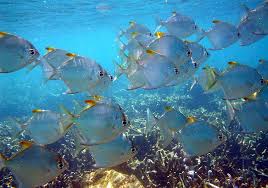
Which one of these fish would you like to study?


SALAMANDER, SALAMANDER…
We just love amphibians! Frogs, salamanders, newts… we could talk about these funny little creatures all day long! Today we wanted to introduce you a salamander that is very toxic! We just looked from a bit of distance!

MEET THE FIRE SALAMANDER!

Range/Habitat: Europe/forests, woodlands, mountains
Diet: Carnivore: slugs, insects, worms
Length: 7-11”
Conservation Status: Common

Fun Facts:

Fire salamanders are a great little amphibian! They sure are pretty with their shiny black bodies and bright yellow spots! Like other amphibians, salamanders can indicate if their habitat is healthy. They need very specific, non polluted habitats to survive. Scientists often count amphibian populations to see if a habitat is doing ok! Cool!
GUESS THE ANIMAL!!
Who’s ready to put your thinking caps on and guess who are our mystery animal is?
Your one clue today: Darwin made this animal famous!
WHO IS IT?
SCIENCE WORD OF THE WEEK!
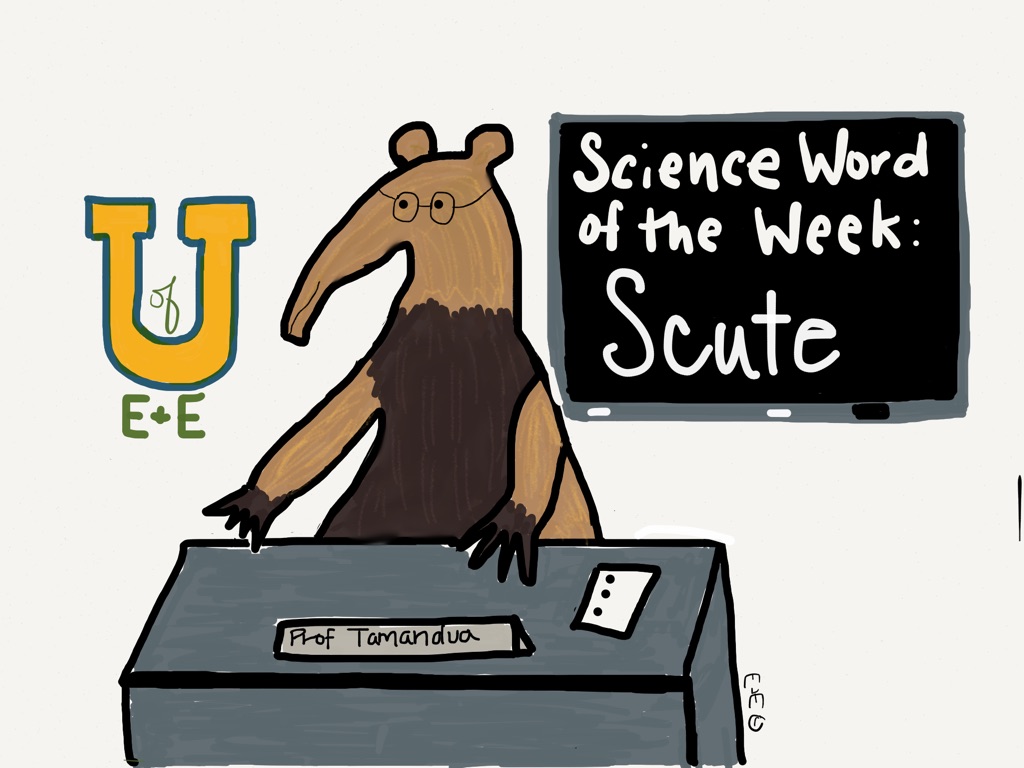
Hello everyone! We had a lovely holiday break here at the University! I’m back and ready to talk about our science word of the week! Who’s ready to learn with me?
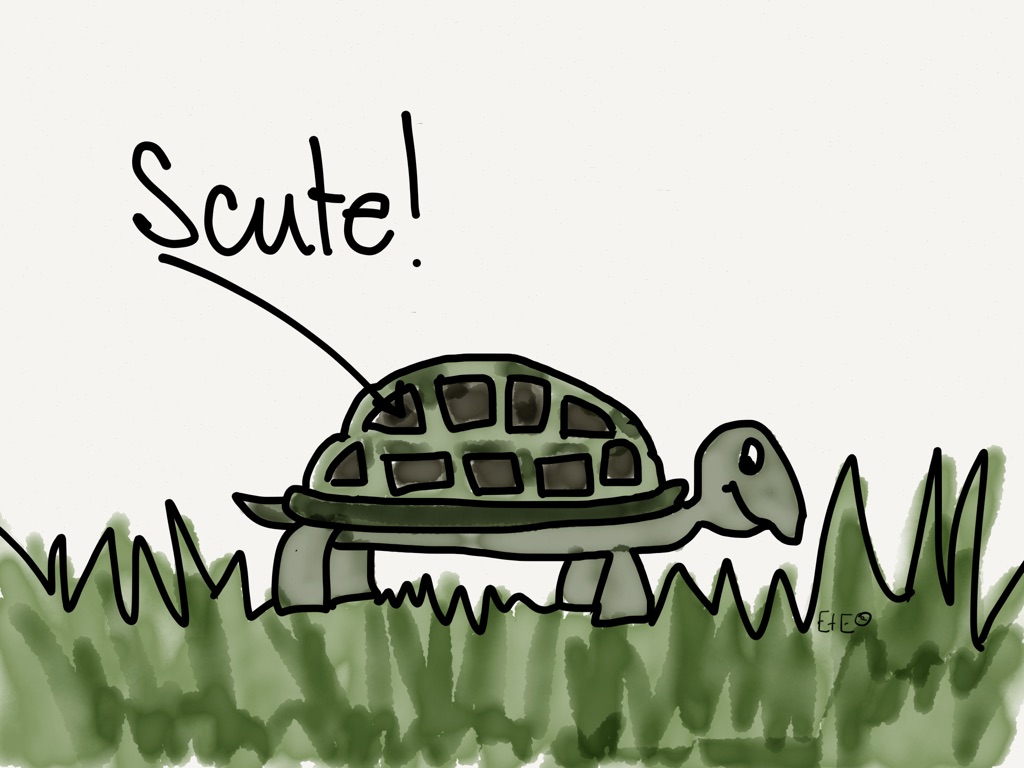
This week’s word is Scute: a scute an external bony plate or scale. Turtles and tortoise have scutes on the outside of their shells. Those scutes are made up of the protein keratin. Keratin makes up human hair and finger nails!
HAPPY THANKSGIVING!!
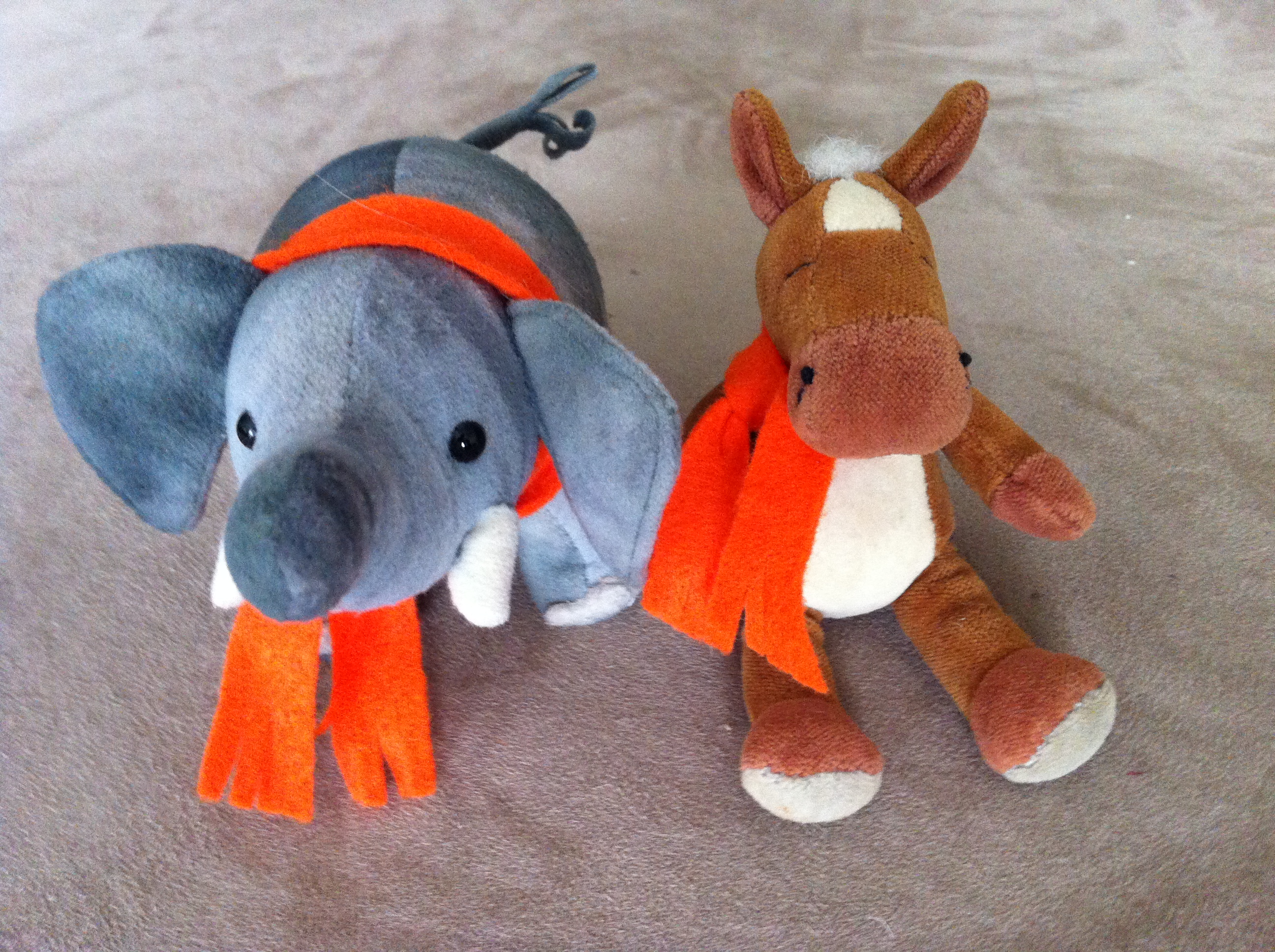
We wanted to say Thank You to all our readers, fans and friends out there! We couldn’t do it without your support! Enjoy this fun coloring sheet and may you all enjoy your holiday and for those friends around the world- Happy Thursday!

We’re Talking Turkey!
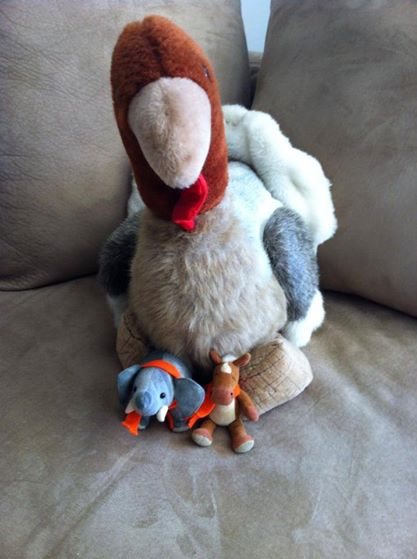
We’re talking turkeys today! We love these amazing birds! Wild turkeys are often under appreciated if you ask us! Come learn some fun facts about turkeys!


We bet you had no idea how cool wild turkeys real are! We hope you’ll have a better appreciation for these majestic birds! We know we sure do! Let’s go Turkeys!!
Ellie and Edmond Calendars!
 We are so excited to announce that the 2015 Ellie and Edmond calendars are here! We had some trouble getting shop open-so we had them printed ourselves! The calendars are full art from our readers, friends and supporters that entered our art contest!
Check out the fantastic art here!
Calendars will be $14 and will be mailed from right here at Headquarters! We have a limited supply- so get yours early! ALL Proceeds will go to the David Sheldrick Wildlife Fund– that supports orphan elephants in Africa!
To order your calendar simply send us an email at ellandedmond@gmail.com or you can tweet us @ellieandedmond. We will email you back with instructions for our PayPal account and ask where to send your calendar! We thank you for your support and for your support of the orphan elephants!
GUESS THE ANIMAL!!
We’re taking a week long break here at the University of E & E, but we’ll have some fun posts for the next three days! First up- guess the animal!
No clues on this one- can you tell us who it is from this little picture.

WHO IS IT?
IT’S A MORAY!
Hehehehe! Who doesn’t love a good pun? Edmond loves them! When we were out looking for brain corals we spotted this special animal! They love to hide in the cracks and crevices of the coral reef and are considered very shy! So we were super excited to spot or maybe stripe is a better word, this creature!

Range/Habitat: Pacific-Indian Ocean/ reefs
Diet: Carnivore: fish, crustaceans
Length/Weight: up to 35”/ 22 lb
Conservation Status: common

Fun Facts:
We love these beautiful eels. They look menacing, but are considered to be a social species of eel. The reef is one of our most favorite places to visit!


 The Adventures of Ellie and Edmond