adventure

REPTILIAN TUESDAY GREATEST HITS!

REPTILIAN TUESDAY GREATEST HITS!

We’re going to a coral reef today to meet a very cool reptile! Let’s get our snorkel gear and take a dip! We’re off to find a reptile who lives in the ocean!
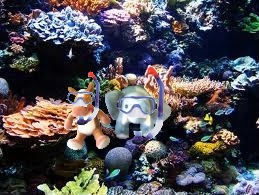
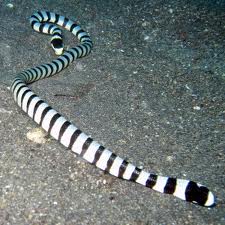
MEET THE BANDED SEA KRAIT!
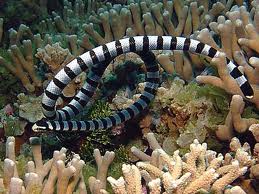
   Range/Habitat: Southern-South Eastern Asia/ tropical oceans-coral reefs

   Diet: Carnivore: fish, eels

   Length: 3 ¼-6 ½ ft

   Conservation Status: Common


Fun Facts:

  • Banded Sea Kraits are members of the sea snake families. They spend most of their lives in the ocean.
  • Banded sea kraits are highly venomous. They are more deadly than most land snakes.
  • They are not harmful to humans, because they have short fangs and are very docile.
  • Banded sea kraits have paddle shaped tails that help them swim.
  • They come on shore to lay their eggs.

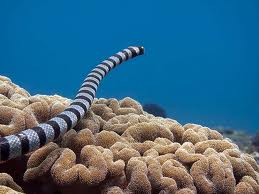
Sea kraits are incredible snakes! Did you know there were snakes that lived in the ocean? We saw one while we snorkeling in Indonesia! It was awesome! If you could go snorkeling what animals would you like to see?


Categories: adventure, Animals, Children, conservation, education, Environment, nature, oceans, reptiles, science, wildlife | Tags: , , , , , , , , | Leave a comment

MAMMAL MONDAY GREATEST HITS

For the next two weeks, we’re sharing some of greatest hits here on Ellie and Edmond! We need a little time to focus on our book and iPad app, so we’re sharing some animals that were posted a while ago that didn’t get any love! We hope you enjoy our Greatest Hits!

MAMMAL MONDAY GREATEST HITS

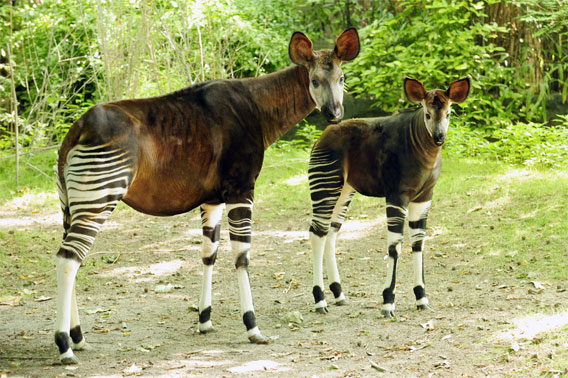
You have the Monday morning blues? Well after learning about today’s mammal those blues will be disappear! Have you ever wonder what animals are lurking in the rainforests, hiding just out of the sight? Could it be a leopard? Or is it a monkey in the trees? Or is it today’s quiet, shy, solitary and secretive Okapi?
MEET THE OKAPI!

   Range/Habitat: Central Africa-Democratic Republic of

Congo/tropical rainforests

   Diet:  herbivores: twigs, shoots, fruits, leaves

   Length/Height/Weight: 6 ½-7 1/4 ft : 12-16 ½ in : 440 lb-770lb

   Conservation Status: Lower Risk


Fun facts:

  • Okapi were not identified until 1900.
  • Okapi are the closest living relative of the giraffe.
  • They are very shy and secretive.
  • Okapi have long black prehensile tongues. They use their tongues to grab leaves and branches.
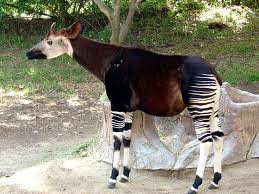
  • They have stripes on their legs and rear end.
  • Male okapis have two skin covered horns that are called ossicones. They are actually part of the skull.
  • Every okapi’s stripe pattern in different!

These relatives of the giraffe are very special! We’re so glad that someone discovered them in the rainforests! And we’re sticking our tongue out to the Monday blues too!


Categories: adventure, africa, Animals, Children, conservation, education, Environment, mammals, nature, rainforests, science, wildlife | Tags: , , , , , , , | Leave a comment

FEATHERY FRIDAY # 43

FEATHERY FRIDAY #43

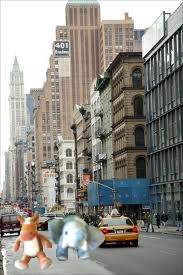
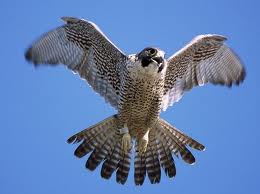
We’re off to the Big Apple today to meet one fast and freewheeling bird! These city dwellers live all over the world and are amazingly adaptable! Let’s grab a yellow cab and goooooo!

MEET THE PEREGRIN FALCON!

   Range/Habitat: Worldwide/ coasts, cities, mountains, wetlands

   Diet: Carnivore: birds

   Length/Weight: 13 ½-20”/ 1 ¼-3 ¼ lb

   Conservation Status: common


Fun Facts:

  • Peregrine Falcons are one of the fastest birds in the world.
  • Peregrine Falcons can reach speeds of up 145 mph.
  • They have the widest distribution of any diurnal land bird.
  • Peregrine Falcons are diurnal (active during the day).
  • Female peregrine falcons are larger than males.
  • They “dive” while flying to catch their prey.
  • Peregrine Falcons often nest in high places, such as skyscrapers, towers and cliffs.

These magnificent birds sure are amazingly fast! Don’t blink because you may miss them. They’re also a great success story! Peregrine falcons were almost wiped out in the Eastern U.S., but with the ban of DDT, they have made a great comeback. We just love that they love to nest on skyscrapers!


Categories: adventure, Animals, birds, Children, conservation, education, Environment, nature, science, wildlife | Tags: , , , , , , , | Leave a comment

SHAAAAARKS!!

SHAAAAARKS!!!

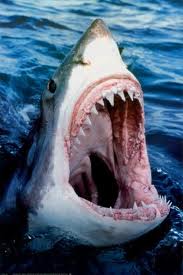
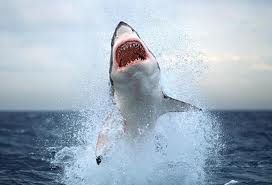
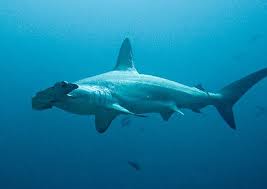
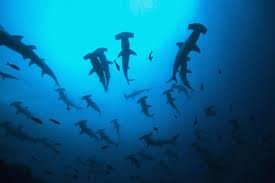
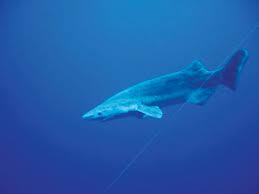
This Watery Wednesday we’re celebrating Sharks, the ocean’s top predators! These amazing animals are often feared, which is sad because they do not deserve such a terrible reputation. They come in all shapes and sizes and eat everything from large mammals to tiny plankton!

SHARK FUN FACTS:

1) Sharks have been on the planet for 400 million years.

2) Some species of sharks have not changed much in the last 64 million years!

3) There are over 400 species of sharks and they are found in every ocean on earth!

4) Sharks can smell 1 drop of blood in a million drops of water!

5) A shark skeleton is made of cartilage, the same tissue that makes up your ears and nose!

6) Whale sharks are the largest species of shark!

7) Some sharks will use thousands of teeth in a lifetime.

8) Bull sharks can live in fresh water habitats.

9) Sharks are covered in dermal denticles. They are enamel covered plates.

10) Sharks have a lateral line that is made up of jelly filled canals. This helps them detect movement or prey.

Sharks are seriously cool! They are also in serious trouble and it’s up to us to help them out! One great way to adopt a shark! No, we don’t mean bring one home!

Check out the for ways to help!


Categories: adventure, Animals, Children, conservation, education, Environment, fish, nature, oceans, science, sharks, wildlife | Tags: , , , , , , , , , , | Leave a comment

REPTILIAN TUESDAY # 43

REPTILIAN TUESDAY #43

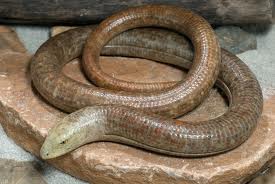
We’re taking a hike in Southern Europe to find a lizard that looks like a snake! Yep folks, we’ve heard that there are lizards in the world that don’t have legs! Are you ready to go exploring?

MEET THE EUROPEAN GLASS LIZARD!

   Range/Habitat: Southeast Europe-W. Asia/ dry grasslands, rocky areas

   Diet: Carnivore: slugs, snails, invertebrates

   Length: 3 ¼-4ft

   Conservation Status: common


Fun Facts:

  • European glass lizards are legless lizards.
  • They are grey as juveniles and brown as adults.
  • European glass lizards have movable eyelids.
  • They are diurnal (active during the day).
  • European glass lizards don’t just realize their tails, they shatter it. The tail falls off in pieces in order to fool their predators.

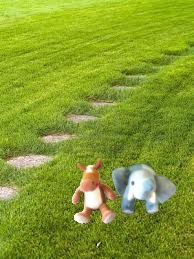
These cool lizards think they’re fooling everyone looking like a snake! They’re not fooling this elephant and horse though! How about you?


Categories: adventure, Animals, Children, conservation, education, Environment, lizards, nature, reptiles, science, wildlife | Tags: , , , , , , , , | 4 Comments

MAMMAL MONDAY # 43

MAMMAL MONDAY #43!

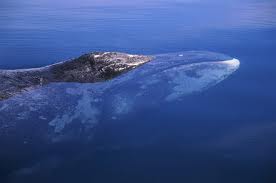
We’re taking the E & E sub to the chilly Arctic Ocean to meet a magnificent and large mammal! Thank goodness they eat very tiny animals! We’ve got room in the sub for everyone, as well as some hot apple cider!

MEET THE BOWHEAD WHALE!

   Range/Habitat: Arctic- sub-arctic ocean

   Diet: Carnivore: plankton

   Length/Weight: 45-59 ft/ 55-66 tons

   Conservation Status: common


Fun Facts:

  • Bowhead whales are baleen whales and they have the longest baleen of any whale on earth!
  • Bowhead whales have no dorsal fin!
  • They have a massive head. It makes up a third of their body weight!
  • Bowhead whales use echolocation to navigate through the ice flows.
  • They have a bow shaped mouth.
  • Bowhead whales have a very thick layer of blubber to keep them warm.
  • They can live up to 100 years!

WOW, Bowheads are some big mammals! Can you believe that they live for almost a hundred years? That is so crazy!


Categories: adventure, Animals, Children, conservation, education, Environment, mammals, nature, oceans, science, wildlife | Tags: , , , , , , , , | 3 Comments

FEATHERY FRIDAY # 42

FEATHERY FRIDAY #42

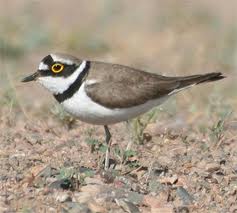
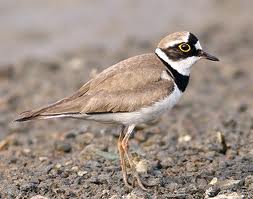
Today’s little bird lives all over the northern hemisphere, so we’re putting on our coats and going to Greenland. We’ve never been to this big island nation, but this little bird was a good excuse to go! Grab your coat and let’s head out!

MEET THE RINGED PLOVER!

   Range/Habitat: Greenland-N Europe-Asia/ wetlands, coast lines, arctic

   Diet: Carnivore: invertebrates

   Length/Weight: 7-8”/ 1 ¾-2 ½ oz

   Conservation Status: common


Fun Facts:

  • Ringed plovers have a collar of white feathers around their neck.
  • They forage for food at night.
  • Ringed plovers have excellent eyesight.
  • They spend their winters on land in wetland habitats.
  • Male and female ringed plovers take care of the chicks.
  • Ringed plovers perform a “broken wing” behavior to distract predators from the nest.

These neat little shore birds are such fun to watch! They’re cute too with their patterns and collar!

Categories: adventure, Animals, birds, Children, conservation, education, Environment, nature, science, wildlife | Tags: , , , , , , , | Leave a comment

SUPER SURPRISE THURDSDAY # 42

SUPER SURPRISE #42

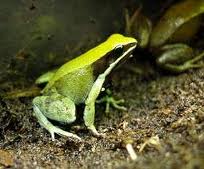
We’re hopping off to the rainforests of Madagascar to find today’s animal! They’re small and green, so everyone keep your eyes peeled and let’s head off on today’s adventure!

MEET THE GREEN MANTELLA!

   Range/Habitat: Madagascar/ rainforest

   Diet: Carnivore: insects, invertebrates

   Length/Weight: ¾-1 ¼ “

   Conservation Status: Endangered


Fun Facts:

  • Green Mantellas are small yellow or pale green frogs with black on their sides.
  • They are diurnal (active during the night).
  • Green mantellas have adhesive disks on their toes.
  • They secrete toxins, similar to poison dart frogs.
  • Male green mantellas use a series of clicks to attract females!

These tiny frogs are gorgeous! They are losing their rainforest homes though, remember you may not think that  recycling cans or paper helps, but it makes a big impact! So keep up the good work!


Categories: adventure, amphibians, Animals, Children, conservation, education, Environment, frogs, nature, rainforests, science, wildlife | Tags: , , , , , , , , | 1 Comment

WATERY WEDNESDAY # 42

WATERY WENESDAY # 42

We’re taking the E & E sub down to the bottom of the ocean floor to find a strange and rare member of the shark family! These sharks are harmless to humans, but their skin definitely makes them not snuggly! Come on aboard and let’s go!

MEET THE BRAMBLE SHARK!

   Range/Habitat: Indo-Pacific & W Atlantic/ deep water ocean

   Diet: Carnivore: sharks, fish, rays

   Length/Weight: up to 13 ft/ up t 490 lbs

   Conservation Status: unknown


Fun Facts:

  • Bramble sharks are deep water, bottom dwelling sharks.
  • They are considered rare.
  • Bramble sharks have thorny denticles all over there body.
  • They get their name because the thorny denticles resemble the thorns on bramble bushes.
  • Bramble sharks are a purplish-brown color.
  • Bramble sharks are slow moving.

Wow! These sharks are amazing! We really think they are kind of creepy and cool! The ocean floor has so much for us to explore and see!

Categories: adventure, Animals, Children, conservation, education, Environment, fish, oceans, science, sharks, wildlife | Tags: , , , , , , , , | Leave a comment

REPTILIAN TUESDAY # 42

REPTILIAN TUESDAY #42

We’re going to the pine forests near our backyard to meet a useful snake! Get your walking stick out and put your hiking boots on! Let’s do this!

MEET THE COMMON KINGSNAKE!

   Range/Habitat: Western-Eastern Southern US/ forests, scrub, suburbs

   Diet: Carnivore: snakes, birds, rodents

   Length: 3 ¼-6 ½ ft

   Conservation Status: common


Fun Facts:

  • Common Kingsnakes are powerful constrictors.
  • They are excellent swimmers!
  • Common kingsnakes vary in color and pattern depending on where they live.
  • They can live up to 25 years.
  • Common kingsnakes give off a smelly, musky odor when threatened.
  • Common kingsnakes eat venomous snakes. They are immune to the venom!

Snakes shouldn’t be feared. They are an important part of the ecosystem! Kingsnakes even eat venomous snakes, so if you see one, just wave from a distance and let him go on about his merry way!


Categories: adventure, Animals, Children, conservation, education, Environment, nature, reptiles, science, wildlife | Tags: , , , , , , , | Leave a comment

Blog at WordPress.com.