amphibians

AMPHIBIAN TUESDAY # 61

AMPHIBIAN TUESDAY # 61

Road Trip! It’s that special Tuesday when meet an amphibian instead of a reptile! So we’re off to the Northeastern United States today to meet this super cool animal! Are you ready?

e e stream

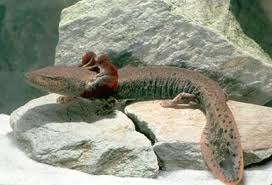
MEET THE MUDPUPPY!

mudpuppy   Range/Habitat: South Canada-Eastern USA/ wetlands, rivers

   Diet: Carnivore: aquatic animals

   Length: 11 ½-19 ½”

   Conservation Status: common


Fun Facts:

  • Mudpuppies have small front legs.
  • They spend most of their lives in water.
  • Mudpuppies have red external gills.
  • They are mostly nocturnal.
  • Mudpuppies burrow under rocks and logs.
  • Female mudpuppies guard their eggs till they hatch.

Mudpuppies are such crazy looking animals with their funny looking gills. Amphibians are so amazing and they come in all sizes and shapes!

mudpuppy2    mudpuppy3

Categories: adventure, amphibians, Animals, Children, conservation, education, Environment, nature, wildlife | Tags: , , , , , , , , , | 1 Comment

AMPHIBIAN TUESDAY

AMPHIBIAN TUESDAY #57

We’re switching things up a bit! We don’t have a day devoted to our amphibian friends, so we’ll be turning Reptilian Tuesday into Amphibian Tuesday every once in a while. Today’s adventure takes us to California to find one tiny and cute amphibian! So let’s put on our hiking boots and watch our step!

e e woods (2)

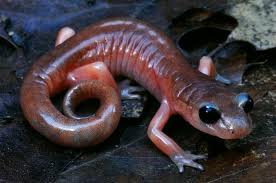
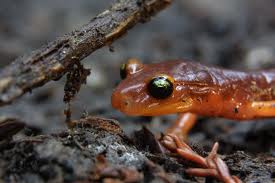
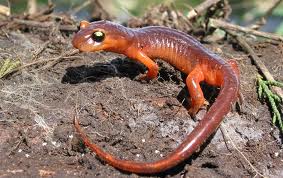
MEET THE ENSANTINA SALAMANDER!

ensantina salamander   Range/Habitat: Western U.S-Canada/ forests

   Diet: Carnivore: worms, ants, insects

   Length: 2 ¼-3 ¼”

   Conservation Status: common


Fun Facts:

  • Ensantina salamanders live under leaves and logs on the forest floor.
  • They have long legs.
  • Ensantina salamanders’ colors vary by their habitat.
  • They are nocturnal.
  • Ensantina salamanders lift their tails when threatened and emit a foul secretion.
  • Ensantina salamanders lay their eggs under leaves. Baby salamanders are born directly from the eggs.

Salamanders are so stinking cute! They live in all kinds of habitats! We especially think it’s cool that these little guys have a stinking defense mechanism!

ensantina salamander2ensantina salamander3

Categories: adventure, amphibians, Animals, Children, conservation, education, Environment, nature, science, wildlife | Tags: , , , , , , , , , | 4 Comments

SCARY SURPRISE THURSDAY!!

HALLOWEEN WEEK!
SCARY SURPRISE THURSDAY!

This Scary Surprise Thursday takes us Central America to meet an usually large amphibian! These big guys have a very yucky defensive system! Put on your wellies on and let’s in to the wetlands!

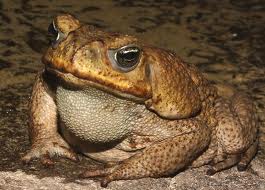
MEET THE MARINE TOAD!

   Range/Habitat: Central-South America/ wetlands, rivers, lakes

   Diet: Carnivore: ants, beetles, invertebrates

   Length: 4-6”

  Conservation Status: common

Fun Facts:

  • Marine toads are also known as cane toads.
  • Marine toads are world’s largest toads.
  • They have a tough warty skin.
  • Marine toads are nocturnal (active at night).
  • They are very hardy and can survive in many different habitats.
  • Marine toads have large glands that secret a very toxic poison.

Marine toads are big bad dudes! They will eat almost anything too! We do think it’s best if we just let them hang out by themselves, you know with their toxic skin and all!

Categories: adventure, amphibians, Animals, Children, conservation, education, Environment, nature, science, wildlife | Tags: , , , , , , , , , | Leave a comment

SUPER SURPRISE THURDSDAY # 42

SUPER SURPRISE #42

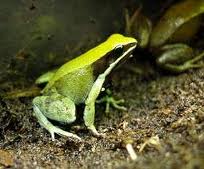
We’re hopping off to the rainforests of Madagascar to find today’s animal! They’re small and green, so everyone keep your eyes peeled and let’s head off on today’s adventure!

MEET THE GREEN MANTELLA!

   Range/Habitat: Madagascar/ rainforest

   Diet: Carnivore: insects, invertebrates

   Length/Weight: ¾-1 ¼ “

   Conservation Status: Endangered


Fun Facts:

  • Green Mantellas are small yellow or pale green frogs with black on their sides.
  • They are diurnal (active during the night).
  • Green mantellas have adhesive disks on their toes.
  • They secrete toxins, similar to poison dart frogs.
  • Male green mantellas use a series of clicks to attract females!

These tiny frogs are gorgeous! They are losing their rainforest homes though, remember you may not think that  recycling cans or paper helps, but it makes a big impact! So keep up the good work!


Categories: adventure, amphibians, Animals, Children, conservation, education, Environment, frogs, nature, rainforests, science, wildlife | Tags: , , , , , , , , | 1 Comment

TENNESSEE AQUARIUM ROAD TRIP!

Field Trip to the Tennessee Aquarium!

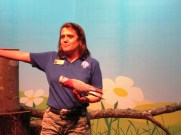
Recently we took a road trip to the Tennessee Aquarium in Chattanooga, Tennessee and man did we have a great time! The Tennessee Aquarium has not one but TWO buildings to explore! The first one is dedicated to fresh water habitats and the second building houses some of your favorite ocean dwelling animals! That’s right everyone, you can spend your day visiting animals from all over the world and that is exactly what we did!

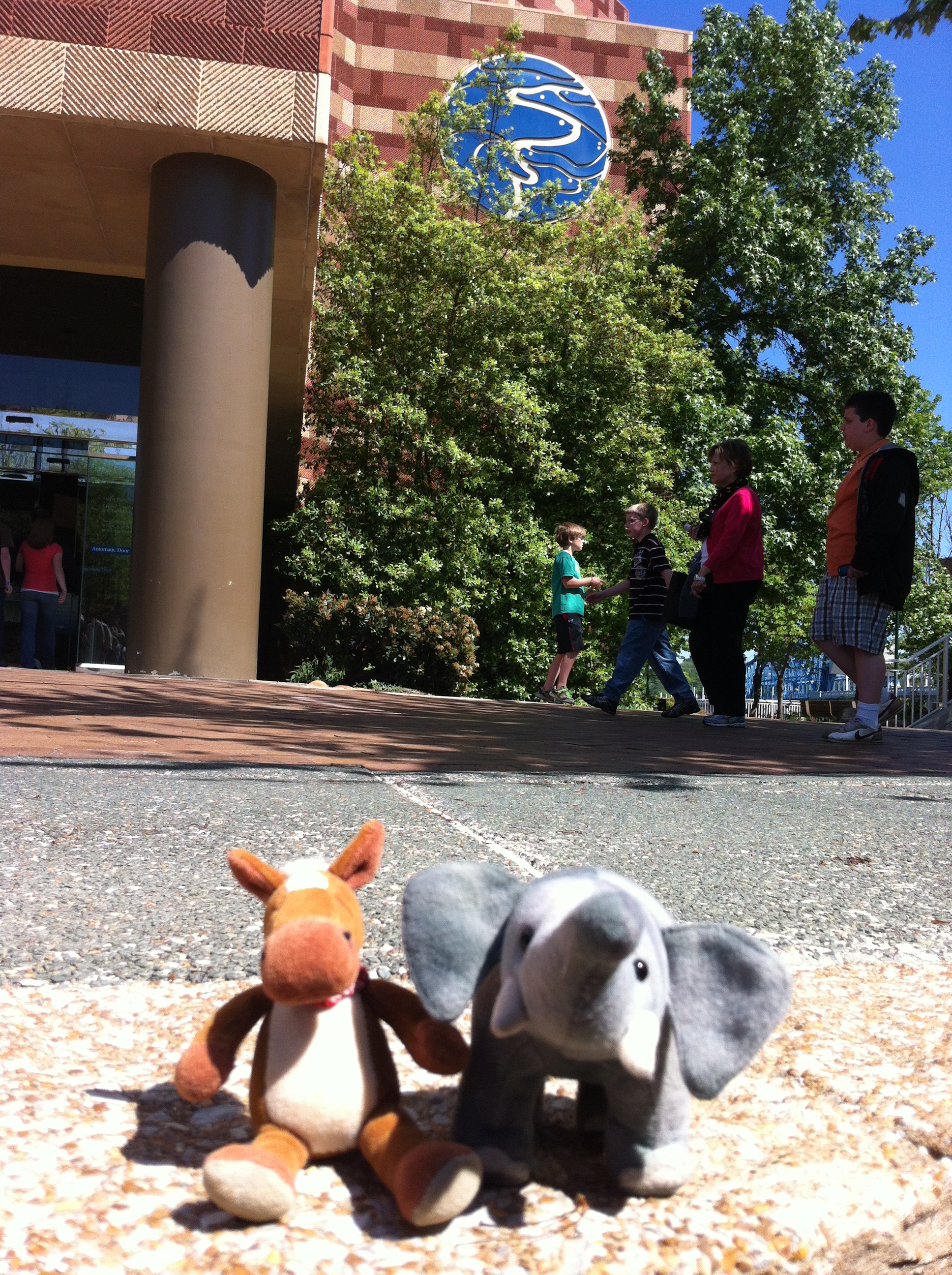
We started out hanging out in the plaza, getting the lay of the land and deciding on where we should start.

Out front of the Aquarium!

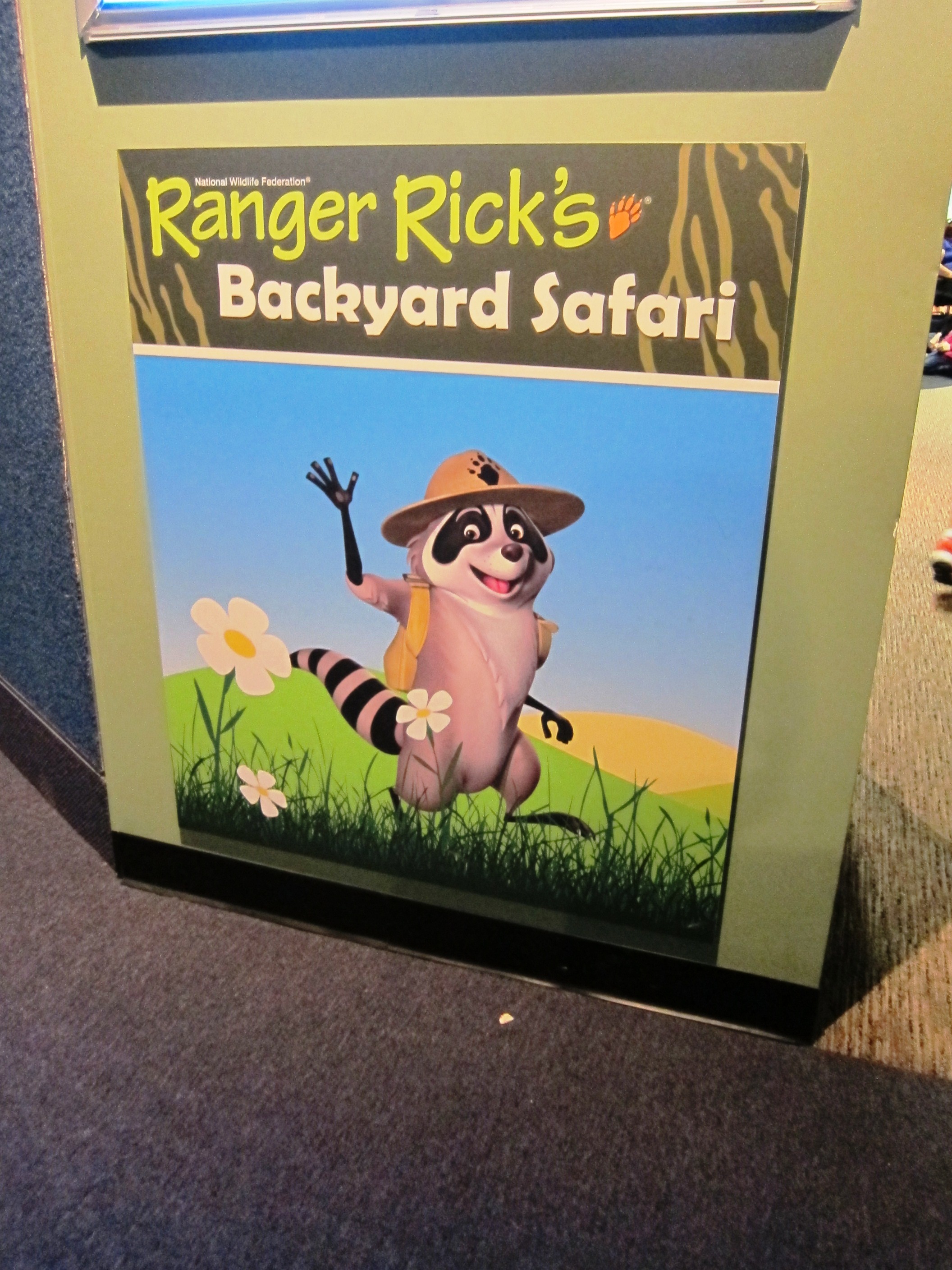
We decided to head into the Freshwater building first! There, they not only have great animal exhibits, but they have Ranger Rick’s backyard safari!

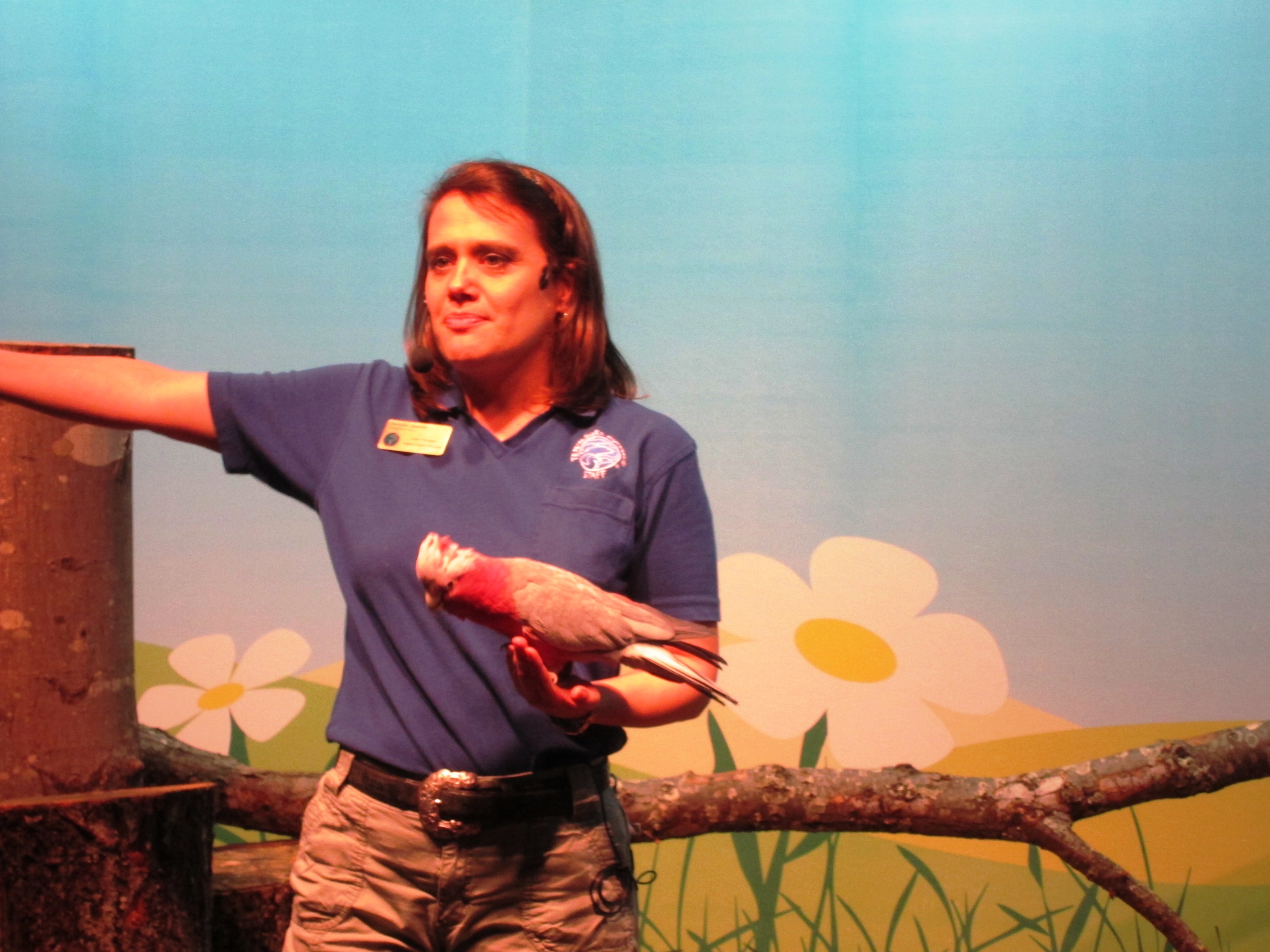
We headed down to check this area out  and catch a live animal encounter! We stayed to meet some cool birds, including the Galah.


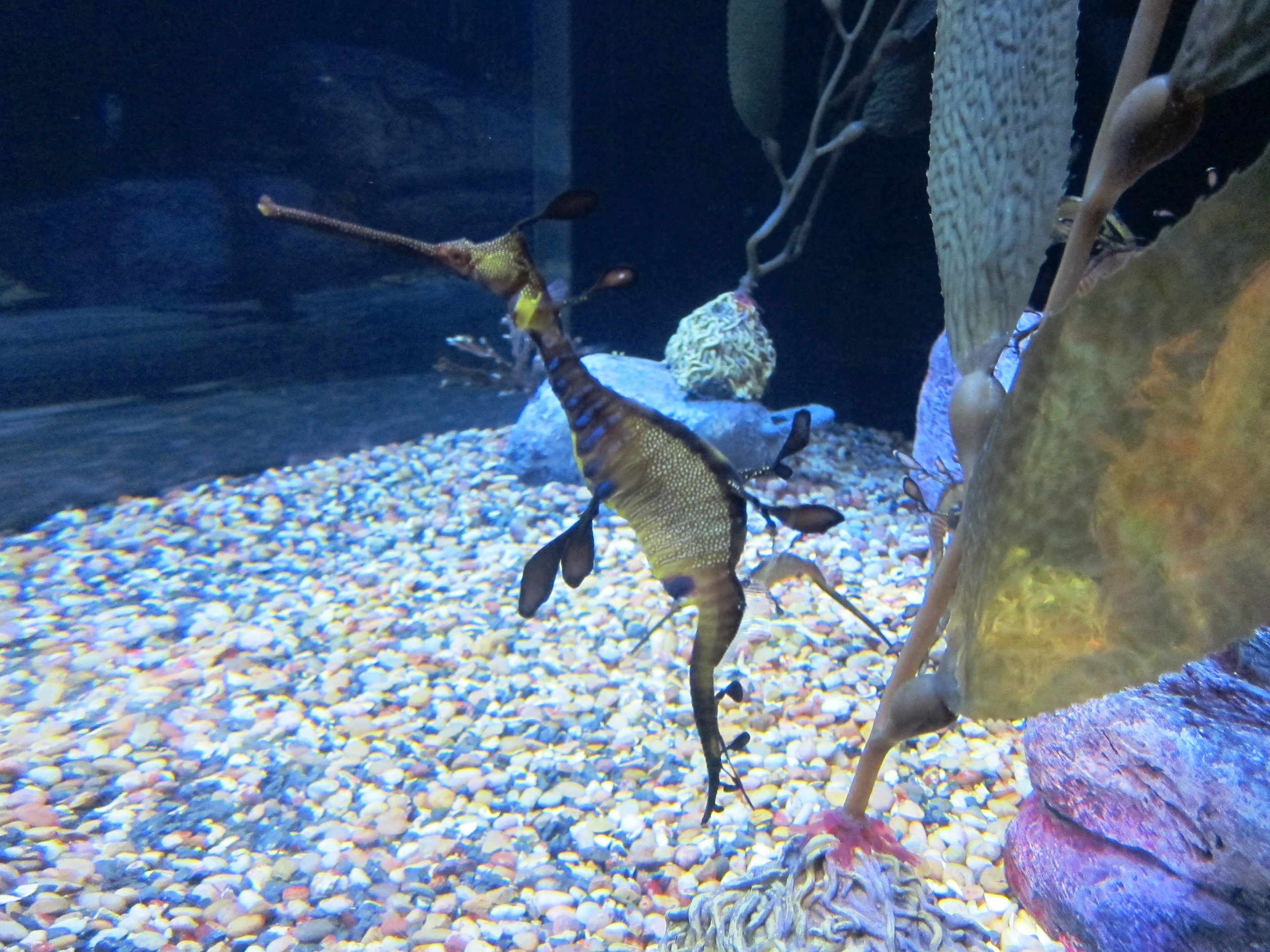
Our next stop was to check out some sea horses and their relatives! They are just so cute!
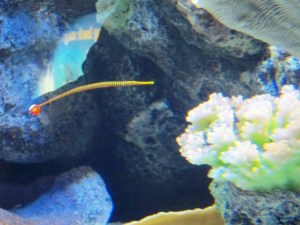
Pipefish


Piprfish


A sea dragon


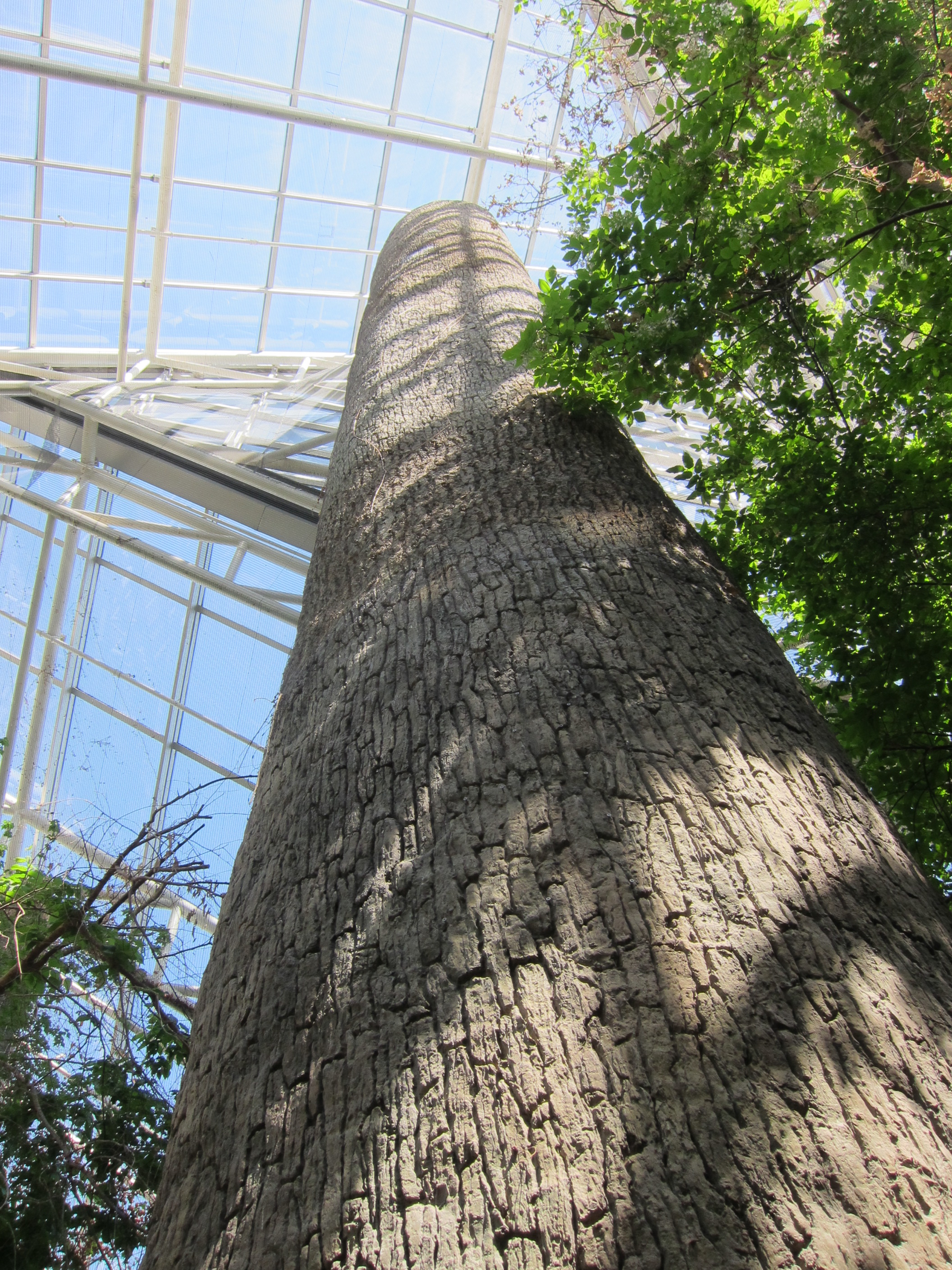
We then boarded the escalator that takes you to the top of the building, where you make your journey through cool freshwater habitats! Isn’t it neat that you start from the top and make your way down to the bottom!

A really biiig tree!

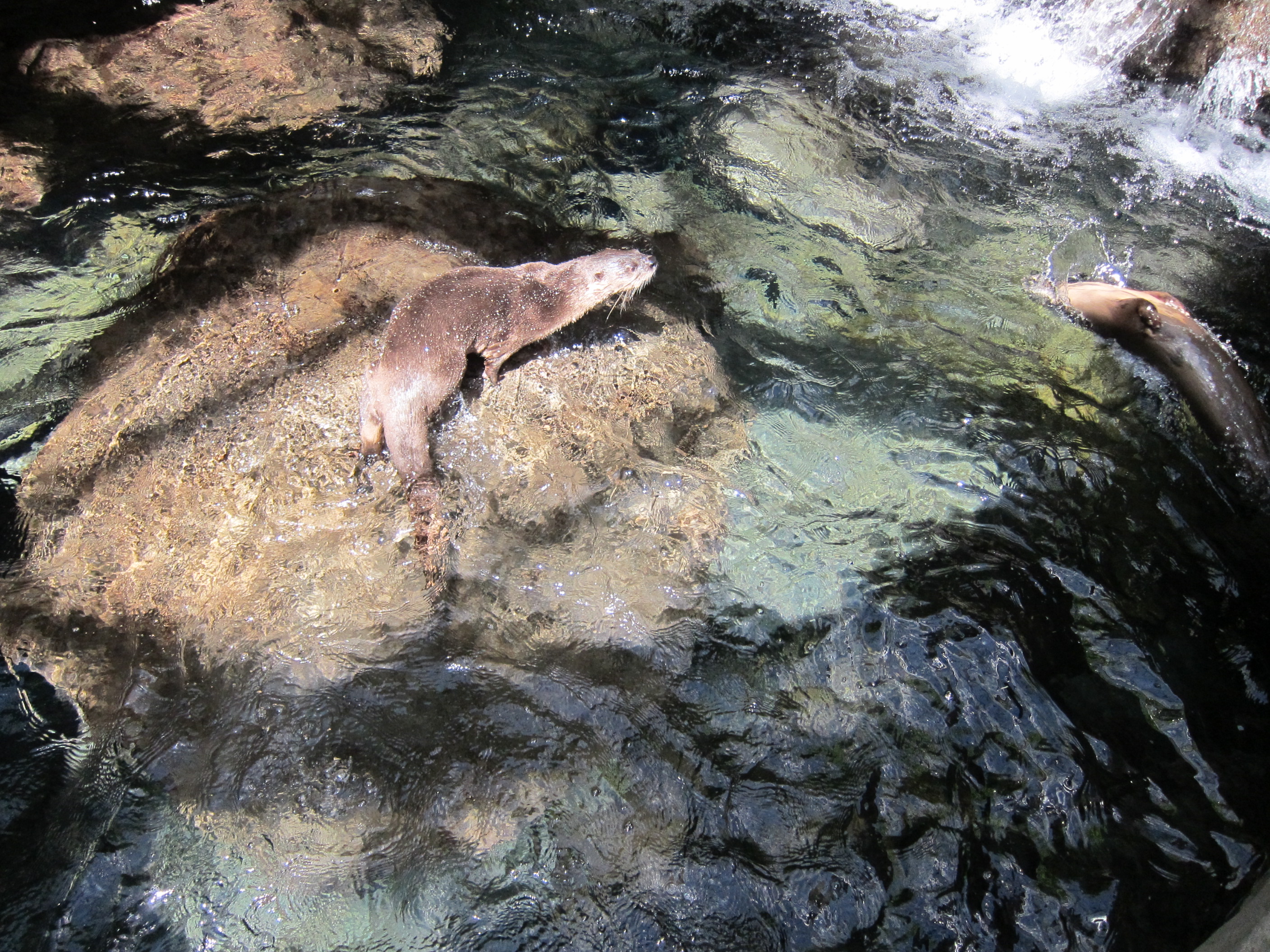
This is where we met some adorable river otters!

Otters have a good time!

These guys are so playful and graceful; we could have stayed there for hours! But alas, we had to keep going, there was much more to see! 
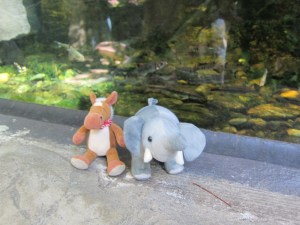


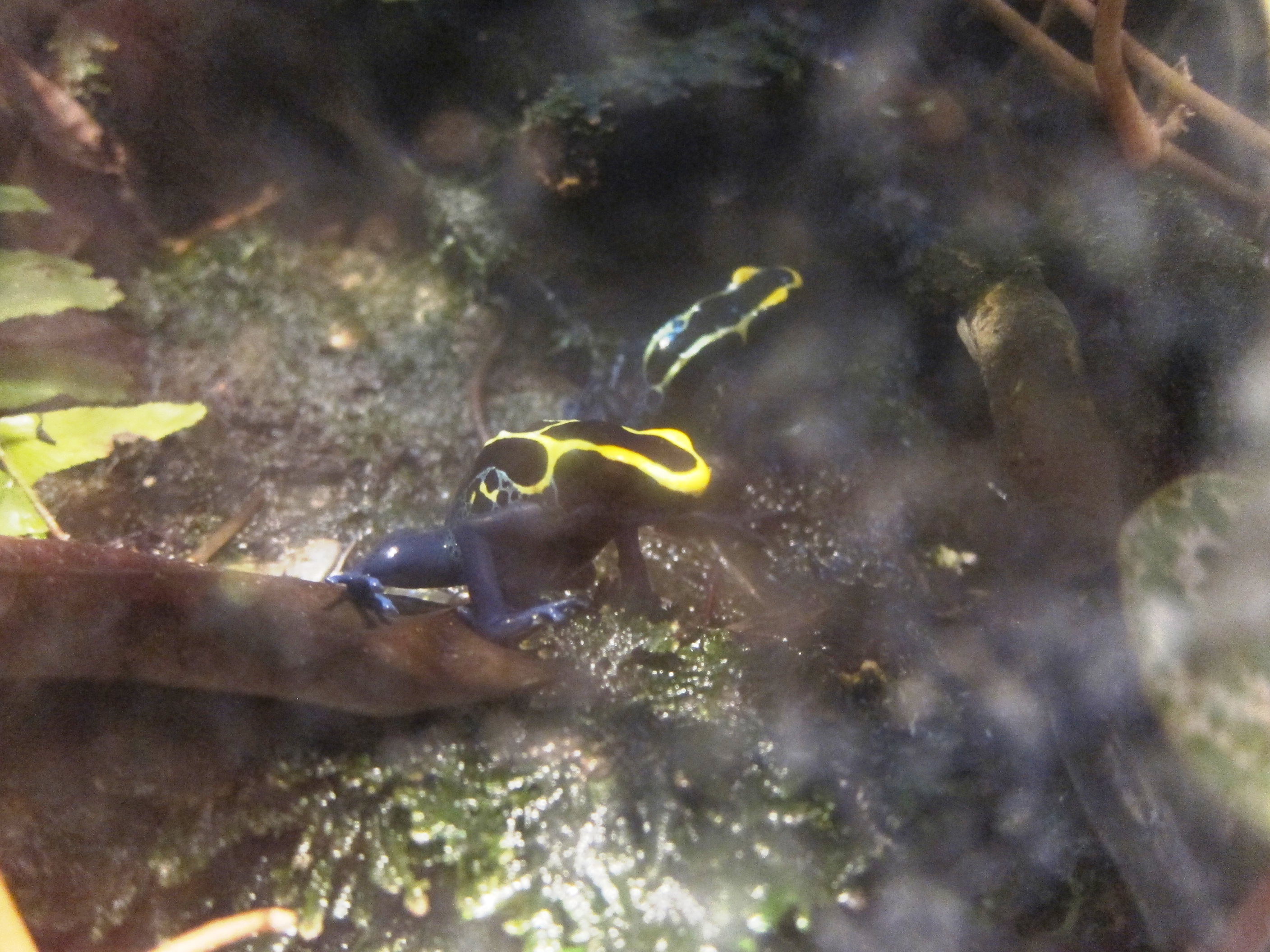
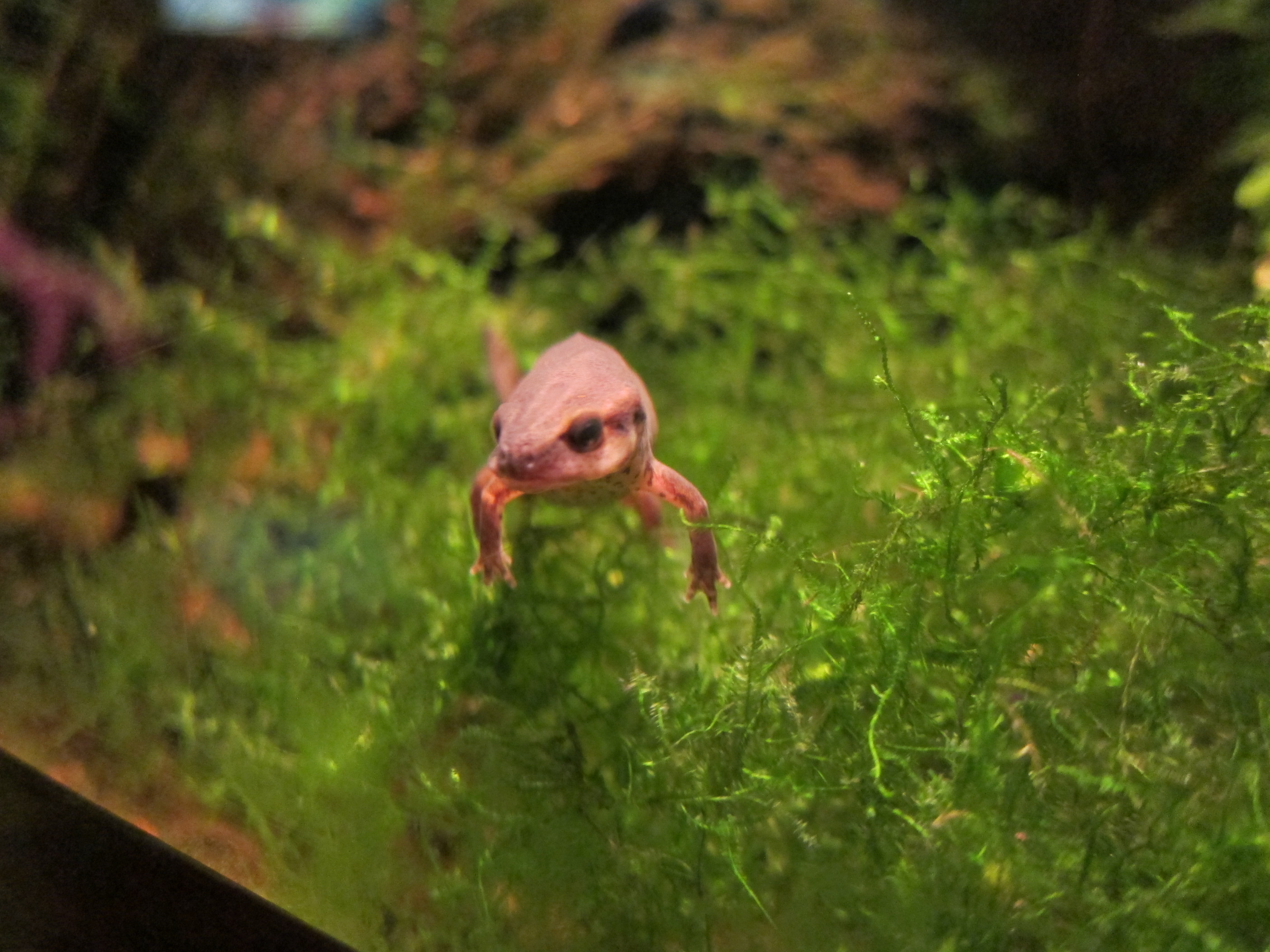
Then as we kept exploring we stumbled upon some amazing amphibians! Check out these frogs and newts!

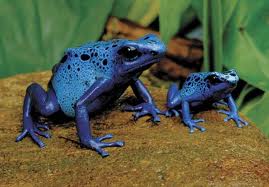
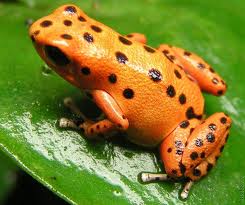
Poison Dart Frog!

Newt!


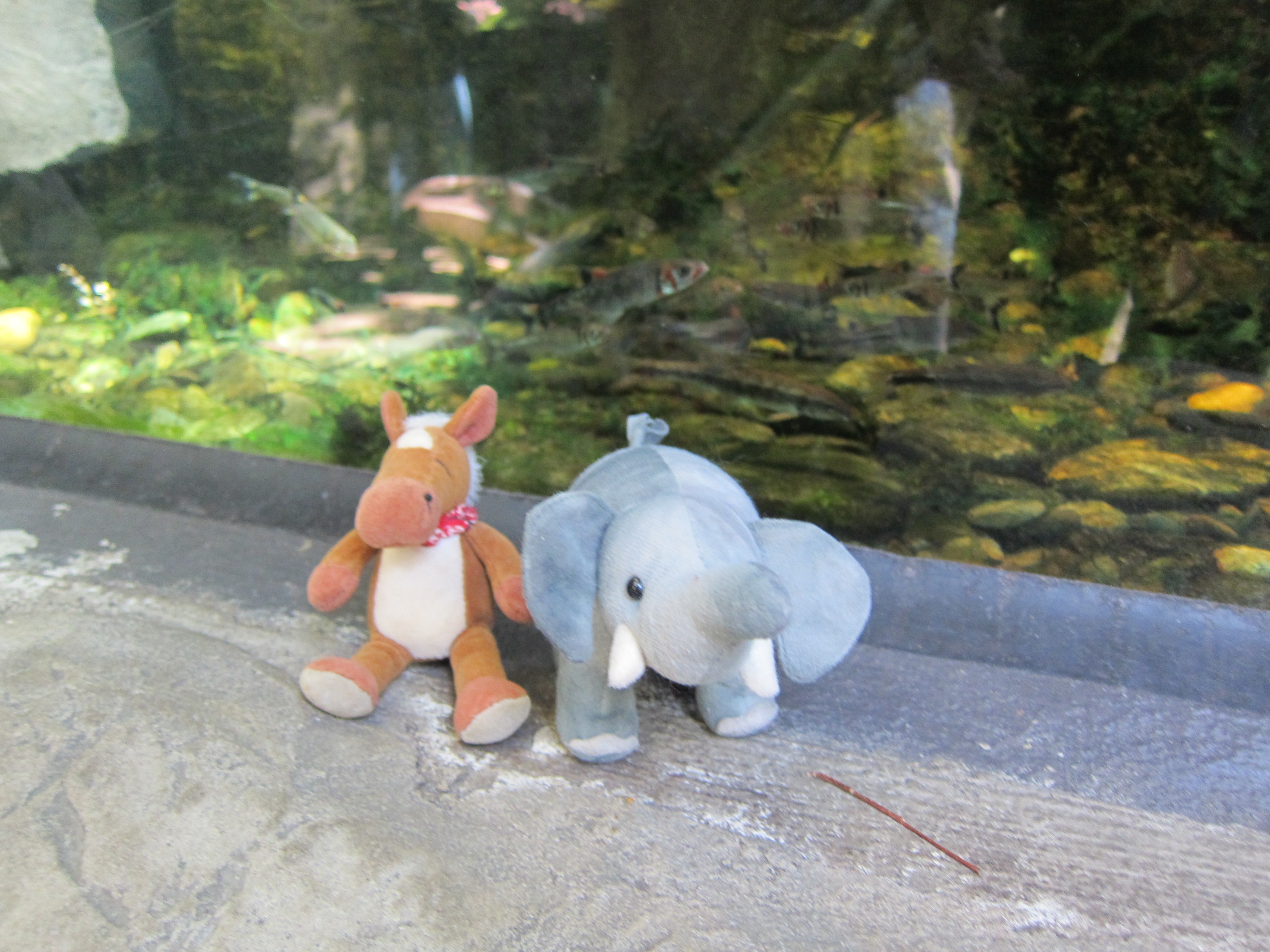
We’re even bigger than this guy!


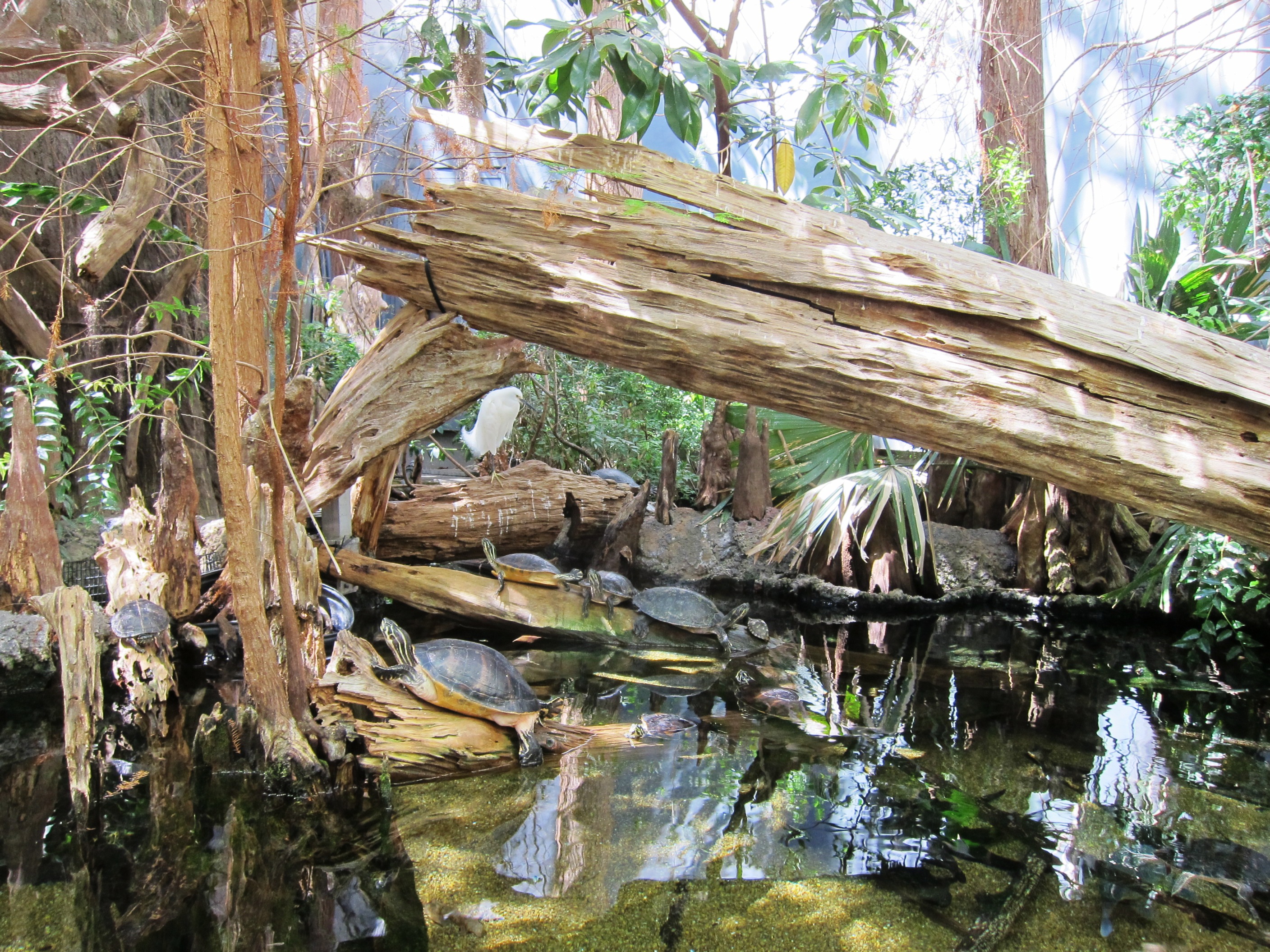
Next was a big exhibit with all kinds of reptiles, fish and birds! They all live in one habitat, because that’s how it would be in the wild. Well, the American Alligator was separated from the other animals, but that’s understandable.

Alligator tail!

Turtle party!
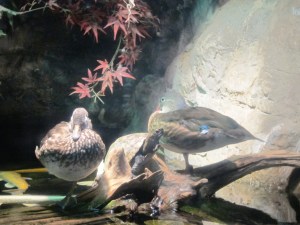


Turtle and ducks getting along!


Off we went to find turtles and tortoises! Two of our favorites in this exhibit were the Indian Star Tortoise

Indian Star Tortoise

and the Long neck turtle.
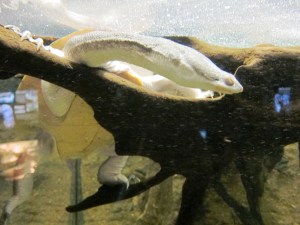
Long neck turtle!

Wow, turtles and tortoises come in so many shapes and sizes! The big exhibit in this building was shut down while we there, because the aquarium was prepping for their new exhibit River Giants! That’s ok, because it just gives us a reason to go back :)! We just love all the conservation messages that the aquarium has all around too!
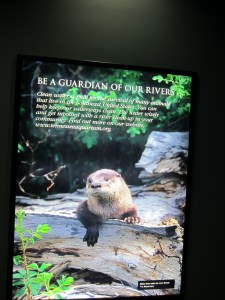
We need to protect our rivers!


We took a lunch break to refuel before heading over to the second building! We chomped on some apples and hay by the Tennessee River. As we were sitting there we watched a wild Great Blue Heron have some lunch too! He scooped up a fish from the river and swallowed it whole! YUM!

Heron! Look closely and you’ll see the fish in his throat!

Having lunch by the river!


After lunch, we were ready for our second adventure for the day! We found a lovely habitat that took us to basin of the Amazon!

Tropical!


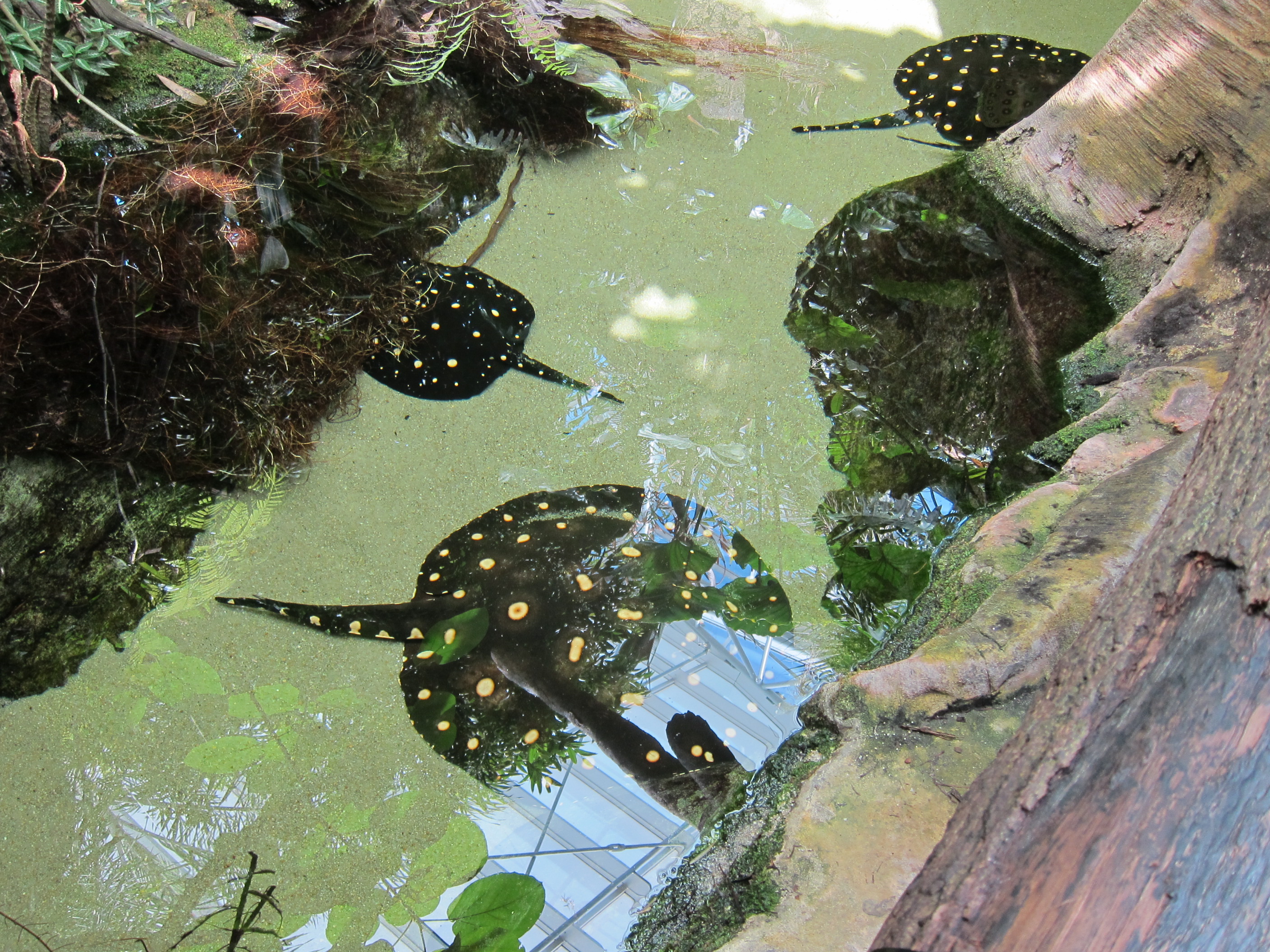
We first found some very spotty fresh water sting rays! Did you know that there are rays living in rivers? Pretty cool!

Stingrays!

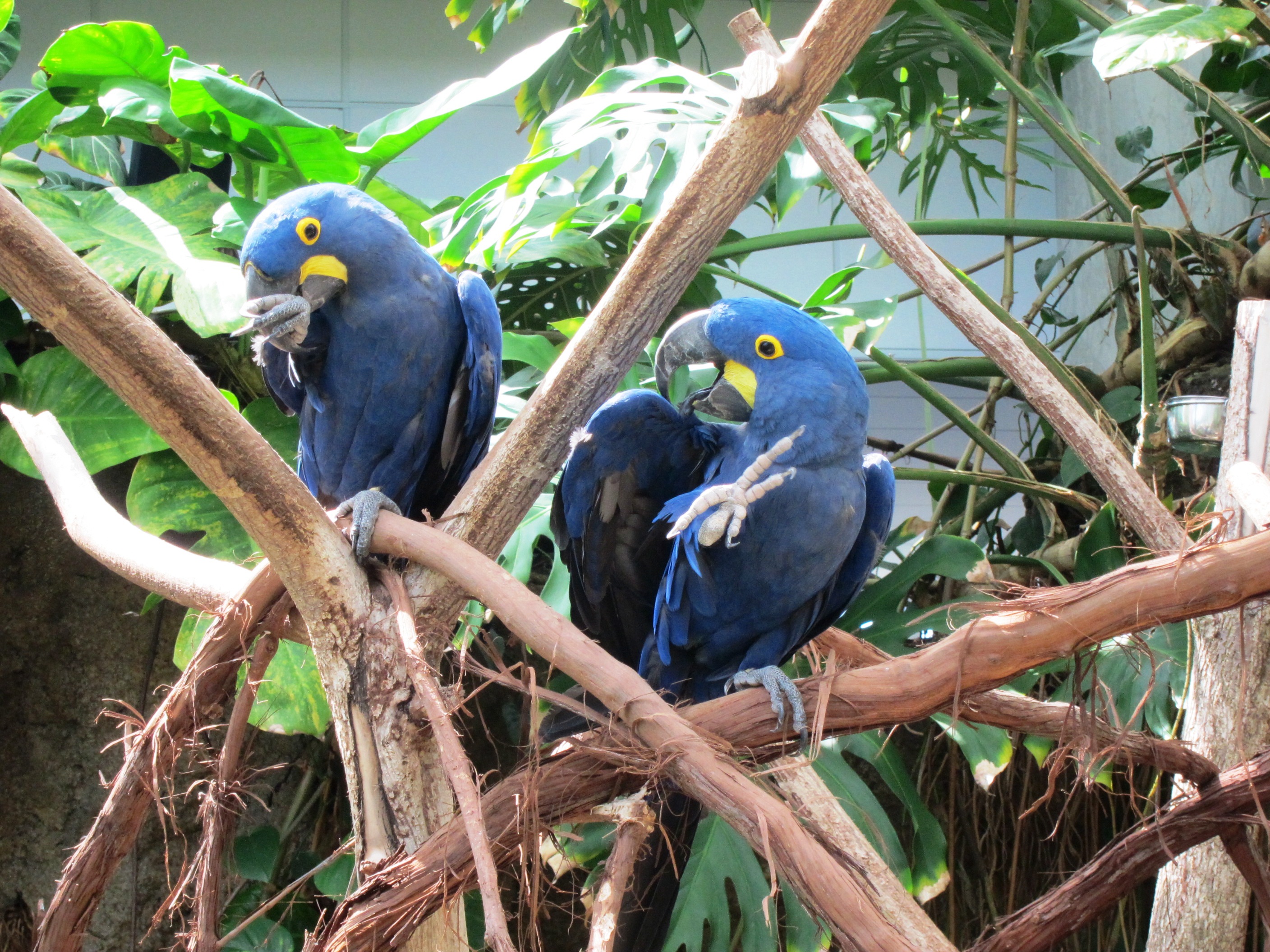
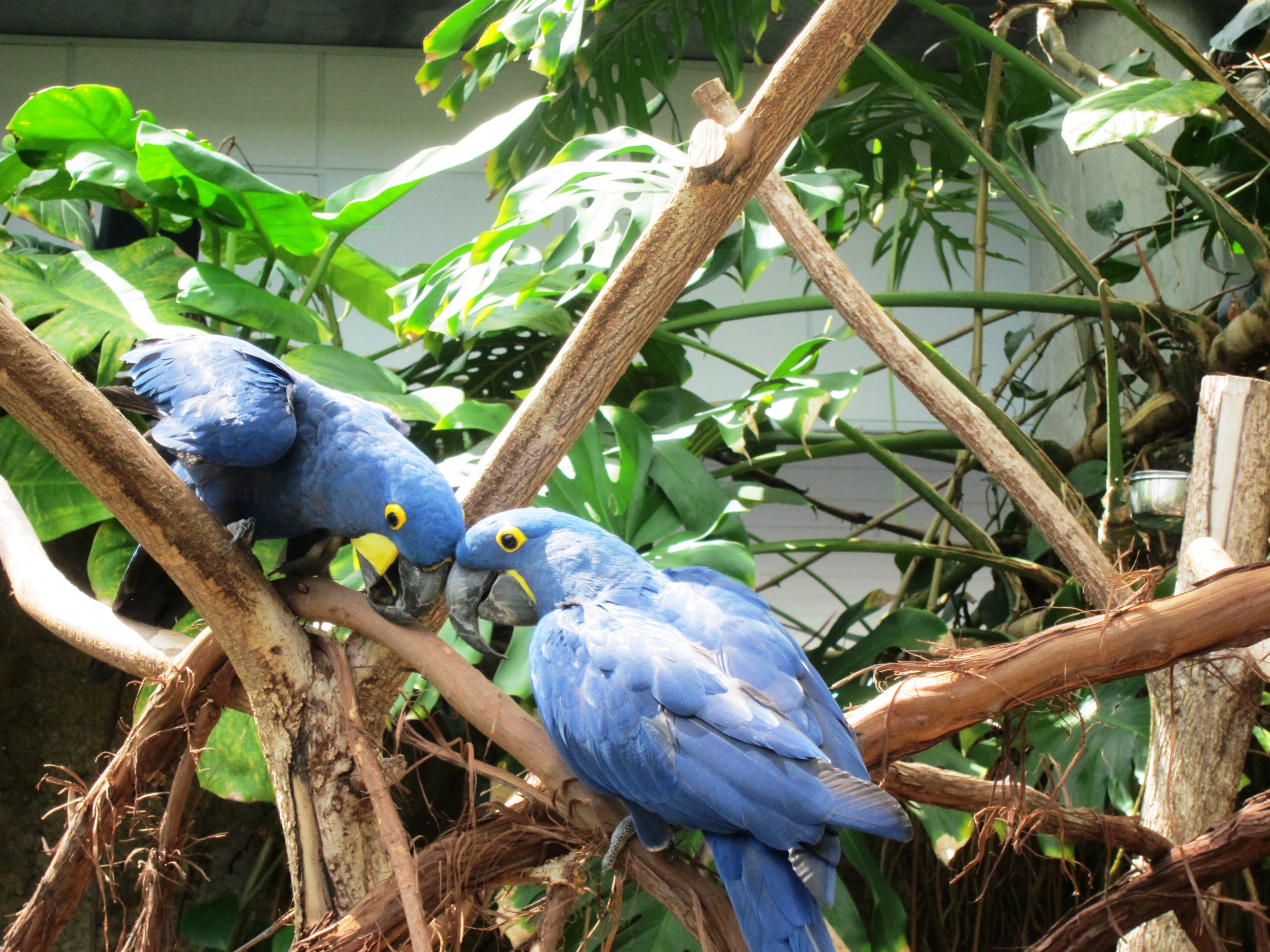
Then we found a pair of Hyacinth Macaws! These beautiful big blue birds were so much fun to watch! We stood there for a good 15 minutes or so watching their antics!

upside down!


It’s the pair!


Our favorite shot of the day! Bonk!
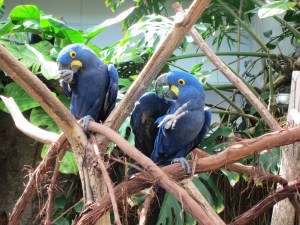
 

So pretty!


These gorgeous birds are the largest flighted parrot on the planet!

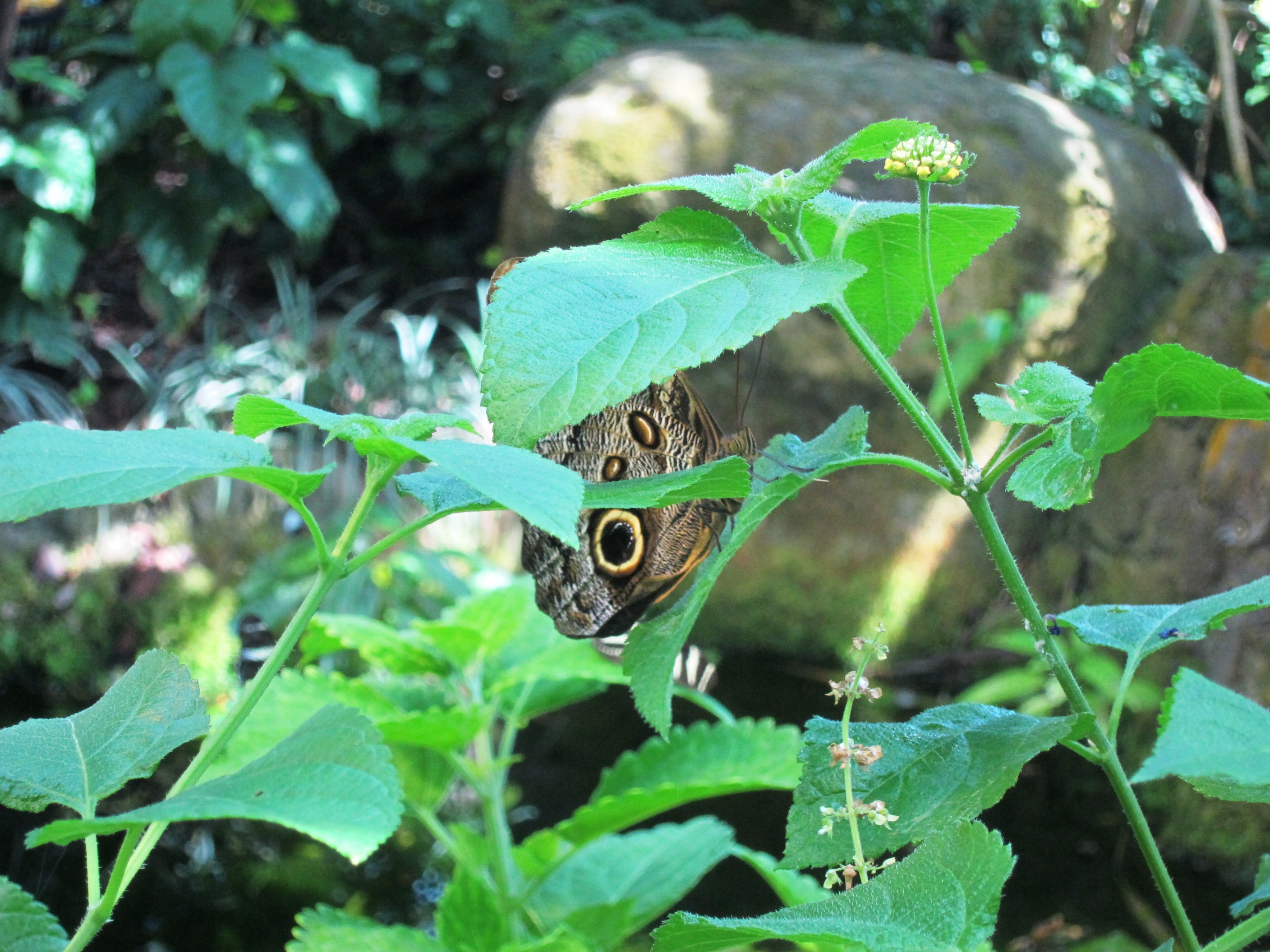
We then stumbled into the butterfly habitat! Edmond was excited because he just loooves butterflies! We had a hard time getting pictures of these insects as they fly away so very fast. But it was so fun to find them.

Do you see the butterfly?

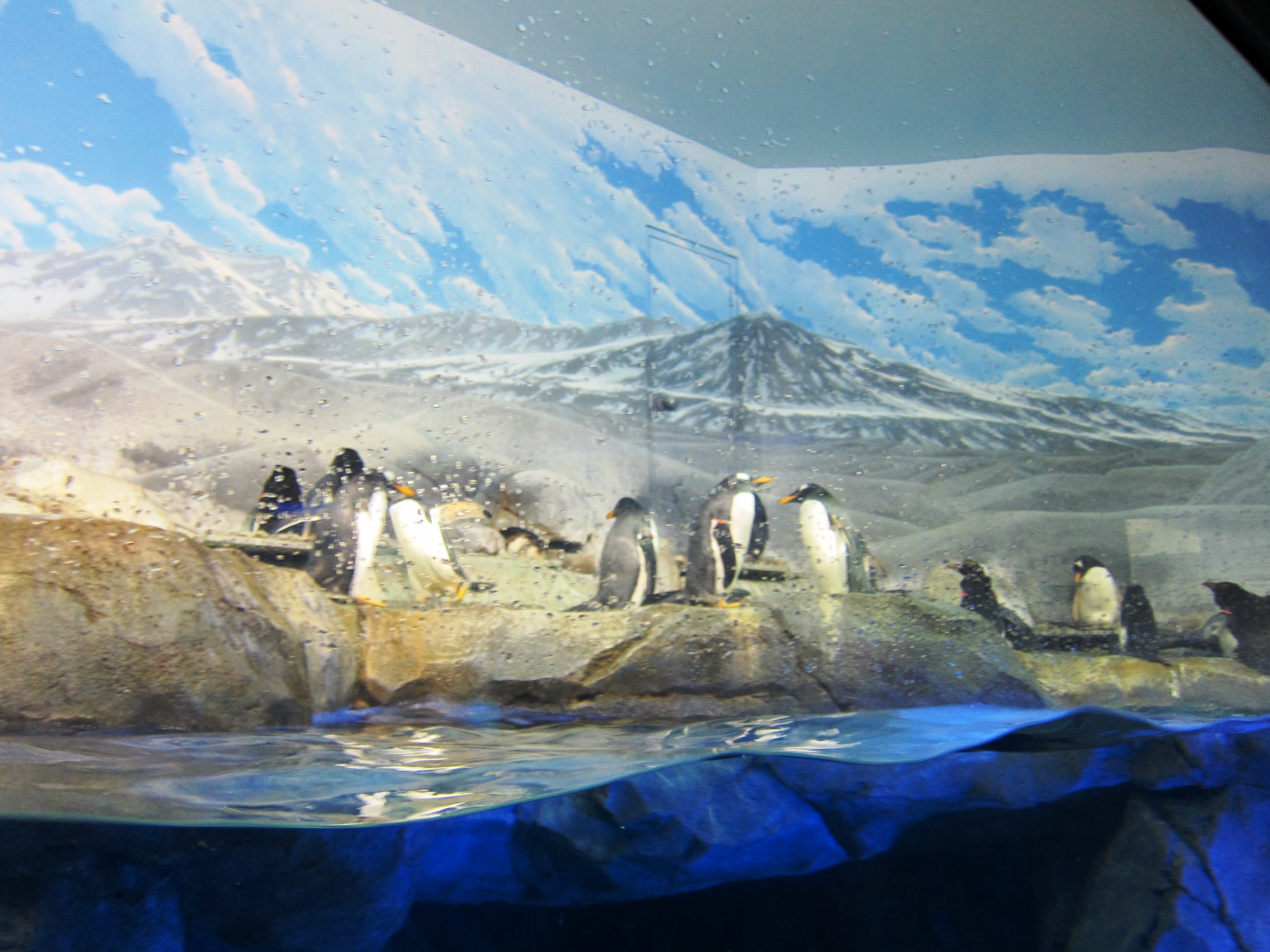
As we headed out of the warm, humid habitat that the butterflies live in, we began to get colder. Yep, we were getting close to the penguin habiat! The aquarium has gentoo and macaroni penguins and they are so cute! They were getting ready for breading season and gathering rocks to make nests. The penguins are very picky about the rocks they choose and work very hard to make the nests! Be careful though, penguins have been known to steal other penguin’s rocks!
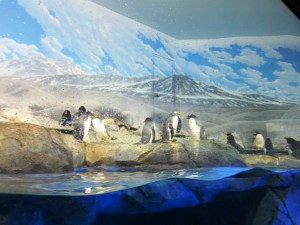
Penguins!

He’s getting a rock to build a nest!


We finally went off in search of sharks!
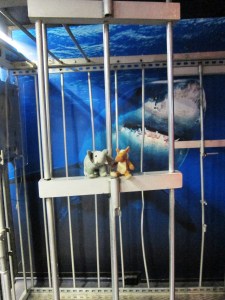
Thanks goodness we found a shark cage!

And we were in luck, because they have them at the aquarium! Too bad we couldn’t get a photo of them, but they have to keep swimming in order to breathe.

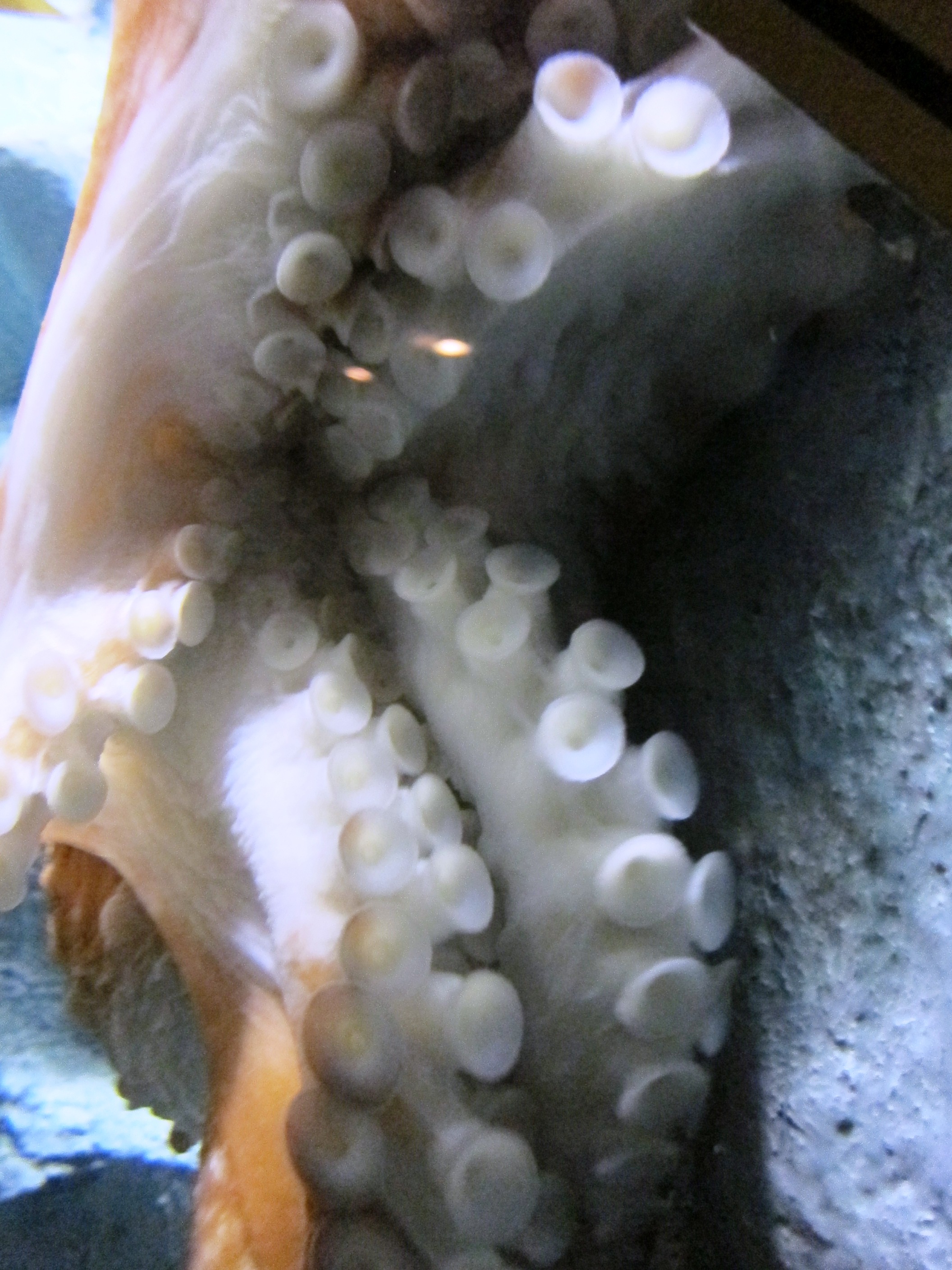
So it was off to meet some cephalopods! We chilled out and watched the octopus for a while! He was very active and just fascinating!

Octopus!


Look at those suckers!


Ooooo…


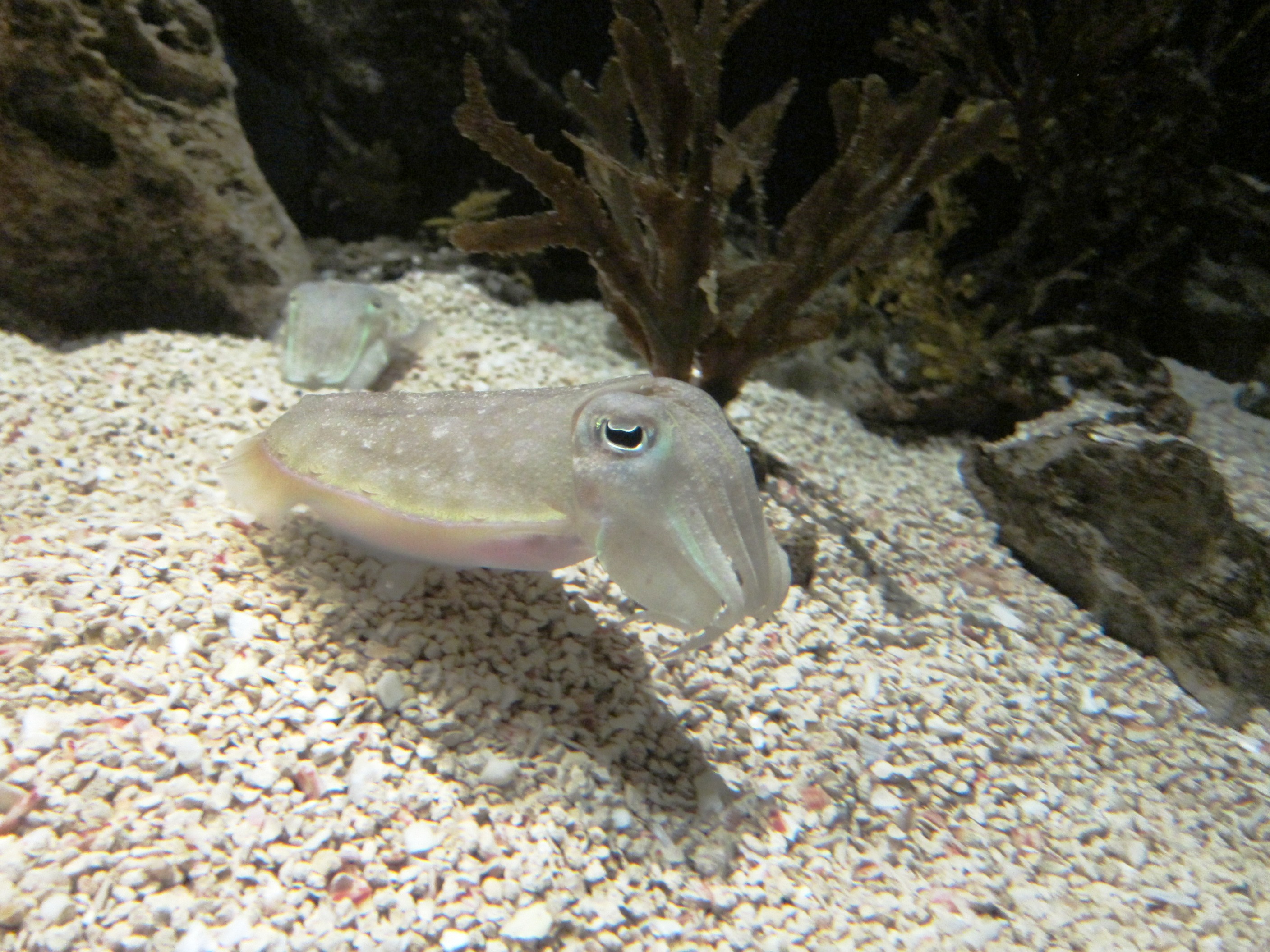
We wanted to cuddle with the cuttlefish we saw, but they weren’t up for it. Oh well, maybe next time.
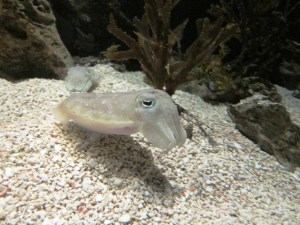
Hello cuttlefish!

As we made our way out, we stopped for a photo op!

It feels like we’re in the ocean!


Our last stop of the day was at the IMAX theater where we saw a movie about coral reefs!

Lobby of the IMAX theater! We have but one world to share!

Coral reefs are one of the most amazing habitats on the planet! It made us want to go snorkeling immediately!


We had an amazing time at the Tennessee Aquarium! If you’re ever in Chattanooga, you have to go there! They do a great job with their exhibits, their animals and their conservation message!

On our way home! We had a great day!


Categories: adventure, amphibians, Animals, Children, education, Environment, fish, Local, nature, oceans, octopus, penguins, rivers, science, turtles, wildlife | Tags: , , , , , , , , , , | 1 Comment

DAD’S WEEK DAY # 2

DAD’S WEEK DAY #2

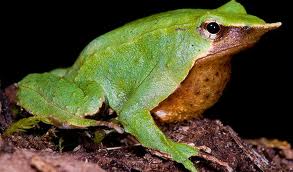
We’re staying in South America today to meet this exceptional amphibian dad! This frog was discovered Charles Darwin himself! Grab your boots and rain gear because we’re going to a mountainous rainforest to meet these amazing dads!

MEET THE DARWIN’S FROG!

   Range/Habitat: Southern South America/ mountain rainforest

   Diet: Carnivore: insects, small animals

   Length: up to 1 ¼ “

   Conservation Status: common

Fun Facts:

  • Darwin’s Frogs have sharp pointy snouts that look like leaves.
  • Male Darwin’s frogs attracted females with a low call that sounds like a bell.
  • They are nocturnal (active at night).
  • Female Darwin’s frogs lay around 30 eggs.
  • Male Darwin’s frogs protect the eggs for about two weeks and then scoop them up in their vocal sacs.
  • The eggs hatch in their vocal sacs, where the tadpoles eat the yolk from the egg. They emerge from dad’s vocal sac as little froglets!

These little funny look frogs are spectacular dads. It’s pretty crazy that they carry around the eggs in their mouths until they are little frogs!


Categories: amphibians, Animals, Children, earth day, Environment, frogs, nature, rainforests, science, Uncategorized, wildlife | Tags: , , , , , , , , | Leave a comment

SUPER SURPRISE THURSDAY # 37

SUPER SURPRISE THURSDAY# 37

We’re off to Africa today to meet our Super Surprise animal of the day! We’ve found an amazing amphibian friend in the grasslands and ponds! Get ready to watch them move, because they like to walk more than hop! Are you ready to go?

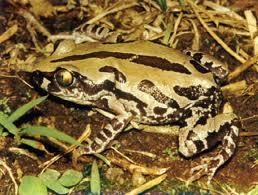
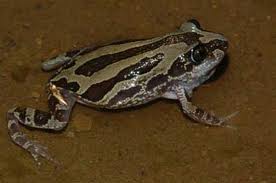
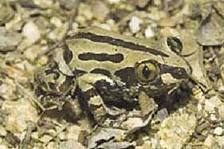
MEET THE BUBBLING KASSINA!

   Range/Habitat: Central-Southeast Africa/ grasslands near ponds

   Diet: Carnivore: spiders, insects

   Length: 1 ¼-2”

   Conservation Status: Common


Fun Facts:

  • Bubbling Kassinas are members of the tree frog family.
  • They are also called the Senegal Running Frog.
  • Bubbling kassinas are great at walking. They do not hop as much as other frogs.
  • They have slender limbs and slightly webbed feet.
  • Their coloration varies from yellow to grey with black and brown blotches.
  • Bubbling kassinas live on the ground.

These great frogs have amazing camouflage! People who live in Africa near these frogs love to hear them at night during the breeding season! We love hanging out at night to listen to frogs “sing” too.


Categories: amphibians, Animals, Children, education, Environment, frogs, nature, science, wildlife | Tags: , , , , , , , , | 3 Comments

SAVE THE FROGS DAY!!

SAVE THE FROGS DAY!

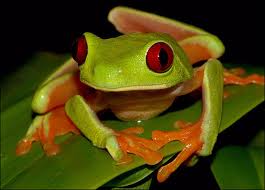
Today we are celebrating Save the Frogs Day! Many frogs are not doing well in the wild and it is up to us to help them out! You can check out the official Save the Frogs website to find out more on how you can help! Today we’re just going to tell you some fun frog facts & hopefully you will see why they are worth caring about!


FUN FROG FACTS:

  • Frogs have been on the planet for around 200 million years! That means they could have been hoping with the dinosaurs!
  • Frogs are amphibians!
  • The largest frog in the world is the Goliath Frog! You can read about them here!
  • The smallest frog in the world was just found a few months ago! Check them out!
  • There are about 4,900 species of frogs on our planet and scientists are sure we have not discovered them all! Man that is a ton of frogs.
  • A group of frogs is called an army! A group of toads is called a knot.
  • Toads are frogs! Toads generally have warty skin!
  • Frogs are cold blooded.
  • The most toxic vertebrate is the Golden Dart Frog.
  • Frogs absorb water through their skin.
  • Most frogs hibernate during the winter.
  • Frogs hatch from eggs.
  • Frogs ears can be found right behind their eyes!
  • Male frogs are the ones that croak, chirp, or ribbit. In fact frogs make all kinds of different sounds!
Here are two tunes by Kermit to help you celebrate! Frogs in the Glen and It’s Not Easy Being Green!


Categories: amphibians, Animals, Children, education, Environment, frogs, nature, science, wildlife | Tags: , , , , , , , , | 2 Comments

BACKYARD ANIMAL WEEK # 3

BACKYARD ANIMAL WEEK!

(WATERY WEDNESDAY)


We’re heading to a local creek to see if we can find today’s Backyard Animal! These animals can be very loud! There’s nothing better than hearing the males call on a nice summer evening! Grab a flashlight, because this amphibian is out at night!

MEET THE NORTH AMERICAN BULLFROG!

    Range/Habitat: Western-Central & Eastern United States/ wetlands, rivers,

lakes

     Diet: Carnivore: reptiles, mammals, other frogs

     Length: 3 ½-8”

     Conservation Status: common


Fun Facts:

  • North American Bullfrogs are the largest frog in North America.
  • They spend most of their life in water.
  • North American bullfrogs have eyes and nostrils on top of their heads. This helps the frog stay underwater but still be able to see and breathe.
  • They have large ear drums.
  • Female North American bullfrogs can lay several thousand eggs at a time.
  • It can take a North American bullfrog tadpole up to 4 years to become to an adult.
  • They are nocturnal (active at night).
  • They are ambush predators.
  • North American bullfrog males are very territorial.
  • Only males call!

How awesome are the large frogs? It sure is fun to go looking for them at night! Do you have bullfrogs where you live? What animal do you like to hear on a warm summer night?


Categories: amphibians, backyard, Children, education, Environment, nature, reptiles, science, wildlife | Tags: , , , , , , , , | Leave a comment

SUPER SURPRISE THURSDAY # 25

SUPER SURPRISE

THURSDAY# 25

Wow! Do we have a surprise for today’s Super Surprise animal! This amphibian has a very funny name and an even funnier life cycle! We’re boarding a plane and heading to South America! Are you in?


MEET THE PARADOXICAL FROG!

Range/Habitat: Eastern South America-Trinidad/ wetlands, rivers, lakes

Diet: Carnivore: insects

Length: 2-2 ½”

Conservation Status: Common


Fun Facts:

  • Paradoxical Frogs tadpoles have a long life span.
  • The Paradoxical frog tadpoles grow up to 10” long, about 4 times larger than their adult size.
  • Their tails shrink and get absorb as the tadpole turns into an adult.
  • Paradoxical frogs’ eyes and nostrils are on top of their heads.
  • The adult Paradoxical frog spends most of its life in the water.
  • They are nocturnal (active at night).


Can you believe there is a frog that is bigger as a tadpole (baby) than it is as an adult? That sure is different! That would be like you starting out as 6 feet tall as a baby and end up being 2 feet tall as an adult! CRAZY- but cool!

Categories: amphibians, Animals, Children, education, Environment, frogs, nature, science, wildlife | Tags: , , , , , , , | Leave a comment

Blog at WordPress.com.