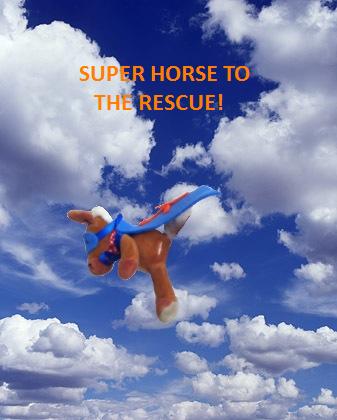
SUPER HORSE TO THE WILDLIFE RESCUE INTERVIEW REBECCA HARVEY!

Super Horse took a month off and now he’s back meeting a wildlife loving lady! We met Rebecca on Twitter and learned that she not only is a student, but a wildlife rescuer and rehabilitator. Come learn more about this great lady and her work!
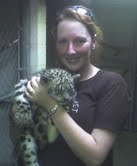
Snow Leopard cub!
Us: Hi Rebecca! Thank you so much for joining us today! Tell us a bit about yourself? (Where are you from? What do you do? Do you have any pets?)
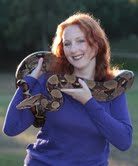
Rebecca: I am a Zoology student, wildlife rescuer, zookeeper. I am based in Hermosa Beach, California; a tiny beach town part of South Bay Los Angeles. Currently we have three pets. A large cat, a large snake (Colombian red-tail boa), and my husband has a clownfish & hermit crabs in a small saltwater tank.

Aaaw- what a beauty! The snake and Rebecca :)!
Us: Wow! You have a pet snake that is cool! We’re pretty sure Moe cat wouldn’t let us have one at headquarters- spoil sport!
How did you get started in wildlife rescue?
Rebecca: I grew up in the Oregon mountains where things were always getting hit by log trucks. I became accustomed to rescuing orphan raccoons, opossums, and an occasional rabbit or bird, even one bat. As a child it was a learn as you go experience. I caught snakes, lizards & salamanders for fun.
As an adult I received training from local California wildlife rescue facilities until I eventually started doing it on my own.

Us: Neat! We love that you started helping animals at a young age!
When did you discover your love for animals?
Rebecca: I have always loved and helped animals, both wild & domestic but it wasn’t until Steve Irwin’s death that I decided to make a career of it.
“At the age of 32 my first career (SAG AFTRA Actress) was winding down and I was stuck sitting on the couch watching TV and dreading my upcoming knee surgery. All the shows I used to imagine myself on were boring and I became hooked on Animal Planet, especially The Crocodile Hunter, Croc Files, and Crocodile Hunter Diaries. I had grown up in Oregon too, and could identify with Terri’s love of wildlife. I too, have raised orphan raccoons, opossums, and an occasional rabbit or bird. Now after years of following what I had thought was my passion I had lost my drive. (I need to point out that I have an amazing husband who encourages me to do anything I want to try.) I saw an episode where Steve had knee surgery on camera and it made me feel braver about my own upcoming surgery. At this point, this was still all just entertaining for me. I knew Steve had recently died and thought it was very sad but it didn’t have a huge effect on me until the day before my surgery.
I was watching “Ellen” when Terri came on with Bindi for G’day USA to fulfill Steve’s previous commitment. As I sat there mesmerized my personal epiphany happened. I could help! I loved animals. Terri was right, we all had to carry on Steve’s work. I would start volunteering; go back to school, save the world! Then I got up to go to the bathroom and realized I still couldn’t walk. Oops. I could still do one thing, without telling anybody, I registered for a zoology class at the local community college. I had never been a good student so I thought I’ll just try one class, if it works out then I’ll tell people. It took me two days to tell my husband I’d just changed career paths and was going back to school. He replied as always “Go for it babe!” So three days after knee surgery, I was off to college crutches and all. I watched every episode I could get my hands on that Steve and Terri did, I read their book, and studied hard. I was inspired to do for others not only for myself and it felt great. Once my knee healed I started volunteering every place I could.
I have been lucky enough to work as an animal keeper at several great places in Los Angeles County, CA with a huge variety of animals; everything from snakes to snow leopards. I was able to learn firsthand from a visiting keeper from Taronga Zoo, Australia, about Australian captive wildlife. I have worked with great apes, mountain lions, and birds of prey. While reptiles and big cats are still my favorites, working with such a variety has taught me the value of every species.” ~Remember Wildlife Website Rebecca page
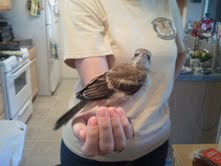
Jack the Sparrow- a rescue!
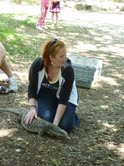
Rebecca teaching!
Us: Whew! You have done so many great things already!
Tell us about your favorite rescue/rehab.
Rebecca: Little and Lucky: A call woke me from my nap. It was my good friend Margo. The mail lady had been frightened by a baby opossum. Margo thought it looked too small could I please come and look. I have a soft spot for opossums and ran down to look. The poor little baby only had half his fur and was just starting to get some teeth. He should still be with his mom. We brought him up to my place and handpicked every flea off of him. A quick run to the pet store to get a bottle and we were ready to take care of him. “He sure is lucky that we found him” Margo said. Yes he is Lucky, and the name stuck; so commenced the bottle feeding every two hours. I made him a pouch he could crawl in an out of just like on mom. I was in love. Feeding every two hours I was tired when there was a knock on my door the next morning. I opened it to see our apartment’s handyman, an avid animal lover, “found another one under the trash” and he hands me this tiny opossum. He was cold, almost bald, no teeth, and barely moved. He was so little. I got him cleaned up and fed and he joined Lucky in the pouch. I had a vet tech friend of mine come look at him. It doesn’t look good she said he won’t last long. I wasn’t going to give up. As long as they weren’t suffering I would try. For over a month I fed and played with them. The great thing about opossums is that you can humanize them and still release them back into the wild because they forget they know people once they are free. Little was much slower growing then Lucky. When it came time to release them, Lucky left without a second glance back, and Little climbed back into his bed. Ok I though he isn’t quite ready yet. A week later we tried again. Margo and I said our goodbyes and I placed him near a bush outside. He walked a few inches and sank down shaking. “I know it’s probably just me”, I told Margo “but I can’t do it he doesn’t look right”. Margo agreed. When I got home from class the next day she said “I finally found a vet that will look at him, my treat”. It amazed us how many vets considered them rats not worthy of care. Opossums are specialized marsupials and the only ones we have in North America. We found an amazing vet. We took my poor Little to the vet and it turned out he had a malformed spine. Instead of growing bigger his spine was zigzagging in his little body. This was slowly cutting off his nerves and making his front legs eventually paralyzed. The vet assured me he was not in any pain, said he was healthy weight, and that although he was not releasable, he could live a happy life in captivity. Lucky had very specific white markings on his ears and we would see him from time to time wandering outside, bigger each time, and looking good. Little stayed with me, well loved. He lasted a year, not to bad for a disabled opossum. I cried and cried. He had been a wildlife ambassador for my classes and my beloved companion.
I miss him.
Opossums usually live about two years in the wild and up to three years in captivity. They are not legal pets and require wildlife permits. Although many people don’t like them they play an important part in our environment. If you see a baby opossum don’t assume it needs help. A little opossum between half a pound and a pound is capable of being on its own. All they need is fur and teeth. If they are smaller but look healthy, no worries, mom is usually not far behind.
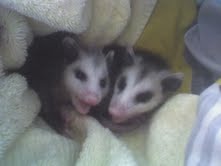
Little and Lucky!

Getting something to eat!
Us: Oh goodness, that is a great story! It is making me tear up! Thank goodness Little and Lucky found you!
What advice would you give someone who wanted to volunteer or get into wildlife rehab and rescue?
Rebecca: First, know it is ok to have a favorite animal. While all species are important, you can do more good for one you are passionate about. Volunteering is a hard but very rewarding thing to do. Most wildlife facilities, and many shelters rely solely on volunteers to keep them running. Keep in mind to work with wild/exotic animals you must be 18 or over and some places have experience requirements. If you’re not quite that adventurous or just too young, there are still a lot of things you can do (fund-raising, beach clean-up, office work, etc.). Don’t be afraid of hard work or getting dirty, keep an open mind, and ask questions. Find a rescue/rehab place near you and ask if you can come see them. While there ask a lot of questions.
Examples:
What are the requirements to volunteer?
What are the duties of a volunteer?
Do you ever turn down animals & why?
Check out several facilities near you to decide what you are best suited for. Volunteering for a place whose moral practices don’t agree with yours will not help you learn. Mutual respect is needed. Realize that all the “perks” of animal care (snuggles, pictures, hands on love), come after hours of cleaning, dirt, poop, food prep, and all the non-cute things. Be willing to commit to a year at one place before moving on to a new one. Never be afraid to ask questions of anyone. Always put the animals’ needs first.
Most small rescues ask for a small fee to attend an orientation. This fee goes to animal care and shows them you are serious about committing. Anything $50 or under is considered reasonable. If a place asks for a lot of expensive gear and “training fees”, walk away.
For volunteering with hands-on animal work you need the following:
Good Health
Good Attitude
Good Boots
I admire & thank everyone who gives there time to save others. Good Luck To All!
Us: That is great advice!
Do you have a website? Are you on social media?
Rebecca: My Website is www.rememberwildlife.org
It has lots of stories, pictures, and information on the many pages.
Us: Great! Everyone needs to go check it out!
Who is your wildlife hero?
Rebecca: Terri Irwin is my wildlife hero. She started with one sad malnourished cougar and is now owner of the great Australia Zoo. She stays strong through even the worst moments in life. She believes every animal deserves a chance and works tirelessly to save habitats. My dream job is to work for her.
Steve Irwin was my inspiration, but it is Terri Irwin who is my hero. If I can do 1/4 of what she has I will feel like I’ve accomplished a lot.
If you haven’t yet read it, go get MY STEVE by Terri Irwin, you will be inspired too.
Thank you so much again for sitting down with us! You are a true wildlife hero and inspiration!
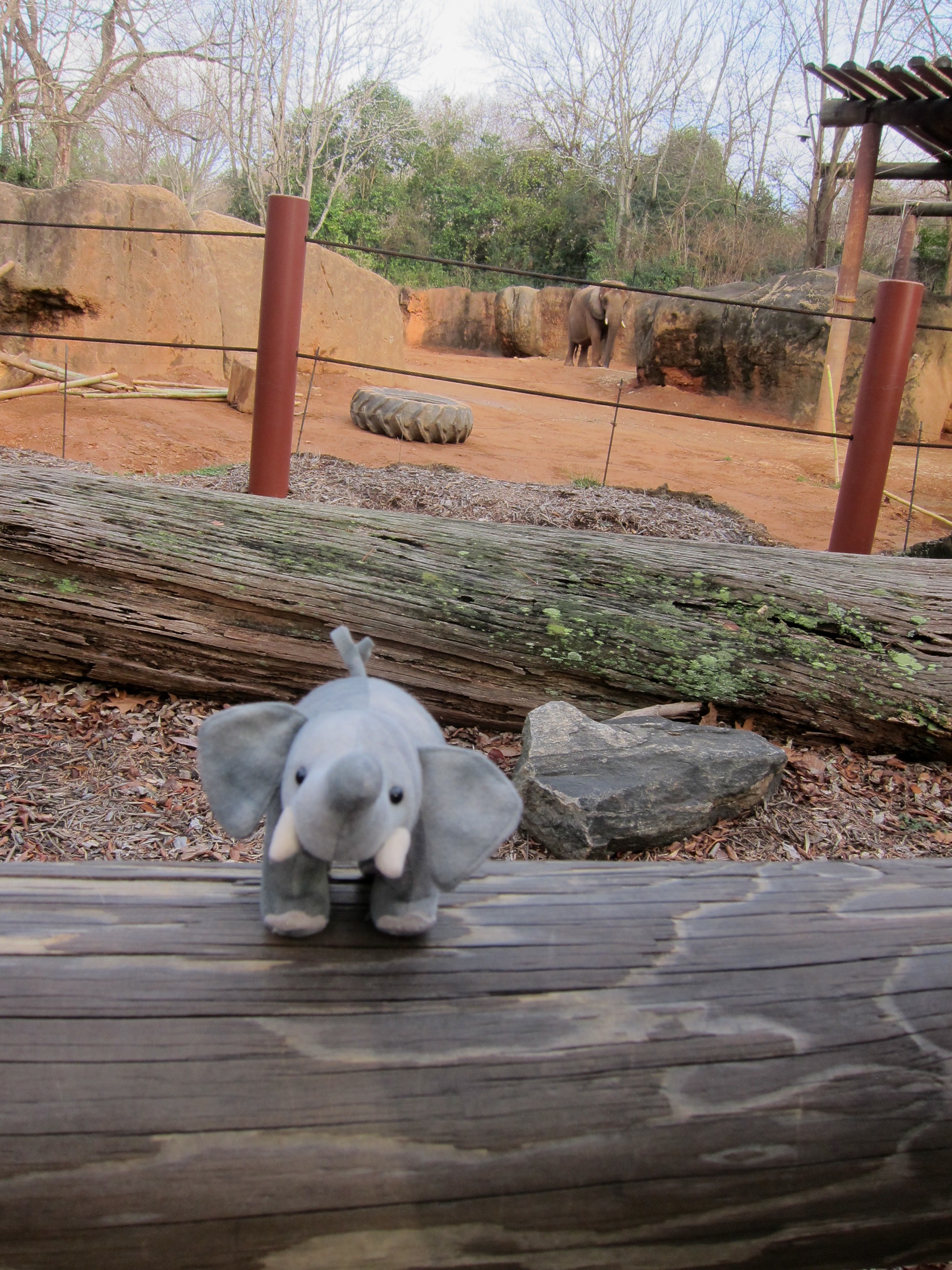
Elephants & Horses love to share!


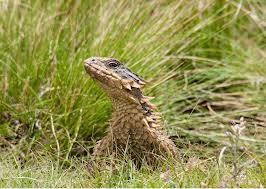
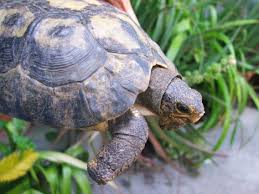 Range/Habitat: Southern Africa/ grasslands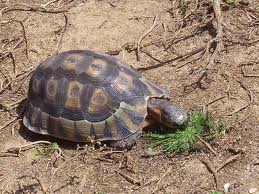




















 The Adventures of Ellie and Edmond