conservation

WATERY WEDNESDAY # 76

WATERY WEDNESDAY # 76

 It’s time to take plunge in the wondrous ocean of our earth to meet today’s little fish who lives in a dangerous habitat! We’re taking the E & E sub out to avoid stinging tentacles!  

e e deep sea

MEET THE MAN OF WAR FISH!

man o war fish   Range/Habitat: Tropical Oceans Worldwide

   Diet: Carnivore: small fish

   Length: up to 10”

   Conservation Status: common


Fun Facts:

  •          Man of War Fish live in the tentacles of the Portuguese Man-of-war jelly!
  •          They avoid the tentacles by agile swimming.
  •          Man of War Fish are not immune to the stings of the jelly.
  •          They have deeply forked tail fins.

Wow! We knew about clownfish living with anemones, but a fish who lives among the tentacles of a giant jelly fish! The ocean is full of crazy animals!

man o war fish2

Categories: adventure, Animals, Children, conservation, education, Environment, fish, nature, science, wildlife | Tags: , , , , , , , , , , | Leave a comment

AMPHIBIAN TUESDAY #76

AMPHIBIAN TUESDAY # 76

It’s Amphibian Tuesday and we’re going to South America to meet one cool frog! Get your backpack and rainforest adventure gear and let’s go find today’s animal!

e & e rainforest

MEET THE MOUNTAIN MARSUPIAL FROG!

mountain marsupial frog   Range/Habitat: North-West South America/ rainforest

   Diet: Carnivore: insects

   Length: 1 ½-2 ¼”

   Conservation Status: common


Fun Facts:

  •          Mountain Marsupial Frogs have broad heads.
  •          They are nocturnal.
  •          Mountain marsupial frogs have long toes.
  •          Female mountain marsupial frogs have a pouch on their back where they incubate their eggs.
  •          Mountain marsupial frogs eggs are connected to the female’s blood system, when the eggs hatch they put the tadpoles in a pool of water.

These cool frogs have such a neat way of incubating their young. That must be why they are called the marsupial frog! We think the kangaroo frog would have been a good name too!


mountain marsupial frog2

Categories: adventure, amphibians, Animals, Children, conservation, education, Environment, nature, science, wildlife | Tags: , , , , , , , , , | Leave a comment

MAMMAL MONDAY # 76

MAMMAL MONDAY # 76

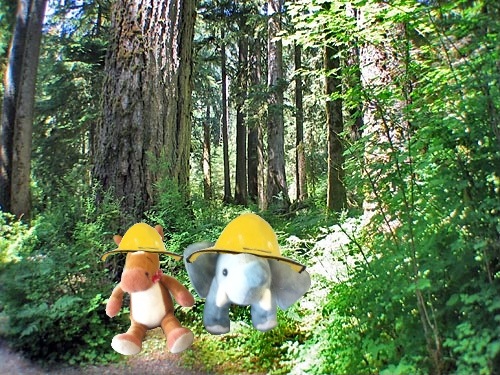
Hello! We hope everyone had a fabulous weekend! We’re ready to go on another fun adventure this Mammal Monday! Grab your gear and get ready to go to Africa!

e & e rainforest

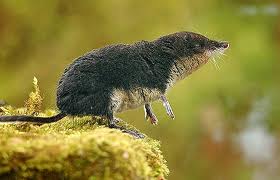
MEET THE ARMORED SHREW!

armored shrew   Range/Habitat: Central-East Africa/ rainforest

   Diet: Carnivore: worms, insects, carrion

   Length/Weight: 4-6”/ 2 1/2 -4 oz

   Conservation Status: common


Fun Facts:

  •          Armored Shrews are also known as the Hero Shrew.
  •          They have very strong backs.
  •          Armored shrews vertebrae have interlocking spines on the side on bottom of each vertebrate.
  •          They are solitary.
  •          Armored shrews are excellent climbers.
  •          Armored shrews have wooly gray fur.

These armored shrews are super cool. They have those crazy backbones that make them super strong. We wonder if they have capes hidden since they are called the Hero Shrew :)?

armored shrew2

Categories: adventure, Animals, Children, conservation, education, Environment, mammals, nature, science, wildlife | Tags: , , , , , , , , , | Leave a comment

Happy 4th of July- Guess the Animal!

HAPPY 4th of July!!

e & e 4th of july

Happy 4th of July to our American pals and Happy Thursday to our pals across the globe!

We have special Super Surprise Animal for you to guess! We’re just showing the picture and the only clue you get is America! Tell us who you think it is?

bald eagle2

Have a safe and wonderful holiday everyone!

We’re taking this Friday off! We’ll see you for Mammal Monday!

Categories: adventure, Animals, Children, conservation, education, Environment, nature, science, wildlife | Tags: , , , , , , , , | 4 Comments

WATERY WEDNESDAY # 75

WATERY WEDNESDAY # 75

 All aboard the E & E submarine! We’re going to the deep depths of the ocean to find one of the most elusive fish in the ocean. Even though they are large they are hard to spot!

e e deep sea

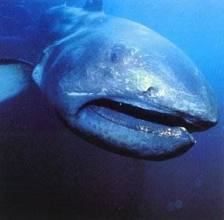
MEET THE MEGAMOUTH SHARK!

megamouth shark2   Range/Habitat: Atlantic/Pacific/Indian Oceans (limited spots)

   Diet: Carnivore: krill and plankton

   Length/Weight: up to 18 ft/ up to 1,740 lbs

   Conservation Status: unknown


Fun Facts:

  •          Megamouth sharks were discovered in 1976.
  •          Humans have only seen about 13 individuals.
  •          They are filter feeders and eat very small animals.
  •          Megamouth sharks have small dorsal fins.
  •          Megamouth sharks surface at night to eat.
  •          They have a luminescent stripe around their mouth to attract prey.  

Megamouth sharks are amazing! Can you imagine that we’ve only known about them in the last 30 years? The oceans are full of so many animals that we haven’t even discovered! It’s crazy! We need to explore more!

megamouth shark  megamouth shark3


Categories: adventure, Animals, Children, conservation, education, Environment, fish, nature, science, sharks, wildlife | Tags: , , , , , , , , , , | Leave a comment

REPTILIAN TUESDAY # 75

REPTILIAN TUESDAY # 75

We’re going to Asia to meet today’s reptile! We’ll be going in the woods, so step carefully because these guys know how to camouflage in with the leaves!

e & e wetlands

MEET THE ASIAN LEAF TURTLE!

asian leaf turtle   Range/Habitat: Southeast Asia/ wetlands

   Diet: Omnivore: invertebrates, tadpoles, plants

   Length:  6-9 1/2”

   Conservation Status: common


Fun Facts:

  •          Asian leaf turtles have an oval shape carapace (top shell).
  •          Their plastron (bottom shell) is hinged.
  •          Asian leaf turtles hide in the mud in creeks and rivers when threatened.
  •          Male Asian leaf turtles are smaller than the females.
  •          Asian leaf turtles have serrated shells that help them blend in.

Asian leaf turtles are cute! There are so many kinds of turtles out there! We love each and every one of them!


asian leaf turtle2

Categories: adventure, Animals, Children, conservation, education, Environment, nature, reptiles, science, wildlife | Tags: , , , , , , , , , | Leave a comment

SHARK APPRECIATION DAY!

SHARK APPRECIATION DAY!

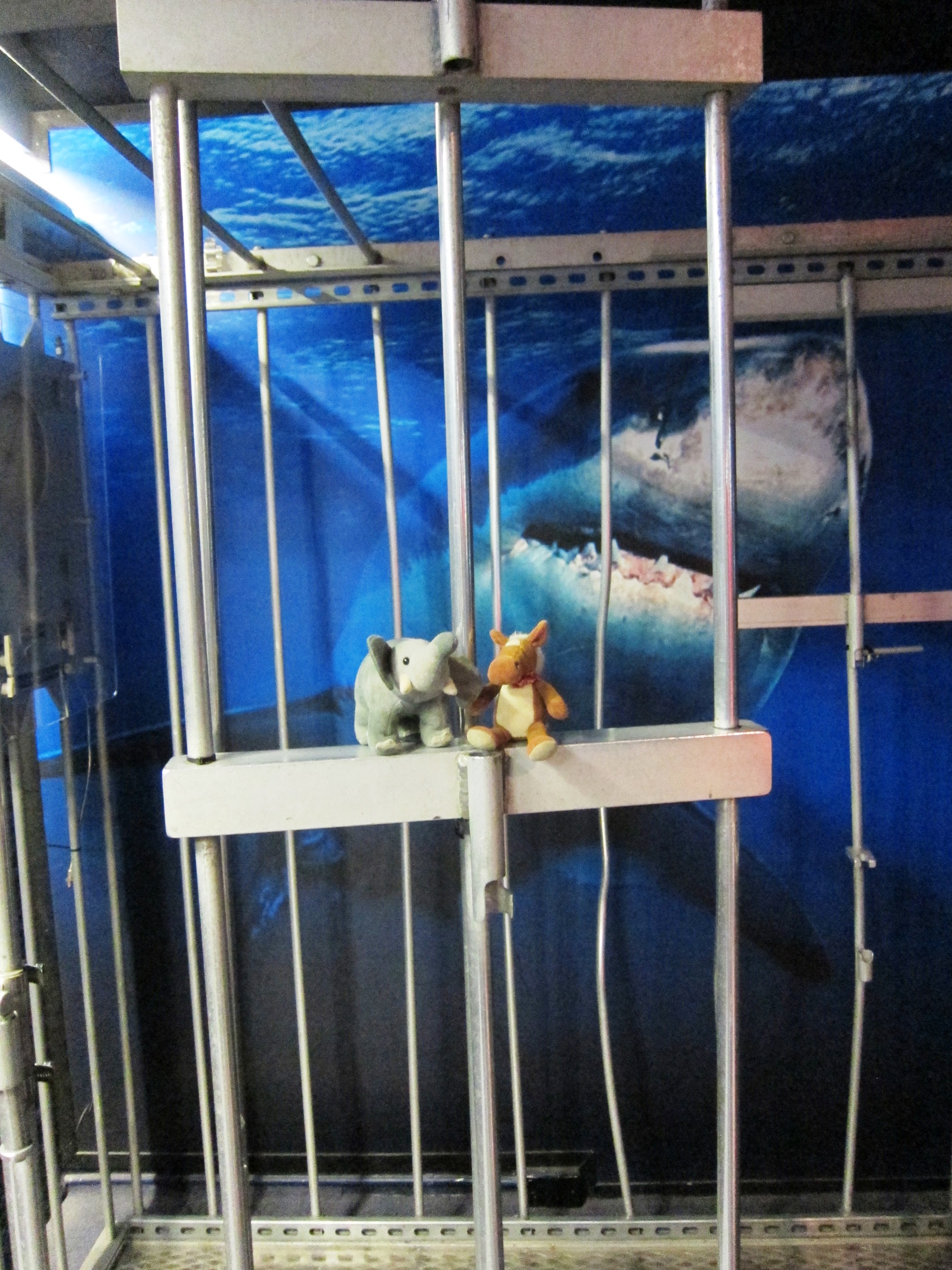
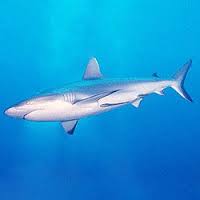
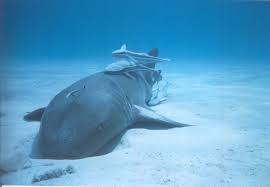
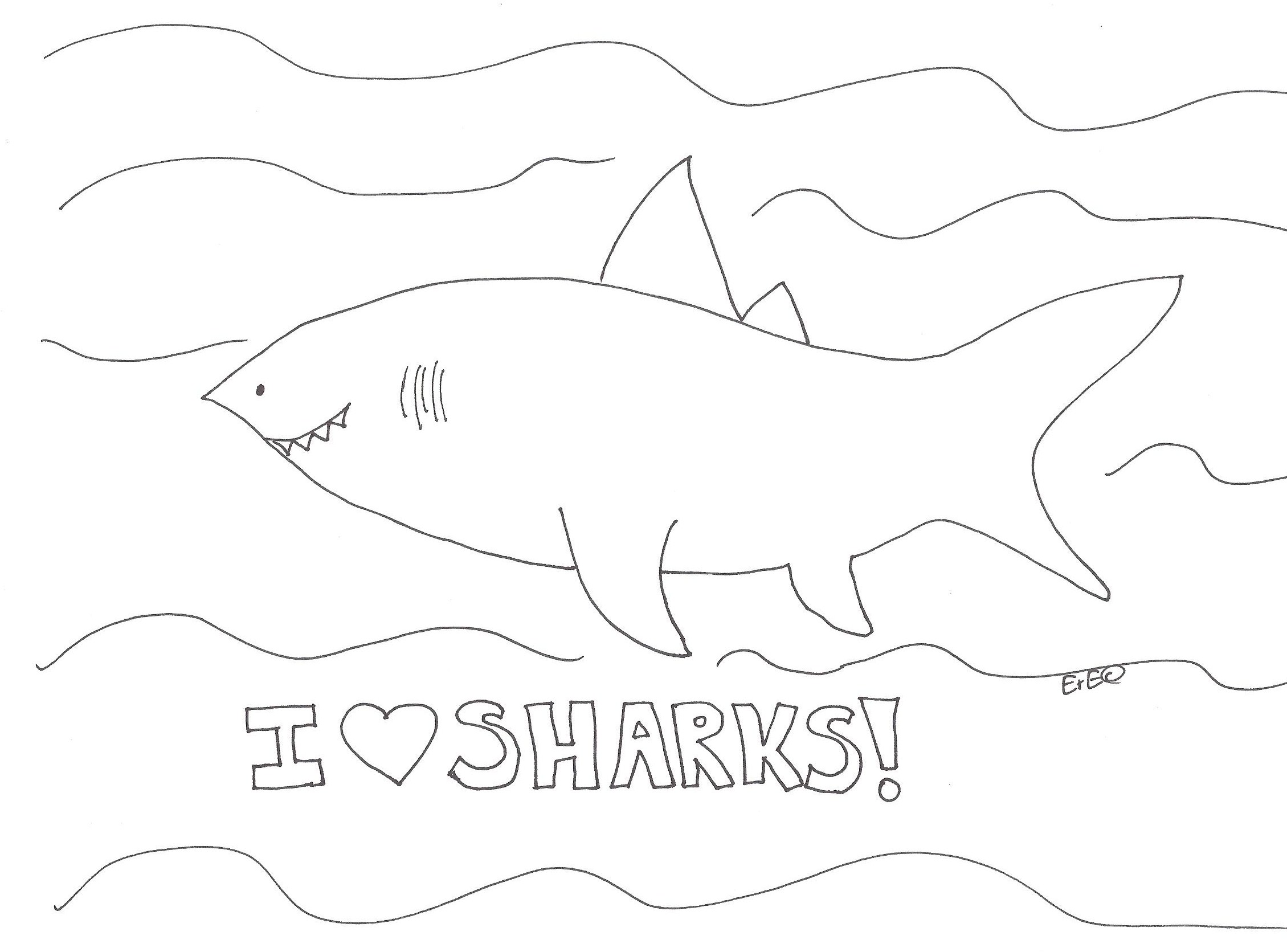
We’re celebrating some of the most fearsome predators of the sea- SHARKS! These fish have a bad reputation but without them, our oceans would be out of whack! Sharks play a vital role in the oceans’ ecosystems. They come in big and small sizes and some even eat plankton! So let’s learn some shark fun facts, enjoy some shark pictures and get out those crayons to color Ellie’s shark coloring sheet!

???????????????????????????????

  • A shark’s skeleton is made of cartilage.
  • There are around 350 species of sharks.
  • Blue sharks can reach speeds of up to 43 mph.

shark1  shark2


  • The dwarf shark is smallest species of shark. It is about 4 inches long.
  • The largest fish in the ocean is the Whale shark. They can get up to 30 feet long.
  • Whale sharks are filter feeders, they eat krill.


shark3   shark4


  • The Megamouth Shark was only discovered in 1976.
  • Sharks swallow their food whole or tear it off in chunks.
  • Sharks can smell one drop of blood in a million drops of water.

shark5  shark6


  • Sharks have been around for about 65 million years.
  • Pigs kill more people each year than sharks!

These amazing creatures are under threat as we deplete their numbers. Remember even animals that seem scary need our respect and protection. The oceans would fall apart without sharks! Check out Once World One Ocean see how you can help!

Image

Categories: adventure, Animals, Children, conservation, education, Environment, fish, nature, science, sharks, wildlife | Tags: , , , , , , , , , , , | 2 Comments

FEATHERY FRIDAY # 74

FEATHERY FRIDAY #74

It’s Feathery Friday and we’re going to the tropical seas to meet a bird who spends most of it time out over open water. So let’s board the E & E boat and head out on today’s bird watching adventure!

e e boat

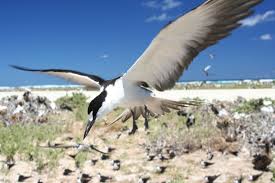
MEET THE SOOTY TERN!

sooty tern   Range/Habitat: Worldwide/ Tropical seas

   Diet: carnivore: fish

   Length: 13-14”

   Conservation Status: common 


Fun Facts:

  •          Sooty Terns are brownish-black on top with white on the bellies.
  •          They are often seen in large flocks over open ocean.
  •          Sooty terns swoop near the water to scoop up prey.
  •          Sooty terns do not dive.
  •          They nest in large colonies on small islands.
  •          Sooty terns have a life span of up to 32 years.

Sooty terns are beautiful birds. We love that there are amazing birds that fly over open waters looking for their dinner!

sooty tern2   sooty tern3

Categories: adventure, Animals, birds, Children, conservation, education, Environment, nature, science, wildlife | Tags: , , , , , , , , , | Leave a comment

SUPER SURPRISE THURSDAY # 74

SUPER SURPRISE THURSDAY # 74

It’s time to guess the animal! Look at the picture, read the clues and tell us who you think it is!

manatee

  • I live in the ocean and some fresh water rivers.
  • I am a mammal.
  • I am a very slow swimmer.

WHO AM I?

Categories: adventure, Animals, Children, conservation, education, Environment, nature, science, wildlife | Tags: , , , , , , , , | Leave a comment

WATERY WEDNESDAY # 74

WATERY WEDNESDAY # 74

 We’re flying back to the United States today and taking out our river boat to meet today’s fish. These fresh water predators are crazy looking! Grab your bug spray and let’s get ready to go….

e & e river boat

MEET THE LONGNOSE GAR!

longnose gar   Range/Habitat: Central- Eastern North America/ rivers-

   wetlands

   Diet: Carnivore: small fish

   Length/Weight:  4-6ft/ up to 33 lbs

   Conservation Status: common


Fun Facts:

  •          Longnose Gar have diamond shaped scales.
  •          They have long thin jaws that are full of sharp teeth.
  •          Longnose gar are ambush predators.
  •          Longnose gar have long slender bodies.
  •          Their fins are set way back on their bodies.

Longnose gar are really wild looking for fish. These fish have been around for about 100 million years. Wow! Who knew such ancient fish were swimming in our waters!

 longnose gar2    longnose gar3


Categories: adventure, Animals, Children, conservation, education, Environment, fish, nature, rivers, science, wildlife | Tags: , , , , , , , , , | Leave a comment

Blog at WordPress.com.