fish

WATERY WEDNESDAY # 36

WATERY WEDNESDAY# 36

We are off to Africa today to meet a small but extraordinary fish! These little fish have been on the planet for a very long time! Let’s gear up and head out to meet these little animals!

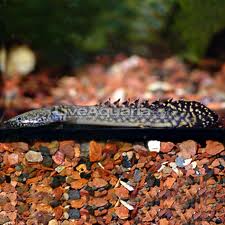
MEET THE ORNATE BICHIR!
   Range/Habitat: Western-Central Africa/ lakes, rivers

   Diet: Carnivore: fish, crustaceans

   Length/Weight: up to 16”/ up to 18 oz

   Conservation Status: Common

Fun Facts:

  • Ornate bichirs are considered to be the most beautiful member of the bichir fish family.
  • They are beige with black markings.
  • Ornate bichirs are small and oblong.
  • They have armor like scales.
  • Ornate bichirs stalk and ambush their prey.
  • They can stay out of water and breathe regular air for short periods of time.

What? There’s a fish that can breathe air? That is some crazy stuff! We can tell you that this small elephant and horse cannot breathe under water, although Ellie can stick her trunk out of the water :)!



Categories: africa, Animals, Children, education, Environment, fish, nature, rivers, science, Uncategorized, wildlife | Tags: , , , , , , , | Leave a comment

SUPER SURPRISE THURSDAY # 35

SUPER SURPRISE  THURSDAY# 35

It’s Super Surprise Thursday and we’re celebrating another watery animal friend. Today we are jetting off to the waters of Pacific and Indonesian oceans to meet a very beautiful and helpful fish! It’s time everyone learned how sand is really made J! Let’s go!

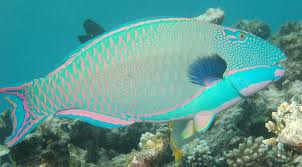
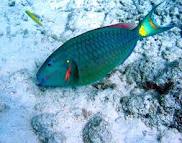
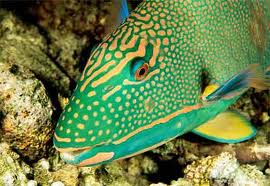
MEET THE BICOLOR PARROTFISH!

   Range/Habitat: Indian-Pacific Oceans/ coral reefs

   Diet: Herbivore: algae

   Length: up to 32”

   Conservation Status: Common


Fun Facts:

  • Bicolor parrotfish have fused molar teeth that resemble a parrot’s beak.
  • Bicolor parrotfish are brightly colored.
  • Their beak like mouths and coloration gave them the name parrotfish!
  • Juvenile bicolor parrotfish are white with orange on their head.
  • They eat algae off the coral.
  • When bicolor parrotfish chew up the coral and algae, they crush the coral. The coral that is not digested is then pooped out in sand form.
  • One large bicolor parrotfish can produce up to 2,200 lbs of a sand year.

Well, who knew that the beautiful white sand beaches of the Pacific were really fish poop? Hehe! There are other species of parrotfish in the Caribbean too, so you cannot escape the fish poop! Actually these fish are amazing and they do help build the ocean floor and the beaches that animals rely on for habitats and that humans love to relax on!


Categories: Animals, Children, education, Environment, fish, nature, oceans, science, wildlife | Tags: , , , , , , , , , | 2 Comments

WATERY WEDNESDAY # 34

WATERY WEDNESDAY# 34

Who’s ready to take a dive in our submarine? We’re taking it down to the sandy bottoms of the Mediterranean and North Atlantic oceans to see a secretive and nocturnal animal! Thank goodness our sub has lights!

MEET THE CONGER EEL!

   Range/Habitat: North Atlantic-Mediterranean/ rocky-sandy bottoms

   Diet: Carnivore: crustaceans, fish, cephalopods

   Length/Weight: up to 8 ½ ft/ up to 145 lbs

   Conservation Status: Common


Fun Facts:

  • Conger eels are dark grey with long finless bodies.
  • Conger eels do not have scales.
  • They are nocturnal (active at night).
  • They often hide in crevices and caves during the day.
  • Conger eels are ambush predators.

Wow! We hope you were watching because the conger eel is fast! We wouldn’t want to be a fish swimming by these eels cave when they get hungry! Chomp!


Categories: Animals, Children, education, Environment, fish, nature, oceans, science, wildlife | Tags: , , , , , , , , | 5 Comments

WATERY WEDNESDAY # 33

WATERY WEDNESDAY# 33

We’re staying in the ocean from our trip yesterday and we’re going to find a fish! Specifically we want to find a cartilaginous fish (their skeleton is made of cartilage)! Be careful where you step because these sharks like to bury themselves in the sand!

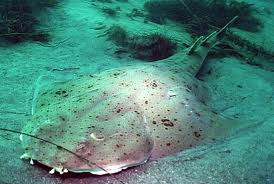
MEET THE ANGEL SHARK!

   Range/Habitat: Western North Atlantic/ ocean

   Diet: Carnivore: crustaceans, fish

   Length/Weight: up to 5 ft/ up to 60 lbs

   Conservation Status: Common


Fun Facts:

  • Angel sharks have flat bodies and wide heads.
  • They have wing like pectoral fins.
  • Their eyes are on top of their head and their gill slits are on the bottom.
  • Angel sharks bury themselves in the sand.
  • Angel sharks are also called the Sand Devil.
  • Angel sharks are ambush predators.
  • They have powerful jaws and teeth.

Angel sharks are beautiful fish! There are several different species and they each have different patterns that help them camouflage into the sandy bottom. Luckily these sharks are protected in the waters off the United Kingdom!


Categories: Animals, Children, education, Environment, fish, nature, science, wildlife | Tags: , , , , , , , | 2 Comments

WATERY WEDNESDAY # 31

WATERY WEDNESDAY# 31

It’s Wednesday and it’s time to meet an animal who lives in a watery environment! We’re off to find a little fish with a fun name that spends part of its life in fresh water and part of its life in the ocean! Are you ready to jump in?

MEET THE COMMON JOLLYTAIL!

   Range/Habitat: South Australia-New Zealand-South America/ wetlands,

estuaries, ocean

   Diet: Carnivore: small fish

   Length: up to 8”

   Conservation Status: common


Fun Facts:

  • Common jollytails are also known as common galaxias or whitebaits.
  • They are clear and olive gray in color.
  • Common jollytails have small cylindrical shaped bodies.
  • They lay their eggs in freshwater habitats.
  • When the common jollytail hatches they head out to the ocean.
  • After about 7 months the common jollytail then heads back to a freshwater habitat, where they spend the rest of their lives.

These little fish sure are cute! We think it’s so cool they are able to live in both freshwater and salt water environments. Do you know any other fish who do that?


Categories: Animals, Children, education, Environment, fish, nature, science, wildlife | Tags: , , , , , , , | 4 Comments

WATERY WEDNESDAY # 30

WATERY WEDNESDAY# 30

It’s time to pull on your wetsuit and put on your goggles and head into the ocean to meet today’s Watery Wednesday animal! Today’s fish has a skeleton made of cartilage and a mouth full of teeth! Maybe we’ll skip the wetsuits and watch these fish from our submarine :)!

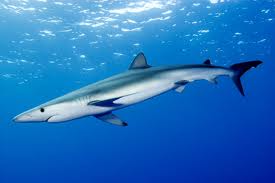
MEET THE BLUE SHARK!

   Range/Habitat: tropical-temperate waters/worldwide

   Diet: Carnivore: squid, fish

   Length: up to 12 ft

   Conservation Status: Near threatened


Fun Facts:

  • Blue sharks are called the “wolves of the sea”.
  • Blue sharks are a beautiful cobalt blue color.
  • They have long pectoral fins.
  • Blue sharks are very fast swimmers and feeders.
  • They have sharp triangular teeth.
  • They migrate seasonally from cooler to warmer waters.
  • Blue sharks have large litters of live pups, up to 100.


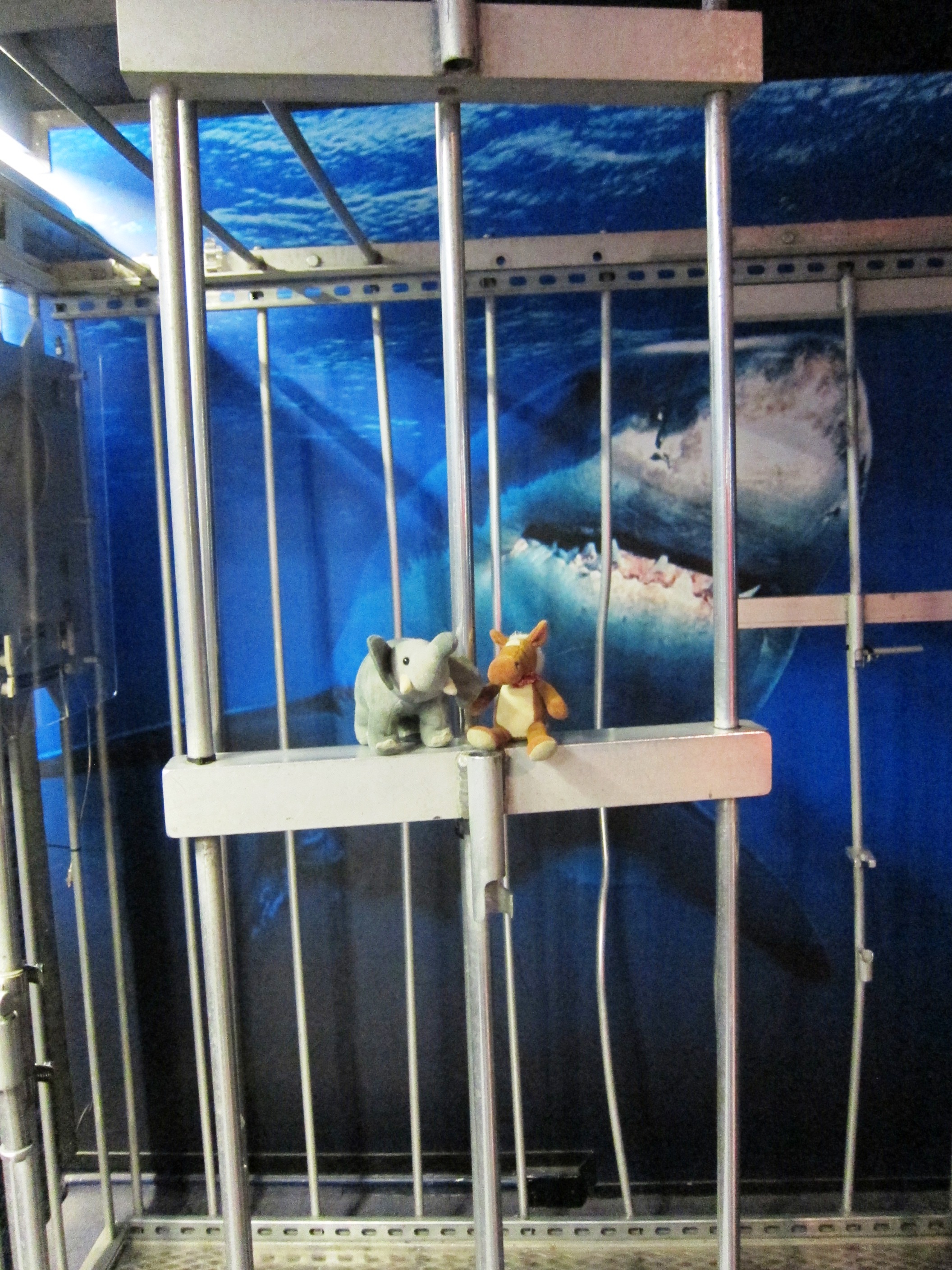
Blue sharks are known to be aggressive towards people, so they are best left alone. We think they are such beautiful and graceful predators. Like other sharks, blue sharks are threatened. We need to make sure that our oceans have these apex predators swimming around for a long time!

We found a nice shark cage to watch these wonderful creatures! Who's joining us?


Categories: Animals, Children, education, Environment, fish, nature, science, Watery Wednesday | Tags: , , , , , , , | 2 Comments

WATERY WEDNESDAY # 29

WATERY WEDNESDAY# 29

We weren’t sure we could find a crazier fish than last week’s walking catfish, but we were wrong! This ocean dwelling fish has some big pointy teeth that are a bit scary! But don’t you worry they live down in the deep depths of the ocean! Who wants to board our deep sea submersible?

MEET THE SLOAN’S VIPERFISH!

   Range/Habitat: Tropical-subtropical oceans around the world

   Diet: Carnivore: fish, invertebrates

   Length/Weight: up to 14”/ up to 1 oz

   Conservation Status: Common


Fun Facts:

  • Sloan’s viperfish live deep in the ocean.
  • They are bluish-black in color.
  • Sloan’s viperfish hold the record for largest teeth relative to head size for a fish!
  • Their teeth are so big that they won’t fit into their mouths.
  • They have a long ray that hangs in front of their mouths. It acts a lure for prey.
  • Sloan’s viperfish have photophores (emits light) along their bodies and mouths that attract prey.


And you thought walking fish were weird, well how about a fish with light emitting cells and super giant teeth? The world’s oceans are home to most alien and fascinating creatures! The craziest part is that we haven’t even begun to explore the vast waters! Who else wonders what’s down there?

Categories: Animals, Children, education, Environment, fish, nature, science, wildlife | Tags: , , , , , , , | 4 Comments

WATERY WEDNESDAY # 28

WATERY WEDNESDAY# 28

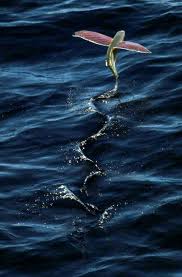
You just never know what kind of creature Watery Wednesday will bring you! We found a fish that can fly today! That’s right folks; this fish can leap out of the ocean and glide in the air! What? Well let’s hope aboard the Ellie and Edmond boat and check them out!

MEET THE TROPICAL TWO-WINGED FLYING FISH!

   Range/Habitat: tropical- sub-tropical oceans worldwide

   Diet: Carnivore: crustaceans, plankton

   Length: up to 7”

   Conservation Status: Common


Fun Facts:

  • Tropical two-winged flying fish have large wing-like pectoral (side) fins.
  • They can propel themselves out of the water and glide in the air.
  • Tropical two-winged flying fish can glide up to 12 seconds at a time.
  • They can reach speeds of up to 40 mph. They do this avoid predators.
  • They are dark blue and silver.

We promise you’re not seeing things! These crazy fish can fly and they can go fast! How cool would it be to see a school of them gliding by at top speeds?


Categories: Animals, Children, education, Environment, fish, nature, science, wildlife | Tags: , , , , , , , | 1 Comment

WATERY WEDNESDAY # 27

WATERY WEDNESDAY# 27

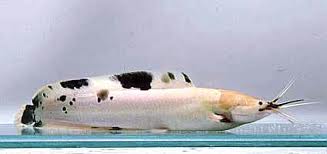
Who’s excited for Watery Wednesday? We sure are! We’re heading to the rivers and wetlands of Southeast Asia to meet a catfish who can “walk” on land! What? You read that right, these fish can come out on land! Are you excited now? Let’s go meet this fascinating fish!

MEET THE WALKING CATFISH!

   Range/Habitat: Southeast Asia/ wetlands, swamps, ponds

   Diet: Omnivore: fish, mollusks, invertebrates, weeds

   Length: up to 16”

   Conservation Status: Common


Fun Facts:

  • Walking Catfish have barbells on their faces.
  • They have long bodies.
  • Walking Catfish have the ability to crawl on the land.
  • They have specialized gills that help them breath out of water.
  • Walking catfish are nocturnal (active at night).
  • They are a tropical species.


Wow! How cool is that there are fish in the world that can use their fins to crawl across land! They do it to find a better habitat! We just love these super cool fish!


Categories: Animals, Children, education, Environment, fish, nature, science, wildlife | Tags: , , , , , , , | 4 Comments

WATERY WEDNESDAY # 26

WATERY WEDNESDAY# 26

Who’s ready to dive in to the ocean and meet a fish whose skeleton is made of cartilage? This animal is very large and very special! So let’s meet today’s Watery Wednesday animal!


MEET THE COMMON SKATE!

   Range/Habitat: Eastern Atlantic- Mediterranean Sea

   Diet: Carnivore: fish, worms, crustaceans

   Length/Weight: up to 8 ft/ 110-220 lbs

   Conservation Status: Critically Endangered


Fun Facts:

  • Common Skates are brownish-gray with spots.
  • They have a single row of spines going down their body and tail.
  • Common skates are relatives of sharks and rays.
  • They are the largest skate in the world.
  • Common skates are active day and night.
  • They feed off the bottom of the ocean floor.


These beautiful big skates are really neat! We love all the diverse kinds of live in the world’s oceans!


Categories: Animals, Children, education, Environment, fish, nature, science, wildlife | Tags: , , , , , , , | Leave a comment

Blog at WordPress.com.