mammals

Soooooo Slow!

Sooooo Slow!

sloth3img_2146


ellie_edmund_professors-bear


Date: 9/21

Location: Amazon Rainforest

  • Sloths are related to armadillos and anteaters.
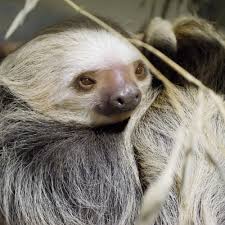
  • Two-toed sloths are arboreal. They spend most of their lives in the tops of the trees.
  • They only come down once a month to use the bathroom.
  • Like other sloths, they have algae and insects growing in their fur.
img_2147

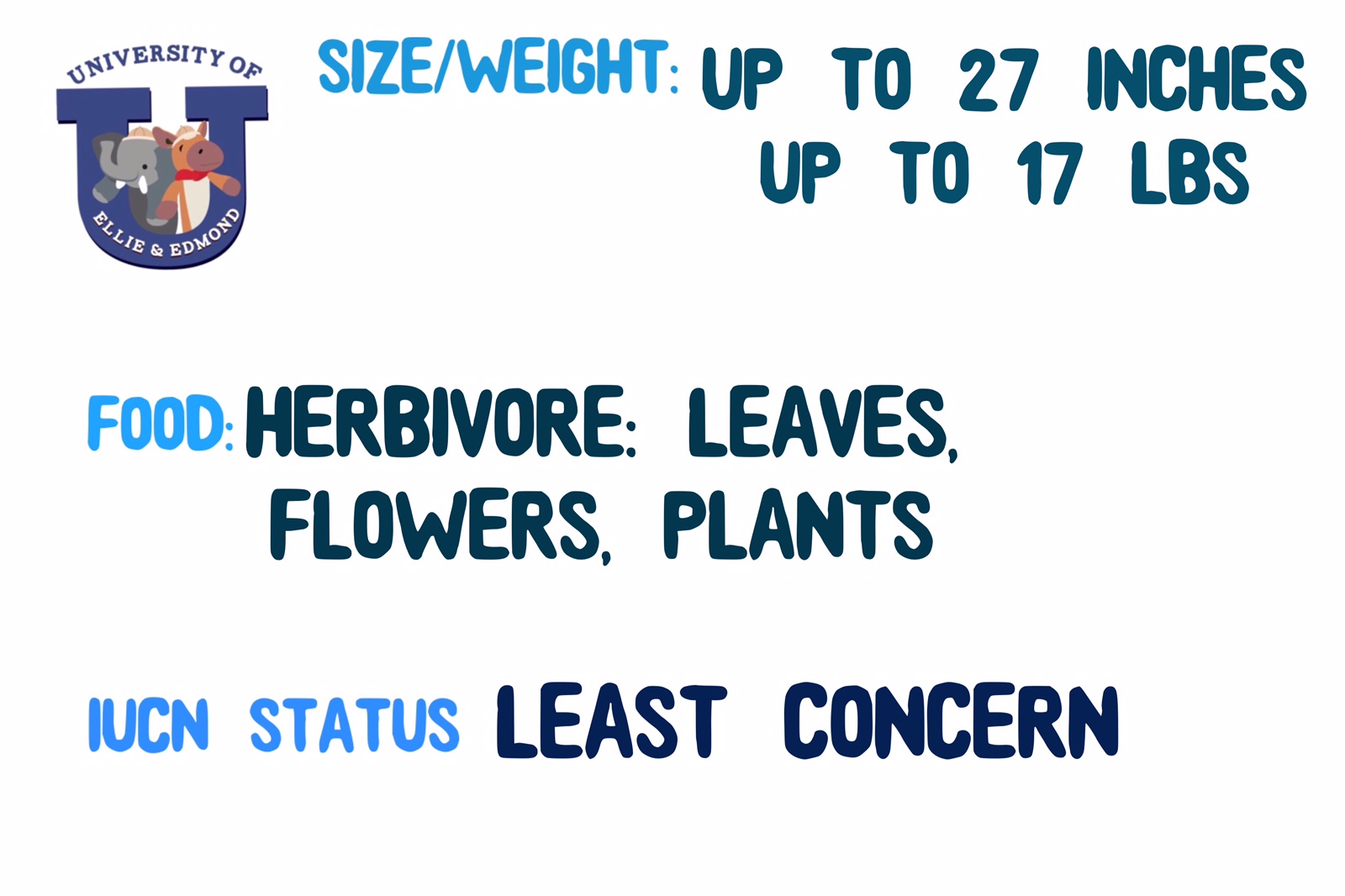
  • Toe-toed sloths are nocturnal, they spend their evenings eating flowers and leaves.
  • They are excellent swimmers.
  • Two-toed sloths are larger than their cousins the three-toed sloths.
  • Two-toed sloths have no canines or incisor teeth.
sloth2sloth


Sloths have always been a favorite of ours. It was a treat to find one on our adventures in the rainforest this week. Of course, we needed binoculars to look so high up in the trees. Can you imagine spending most of your life hanging upside down in the trees? It works for the sloth!

Categories: adventure, Animals, Children, conservation, education, Environment, mammals, nature, science, Today's Post, wildlife | Tags: , , , , , , , , , | Leave a comment

River Wolf!

River Wolf!

giant-otter3img_1875


ellie_edmund_professors-bear


Date: 9/14

Location: Amazon River

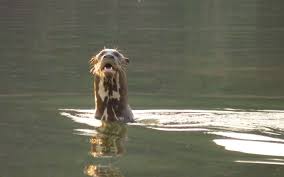
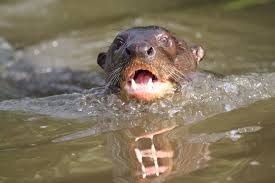
  • Giant river otters are highly social- live in family groups of one monogamous pair & offspring.
  • They are very vocal and make many different sounds including, clicks & whistle.
  • Giant river otters recognize each other by white marks on their chests. They pop up out of the water to look for food and other otters. It’s called periscoping!

giant-otter2

img_1876

  • Largest member of the otter family.
  • Giant river otters have webbed feet and a flat wing like tail for swimming.
  • They have dense fur to keep water from getting to it’s skin. That fur is velvet soft.
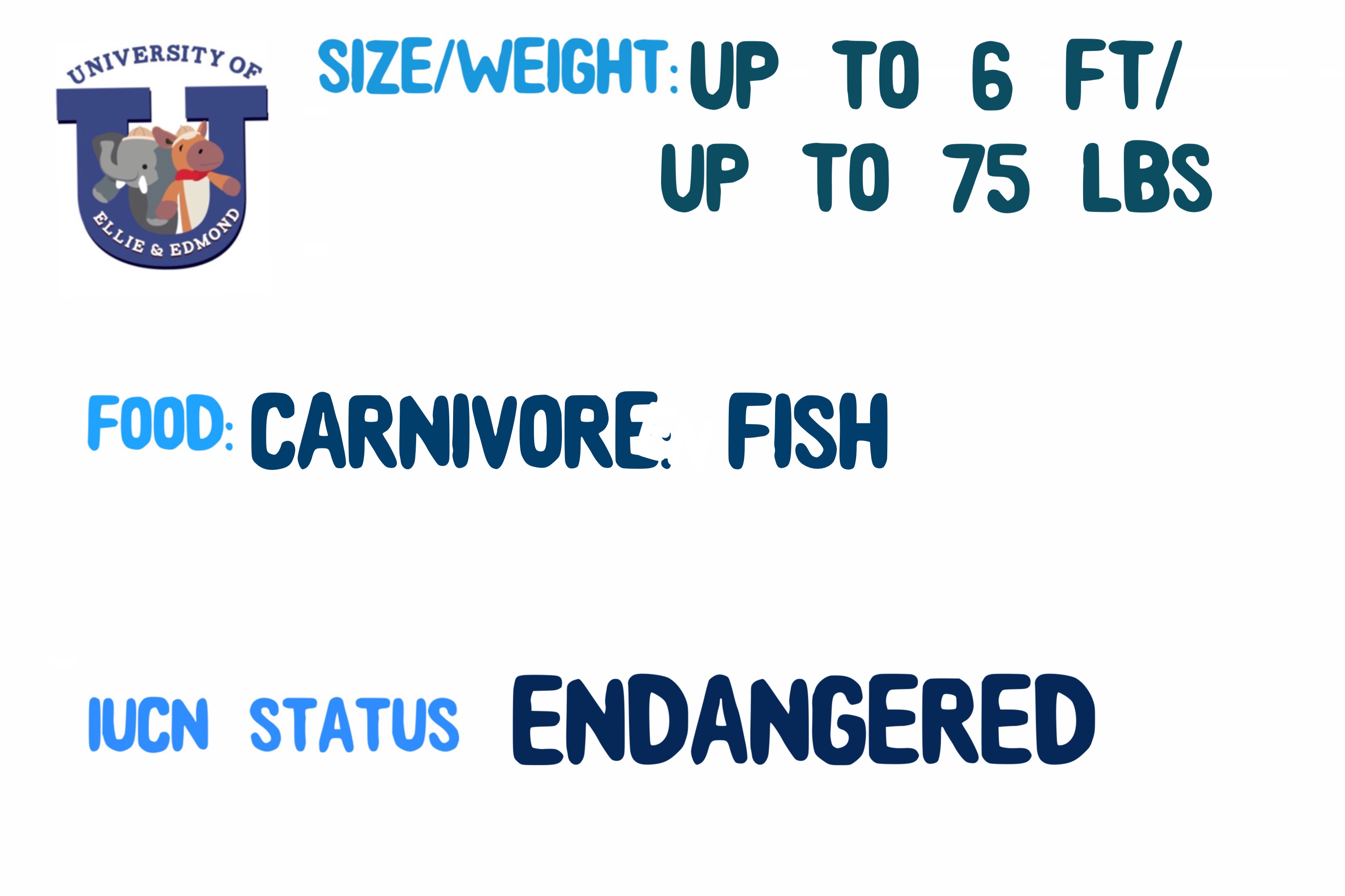
  • Giant river otters are considered to be apex predators in their habitats.
  • They eat 6-9 lbs of food a day!
  • The can detect changes in water currents & pressure with their whiskers.
  • Baby otters do not know how to swim when they are born. They are taught by their parents.


giant-otter


  img_1847


The Tupi people of Brazil call it the ariranha- meaning water jaguar and n Spanish the name means river wolf.


Wow! What a day we had on the river! In the past three days we spotted pacu, anaconda and today giant river otters! They were an extra special treat, as they are highly endangered and very rare to spot! Conservationists are working hard to protect this special species! We could sit on the boat all day and listen to them chirp and talk to each other!


Categories: adventure, Animals, Children, conservation, education, Environment, mammals, nature, science, Today's Post, wildlife | Tags: , , , , , , , , | Leave a comment

Giant in the Rainforest!

Giant in the Rainforest!

img_18512giant-anteater2


ellie_edmund_professors-bear


Date: 9/6

Location: Amazon rainforest

Observations:

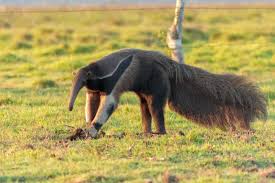
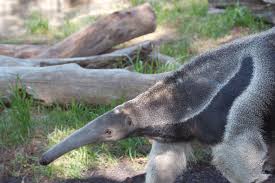
  • The giant anteater has no teeth. They have 2 foot long tongues that extract termites and ants.
  • One giant anteater can eat up to 35,000 insects a day.
  • They can flick their tongue up to 160 times per minute. Giant anteaters must be fast to avoid ant bites.
  • Giant anteaters have a keen sense of smell. They use it to find the ant mounds.

giant-anteater

  • Giant anteaters walk on their wrists. They have long sharp claws (about 4 inches) that they can not walk on.
  • Those claws are used for ripping into ant and termite mounds.
  • Giant anteaters are excellent swimmer. Their long snouts make great snorkels!
  • They can use their long sturdy tails to help them stand on two legs. They do this to look for predators or to fight off a predator!

img_1836anteater2


We had a wonderful time waiting on the edge of the forest to see a giant anteater wander up. They look so clumsy when they move, but we think they are awesome! Those claws not only help them break-in to breakfast, but they are critical in helping them protect themselves. Mother anteaters carry babies on their backs, so they use those small claws for holding on! These may be our favorite animal, but we have a whole month here in the rainforest. Time to head back to camp and figure out who we can find tomorrow!

Categories: adventure, Animals, Children, conservation, education, Environment, mammals, nature, science, Today's Post, wildlife | Tags: , , , , , , , , , | Leave a comment

One Big Rodent!

One Big Rodent!

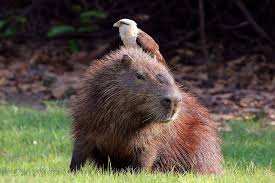
We’ve met the jaguar yesterday and today we’re off to find another animal that calls Brazil home! These super cuties are often called rodents of unusual size! Hahaha! Let’s meet the capybara!

capybara3

Fun Facts:

  • Capybaras can be found in Central and South America in marshes, ponds and lakes.
  • They can grow up to 4 feet long and weigh up to 150 lbs.
  • Capybaras are herbivores. They eat grasses, plants and fruit. They eat up to 8lbs of vegetation a day.
  • They are listed as least concern by the IUCN.
  • Capybaras are the largest rodent in the world.
  • They have webbed feet.
  • They are excellent is swimmers and often spend most of their time in water.

capybara

  • A capybara’s eyes, nose and ears are on top of their head. This allows them to just have those body parts above the water while their bodies are underwater.
  • Their teeth grow throughout their lifetime.
  • Capybaras chew their food from side to side.
  • Capybaras live in small groups.
  • They are very vocal.
  • Capybaras got their name from the Tupi people of Brazil, an old native tribe of Brazil. The name means “grass eater”.

capybara2

These furry little rodent pigs are so fun to watch! Who doesn’t love them? We know we do!!

Categories: adventure, Animals, Children, conservation, education, Environment, mammals, nature, science, Uncategorized, wildlife | Tags: , , , , , , , , , , | Leave a comment

There’s a Big Cat in the Jungle!

There’s a Big Cat in the Jungle!

e & e river boat

This week we are featuring animals native to Brazil, where the Olympics are continuing this week. Brazil is an amazing place, with savannas to rainforests. It is home to the largest part of the Amazonian rainforest, that houses 10% of world’s known species. Brazil ranks number 3 in the number of species of birds that call it home! Wow! This place is definitely amazing!

Today we are going to meet one of Brazil’s felines! This big cat is an icon known around the world- let’s meet the jaguar!

jaguar

Fun Facts:

  • Jaguars are found in Central and South America in rainforests, savannas and swamps.
  • They can reach up to 6 feet long and weigh up to 200 lbs.
  • Jaguars are carnivores. They eat deer, caiman, tapirs and other animals.
  • Jaguars are listed as near threatened.
  • Jaguars are the largest big cat in the Americas.
  • They are excellent climbers and excellent swimmers.
  • Jaguars have spots with spots in those. Those spots are called rosettes because of their rose appearance.

jaguar3

  • Jaguars are efficient predators and kill their prey with a bite to the head of their prey.
  • They are solitary and territorial.
  • There are occasional jaguars with melanism. They have all black fur. In light you can see their spots.
  • Jaguars are revered in their native lands. Their was even a jaguar god who ruled the underworld.
  • The name jaguar comes from a Native American word that means “he who kills with one leap”.

jaguar2

These gorgeous cats are amazing! They have it all, good looks, great athleticism and those classic cat whiskers! Hehehehe!


Categories: adventure, Animals, Children, conservation, education, Environment, mammals, nature, science, wildlife | Tags: , , , , , , , , , , | Leave a comment

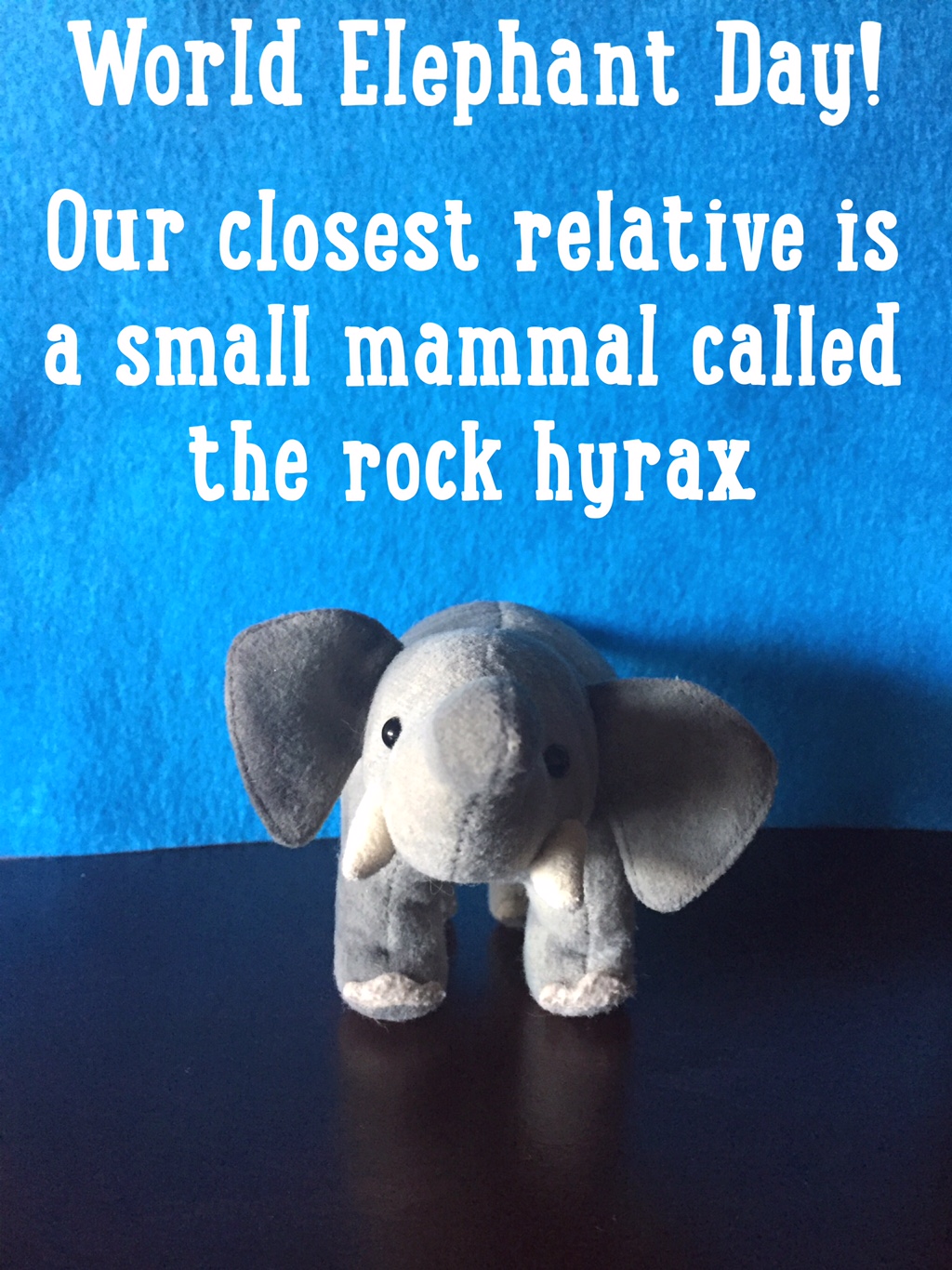
WORLD ELEPHANT DAY!

WORLD ELEPHANT DAY!

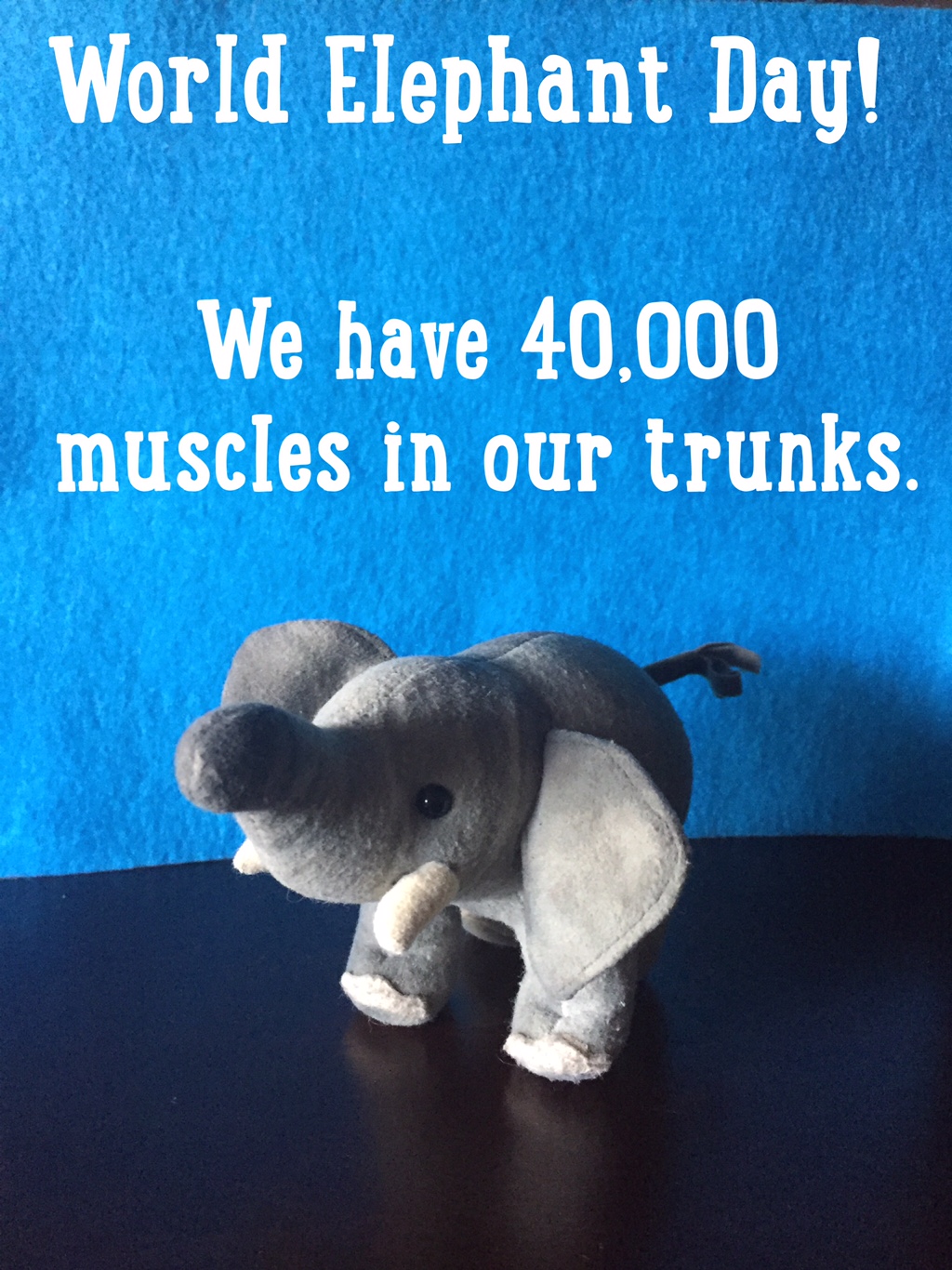
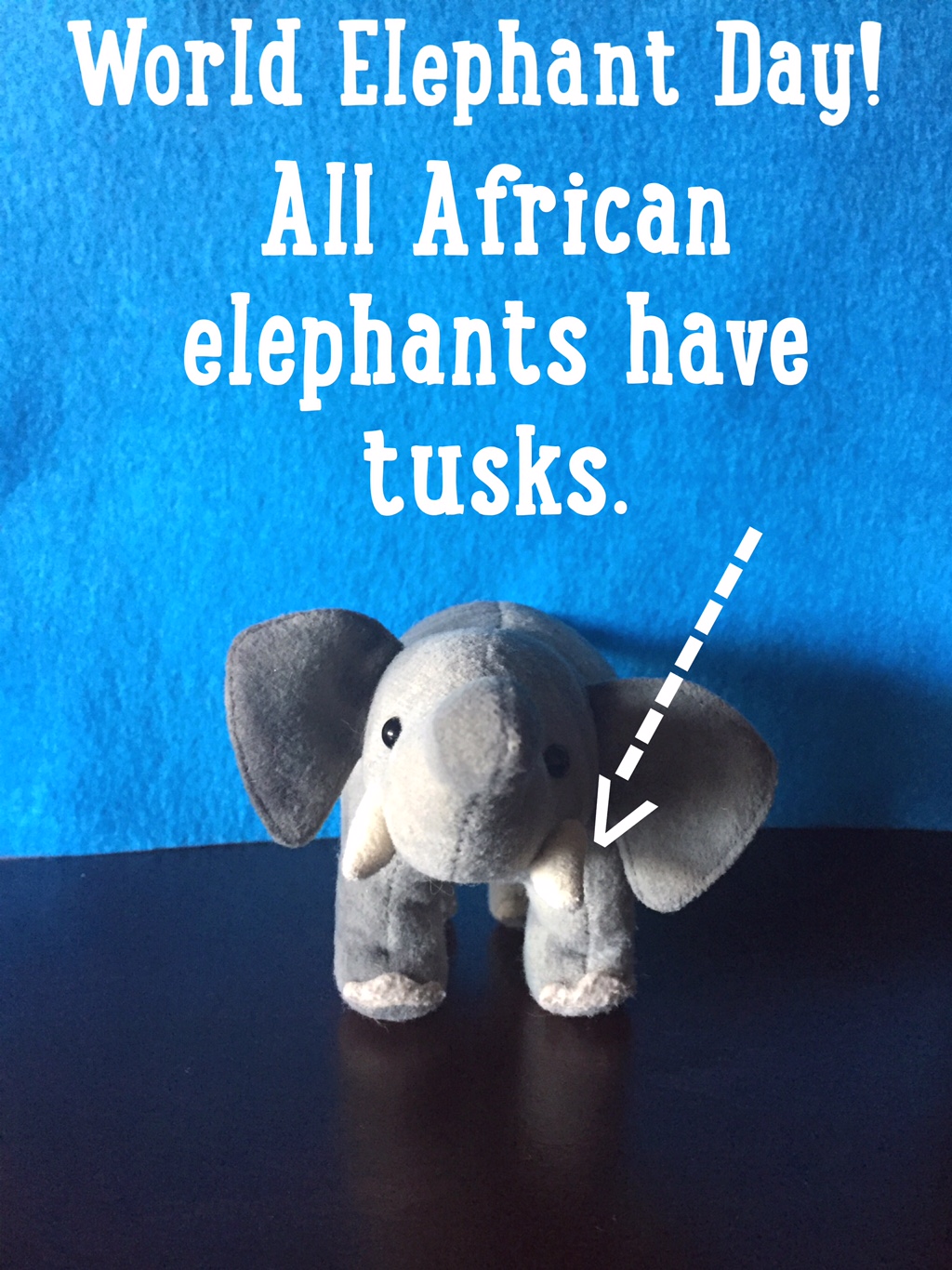
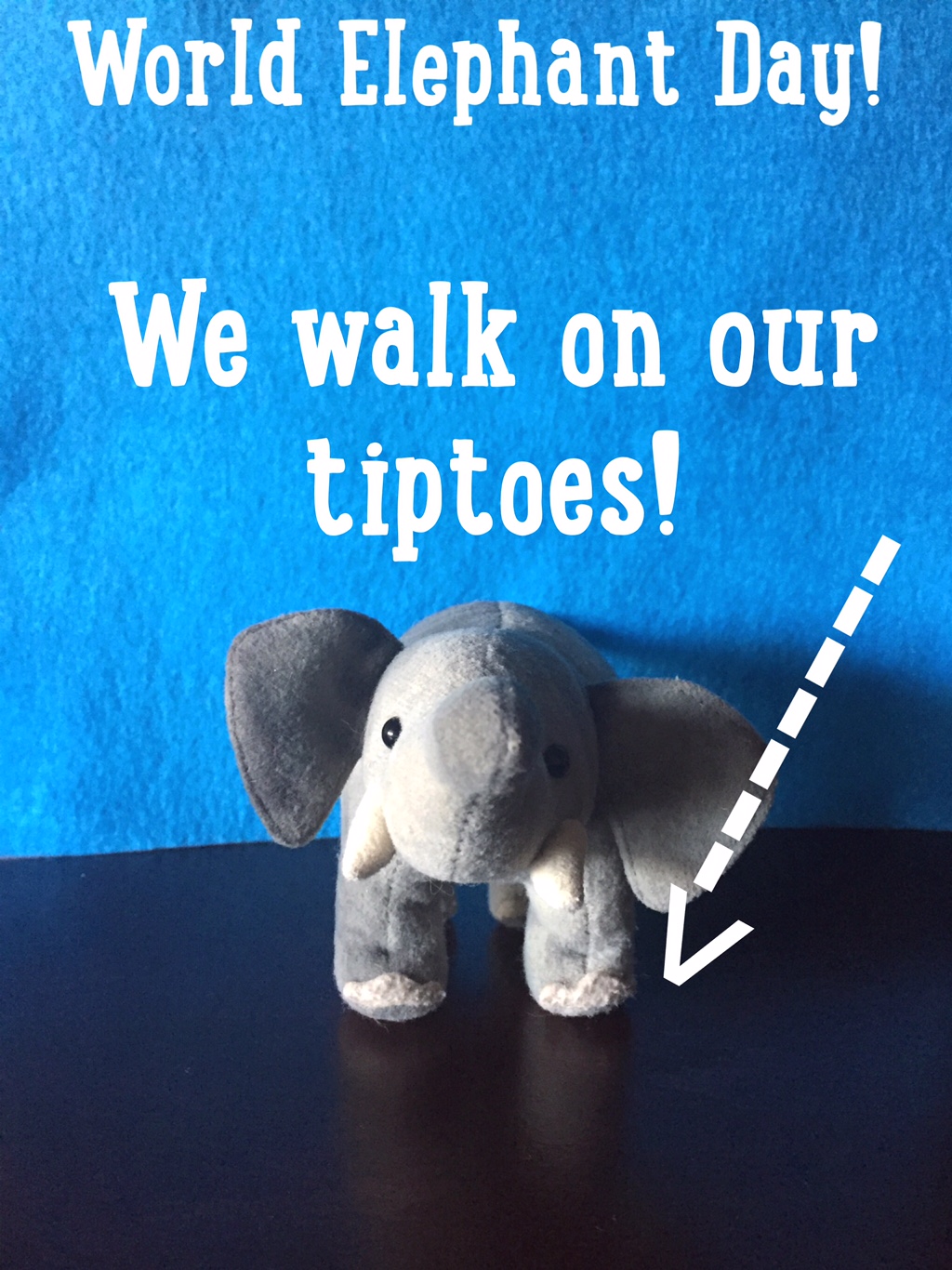
It’s World Elephant Day and Ellie is sharing just a few of the reasons elephants are so awesome! She’ll also be sharing some reasons why they need your help!

IMG_1275

IMG_1287

IMG_1283

IMG_1286

IMG_1276

IMG_1290

IMG_1277

IMG_1278

IMG_1279

IMG_1284

IMG_1288We lose an elephant to poachers every 15 minutes. That’s 96 elephants every day!

IMG_1291IMG_1291IMG_1291IMG_1291

IMG_1291IMG_1291IMG_1291IMG_1291

IMG_1291FullSizeRender(77)

These magnificent creatures are killed for their tusks! Tusks that are used to make trinkets, carvings and jewelry. We must all work to stop this! There are ways you can help!

Educate others! Donate to David Sheldrick Wildlife Trust.

Get involved- make your voice heard! Check out 96 elephants to learn more about wildlife crime and how you can help stop it! Together we can protect elephants!

Categories: adventure, Animals, Children, conservation, education, elephants, endangered species, Environment, mammals, nature, science, wildlife | Tags: , , , , , , , , , , , | Leave a comment

THIEF IN THE NIGHT!

THIEF IN THE NIGHT

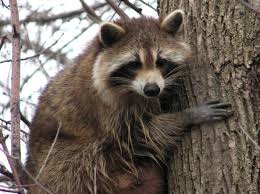
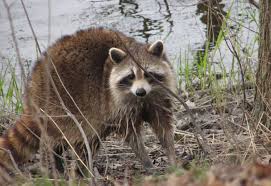
We’re meeting one more local of Salamander Woods. Are you ready? This animal is coming over during our last big bonfire as he is nocturnal! Let’s all be on the lookout for a little racoon!

raccoon2

Raccoon Fun Facts:

  • Raccoons live in North America. They are common.
  • They grow up to 28″ long and can weigh up to 20lbs.
  • Raccoon are omnivores. They will eat almost anything, from invertebrates to plants to small animals.
  • Raccoons have 40 teeth!

  • They live in all kind of habitats, from swamps to forests to cities.
  • Raccoons are famous for their masked faces.
  • Raccoons are nocturnal.

raccoon

  • They are known to wash their food off in creeks or streams.
  • Raccoons do not hibernate, but they do store fat before the winter and lose up to 50% of their body weight.
  • Raccoons have 5 digits on their front paws. These fingers act like human hands in a way.
  • They are excellent climbers and swimmers!

raccoon3

Raccoons are intelligent critters! They get a bad rap, but they are amazing! And you know you can’t resist those cute little faces!

Categories: adventure, Animals, Children, conservation, education, Environment, mammals, nature, science, wildlife | Tags: , , , , , , , , , | Leave a comment

CHIPPIE!

CHIPPIE!

We’re back! Ellie had a cavity in one of her teeth so we took a few days off! Today we’re meeting another small resident of Camp E&E- Chippie the Chipmunk!

chipmunk3

Chipmunk Fun Facts:

  • Chipmunks can grow up to 11″ long and can have a 5″ long tail.
  • All but one of the 25 species of chipmunks live in North America.
  • They live in forests to deserts.
  • Chipmunks are omnivores. They eat insects, seeds and nuts.
  • They cache food for the winter.
  • Chipmunks do hibernate.

chipmunk

  • They don’t store fat, like other animals such as bears. Instead, chipmunks get up a few times during the winter to eat their cache.
  • Chipmunks are diurnal.
  • One chipmunk can gather 165 acorns in one day!

chipmunk2We love to see the chipmunks scurry around camp gathering food for winter! We love the story of the Great Chipmunk Races! We’ll have to tell you the story soon!


Categories: adventure, Animals, Children, conservation, education, Environment, mammals, nature, science, wildlife | Tags: , , , , , , , , | Leave a comment

Oh Deer!

Oh Deer!

FullSizeRender(71)

We’re back! Your camp directors took a few days off for a long weekend! We also wanted to let you know the schedule for the next month! We’re having one more week of camp next week, then we’ll be celebrating the Ellie and Edmond animal Olympics. Then we will be taking a little time off to get ready for a whole new school year at the university! Woohoo!
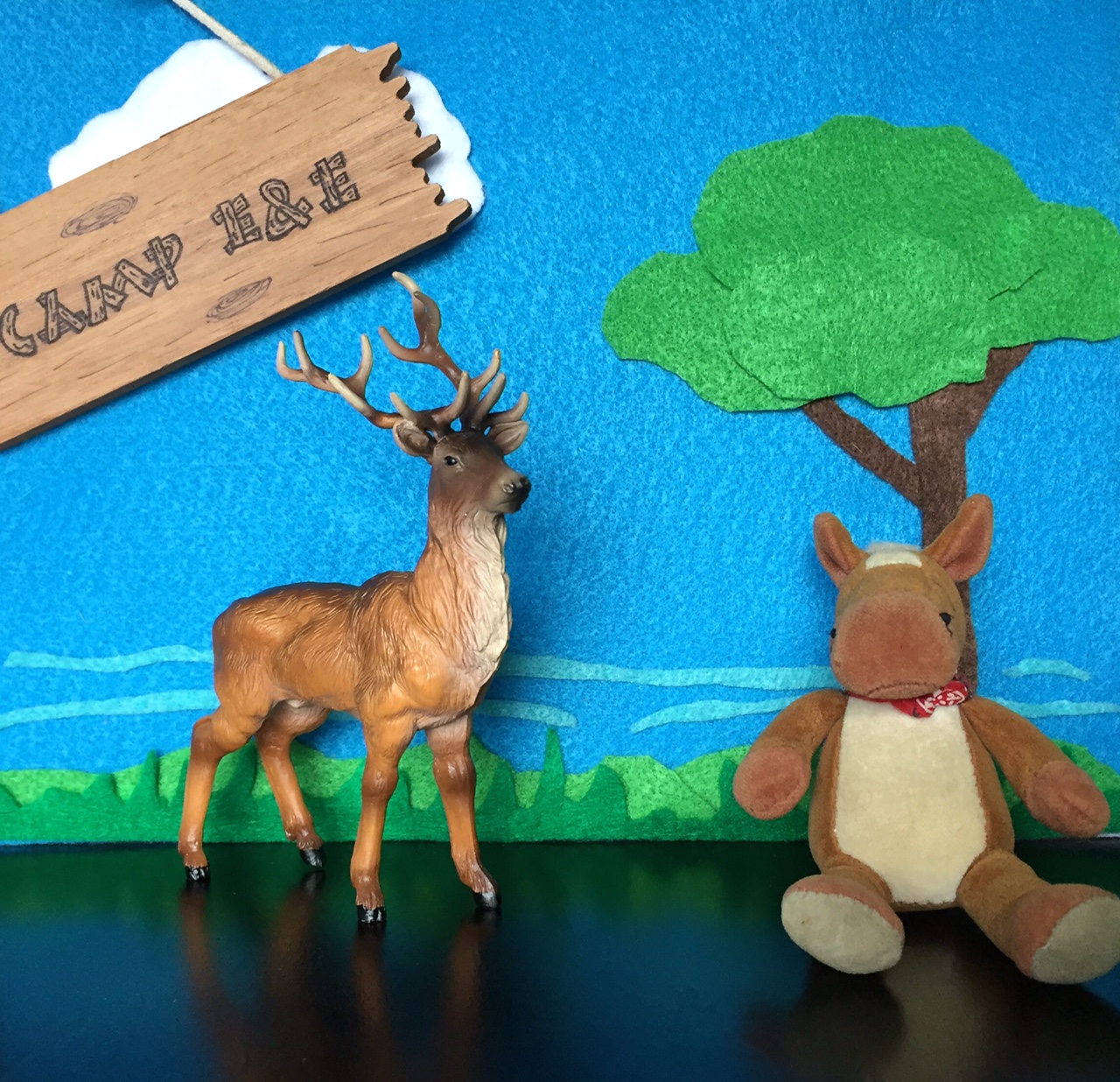
First up today though, we are going to meet a resident of Salamander Woods, one you may be very familiar with- the whitetail deer!

deer

  • They are found from Southern Canada to South America, in suburbs, woodlands and forests.
  • They are herbivores. They eat grasses and other vegetation.
  • They can grow up to 8 feet long and weigh up to 300 lbs.
  • They are listed as least concern by the IUCN.
  • Whitetail deer are very recognized. They can often be seen near cities even.
  • They get their name from the underside of their tail, which is white. They flick that tail up to warn other deer of danger.

deer2

  • Whitetail deer are mostly nocturnal or crepuscular (active at dawn and dusk).
  • Male whitetail deer have antlers. They shed those antlers every year in late fall.
  • Whitetail deer are often shy.
  • Female whitetail deer and their offspring (fawns) live in groups. Males are more solitary.
  • They have a good eyesight and hearing. Their strongest sense is smell. They smell for predators and the scent markings of other deer.

deer3

It’s always fun to say hello to the deer when they come up to camp. They always nibble on the flowers- who can blame them Edmond & I think the flowers are tasty too!

Categories: adventure, Animals, Children, conservation, education, Environment, mammals, nature, science, wildlife | Tags: , , , , , , , , , | Leave a comment

A Prickly Camper

A Prickly Camper

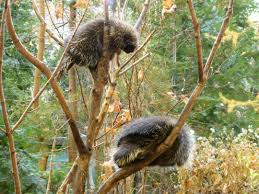
We are meeting our first animal friend at Lake Salamander Camp E&E! She’s a prickly lady, but very friendly! Come meet the Penny, the North American Porcupine!

porcupinw

  • Porcupines can grow up to 3ft long and weigh up to 40lbs.
  • They are herbivores. They eat twigs, berries and roots.
  • North American porcupines can be found in Western Canada, the Western US to Northern Mexico.
  • Porcupines are excellent climbers.
  • North American porcupines have antibiotics in their skin that protects them from their own quills if they fall out of tree. They are the only porcupine that has this adaptation.
  • They have around 30,000 quills.

porcupine2

  • The quills are barbed and hollow.
  • They can not throw their quills- but they can be released.
  • Porcupines have a strong musky odor to help protect them from predators.
  • Their name means “quill pig” in Latin. They are not related to pigs though- they are rodents.
  • Porcupines are nocturnal.
  • Porcupines are good swimmers.
  • They are very vocals and make a variety of sounds.
  • When a baby porcupine is born their quills are soft & they harden after about an hour.

porcupine


Porcupines are funny creatures! We don’t recommend scaring one for sure! They like to be left alone and we like to be nice to them! Also- don’t share your sleeping bag with a porcupine! Hehehe!


Categories: adventure, Animals, Children, conservation, education, Environment, mammals, nature, science, Uncategorized, wildlife | Tags: , , , , , , , , , | Leave a comment

Blog at WordPress.com.