oceans

Who You Calling a Cow?

Who You Calling A Cow?

e e boat

Going exploring on the Camp E&E boat! You never know what we’ll see!

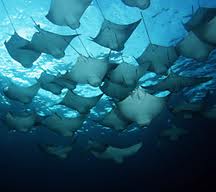
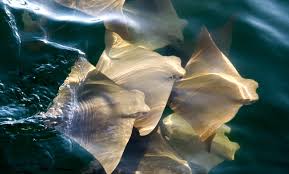
We’re meeting an awesome ocean animal today at Camp E&E! Let’s meet a member of elasmobranch  (sharks and rays) family that’s been named after a familiar farm animal!

cownose3

  • They can be found in the western Atlantic & Caribbean Ocean from Brazil to New England.
  • Cownose rays can grow up to 7ft across but the average wingspan is 2 1/2ft and they can weigh up 26 lbs.
  • Cownose rays are carnivores. They eat clams, mussels & other invertebrates.  They use their  specialized fins on their heads to help suck prey in to their mouths.
  • They are listed as near threatened by the IUCN.

cownose

Cownose Ray Fun Facts:

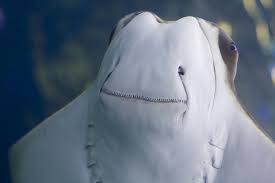
  • Cownose rays have a unique indentation on their head.
  • They are known to swim in schools.
  • Cownose rays have a flat ridge of bony teeth help them chomp through those delicious prey and then they spit out the shells.
  • They often use their fins to disturb the sea floor and find food. When hundreds of them do this at once it is quiet the site to see.
  • Like other rays- they have a barb near the base of their tail with toxic venom. Cownose Rays toxin is not very strong.
  • Cownose rays are a member of the eagle ray family.
  • They are cartilaginous fish!
  • Unlike some other rays, they rarely rest on the bottom of the ocean floor!
  • Their eyes are on the sides of their cownose shaped head.
  • Cownose rays’ spiracles (helps them push water over their gills) are on top of their body.
  • Females give birth to one pup at a time.

cownose2


These super cool members of the ray family are one of our favorites! They are so graceful to watch swim near the surface of the ocean! And we can’t help but think they look a bit like they are smiling!

Categories: adventure, Animals, Children, conservation, education, Environment, nature, oceans, science, wildlife | Tags: , , , , , , , , , | 1 Comment

We See the Light- Bioluminescence!

We See the Light- Bioluminescence!

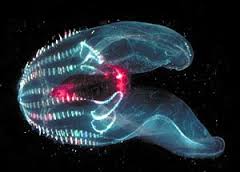
Today we’re going to learn about bioluminescence and to tell you the story of a young seahorse who wanted to glow! Let’s start this week off at camp with some bright lights!
biolum4

  • Bioluminescence is a reaction of chemicals inside a living organism.
  • Most marine animals that are bioluminescent produce a blue/green color.
  • It produces little to no heat, just the glow.
  • Most bioluminescent animals are found in the oceans – lightening bugs are another (we’ll meet them at Lake camp).
biolum2

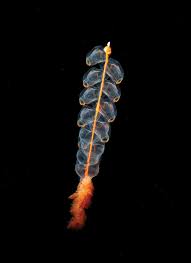
  • Some animals produce the chemicals that give off the bilouminescent glow.
  • Some animals get their bioluminescence from the food they eat.
  • Some animals house bacteria that are bioluminscent.
biolum3

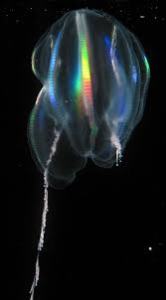
  • Bioluminescence is used to help the animal hunt for prey, as defense from predators or to attract a mate.
  • Vampire squid do not have ink they instead eject a bioluminescent substance to throw off predators and escape!
  • Milky seas or mareel is when large areas of the ocean glow a brilliant bright blue (it looks white from satellite images)! The glow is so bright it can be seen from space. Scientists think that bioluminescent bacteria or phytoplankton  causes this amazing phenomenon.

biolum

Well, we’re not sure what’s cooler than an animal that can give off it’s own glow! Read the story of Sylvia the Seahorse who wanted to be bioluminescent!

image


Young Sylvia the seahorse loved being a seahorse. She loved her curly tail and her teeny tiny fins. Sylvia didn’t mind that she wasn’t so fast. It gave her time to make friends as she passed.
Sylvia loved all her brightly colored fish friends! There was Bill who was aqua and Faith who was pink and Neal who was blue and even her urchin pal Pat had a purple hue!

But oh, Sylvia was just a plain green color. Just a boring old color to help blend in! But she wanted fantastically bright colored fins!

She especially wished she looked like Sarah the squid or Cary the comb jelly who had bright glowing lights! How Sylvia wished she glowed and lit up the night!

One day she wanted to learn how they glowed and if she could too. So she went to oldest and wisest in all of the reef.  Great Giant Clam, the one they called Chief!
Great Giant Clam was wise and was bold and over a hundred years old! He knew all the animals and had all the knowledge, even though Chief had not gone to college!

“Great Giant Clam,” she asked ever so gently. “How did the comb jellies learn to glow?” He laughed and he laughed. “Oh Sylvia, you silly seahorse! Glowing is not something you learn how to do! It’s just how you grow!”

Oh she hoped he was wrong! “I’m just a plain boring green. Bright colored fins are all I desire,” she said. “And why would you want to look like some other fish?” Great Giant Clam inquired.

Great Giant Clam looked at her plainly and said “We’re all different colors here on the reef. That’s what makes us all unique. My dear if we all glowed like our dear friends the squid, we’d want all that glow to be undid.”

She giggled and thought, he might have a point. Her green wasn’t so bad, it was actually quiet pretty! “Oh my dear Sylvia, our bioluminescent friends, use their glow to fend off foe. Your green keeps you hidden, as you would be eaten if you gave off that glow!”

“You’re right Great Giant Clam,” she exclaimed! And dear little Sylvia swam back to her spot on the reef! She hid in the grass as she watched all her friends. Oh it’s wonderful to be green like a leaf!


Categories: adventure, Animals, Children, conservation, education, Environment, nature, oceans, science, wildlife | Tags: , , , , , , , , , | 1 Comment

HAPPY WORLD’S OCEANS DAY!

HAPPY WORLD OCEANS DAY!

beach


Ocean Fun Facts:

  • 70% of planet is covered by oceans.
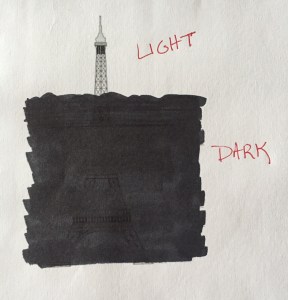
  • Light cannot penetrate past 330 feet so most of ocean is dark! (Eiffel tower was under water- about 2/3 of it would be in constant darkness).

FullSizeRender(54)

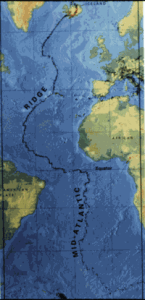
  • The Mid oceanic ridge is the longest chain of mountains in the world- 40,000+ miles long & covers 23% of the earth’s surface.

Mid-atlantic_ridge_map

  • Humans didn’t explore the ridge til 1973- 4 years after we landed on the moon.

IMG_2007

  • Challenger deep in Marianas trench  is the deepest point in the ocean and on the whole planet. It’s 11,034 meters deep (almost 7 miles). You could fit 24 Empire State Buildings stacked on top of each other in that trench!!

FullSizeRender(53)

  • Most of the worlds volcanoes are underwater.
  • Humans depend on the oceans for food (most of the world’s protein supply comes from fish), transportation/trade and communication (most goods go by cargo ships).
  • A good deal of the earth’s oxygen comes from our oceans. Phytoplankton in the ocean provide up to 80% of the world’s oxygen supplies.

IMG_2009

Let’s meet some of the deep oceans craziest looking animals:

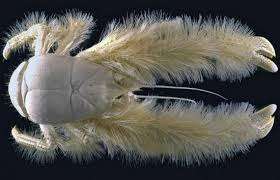
This a yeti crab! Yep- it's legs are hairy!

This a yeti crab! Yep- it’s legs are hairy!

This a Venus Flytrap anemone! And you thought they all had clownfish friends!

This a Venus Flytrap anemone! And you thought they all had clownfish friends!

Tube worms live near hyrothermal vents that are hotter than hot!

Tube worms live near hydrothermal vents that are hotter than hot!

And finally the dumbo octopus- he's weird and wacky and little is known about this deep sea creature!
And finally the dumbo octopus- he’s weird and wacky and little is known about this deep sea creature!
 

The oceans are so fascinating and scientists say only about 10% of them have been explored! That means so much of the world’s ocean is a mystery! What we do know is that humans are polluting those magnificent places! Come learn some ocean trash facts with us:
Ocean trash facts :

  • It takes up to 1,000 years for some plastics to degrade.
  • Plastics make up 90% of the trash floating at the oceans’ surface.
  • 1 million sea birds die from plastic trash each year.
  • The top trash item found in the ocean are cigarettes!
  • 35 million plastic bottles are Thrown Away each year!
  • Beached whales have been found with bellies full of plastic.
  • Sea turtles mistake grocery bags for jelly fish.


HOW WE CAN HELP:

  • Recycle! Recycle! Recycle!

IMG_1325

  • Use reusable glass water bottles!
  • Bring reusable coffee mugs to your local coffee shop.
  • Use glass storage containers instead of plastic ones.
  • Get out those reusable shopping bags and use them!

IMG_1324

  • Ditch the straws- straws are not reusable.
  • Never use body wash or cleanser with plastic beads. Soon these beads will be illegal! YAY- the US is the first country to ban these trashy beads that never disintegrate.


Let’s all work together to protect our world’ wonderful oceans and the amazing inhabitants!

FullSizeRender(6)

Categories: adventure, Animals, Children, conservation, education, Environment, nature, oceans, science, wildlife | Tags: , , , , , , , , , | 1 Comment

Arrows!

Arrows!

We’re off to meet one more need member of the crab family! This strange looking little creature is one wild crab!

arrowhead crab3

  • Arrow crabs live in the tropical oceans near reefs.
  • Arrow crabs are carnivores- they eat duster worms and small invertebrates.
  • They have long thin legs, with some species that have legs reaching up to 10inches.
  • They are also known as the spider crab.
  • Males are larger than females.
  • Arrow crabs have long thin, bumpy carapaces.

IMG_1593

  • Arrow crabs are nocturnal.
  • They are very territorial.
  • Arrow crabs will molt their exoskeleton when they grow larger!

arrowhead crab2

arrowhead crab


We love these crazy looking crabs! We bet you thought they were a weird spider too! Neat aren’t they?


Categories: adventure, Animals, Children, conservation, education, Environment, nature, oceans, science, wildlife | Tags: , , , , , , , , , | 2 Comments

Three Cheers for Hermits!

Three Cheers for Hermit Crabs!

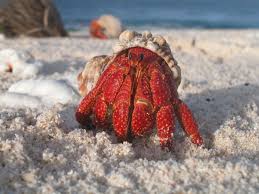
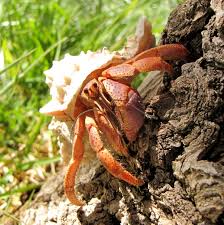
hermit crab

Edmond is cheering for hermit crabs today! Come learn more about these little crustaceans!


H is for Hiding! Hermit crabs hide in the shells of other animals.

H is for Hiding!
Hermit crabs hide in the shells of other animals.


E is for empty! Hermit crabs use the empty shells of gastropods to protect their bodies. When they grow, they must find a larger shell.

E is for empty! Hermit crabs use the empty shells of gastropods to protect their bodies. When they grow, they must find a larger shell.


R is for respiration! Hermit crabs use gills to breathe!

R is for respiration! Hermit crabs use gills to breathe!


M is for many species! There are around 1100 species of hermit crabs on earth.

M is for many species! There are around 1100 species of hermit crabs on earth.


I is for invertebrates! Hermit crabs have no backbones!

I is for invertebrates! Hermit crabs have no backbones!


T is for terrestrial! Some hermit crabs live on land! While some live in water!

T is for terrestrial! Some hermit crabs live on land! While some live in water!


C is for Coconut! The largest terrestrial invertebrate is a hermit crab- the coconut crab!

C is for Coconut! The largest terrestrial invertebrate is a hermit crab- the coconut crab!


R is roommates! Some hermit crabs put anemones on their shells for camouflage and protection.

R is roommates! Some hermit crabs put anemones on their shells for camouflage and protection.


A is for antennae. Hermit crabs have antennae on their head for feeling and sensing their environment.

A is for antennae. Hermit crabs have antennae on their head for feeling and sensing their environment.


B is for back in the day. Hermit crabs have been around since the Late Cretaceous period!

B is for back in the day. Hermit crabs have been around since the Late Cretaceous period!


indexhermit crab2

Categories: adventure, Animals, Children, conservation, education, Environment, nature, oceans, science, wildlife | Tags: , , , , , , , , , | 1 Comment

THAT IS ONE BIG CRAB!

THAT IS ONE BIG CRAB!

We’re crabby here at the University this week! Hahaha! We’re meeting members of the arthropod family!

Today we’re meeting a big ocean dwelling crab today!

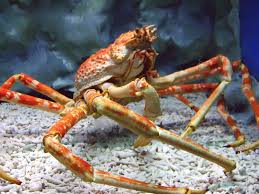
japanese spider crab3

Japanese Spider Crab Fun Facts:

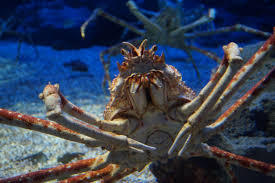
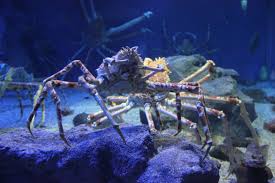
  • Japanese Spider Crabs live in the deep depths of the Pacific Ocean off the coast of Japan.
  • Their bodies can be 15″ in diameter and their legs can reach up to 15ft in diameter! They can weigh up to 44 lbs.
  • They are listed as data deficient by the IUCN.
  • They are omnivores and eat algae, mollusks and carrion.
  • Japanese spider crabs are one of the largest members of the arthropod family.
  • They are thought to live up to 100 years old.

IMG_1575

  • Japanese spider crabs are members of the decorator crab family and attach anemones or sponges to the top shell (carapace) to help them camouflage.
  • They have hard bumpy exoskeletons that help protect them from predators.
  • Like other arthropods, Japanese spider crabs molt those exoskeletons when they grow.

IMG_1576

japanese spider crab2

  japanese spider crab

We can’t say that Japanese spider crabs are the cutest animals we’ve ever met… but they are amazing! They live in such deep parts of the ocean that it is fairly dark! The ocean is full of wild animals! Hehehe!

Categories: adventure, Animals, Children, conservation, education, Environment, nature, oceans, science, wildlife | Tags: , , , , , , , , , | 1 Comment

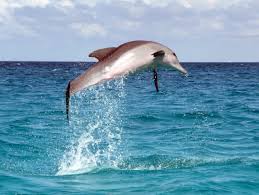
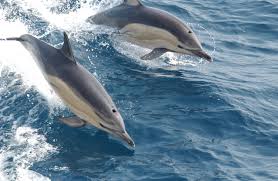
NATIONAL DOLPHIN DAY!

NATIONAL DOLPHIN DAY!

dolphin2

It’s National Dolphin Day! We’ve got some fun facts and pictures for you to celebrate!

dolphin7

Dolphin Fun Facts:

  • There are 42 species of dolphins in the world; 38 live in oceans and 4 live in freshwater rivers.
  • All dolphins are carnivores. Some species can eat up 30 lbs of fish a day.
  • They have a two to three chambered stomachs. Most of the chambers store food and one digests their food.
  • Dolphins use echolocation to locate prey and communication with each other. The melon is a fatty rich structure on their heads that help them with echolocation.

dolphin5

  • Their communication includes clicks and whistles.
  • Dolphin communication can be very complicated and scientists know that dolphins even name each other.
  • Like all mammals, dolphins have hair. They are born with a few chin hairs that fall out as they grow older.
  • Dolphins can swim up 25 miles per hour.

dolphin3

  • Dolphins are highly social and live in groups called pods.
  • They are considered to be highly intelligent too.
  • Dolphins are obligate breathers. They must think to breathe. They use their blowholes to breathe.
  • Dolphins sleep with one 1/2 of their brain asleep, so they can continue to breathe.

dolphindolphin2


Dolphins are fascinating creatures. There is much that scientists don’t know about their complex behavior and groups! We think they are just fantastic! Learn how to draw a dolphin here in our video!

Categories: adventure, Animals, Children, conservation, education, Environment, mammals, nature, oceans, science, wildlife | Tags: , , , , , , , , , , | 1 Comment

THAT IS ONE BIG DOLPHIN!

THAT IS ONE BIG DOLPHIN!

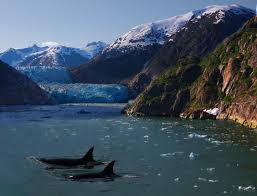
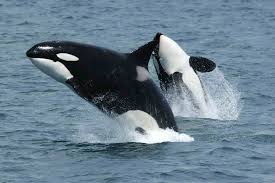
It’s time to meet one of the oceans most iconic animals! These black and white predators are known around the world and today you are going to learn more about them along with us!

orca3

  • Orcas live in oceans all around the world.

IMG_0217

  • They can grow up to 32 ft long and weigh up to 6 tons. That is the average weight of an adult male elephant!
  • Orcas are carnivores. They eat fish, seals, squid and even other whales.
  • They are listed as data deficient by the IUCN.
  • Orcas are also known as killer whales.

orca2orca

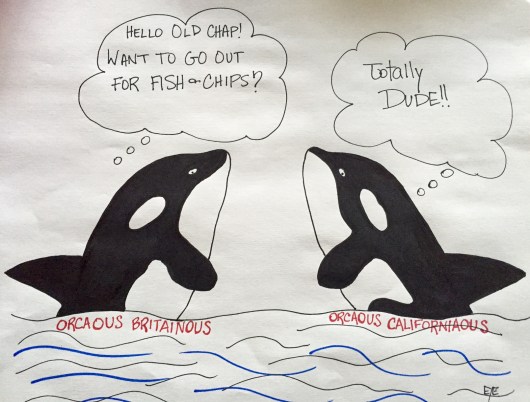
  • Scientists believe that orcas will eventually be split in to either subspecies or different species. There are orcas that stay in one location all year round (resident). There are orcas that live in smaller groups that travel where the food is abundant (transient). And there are orcas that hunt mainly very far from shore (offshore).
  • These carnivores live in pods and often hunt together as a group.

IMG_1025

  • Orcas have earned the nickname wolves of the sea, because of their group hunting techniques.
  • They can swim up to 33 mph!
  • Orcas have up to a 4″ layer of blubber to help keep them warm in cold waters.
  • Their teeth are 4″ long! Watch out for those chompers!
  • Orcas, like other toothed dolphins and whales, use echolocation to detect prey.
  • They are highly vocal. Pods are known to have their own unique language, dialect and culture. Scientists say the orcas’ dialects are very distinctive, like humans from the United Kingdom vs humans from Scotland.

FullSizeRender(41)

  • They have the 2nd heaviest brain of any marine mammal- our friend the sperm whale has the heaviest!

IMG_1024

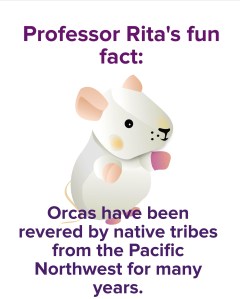
Orcas are super cool! They are highly social and intelligent! Cultures around the world have told myths and stories of the killer whales for centuries. The Kwakwaka’wakw people believed that orcas were the rulers of the seas and sea lions were their slaves! Wow!


Categories: adventure, Animals, Children, conservation, education, Environment, mammals, nature, oceans, science, wildlife | Tags: , , , , , , , , , , | 1 Comment

LITERARY WHALE!

LITERARY WHALE!

We’re super excited to meet some cetaceans this week! Edmond even put on his snorkel gear to get closer to these great animals! Today we meet a whale made famous in the book Moby Dick!

8D17BA1A-2624-4D14-8492-BD259C8D83D9

  • Sperm whales are found in oceans all around the world. IMG_0217
  • Sperm whales are toothed whales and carnivores. They eat fish and squid!
  • Sperm whales are listed as vulnerable by the IUCN.
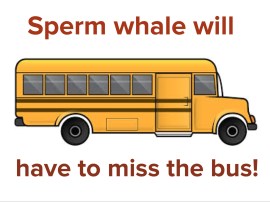
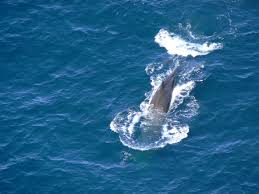
  • Sperm whales can grow up to 59 feet long and weigh up to 45 tons. They are longer than a school bus!  IMG_1019(1)
  • Sperm whales are in fact the largest of the toothed whales!
  • Sperm whales are known to battle and sometimes eat giant squid. Scientists have even observed squid suction cup wounds and scares.
  • Sperm whales are very vocal and they use echolocation to help them find prey.

IMG_0998

  • Sperm whales are known to dive to very deep depths- as deep as 3,200 feet down.
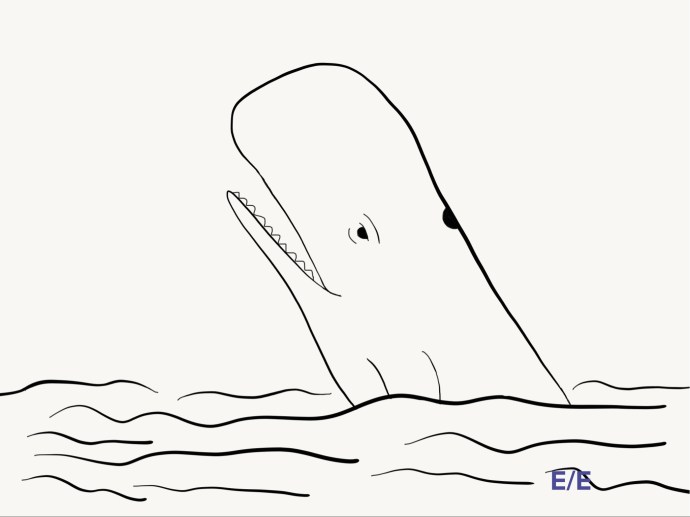
  • Their large squarish shaped heads are filled with a substance called spermaceti. Scientists are still unsure of it’s exact use, but they think it helps the whale maintain its buoyancy when it dives to deep depths.
  • These amazing whales can hold their breath for up to 90 minutes.
  • Female sperm whales live in pods in warmer waters all year round. They raise their young together.

sperm whalesperm whale2

whales8

  • Sperm whales may be one of the best known species of whales on earth. The book “Moby Dick” is the story of the struggle with a famed white sperm whale and a whaler. IMG_1020

We love these giants of the deep! They are such amazing creatures. Many cultures in the South Pacific revere their teeth as sacred. We have a sperm whale coloring sheet for you too!IMG_1021


Categories: adventure, Animals, Children, conservation, education, Environment, mammals, nature, oceans, science, wildlife | Tags: , , , , , , , , , , | 1 Comment

WE ARE FANIMALY!

WE ARE FANIMALY!

We have a new fanimaly to share with you today! We have two animals that can be found in the intertidal zone that are related! Come learn about sea stars and sand dollars!


sand dollar

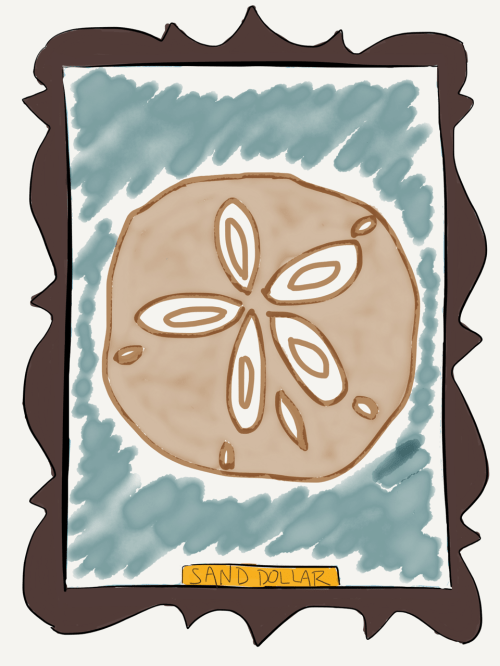
  • Sand dollars are animals! They are members of the enchinoderm family.
  • They are invertebrates.
  • Sand dollars are covered in tiny purple spines.
  • Those spines help them move and they use them as gills.
  • They have a five pointed shape.
  • Sand dollars have five teeth like projections that they use to chew their food.
  • Sand dollars can live up to 6 to 10 years.


seastar

  • Sea stars are also echinoderms.
  • Sea stars are carnivores like sand dollars.
  • They have no blood or brains.
  • Most sea stars have 5 arms, but some can have as many as 40.
  • Sea stars have tiny little feet that they use to move and to pry apart prey like muscles.
  • Sea stars push their stomach outside their body to envelope their prey and digest it.
  • They can regenerate limbs.

These are just a few fun facts about these two animal relatives. Sea stars and sand dollars are both super cool! Which one do you like best?


Categories: adventure, Animals, Children, conservation, education, Environment, nature, oceans, science, wildlife | Tags: , , , , , , , , , | 1 Comment

Blog at WordPress.com.