oceans

REPTILIAN TUESDAY # 65

REPTILIAN TUESDAY # 65

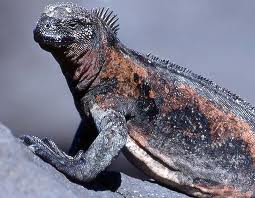
We’re off to some of the most famous islands on planet earth; where Charles Darwin himself discovered and honed his theory of evolution! Today’s reptile isn’t what most would call pretty, but man are they cool! So let’s head out to meet…
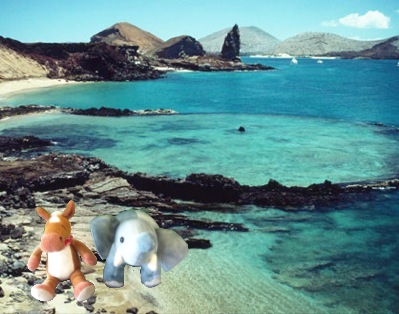
e e galapagos

MEET THE MARINE IGUANA!

marine iguana   Range/Habitat: Galapagos Islands, coast-oceans

   Diet: herbivore: algae, seaweed

   Length/Weight: 4-5 ft/ 1-3.3 lbs

   Conservation Status: vulnerable


Fun Facts:

  • Marine Iguanas colors vary by the island they live on.
  • They have large flat tails to help them swim along the rocky coasts.
  • Marine Iguanas have razor sharp teeth to eat seaweed and algae.
  • Marine iguanas sneeze to get rid of excess salt.
  • They sun themselves on lava rocks after being the cold ocean waters.

Marine Iguanas may be one of our most favorite animal of all times! They are so prehistoric looking and wonderful! Plus what could be cooler than having the ability to sneeze salt?

 marine iguana2


Categories: adventure, Animals, Children, conservation, education, Environment, nature, oceans, reptiles, science, wildlife | Tags: , , , , , , , , , , | 1 Comment

WATERY WEDNESDAY # 64

WATERY WENESDAY # 64

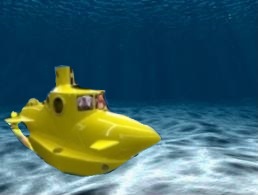
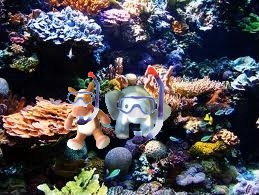
 We’re taking the E & E sub out to the coral reefs of Indonesia today! Anyone notice a theme this week? Apparently our travel budget is getting smaller and we have to stay in one area! J We’re on the lookout for a small, funny looking fish on this adventure so keep your eyes peeled!

e & e snorkeling

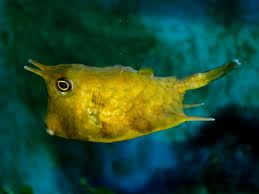
MEET THE BOXFISH!

boxfish   Range/Habitat: Pacific-Indian Oceans/ coral reefs

   Diet: Carnivore: invertebrates

   Length/Weight: up to 18”

   Conservation Status: common


Fun Facts:

  • Boxfish have rigid outer skeletons.
  • Boxfish are squared in shape.
  • They are also called the long-horned cowfish.
  • They have two hornlike projections on top of their head.
  • Boxfish swim very awkwardly because of small fins.
  • Boxfish have large eyes on top of their eyes.


Ooooooo… Boxfish sure are funny looking. We wish they had only one horn so we could rename them the unicorn fish. Hahahahaha!

boxfish2


Categories: adventure, Animals, Children, conservation, education, Environment, fish, nature, oceans, science, wildlife | Tags: , , , , , , , , , , | 2 Comments

WATERY WEDNESDAY # 63

WATERY WENESDAY # 63

 We’re taking the E & E sub out to meet a large round fish! As always our little sub has plenty of room for everyone so let’s head out on today’s adventure!

e e deep sea

MEET THE OPAH!

opah   Range/Habitat: Tropical-temperate oceans worldwide

   Diet: Carnivore: small fish, squid

   Length/Weight: up to 6 ft/ up to 110 lbs

   Conservation Status: common


Fun Facts:

  • Opahs are also known as moonfish.
  • Opahs have bright red fins.
  • They have oval shaped bodies.
  • Opahs do not use their tail fins to swim, but instead use their pectoral (top) fin.
  • They are toothless.

Opahs are really neat looking fish and wow, are they big! It is so cool that they use that top fin to swim too!

opah2

Categories: adventure, Animals, Children, conservation, education, Environment, fish, oceans, science, wildlife | Tags: , , , , , , , , , , | 2 Comments

SUPER SURPRISE THURSDAY # 61

SUPER SURPRISE THURSDAY # 61

Read the clues, Guess the Animal and Share your Answer!

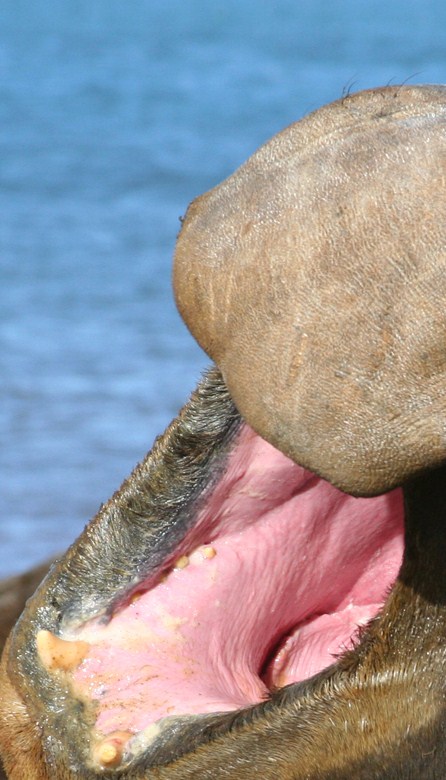
Drohender Seeelefant - 
A lurking elephant seal

  • I live near Antartica.
  • I live in a colony.
  • I have a large nose and it gives me my name!

Who Am I?

Categories: adventure, Animals, Children, conservation, education, Environment, mammals, nature, oceans, wildlife | Tags: , , , , , , , , , | 4 Comments

INTERNATIONAL POLAR BEAR DAY!

INTERNATIONAL POLAR BEAR DAY!

e e arctic

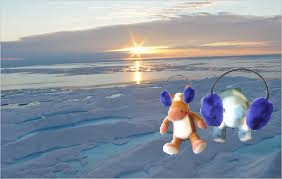
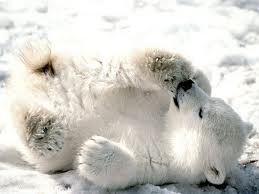
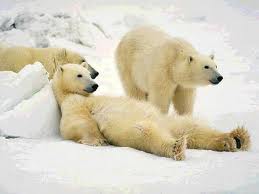
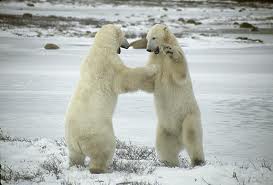
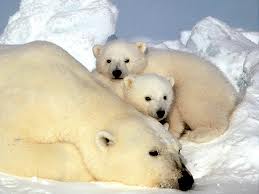
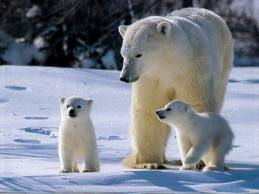
We’re celebrating one of favorite marine mammals on this very special day! These majestic bears call the icy arctic their home. We’re going to share some photos and fun facts about polar bears, as well as some great resources to help these bears as their snowy home disappears. 

polar bearpolar bear2

  • Polar Bears are excellent swimmers, they have been miles off shore.
  • They have a thick layer of fur, including on the bottoms of their paws.
  • Polar bears are carnivores.
  • Polar bears have black skin that helps them soaks up the warmth of the sun.
  • Polar bear mothers build a den to have their cubs.
  • Polar bear cubs stay with their mothers for up to two years.
  • Polar bears have no natural predators.
  • Polar bears are the largest land predator on earth.
  • Adult male polar bears can weigh up to 1,200 pounds.
  • Polar bears are protected in Norway, Canada, Russia, Denmark and the U.S.

polar bear3  polar bear4


Polar bears are endangered, mainly from habitat loss, as the arctic ice is melting. We can help these fabulous bears! You can adopt a bear (they won’t live at your house), you can donate to organizations that work with polar bears or you can learn what you can do at home to help. Check out Polar Bears International and One World One Ocean.

We love polar bears and we’ll definitely be working to make sure they are around for long time to come!

HAPPY INTERNATIONAL POLAR BEAR DAY!

polar bear8


Categories: adventure, Animals, Children, conservation, education, Environment, mammals, nature, oceans, science, wildlife | Tags: , , , , , , , , , , | 2 Comments

SUPER SURPRISE THURSDAY # 60

SUPER SURPRISE THURSDAY # 60

Are you ready to guess the animal?

brown pelican2

  • I have a pouch for a bill.
  • I live in the Western Hemisphere from Canada to South America.
  • I catch fish by diving in the water.

WHO AM I?

Categories: adventure, Animals, birds, Children, conservation, nature, oceans, wildlife | Tags: , , , , , , , , , , | 3 Comments

WATERY WEDNESDAY # 60

WATERY WEDNESDAY # 60

Let’s hop in the E & E sub and head off to find a fish who is bright red! These funny fish have funny looking faces too! Are you ready for today’s adventure?

e e deep sea

MEET THE RED MULLET!

redmullet   Range/Habitat: Atlantic Ocean, Mediterranean & Black Sea/ ocean

   Diet: Carnivore: mollusks, fish, worms

   Length/Weight: up to 16”/up to 2 ¼ lb

   Conservation Status: common


Fun Facts:

  • Red mullet have forked tails.
  • They have two barbels on their chin.
  • They can move the two barbells independently of each other. They use to them to find prey.
  • Red mullets are also called goatfish.
  • They have a downward pointing mouth.


Red mullet are funny looking fish with their barbels. We love that some fish come with their own built in fish poles!


Categories: adventure, Animals, Children, conservation, education, Environment, fish, nature, oceans, science, wildlife | Tags: , , , , , , , , | 2 Comments

WATERY WEDNESDAY # 59

WATERY WEDNESDAY # 59

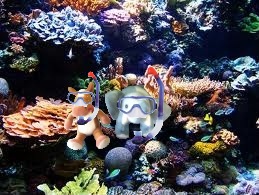
We’re getting our snorkeling gear out and heading the coral reefs of the Pacific Ocean today! We’re off to find a fish who lives with another animal who stings! Are you ready? Let’s do this!

e & e snorkeling

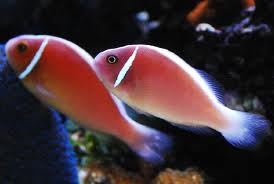
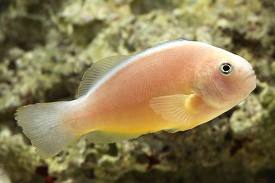
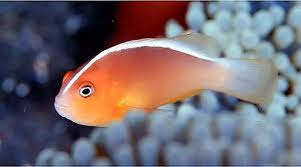
MEET THE PINK SKUNK CLOWNFISH!

pink skunk clownfish   Range/Habitat: Pacific Ocean/ coral reefs

   Diet: Omnivore: plankton, algae

   Length: 4”

  Conservation Status: common


Fun Facts:

  • Pink Skunk Clownfish are also known as the pink skunk anemonefish.
  • They have a symbiotic relationship with anemone and live among their tentacles.
  • Pink skunk clownfish have a long white stripe down their backs.
  • Pink skunk clownfish have a mucus coating that protects them to the toxins of the anemone.
  • They lay their eggs near their anemone hosts.


We bet you didn’t know there other species of clownfish out there! They aren’t all just orange and white! Animals that have mutual symbiotic relationships are so neat! Can you think of any other kinds of symbiotic relationships in the animal world?

pink skunk clownfish2   pink skunk clownfish3


Categories: adventure, Animals, Children, conservation, education, Environment, fish, nature, oceans, science, wildlife | Tags: , , , , , , , , , , | Leave a comment

WATERY WEDNESDAY # 58

WATERY WENESDAY # 58

We’re going snorkeling to find a different kind of ocean dweller today. It’s not a fish, it’s not a mammal and it’s not coral! So are you ready to meet this mysterious animal? Let’s do this!

e & e snorkeling

MEET THE VIOLET SEA SNAIL!

violet sea snail   Range/Habitat: Atlantic-Pacific-Indian Oceans/ tropical-subtropical

waters

   Diet: Carnivore: floating cnidarians

   Length: 3 ¼”

   Conservation Status: common


Fun Facts:

  • Violet Sea Snails live on the oceans’ surface.
  • They are blind.
  • Violet sea snails have bright purple shells.
  • Their shells are very thin.
  • Violet sea snails make a “raft” of bubbles and mucus to stay afloat at the surface.
  • They snail is dark violet or black in color.


We haven’t met a snail so far in our adventures. Who knew they were so brightly colored and amazing? What other crazy creatures have we missed in our oceans?

violet sea snail2

Categories: adventure, Animals, Children, conservation, education, Environment, nature, oceans, science, wildlife | Tags: , , , , , , , , | 4 Comments

HAPPY AUSTRALIA DAY!!

HAPPY AUSTRALIA DAY!!!

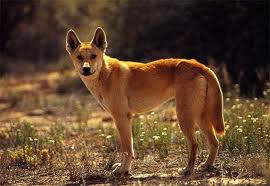
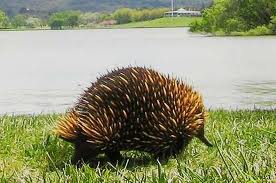
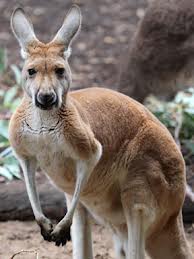
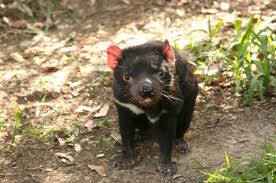
We’re celebrating that awesome island nation that is full of amazing animals with some fun pictures!

Australia is home to deadly snakes, wild reptiles, adorable mammals and it has the largest number of marsupials on the planet! It is also home to the Great Barrier Reef, one of the most diverse ecosystems in the ocean! Wow! Australia is definitely one wild place! 

Enjoy!

Australian Crocodile

Australian Crocodile

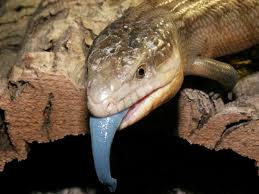
Blue Tongue Skink

Blue Tongue Skink


Dingo

Dingo

Echinda

Echinda


Kangaroo

Kangaroo


Koala!

Koala!


Numbat

Numbat

Platypus

Platypus

Tasmanian Devil

Tasmanian Devil


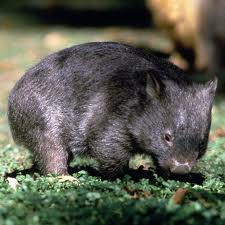
Wombat

Wombat


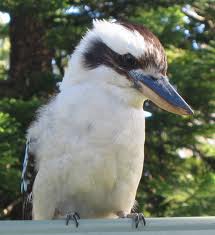
Kookaburro

Kookaburra


Great Barrier Reef

Great Barrier Reef


Great Barrier Reef

Great Barrier Reef


Categories: adventure, Animals, Australia, Children, conservation, education, Environment, marsupial, oceans, science, wildlife | Tags: , , , , , , , , , , | 2 Comments

Blog at WordPress.com.