oceans

DADS WEEK DAY # 4

DAD’S WEEK DAY #4

We’ve already made it to Day 4 of Dads week can you believe it? So far we’ve met some awesome dads, all of whom live in a tropical or warm habitat, but not today! We’re putting on the parkas, big boots and snow shoes to meet today’s feathery dad! Talk about enduring the elements, these South Pole residents sure live in a harsh climate! Are you ready to go?

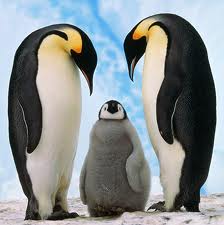
MEET THE EMPEROR PENGUIN!

   Range/Habitat: Antarctica, coastline and oceans

   Diet: Carnivore: fish

   Length/Weight: up to 3 ½ ft/ up to 82 lbs

   Conservation Status: common


Fun Facts:

  • Emperor Penguins are the largest of all penguin species.
  • They breed in the winter.
  • Female Emperor Penguins lay their eggs and immediately give them to the males.
  • Male Emperor Penguins then carry the eggs on their feet and cover them with a pouch of skin to keep them warm.
  • Females return to the sea to eat while the males incubate the egg.
  • Male Emperor Penguins fast for around 65 days while they incubate the egg.
  • They huddle together in the harsh conditions to keep warm. The penguins rotate in the center of the huddle to get warm.

Emperor Penguins are fantastic birds! These dads go through a very harsh winter with eggs on their feet to ensure that their chicks are safe! We are very impressed by these birds! What about you?



Categories: Animals, birds, Children, dads, education, Environment, nature, oceans, penguins, science, wildlife | Tags: , , , , , , , , , , | Leave a comment

DADS WEEK # 3

DAD’S WEEK DAY #3!

We’re going snorkeling today to meet one amazing dad! These funny looking fish are related to Edmond. Ok, they’re not really related to him, but they are the horses of the sea! Hehe! Do you have your goggles, wetsuit and snorkel? Let’s take a dip!

MEET THE COMMON SEAHORSE!

Range/Habitat: Indo-Pacific Oceans/ shallow coasts, coral reefs

Diet: Carnivore: plankton (tiny animals)

Length: up to 6 ½”

Conservation Status: vulnerable


Fun Facts:

  • Common Seahorses have bony plates covering their bodies.
  • They swim upright and are propelled by a small dorsal (on back) fin.
  • Common seahorses have prehensile tails that they use to anchor themselves to coral.
  • Female common seahorses place their eggs in a pouch that is on the front of a male seahorse.
  • Male common seahorses carry the eggs for about 4-5 wks.
  • They give “birth” when the seahorses hatch!

Wow! How cool are seahorse dads? They come with their own built in pouch for incubating eggs! And you thought that they were just cute- in a funny kind of way!


Categories: Animals, Children, dads, education, Environment, fish, nature, oceans, science, wildlife | Tags: , , , , , , , , | 2 Comments

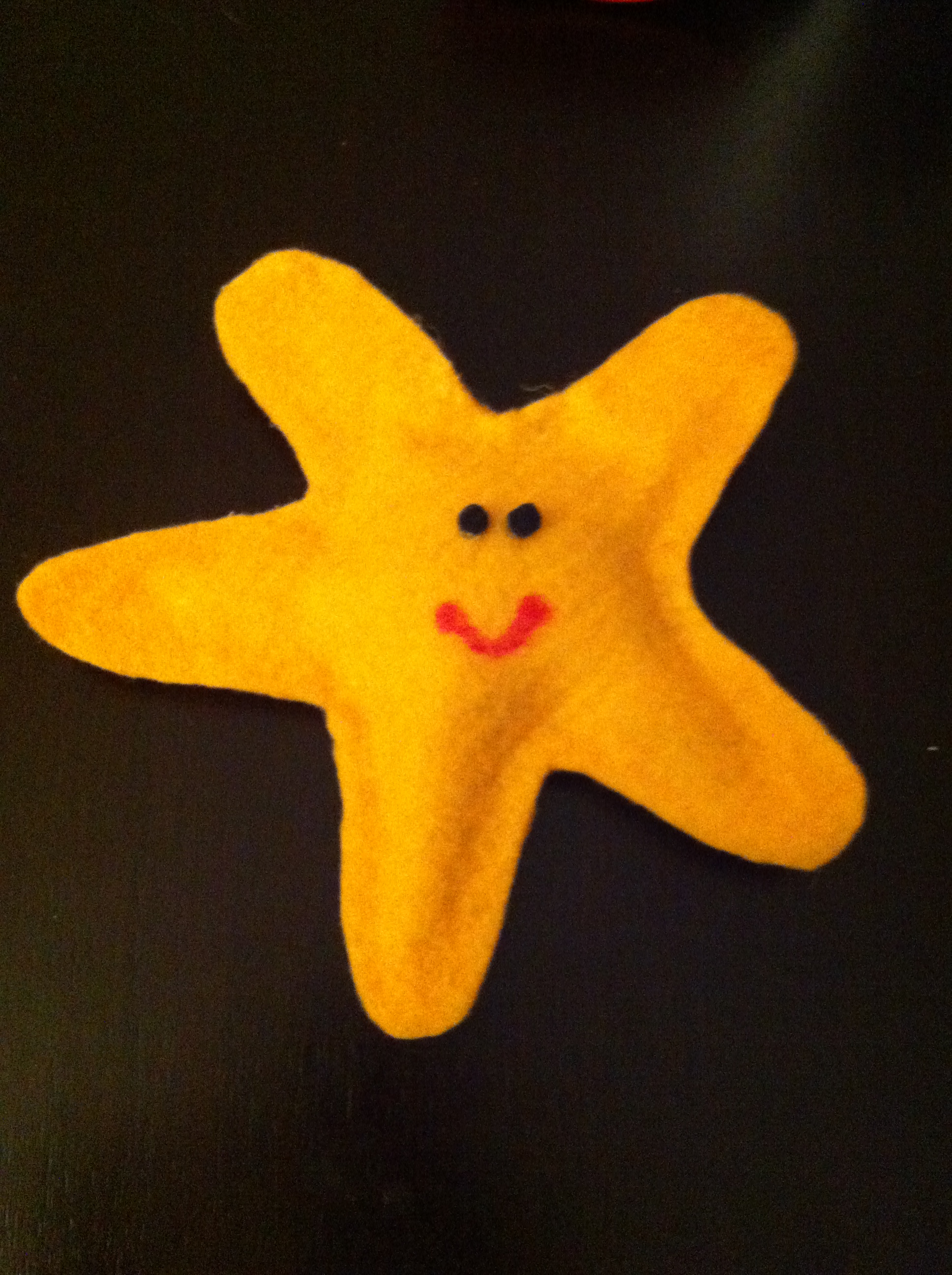
SEA STAR BEAN BAG

SEA STAR BEAN BAG

We’re making stuffed sea star bean bags for World’s Oceans Day! We hope you like them! Share your photos of your sea stars too!

MATERIALS:


  • Sea Star Pattern
  • Scissors
  • Felt (any color)
  • Hot glue gun (used by an adult)
  • Flax seed or stuffing
  • Funnel
  • Sharpie
  • Pom poms or googly eyes

Directions:

1)   Cut out pattern.

2)   Cut out two sea stars on felt.

3)   Hot glue the two pieces together, leaving a small opening.

4)   Put the flax seed in the sea star. If you don’t have a funnel, you can easily make one with paper, by rolling it in a cone shape. If you don’t have flax seed, stuffing or small dry beans will work too.

5)   Make sure you don’t overstuff it. Then glue the opening shut.

6)   Glue on the eyes and draw on the mouth.

You’re done! Toss your sea star, use him as a paper weight, or just give him a hug!

Categories: Animals, Children, crafts, education, Environment, nature, oceans, science, sea stars, wildlife, Worlds Oceans Day | Tags: , , , , , , , , | 4 Comments

WORLD OCEANS DAY!!

HAPPY WORLD’S OCEANS DAY!!

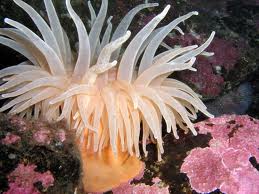
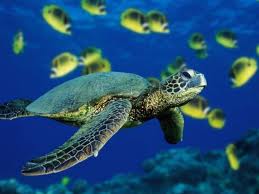
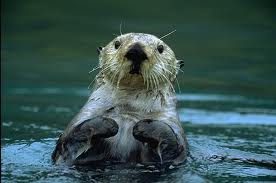
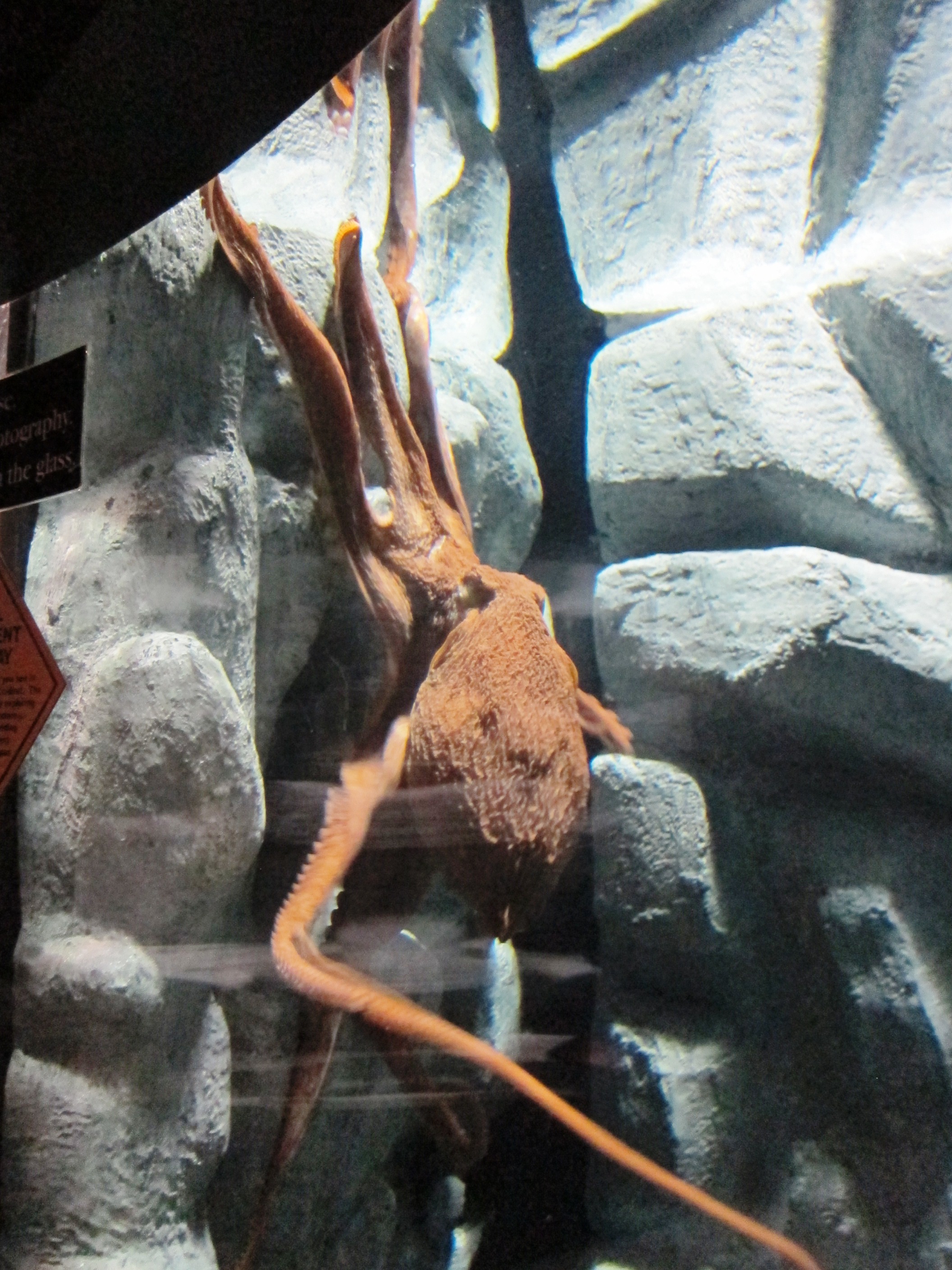
We’re celebrating the world’s oceans and their inhabitants today! The oceans of the world are magnificent in many ways! We land dwelling creatures have a hard time wrapping our heads around the oceans’ size and depth! Today we’re going to celebrate this watery habitat by sharing some fun facts and photos! We’ll also be sharing ways for you to help keep our oceans clean and healthy! And please share with us what you love about the ocean and its animals!

  • It’s estimated that 50-80% of life on earth live in the ocean.
  • The oceans have 99% of living space on the planet!
  • Humans have only explored 5-10% of the world’s oceans.
  • The oceans cover 71% of the earth’s surface!
  • The deepest point in the ocean is the Marianas Trench in the Pacific Ocean!
  • The Great Barrier Reef is the largest living structure on earth!
  • The oceans absorb CO2 to help keep our air clean.
  • The ocean absorbs heat from the atmosphere and distributes that warmth around the planet!

Wow! The ocean is sooo large and strange! Can you believe humans have only explored 10% of them? We have so much to learn! Let’s check out some photos of the some of the wild and wonderful creatures that call the ocean their home!


It is vital that we keep the world’s oceans clean and healthy not just for the animals that call it home, but for the land dwelling animals too! Want to know some easy ways to help? Well, we have those for you right here!

  • Pick up your trash! Trash can float into the ocean and it is often mistaken for food by many animals!
  • Pick up your pet’s waste. Poop is not good for anyone J!
  • Participate in a local beach or river clean-up! Remember that all rivers eventually make their ways to the oceans and so can the trash in them.
  • Use cloth or reusable bags when shopping. Plastic bags are a big killer of ocean life. Sea turtles especially mistake them for their favorite food- jellies.
  •  Eat Sustainable Seafood. We are eating many species in to extinction. Check out Monterey Bay Aquarium’s Seafood Watch Program! They even have a smart phone app that helps you pick out the best seafood to eat!
  • When you fish, make sure you throw away extra line and hooks. The hooks can become embedded in all kinds of creatures and the line can be swallowed or wrap around an animal.
  • Cut up your soda six pack rings.
  • RECYCLE!
  • Join an organization that works to protect the world’s oceans, like the Ocean Conservancy!
  • Visit your local aquarium and learn about some amazing animals! Also learn what your aquarium is doing for conservation! 
Categories: Animals, Children, education, Environment, fish, mammals, nature, oceans, octopus, penguins, science, turtles, wildlife, Worlds Oceans Day | Tags: , , , , , , , , , , | 5 Comments

WATERY WEDNESDAY # 37

WATERY WEDNESDAY# 37

We’re hoping in the Ellie and Edmond submarine today to meet one of the oceans powerful predators! We have room for you, so jump in and let’s see where this trip will take us!

MEET THE CREVALLE JACK!

   Range/Habitat: Eastern Atlantic Ocean/ deep sea and coast lines

   Diet: Carnivore: fish, mollusks, crabs

   Length/Weight: up to 4 ft/ up to 70 lbs

   Conservation Status: Common


Fun Facts:

  • Crevalle jacks have large blunt heads and a black spot on their gill covering.
  • They are the largest of all jacks.
  • They have deep forked tails.
  • Crevalle jacks often cruise in schools or pairs.
  • They are powerful and fast predators.
  • Juvenile Crevalle jacks are often found in brackish (part fresh-part salt water) habitats.


These great fish sure are fantastic! They are just another important part of the vast ecosystem of the world’s oceans! We always have to remember that each creature great and small has its place!


Categories: Animals, Children, education, Environment, fish, nature, oceans, science, space, wildlife | Tags: , , , , , , , , | Leave a comment

MAMMAL MONDAY # 36

MAMMAL MONDAY # 36

Happy Memorial Day! We’re not taking a vacation today, so that another mammal can enjoy the spotlight! Today we’re putting on our diving suits and taking a dip in the cold waters of the subarctic to meet this swimming mammal! Are you ready? Let’s do this!

MEET THE HARBOR PORPOISE!

   Range/Habitat: North Atlantic-North Pacific Ocean/ coasts, rivers

   Diet: Carnivores: fish, herring, capelin

   Length/Weight: 4 ½-6 ½ ft/ 110-200 lbs

   Conservation Status: vulnerable


Fun Facts:

  • The Harbor Porpoise is also called the common porpoise.
  • They prefer temperate and subarctic waters.
  • They generally shy and elusive.
  • Harbor porpoises tend to feed on the bottom.
  • They use echolocation to help them find their prey.
  • Harbor porpoises are black on top and white on the underside.
  • Harbor porpoises have been known to travel into fresh water rivers.


These shy porpoises are wonderful! Scientists don’t know much about these porpoises because of their shy nature. Ocean dwelling animals are very hard to study since humans don’t have gills :)!


Categories: Animals, Children, education, Environment, mammals, nature, oceans, science, wildlife | Tags: , , , , , , , | Leave a comment

SUPER SURPRISE THURSDAY # 35

SUPER SURPRISE  THURSDAY# 35

It’s Super Surprise Thursday and we’re celebrating another watery animal friend. Today we are jetting off to the waters of Pacific and Indonesian oceans to meet a very beautiful and helpful fish! It’s time everyone learned how sand is really made J! Let’s go!

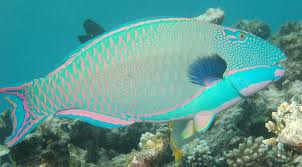
MEET THE BICOLOR PARROTFISH!

   Range/Habitat: Indian-Pacific Oceans/ coral reefs

   Diet: Herbivore: algae

   Length: up to 32”

   Conservation Status: Common


Fun Facts:

  • Bicolor parrotfish have fused molar teeth that resemble a parrot’s beak.
  • Bicolor parrotfish are brightly colored.
  • Their beak like mouths and coloration gave them the name parrotfish!
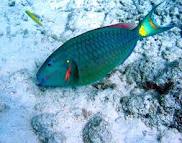
  • Juvenile bicolor parrotfish are white with orange on their head.
  • They eat algae off the coral.
  • When bicolor parrotfish chew up the coral and algae, they crush the coral. The coral that is not digested is then pooped out in sand form.
  • One large bicolor parrotfish can produce up to 2,200 lbs of a sand year.

Well, who knew that the beautiful white sand beaches of the Pacific were really fish poop? Hehe! There are other species of parrotfish in the Caribbean too, so you cannot escape the fish poop! Actually these fish are amazing and they do help build the ocean floor and the beaches that animals rely on for habitats and that humans love to relax on!


Categories: Animals, Children, education, Environment, fish, nature, oceans, science, wildlife | Tags: , , , , , , , , , | 2 Comments

WORLD TURTLE DAY!!

WORLD TURTLE DAY!

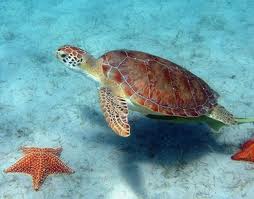
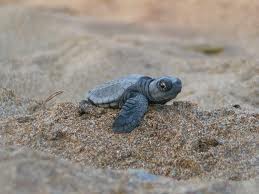
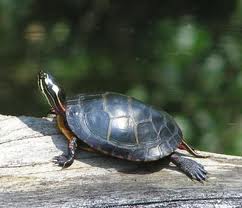
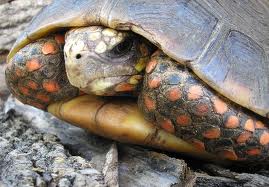
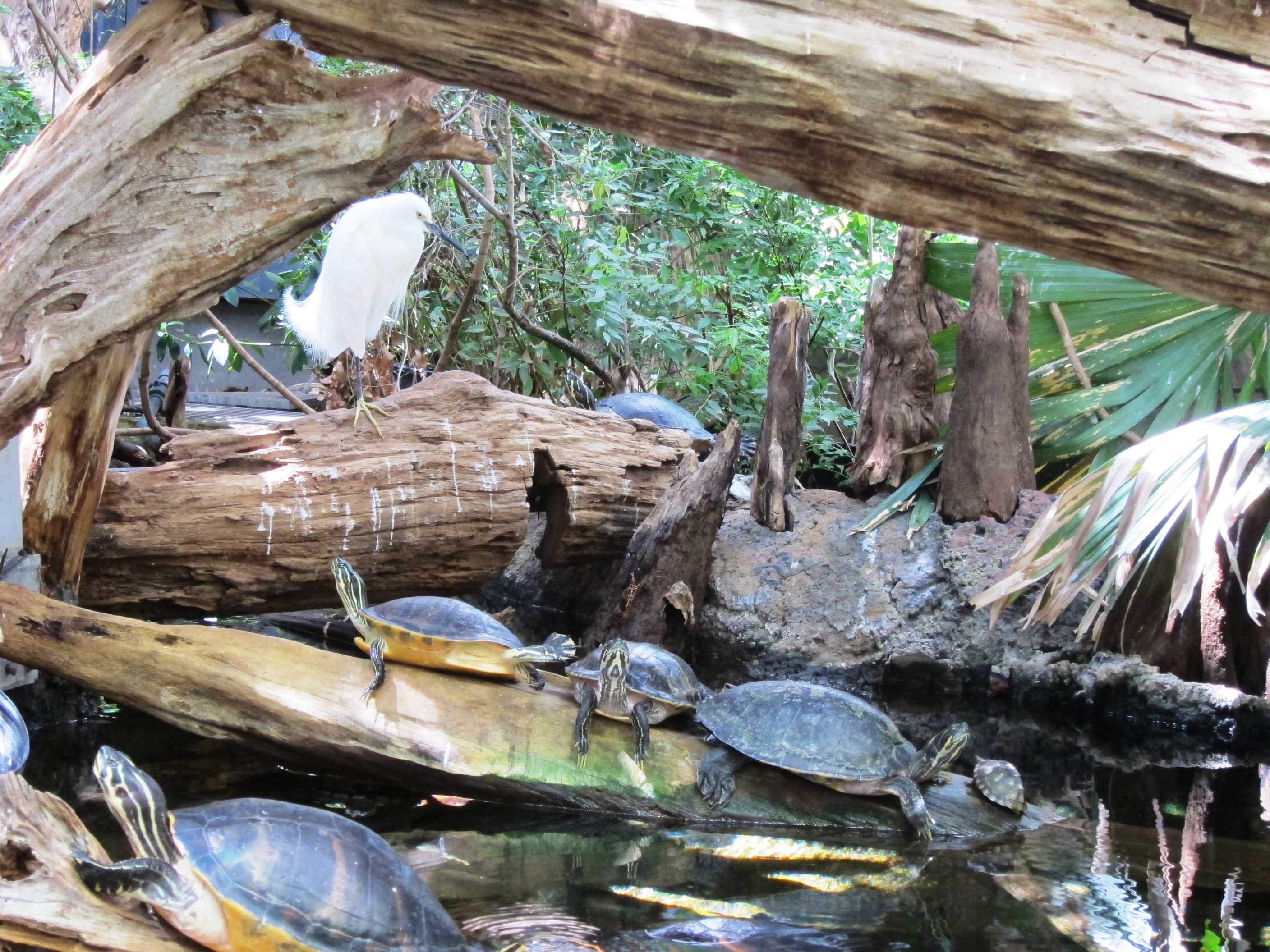
Happy World Turtle Day! We’re celebrating our favorite reptilian four legged friends! Turtles, tortoises and terrapins come in all shapes and sizes! We’ve met all kinds of turtles including a Leatherback Sea turtle who was laying her eggs and a Green sea turtle while snorkeling! Turtles and tortoises are just fantastic!

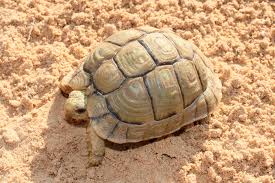
They all have shells that are part of their skeletons! In fact if you could look inside a turtle’s shell you would see their spinal vertebrates and rib cage!

The difference between turtles, tortoises and terrapins mainly is their habitat. Generally turtles spend their lives in water or near water and tortoises live on land. Terrapins also live near water, but prefer brackish habitats (water that is a mix of fresh and salt). Turtles generally have webbed feet and tortoises have flat stumpy feet.

The individual plates on a turtles shell are called scutes! These are made of keratin, the same protein that makes up your hair and nails!

Turtles and tortoises live all over the world except in the Arctic and Antarctic. They even live in the world’s oceans! Turtles and tortoises are also kept as pets. They can be wonderful additions to one’s home, but they do require special housing and food. It is very very important that you do your homework before getting a turtle. Make sure you get them from a reputable breeder.  Releasing your pet into the wild because they get too big or they seem boring is bad for the turtle and the natural habitat.

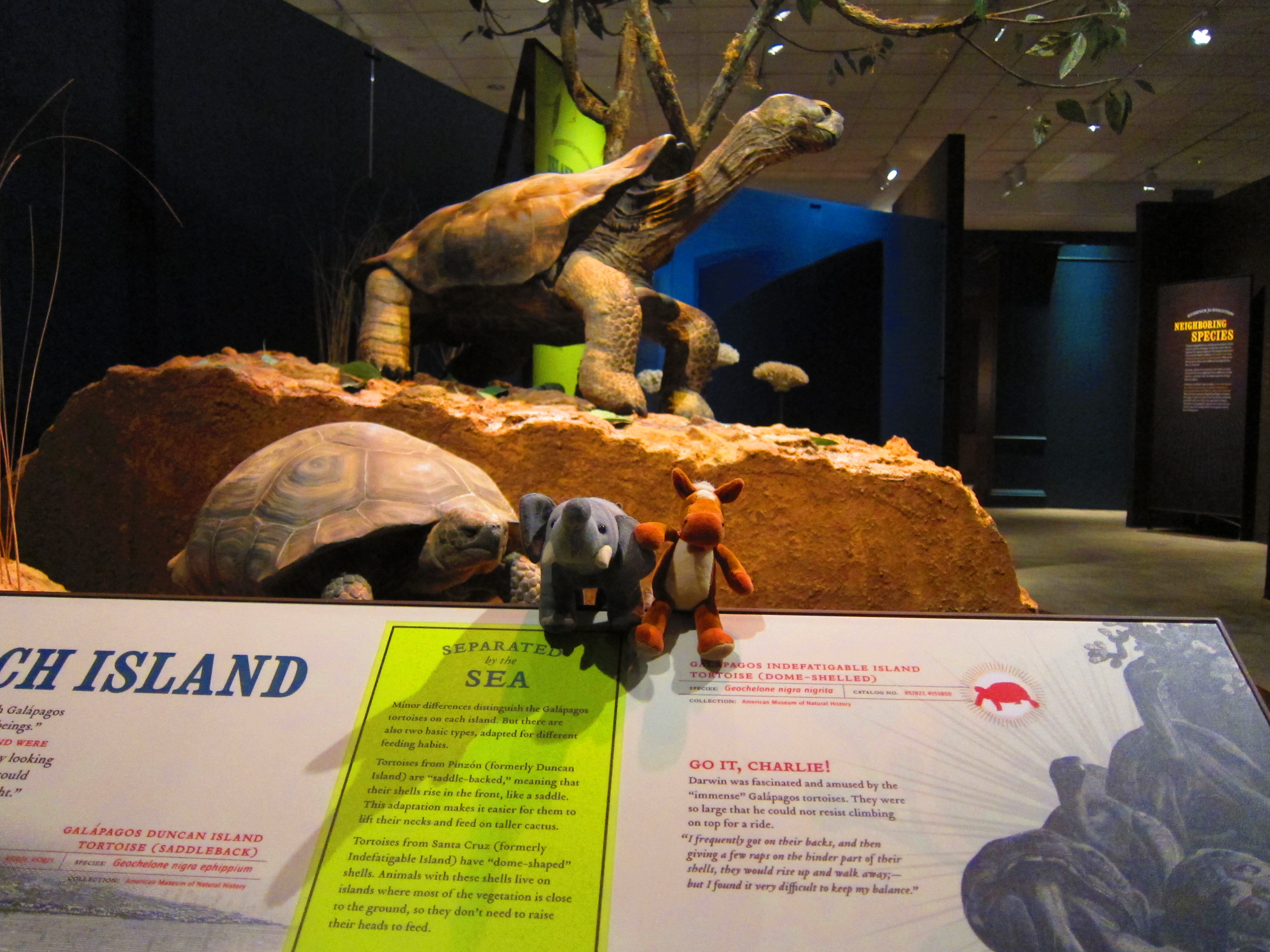
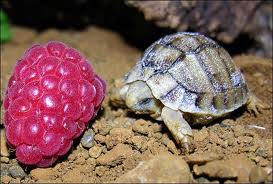
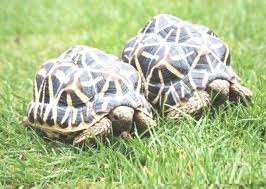
So let’s celebrate turtles with some great pictures! You can also check out our posts that featured turtles and tortoises including the Hawksbill Sea Turtle, African Helmeted Turtle, Twist Necked Turtles, African Spur-Thighed Tortoise, Indian Star Tortoise and the Red Footed Tortoise.

Many species of turtles or tortoises are threatened or endangered, especially our sea turtle friends. You can help them by picking up your trash (often sea turtles mistake plastic bags for jellies). You can also provide a good back yard habitat for wild turtles. If you see a turtle crossing the road, remember to put them on the side they were heading too. Remember if you find a turtle in your yard, leave it there. Turtles are fun to watch, but wild ones do not make good pets. Check out a great organization that is working hard to save sea turtles  The Sea Turtle Conservancy!


Categories: Animals, backyard, Children, education, Environment, nature, oceans, reptiles, science, wildlife | Tags: , , , , , , , , , | 2 Comments

ENDANGERED SPECIES DAY!

ENDANGERED SPECIES DAY!

 Today is a day to celebrate the Endangered Species Act here in America! It was enacted in 1973 and was set up to protect animal and plant species! There are also two international organizations that work to protect animals, CITES and IUCN.

We’re celebrating Endangered Species Day, by picking a few organizations that are working to save endangered animals!


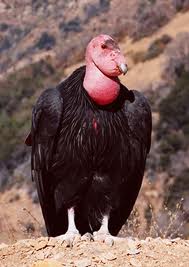
First up: The San Diego Global Wildlife Conservancy. They work in the wild and with the San Diego Zoo and Safari Park to actively protect wildlife. They’ve even reintroduced more than 30 species back into the wild! Our pal on twitter @ZooKeeperRick shared this video with us all about their efforts! They’ve had success with iguanas, pandas and California condors!


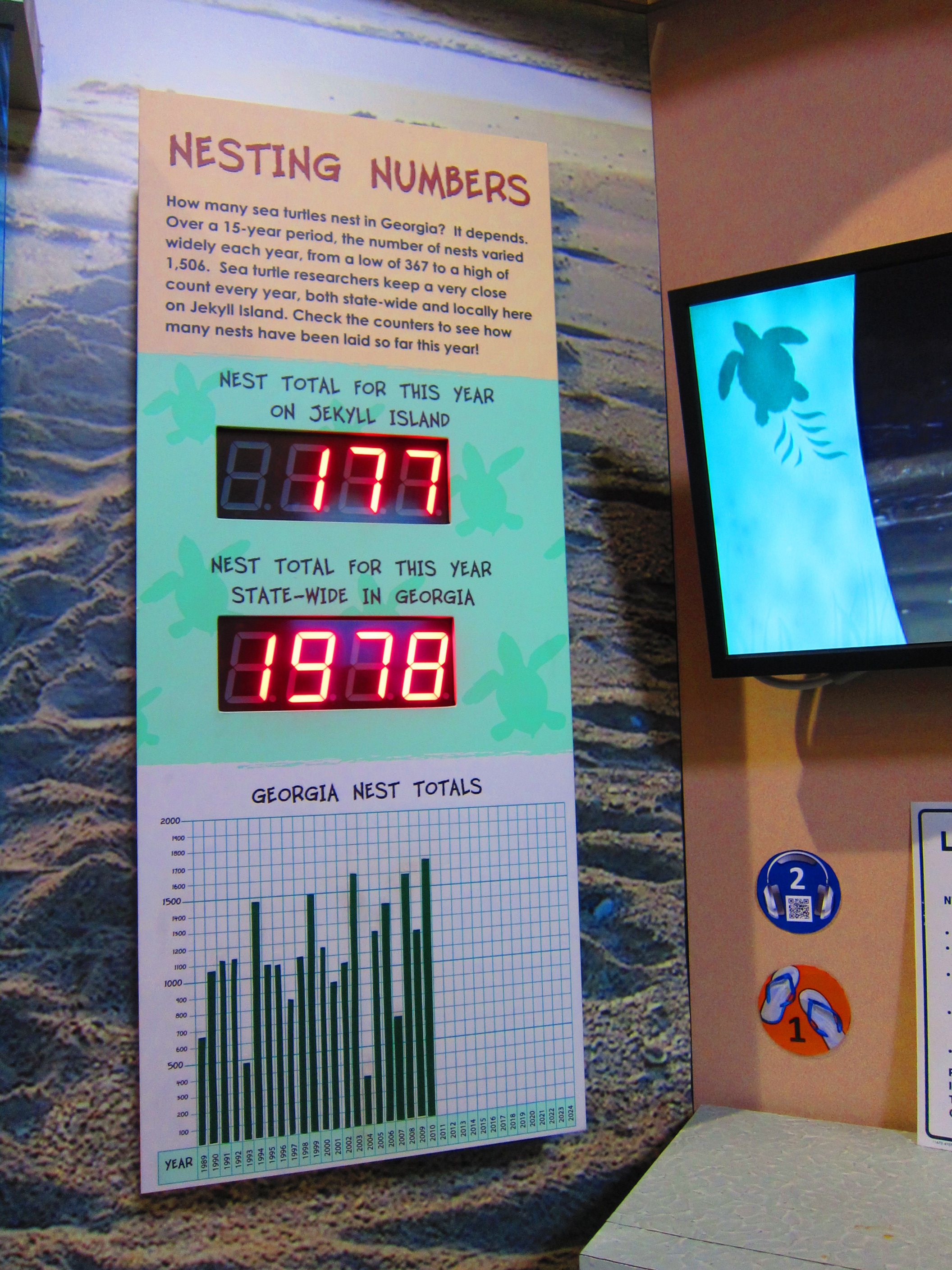
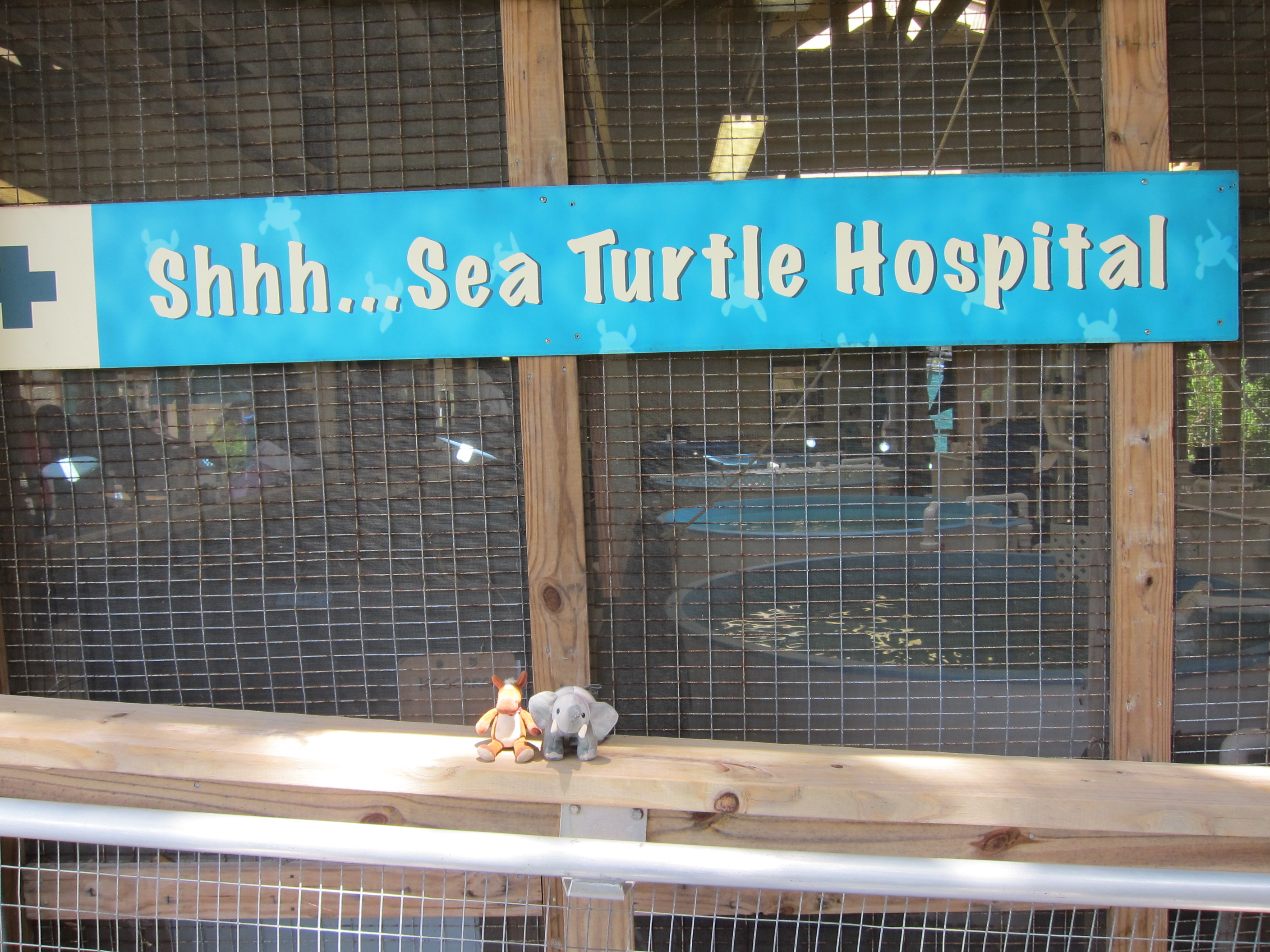
Next up: Is the Georgia Sea Turtle Center. The staff and volunteers at the center work hard to rehabilitate and reintroduce all species of sea turtles! They have a hospital and education center. They also keep track of all the sea turtle nests each season on the Georgia coast! Check out our post on when we visited!


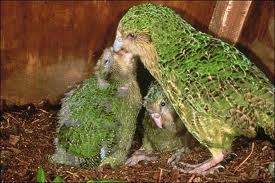
Last up: The Kakapo Parrot! These critically endangered parrots are the largest of all parrots! They are also flightless, which is one reason they have declined in the wild. These amazing birds live in New Zealand, where rescue organizations are working very hard to save them! Check out the Kakapo Recovery website!


The National Wildlife Federation has a great page with more success stories!


We all can work to help endangered species all around the world, even with small steps! A huge problem is habitat loss for many animals. One way to combat this is by recycling glass, paper, plastic & aluminum. You can find a local recycling center near you- here! You can also help endangered animals by educating yourself and joining organizations like the National Wildlife Federation, World Wildlife Fund or the Nature Conservancy.  You can also pay a visit to your local zoo, aquarium or nature center; often they are helping support animals in the wild and in their facilities with research and education! And one last thing you can do is to share your love of animals and wild places with others! Often your passion will spark that in other people! We’re going to leave you today with some adorable photos of some endangered species and hopefully they will inspire you to act!


Categories: Animals, apes, birds, Children, education, Environment, lizards, mammals, nature, oceans, orangutans, reptiles, science, wildlife | Tags: , , , , , , , , , , | 4 Comments

WATERY WEDNESDAY # 34

WATERY WEDNESDAY# 34

Who’s ready to take a dive in our submarine? We’re taking it down to the sandy bottoms of the Mediterranean and North Atlantic oceans to see a secretive and nocturnal animal! Thank goodness our sub has lights!

MEET THE CONGER EEL!

   Range/Habitat: North Atlantic-Mediterranean/ rocky-sandy bottoms

   Diet: Carnivore: crustaceans, fish, cephalopods

   Length/Weight: up to 8 ½ ft/ up to 145 lbs

   Conservation Status: Common


Fun Facts:

  • Conger eels are dark grey with long finless bodies.
  • Conger eels do not have scales.
  • They are nocturnal (active at night).
  • They often hide in crevices and caves during the day.
  • Conger eels are ambush predators.

Wow! We hope you were watching because the conger eel is fast! We wouldn’t want to be a fish swimming by these eels cave when they get hungry! Chomp!


Categories: Animals, Children, education, Environment, fish, nature, oceans, science, wildlife | Tags: , , , , , , , , | 5 Comments

Blog at WordPress.com.