science

VALENTINE’S WEDNESDAY

VALENTINE’S WEDNESDAY!

We hope everyone had a lovely Valentine’s Day! We sure did! Edmond gave Ellie a lovely package of sweet potatoes and Ellie gave him a big bucket of apples J! We’re still continuing our Valentine’s theme week and since it would normally be Watery Wednesday, we’re diving into the Atlantic Ocean to find a special fish! Who has on their floaties?

MEET THE FRENCH ANGELFISH!

    Range/Habitat: Atlantic Ocean-Gulf of Mexico/ shallow reefs

    Diet: Omnivore: sponges, algae

    Length: 16-24”

    Conservation Status: Common


Fun Facts:

  • French Angelfish are monogamous fish.
  • Pairs of French angelfish are very territorial.
  • As juveniles they hang out at cleaning stations and clean larger fish.
  • French angelfish have small comb like teeth.
  • Juveniles look different than adults; they have broad stripes.


French Angelfish are beautiful! They are known to be very curious and will often come near scuba divers! Just wave back if you see them J!


Categories: Animals, Children, education, Environment, fish, nature, science, wildlife | Tags: , , , , , , , | Leave a comment

VALENTINE’S TUESDAY!

VALENTINE’S TUESDAY!

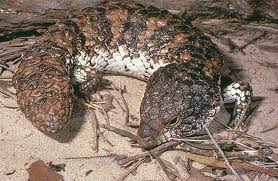
Happy Valentine’s Day everyone!! We searched high and low for a reptile that mates for life. Man, who knew this would be so hard! But we did find one- sort of J! We’re heading to the land down under, so pack your bags! Let’s go to the outback!

MEET THE SHINGLEBACK SKINK!

   Range/Habitat: Australia/ desert- scrub

   Diet: Omnivore: insects, snails, fruits

   Length: 12-14”

   Conservation Status: Common


Fun Facts:

  • Shingleback Skinks are also called the Stumptailed Skink.
  • Shingelback skinks have short stumpy tails.
  • Their tails store fat.
  • Shingleback skinks are covered in heavy scales that are like armor.
  • They “smell” with their tongue, just like snakes do!
  • Shingleback skinks are slow moving.
  • Mating pairs of shingleback skinks spend 8 weeks together to breed. Then come back together the next year to breed again. Even though they do not spend all year together, they do keep the same mate year after year.


Shingleback skinks are really cool looking. We think their fat tails kind of look like their heads J! We couldn’t find out how the two find each other every year, but it sure is cool that they do! Ah, lizard love!


Categories: Animals, Children, education, Environment, nature, reptiles, science, Valentines, wildlife | Tags: , , , , , , , | Leave a comment

VALENTINE’S MONDAY

VALENTINE’S MONDAY

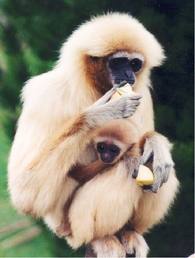
It’s February theme week and we’re celebrating Valentine’s! We’ll be featuring animals who mate for life all week! So get ready to show some love for some fabulous pairs of animals! We have a lovely primate for Valentine’s Mammal Monday! These apes live in the rainforest of Asia and are known for their songs! Everyone look up, they’re swinging in the trees!

MEET THE WHITE HANDED GIBBON!

    Range/Habitat: Southeast Asia/ mountains-forests-rainforest

    Diet: Omnivore: fruit, leaves, insects

    Length/Weight: 16-23”/ 10-17 lbs

    Conservation Status: Endangered


Fun Facts:

  • White Handed Gibbons are apes. They do not have tails!
  • White handed gibbons are arboreal (live in trees).
  • They truly swing through the trees. This is called brachiation.
  • White handed gibbons have opposable thumbs and toes to help them grip vines and branches!
  • They often pair/mate for life.
  • Each pair of white handed gibbons has an individual song/call that they use to locate each other in the rainforests.
  • White handed gibbons coloration varies from black to brown to tan.
  • White handed gibbons life span is 25-30 years.


White handed gibbons are fabulous! We love their songs and the way they swing through the trees! Wouldn’t it be fun to swing like that? If you were a gibbon what would be the song you shared with your sweetie? We’re still deciding!

Check out this video of a gibbon calling and swinging through his enclosure!

http://www.youtube.com/watch?v=Gzgr2KBaEgY

Categories: Animals, Children, education, Environment, mammals, nature, science, Valentines, wildlife | Tags: , , , , , , , , | Leave a comment

FEATHERY FRIDAY # 24

FEATHERY FRIDAY# 24

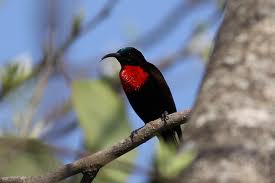
We’ve made it through another weekend and that means one thing; it’s Feathery Friday! We’re heading to Africa to meet a beautiful little bird with a brightly colored chest! Are you ready? Let’s do this!

MEET THE SCARLET CHESTED SUNBIRD!

    Range/Habitat: Western-Eastern Southern Africa/woodland-grasslands

    Diet: Omnivore: nectar, insects

    Length/Weight: 6”/12-15 g

    Conservation Status: Common

Fun Facts:

  • Scarlet Chested Sunbirds have long curved bills that help them get nectar from flowers and plants.
  • Male Scarlet chested sunbirds have bright scarlet coloration on their upper breast.
  • Female Scarlet chested sunbirds build the nests. The nests are pear shaped and have a cover over the entrance hole and a lovely welcome sign made of twigs. (Ok, we made that part up J)!
  • Male and female Scarlet chested sunbirds care for the chicks.

These pretty little birds sure are neat! There are so many neat birds out there! What’s your favorite one? We just can’t pick one, because they are all so special!

Categories: Animals, birds, Children, education, Environment, nature, science, wildlife | Tags: , , , , , , , | Leave a comment

SUPER SURPRISE THURSDAY # 24

SUPER SURPRISE THURSDAY# 24

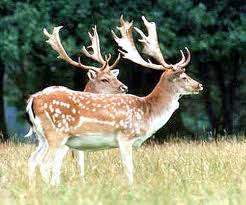
Who’s that mammal with the big antlers? It’s our Super Surprise animal! We’re heading back to Europe to meet a woodland dweller! Are you ready to head into the woods? We are!

MEET THE FALLOW DEER!

   Range/Habitat: Europe-Asia/ woodland, grassland

   Diet: Herbivore: grasses, acorns

   Length/Weight: 4 ½-6 ¼ ft/ 77-300lbs

   Conservation Status: Common


Fun Facts:

  • Fallow Deer live in large herds of up to 100 individuals.
  • Their coloration varies by where they live.
  • Fallow deer are most active at twilight.
  • Male fallow deer have large broad antlers.
  • They can run up 25 mph.
  • Fallow deer fawn hide in vegetation to protect themselves from predators.  This behavior is called lying-up.


Wow! Aren’t these deer magnificent with their broad antlers? We love them! And how about lying-up? We hadn’t heard that term before! We thought lying-up meant laying around doing nothing- like the cat we live with does all the time!


Categories: Animals, Children, education, Environment, mammals, nature, science, wildlife | Tags: , , , , , , , | Leave a comment

WATERY WEDNESDAY # 24

WATERY WEDNESDAY# 24

It’s another Watery Wednesday and we’re heading to Europe to take a dip in some freshwater lakes and rivers to find a small fish! Do you have your waders on? Let’s do this!

MEET THE EUROPEAN BULLHEAD!

   Range/Habitat: Western Europe/ freshwater rivers, lakes

  Diet: Carnivore: eggs, larvae, invertebrates

  Length: up to 7”

  Conservation Status: Common


Fun Facts:

  • European Bullheads live on the bottoms of lakes and rivers.
  • They have marbled patterns that help them camouflage with rocks and stones.
  • European bullheads are solitary and highly territorial.
  • European bullheads are crepuscular (active at dusk and dawn).
  • They are territorial.
  • European bullhead males guard the eggs until they hatch!


These little fish are kind of cute! How great is it that the males protect the eggs until they hatch! We love that!


Categories: Animals, Children, education, Environment, fish, nature, science, Watery Wednesday, wildlife | Tags: , , , , , , , | Leave a comment

REPTILIAN TUESDAY # 24

REPTILIAN TUESDAY # 24

We’re heading to the Caribbean to find today’s reptile! Be on the lookout for this member of the boa constrictor family! Slap on some sunscreen and put on your shades, because it’s Reptilian Tuesday!

MEET THE CUBAN WOOD SNAKE!

Range/Habitat: Cuba/rainforest-suburbs

Diet: Carnivore: frogs, lizards, rodents

Length: 32-39”

Conservation Status: common


Fun Facts

  • Cuban Wood Snakes are also known as the Cuban Black-tailed Dwarf Boa.
  • Their colorations vary from gray to brown to orange.
  • Cuban wood snakes are members of the boa family.
  • Like other boas, Cuban wood snakes kill their prey by squeezing it.
  • Cuban wood snakes ball up to protect themselves from predators. They then release a stinky slime near the base of their tail!


Phew!! What is that stinky odor? That’s our friend the Cuban Wood Snake! Animals sure have some amazing ways to protect themselves from predators. Our least favorite is being stinky ;)! If you were an animal, what adaptation would you want to protect yourself from predators? Ellie say she already has hers, it’s being huge! Edmond would like to change his color like a chameleon!


Categories: Animals, Children, education, Environment, nature, reptiles, science, wildlife | Tags: , , , , , , , | Leave a comment

2 o’clock trivia!

Hey everyone! We’re starting a new feature today! We’ll be posting a trivia question everyday at 2 PM EST to our Facebook page: http://www.facebook.com/pages/Ellie-and-Edmond/254090144618348 and our twitter account @ellieandedmond ! Check it out!

Ellie & Edmond

Categories: Animals, Children, education, Environment, nature, science, wildlife | Tags: , , , , , | Leave a comment

MAMMAL MONDAY # 24

MAMMAL MONDAY# 24

Woohoo, it’s Mammal Monday again and we have a little animal with a BIG head! No, they don’t think that they’re the best rodent in the world, the really do have large heads. We’ve got our safari hats on because we’re heading to the grasslands of East Africa! Are you ready?

MEET THE BIG HEADED MOLE RAT!

Range/Habitat: East Africa/ grasslands

Diet: Herbivore: roots, plants

Length/Weight: 12”/ 13-36 oz

Conservation Status: Endangered


Fun Facts:

  • Big Headed Mole Rats have blunt round heads.
  • They have small eyes and ears.
  • Big headed mole rats burrow underground.
  • They dig burrows that can be up to 165 ft long and they often share it with at least one other mole rat.
  • Big headed mole rats have large orange yellow teeth.
  • They forage for food above ground.


These rodents are kind of funny looking with their large heads and little eyes and ears! They are excellent home builders! Did you know that other animals such as snakes rely on burrowing animals? No, not for food! When an animal such as the Big headed mole rat leaves their burrow for good, other animals will use that burrow for their home! Pretty neat!


Categories: Animals, Children, education, Environment, mammals, nature, science, wildlife | Tags: , , , , , , , | Leave a comment

Our adventure to “Wildlife Rescue”

We’re so glad you could join us for tonight’s episode! We’re heading to Fernbank Museum of Natural History to see their new exhibit “Wildlife Rescue”! That’s right everyone, we learn what it takes to rescue, care for and return animals to their wild habitats! Follow us as we lead you through this wondrous journey!
Entrance to Wildlife Rescue

As we first enter the exhibit there are all kinds of amazing things to see. Fun lights, a giant globe and touch screens to learn! Isn’t this place quiet the party?
Elephant lights on the floor! Woohoo!
Learn all about endangered animals on this touch screen
Edmond tries out the touch screen

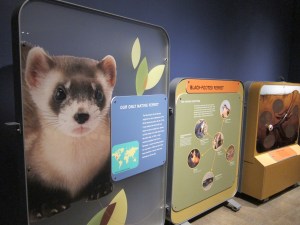
There are several stations where you can learn about animals that are endangered and how people are helping increase their populations.

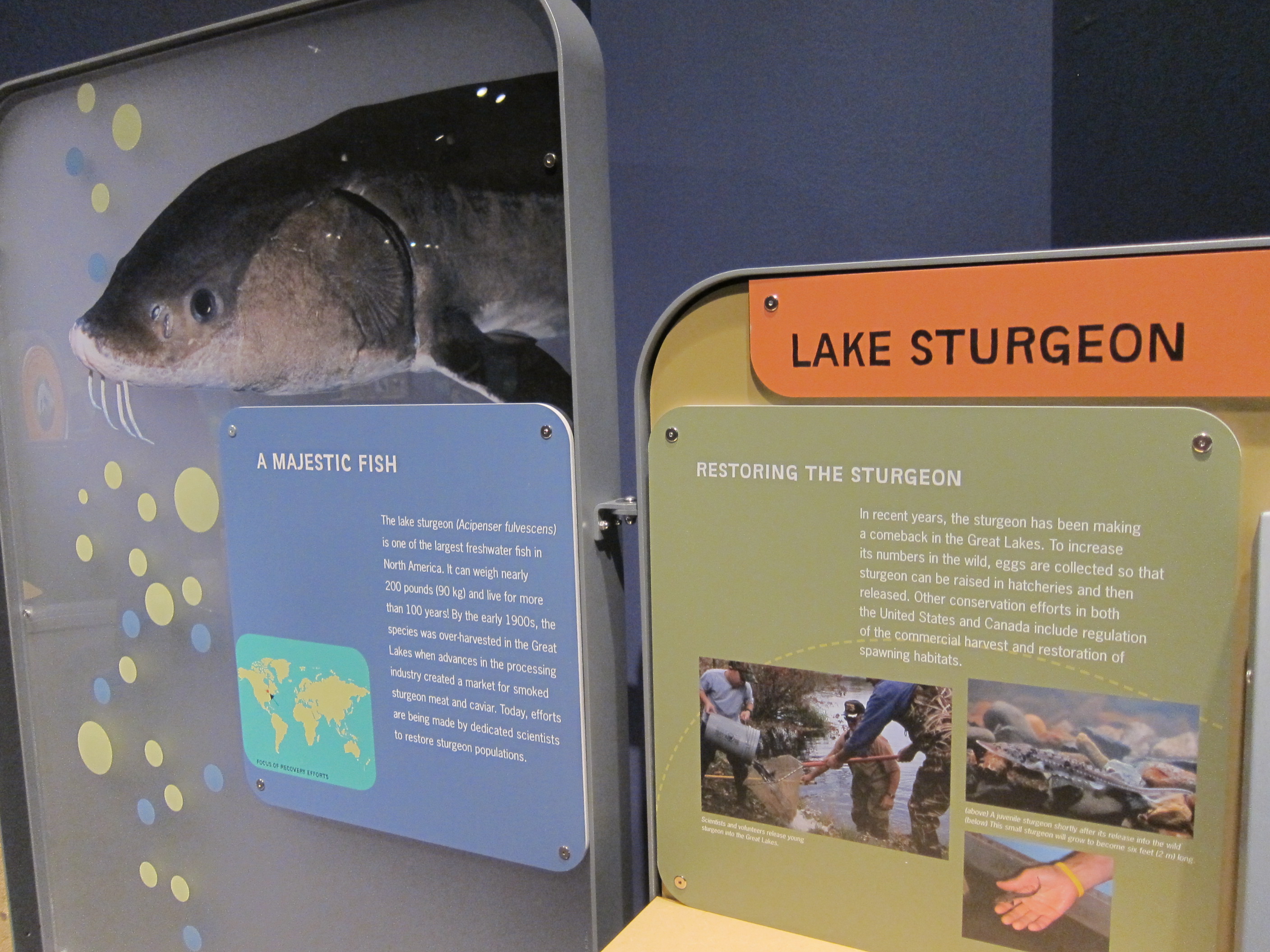
Lake Sturgeon get help from people!
You can learn to track Iberian Lynx!
Black footed ferrets numbers on their way up!

Wow, these people are doing some great things to help animals. Look here, they have a whole station about the California Condor.
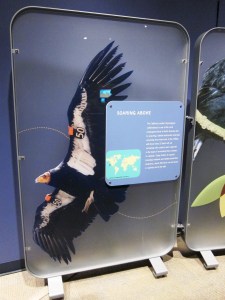
We love California Condors!

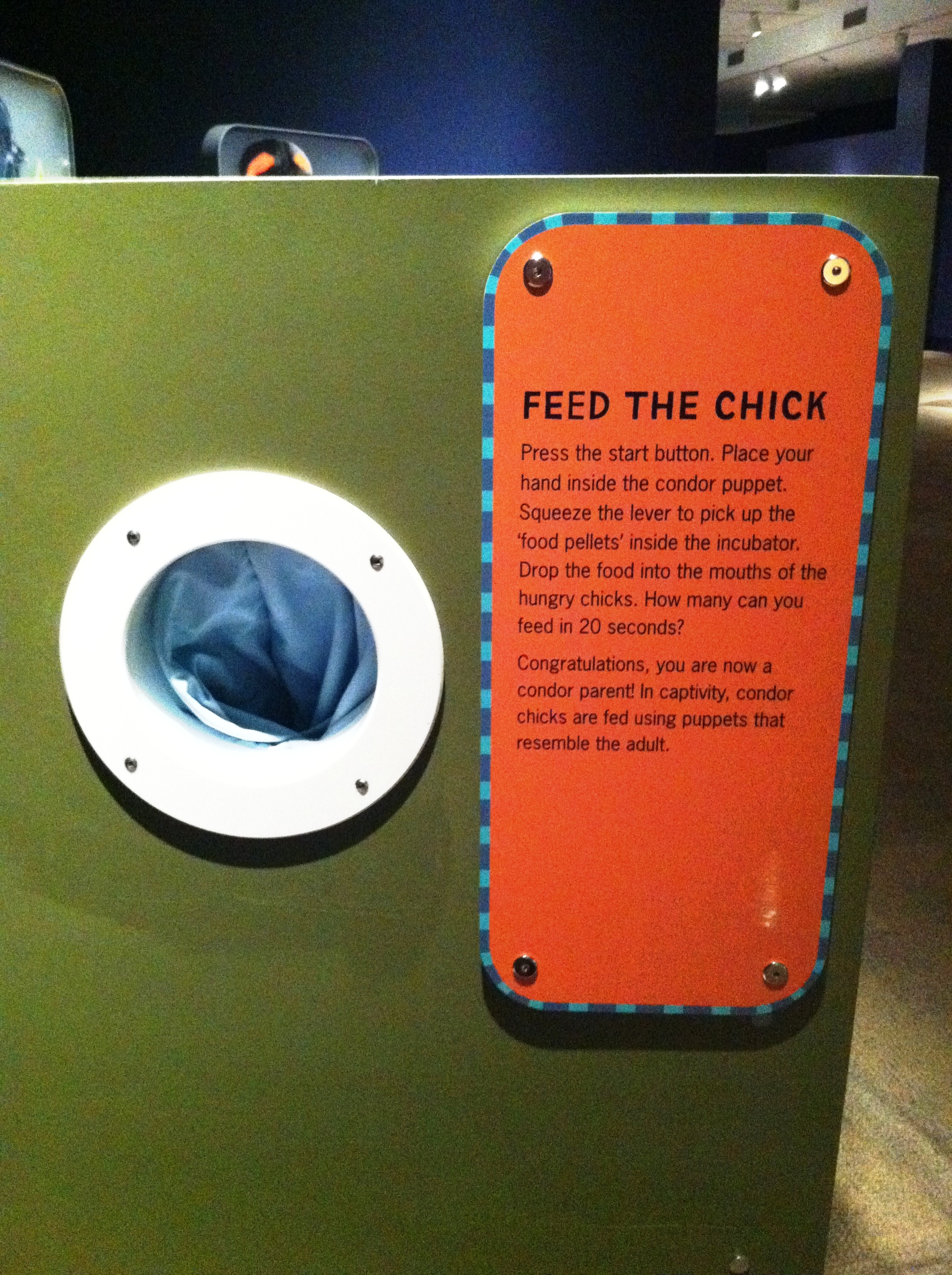
In the 1980s there were only 25 of these birds left and with the help of breading programs there are now 400 Condors. That is great news, but they still need help. Captive breeders feed condor chicks with mom puppets and look here; you can try and feed a chick too!
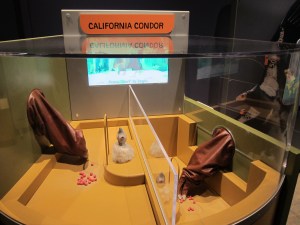
You can use a condor mom puppet and feed the chick!
Feed the condor c

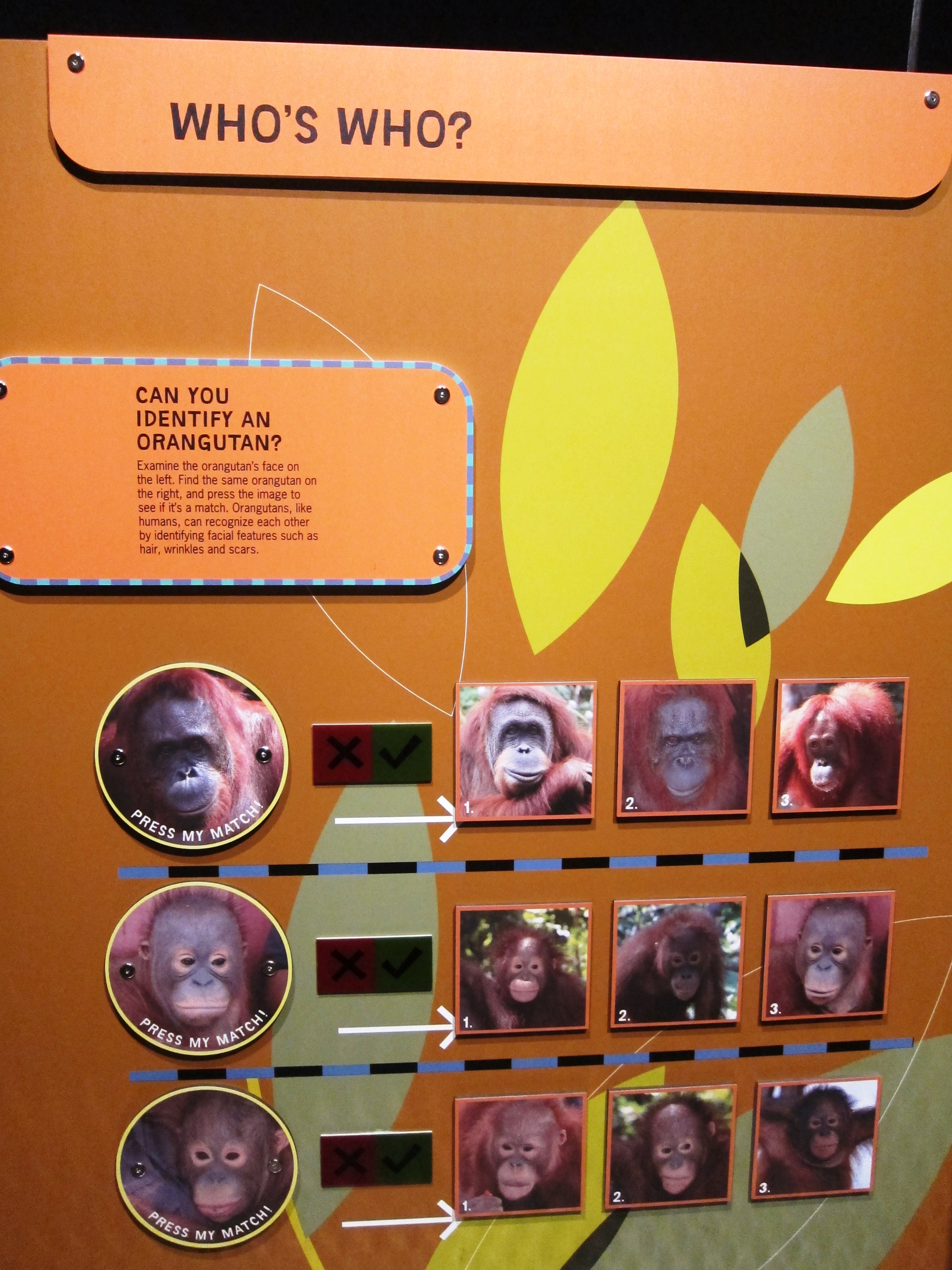
We’re moving on to a fun game called I.D. the orangutan!
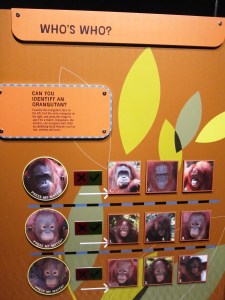
Which orangutan is which?

Make sure you look closely before choosing!

What is this wonderful station we’ve found? It’s all about elephants! Ellie is so excited!
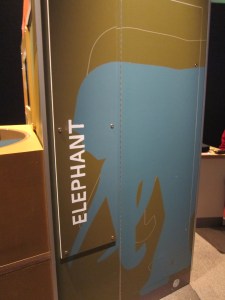
ELEPHANTS!!
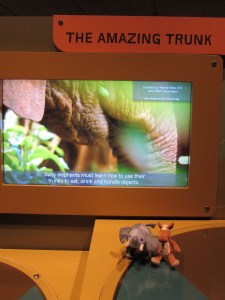
Time to learn all about The Amazing Trunk!

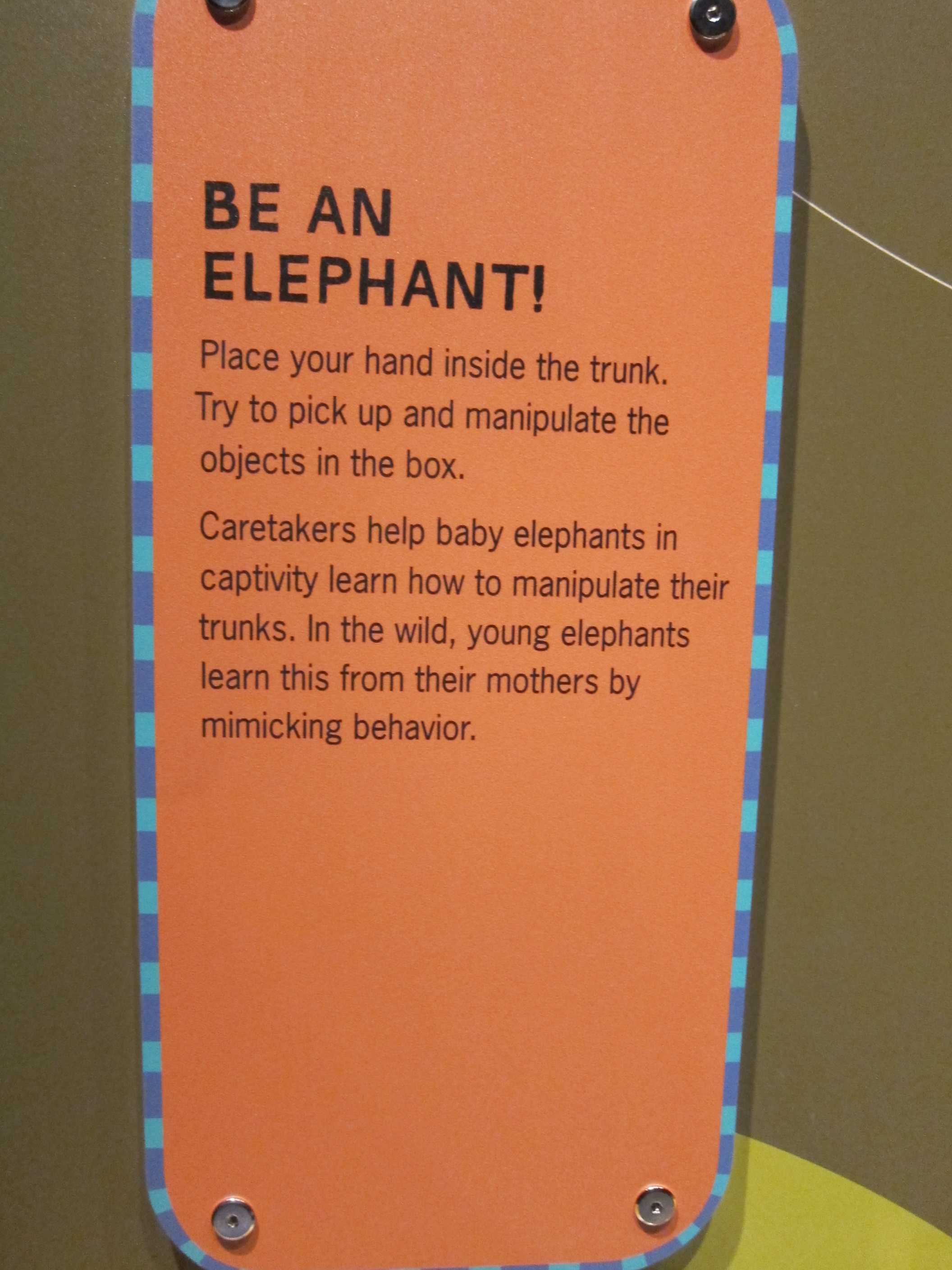
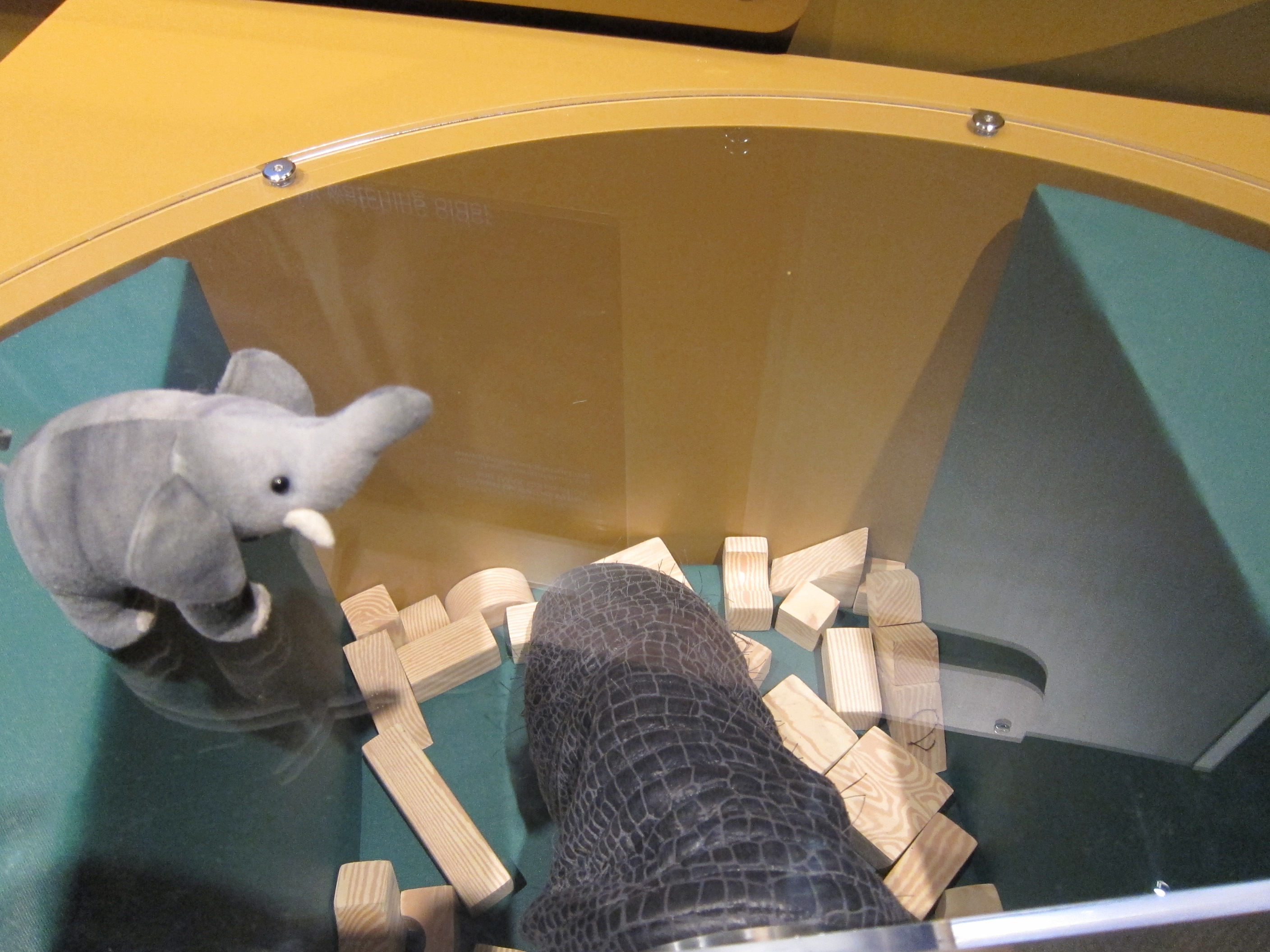
Let’s all learn all about the amazing elephant trunk! Did you know that an elephant trunk has up to 150,000 muscles? Pretty neat! Baby elephants must learn to use their trunks to drink, eat and pick up objects! And did you know that an elephant can pick up a single blade of grass with their trunk? Wow, Ellie never tires of talking trunks! What’s this? YOU CAN BE AN ELEPHANT!! Woohoo!
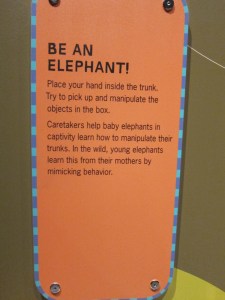
You too can be an elephant! It totally rocks!
Here’s Ellie checking out the trunk game! You can pretend you have a trunk and pick objects up! FUN!

You can play a round of elephant trivia, too! Edmond won!

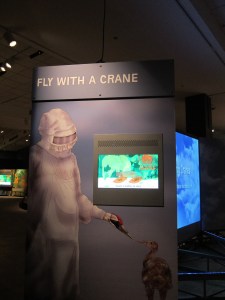
Who’s up for a little flight with whooping cranes? We are! That’s right they have a life sized aircraft right here! Operation Migration is a program that helps whooping cranes learn their migration path. They actually fly these open air planes with the cranes! How cool is that! Check us out in the plane! You can “fly” with the birds!

Here we are on the plane!
Dedicated volunteers teach these birds to fly!
They have a life sized replica of a plane!
Here we are in the pilot’s seat! We’re ready for take off!

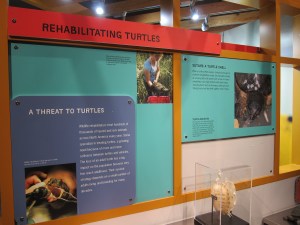
We’ve covered the big animals, but did you know that plenty of small animals get injured and need human help too! We share our habitats with turtles, birds, snakes and mammals. These animals often come across human dangers such as roads.

Here we are at the turtle crossing!

People helping turtles!

Thank goodness there are people who help these animals when they are injured. Fernbank will have some local rehabilitation centers with their animal ambassadors! You’ll get to meet some live animals and here their stories!

This video about orangutan and elephant rehab facilities is fascinating!

Here we are watching people help orphan orangutans and elephants!

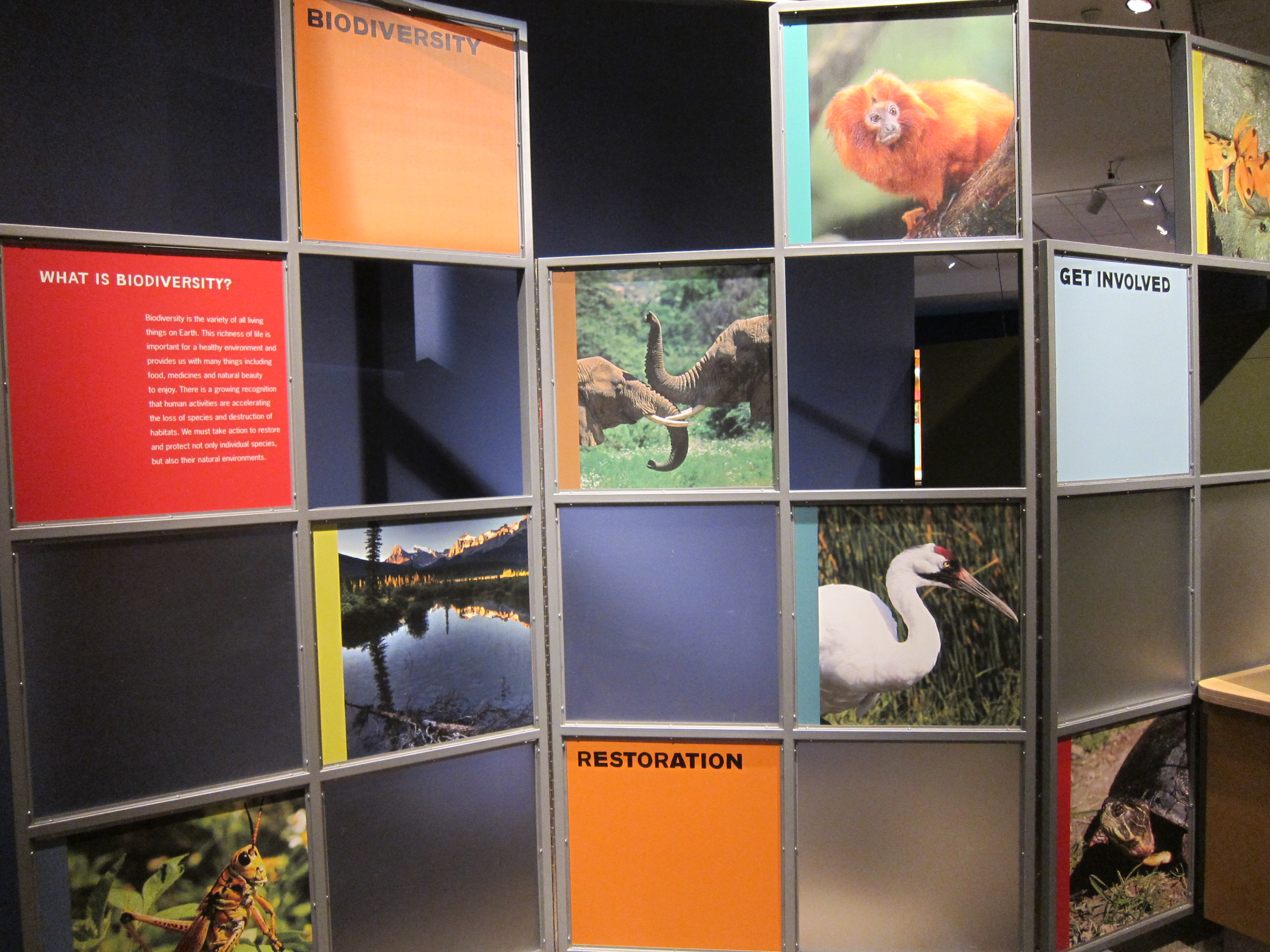
As we head out of the exhibit we get the chance to learn about biodiversity
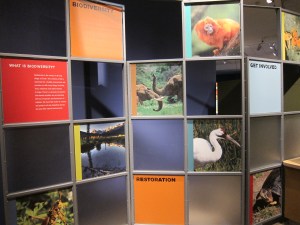
Biodiversity is key!

Biodiversity is the number of different species in a habitat. Biodiversity is very important, because when you have many different types of species in a habitat it means it is healthy.

Biodiversity rocks!

Wow! That was one amazing exhibit and we didn’t even show it all to you! We wanted to save some surprises for you! We’re coming to thr end of tonight’s episode, but not without stopping by the last station where you can learn how to help us and the rest of our animal friends!

Learn how you can help!

In fact, the famous and intelligent chimp researcher Jane Goodall  gave us some great tips; you can volunteer in a habitat clean up, plant a tree or plant a butterfly garden.

They give you a great list of organiztions that you can get involved in!

We hoped you have enjoyed tonight’s episode of Ellie and Edmond to the Rescue!
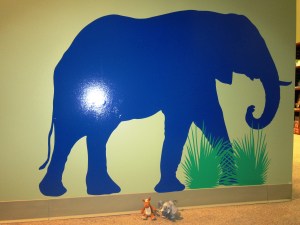
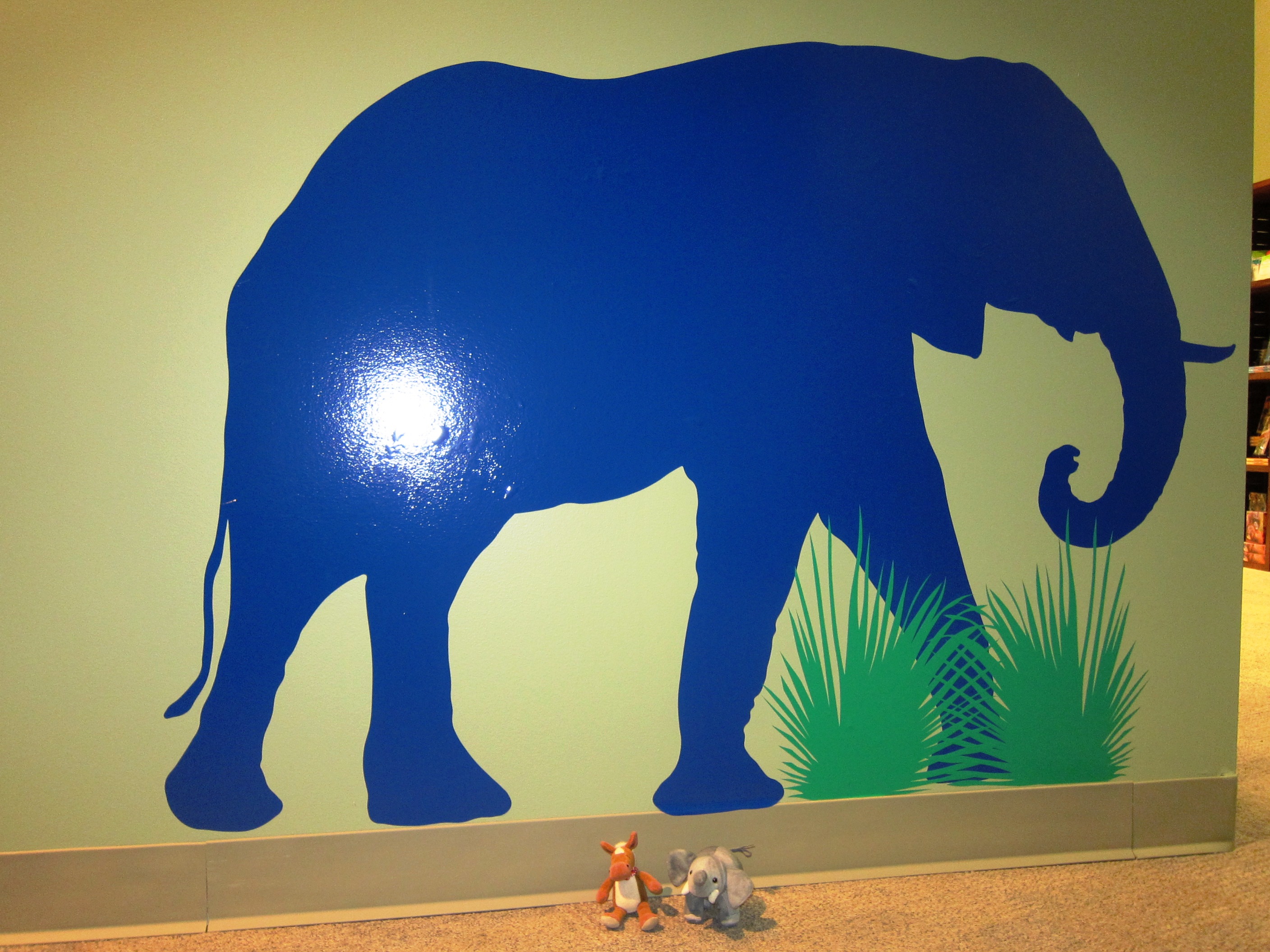
We stopped to pose with this elephant at the end!

The story doesn’t end here; you can continue your adventure by going to see “Wildlife Rescue” at Fernbank Museum of Natural History yourself! It is a GREAT exhibit full of fascinating information, fun activities and animals!

For hours, tickets and more information check out the Fernbank website:

http://www.fernbankmuseum.org/calendar-of-events/wildlife-rescue-opening-weekend-celebration-feb-4/

Fernbank also has an IMAX movie called “Born to Be Wild” that is all about orphan elephants and orangutans! Make sure you check it out while you’re there!

Categories: Animals, Atlanta, Children, education, Environment, Local, nature, science | Tags: , , , , , , , , | 4 Comments

Blog at WordPress.com.