Posts Tagged With: amphibians

AMPHIBIAN TUESDAY # 70

AMPHIBIAN TUESDAY # 70

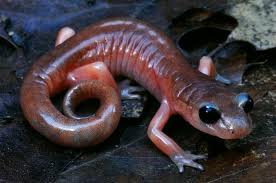
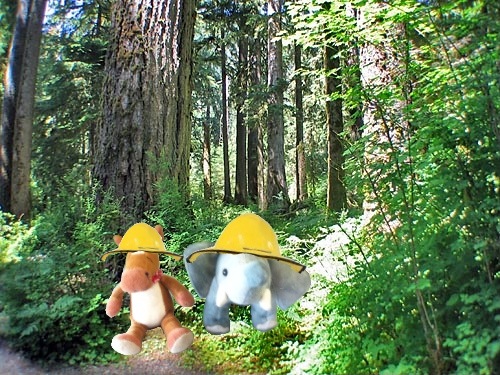
It’s Amphibian Tuesday and we’re going to meet a little salamander that lives just north of us. We’re going on a hike in the woods, so grab your backpack, walking stick and a hat and let’s head out on today’s adventure!

e e woods (2)

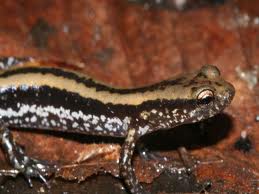
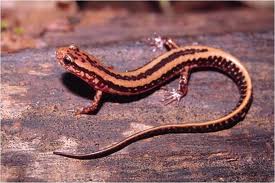
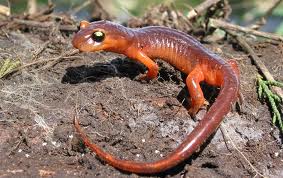
MEET THE THREE LINED SALAMANDER!

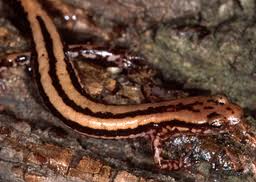
three lines salamander    Range/Habitat: Eastern United States/ woodland

    Diet: carnivore: insects, spiders, flies

    Length: 4-7”

    Conservation Status: common


Fun Facts:

  •          Three lined salamanders have long slender bodies.
  •          Three lined salamanders also have very long tails.
  •          They are nocturnal.
  •          Three lined salamanders have dark stripes down their backs and sides.
  •          They winter underground.

These little salamanders are adorable. We would love to spend a few days in the woods looking for amphibians of all kind. Did you know amphibians are a keystone species? They often help scientist determine the health of a habitat. If the amphibian population is healthy, then the habitat is probably pretty healthy too!

three lines salamander2   three lines salamander3

Categories: adventure, amphibians, Animals, Children, conservation, education, Environment, nature, science, wildlife | Tags: , , , , , , , , , | 1 Comment

SAVE THE FROGS DAY 2013!!

SAVE THE FROGS DAY 2013!!

We’re celebrating FROGS for Save the Frogs Day! We had a great time last week celebrating these fabulous amphibians for our own frog week! We’re sharing some great photos, fun facts, videos and an INTERVIEW WITH A FROG CONSERVATION SCIENTIST!

IMG_4536

  • Frogs are amphibians
  • They live on all continents except Antarctica.
  • The Goliath Frog is the larges species of frog in the world.
  • Wood frogs can “freeze” solid and survive the winter.
  • The Golden Dart Frog is the most toxic frog in the world.
  • Bullfrog tadpoles are toxic.
  • Frogs are cold blooded.
  • There are about 4,900 species of frogs in the world.
  • A group of frogs is called an army. A group of toads is called a knot.
  • Frogs do have ears! They are located right behind their eyes.
  • Frogs have been around for 200 million years.

frog   frog2


frog4

frog8  frog6


We met with the Amphibian Conservation Coordinator at Atlanta Botanical Gardens and talked frogs- read the interview here! We promise it is super cool!

We couldn’t celebrate Save the Frogs Day without some tips on how you can help:

  • Create a frog friendly backyard. Let your grass grow and reduce trash and chemicals in your yard. Also provide a water feature.
  • Learn about the frogs in your area.
  • Conserve water.
  • Recycle! Recycle! Recycle!
  • Check out organizations like SAVE THE FROGS!

Save the Frogs Day wouldn’t be complete without a little music from our favorite frog- Kermit!

It’s Not Easy Being Green and Frogs in the Glen!

kermit & frogs

Categories: adventure, amphibians, Animals, Children, conservation, education, Environment, frogs, nature, science, wildlife | Tags: , , , , , , , , , , | 1 Comment

Meet Mark, A Frog Conservationist!

 Meet Mark, A Frog Conservationist!

            We went to the Atlanta Botanical Gardens to meet with Mark Mandica, Amphibian Conservation Coordinator and learn about the gardens fantastic frog conservation program. We were in for a big treat as we had no idea how extensive this program is!

            Mark took us on a tour of behind the scenes and around the grounds to see all the fabulous frogs! So let’ take you on this hopping good adventure.

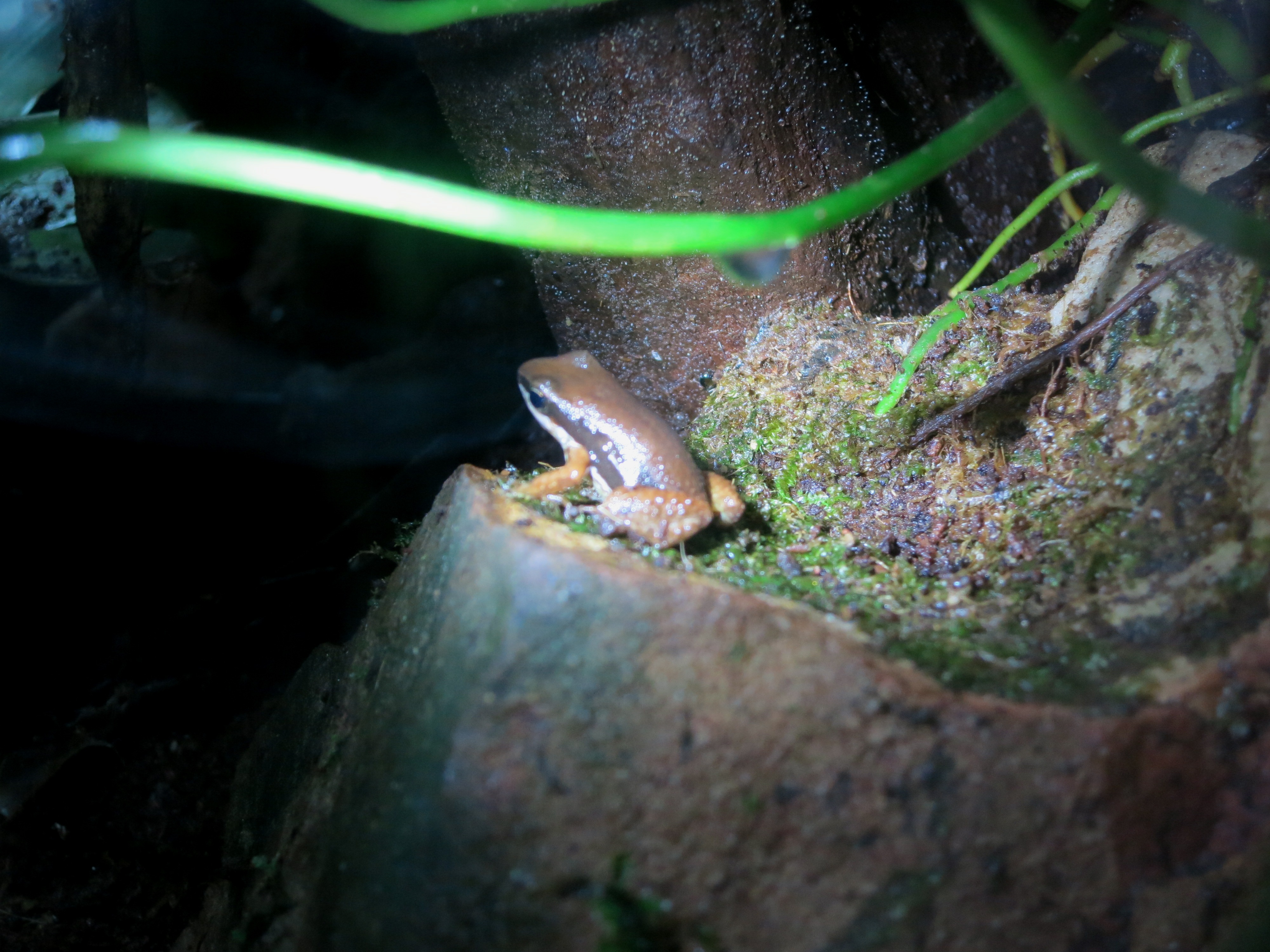
            We started out with the frog exhibits. These medium to large sized tanks have several species of frogs and numerous individuals. These exhibits were our first introduction to frogs’ amazing ability to camouflage and hide, even the brightly colored ones.

Rain Frog!
Rain Frog!

Rocket Frog!

Rocket Frog!

Can you spot the frog?

Can you spot the frog?

Luckily, Mark knew where to look and helped us locate them. The gardens have many species, including poison dart frogs, glass frogs and leafy frogs.  
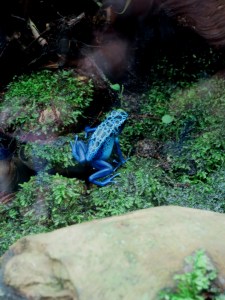
Dyeing Dart Frog
Dyeing Dart Frog

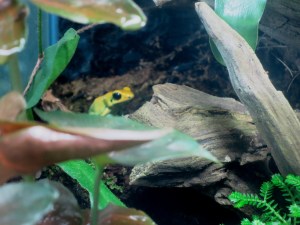
Golden Poison Frog- The World's Most Toxic Frog

Golden Poison Frog- The World’s Most Toxic Frog

There's no frog here.

There’s no frog here.

Splendid Leaf Frog

Splendid Leaf Frog

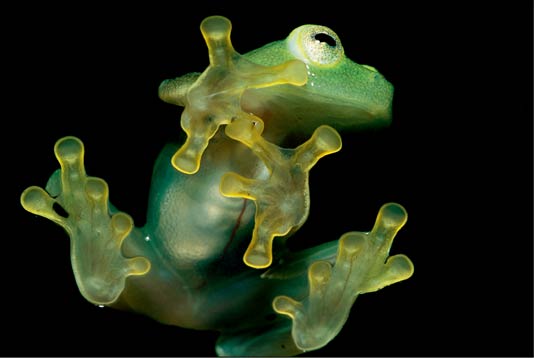
Glass frog on a leaf!

Glass frog on a leaf!


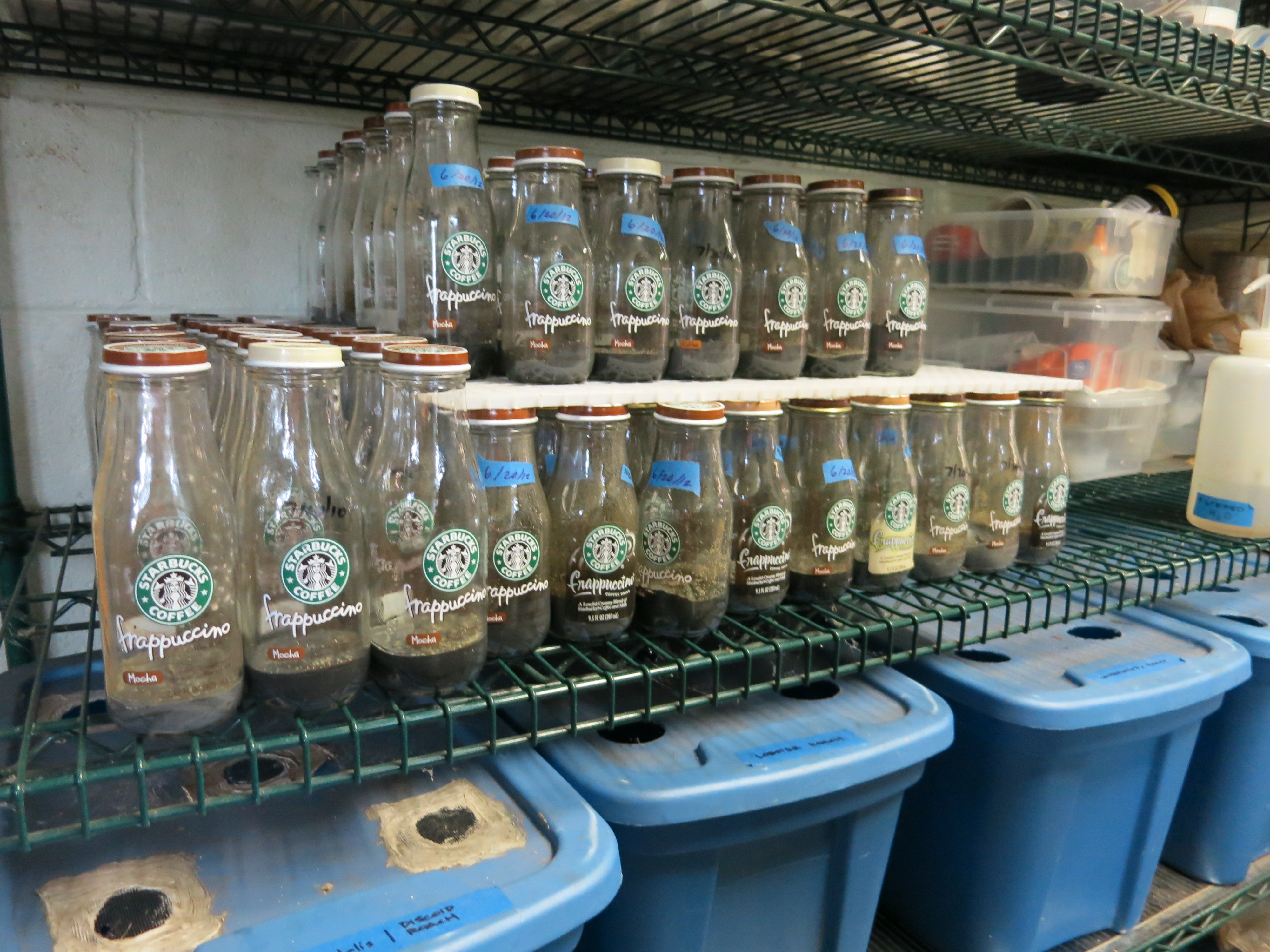
Next Mark took us behind the scenes where all the yummy froggy food is kept and where they breed frogs. All frogs are carnivores and insects are one of their favorite prey. The gardens keep worms, crickets and flies to feed the frogs. Yum!

Frog food!

Frog food!

Frog food!

Frog food!


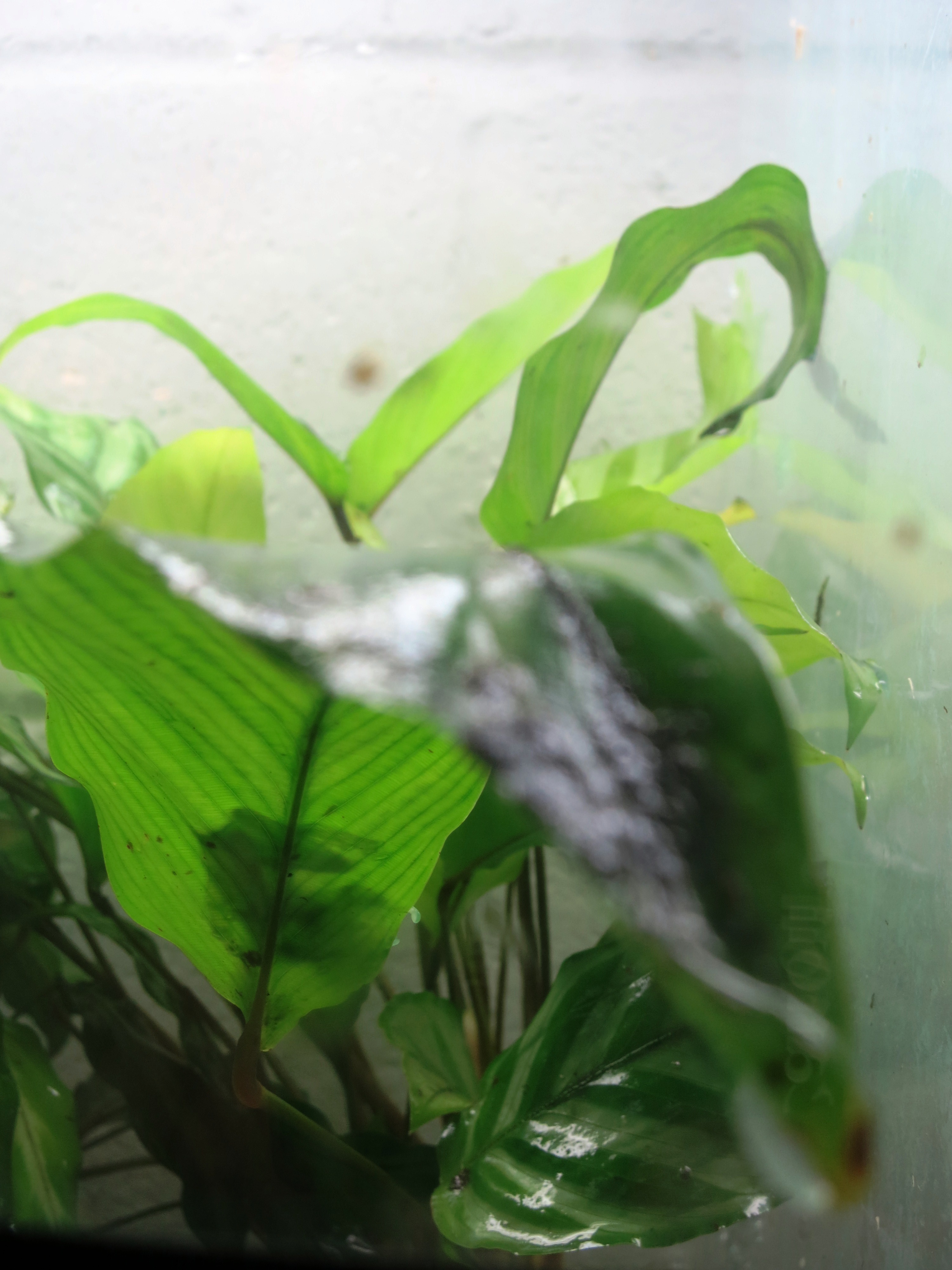
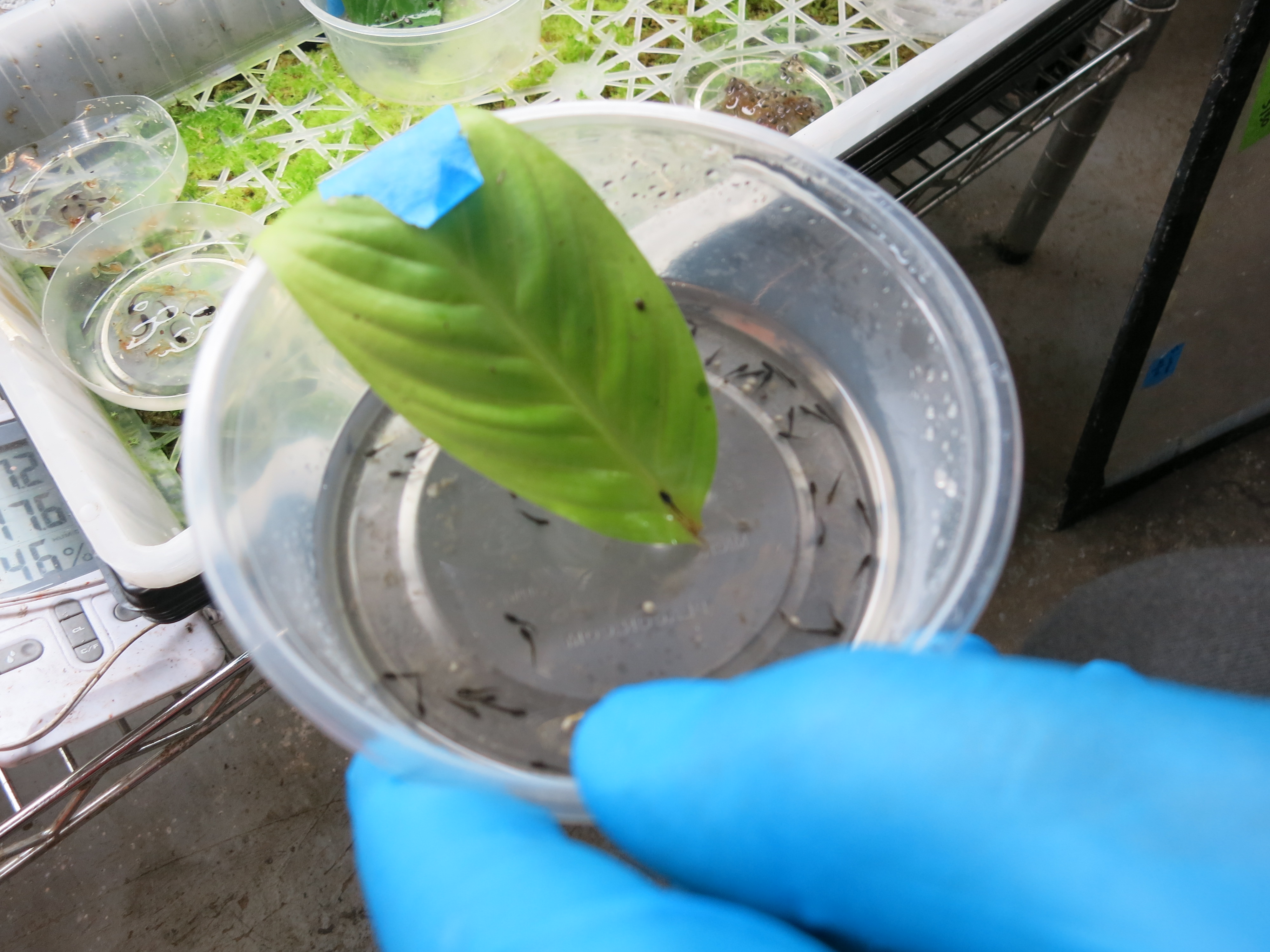
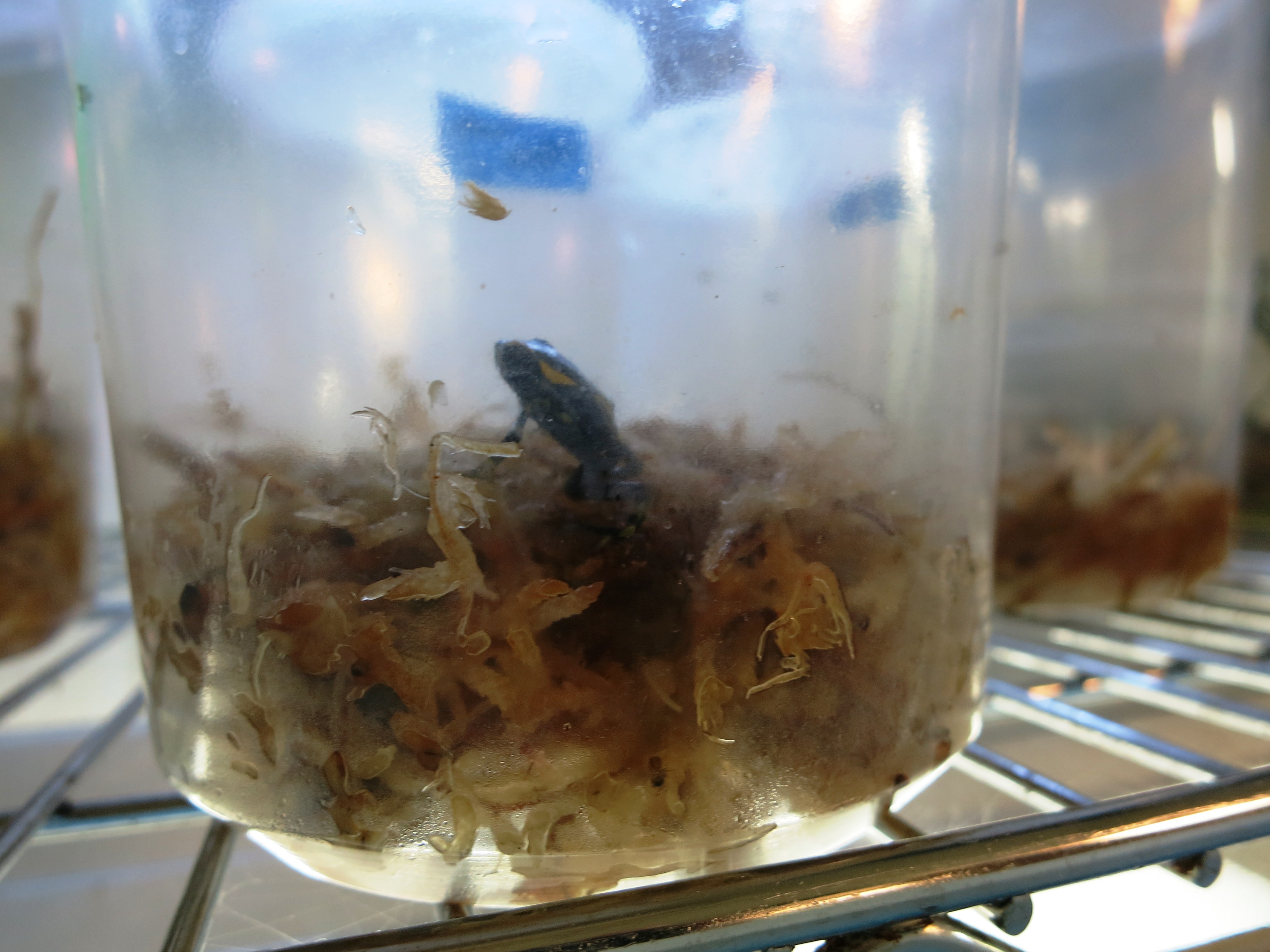
After we checked out the frog food, we entered the breeding room. Whew, it was humid in there! The garden raises frogs for conservation and to send to other facilities, likes zoos and aquariums.  There were frogs getting ready to breed, eggs, tadpoles and baby frogs. We could hardly contain our excitement! Did you know that there are some species of frogs that live as tadpoles for a year?

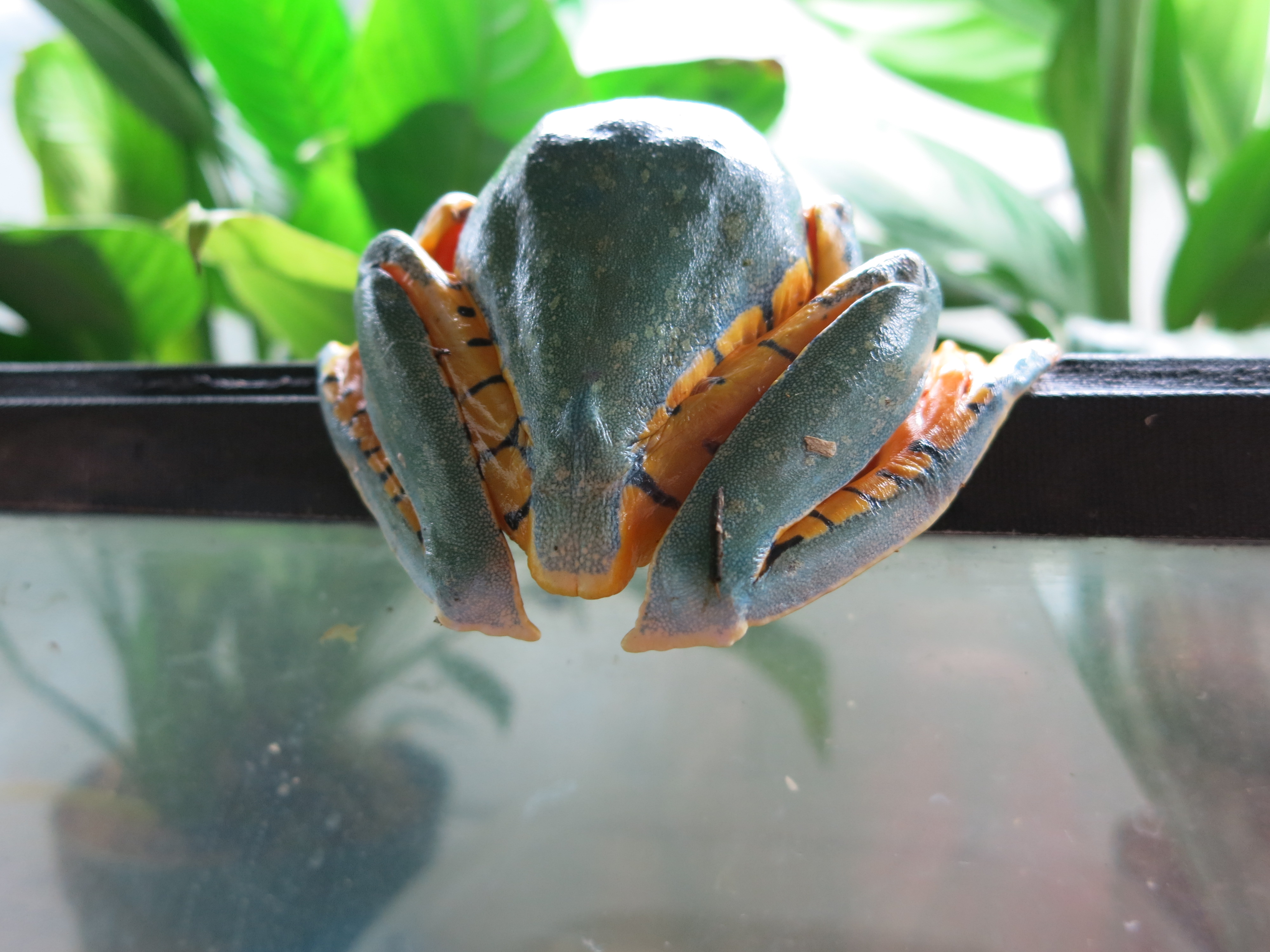
Splendid Leafy Frog bum!
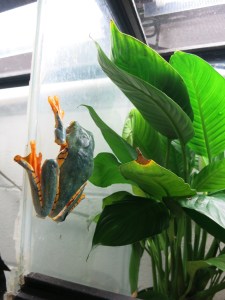
Splendid Leafy Frog bum!

Hanging on!
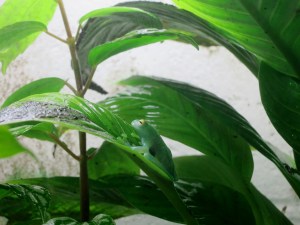
Hanging on!

Glass frog chilling on a leaf!

Glass frog chilling on a leaf!

Can you find the frog?

Can you find the frog?

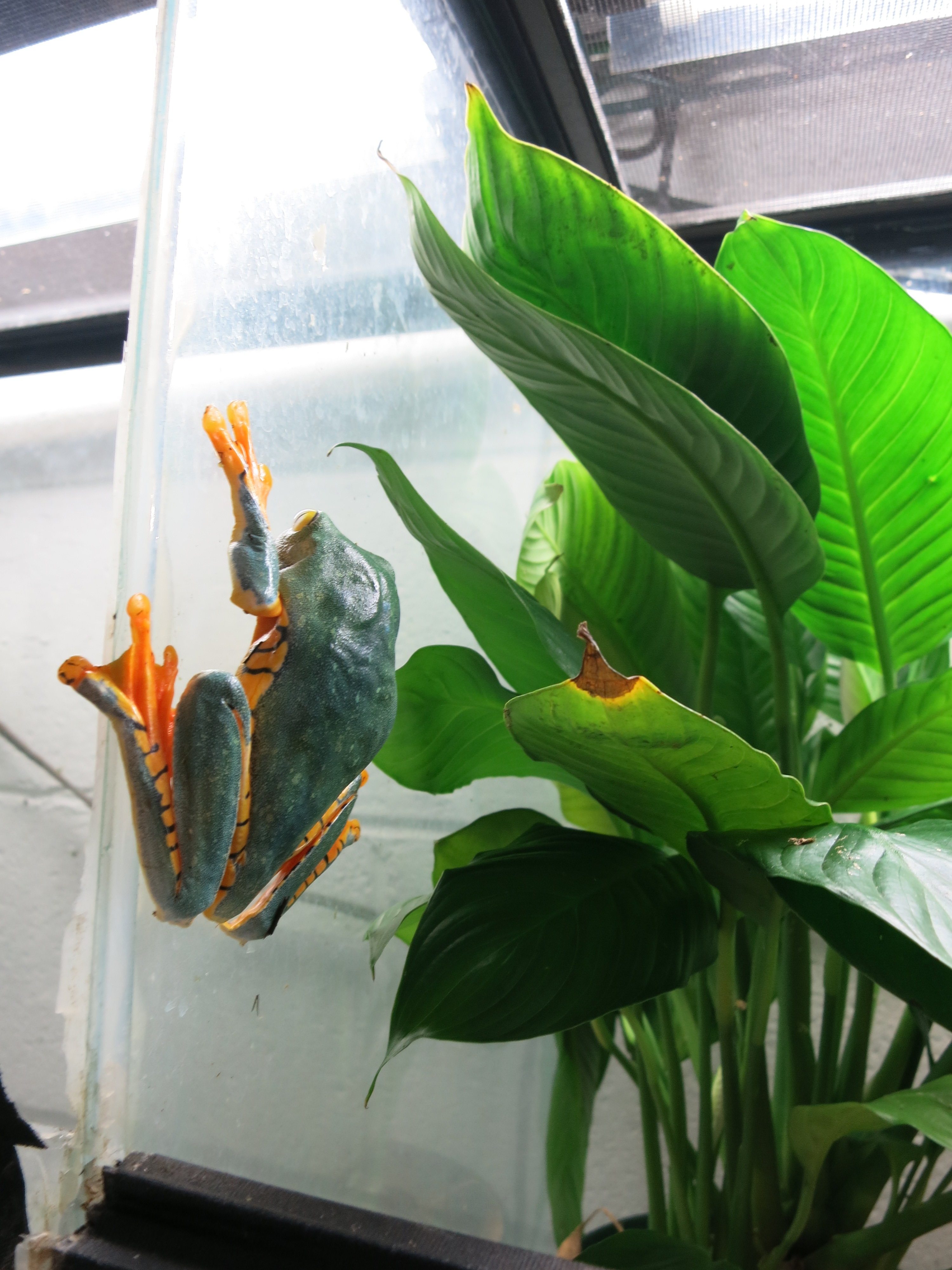
Frog hanging on the glass.
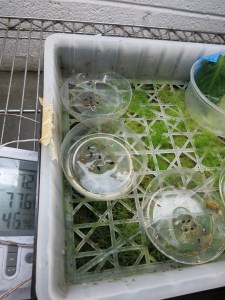
Frog hanging on the glass.

Frog eggs

Frog eggs

Teeny tiny tadpoles

Teeny tiny tadpoles

Poison dart frogs develop their coloration as tadpoles

Poison dart frogs develop their coloration as tadpoles

Baby frog

Baby frog


We then went in to the conservatory where we played spot the frog. The conservatory houses five species of frogs, all of whom you can hear but are hard to spot. Luckily Mark knew where to look. There are also turtles and birds in the conservatory.

Inside the conservatory!

Inside the conservatory!

Looking for frogs!

Looking for frogs!

Phantasmal Poison frog

Phantasmal Poison frog

Bullfrog

Bullfrog

            After our fantastic tour we sat down to ask Mark some questions.

Us: Tell us a bit about yourself.

Mark: I have been with Atlanta Botanical Gardens for three years and I am the Amphibian Conservation Coordinator. I worked at the University of Miami and in the Everglades with frogs, salamanders and turtles. Frogs that live in puddles are my specialty.

Us: Wow! We bet working in the Everglades was cool. When did you discover your love of frogs? Which species is your favorite?

Mark: I have always loved frogs. I took a frog class at the end of college and that changed my life. The Surinam Toad (Pipa Pipa) is my favorite.


Us: Cool! How many species do you have at Atlanta Botanical Gardens? Do you have any poison dart frogs?

Mark: We have around 300 individual frogs and several dozen species. We have 12 species of poison dart frogs, all from Central and South America. (The poison dart frogs are not fed the flies that make them toxic.)


Us: We had no idea you had so many frogs! Do you have any wild frogs on the grounds?

Mark: We have American Bullfrogs.


Us: Oh, we must go look for the bullfrogs! Glass frogs are one of favorites. What is the purpose of the translucent skin?

Mark: The translucent skin helps them camouflage. The translucent skin does help us take care of them; you can see when they have eaten.


Us: Hehe, see through skin does make it easy! Tell us about the frogPod.

Mark: It houses frogs that the Atlanta Botanical Gardens and Zoo Atlanta went to Panama to collect. The frogs were collected to save them from Chytrid Fungus. (The fungus is spreading through frog populations and decimating many species.)


Us: We have been to the Atlanta Botanical Gardens before, but had no idea that your frog conservation program was so extensive. Can you tell us a bit more about what you do?

Mark: People are constantly surprised when they find out we are involved in frog conservation. We offer education programs and classes for toddlers to college students. We even go out to schools and colleges. I designed a program for the Duke University summer program for teens.


Us: Wow! We might need to sign up for one of those frog classes! Do you travel to help take care of or introduce frogs?

Mark: We do help with native frogs up and down the east coast. We are also part of a head start program with Gopher Frogs. We breed them here then release the little frogs in South Georgia. Gopher frogs live with gopher tortoises in the burrows that the tortoises dig. We use a scope with a camera to find the frogs and tortoises. The burrows can be 20 feet deep. (You can learn more about this program here.)


Us: That is great work! Gopher tortoises are one of our favorites. We call them the apartment builders of the wild. We had no idea there were gopher frogs! How can people help frogs?

Mark: Letting your vegetation grow out and not using chemicals on your lawn is a good start. If you have wetlands or water, try to maintain them and keep them clean. You can add a water feature, but make sure you keep it chemical and fish free. (The fish will eat frogs-except bullfrogs.)


Us: Excellent! Thank you so much for sitting down with us and taking us on a wonderful tour! We were so excited to learn all about the frog conservation program! If you just love frogs you can learn more about the Atlanta Botanical Gardens amphibian conservation program on their website! If you’re in Atlanta make sure to check out this wonderful place!

We stopped to check out the tulips!
We stopped to check out the tulips!

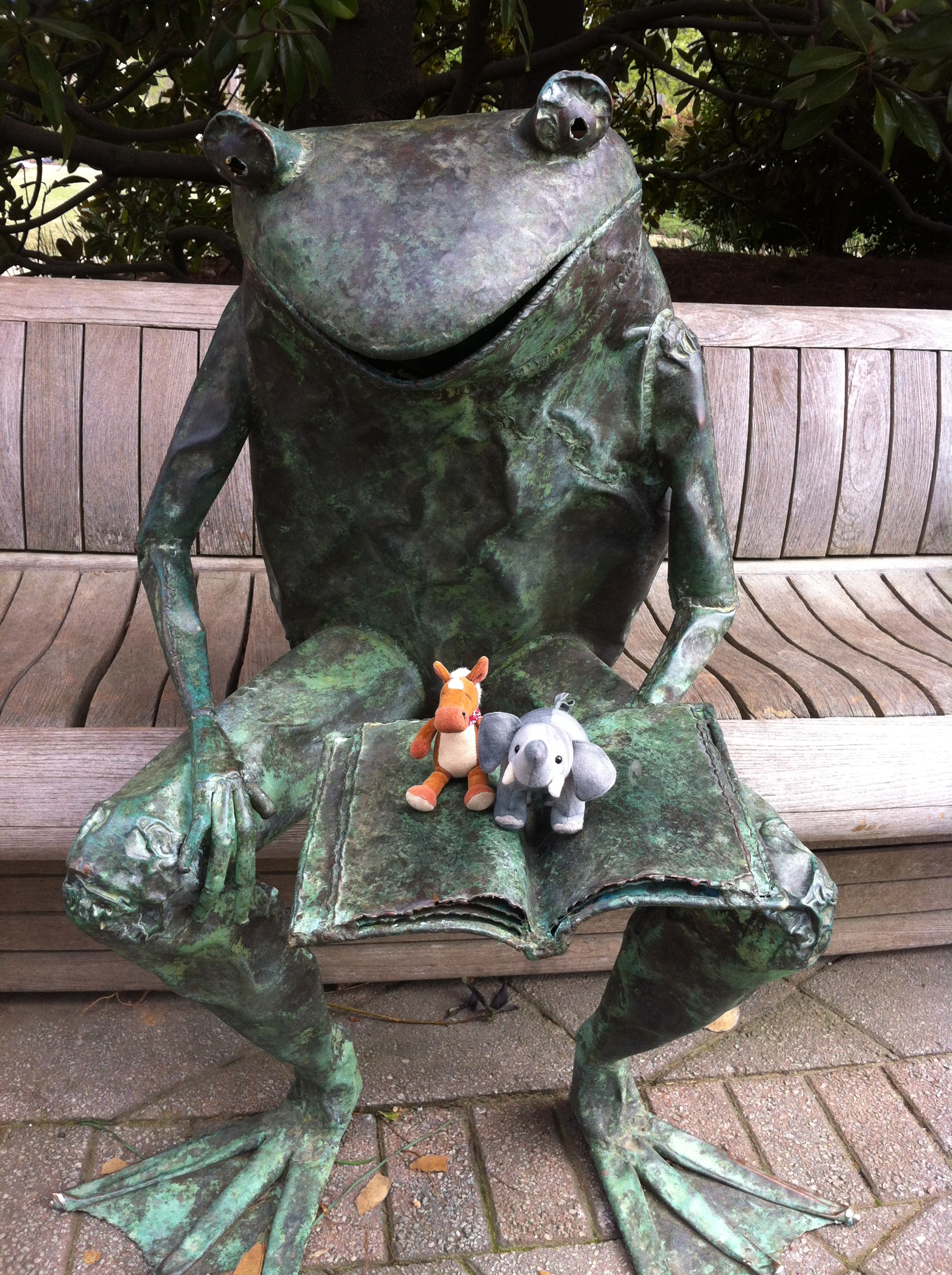
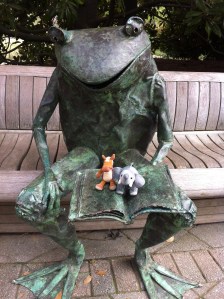
We stopped to read a book!

We stopped to read a book!

Categories: adventure, amphibians, Animals, Atlanta, Children, conservation, education, Environment, frogs, nature, science, wildlife | Tags: , , , , , , , , , , , | 5 Comments

FROG WEEK DAY # 5

FROG WEEK DAY #5

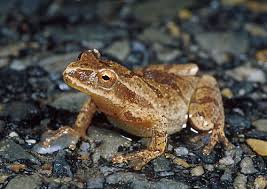
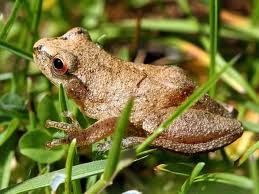
 It’s the second to last day of our Frog Week and we’re off to meet our last frog of the week! We’re going exploring in our very own neighborhood to see if we can meet this loud frog! The best part is they are one of the first signs of spring and we can all use a little spring right now!

e e woods

MEET THE SPRING PEEPER!

spring peeper   Range/Habitat: Southeast Canada-Eastern U.S./ woods, ponds,

   creeks

   Diet: Carnivore: insects

   Length: ¾- ½”

   Conservation Status: common


Fun Facts:

  •        Spring Peepers mating call ushers in the spring season.
  •       Spring Peepers are members of the chorus frogs.
  •      They have adhesive pads on their toes.
  •      Spring peepers are great climbers.
  •      They winter under leaves and logs.
  •      Spring peepers have an X-shaped pattern on their backs.

Jeepers-Creepers, where’d you get those Spring Peepers! Hehe- we couldn’t resist! We just love the sounds of spring; birds singing, bugs calling and of course frogs chirping! What’s your favorite sound of spring?

 spring peeper2  spring peeper3


Categories: adventure, amphibians, Animals, Children, conservation, education, Environment, frogs, nature, science, wildlife | Tags: , , , , , , , , , , | 2 Comments

FROG WEEK- GUESS THE FROG!!!

FROG WEEK- GUESS THE FROG!

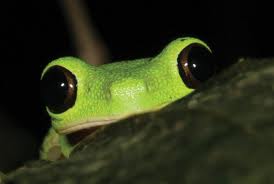
red eyed tree frog

  • I live in the rainforests of Central America.
  • I am nocturnal.
  • My eye color is thought to thwart predators.

WHO AM I?

Categories: adventure, amphibians, Animals, Children, conservation, education, Environment, frogs, nature, science, wildlife | Tags: , , , , , , , , , | 2 Comments

FROG WEEK DAY # 2

FROG WEEK DAY #2

Today we are off to the land down under to meet another frog. We’ll be getting out the climbing gear to find these frogs because they live in the trees! Are you ready to meet…
e & e rainforest

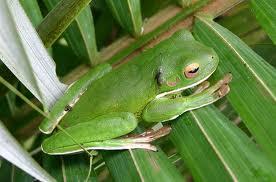
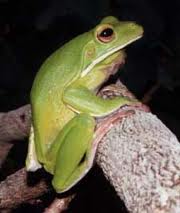
MEET THE GIANT TREE FROG!

giant tree frog   Range/Habitat: Australia- New Guinea/ rainforests-gardens

   Diet: Carnivore: insects

   Length: 4-5 ½”

  Conservation Status: common


Fun Facts:

  •        Giant tree frogs are arboreal.
  •      Giant tree frogs have a white stripe around their lip.
  •        They are one of the largest frogs in Australia.
  •         Giant tree frogs have large adhesive pads on their toes that help them climb.
  •         They have large eyes with horizontal pupils.

Tree frogs are so cool! We only have the little ones where we live! Australia always has all the cool stuff- marsupials, platypus and giant tree frogs!
giant tree frog2    giant tree frog3

Categories: adventure, amphibians, Children, conservation, education, Environment, frogs, nature, science, wildlife | Tags: , , , , , , , , , , | Leave a comment

FROG WEEK!!

FROG WEEK!

Save the Frogs Day is coming up in a few weeks and we wanted to start the celebration off with a week devoted to those fabulous amphibians. We’ll be featuring three frogs, a frog craft and a very cool interview with a frog conservation scientist! Today’s adventure takes us to the deserts of the Southwestern U.S. to meet one amazing burrowing frog! Grab your backpack and sunglasses and let’s go!
e e desert

MEET THE COUCH’S SPADEFROG!

spadefoot frog   Range/Habitat: Southwestern U.S- Northern Mexico/ desert-scrub

   Diet: Carnivore: insects

   Length: 2 ¼-3 ½”

   Conservation Status: common


Fun Facts:

  •   Couch’s Spadefrogs are yellowish-green in coloration.
  •    They have large, bulbous eyes.
  •    Couch’s spadefrogs have spade shaped ridges on their hind feet for digging.
  •    Couch’s spadefrogs dig deep burrows; up to 3 ft deep.
  •   They shed their skin to make water tight cocoons during the dry season.
  •      A couch’s spadefrog’s cocoon will break down during the rainy season.

Wow! These amazing frogs have so many cool adaptations. They dig deep burrows and they form their own cocoons! It must be exhausting to be a spadefrog!

 spadefoot frog2

Categories: adventure, Animals, Children, conservation, education, Environment, frogs, nature, science, wildlife | Tags: , , , , , , , , , , , | 2 Comments

AMPHIBIAN TUESDAY # 61

AMPHIBIAN TUESDAY # 61

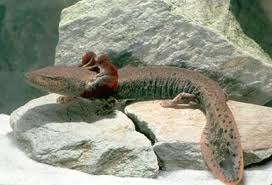
Road Trip! It’s that special Tuesday when meet an amphibian instead of a reptile! So we’re off to the Northeastern United States today to meet this super cool animal! Are you ready?

e e stream

MEET THE MUDPUPPY!

mudpuppy   Range/Habitat: South Canada-Eastern USA/ wetlands, rivers

   Diet: Carnivore: aquatic animals

   Length: 11 ½-19 ½”

   Conservation Status: common


Fun Facts:

  • Mudpuppies have small front legs.
  • They spend most of their lives in water.
  • Mudpuppies have red external gills.
  • They are mostly nocturnal.
  • Mudpuppies burrow under rocks and logs.
  • Female mudpuppies guard their eggs till they hatch.

Mudpuppies are such crazy looking animals with their funny looking gills. Amphibians are so amazing and they come in all sizes and shapes!

mudpuppy2    mudpuppy3

Categories: adventure, amphibians, Animals, Children, conservation, education, Environment, nature, wildlife | Tags: , , , , , , , , , | 1 Comment

AMPHIBIAN TUESDAY

AMPHIBIAN TUESDAY #57

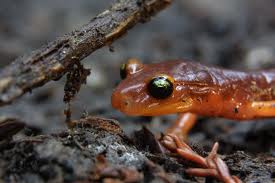
We’re switching things up a bit! We don’t have a day devoted to our amphibian friends, so we’ll be turning Reptilian Tuesday into Amphibian Tuesday every once in a while. Today’s adventure takes us to California to find one tiny and cute amphibian! So let’s put on our hiking boots and watch our step!

e e woods (2)

MEET THE ENSANTINA SALAMANDER!

ensantina salamander   Range/Habitat: Western U.S-Canada/ forests

   Diet: Carnivore: worms, ants, insects

   Length: 2 ¼-3 ¼”

   Conservation Status: common


Fun Facts:

  • Ensantina salamanders live under leaves and logs on the forest floor.
  • They have long legs.
  • Ensantina salamanders’ colors vary by their habitat.
  • They are nocturnal.
  • Ensantina salamanders lift their tails when threatened and emit a foul secretion.
  • Ensantina salamanders lay their eggs under leaves. Baby salamanders are born directly from the eggs.

Salamanders are so stinking cute! They live in all kinds of habitats! We especially think it’s cool that these little guys have a stinking defense mechanism!

ensantina salamander2ensantina salamander3

Categories: adventure, amphibians, Animals, Children, conservation, education, Environment, nature, science, wildlife | Tags: , , , , , , , , , | 4 Comments

SCARY SURPRISE THURSDAY!!

HALLOWEEN WEEK!
SCARY SURPRISE THURSDAY!

This Scary Surprise Thursday takes us Central America to meet an usually large amphibian! These big guys have a very yucky defensive system! Put on your wellies on and let’s in to the wetlands!

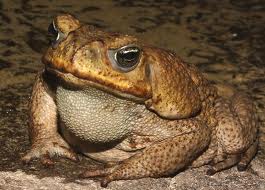
MEET THE MARINE TOAD!

   Range/Habitat: Central-South America/ wetlands, rivers, lakes

   Diet: Carnivore: ants, beetles, invertebrates

   Length: 4-6”

  Conservation Status: common

Fun Facts:

  • Marine toads are also known as cane toads.
  • Marine toads are world’s largest toads.
  • They have a tough warty skin.
  • Marine toads are nocturnal (active at night).
  • They are very hardy and can survive in many different habitats.
  • Marine toads have large glands that secret a very toxic poison.

Marine toads are big bad dudes! They will eat almost anything too! We do think it’s best if we just let them hang out by themselves, you know with their toxic skin and all!

Categories: adventure, amphibians, Animals, Children, conservation, education, Environment, nature, science, wildlife | Tags: , , , , , , , , , | Leave a comment

Blog at WordPress.com.