Posts Tagged With: animals

EARTH DAY 2012!

EARTH DAY 2012!

Today we’re celebrating the Earth, our home and without it we would be lost! Today is a day to celebrate our precious earth and all the resources it provides us, like air, water, food and shelter! We all need to work to protect those special resources! We’ve come up with some fun activities and ideas to help you celebrate!


  • Take a Hike! Get out and enjoy nature, bring a camera and watch for animals 🙂!
  • Visit your local zoo or aquarium and join in on their activities!
  • Play our Backyard Bingo Game!
  • Make a recycled craft like this crocodile, angelfish, or milk jug bird feeder!  
  • Start a garden in your backyard.
  • Recycle at home.
  • Switch out household cleaners for vinegar based ones!
  • Play one of our Earth Day Word Searches! One for kids and one for adults!
  • Go bird watching.
  • Draw your favorite animal!
  • Make Dirt! You need chocolate pudding, cool whip, and oreo cookies! Crush the cookies and stir in with the cool whip and pudding! Put in a cup and then top with more crushed cookies! Add gummy worms to your dirt!


Categories: Animals, Children, crafts, earth day, education, Environment, nature, science, wildlife | Tags: , , , , , , , , | 2 Comments

FEATHERY FRIDAY # 31

FEATHERY FRIDAY# 31

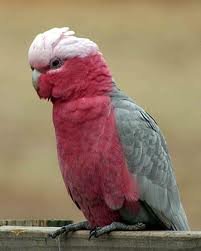
We’re going down under again to meet a very special member of the cockatoo family! These bright birds are a fun shade of pink and who doesn’t love pink? Are you ready to meet this beauty? Let’s go mate!

MEET THE GALAH!

   Range/Habitat: Australia/ desert-grasslands- parks

   Diet: Omnivore: seeds, grasses, fruits, nuts, insects

   Length/Weight: 14”/ 300-400 grams

  Conservation Status: Common


Fun Facts:

  • Galahs are the most widespread and numerous member of the cockatoo family.
  • They have a short pink crest with a pink front and gray feathers on the wings, back and rear end.
  • Galahs are intelligent.
  • They are very noisy and gregarious.
  • Galahs form loose groups or flocks.
  • Galahs eat in those loose flocks and one bird watches for predators.


Galahs are so pretty and funny! They are very noisy too! Check out their call! Their bright pink feathers are just fantastic! These birds do make good pets, but just like other birds, they require lots of attention and maintenance, so do your homework before you decided to get one J!


Categories: Animals, birds, Children, education, Environment, nature, science, wildlife | Tags: , , , , , , , | 2 Comments

SUPER SURPRISE THURSDAY # 31

SUPER SURPRISE

THURSDAY# 31

Who’s excited to meet today’s animal? You know you are! We’re heading to the waters of South America to meet a rather large reptile! We’ll have to find a good spot to watch from a distance though, because these guys have big choppers!

MEET THE SPECTACLED CAIMAN!

   Range/Habitat: Central-South America/ fresh water- wetlands

   Diet: Carnivore: fish, birds, amphibians

   Length: 6 ½-8 ft

   Conservation Status: Common


Fun Facts:

  • Spectacled caiman rarely leave the water.
  • Spectacled caiman are olive-green in color.
  • They have a bony ridge in front of their eyes.
  • Spectacled caiman are nocturnal (active at night).
  • Male spectacled caiman are very territorial.
  • They have no natural predators.
  • Female spectacled caiman build nest to lay their eggs. They are very protective of the eggs and the young.


These relatives of the crocodile and alligator are pretty cool. These reptiles have a mouth full of teeth and they aren’t afraid to show them, even with their mouths closed. J


Categories: Animals, Children, education, Environment, nature, reptiles, science, wildlife | Tags: , , , , , , , | 2 Comments

WATERY WEDNESDAY # 31

WATERY WEDNESDAY# 31

It’s Wednesday and it’s time to meet an animal who lives in a watery environment! We’re off to find a little fish with a fun name that spends part of its life in fresh water and part of its life in the ocean! Are you ready to jump in?

MEET THE COMMON JOLLYTAIL!

   Range/Habitat: South Australia-New Zealand-South America/ wetlands,

estuaries, ocean

   Diet: Carnivore: small fish

   Length: up to 8”

   Conservation Status: common


Fun Facts:

  • Common jollytails are also known as common galaxias or whitebaits.
  • They are clear and olive gray in color.
  • Common jollytails have small cylindrical shaped bodies.
  • They lay their eggs in freshwater habitats.
  • When the common jollytail hatches they head out to the ocean.
  • After about 7 months the common jollytail then heads back to a freshwater habitat, where they spend the rest of their lives.

These little fish sure are cute! We think it’s so cool they are able to live in both freshwater and salt water environments. Do you know any other fish who do that?


Categories: Animals, Children, education, Environment, fish, nature, science, wildlife | Tags: , , , , , , , | 4 Comments

REPTILIAN TUESDAY # 31

REPTILIAN TUESDAY # 31

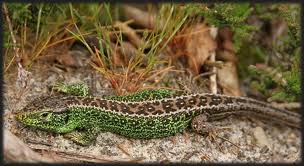
We just love Tuesdays because it is the day of the week to spotlight a reptilian friend and we know our reptile friends don’t always get love! We’re going to Europe today to find this small lizard who nests in the sand dunes! Are you ready? Let’s do this!

MEET THE SAND LIZARD!

   Range/Habitat: Europe-Central Asia/ grasslands, sand dunes

   Diet: Carnivore: insects, spiders

   Length: 7-9”

   Conservation Status: common


Fun Facts:

  • Sand lizards are colorful. Their color varies by habitat and region.
  • Male sand lizards turn bright green during mating season.
  • They have short legs.
  • Like other small lizards, they will drop their tail if caught by a predator.
  • Sand lizards hibernate in the winter.
  • Sand lizards are the only egg laying lizard in the United Kingdom.

These cute little lizards lay their eggs in sand soil, hence the name! We think it’s cool that these lizards look different depending on where they live! It’s all about camouflage baby!


Categories: Animals, Children, education, Environment, nature, reptiles, science, wildlife | Tags: , , , , , , , | 2 Comments

MAMMAL MONDAY # 31

MAMMAL MONDAY # 31

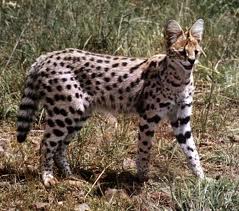
Who loves cats? We love cats! We’re heading to the grasslands of Africa to meet today’s mammal! We’ll need our night vision goggles, because these cats are active at night! Don’t worry, these cats aren’t big enough to pounce on us!

MEET THE SERVAL!

   Range/Habitat: Africa/ grasslands, wetlands

   Diet: Carnivore: rats, rodents, frogs & birds

   Length/Weight: 23-39”/ 20-40 lbs

   Conservation Status: common

Fun Facts:

  • Servals are covered in spots.
  • Servals are solitary and nocturnal (active at night).
  • They have very long legs.
  • Servals also have very large ears and excellent hearing.
  • Servals can leap up to 13 ft horizontally; we bet they’d win the long jump competition. They can also jump about 3 ½ ft high.
  • They are considered to be very intelligent.
  • Servals can purr.

Servals are beautiful and graceful predators. They are considered to be very beneficial to local farmers because they are excellent are rodent control. Servals are now part of the pet trade. These cats can be large, wild and destructive and do not make good pets, because they aren’t domestic cats. Remember, to do your homework before getting any pet :)!

Categories: Animals, Children, education, Environment, mammals, nature, science, wildlife | Tags: , , , , , , , , | 4 Comments

FEATHERY FRIDAY # 30

FEATHERY FRIDAY# 30

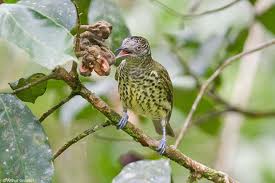
Woohoo, we’ve made it to Friday and you know what that means! It’s time to meet another feathery friend! We met a bird who lives by the shore yesterday and today we’re heading to the rainforests of South America! We’re going way up in the canopy again, so pull on your zipline gear and let’s go! Wheeeeeeeee…

MEET THE SHARPBILL!

   Range/Habitat: South America/ rainforest

   Diet: Omnivore: insects, fruits, invertebrates

   Length: 6 ½”

   Conservation Status: Common


Fun Facts:

  • Sharpbills have long sharp pointy beaks.
  • Sharpbills are rarely seen.
  • They are a small stocky bird.
  • Sharpbills have bright orange-red eyes.
  • They have a scaly face.
  • They are known to travel in flocks of other birds.


We think Sharpbills are just so beautiful. There is not much known about these little shy birds! It’s hard for scientist to learn about animals that live in the canopy of the rainforest, because it is not easy to access. If you could spend your life way high up in the trees would you?


Categories: Animals, birds, Children, education, Environment, nature, science, wildlife | Tags: , , , , , , , | 1 Comment

SUPER SURPRISE THURSDAY # 30

SUPER SURPRISE

THURSDAY# 30

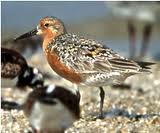
We’re heading to the shore to meet today’s Super Surprise animal! Any guess on if it’s a bird, mammal or reptile? Well it’s small and has feathers and looks for bugs and snails in the sand! Did that give you any guesses? Let’s grab our beach blankets and head down to the water!

MEET THE RED KNOT!

   Range/Habitat: Worldwide-except Antarctica/ ocean coastlines

   Diet: Carnivore: eggs, snails, spiders, crustaceans

   Length/Weight: 9-10”/ 3-8 oz

   Conservation Status: Common


Fun Facts:

  • Red knots are a member of the sandpiper family.
  • They probe in the mud and shallows for prey.
  • Red knots have gray plumage. Their face and underbelly turn red during breading season.
  • Red knots have one of the longest migrations of any bird, up to 9,300 miles. They travel from the arctic to South America.
  • Red knots in America spend part of their migration in the Delaware Bay to eat horseshoe crab eggs.


We just can’t think of a better way to spend an afternoon than to sit on the beach and watch the shore birds run around! Watch out for those seagulls though, they can be pushy! Do you have a favorite shore bird?


Categories: Animals, birds, Children, education, Environment, nature, science, wildlife | Tags: , , , , , , , | 2 Comments

WATERY WEDNESDAY # 30

WATERY WEDNESDAY# 30

It’s time to pull on your wetsuit and put on your goggles and head into the ocean to meet today’s Watery Wednesday animal! Today’s fish has a skeleton made of cartilage and a mouth full of teeth! Maybe we’ll skip the wetsuits and watch these fish from our submarine :)!

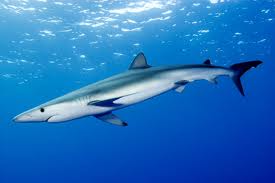
MEET THE BLUE SHARK!

   Range/Habitat: tropical-temperate waters/worldwide

   Diet: Carnivore: squid, fish

   Length: up to 12 ft

   Conservation Status: Near threatened


Fun Facts:

  • Blue sharks are called the “wolves of the sea”.
  • Blue sharks are a beautiful cobalt blue color.
  • They have long pectoral fins.
  • Blue sharks are very fast swimmers and feeders.
  • They have sharp triangular teeth.
  • They migrate seasonally from cooler to warmer waters.
  • Blue sharks have large litters of live pups, up to 100.


Blue sharks are known to be aggressive towards people, so they are best left alone. We think they are such beautiful and graceful predators. Like other sharks, blue sharks are threatened. We need to make sure that our oceans have these apex predators swimming around for a long time!

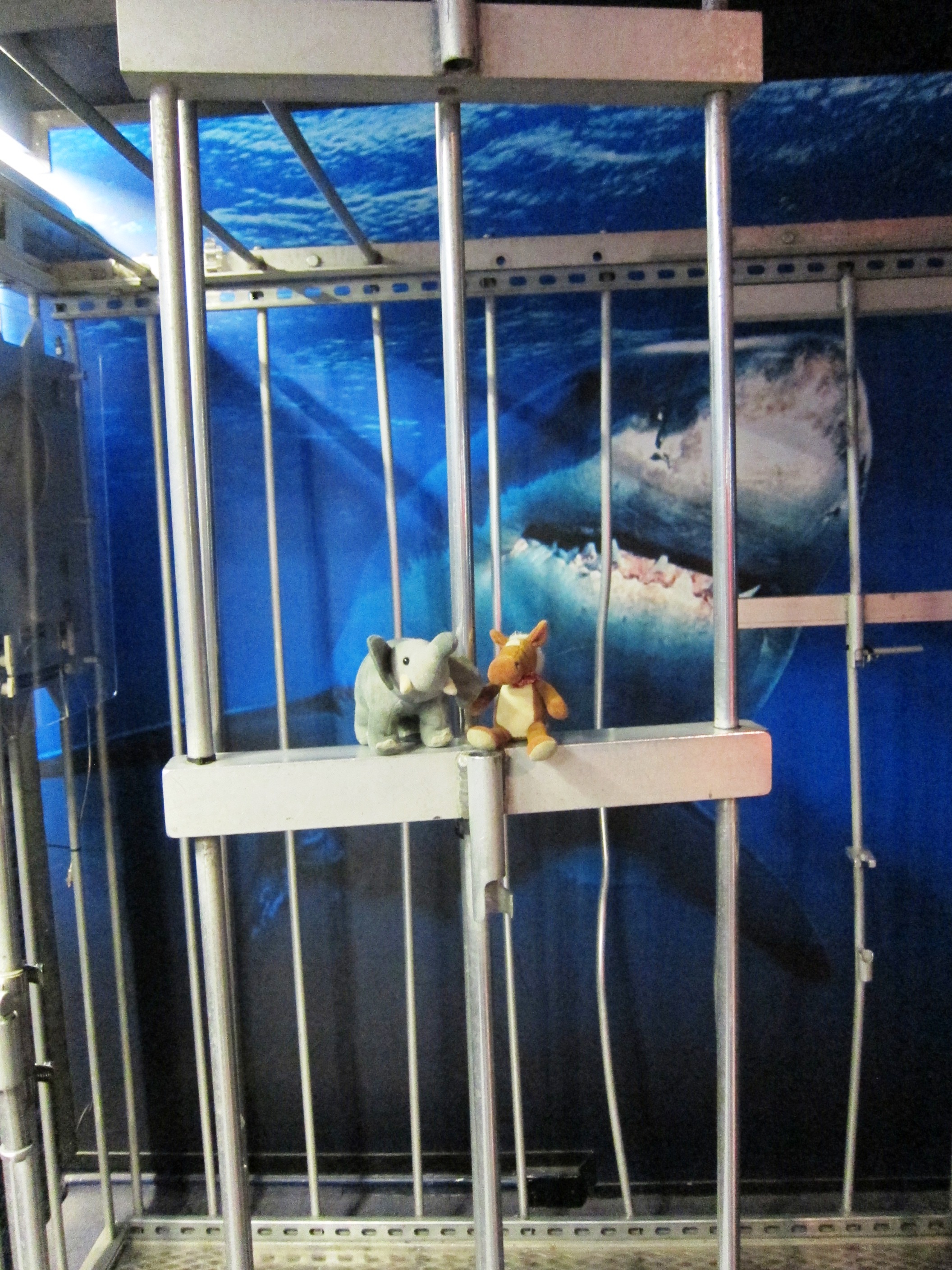
We found a nice shark cage to watch these wonderful creatures! Who's joining us?


Categories: Animals, Children, education, Environment, fish, nature, science, Watery Wednesday | Tags: , , , , , , , | 2 Comments

REPTILIAN TUESDAY # 30

REPTILIAN TUESDAY # 30

It’s that time of the week when we meet a reptile and that can only mean it is Reptilian Tuesday! We’re going to the land down under today mates to meet a very beautiful snake! Do you have your Australian accent ready? Let’s go!

MEET THE CARPET PYTHON!

   Range/Habitat: South New Guinea-Australia/ rainforest-scrub-desert

   Diet: Carnivore: lizards, birds, small mammals

   Length: 6 ½ ft

   Conservation Status: common


Fun Facts:

  • Carpet Python have bold patterns of gray, reddish brown and black.
  • Carpet pythons live in all kinds of habits.
  • They have many different color variations.
  • They are active day and night.
  • Carpet pythons are non-venomous constrictors.
  • They are semi-arboreal (spend part of their lives in trees).

Well mates, don’t you think these pythons are gorgeous! We think nature has some of the patterns out there, way better than any paisley we’ve seen! And the best patterns look best when worn by the animal that was born with it!

*If you like this post tell us :)! We love the feedback & if you know someone with kids or who loves animals please share it!

Categories: Animals, Children, education, Environment, nature, reptiles, science, wildlife | Tags: , , , , , , , | 2 Comments

Blog at WordPress.com.