Posts Tagged With: animals

It’s a Ray! It’s a Bat Ray!

It’s a Ray! It’s a Bat Ray!

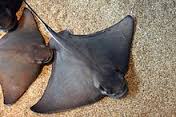
We wrapped up our last day on the west coast diving and we found this amazing ray. Rays are such graceful and neat fish and we were super excited to meet the bat ray!
img_1692

bat-ray


Date: 1/26

Location: Kelp forest

Bat Ray Fun Facts:

  • Bat rays belong in the eagle ray family.
  • They use their pectoral fins to swim and to stir-up sand and reveal prey.
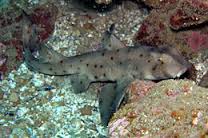
  • When these rays “dig” out holes from the sand, they leave holes that other fish, like the horn shark use to hide in.
  • Bat rays have strong crushing plates that they use to crush hard shells.
img_1694

  • Bat rays give live birth. The pups have the venomous spine, but it is soft and covered in a sheath to protect the mother.
  • Bat rays have spiracles that move water over their gills when they are resting on the ocean floor.
  • Bat rays are mostly solitary.

bat-ray2

Wow! We so enjoyed watching the rays swim so gracefully in the waters just off the coast! We couldn’t have picked a better last day! We did miss many animals though; that just means we’ll have to come back! For now, we’ll head back to our HQs at the University and get our things back for the Serengeti! That’s right, we’re going to Africa and back to Ellie’s home! We are so excited!!!
Categories: adventure, Animals, Children, conservation, Environment, fish, nature, science, Today's Post, Uncategorized | Tags: , , , , , , , , , , | 1 Comment

Walking a Shark

Walking a Shark!
We are enjoying our last few days here in the kelp forest. After early morning smoothies (at 4am) we boarded the SS Ellie and Edmond and headed out for one last dive. We were hoping to find a little shark who is super neat!

img_1691

horn-shark3


Date: 1/25

Location: Kelp forest

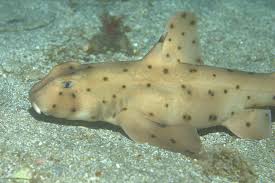
Horn Shark Fun Facts:

  • Horn sharks have blunt snouts.
  • They have a sharp spine on each dorsal fin that helps protect them from predators.
  • Horn sharks are nocturnal and solitary.

img_1693

  • Horn sharks stay in a small home territory.
  • Female horn sharks lay cone shape eggs they wedge in between rocks.
  • Young sharks live in the kelp forests in rock crevices or holes made by bat rays.
  • They use their strong jaws to suck in prey. They then crush the outer shells and eat the meat inside.

horn-shark2

horn-shark

We had such a great time on our dive. Luckily we spotted another elasmobranch on our trip and we’ll tell you more about them tomorrow!


Categories: adventure, Animals, Children, conservation, education, Environment, fish, nature, oceans, science, Today's Post, wildlife | Tags: , , , , , , , | 1 Comment

Hello Birdie!

Hello Birdie!

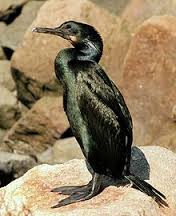
After spending the day on the boat whale watching, we decided to chill on the shore and have a picnic while bird watching. We found a group of black birds called pelagic cormorants who were quiet entertaining!


img_1673

comorants


Date:1/23

Location: coast near the kelp forests

Pelagic Cormorant Fun Facts:

  • Male and females look the same.
  • They are not very efficient flyers, due to short wings.
  • Those short wings help with diving for prey.
  • Pelagic cormorants are also clumsy walkers on land.
  • Unlike other water birds, cormorants do not have waterproof feathers. They must dry and preen them on shore.
  • They do not nest in large colonies, but in small groups.

img_1674

  • Both male and females help incubate the eggs and raise the chicks.

comorants2

comorants3


We had a lovely afternoon watching the cormorants and the other shore birds. Pelicans are still our favorites with their big beaks. Having a healthy population of shore birds is often an indicator for healthy oceans. But like marine mammals, our shore bird friends suffer from ingesting plastic! So keep up the recycling and throw away that trash!


Categories: Animals, birds, Children, conservation, education, nature, science, Today's Post, wildlife | Tags: , , , , , , , | 1 Comment

We’re Having a Whale of a Time

We’re Having a Whale of a Time

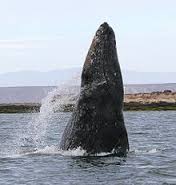
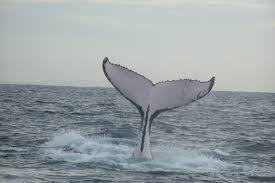
We’re entering our last week here at the Kelp Forest. We sure have had a blast. Today we boarded the SS Ellie and and Edmond and went whale watching. We have met humpbacks off the coast of California, but we have never spotted the gray whale. So we headed out to find these giants of the deep.

img_1668

grey-whale3


Date: 1/23

Location: Off the California coast

Gray Whale Fun Facts:

  • Gray whales are baleen whales. They have plates of fine hair to filter out the tiny food they eat.
  • Their baleen is a cream color, unlike other baleen whales with black colored baleen.
  • Most gray whale lay on their right side to scoop sediment from the ocean floor.
  • Gray whales have two v-shaped blowholes on top of their head.
  • Gray whales have no dorsal fin, instead sport a bumpy dorsal ridge.

img_1672

  • They are often covered in barnacles.
  • The Northern pacific population of grey whales is the largest population in the world.

grey-whale2

grey-whale


We had such a fabulous time watching for these migrating giants. We love whales. Gray whales were almost hunted to extinction, but with protections put in place their populations grew and the Pacific populations are now stable.

Categories: adventure, Animals, Children, conservation, education, endangered species, nature, oceans, science, Today's Post, wildlife | Tags: , , , , , , , | 1 Comment

It’s An Orange Fish

It’s An Orange Fish

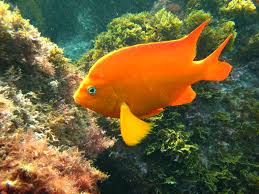
On our first dive yesterday, one of the most striking fish we saw was the Garibaldi fish. These orange fish get their name from a famous Italian politician who often work bright orange/red. Mother nature gave this fish their color and thank goodness it did!

garibaldi3

img_15751


Date: 1/19

Location: Kelp forest

Garibaldi fish fun facts:

  • Garibaldi are members of the damselfish family.
  • They are the largest member of the damselfish family.
  • Garibaldi are very territorial.
  • Males will aggressively defend eggs while they are incubating. They are even known to bite divers who get to close.
  • When they charge, they make a grunting noise as a warning.

img_15761

  • Garibaldi are the state marine fish of California.
  • Females choose their mates by how much they like the nest a male has. Females can check out over a dozen nests before choosing the right one.
  • They often choose a nest that has other females’ eggs in it. This means the male defends the nest well.

garibaldi2

garibaldi

It’s amazing how nature works. Who knew that female Garibaldi were so picky. But who can blame them, when there are many predators in the sea who find your eggs to be so tasty.

Categories: adventure, Animals, Children, conservation, education, Environment, nature, oceans, science, Today's Post, wildlife | Tags: , , , , , , , , , | 1 Comment

Unicorns of the Sea!

Unicorns of the Sea!

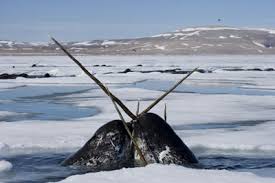
We couldn’t resist to make one last stop in our trip to the Arctic Circle to see some narwhals! They are one of our favorites- we even have two narwhals living at HQs! We had a great time on the SS Ellie and Edmond boat watching these unicorns of the sea!

narwhalimg_0893


ellie_edmund_professors-bear


Date: 12/20

Location: arctic circle

  • The Narwhal is often called the unicorn of the sea.
  • They have the most northerly range of any mammal on the planet.
  • Narwhals have a modified upper incisor tooth that grows up to 9ft long.
  • This tooth looks like a horn. It grows through the upper mouth and is seen mostly in male Narwhals, but females can have small tusks.  Scientists aren’t completely sure what the purpose of the tusk is, but think it might be for attracting females.
  • The long tusk is made of ivory, just like an elephants tusks!

img_08941

  • Narwhals have a thick layer of blubber, like other arctic animals that help keep them warm in the cold water.
  • Narwhals swim in groups called pods. Pods can include as many as 1000 individuals.
  • Narwhals are very communicative and use a wide range sounds, including clicks and whistles.
  • They suck food through their powerful lips and tongue.

narwhalnarwhal2


Narwhals are amazing animals! They survive in very cold waters and grow this awesome long tusk that makes them look unique!  If you could pick a crazy adaptation like tusks what would it be?


Categories: adventure, Animals, Children, conservation, education, Environment, mammals, nature, science, Today's Post, wildlife | Tags: , , , , , , , , , , , | Leave a comment

Foxy

Foxy

We’re meeting our last few animals this week before heading home to HQs at the University for the holidays. We wrapped up in our cold weather gear to head out and find the Arctic Fox. These amazing little mammals survive in some of the worst conditions. It’s amazing!

arctic-fox3img_0844


ellie_edmund_professors-bear


Date: 12/19

Location: Arctic circle

  • Arctic fox have white coats of fur in the winter to help them blend in with snow. In the summer, their coats turn to brown.
  • Arctic fox’s tails are large and bushy. They help them with balance and they help keep them warm on the coldest days of winter.

img_0845

  • Arctic fox don’t hibernate- despite living in such cold conditions.
  • Arctic fox will gain up to 50% of their body weight in the fall to prepare for winter.
  • They live in dens with complex tunnels that are not deep in the ground.
  • Arctic fox are the only native mammal in Iceland.
  • The arctic fox’s range was much larger during the ice age.

arctic-fox2arctic-fox


We had a great time watching a few fox around the tundra. These gorgeous little beauties are cunning hunters and scavengers. We are glad we don’t live where they do for sure! It is cold!


Categories: adventure, Animals, Children, conservation, education, Environment, nature, science, Today's Post, wildlife | Tags: , , , , , , , , , | Leave a comment

Arctic Shark

Arctic Shark

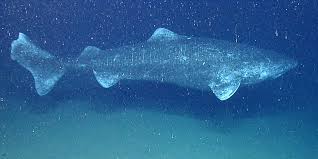
We boarded the E&E submarine to meet our last animal this week- the Greenland shark. We spotted one of these elusive and majestic in the cold waters of the north Atlantic ocean. It was a big thrill!

greenland-sharkimg_0735


ellie_edmund_professors-seahorse(1)


Date: 12/15

Location: North Atlantic

  • Greenland sharks are members of the sleeper shark family.
  • Females are larger than males.
  • Greenland sharks’ upper teeth lack the serration that most shark teeth have. It is the lower teeth that do most of the work.
  • Not much was known about these sharks before the 1930s.

img_0737

  • Greenland sharks only grow about 1 cm a year.
  • These sharks are very slow swimmers and have slow metabolisms. These adaptations help them survive in extremely low temperatures.
  • Greenland sharks will migrate to warmer waters in winter, when they do so they will do to deeper depths.
  • They are the only true arctic dwelling shark.
  • Most Greenland sharks have parasitic copepods attached to their eyes that render them blind.
  • Their flesh is extremely toxic.

We have a great time in the E&E sub on the search for these amazing creatures. Most other sharks could not survive in the temps that Greenland sharks do. Nature continually amazes us; just when you think nothing could live there in that harsh environment- we are proved wrong! Neat!

Categories: adventure, Animals, Children, conservation, education, Environment, nature, science, Today's Post, wildlife | Tags: , , , , , , , , , , | Leave a comment

Meeting the Caribou!

Meeting the Caribou!

reindeer3img_0734


ellie_edmund_professors-bear


Date: 12/14

Location: Arctic circle

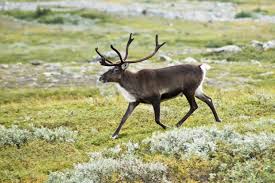
  • Reindeer are also called caribou.
  • They vary in color and size depending on where they live. Reindeer that live closest to the arctic are white in color.
  • Both female and male reindeer have antlers. Males lose their antlers in the winter.
  • Reindeer antlers are covered in a layer of fur called velvet.
  • Their noses are specialized to warm cold air before it enters their lungs.

img_0736

  • Reindeer have a four chambered stomach!
  • One of their favorite foods is called reindeer moss.
  • Some reindeer populations migrate. They can migrate up to 3,000 miles in one year! Whew, they must be tired!

reindeer2reindeer


We have seen reindeer before, but our excitement never diminishes. These graceful members of the deer family with their velvet covered antlers are so amazing! Plus we are always on the lookout for one with a shiny red nose and we have yet to find one! Haha!


Categories: adventure, Animals, Children, conservation, education, Environment, mammals, nature, science, Today's Post, wildlife | Tags: , , , , , , , , , | Leave a comment

Puffins Rock!

Puffins Rock!

After watching walruses we took a late flight over to Nova Scotia so that we would arrive early in the morning. We were on a mission to to meet the awesome bird the puffin! These sea going birds are one of our favorites! We were excited to see them.

puffin3img_0731


ellie_edmund_professors-bfbooby


Date: 12/13

Location: Arctic circle/Nova Scotia

  • The Atlantic Puffin is a highly social bird that lives in large colonies on rocky coasts and islands.
  • They have bright orange beaks that are brighter during mating season. They also have bright orange feet. They’ve been called the “sea parrot” because of their bright coloration.
  • Male and female Atlantic Puffins incubate eggs.
  • Atlantic Puffins spend their winters out in the open ocean.
  • They are excellent swimmers and divers. They can dive up to 200 ft deep.

IMG_5870

  • They can catch several fish at one time.
  • Atlantic Puffins are the Provincial (official) bird of Newfoundland, Canada.
  • Although they look like those flightless birds the penguin, puffins are not related to them.

puffin2puffin


Puffins are so gorgeous with their bright colored feet and beaks. These birds are masters at diving like their cousins the flightless penguin, but they do it from high in the sky! We could have watched them all day!


Categories: adventure, Animals, Children, conservation, education, Environment, nature, science, Today's Post, wildlife | Tags: , , , , , , , , , | Leave a comment

Blog at WordPress.com.