Posts Tagged With: birds

International Migratory Bird Day!

Happy International Migratory Bird Day!
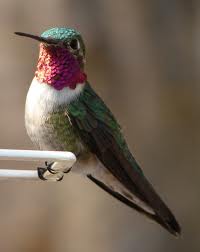
hummingbird

Ruby throated hummingbird

We  just love birds! Birds are pollinators (hummingbirds), seed dispersers (robins)  and they help control rodent and insect populations (raptors and other birds). Some birds also travel and spend part of their year in a different habitat. This traveling is called migration.   Some birds only migrate a short distance and others like the arctic tern can migrate thousands of miles.

SONY DSC

arctic tern

Some birds like raptors migrate during the day, while others like song birds migrate at night to avoid predators. Birds use the wind, sun, land forms and the stars to help them navigate. So why do birds migrate? Birds migrate for resources; food, shelter and mating. For people who love birds, migration routes during spring and fall are great times to see birds who are just making a pit stop on their way. It is crucial for these habitats to stay so the birds have a place to rest and eat.

sandhill crane

Sandhill crane

So what can you do to help our bird friends?

  • Pick up trash! Birds often digest trash and or get entangled in it!
  • Make your yard a bird friendly place- add a bird bath (that is cleaned regularly), put out bird feeders with different types of feed.
  • Grab a birding guide book and learn what birds live in your area and which ones migrate through.
  • Tell others about the birds that you love!

Check out Birdday.org for more great information, games and activities! Trust us- we spent loads of time on here!

We’re going to spend the day looking for birds in a park near HQs! How are you going to celebrate our feathery flying friends?

Categories: adventure, Animals, birds, Children, conservation, education, Environment, nature, science, wildlife | Tags: , , , , , , , , , | 2 Comments

WORLD PENGUIN DAY!!

WORLD PENGUIN DAY!

Happy World Penguin Day! We’re celebrating our favorite flightless ocean going birds today with some great fun facts!


Penguins sneeze out excess salt!

Penguins sneeze out excess salt!

All penguins live in the southern hemisphere!

All penguins live in the southern hemisphere!

Gentoo penguins can swim up to 22 mph! The fastest swimmers amongst all penguins!

Gentoo penguins can swim up to 22 mph! The fastest swimmers amongst all penguins!

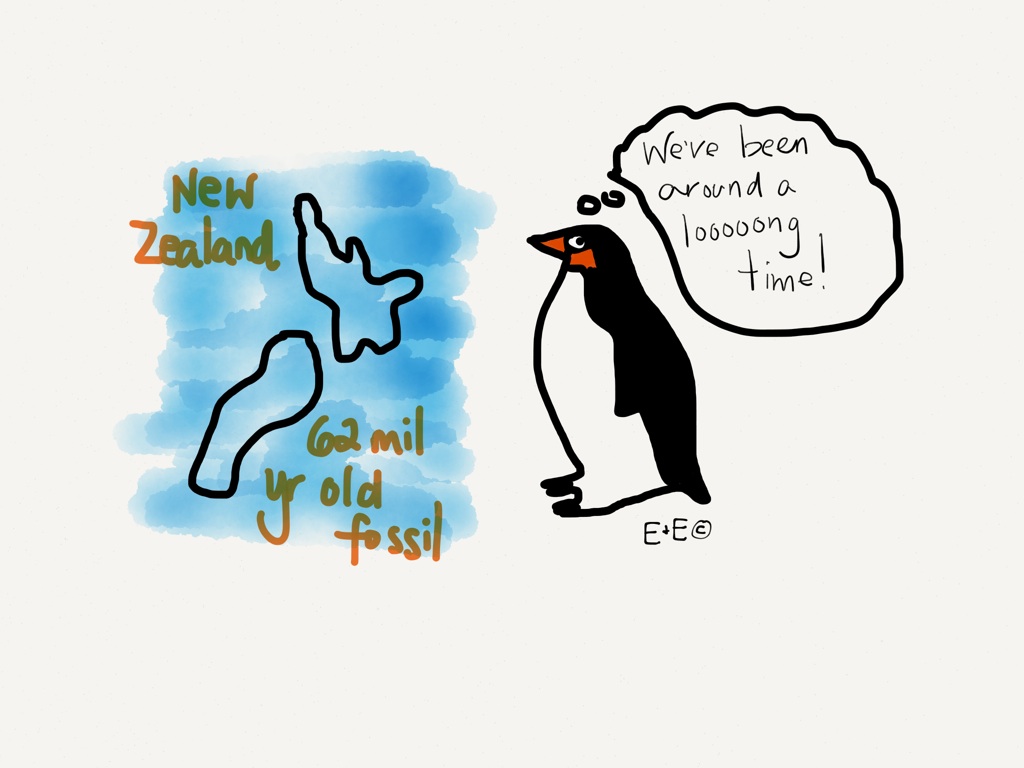
The oldest penguin fossil was found in New Zealand. It was 62 million years old.

The oldest penguin fossil was found in New Zealand. It was 62 million years old.

Penguins do have knees :)!

Penguins do have knees :)!

Categories: adventure, Animals, Children, conservation, education, Environment, nature, penguins, science, wildlife | Tags: , , , , , , , , , , , | 3 Comments

Day 34- Pigeon Guillemot

Day #34 (4/11/2014) Pigeon Guillemot
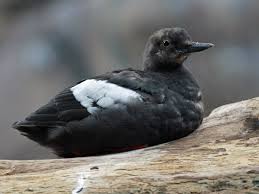
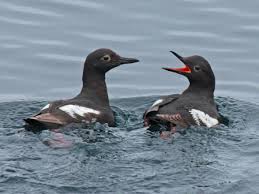
We might just be in love with the coastline of the Pacific Northwest! There are so many animals to see and observe! We noticed these cute little black birds on the cliffs where we spent the day looking at tide pools. Turns out these birds are related to puffins and we love puffins!

e e coast
Their range/habitat: Alaska to California/rocky coasts
Their length/weight: 13 ½”/ 1 lb Conservation Status: common
Their diet: Carnivore: fish and invertebrates

pigeon gall3


• Pigeon Guillemots have bright red/orange feet.
• Pigeon guillemots dive to catch their phones.
• They have bright/orange coloration inside their mouths too.
• Both male and females incubate the eggs.
• Pigeon guillemots have long straight bills.
• They have a white patch on their side.
• Pigeon guillemots have webbed feet with claws.

pigeon gall2    pigeon gall


We had the best time learning about the animals of the coasts here! We really enjoyed watching these birds dive for their meals. Whosh! Splash! Yum!

-Ellie and Edmond


Categories: adventure, Animals, birds, Children, conservation, education, Environment, nature, science, wildlife | Tags: , , , , , , , , , | 2 Comments

Day 28- Brown Kiwi

Day #28 (3/14/2014) Brown Kiwi

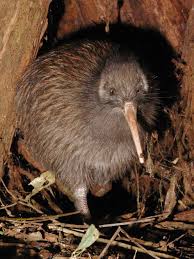
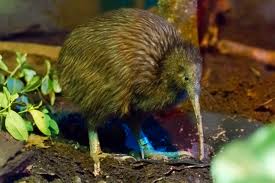
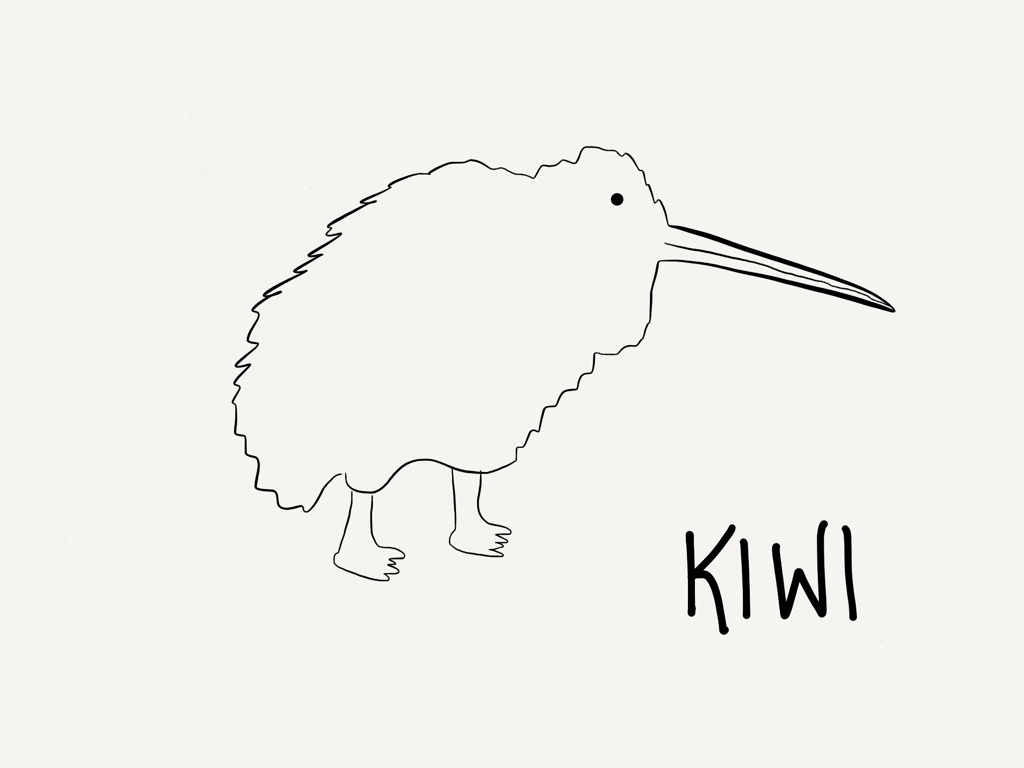
      We just loved snorkeling yesterday! We hoped a plane to New Zealand to find an iconic bird that everyone knows and loves. We have never seen a one in person, or elephant and horse as you may have it. We spent the afternoon with our binoculars and Edmond almost passed out when we spotted our bird! He is just excitable sometimes! Seeing the brown kiwi inspired me to draw!

e e grasslands

       Their range/habitat: New Zealand/ forest-grassland

      Their length/weight: 20-26”/ 3 ¼-8 ¾ lb  Conservation Status: Endangered

      Their diet: Omnivore:  insects, fruits

kiwi

  • Brown Kiwis are flightless.
  • Brown kiwis have very tiny wings.
  • They have long skinny bills, up to 6”.
  • Brown kiwis use their bills to get food from the ground.
  • Brown kiwis lay very large eggs.
  • They are related to cassowaries and emus.

kiwi2    kiwi3

How adorable are these funny looking little birds! That’s right animals can be funny looking and cute at the same time! Did you know that native New Zealanders call themselves kiwis?  Sadly kiwis are endangered. There is a great organization called Kiwis for Kiwi that are working to protect these iconic birds!

-Ellie

 kiwi coloring

Categories: adventure, Animals, birds, Children, conservation, education, Environment, nature, science, wildlife | Tags: , , , , , , , , , | 2 Comments

Day 22- Snowy Owl

Day #22 (2/25/2014) Snowy Owl

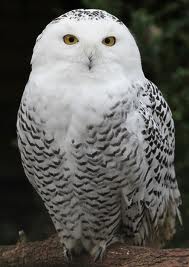
      We headed out to South Canada today to find an owl! These birds have been seen in parts of the U.S. this winter, so we wanted to see one in the wild. We packed all our cold weather gear! We sat around at dusk with our binoculars, a thermos full of hot tea and our cameras! We were lucky this trip and spotted the Snowy owl!

e e orange scarves

      Their range/habitat: Arctic Circle/ tundra-open land

      Their length/weight: 22- 28”/ 2 ¼-5 ½ lbs  Conservation Status: Common

      Their diet: Carnivore: lemmings, rabbits, waterfowl

snowy owl

  • Snowy owls are covered in long white feathers. The feathers cover every part of them including their feet and beak.
  • They are most active at dusk and dawn, but are diurnal (active during the day) during the summer when there is little darkness.
  • Females are larger than males and have molted or spotted brown colors on their feathers. This helps them blend in with the ground.
  • Snowy owls nest on the ground.
  • They have excellent hearing and eyesight.
  • Snowy owls mate for life and both the male and female take care of the chicks.
  • Snowy owls are ambush predators!

 snowy owl2

snowy owl3

These gorgeous owls are so amazing! They are built for the cold! This elephant and horse are not though. Thank goodness we have this lovely warm cabin to stay in for the week! We’ll be here for several days because International Polar Bear day is coming!

-Ellie and Edmond

Categories: adventure, Animals, birds, Children, conservation, education, Environment, nature, science, wildlife | Tags: , , , , , , , , , | 2 Comments

BIRDS OF FEATHER WEEK- BUILD A NEST!!

BIRDS OF A FEATHER WEEK- BUILD A NEST!!

It’s the last day of our Birds of Feather Week! Today we’re sharing three birds who are wonderful architects! The males of these species work hard building and decorating nests to attract a female! Whew- it must be hard work!


Male Adelie penguins build nests from rocks. The carefully choose these rocks and if you’re a smart Adelie penguin then you steal the best rocks from your neighbor! Check out this funny video! Cheeky penguin!

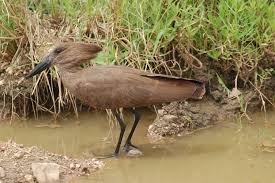
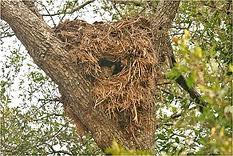
Male Hamerkops build nests to improve the lady Hamerkops. The bigger the better is the rule with Hamerkops!

hamerkop  hamerkop2

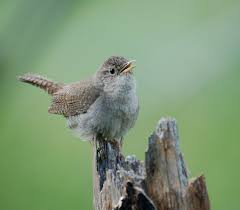
Male house wrens will build up to 12 nests to impress the females. These ladies must be very picky!

house wren

Lastly the Bower bird decorates their nests elaborately to attract a female! Maybe they should have their own HGTV show!

bowerbird

We just love the way these birds work to attract their mates! Way to go hard working birds and Happy Valentine’s Day!

Categories: adventure, Animals, birds, Children, conservation, education, Environment, nature, science, Uncategorized, wildlife | Tags: , , , , , , , , , | Leave a comment

BIRDS OF A FEATHER WEEK- GUESS THE ANIMAL

BIRDS OF A FEATHER WEEK– Guess the Animal

We are featuring a bird for today’s Birds of Feather Week. This one is in honor of the snow storm that arrived at HQs yesterday!! Plus these birds are amazing parents! Tell us who you think it is.

emperor penguin


We live in Antarctica.

We are the largest of our species.

The males take incubate the eggs while the females go to find food.


Who is it?

Categories: adventure, Animals, birds, Children, conservation, education, Environment, nature, science, wildlife | Tags: , , , , , , , , , | 8 Comments

BIRDS OF A FEATHER WEEK- DAY 2

BIRDS OF A FEATHER WEEK- DAY 2

We loved those Birds of Paradise videos so much that we wanted  to know if other birds have mating dances! The first bird that came to mind was one of our most favorite birds ever! Come check out these fun mating dances!

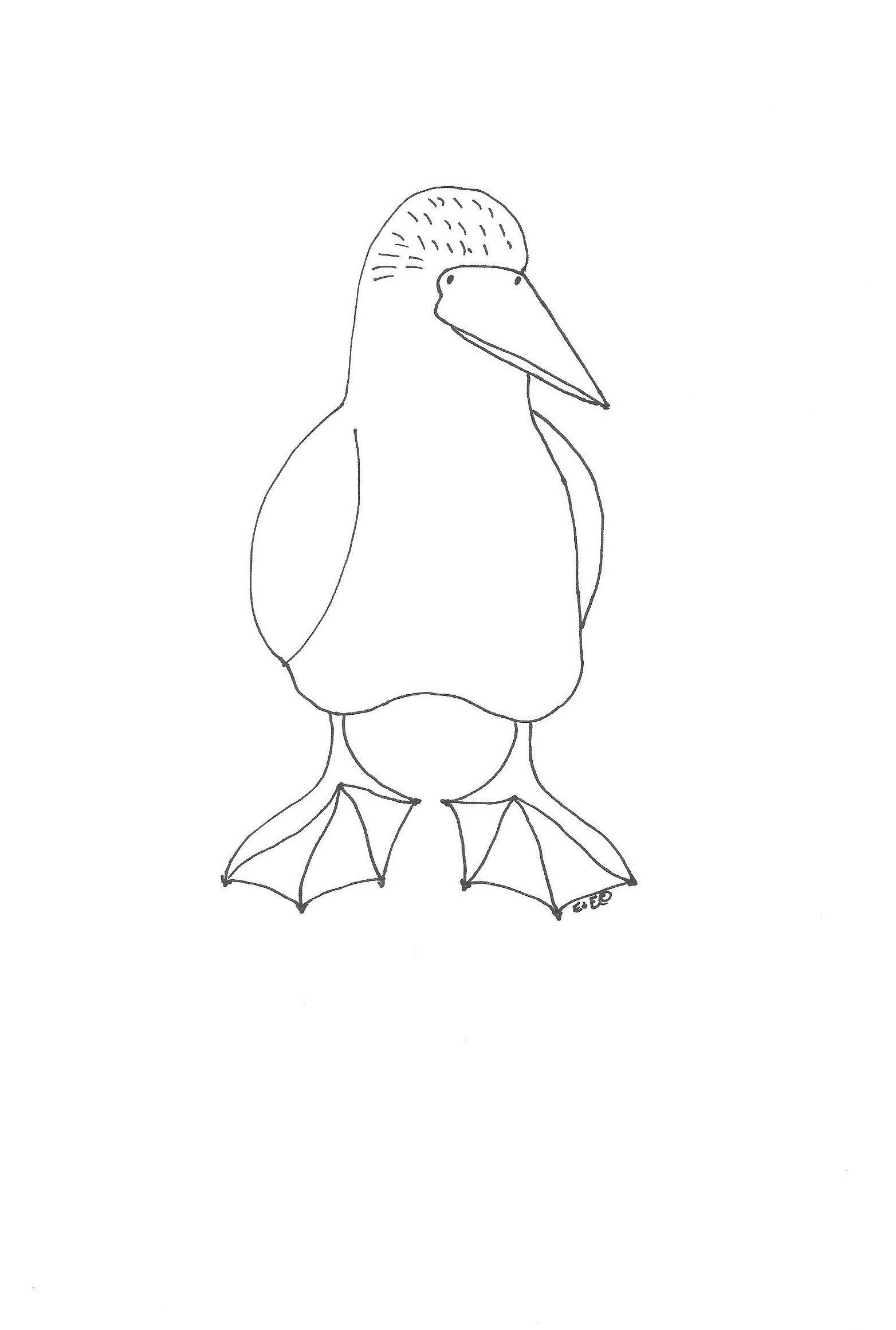
First up: The Blue Footed Booby! We have a fun Blue Footed Booby coloring sheet below!

Next up: The moon walking Manakin Bird!

Last up: The Andean Flamingo who does a group dance!

Image

Categories: adventure, Animals, birds, Children, conservation, education, Environment, nature, science, wildlife | Tags: , , , , , , , , , | Leave a comment

BIRDS OF A FEATHER WEEK!

BIRDS OF A FEATHER WEEK!

e e birds

This week during our travels we’re celebrating Valentine’s week with Birds of a Feather. We’re off to find birds with elaborate mating rituals and those that mate for life. We’re also going to have our popular color your valentine cards! First up- Birds of Paradise. These amazing birds live in the untouched rainforests of Papua New Guinea. They are amazing looking birds come in all colors, shapes and sizes. Birds of Paradise are most famous for their mating dances and rituals which are extremely elaborate and complicated! The Cornell Lab of Ornithology has done some great field work with these birds!  We can’t top these videos so we’re posting some of our favorites! Anyone out there want to try their hand at the Bird of Paradise dance?

Project Introduction- Learn about this cool project!

Here’s the Greater Bird of Paradise!

King-of-Saxony Bird-of-Paradise!

Time to Dance!

Categories: adventure, Animals, birds, Children, conservation, education, Environment, nature, science, wildlife | Tags: , , , , , , , , , | Leave a comment

Day 13- Back home to meet a local bird…

Day #13 (1/24/2014) Back home to meet a local bird…

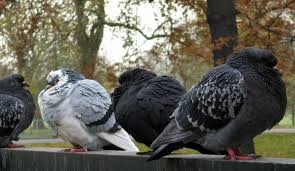
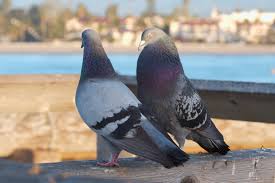
      We decided to head home a day early to meet a city bird. These birds often get a bad reputation, but we just love them. A cold blast has come through here at HQs! We had to bundle up to go for a walk and find the Rock Dove!

e e orange scarves

Their range and habitat: Australia, Europe, Africa, South America/ urban-suburban

Their length/weight: 11-15”/8.4-13 oz    Their status: common

They are herbivores (seeds, fruits)

pigeon

  • Rock doves are also known as the Rock pigeon or pigeon.
  • Their colors vary. They usually have some iridescent feathers.  
  • Rock doves are excellent navigators. They use the earth’s magnetic fields.
  • The babies are called squeakers. Male and females care for the babies.
  • Rock doves have been domesticated for about 5,000 years.

 pigeons3pigeons2

We sat and watched the local pigeons for quite a while in the cold. We have never understood why pigeons get so little respect. They are very adaptable and live in most major cities all over the world.  We think they are great reminder that no matter what kind of habitat you live in or near, wildlife finds a way! Go Pigeons Go! Class will be in session over at the University of E&E Sunday!

-Ellie and Edmond


Categories: adventure, Animals, birds, Children, conservation, education, Environment, nature, science, wildlife | Tags: , , , , , , , , , | Leave a comment

Blog at WordPress.com.