Posts Tagged With: conservation

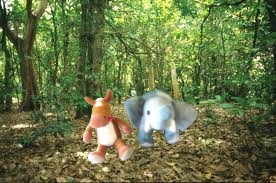
MEET SUPER HORSE TO THE RESCUE!!

SUPER HORSE TO THE WILDLIFE RESCUE!*

*This is a re-post from earlier in the year! Super Horse will be a monthly feature starting in 2013!
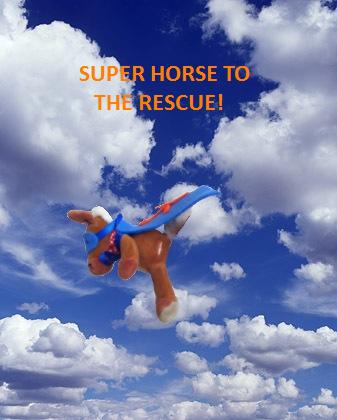
Edmond was inspired by his Super Horse super hero costume that he wore this Halloween! He wanted to showcase the super heroes that help out wild animals all around the world! He’ll be flying high and low to find those people who rehabilitate, rehab and rescue wildlife! His first stop will be at a local wildlife rescue, but we want our readers and fans input! If you know a wildlife rehabilitator or a wildlife center; we want their names and contact info! Super Horse’s Wildlife Heroes will be a monthly interview to start with, but we may do more if we meet loads of excellent heroes!

So we need your help! Tell us who you know and how we can contact them! Send Super Horse to your local wildlife rescue! We look forward to this exciting new addition to The Adventures of Ellie and Edmond!



Categories: adventure, animal rescue, Animals, Children, conservation, education, Environment, nature, science, wildlife | Tags: , , , , , , , , , | Leave a comment

SURVEY TIME!!

We here at Ellie and Edmond Headquarters have been brainstorming ways to improve the blog and we want to know what you think! So we are asking that you please let us know your opinion with our short survey! We want 2013 to be our biggest year yet and we want our readers and fans to share in the excitement! Please fill out the quick survey (link here) and let us know your thoughts!

Thank you!

Ellie and Edmond!

e e park

Categories: adventure, Animals, Children, conservation, education, Environment, nature, wildlife | Tags: , , , , , , , | Leave a comment

ANIMAL HOLIDAY WEEK DAY # 5

HOLIDAY ANIMAL WEEK

Our last day of holiday week keeps us in Europe to meet another famous bird from the Twelve Days of Christmas song! These birds come in pairs! So let’s get our binoculars and head out on today’s adventure!

e e woods

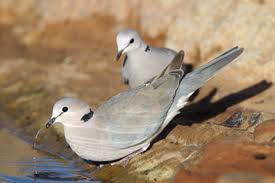
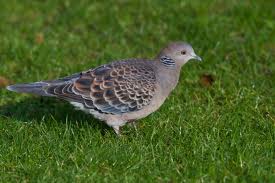
MEET THE TURTLE DOVE!

turtle dove   Range/Habitat: Europe-Africa/ woodlands, fields

   Diet: Omnivores: seeds, insects

   Length/Weight: 9-11”/ 3-6 oz

   Conservation Status: common


Fun Facts:

  • Turtle doves form pair bonds.
  • They are related to doves and pigeons.
  • Turtle doves migrate. They winter in Africa.
  • Turtle doves have beautiful gray, brown and pinkish colors.
  • They feed on the ground.

Turtle doves are gorgeous little birds. Because they form lifelong pair bonds, they are often a symbol for true love. And we love that about turtle doves!

 turtle dove2turtle dove3

Categories: adventure, Animals, birds, Children, conservation, education, Environment, nature, science, wildlife | Tags: , , , , , , , , | 1 Comment

HOLIDAY WEEK DAY # 4

HOLIDAY ANIMAL WEEK

We’ll be spending the next two days in Europe bird watching for two birds who are very famous during the holidays! Apparently you are supposed to give these to your true love. We think it would be better to take your true love bird watching with us! Let’s head out!

e e woods

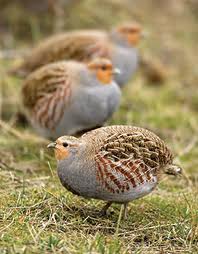
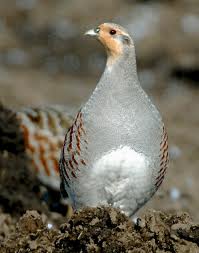
MEET THE GRAY PARTRIDGE!

gray partridge   Range/Habitat: Europe-West/Central Asia/ grasslands, farms

   Diet: Omnivore: seeds, insects

   Length/Weight: 12”/11-16 oz

   Conservation Status: common


Fun Facts:

  • Gray Partridges have tawny heads and grayish bodies.
  • They live in small groups of 15-20 individuals. The groups are called coveys.
  • Female Gray Partridges lay around 16-18 eggs in a clutch.
  • They feed off the ground.
  • Gray partridges nest on the ground.

Gray partridges are neat little birds! We are wondering who came up with the line in the song that says a partridge in a pear tree, since these birds tend to live on the ground. Hhhhmmm… maybe they never met a real gray partridge!

 gray partride3gray partride2

Categories: adventure, Animals, birds, Children, conservation, education, Environment, holidays, nature, science, wildlife | Tags: , , , , , , , , , , | Leave a comment

DECEMBER CRAFT!!

December Craft

Santa Walrus Ornament!

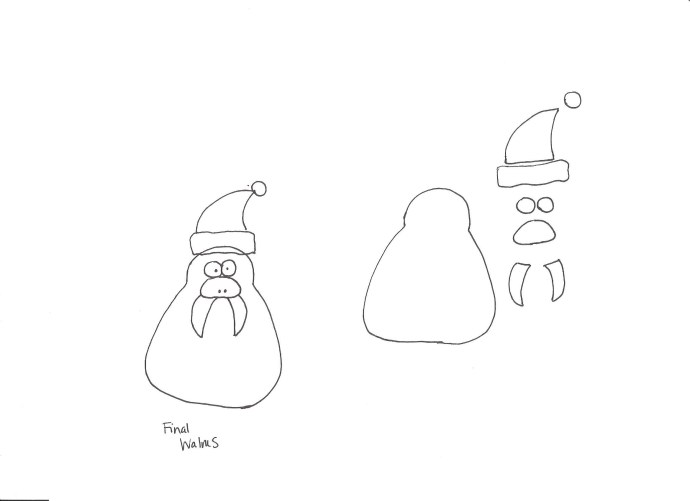
We’re making ornaments this month for craft time and we’re so excited to be making this adorable little felt walrus ornament! Let’s get crafty!

IMG_3770

Materials:

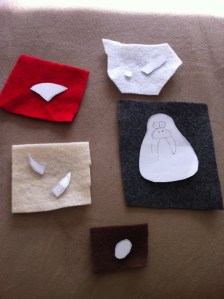
  • Red, white, cream, gray & brown felt (you only need small scraps)
  • Black marker
  • scissors
  • hot glue (to be used by an adult)
  • needle & thread


Instructions:

  • Print out pattern (below)
  • Cut pattern pieces out


IMG_3764


  • Cut out felt pieces

IMG_3765


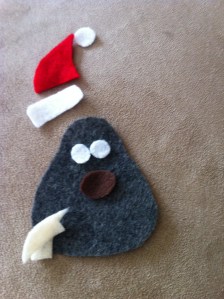
  • Draw black dots on the eyes & two nostrils on brown mussel

IMG_3766


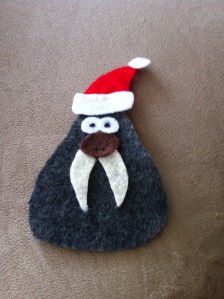
  • Glue face, eyes & tusks on walrus
  • Glue Santa hat

IMG_3767


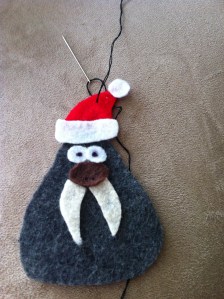
  • Take needle & thread and pull through the hat. Tie a knot in string.

IMG_3769


  • Hang your walrus!

Pattern:

Image

Categories: adventure, Animals, Children, crafts, education, Environment, holidays, mammals, nature, oceans, science, wildlife | Tags: , , , , , , , , , , | 1 Comment

HOLIDAY ANIMAL WEEK # 55

HOLIDAY WEEK DAY #2

We’re staying in the arctic today to meet one large and fat animal! What do you know, they have tusks just like Ellie! Do you have your coats on? Let’s go meet this great holiday animal!

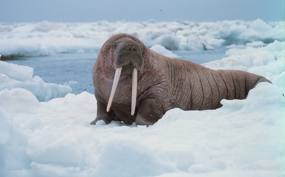
MEET THE WALRUS!

    Range/Habitat: Arctic/water, shoreline

   Diet: Carnivore: shrimp, sea-snails, fish

   Length/Weight: 9 ¾-12 ft/ 1 ¼ -2 ¼ tons

   Conservation Status: data deficient


Fun Facts:

  • Walrus are large marine mammals with flippers.
  • Walrus eat prey off the bottom of the oceans and use suction to eat.
  • They can stay underwater for up to 25 minutes and can dive down to 330ft deep.
  • They are highly social and often are seen in large groups, called herds.
  • Male walruses are twice the size of females.
  • They have rough wrinkly skin and very whiskery faces.
  • Walruses have tusks of ivory. They can grow up to 3 ft 3” long.

Walruses sure are huge and cute! How can you not like their whiskery faces? These blubbery mammals are loud, social and full of personality! They are one of our favorites!

walrus

walrus2

Categories: adventure, Animals, Children, conservation, education, Environment, mammals, nature, oceans, science, wildlife | Tags: , , , , , , , , , , | 3 Comments

HOLIDAY ANIMAL WEEK!

HOLIDAY ANIMAL WEEK

We’re celebrating animals that are featured during the holidays this week! We’ll be going all over to find animals that live in the north pole or that are part of the holiday culture (i.e. featured in a song). Our first adventure takes us to the chilly North pole to meet a VERY Famous animal, who knows the big guy driving the slay! Grab your coats and let’s do this!

e e arctic

MEET THE REINDEER!

reindeer   Range/Habitat: North America-Europe-Asia/Tundra-forest

   Diet:  Herbivore: grasses, moss, lichen

   Length/Weight: 4- 7 ¼ ft/ 260-660 lb

   Conservation Status: common


Fun Facts:

  • Reindeer are also called caribou.
  • They vary in color and size depending on where they live. Reindeer that live closest to the arctic are white in color.
  • Both female and male reindeer have antlers. Males lose their antlers in the winter.
  • Reindeer antlers are covered in a layer of fur called velvet.
  • Their noses are specialized to warm cold air before it enters their lungs.
  • Reindeers have a four chambered stomach!
  • One of their favorite foods is called reindeer moss.
  • Reindeers are the only mammal that can see ultraviolent light!
  • Some reindeer populations migrate. They can migrate up to 3,000 miles in one year! Whew, they must be tired!

Besides being really neat, reindeer are famous for pulling Santa’s sleigh! We were hoping to meet a real reindeer this year, but we weren’t able to. We are making some antlers out of pipe cleaners though! What’s your favorite thing about reindeer?

reindeer   reindeer2


We found a reindeer coloring sheet too:

http://www.edupics.com/coloring-page-reindeer-i8663.html

Categories: Animals, Children, conservation, education, Environment, holidays, mammals, nature, science, wildlife | Tags: , , , , , , , , , | Leave a comment

FEATHERY FRIDAY # 55

FEATHERY FRIDAY #55

We’re off to the Galapagos Islands today on the E & E boat to meet a bird who soars in the skies over the ocean! Grab your life jacket and let’s head out on this adventure!

e e boat

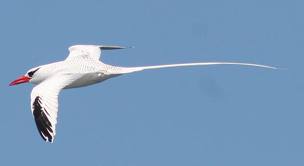
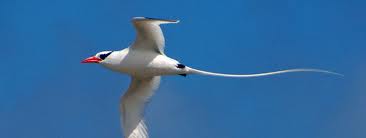
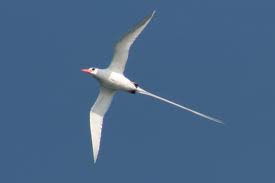
MEET THE RED BILLED TROPICBIRD!

red billed tropicbird   Range/Habitat: Eastern Pacific-Central Atlantic/ oceans-coasts

   Diet: Carnivore: squid, fish

   Length/Weight: 31-32”/ 21-29 oz

   Conservation Status: common


Fun Facts:

  • Red Billed tropicbirds are often found hundreds of miles from shore.
  • They poor swimmers!
  • Red billed tropicbirds plunge into the ocean to catch their prey.
  • They have webbed feet.
  • Red billed tropicbirds have long tail streamers.
  • Red billed tropicbirds are very awkward on land.

Red billed tropicbirds are gorgeous birds! These high fliers were built to spend their lives in the air. We sure would like to be able to fly one day! How about you?

 red billed tropicbird2red billed tropicbird3


Categories: adventure, Animals, birds, Children, conservation, education, Environment, nature, science, wildlife | Tags: , , , , , , , , , | Leave a comment

SUPER SURPRISE THURSDAY # 55

SUPER SURPRISE THURSDAY #55

We’re heading out our own back door and into the woods to find today’s super surprise animal. As we’re hiking, be on the lookout and keep your distance, because this animal has one stinky defense!

e e woods (2)

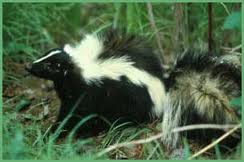
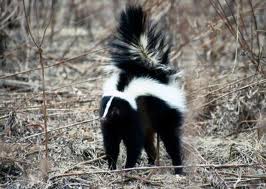
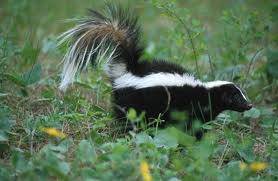
MEET THE STRIPED SKUNK!

striped skunk   Range/Habitat: Canada-North Mexico/ woodlands, suburbs

   Diet: Omnivore: fruits, seeds, fish

   Length/Weight: 22-30”/ 5 ½-14lb

   Conservation Status: common


Fun Facts:

  • Striped skunks are solitary.
  • They are known for their stinky defense system. Striped skunks will stand on their front feet and spray a predator with a very foul smelling liquid!
  • Striped skunks’ main predator is the Great Horned Owl because the owl has no sense of smell.
  • They are crepuscular (active at dawn and dusk).
  • Young striped skunks stay with their mother’s for almost a year.
  • Striped skunks winter in dens and burrows.

These stinky little mammals are really cute! It is best to watch them from a distance or from inside the house, you certainly don’t want to encounter the wrong end of these animals!

 striped skunk2striped skunk3


Categories: adventure, Animals, Children, conservation, education, Environment, mammals, nature, science, wildlife | Tags: , , , , , , , , , | 1 Comment

WATERY WEDNESDAY # 55

WATERY WEDNESDAY # 55

We’re taking the E & E submarine out today to meet one of the oceans’ predators! These cartilaginous fish have mouths full of teeth, so we’ll be on the lookout from the safety of the sub!

e e sharks

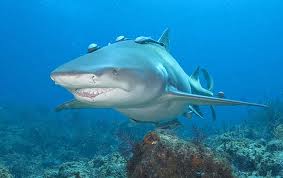
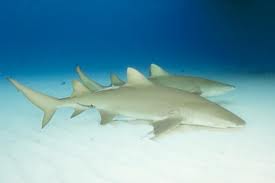
MEET THE LEMON SHARK!

lemon shark    Range/Habitat: Eastern Pacific-Western Atlantic/ oceans-near coasts

    Diet: Carnivore: stingrays, fish

    Length/Weight: up to 11 ft/over 400 lbs

    Conservation Status: common


Fun Facts:

  • Lemon sharks are also called Sharptooth sharks.
  • They are yellowish-brown in color.
  • Lemon sharks can go in brackish waters.
  • They have large blunt noses.
  • Lemon sharks have two rows of long, thin triangular shaped teeth to catch prey with; then rows of extra teeth behind those.

Lemon sharks are fierce predators, but they are also amazing animals. Ecosystems are dependent on top predators in the food chain and without them the oceans would be in big trouble. It is important that we respect sharks and help protect them!

lemon sharks2   lemon shark3

Categories: adventure, Animals, Children, conservation, education, Environment, nature, oceans, science, sharks, wildlife | Tags: , , , , , , , , , | Leave a comment

Blog at WordPress.com.