Posts Tagged With: endangered species

There’s a Big Cat in the Jungle!

There’s a Big Cat in the Jungle!

e & e river boat

This week we are featuring animals native to Brazil, where the Olympics are continuing this week. Brazil is an amazing place, with savannas to rainforests. It is home to the largest part of the Amazonian rainforest, that houses 10% of world’s known species. Brazil ranks number 3 in the number of species of birds that call it home! Wow! This place is definitely amazing!

Today we are going to meet one of Brazil’s felines! This big cat is an icon known around the world- let’s meet the jaguar!

jaguar

Fun Facts:

  • Jaguars are found in Central and South America in rainforests, savannas and swamps.
  • They can reach up to 6 feet long and weigh up to 200 lbs.
  • Jaguars are carnivores. They eat deer, caiman, tapirs and other animals.
  • Jaguars are listed as near threatened.
  • Jaguars are the largest big cat in the Americas.
  • They are excellent climbers and excellent swimmers.
  • Jaguars have spots with spots in those. Those spots are called rosettes because of their rose appearance.

jaguar3

  • Jaguars are efficient predators and kill their prey with a bite to the head of their prey.
  • They are solitary and territorial.
  • There are occasional jaguars with melanism. They have all black fur. In light you can see their spots.
  • Jaguars are revered in their native lands. Their was even a jaguar god who ruled the underworld.
  • The name jaguar comes from a Native American word that means “he who kills with one leap”.

jaguar2

These gorgeous cats are amazing! They have it all, good looks, great athleticism and those classic cat whiskers! Hehehehe!


Categories: adventure, Animals, Children, conservation, education, Environment, mammals, nature, science, wildlife | Tags: , , , , , , , , , , | Leave a comment

WORLD ELEPHANT DAY!

WORLD ELEPHANT DAY!

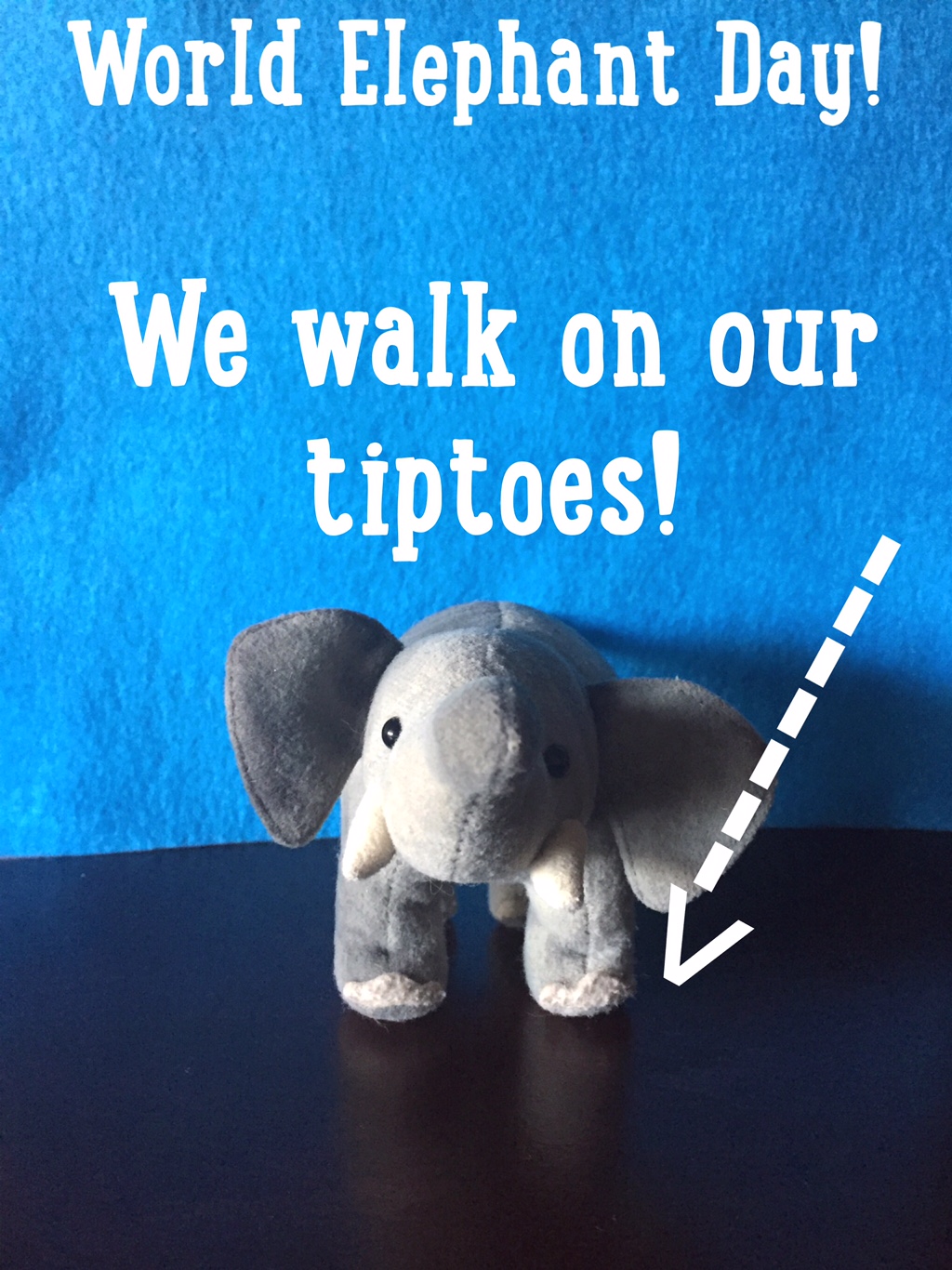
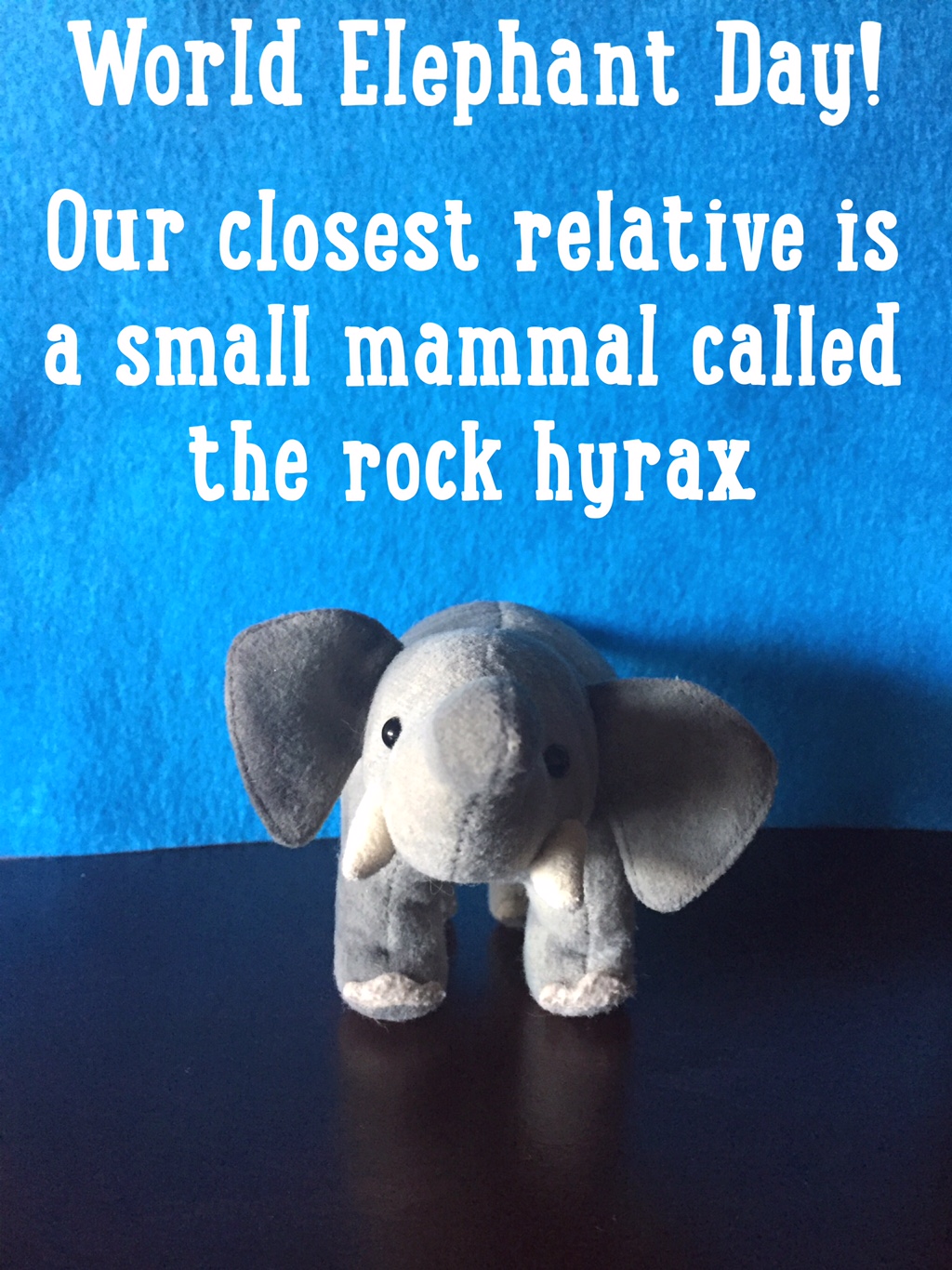
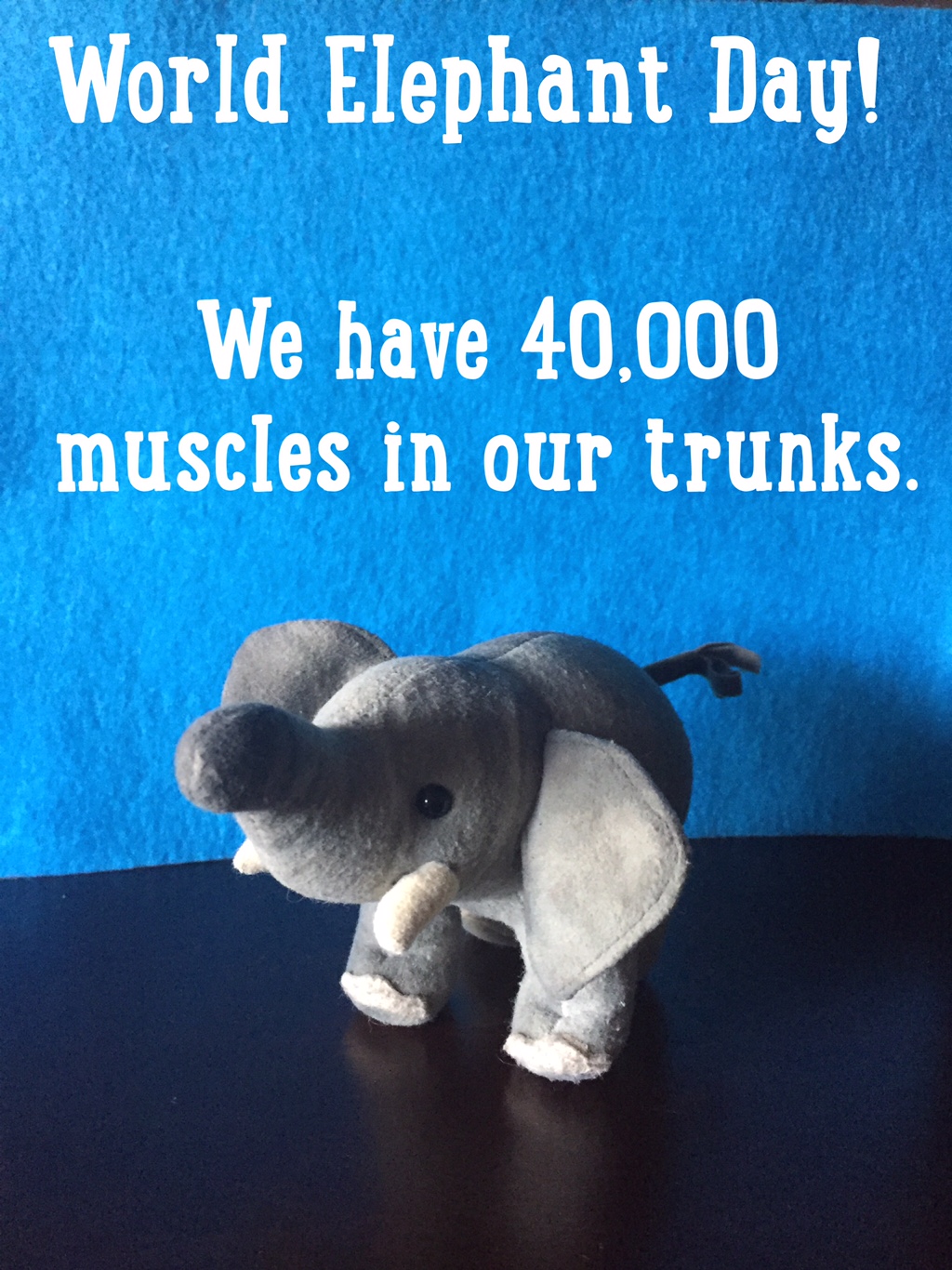
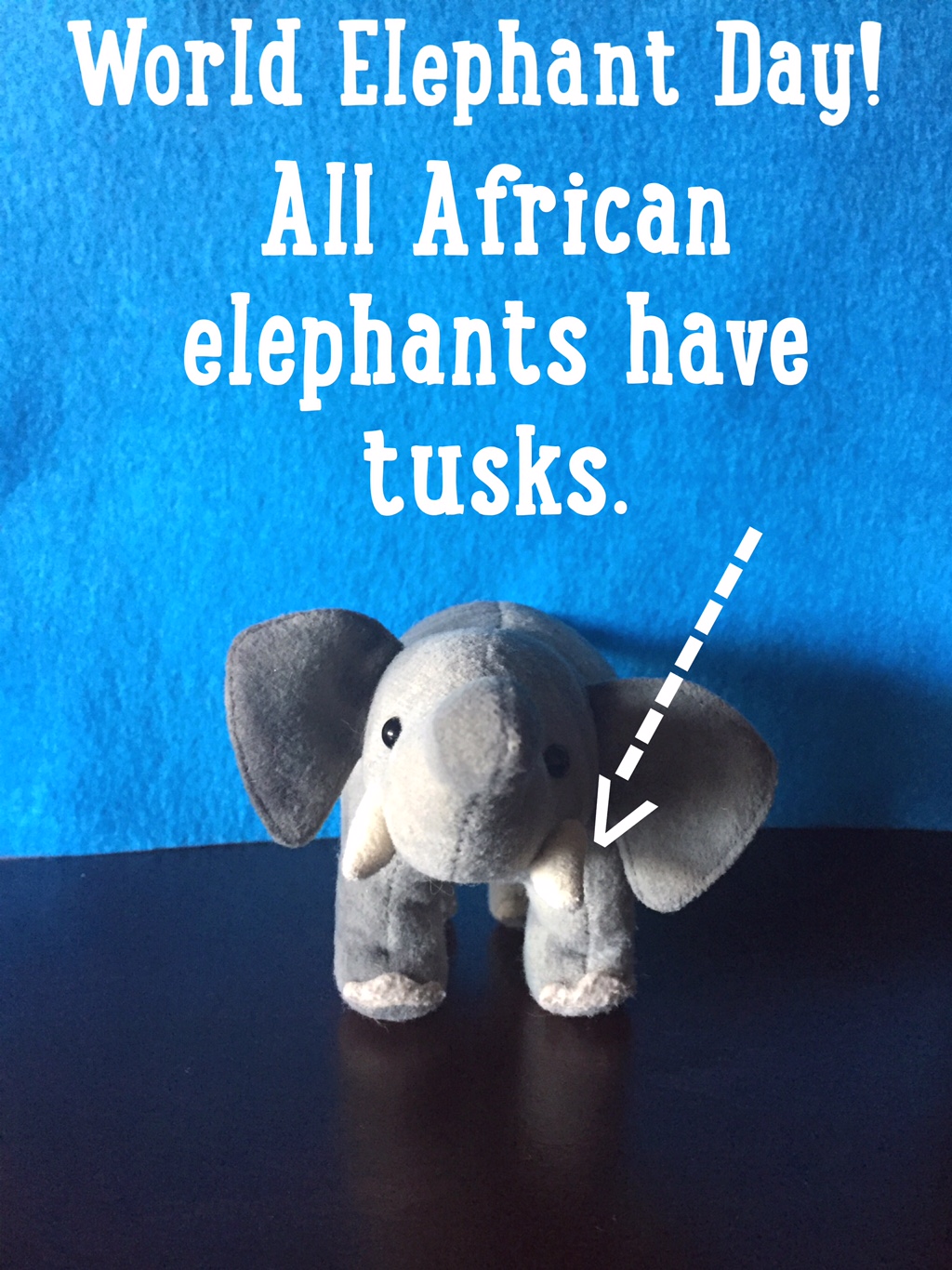
It’s World Elephant Day and Ellie is sharing just a few of the reasons elephants are so awesome! She’ll also be sharing some reasons why they need your help!
IMG_1275

IMG_1287

IMG_1283

IMG_1286

IMG_1276

IMG_1290

IMG_1277

IMG_1278

IMG_1279

IMG_1284

IMG_1288We lose an elephant to poachers every 15 minutes. That’s 96 elephants every day!

IMG_1291IMG_1291IMG_1291IMG_1291

IMG_1291IMG_1291IMG_1291IMG_1291

IMG_1291FullSizeRender(77)

These magnificent creatures are killed for their tusks! Tusks that are used to make trinkets, carvings and jewelry. We must all work to stop this! There are ways you can help!

Educate others! Donate to David Sheldrick Wildlife Trust.

Get involved- make your voice heard! Check out 96 elephants to learn more about wildlife crime and how you can help stop it! Together we can protect elephants!

Categories: adventure, Animals, Children, conservation, education, elephants, endangered species, Environment, mammals, nature, science, wildlife | Tags: , , , , , , , , , , , | Leave a comment

There’s a Tiger in the Woods!

There’s a Tiger in the Woods!

Did you ever wonder how Lake Salamander got its name? Well it was named after one of its most famous inhabitants! Tiger salamanders live all over the area. Because of their beauty and abundance, it was decided that the lake would be named Lake Salamander!

tiger salamander3

Let’s meet these cute little critters!

Tiger Salamander Fun Facts:

  • Tiger salamanders are found in the middle of North America; from Canada to Mexico.
  • They can grow up to 14″ long (most are around 8″) and weigh up to 4 oz (about the weight of a deck of cards).
  • Tiger salamanders are carnivores! They eat frogs, insects and worms.
  • They are listed as least concern by the IUCN.
  • Tiger salamanders get their name from the stripes on their bodies that resemble the stripes of a tiger.
  • Not all tiger salamanders have stripes though. Some have spots or no markings at all.

tiger salamander

  • They live in deep burrows. Most never leave the burrows except to mate or feed.
  • Tiger salamanders are nocturnal.
  • They lay their eggs in water and in the area where they were born. Sometimes they must travel to reach their birthplace.
  • They are related to the axololt! Their larval stage (not full adult) looks like the axololt- with outside gills.
  • Tiger salamanders can live up to 16 years in the wild.
  • They can regenerate their limbs if lost.

tiger salamander2


Tiger salamanders are amazing creatures. Some never reach full adult stage and live their whole lives as larva! Amphibians are so awesome! We’ll be sure to have a class on amphibian live phases at the University in the fall- there is so much to learn! Woohoo!

Categories: adventure, amphibians, Animals, Children, conservation, education, Environment, nature, science, wildlife | Tags: , , , , , , , , , , | Leave a comment

GUESS THE SHARK!

GUESS THE SHARK!

Can you guess the shark from the cartoon? Scroll down to the bottom to see if your answers are right and learn a few facts about each shark!

Shark A!

Shark A!


Shark B!

Shark B!


Shark C!

Shark C!


Shark A:

Bull shark!
They tend to head butt prey before biting.
They are known to swim in brackish & fresh water systems.
They are also known as the Zambezi shark.
They can grow to lengths of 11 feet & weigh up to 500lbs.
They are listed as near threatened.


Shark B:
Lemon shark!
They have a horizontal band in their retina that gives them ability to see color and detail.
They are crepuscular.
They rest on ocean floor- to get cleaned by other fish.
They are very social.
They are near threatened.


Shark C:
Tiger shark!

Their famous tiger stripes on a tiger shark usually disappear on adult sharks.

They can grow up to 14 feet long and weigh up to 1,400lbs!

They are called the “wastebaskets of the sea” because they are known to eat anything, including trash.

They are listed as near threatened.

They are nocturnal hunters!


Categories: adventure, Animals, Children, conservation, education, Environment, nature, oceans, science, sharks, wildlife | Tags: , , , , , , , , , , , | Leave a comment

That’s Not My Horseshoe!

That’s Not My Horseshoe!

horseshoe crab

Every May and June when it’s a full moon, creatures from the ocean climb out of the waters and on to the beach to find a mate. Who are these creatures? Why it is the horseshoe crab campers! It’s the full moon in June, so we thought we might learn more about them!

  • Horseshoe crabs are found along the coast of the U.S. and along the Gulf coast.
  • They are carnivores. They eat worms, algae and mollusks.
  • Horseshoe crabs are listed as Near Threatened by the IUCN.
  • Horseshoe crabs and their relatives have been around for 450 million years ago .

IMG_0006

  • They are not true crabs. They are related to spiders.
  • Horseshoe crabs have hard carapaces that cover their bodies.
  • Horseshoe crabs have six pair of legs.
  • They have one long tail to help right themselves if they are flipped upside down.

IMG_0007(2)

  • Those eyes are extremely sensitive to light. They have the largest rods and cones of any animal on the planet.
  • Their mouths are located in the middle of their legs on the underside.


Horseshoe crabs have blue blood that is full  of copper. Their blood is used to help with medical issues with human medical research. Who knew that these ocean dwellers were living fossils?

Categories: adventure, Animals, Children, conservation, education, Environment, nature, science, Uncategorized, wildlife | Tags: , , , , , , , , , | 1 Comment

World Sea Turtle Day!


World Sea Turtle Day!

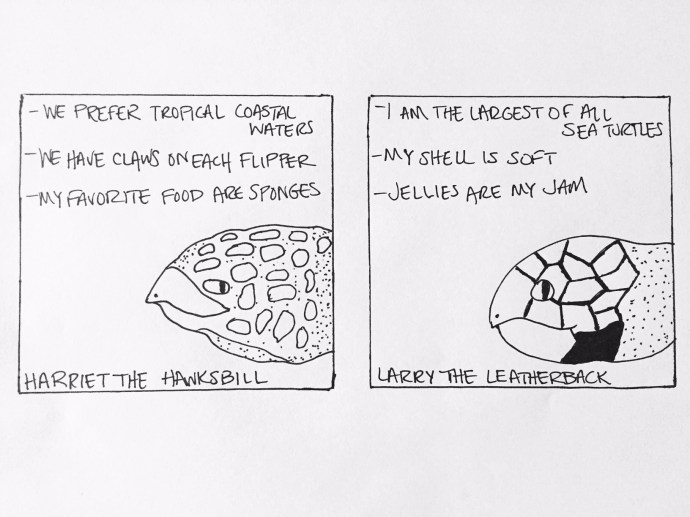
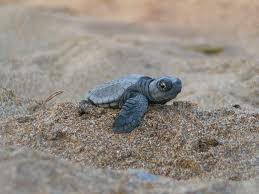
Come learn some cool facts about sea turtles and then meet four turtles! Woohoo- it’s all about the turtles at camp today!

  • Sea turtles have been around for 65 million years.
  • Most sea turtles travel many miles to lay their nest of eggs one the beach where they were born.
  • Most sea turtle species are listed as threatened or endangered.
  • Sea turtles come ashore at night to lay their eggs in nests at the edge of sand dunes.
  • Sea turtles can not pull their heads and fins in to their shells.
  • Baby sea turtles use the full moon  to guide them to the ocean after they hatch.

Keeping our beaches & oceans sea turtle friendly:

  • Keep all trash off the beach- especially plastic bags.
  • Turn off all beach lights at night so turtles are not confused.
  • Keep noise levels down at night.
  • If you are walking on the beach and need a light, use a flashlight with a red lens.

Now it’s time to meet our sea turtle friends!

image

image

Categories: adventure, Animals, Children, conservation, education, endangered species, Environment, nature, oceans, science, turtles, wildlife | Tags: , , , , , , , , , , , , | 1 Comment

Happy World Turtle Day!

Happy World Turtle Day!

Let’s Shellabrate!

002

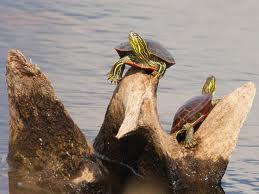
It’s World Turtle Day and we’re having a Shellabration with fun facts and photos! Tell us what you love about turtles and tortoises!

  • Turtles have been on the earth for about 200 million years.
  • Box turtles can live to be over a 100 years old.
  • Turtles live on every continent except Antarctica.
  • There are around 300 species of turtle and tortoises in the world. 

turtle

  • There are seven species of sea turtles. The Leatherback is the largest.
  • The top shell is called the carapace and the bottom shell is the called the plastron.

turtle2

  • Turtles and tortoises are attached to their shells.
  • The shells are part of their skeleton.

IMG_1850

  • Scutes are made up of keratin, the same protein that makes up human hair and nails.turtle4
  • Turtles don’t have ears.
  • There are about 250 species of turtles.
  • Some sea turtles can dive as deep as 3,000 feet.
  • Turtles are reptiles.turtle7
  • Turtles lay eggs.
  • Hatchlings have a special tooth that they use to crack open their eggs.

IMG_1851

We think turtles are just the coolest! It’s fun to find them when you are walking around ponds, lakes and rivers! One day we’ll travel to Professor Baxter Bird’s home islands- the Galapagos to meet their esteemed tortoise residents!


turtle6

turtle5

Categories: adventure, Animals, Children, conservation, education, Environment, nature, reptiles, science, wildlife | Tags: , , , , , , , , , , | 1 Comment

ENDANGERED SPECIES QUIZ

ENDANGERED SPECIES QUIZ!

We’ve got an endangered species quiz to test your knowledge on this Endangered Species Day!

Leatherback turtles often mistake plastic bags for jellies.  True or False

Leatherback turtles often mistake plastic bags for jellies.
                             True or False


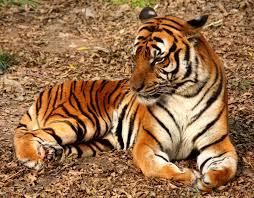
All species of tigers are not endangered.  True or False

All species of tigers are not endangered.
                    True or False


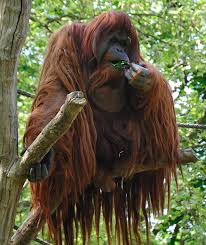
Using products with sustainable palm oil can protect orangutans. True or False

Using products with sustainable palm oil can protect orangutans.
             True or False


WHICH ONE OF THESE IS THE ENDANGERED SPECIES?

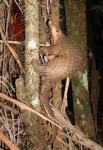
Pangolin

Pangolin

arctic fox

Arctic fox

Walrus

Walrus


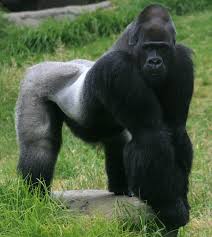
Recycling which one will help protect gorilla habitats? A) cell phones B) paint C) toothbrushes

Recycling which one will help protect gorilla habitats?
A) cell phones
B) paint
C) toothbrushes


blue whale

Many ocean dwelling ocean creatures consume plastic and trash. True or False


Plovers and other shore birds get caught in trash left by raccoons.  True or False

Plovers and other shore birds get caught in trash left by raccoons.
True or False


Pesticides do no harm to frogs and other amphibians. True or False

Pesticides do no harm to frogs and other amphibians.
True or False


Together we can all make a difference to help protect the endangered species of the world.  True or False

Together we can all make a difference to help protect the endangered species of the world.
True or False


Categories: adventure, Animals, Children, conservation, education, endangered species, Environment, nature, science, wildlife | Tags: , , , , , , , , , , | 1 Comment

That is One Big Parrot!

That is One Big Parrot!

We are off to land down under to meet one extraordinary parrot! Who else is excited?

e & e rainforest2


  • Kakapos live on two islands south of New Zealand. They live in forest and scrublands.
  • Kakapos are herbivores. They eat stems, fruit, shoots and bark. Their favorite fruit is the rimu berry!

kakapo

  • They can grow up to 25 inches and weigh up to 8 lbs.
  • Kakapos are listed by the IUCN as critically endangered. There are only 125 birds left in the wild.
  • Kakapos are the heaviest parrot in the world.

IMG_1788

  • They are nocturnal and solitary.
  • Males make a “boom” sound during mating season. Their mating calls can be heard up to 3 miles away.

kakapo3

  • Kakapos have an excellent sense of smell.
  • They are also excellent climbers and can be seen in the tallest parts of the tree.
  • Kakapos are also called the owl parrot!

IMG_1789


We love these fat little parrots! There is great organization helping protect these birds from man introduced parrots, like rats and cats; Kakapo Recovery! There may only be only a few birds left, but this group is helping!

kakapo2

Categories: adventure, Animals, birds, Children, conservation, education, endangered species, Environment, nature, science, wildlife | Tags: , , , , , , , , , | 1 Comment

ENDANGERED SPECIES WEEK!

ENDANGERED SPECIES WEEK-

African Wild Dog!

We’re going to meet some endangered species this week as we get ready for Endangered Species Day! We’re kicking it off with the African Wild Dog!

wild dog


African Wild Dog Fun Facts:

  • African wild dogs live in sub-Saharan Africa on the savanna or in woodlands.
  • African wild dogs can grow up to 55 1/2 inches long and weigh up 74 lbs.
  • They are carnivores and hunt in groups to take down prey, including antelopes, wildebeest and birds.
  • African wild dogs are listed by the IUCN as endangered. They are losing their habitat and can get diseases from domestic dogs.
  • They roam large home territories of 600-900 square miles.
  • African wild dogs are highly social and live in packs.
  • A pack is dominated by a monogamous breeding pair of dogs.
  • They are also called the painted dog.

IMG_1623


  • Each African Wild dog has its own unique coat coloration pattern.
  • Female African wild dogs can have up to 10 pups in a litter. Only the dominate female in a pack with give birth.
  • They are highly vocal and communicate sounds not heard in any other member of the canine family.
  • African Wild dogs are crepuscular. They are known to travel at night.
  • They are distance runners and can maintain a speed of 35 mph for up to 2 miles!

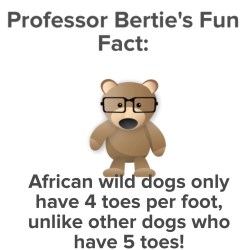
These awesome canines are so fascinating, from their funny feet to their complex social system the African Painted dog definitely deserved protection and respect. You can learn more on how to protect these wild canines at the African Wildlife Federation.


wild dog2


Categories: adventure, Animals, Children, conservation, education, endangered species, Environment, mammals, nature, science, Uncategorized, wildlife | Tags: , , , , , , , | 2 Comments

Blog at WordPress.com.