Posts Tagged With: endangered species

SAVE THE FROGS DAY!

SAVE THE FROGS DAY!

The pond behind us is full of bullfrog tadpoles! YAY!!

The pond behind us is full of bullfrog tadpoles! YAY!!

Today is Save the Frogs Day! One-third of all amphibians are in danger of becoming extinct! So we thought we’d share 7 reasons why frogs are so awesome and therefore in need of protection!

IMG_1326

IMG_1332

IMG_1331

IMG_1329

IMG_1330(1)

IMG_1328

IMG_1327(1)

Now if those aren’t reasons enough to want to protect our frog friends! We don’t know what will convince you!

Categories: adventure, amphibians, Animals, Children, conservation, education, Environment, frogs, nature, science, wildlife | Tags: , , , , , , , , , , , | 1 Comment

THREE CHEERS FOR GORILLAS!

THREE CHEERS FOR GORILLAS!

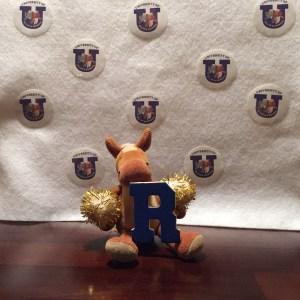
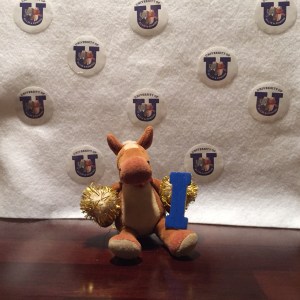
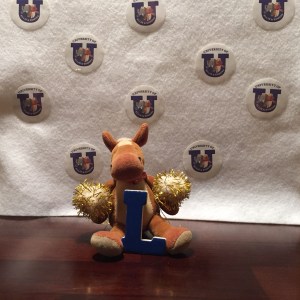
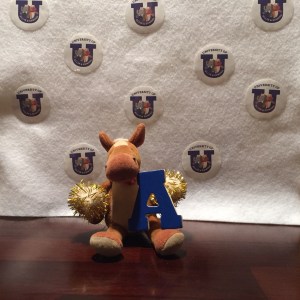
This week were celebrating APE-RIL! That’s right we’re going ape for our primate friends! We’ll be cheering on gorillas, meeting a lesser ape and visiting bonobos!

Edmond is ready to give three cheers for gorillas! Let’s all join him!

gorilla

IMG_0911

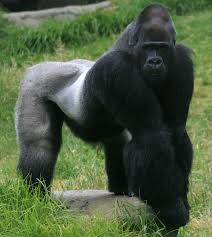
GIVE US A G! G is for gorillas! Gorillas are great apes! There are 4 subspecies, Eastern Lowland, Western lowland, mountain and cross river.


GIVE US AN O! O is for the oldest gorilla is in charge. Gorilla live in family groups where the oldest silverback male is in charge.

GIVE US AN O!
O is for the oldest gorilla is in charge. Gorilla live in family groups where the oldest silverback male is in charge.


GIVE US A R!  R is for roots, shoots, fruits and leaves. Gorillas are herbivores!

GIVE US A R!
R is for roots, shoots, fruits and leaves. Gorillas are herbivores!


GIVE US AN I! I is for intelligent. Gorillas are intelligent and are even known to have different cultures in different areas.

GIVE US AN I!
I is for intelligent. Gorillas are intelligent and are even known to have different cultures in different areas.


GIVE US AN L! L is for Lowland gorillas. If you ever meet a gorilla in a zoo it is a Western Lowland gorilla. They have the most numbers in the wild too.

GIVE US AN L!
L is for Lowland gorillas. If you ever meet a gorilla in a zoo it is a Western Lowland gorilla. They have the most numbers in the wild too.


GIVE US AN L! L is for loss. Gorillas are endangered due to habitat loss. Recycling your cell phone can help gorillas! Learn more here!

GIVE US AN L!
L is for loss. Gorillas are endangered due to habitat loss. Recycling your cell phone can help gorillas! Learn more here!


GIVE US AN A! A is for Africa. All species of gorillas live in Africa.

GIVE US AN A!
A is for Africa. All species of gorillas live in Africa.


Categories: adventure, Animals, Children, conservation, education, Environment, mammals, nature, science, wildlife | Tags: , , , , , , , , , , | 1 Comment

PANDAMANIA!

PANDAMANIA!

Happy World Panda Day! Our friend Petunia Panda is sharing some great panda facts for you and we’ll have a great video for you to watch on Youtube and Instagram!

IMG_0640

IMG_0641

IMG_0642

IMG_0643

IMG_0644

IMG_0645

IMG_0646

IMG_0647

IMG_0649IMG_0649

IMG_0653See how well a panda dances on Instagram and YouTube!

Categories: adventure, Animals, Children, conservation, education, Environment, mammals, nature, science, wildlife | Tags: , , , , , , , , , , | 1 Comment

Apartment Builders of the Wild!

Apartment Builders of the Wild!

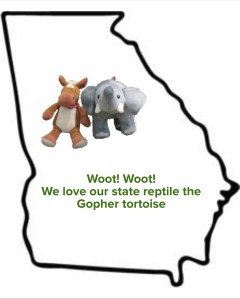
Since we we’re talking about burrows this week, we wanted to feature one of the best burrowers of animal world! These cute reptiles are the state reptile of Georgia too (our home state)!

IMG_0239

gopher tortoise

  • Gopher tortoises live in the sandy soil habitats of the Southeastern United States.
  • Gopher tortoises grow up to 12 inches long and have an average weight of 9 lbs.
  • They are listed as Vulnerable by the IUCN.
  • These tortoises are herbivores. They eat up to 300 varieties of plants.
  • They rarely drink water because they get it from plants.IMG_6686
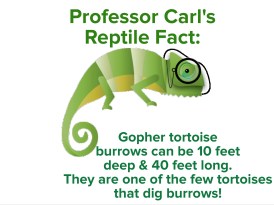
  • Gopher tortoises are a keystone species. The burrows they dig are important, as they provide shelter for many animals, including indigo snakes, burrow owls and rabbits. Scientists think up to 400 species of animals use gopher tortoise burrows!
  • Like other tortoises, gophers do not swim and spend their life on land.
  • Gopher tortoises front feet are shaped like shovels to help them dig those burrows.
  • These tortoises have suffered major habitat loss and are now protected in every state the live in, because of this! Without them, many animals would not have shelter.

gopher tortoise3gopher tortoise2

Let’s give three cheers for these amazing reptiles! Go Gopher Tortoises!

Categories: adventure, Animals, Children, conservation, education, endangered species, Environment, nature, reptiles, science, wildlife | Tags: , , , , , , , , , | 1 Comment

LEMUR MANIA- PART 1

LEMUR MANIA- PART 1!

We’re celebrating lemurs all week with some Lemur Mania! We’re off to the island of Madagascar to meet some of the crazy prosimians!

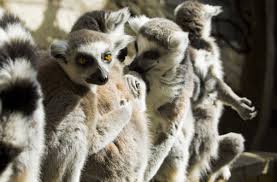
lemur1Some species of lemurs, like these ring tailed lemurs sun themselves during the day.

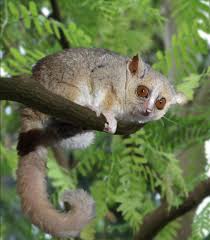
lemur2The gray mouse lemur only reaches a weight of up to 3oz. That is one small lemur!

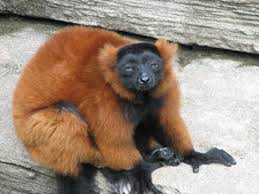
lemur4Red ruffed lemurs have alarm calls they use to warn others about predators.

lemur3Sifaka lemurs move by jumping vertically! It is super fun to watch- check it out!

lemur5The golden bamboo lemur eats, you guessed it, bamboo. They are critically endangered due to habitat loss.

lemur6Black and white ruffed lemurs, like other lemurs, have a row of bottom teeth that are similar to a comb- in fact it is called a toothcomb. This toothcomb helps the lemur groom itself.

lemur7A group of lemurs is called a troop!

We’ll be back tomorrow with more lemur mania! Do you have any lemur facts you’d like to share?

Categories: adventure, Animals, Children, conservation, education, Environment, mammals, nature, science, wildlife | Tags: , , , , , , , , , , | Leave a comment

WORLD ELEPHANT DAY!!

WORLD ELEPHANT DAY!!

IMG_3479

World Elephant Day is here again! We have some great fun facts, photos and resources on how you can help elephants! Tomorrow we’ll learn who the We Spy was and more about the elephants closest relative in a brand new We Are Fanimaly!

IMG_3517

ELEPHANT FUN FACTS:

  • There are two species of elephants- Asian and African (Ellie).
  • Only male Asian elephants have tusks.
  • Both female and male African have tusks.
  • Tusks are modified teeth that are made of ivory.
  • All elephants are herbivores.
  • Elephants are the largest land animal on earth.
  • Elephants walk on their tip toes.
  • African elephants can walk up to 50 miles a day.
  • Elephants live in family groups that are made up of females, their female relatives and their offspring. The group is led by the oldest female.
  • Adult male elephants live a solitary live.
  • Elephants use their ears to cool off.

IMG_3476   IMG_3460


On this World Elephant Day we must remember that 96 elephants are killed everyday for their ivory! We can take a stand! Join us and others at 96elephants.org- the Wildlife Conservation Society’s page dedicated to helping elephants! Lend your voice! Make a video of you stomping for elephants– like ours!

Categories: adventure, Animals, Children, conservation, education, elephants, endangered species, Environment, nature, science, wildlife | Tags: , , , , , , , , , , | Leave a comment

The Devil from Down Under

The Devil from Down Under

e e woods (2)

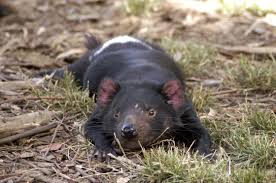
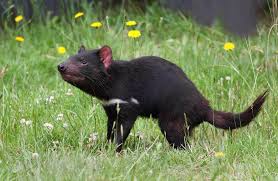
If you guessed Tasmanian Devil yesterday- you were right! We love these tenacious little marsupials and we hope you will too after learning more about them!

td3    Range/Habitat: Island of Tasmanian of coast of Australia/forest, scrub

    Diet: Carnivore: carrion

    Length/Weight: 23-26 inches/ 11-30 lbs

    Conservation Status: endangered


Fun Facts:

  • Tasmanian devils are the largest carnivorous marsupial on earth!
  • They are known for the their creepy loud screams they make when threatened. Check out a video!
  • Tasmanian devils can travel many miles to find food during the night.
  • Tasmanian devils mothers give off a foul odor when threatened!

IMG_2220

  • Tasmanian devil moms have rear facing pouches.
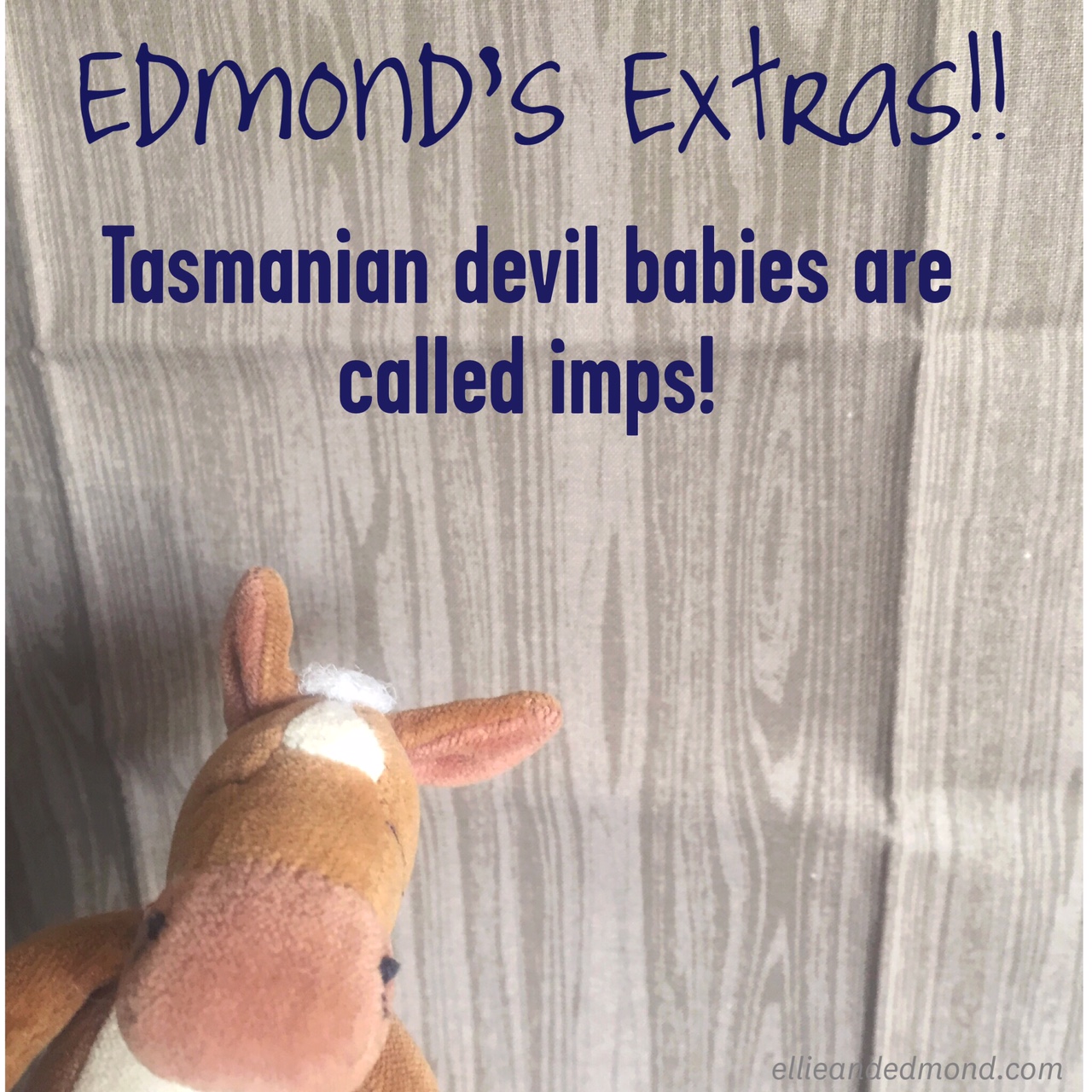
  • They give birth to up to 50 imps, but only 4 will survive.
  • Tasmanian devils have a life span of 5-8 years.
  • They are endangered, but places like the San Diego Zoo are helping protect them.

td2  td


We think these little marsupials with the bad reputation. They are amazing creatures. Do you love them as much as we do?

IMG_2221


Answer: False

Categories: adventure, Animals, Children, conservation, education, Environment, mammals, nature, science, Uncategorized, wildlife | Tags: , , , , , , , , , , | 1 Comment

ENDANGERED SPECIES DAY!

ENDANGERED SPECIES DAY!

We’re on vacation- so we wanted to share a post from a few years ago with you!

We want to explain a bit more about endangered species and have you meet a few animals who have success stories!

e & e eco explorers

First, what is an endangered species? Well, that is a complicated answer. The IUCN (International Union for Conservation of Nature) is an International group that is made up of scientist, conservation organizations and governments from all over the world. They work on conservation issues all around the globe and help determine populations of animals. They have ranking system that starts at Data Deficient and goes to Critically Endangered to Extinct. Individual countries sometimes have their own ranking system and that here in the U.S. started with the Endangered Species Act. It lists animals who need protection or help due to low populations. When an animal is put on the endangered species list, it helps people protect their habitat and their population.

We often hear so many negative stories when it comes to endangered species and we wanted to share some success stories! We can make a difference and we can help protect critical habitats and the animals who live there!

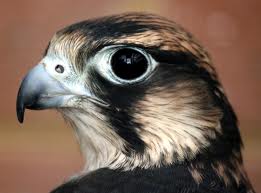
Peregrine Falcons

At one time there were just 324 pairs of these fast fliers left, but now there are over 1,700 pairs*!
perigrin falcon

Sea Otters

These adorable otters have gone from 1,700 individuals to over 2,700 due to protecting their habitat and rehabilitation efforts by places like the Monterey Bay Aquarium!

sea otter

Hawaiian Goose

The state bird of Hawaii has gone from just 400 birds to several thousand due to captive breeding programs that reintroduce the birds in their habitats!
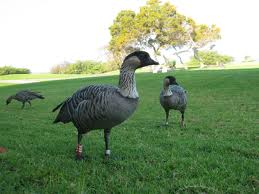
hawaiian goose

Gray Whale

These giants of the ocean are protected from hunting internationally and have seen their numbers grow under that protection. They now number in the 30,000s!
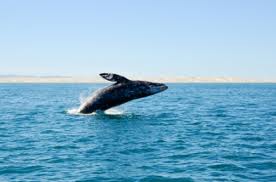
gray whale

*Numbers from biologicaldiversity.org

We love sharing animal success stories! You can make a difference when it comes to helping endangered species. You can  get involved with local and global conservation organizations. You can participate in a habitat clean up. You can recycle, reduce your trash and reuse items. You can take a trip to your local AZA accredited zoo or aquarium, all of which not only work with the animals they house, but with wild populations. Lastly, share your passion and love of animals with everyone you know!

Categories: adventure, Animals, Children, conservation, education, Environment, nature, science, wildlife | Tags: , , , , , , , , , | Leave a comment

SCIENCE WORD OF THE WEEK!

SCIENCE WORD OF THE WEEK!

swow endangered

It’s time for the Science Word of the Week! Friday is Endangered Species Day so we’ll be sharing information, puzzles and some great success stories all week! We promise to have E & E’s Chicago picks up too. It was a busy week at the University and we fell a bit behind.

Today’s Word is Endangered- when an animal is on the brink of extinction. Animals that are at risk of being endangered are listed by the IUCN  as vulnerable, endangered and critically endangered.  We here at the University work hard to share how we can all help endangered species! We look forward to sharing that all week!

Categories: adventure, Animals, Children, conservation, education, endangered species, Environment, mammals, nature, science, wildlife | Tags: , , , , , , , , , | 2 Comments

GO GREY FOR ELEPHANTS!

GO GREY FOR ELEPHANTS!

Today is International Elephant Day and we’re going grey for elephants! Unfortunately Ellie’s wild cousins are being poached in Africa at alarming rates and it’s up to all of us to help them! Put on grey today and tell people you are wearing grey for elephants!

elephant

What do we love about elephants? Let us tell you!

  • There are two species of elephants- Asian and African (Ellie).
  • Only male Asian elephants have tusks.
  • Both female and male African have tusks.
  • Tusks are modified teeth that are made of ivory.
  • All elephants are herbivores.
  • Elephants are the largest land animal on earth.
  • Elephants walk on their tip toes.
  • African elephants can walk up to 50 miles a day.
  • Elephants live in family groups that are made up of females, their female relatives and their offspring. The group is led by the oldest female.
  • Adult male elephants live a solitary live.
  • Elephants use their ears to cool off.

???????????????????????????????

How can you help elephants? Check out these organizations that helping elephants: David Sheldrick Wildlife Trust,  96 Elephants (Join the Herd)United for Wildlife.

You can also enter our art contest– we’re making calendars and the proceeds of those sales will go to the David Sheldrick Wildlife Trust!

We want to see you in your grey today! Show us your #elphies on Twitter, Facebook and Instagram!

Categories: adventure, Animals, Children, conservation, education, elephants, Environment, nature, science, wildlife | Tags: , , , , , , , , , | 1 Comment

Blog at WordPress.com.