Posts Tagged With: environment

Going the Distance

Going the Distance!

Today we’re showing you humans that the marathon is a walk in the park for these gold medal distance animals! These amazing creatures travel thousands of miles each year! Let’s give them a round of applause as they take the stand for top distance!

IMG_1226

Arctic terns make the longest migration of any animal on earth. They travel from one pole to the other, around 44,000 miles a year.

arctic tern

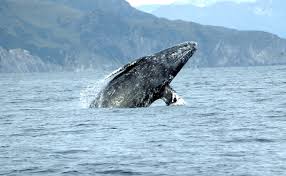
Gray whales travel the world’s oceans and migrate from Arctic waters that are rich with food to warmer waters to mate and give birth. They travel on average 12,000 miles per year.
gray whale

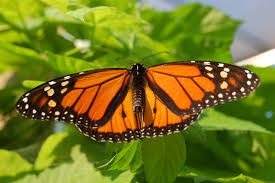
We all know the famous monarch butterfly! Those beautiful insects travel 2,000 miles from Canada to Mexico. No one butterfly completes the migration, it is done by several generations. 
monarch

Sooty Shearwaters travel 40,000 miles per year. Just losing out to the gold medal in distance to the Arctic tern. Sooty terns start their journey in Ne Zealand and head to the northern hemisphere.

sooty shearwater

Salmon migrate upstream- against the current. Some species like the chinook salmon travel nearly 2,000 miles during this challenging swim.

salmon

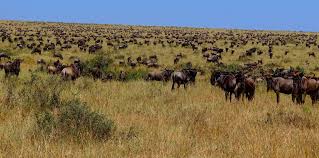
Gnus or wildebeest make a 1000 mile migration across the Serengeti in giant herds. They leave the dry plains to find food and water. 
wildebeast

Red crabs of Christmas Island travel from the inland forests to the beach to breed. They migrate in huge groups and go up 3 miles during their journey.  

red crab

Categories: adventure, Animals, Children, conservation, education, Environment, nature, science, wildlife | Tags: , , , , , , , , | Leave a comment

Gold Medals for Extra Senses

Gold Medal for Extra Senses

It takes human athletes a lot of work, practice, concentration and focus for them to excel at their sport. Animals often come with built in adaptations to help them excel at survival! Today we’re meeting some gold medal winning animals who have amazing senses!

IMG_1225

Some raptors can detect UV light. Urine trails left by their prey such as mice absorbs UV light. So guess what? Some raptors track their prey by the UV light given off by pee trails they leave!

hawk

A rats nostrils work independently of each other. They smell in stereo!

rat

 A platypus is the only mammal that has the ability to detect electrical impulses. Those special nerves exist in their bills.

platypus

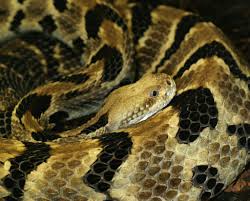
 Pit vipers can also detect the heat given off of their prey or infrared. This allows them to “see” the animal without using their eyes.

snake

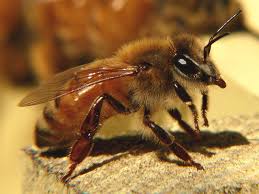
Bees have a ring of magnetic iron on their bodies that they use to detect the earth’s magnetic field. This helps guide the bee back to the hive.

bee

Buzzards have such excellent eyesight they can spot a rat from 15,000 feet in the air.

buzzard

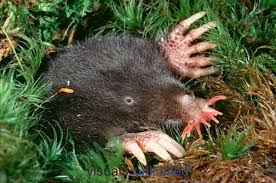
The star-nosed mole has 100,000 touch receptors in the appendages on their nose. That is 6x more than the human hand.

star nosed mole

Octopus have taste receptors on each of its suckers. They can reach out and taste something without leaving the safety of a hiding place.

octopus
Categories: adventure, Animals, Children, conservation, education, Environment, nature, science, wildlife | Tags: , , , , , , , , | Leave a comment

Gold Medal Swimmers and Divers!

Gold Medal Swimmers and Divers!

Today we’re meeting the gold medal winning animals who take water sports to a whole new level! Those humans have nothing on these amazing aquatic creatures!

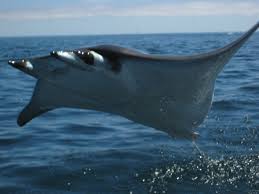
Some species of manta ray breach! Scientists aren’t sure why, but seeing them fly is amazing!

manta ray

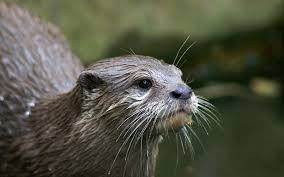
Otters close their nostrils & ears when they swim. They don’t need nose plugs or hair caps! Their fur keeps the water from their skin too!

otter

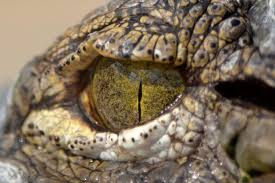
Alligators have nictitating membrane that allows them to see underwater. No goggles needed for these reptiles.

alligator

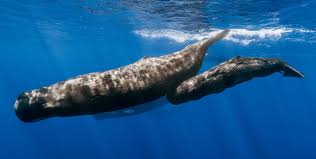
Sperm whales can make dives that can last up to 90 minutes! This beats every mammal record on earth!

sperm whale

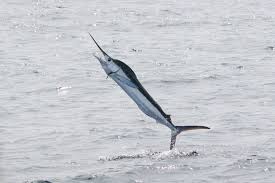
Sailfish can reach up to 70 mph. Now- that is fast!

sailfish

Emperor penguins can dive to depths of 210 feet. And they dive from icy platforms in formal wear. Hehehehe!

penguin

Cape gannets can dive into the ocean at speeds of up to 60mph. Those fish below better watch out- these birds are fast and graceful! 10s from all the judges for them!

cape gannet

The ultimate in synchronized swimmers are certain fish species that move in groups in a coordinated manner. No flashy suits, just amazing behaviors to help them survive!

school of fish
These are just a few of the awesome aquatic animals who have jaw dropping skills! We know who would win the free style swimming if they let in the sailfish though! Hehehe!
Categories: adventure, Animals, Children, conservation, education, Environment, nature, oceans, science, wildlife | Tags: , , , , , , , , , | Leave a comment

Animal Olympics

Animal Olympics

GO USA!!

GO USA!!

We are excited for the Olympics that are happening in Rio for the next two weeks! Tomorrow we are starting a series of posts of where we will be presenting the wildest, best and craziest animals in our own Olympic categories! We’ll have the animal Olympic swim team, the distance team, the extra senses and the harsh habitats crew! We’ll also be celebrating the best of the beasts on Friday with World Elephant Day this Friday! Woohoo! Finally we’ll wrap up the Olympics by meeting some of Brazil’s native animals!

We hope you are as excited as we are for the next two weeks! See you then!

Categories: adventure, Animals, Children, conservation, education, Environment, nature, science, wildlife | Tags: , , , , , , , , | Leave a comment

THIEF IN THE NIGHT!

THIEF IN THE NIGHT

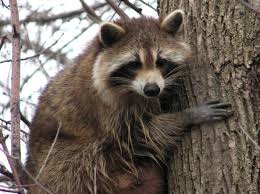
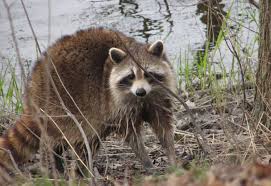
We’re meeting one more local of Salamander Woods. Are you ready? This animal is coming over during our last big bonfire as he is nocturnal! Let’s all be on the lookout for a little racoon!

raccoon2

Raccoon Fun Facts:

  • Raccoons live in North America. They are common.
  • They grow up to 28″ long and can weigh up to 20lbs.
  • Raccoon are omnivores. They will eat almost anything, from invertebrates to plants to small animals.
  • Raccoons have 40 teeth!
  • They live in all kind of habitats, from swamps to forests to cities.
  • Raccoons are famous for their masked faces.
  • Raccoons are nocturnal.

raccoon

  • They are known to wash their food off in creeks or streams.
  • Raccoons do not hibernate, but they do store fat before the winter and lose up to 50% of their body weight.
  • Raccoons have 5 digits on their front paws. These fingers act like human hands in a way.
  • They are excellent climbers and swimmers!

raccoon3

Raccoons are intelligent critters! They get a bad rap, but they are amazing! And you know you can’t resist those cute little faces!

Categories: adventure, Animals, Children, conservation, education, Environment, mammals, nature, science, wildlife | Tags: , , , , , , , , , | Leave a comment

CHIPPIE!

CHIPPIE!

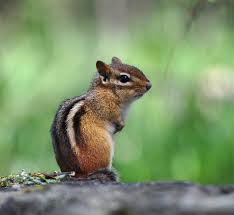
We’re back! Ellie had a cavity in one of her teeth so we took a few days off! Today we’re meeting another small resident of Camp E&E- Chippie the Chipmunk!

chipmunk3

Chipmunk Fun Facts:

  • Chipmunks can grow up to 11″ long and can have a 5″ long tail.

  • All but one of the 25 species of chipmunks live in North America.
  • They live in forests to deserts.
  • Chipmunks are omnivores. They eat insects, seeds and nuts.
  • They cache food for the winter.
  • Chipmunks do hibernate.

chipmunk

  • They don’t store fat, like other animals such as bears. Instead, chipmunks get up a few times during the winter to eat their cache.
  • Chipmunks are diurnal.
  • One chipmunk can gather 165 acorns in one day!

chipmunk2We love to see the chipmunks scurry around camp gathering food for winter! We love the story of the Great Chipmunk Races! We’ll have to tell you the story soon!


Categories: adventure, Animals, Children, conservation, education, Environment, mammals, nature, science, wildlife | Tags: , , , , , , , , | Leave a comment

Oh Bear!

Oh Bear!

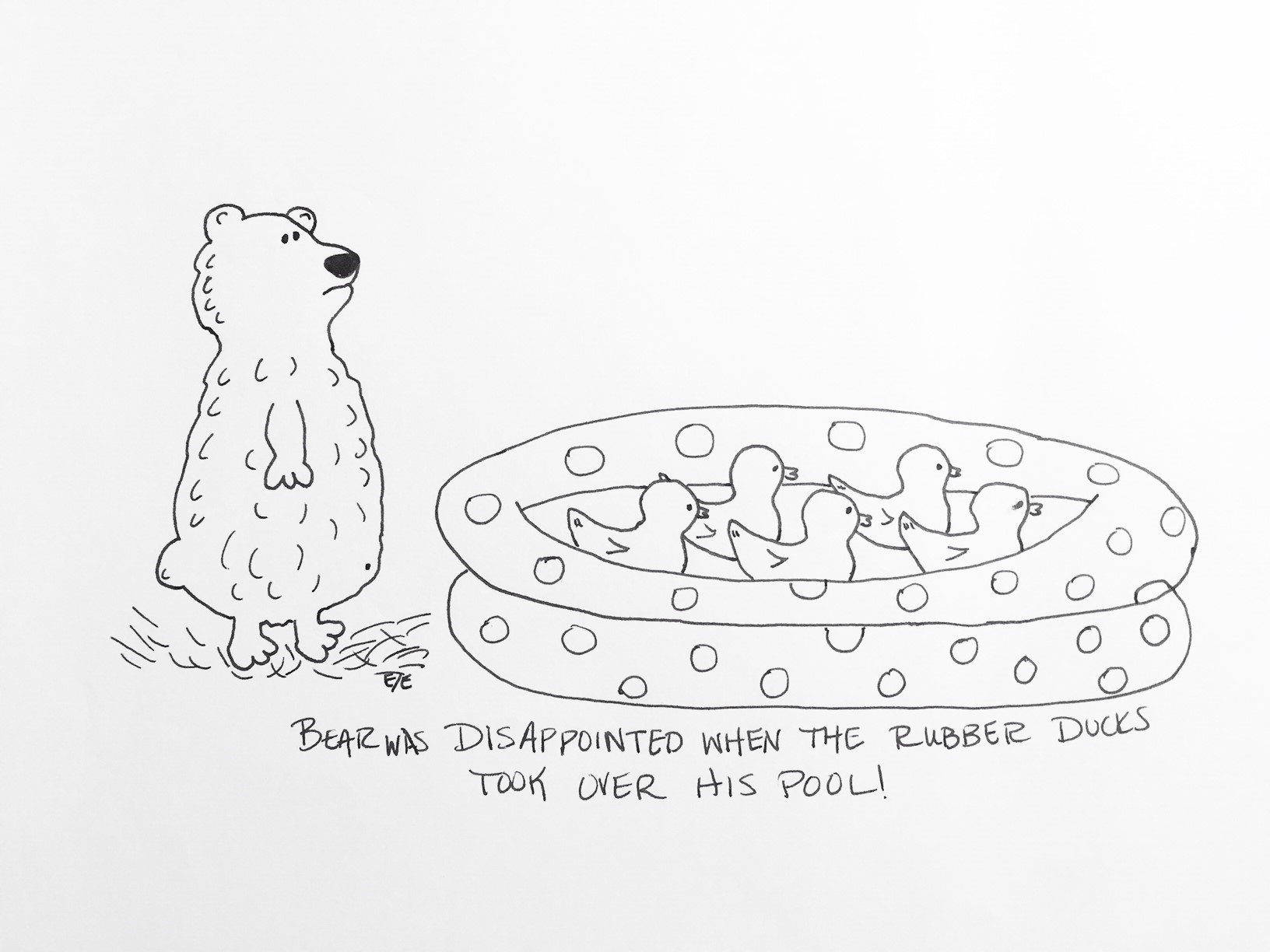
We have a fun comic/coloring page for you today! Enjoy and share your artwork with us!

FullSizeRender(76)

Categories: adventure, Animals, Children, conservation, education, Environment, nature, science, wildlife | Tags: , , , , , , , , , | Leave a comment

Oh Deer!

Oh Deer!

FullSizeRender(71)

We’re back! Your camp directors took a few days off for a long weekend! We also wanted to let you know the schedule for the next month! We’re having one more week of camp next week, then we’ll be celebrating the Ellie and Edmond animal Olympics. Then we will be taking a little time off to get ready for a whole new school year at the university! Woohoo!

First up today though, we are going to meet a resident of Salamander Woods, one you may be very familiar with- the whitetail deer!

deer

  • They are found from Southern Canada to South America, in suburbs, woodlands and forests.
  • They are herbivores. They eat grasses and other vegetation.
  • They can grow up to 8 feet long and weigh up to 300 lbs.
  • They are listed as least concern by the IUCN.
  • Whitetail deer are very recognized. They can often be seen near cities even.
  • They get their name from the underside of their tail, which is white. They flick that tail up to warn other deer of danger.

deer2

  • Whitetail deer are mostly nocturnal or crepuscular (active at dawn and dusk).
  • Male whitetail deer have antlers. They shed those antlers every year in late fall.
  • Whitetail deer are often shy.
  • Female whitetail deer and their offspring (fawns) live in groups. Males are more solitary.
  • They have a good eyesight and hearing. Their strongest sense is smell. They smell for predators and the scent markings of other deer.

deer3

It’s always fun to say hello to the deer when they come up to camp. They always nibble on the flowers- who can blame them Edmond & I think the flowers are tasty too!

Categories: adventure, Animals, Children, conservation, education, Environment, mammals, nature, science, wildlife | Tags: , , , , , , , , , | Leave a comment

CRAFT DAY- FELT WOODLAND SCENE

Craft Day- Felt Woodland Scene

We’re heading over to the craft cabin today to make some felt woodland scenes!

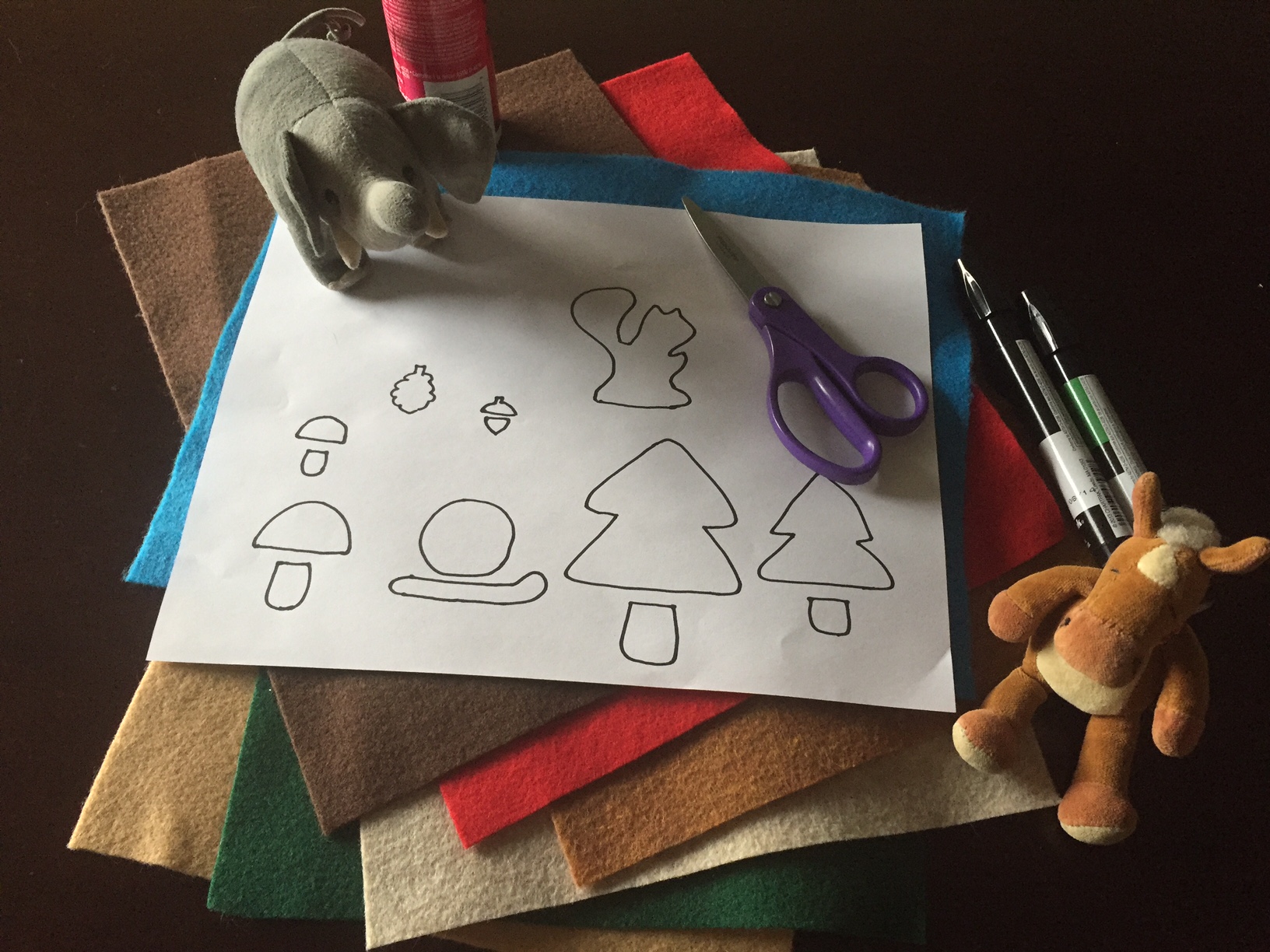
Materials:

IMG_0889(2)

  • Felt in many colors
  • scissors
  • markers
  • felt glue
  • woodland patterns


Instructions:

  • Print out the patterns (below)
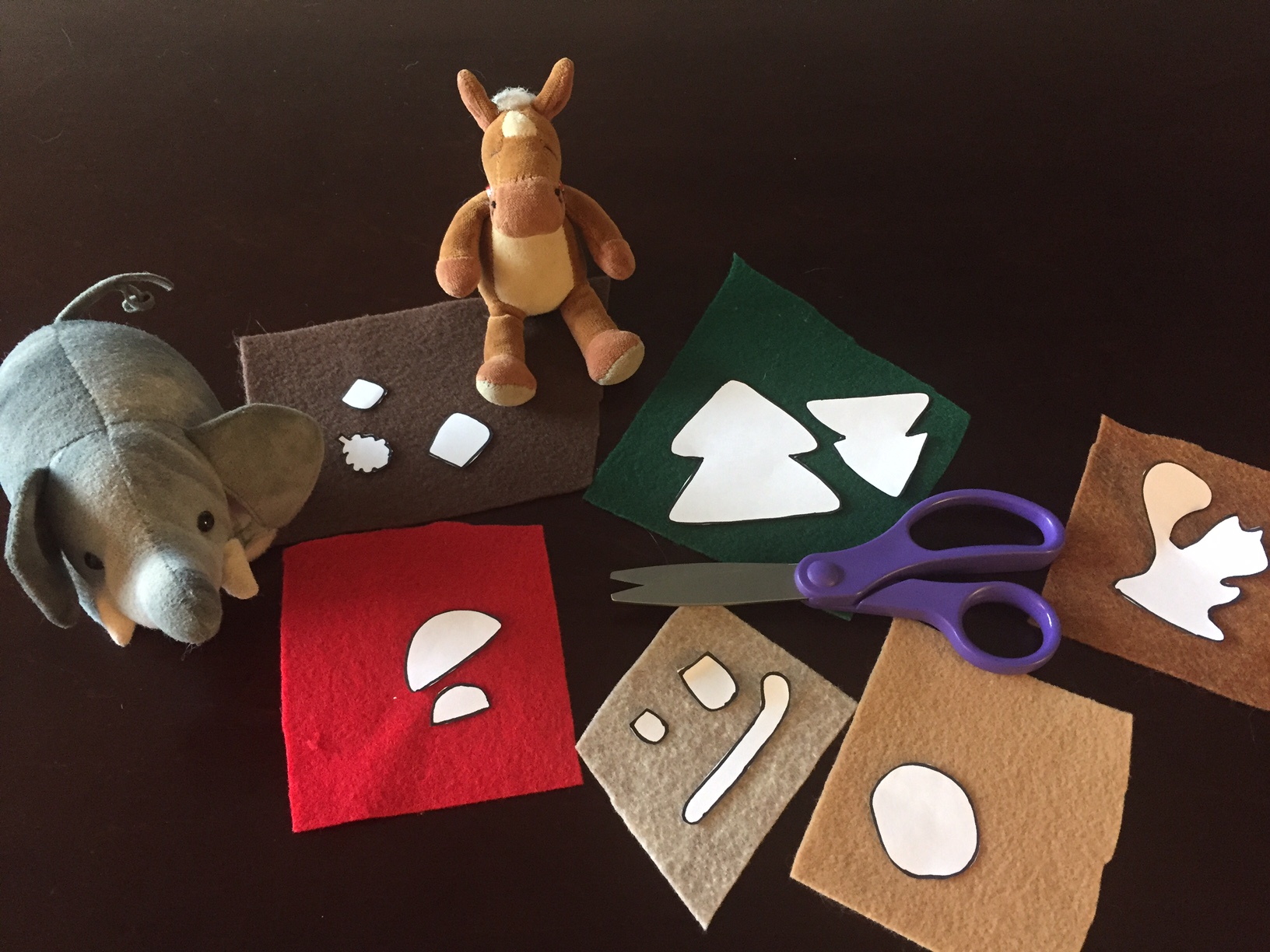
  • Cut out patterns and then trace on felt. Or you can cut around the patterns on the felt.

IMG_0890

  • Put together your pieces.

IMG_0891

  • Arrange your felt pieces on a background piece. We used blue. We also added grass.

IMG_0892

  • Glue all your pieces on your background.

IMG_0894


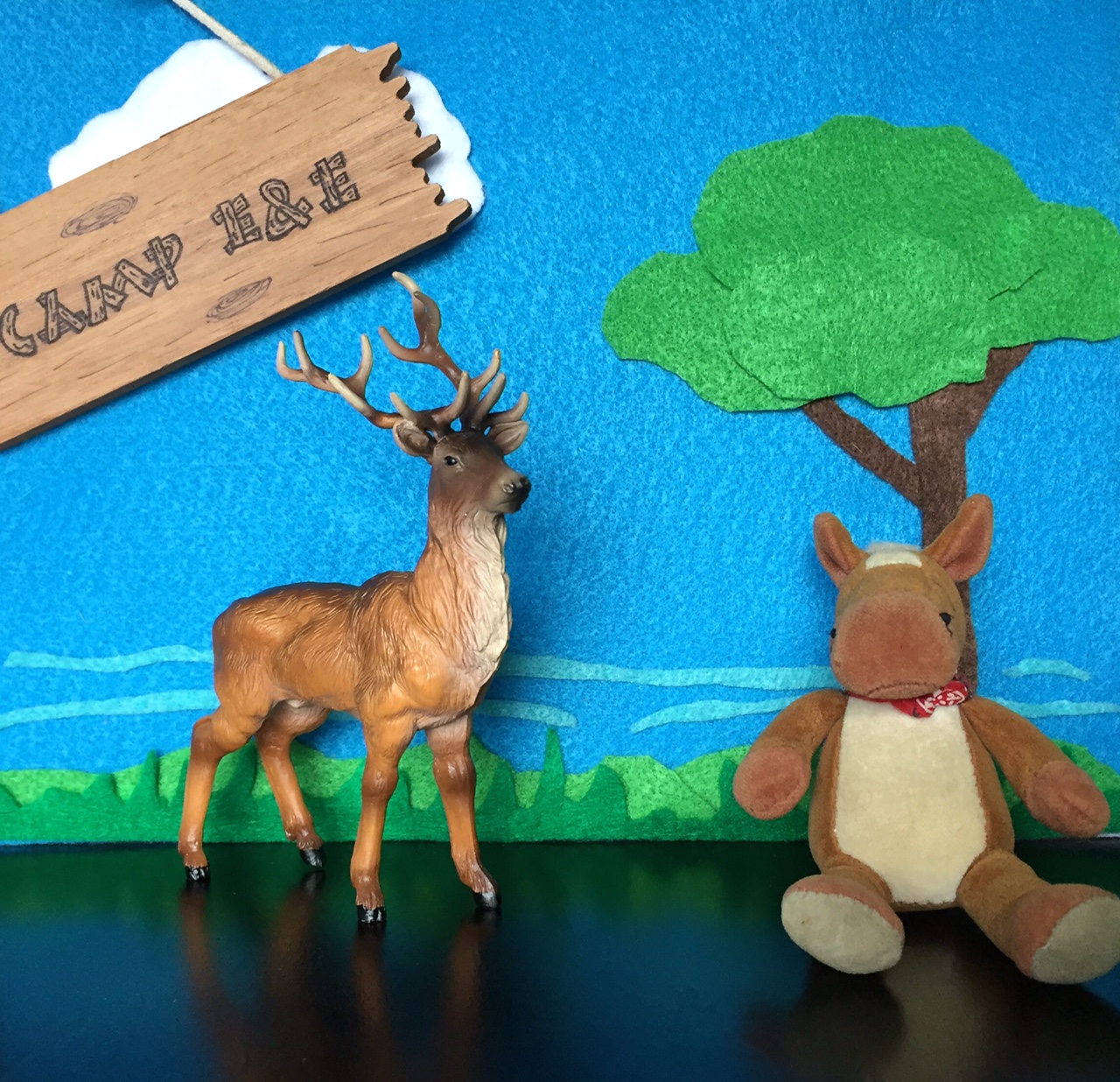
You can use this as the background of a puppet show or hang a picture on it! Remember to show us your finished product!

Categories: adventure, Animals, Children, conservation, crafts, education, Environment, nature, science, wildlife | Tags: , , , , , , , , , | Leave a comment

Meet the King of the Woods!

Meet the King of the Woods

We’re going to meet a snake today who is the king of the woods! So let’s get to it campers! We also have a fun cartoon for you!

kingsnake2

Categories: adventure, Animals, Children, conservation, education, Environment, nature, reptiles, science, wildlife | Tags: , , , , , , , , , | Leave a comment

Blog at WordPress.com.