Posts Tagged With: mammals

BEAR NECESSITIES!

BEAR NECESSITIES!

bear

We’re still celebrating Bear Appreciation Week with some fun bear facts and a coloring sheet!

bear3

BEAR FUN FACTS:

  • Bears are highly intelligent.
  • Polar bears are considered marine mammals.
  • Bears have an excellent sense of smell.
  • Bears can see in color.

bear1bear4

  • Some territories in Canada have polar bear shaped license plates!
  • Most bears are classified as omnivores. Panda bears only eat bamboo though.
  • There are 8 species of bears.
  • There are no bear species found in Africa.
  • Bears are bowlegged.
  • Bears are related to seals!

ImageWe love bears! Each species is so different and amazing! Do you have a favorite bear species? Print our bear coloring sheet and show us your favorite!

bear coloring sheet


Categories: adventure, Animals, Children, conservation, education, Environment, mammals, nature, science, Uncategorized, wildlife | Tags: , , , , , , , , , , | 1 Comment

HERE COMES THE SUN!

HERE COMES THE SUN!

It’s Bear Appreciation Week and we thought we would spotlight this super cute bear! We’re traveling to Southeast Asia today to meet a very handsome bear with a funny long tongue! Grab your gear we’re heading into the rainforest!

e & e rainforest

MEET THE SUN BEAR!

    sun bearRange/Habitat: Southeast Asia/ rainforest

    Diet: Omnivore: fruit, shoots, eggs, honey, termites

    Length/Weight: 3 ½-4 ½ ft/ 110-145 lbs

    Conservation Status: endangered


Fun Facts:

  • Sun bears are also called the dog bear or honey bear.
  • They have sleek, smooth brown-black fur with a white-orangeish “sun” patch on their chest.
  • They have very loose skin around their neck.
  • Sun bears are the smallest member of the bear family.
  • They have very long claws for climbing and digging for insects and honey.
  • Sun bears have very long tongues that they can extend up to 10”. They use these tongues to get termites and honey.
  • Sun bears are nocturnal (active at night).
  • They spend most of their time in trees.

Sun bears are just so adorable. They are endangered mainly due to habitat loss. There are lots of things that we can do to ensure our rainforests are kept intact. We love The Rainforest Site, because all you have to do is click once a day and money goes to save habitat for great animals such as our Sun Bear pal!

sun bear2   sun bear3

Categories: adventure, Animals, Children, conservation, education, Environment, mammals, nature, science, wildlife | Tags: , , , , , , , , , , | 1 Comment

WE SPY!!

WE SPY!!

FullSizeRender

We are back from vacation, but still playing a bit of catch-up! It’s bear appreciation week and we wonder if you can guess which species we spotted on vacation! We were in Florida is your only clue!

we spy

Categories: adventure, Animals, Children, conservation, education, Environment, nature, science, wildlife | Tags: , , , , , , , , , | Leave a comment

ENDANGERED SPECIES WORD SCRAMBLE

ENDANGERED SPECIES WORD SCRAMBLE!

Come enjoy a little brain test and see if you can unscramble these words to reveal the endangered species!

ENDANGERED SPECIES WORD SCRAMBLE

1. nhroi ___________________________________________
2. thlerabeakc eas urtlte ______________________________
3. oncdro___________________________________________
4. danlwol orgiall____________________________________
5. nasai teelhpan____________________________________
6. wons padreol_____________________________________
7. inatg anpad______________________________________
8. olinpan_________________________________________
9. umhpkcab lahwe_________________________________
10. yerg lwof_____________________________________


Answers down below:


  1. rhino
  2. leatherback sea turtle
  3. condor
  4. lowland gorilla
  5. Asian elephant
  6. snow leopard
  7. giant panda
  8. pangolin
  9. humpback whale
  10. grey whale
Categories: adventure, Animals, Children, conservation, education, Environment, nature, science, wildlife | Tags: , , , , , , , , , , | Leave a comment

WORLD BINTURONG DAY!

WORLD BINTURONG DAY!!

binturong

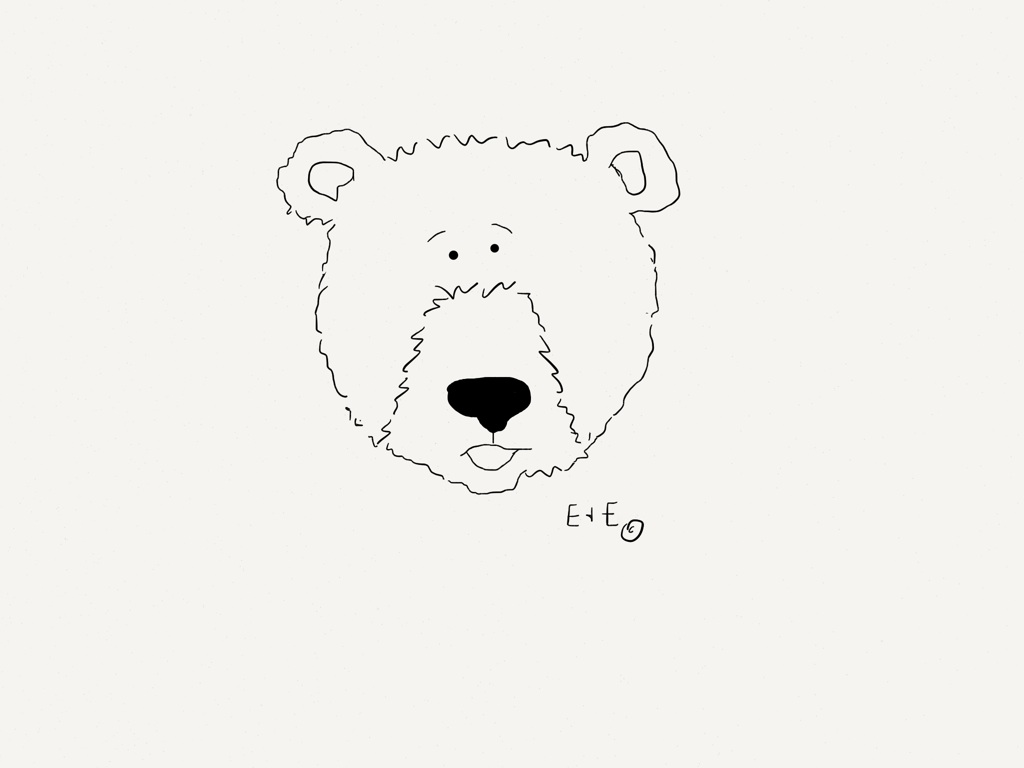
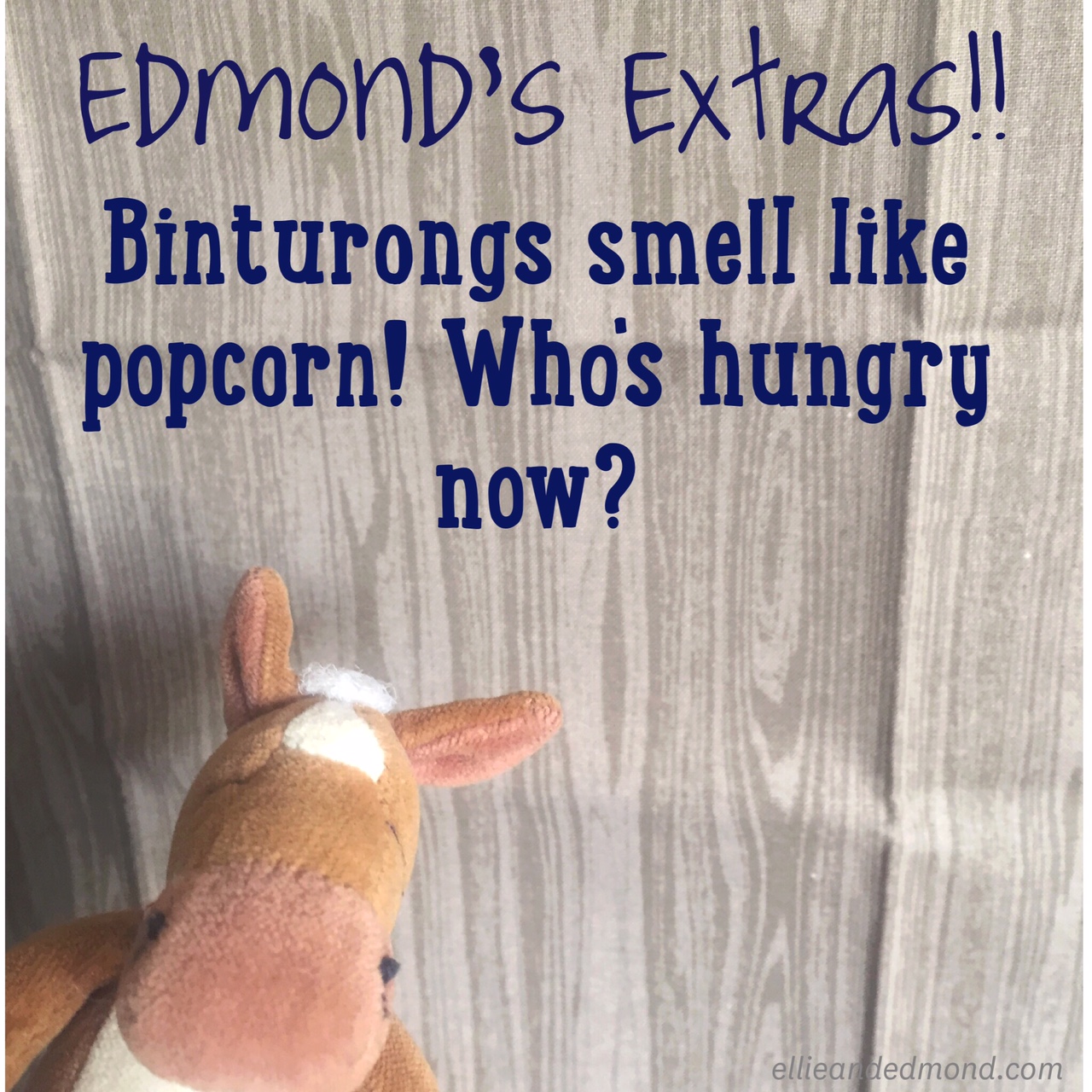
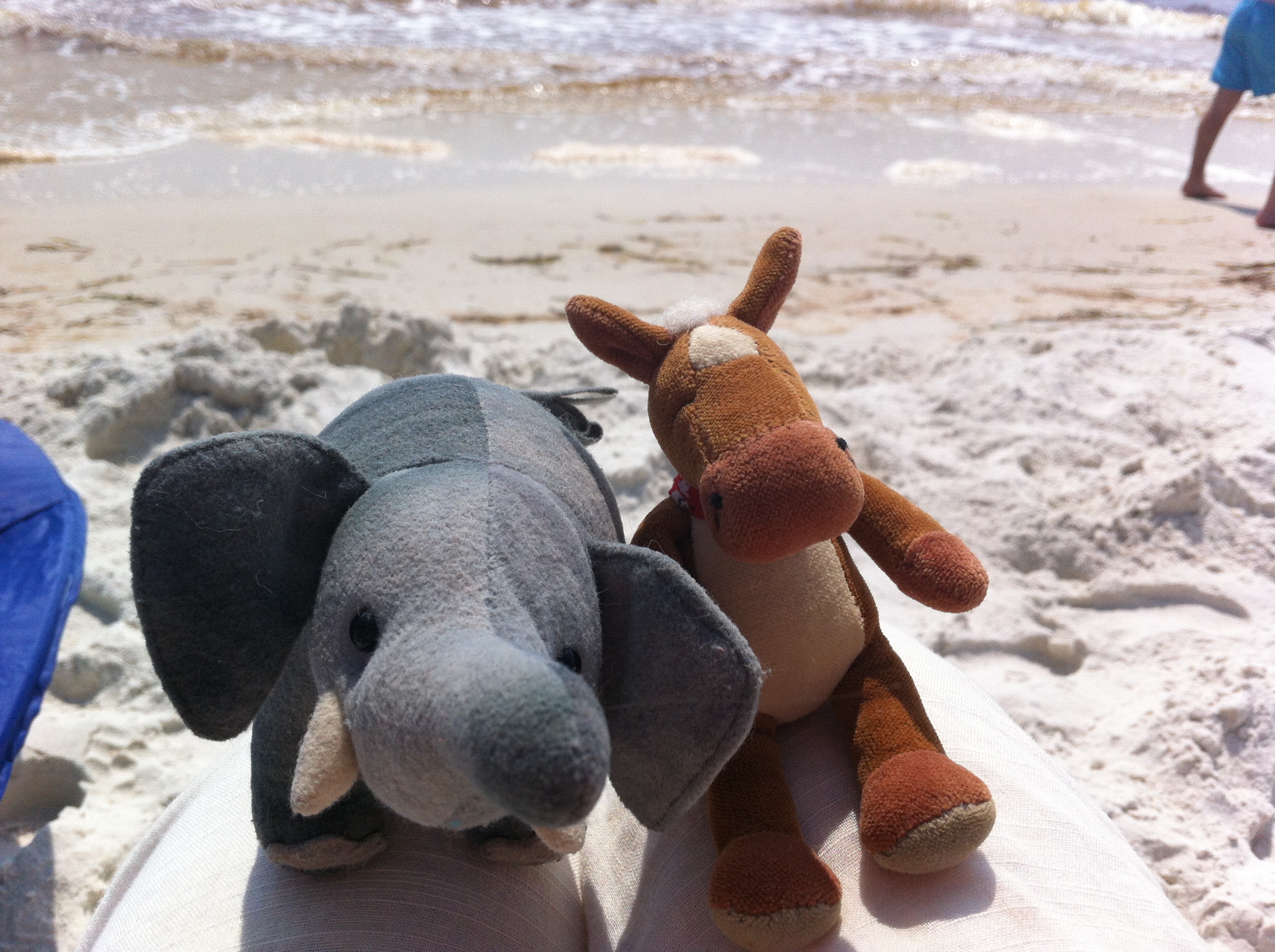
It’s the first annual World Binturong Day! Who’s excited? This horse and elephant sure are! We love these unusual mammals! We’ll share some fun facts and a few great resources for you today!

binturong3

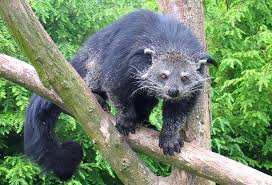
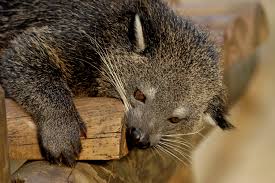
Binturong Fun Facts:

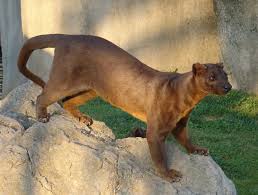
  • Binturongs are related to civets and fossas!
This is a fossa!

This is a fossa!


  • Binturongs are arboreal.                                 IMG_1817
  • Binturongs have prehensile tails.
  • They are nocturnal.
  • Binturongs keep their long shaggy coats clean by licking them like a cat does.
  • Binturongs eat insects, carrion, plant material and pretty much anything they fancy.
  • They have no natural predators.
  • They are 2-3 feet long and can weigh as much as 50 lbs.
  • Binturongs can be found in rainforests of Southeast Asia.
  • You can learn more by visiting the ABConservation website or checking out Zookeeper Rick from the San Diego Zoo!

binturong2

IMG_1818


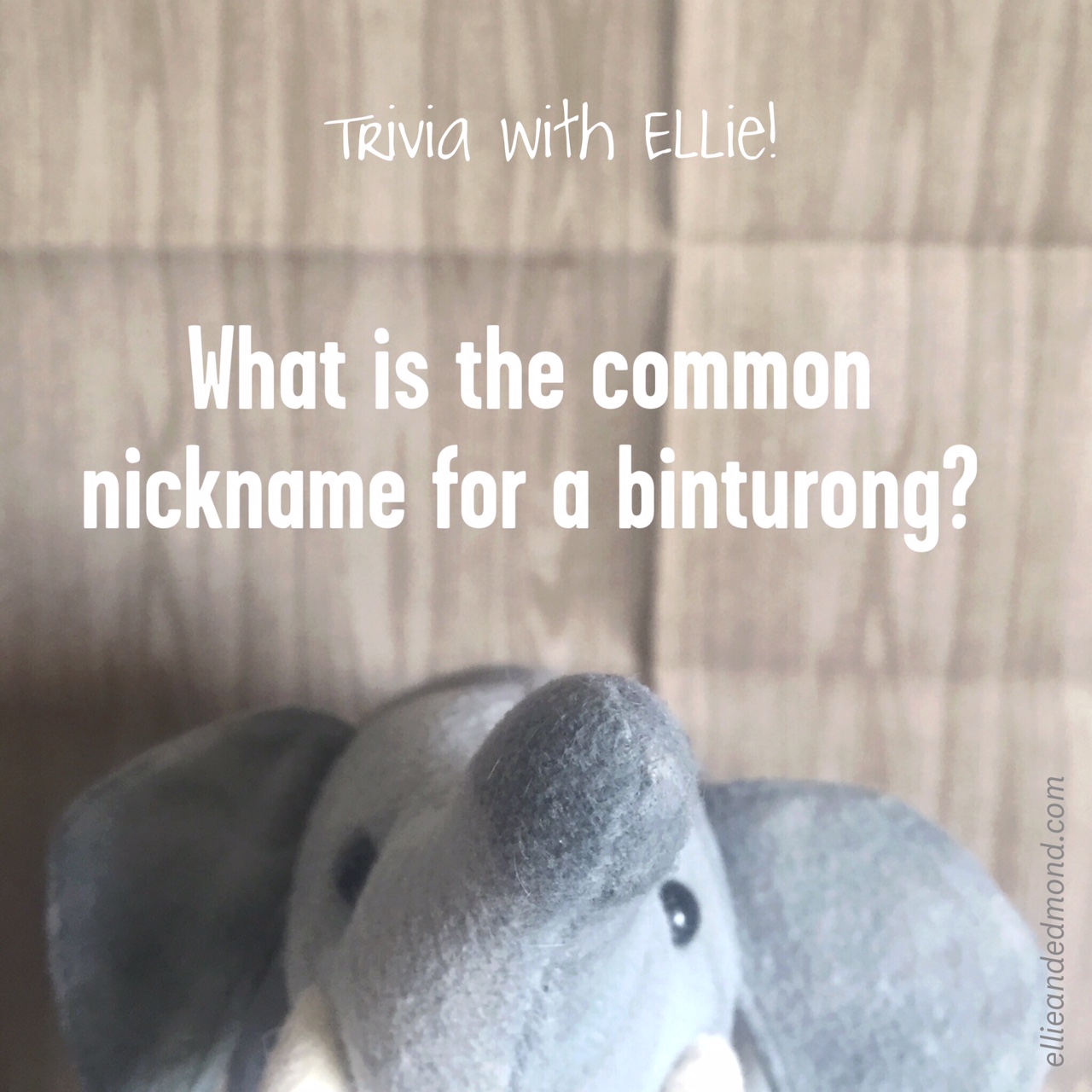
Answer: the Bearcat

Categories: adventure, Animals, Children, conservation, education, Environment, mammals, nature, science, wildlife | Tags: , , , , , , , , , | 2 Comments

HAPPY WORLD TAPIR DAY!!

HAPPY WORLD TAPIR DAY!!

tapirs

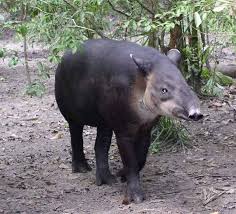
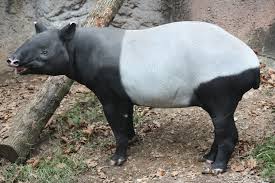
We’re celebrating some fun animals today! Tapirs are a bit odd looking with their elongated snoots and their hooved feet.

You might even think they are related to elephants, but they are not! Tapirs are in fact related to horses! Isn’t that cool! If you forgot that fun fact, you revisit our We Are Fanimaly!

tapir3

Fun Tapir Facts:

  • They have long prehensile mini trunks that are actually their noses and lips!
  • Tapirs are herbivores.
  • Tapirs are seed dispensers! They poop out the seeds of the fruit they eat and those seeds help forest growth.
  • Tapirs are excellent swimmers!
  • Tapirs live in South and Central America and parts of Asia.
  • All four species of tapirs are endangered!
  • Baby tapirs are covered in spots to help them camouflage!


tapir3  tapir4

Enjoy our tapir coloring sheet!

Image

Categories: adventure, Animals, Children, conservation, education, Environment, mammals, nature, science, Uncategorized, wildlife | Tags: , , , , , , , , , | 3 Comments

WE ARE FANIMALY!!

WE ARE FANIMALY!!

Hi everyone! We know that today is typically Science Word of the Week, but we have some big plans this week- including Earth Day and Save the Frogs Day, so we’d thought it would be fun to do a We Are Fanimaly, and we included Professor Tamandua!

slothtamandua

That’s right, sloths and tamanduas/anteaters are related!

  • Both sloths and tamanduas live in South America.
  • Tamanduas/anteaters have long tongues to eat insects.
  • Sloths are herbivores.
  • Sloths live in trees and rarely come down to the ground.
  • Large anteaters live on the ground, but tamanduas are climbers.
  • They are both related to armadillos too as part of the Xenarthra family!
  • They all have a unique backbone to help them support themselves when digging and climbing.
  • At one point there was a giant ground sloth! Super cool!
  • The origin of this family is around 59 million years old!

Who knew these amazing animals were related? We love sloths and of course tamanduas rank high with us too! Do you have a favorite Xenarthra?

Categories: adventure, Animals, Children, conservation, education, Environment, mammals, nature, science, wildlife | Tags: , , , , , , , , | 2 Comments

I Want to Drink Your Blood….

I WANT TO DRINK YOUR BLOOD!!

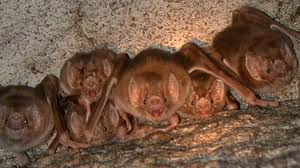
People often get so scared of our animal friends and they get a bad reputation.  Sometimes they may even be a little scary, but we love all animals! Sometimes we just love them from a distance! Today’s animal is a bat with sharp pointy teeth and a really bad reputation.


MEET THE COMMON VAMPIRE BAT!

Pretty cute!

I   Range/Habitat: Mexico-South America/roost in caves, mines, trees

   Diet: Hematophagy: blood of mammals such as cattle, pigs and tapirs

   Length/Weight: 2 ¾”-3 ¾”/ around 1 oz

   Conservation Status: common

vampire bat2

Fun Facts:

  • Common Vampire Bats are one of three bats that’s only source of food is the blood of other animals.IMG_1264
  • They have sharp thin-pointed teeth they use to bite animals.
  • Their teeth are so sharp that often the animals do not feel the bite.
  • Common vampire bats are strong fliers.
  • They have strong forelimbs and legs that help them get around on the ground. In fact they are very agile and speedy.
  • Common vampire bats have heat seeking receptors in their nose to help them locate veins closest to the skin.
  • Common vampire bats are nocturnal.
  • Common vampire bats live in large groups of usually several hundred individuals. They are known to have strong family bonds. There is even evidence of females adopting young bats that are orphaned.

vampire bat

We’ll admit these bats are a little creepy. But all animals have a place in this world. So we respect them all, again from a distance!

IMG_1265


Answer: True

Categories: adventure, Animals, Children, conservation, education, Environment, mammals, nature, science, wildlife | Tags: , , , , , , , , , , | 1 Comment

NATIONAL DOLPHIN DAY!

NATIONAL DOLPHIN DAY!

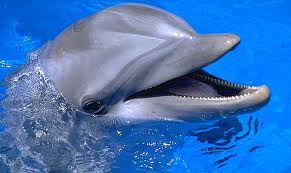
Ok, we’re a day late celebrating these amazing aquatic mammals, but better late than never! Dolphins are members of the toothed whale family and their largest member is the Orca- we bet you didn’t know that! We’re celebrating dolphins by featuring one of the better known dolphins- the Bottlenose Dolphin! Come learn about these amazing and intelligent creatures!

beach

Have you ever spotted dolphins at the beach?

MEET THE BOTTLENOSE DOLPHIN!

   Range/Habitat: Oceans worldwide, except for the polar regions

   Diet: Carnivore: fish, mollusks, crustaceans

   Length/Weight: 6 ¼- 13 ft/ up to 1,110 lbs

   Conservation Status: common


Fun Facts:

  • Bottlenose dolphins are very social and live in complex groups.
  • Bottlenose dolphins use echolocation to catch prey- similar to our bat friends!
  • They make many different whistles and clicks to communicate with each other. These vocalizations are still be studied and understood by scientists.
  • Each dolphin has a signature or individual whistle that identifies them, like we have names.
  • They use tools. One group of dolphins has been seen using sponges to protect their noses from stingrays and stonefish as they look for prey.
  • Bottlenose dolphins are able to recognize themselves in a mirror.
  • They learn behaviors from their mothers and other dolphins.
  • Bottlenose dolphins have been taught to understand sign language.
  • They also use many different cooperative hunting techniques.

Researchers are really just beginning to understand the depths of their intelligence, both in institutions and in the wild. We sure wish we knew how to speak dolphin! Squeak, click, whistle!


Categories: adventure, Animals, Children, conservation, education, Environment, mammals, nature, oceans, science, wildlife | Tags: , , , , , , , , , , | 1 Comment

WE SPY!!

WE SPY!

FullSizeRender

We Spy with our four little eyes a flying mammal that has a bad reputation for sucking blood.

guess

Categories: adventure, Animals, Children, conservation, education, Environment, mammals, nature, science, wildlife | Tags: , , , , , , , , , | 5 Comments

Blog at WordPress.com.