Posts Tagged With: mammals

GREATEST HITS WEEK!!

GREATEST HITS WEEK!

We’re on holiday this week, so we’re sharing some of our greatest hits you may have missed!!

Today we’re putting on our diving suits and taking a dip in the cold waters of the subarctic to meet this swimming mammal! Are you ready? Let’s do this!

e & e coast

MEET THE HARBOR PORPOISE!

   Range/Habitat: North Atlantic-North Pacific Ocean/ coasts, rivers

   Diet: Carnivores: fish, herring, capelin

   Length/Weight: 4 ½-6 ½ ft/ 110-200 lbs

   Conservation Status: vulnerable

Fun Facts:

  • The Harbor Porpoise is also called the common porpoise.
  • They prefer temperate and subarctic waters.
  • They generally shy and elusive.
  • Harbor porpoises tend to feed on the bottom.
  • They use echolocation to help them find their prey.
  • Harbor porpoises are black on top and white on the underside.
  • Harbor porpoises have been known to travel into fresh water rivers.

These shy porpoises are wonderful! Scientists don’t know much about these porpoises because of their shy nature. Ocean dwelling animals are very hard to study since humans don’t have gills :)!


Categories: adventure, Animals, Children, conservation, education, Environment, mammals, nature, science, wildlife | Tags: , , , , , , , , , , | Leave a comment

ELEPHANT APPRECIATION DAY!

ELEPHANT APPRECIATION DAY!

ellie flower

We’re celebrating Elephants today! Ellie could not be more excited! We would normally share some fun facts with you on this excellent day, but we are changing things up a bit! Elephant populations are in danger, all because of the illegal ivory trade! So we’re giving you some great resources and saying thank you to the organizations that are helping out elephants all over the world!

First up: The David Sheldrick Wildlife Trust!  This amazing organization takes in orphaned elephants are raise them to be released in the wild! Most of their orphans come in because they lost their mother to poachers. They world tirelessly protecting elephants and rhinos too! Check out their website- you can adopt an orphan or contribute to the center!

Next up: iWorry- this campaign was started by the David Sheldrick Trust. They are organizing marches around the world to educate people about the illegal wildlife trade! Check out their website and see if there is a march near you!

Next up: United for Wildlife! This collaboration was started by Prince William of England! Along with his pal David Beckham, they are partnering with World Wildlife Fund, Conservation International, IUCN and others to stop illegal wildlife trade, including ivory! Check out how you can help here!

Last up: Save the Elephants and Yao Ming- these two are partnering to end the ivory and rhino horn trade and educate people about the harm of killing elephants and rhinos! Learn more about their excellent campaign here!

elephantEllie and her wild pals thank you for helping out elephants!!

Categories: adventure, Animals, Children, conservation, education, elephants, Environment, mammals, nature, science, wildlife | Tags: , , , , , , , , , | Leave a comment

RED PANDA DAY!!

RED PANDA DAY!!!

Who loves Red Pandas? We love Red Pandas! Good thing it’s Red Panda Day! We’re celebrating with pictures, fun facts about red pandas and how you can help these endangered animals!

red panda

  • Red pandas are classified in their own families, but are related to raccoons.
  • They are nocturnal.
  • They live in mountainous forests in parts of Southeast Asia.


red panda2

  • Red pandas are arboreal.
  • They are solitary.
  • Red pandas are also called The Fire Fox or the Red Cat Bear.

red panda3

  • Red pandas eat bamboo, grass, fruit and eggs.
  • They have very thick fur and very bushy tails to keep them warm.
  • Red pandas have a psuedo thumb that helps them grasp bamboo.

These adorable little red pandas are endangered, mainly due to habitat loss. There is a great organization working very hard to protect our favorite red pals! The Red Panda Network celebrates Red Panda Day, conserves forests and educates people about the fire fox! Check out their website!

Categories: adventure, Animals, Children, conservation, education, Environment, mammals, nature, science, wildlife | Tags: , , , , , , , , , | Leave a comment

AMAZING ANIMALS WEEK- GUESS THE ANIMAL

AMAZING ANIMALS WEEK- GUESS THE ANIMAL!!

It’s time to guess the animal! Look at the picture, read the clues and tell us who the animal is!

blue whale

  • My heart is the size of a small car.
  • I am a mammal.
  • Seeing me would never give you the blues.

WHO AM I?

Categories: adventure, Animals, Children, conservation, education, Environment, nature, science, wildlife | Tags: , , , , , , , , , | Leave a comment

AMAZING ANIMAL FACTS!!

AMAZING ANIMAL FACTS!!

This month’s theme week is all about amazing animal facts! We’ve picked five great facts about mammals today! After you have hopefully learned something- share your favorite animal fact with us!

e & e eco explorers

1. HUMPBACK WHALES CREATE THE LOUDEST SOUND OF ANY LIVING CREATURE ON EARTH!

We’re going to need earplugs!

humpback whales

2. ELEPHANTS CAN SMELL WATER 3 MILES AWAY!

Sometimes we like just to smell the flowers!

IMG_4548

3. THERE ARE SPECIES OF MOTHS THAT LIVE ONLY IN SLOTH’S FUR!

We hope they pick the best sloth in the neighborhood!

sloth

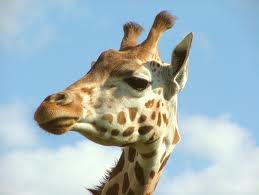
4. GIRAFFES CAN GO LONGER WITHOUT WATER THAN CAMELS.

Camels thought they were special with their fat humps!

giraffe

5. RATS ARE TICKLISH!

Tickle Fight!!!

rats

Categories: adventure, Animals, Children, conservation, education, Environment, mammals, nature, science, wildlife | Tags: , , , , , , , , , | Leave a comment

TEDDY BEAR DAY!

TEDDY BEAR DAY!!!

Today is Teddy Bear Day! We’re celebrating these magical stuffed pals and their wild inspirations! Everyone hug their bear at home and send a hug to all those wild amazing bears out there!

Our pal Bertie Bear!

Our pal Bertie Bear!

Do you know where teddy bears came from? They were named after the American president Theodore Roosevelt (he also started the National Park System in the United States!) We found this great history of the teddy bear here!

So why do we love bears? We found this great answer on the New Hampshire Fish and Game website :

“What good are bears?
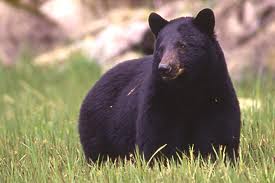
Throughout history, humans have always been interested in black bears. They occupy many places in our culture — from Native American ceremonies to Teddy bears. Bears have a very positive impact on our environment. Because bears need a variety of habitats to thrive, managing habitat for bears benefits many other species. As a result, bears are a good indicator species of healthy wildlife habitat. If a habitat supports bears, it will support many other creatures.

The bears themselves affect the ecosystem in a multitude of ways. As predators, they help control deer and moose populations; as scavengers they help clean up carcasses; in their search for insects, they act as nutrient recyclers; and by eating a variety of fruits, they help distribute and sow fruiting trees and shrubs which are used by other animals.

Bears also hold some secrets that are worthy of study — such as the ability of denning pregnant female bears to shut down their digestive and excretory systems and still deliver and nurse as many as 5 cubs. Bears also have significant economic value in many parts of the country; hunters, photographers and wildlife enthusiasts all spend significant sums of money in order to hunt or view bears. Hunters utilize harvested bears as a highly prized source of food. Bears enrich our lives in many ways and provide many useful functions. Perhaps the most important function is the knowledge that if you live in an area that can support a healthy bear population, that area is also healthy enough to support you.”

Black bear
Black bear


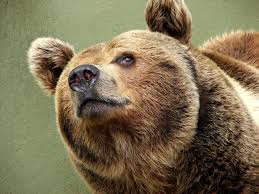
Brown bear

Brown bear


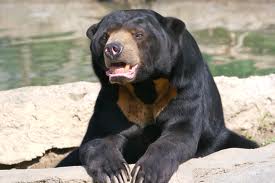
Sun bear

Sun bear

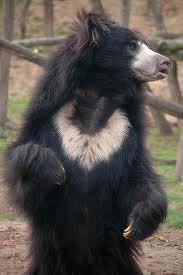
Sloth bear

Sloth bear

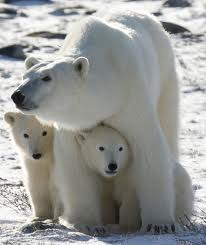
Polar bear

Polar bear


Asiatic Black Bear

Asiatic Black Bear

Spectacled bear

Spectacled bear


Panda bear

Panda bear


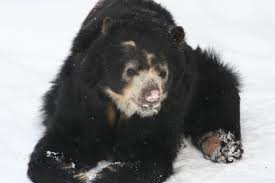
There are 8 species of bears in the world! They include Sun bears, Black bears, Brown bears, Polar bears, Asiatic Black bear, Sloth bear, Spectacled bear, Giant Panda bear. Six of the species are listed as threatened to endangered. There are many groups working to protect all of these bears, including the World Wildlife Fund!

Every time you hug your favorite Teddy friend think of great ways you can help their wild cousins! Happy Teddy Bear Day!


Categories: adventure, Animals, bears, Children, conservation, education, Environment, mammals, nature, science, wildlife | Tags: , , , , , , , , , , | Leave a comment

MAMMAL MONDAY # 81

MAMMAL MONDAY # 81

Back your bags and let’s get ready to go to Australia to meet a cute little mammal! Brush up on your best accent and let’s go on today’s adventure!

e & e rainforest2

MEET THE QUEENSLAND RINGTAIL!

ringtail2   Range/Habitat: Eastern Australia/ forests, parks, rainforests

   Diet: Herbivore: leaves, eucalyptus

   Length/Weight: 12-14”/ 25-39 oz

   Conservation Status: common


Fun Facts:

  •          Queensland ringtails have reddish/gray fur.
  •          They are also known as the Common Ringtail Possum.
  •          They are arboreal.
  •          Queensland ringtails are nocturnal.
  •          Queensland ringtails have long prehensile tails.


Queensland ringtails are adorable little mammals! Australia is not a huge place, but it sure is full of all kinds of amazing animals!

ringtail3

Categories: adventure, Animals, Children, conservation, education, Environment, mammals, nature, science, wildlife | Tags: , , , , , , , , , | 2 Comments

WORLD ORANGUTAN DAY!!

WORLD ORANGUTAN DAY!

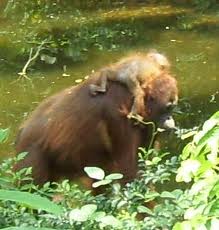
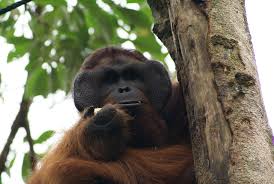
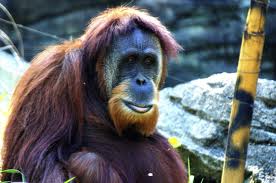
We’re celebrating one of our favorite great apes today! These magnificent beauties are intelligent, amazing and closely related to humans! They have one of the longest periods of child rearing in the animal kingdom, because learning to be an orangutan takes time. Unfortunately they are endangered, but we can help! Let’s learn some fun facts and then see how we all can protect these great apes!

orangutanORANGUTAN FUN FACTS:

  • There are two species of orangutans, Bornean and Sumantran.
  • The name Orangutan means man of the forest.
  • Orangutans are arboreal. They spend most of their lives in the trees.
  • They are mostly solitary.
  • Baby orangutans stay with their moms for 8-10  years.
  • Orangutans are extremely intelligent.
  • They have culture. They share their patterns and behavior with their offspring and others.
  • An adult male orangutan has an arm span of about 7 feet.
  • Orangutans are frugivores.
  • Orangutans build nests in the trees each night.
  • Adult male orangutans develop large cheek pads and throat pouches.

orangutan2  orangutan3


orangutan4orangutan5orangutan6


We love those faces. Orangutans are losing their precious forest homes due to palm oil plantations. Palm oil is used in many products and food. It is very hard to avoid totally. Cheyenne Mountain Zoo has a wonderful resource for consumers to use. They have a list of products that use palm oil that is produced in a sustainable manner and is not taking over orangutans homes. This resource is a great tool to help orangs! Visiting your local zoo and learning more about these apes is a great way to help! Our local zoo, Zoo Atlanta does some fantastic research with orangutans. They are learning to use computers!

Check out the Cheyenne Mountain Zoo website. They even have a nifty app you can take with you when you are shopping!

Learn more about Zoo Atlanta’s Orangutan Learning Tree Project! They are doing some amazing work! We’ll be participating in the Redhead Run here in Atlanta to support orangutans too!

Categories: adventure, Animals, Children, conservation, education, Environment, mammals, nature, orangutans, science, wildlife | Tags: , , , , , , , , , , | 1 Comment

WORLD ELEPHANT DAY!!

WORLD ELEPHANT DAY!!!

???????????????????????????????

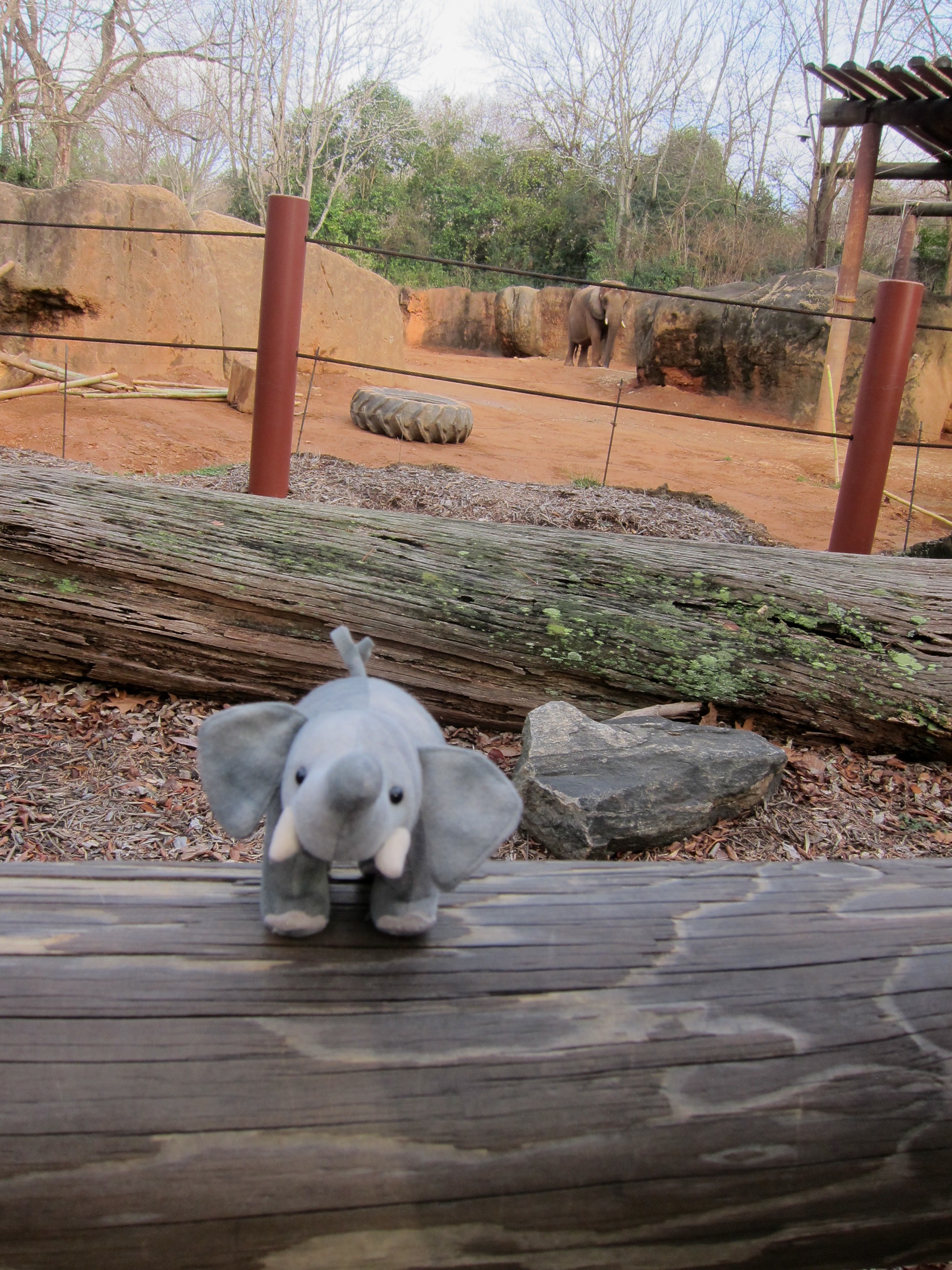
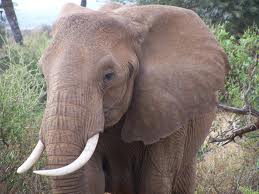
Today is the day to celebrate elephants! Of course the day is super special to Ellie and it’s great day to learn about her fellow elephants and how you can help them! Are you ready to love an elephant!

ELEPHANT FUN FACTS:

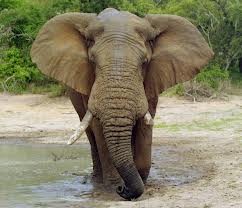
  • There are two species of elephants- Asian and African (Ellie).
  • Only male Asian elephants have tusks.
  • Both female and male African have tusks.
  • Tusks are modified teeth that are made of ivory.
  • All elephants are herbivores.
  • Elephants are the largest land animal on earth.
  • Elephants walk on their tip toes.
  • African elephants can walk up to 50 miles a day.
  • Elephants live in family groups that are made up of females, their female relatives and their offspring. The group is led by the oldest female.
  • Adult male elephants live a solitary live.
  • Elephants use their ears to cool off.

elephants  elephant2


elephant3  elephants4


Asian elephants are endangered and African elephants are vulnerable. Unfortunately elephants are losing their lives for the ivory trade. There are ways we can help Ellie and her wild cousins! There is a wonderful orphanage for baby elephants in Africa called the David Sheldrick Wildlife Trust. They work tirelessly to raise orphan elephants and help protect them in wild! Check out their website and look for our first fundraiser to help them in September!  Tell us your favorite thing about Ellie and her elephant friends!

Categories: adventure, Animals, Children, conservation, education, elephants, Environment, mammals, nature, science, wildlife | Tags: , , , , , , , , , | 3 Comments

WATERY WEDNESDAY # 78

WATERY WEDNESDAY # 78

 We’re back to our regular programming today with an adventure in the big blue ocean! We’re going to search for a beautiful member of the ray family! All aboard the E & E sub and let’s goooooo!

e e deep sea

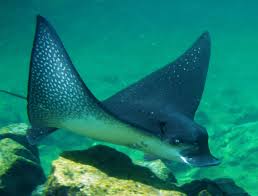
MEET THE EAGLE RAY!

eagle ray   Range/Habitat: East Atlantic-Mediterranean oceans

   Diet: Carnivore: fish, crustaceans

   Length/Weight:  8 ¼ ft+/ 44-66 lbs

   Conservation Status: common


Fun Facts:

  •          Eagle rays have spots.
  •          Their patterns and colors vary.
  •          Eagle rays have seven rows of flat teeth for crushing prey.
  •          Eagle rays have a stinger on their tail.
  •          They can leap out of the water.

Wow! Eagle rays sure are gorgeous fish! We love these special cartilaginous creatures! Do you love rays?

eagle ray2    eagle ray3

Categories: adventure, Animals, Children, conservation, education, Environment, nature, science, wildlife | Tags: , , , , , , , , , , , | 4 Comments

Blog at WordPress.com.