
KNOW YOUR SHOREBIRDS!
It’s time to get to know your shorebirds! Enjoy this coloring sheet and bonus points to those of you who can tell us the species!

KNOW YOUR SHOREBIRDS!
It’s time to get to know your shorebirds! Enjoy this coloring sheet and bonus points to those of you who can tell us the species!
WE SPY!

We Spy with our four little eyes a bird who lives near the shore and can scoop fish from the ocean in one giant swish! Can you guess who we spy?

O WOE IS WOBBEGONG!

We love wobbegong sharks- in fact they may be one of our favorites! We have a wonderful poem about the wobbegong along with a coloring sheet! Enjoy! Make sure you check out our Instagram and Facebook pages- we have a groovy shark we have a groovy shark video to wrap up shark week!
O Woe is Wobbegong
O woe is me the wobbegong!
I lay here on the ocean floor!
I have fringe on my face called barbels.
They are not useful for picking up marbles.
O woe is me the wobbegong!
I am a shark don’t get me wrong.
I blend in with the sand and rocks.
I have fins so no need for socks!
O woe is me the wobbegong!
Laying here singing my sad song.
I don’t have to swim to breathe;
I have spiracles- nifty, see?
O woe is me the wobbegong!
My jaws and teeth are very strong.
I lie and wait until I see…
A fish!
Chomp!

CAT! SHARK! CATSHARK!
We’ve really enjoyed Alien Sharks during shark week! They spotlighted small and unknown sharks. There are over 500 species of sharks in our oceans and we usually only hear about the biggies: great whites, tigers, whale sharks, etc… Today we’re featuring a small shark found off the coast of the UK! Can you guess it’s name?
MEET THE SMALL SPOTTED CATSHARK!
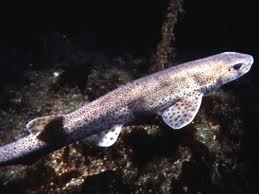 Range/Habitat: Eastern North Atlantic- Mediterranean/ ocean
Diet: Carnivore: fish, mollusks
Length/Weight: up to 3 ¼ ft/ 6 ½ lbs
Conservation Status: common
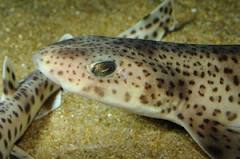 Fun Facts:

These little sharks are great! We love that shark eggs are called mermaid purses– learn more about those from Professor Tamandua! Do you have a favorite not so well know shark?


Answer: true
KNOW YOUR SHARKS!
We have a know your sharks coloring sheet for you! (sorry for the poor quality- we had scanning issues)! Enjoy! And if you can tell us what these species are- we’ll send you a magnet!

SCIENCE WORD OF THE WEEK!

We’re buzzing about Shark Week here at the University! Ellie and Edmond have a shark quiz planned, along with a craft and some great shark facts! I’ll get the fun started with today’s word!
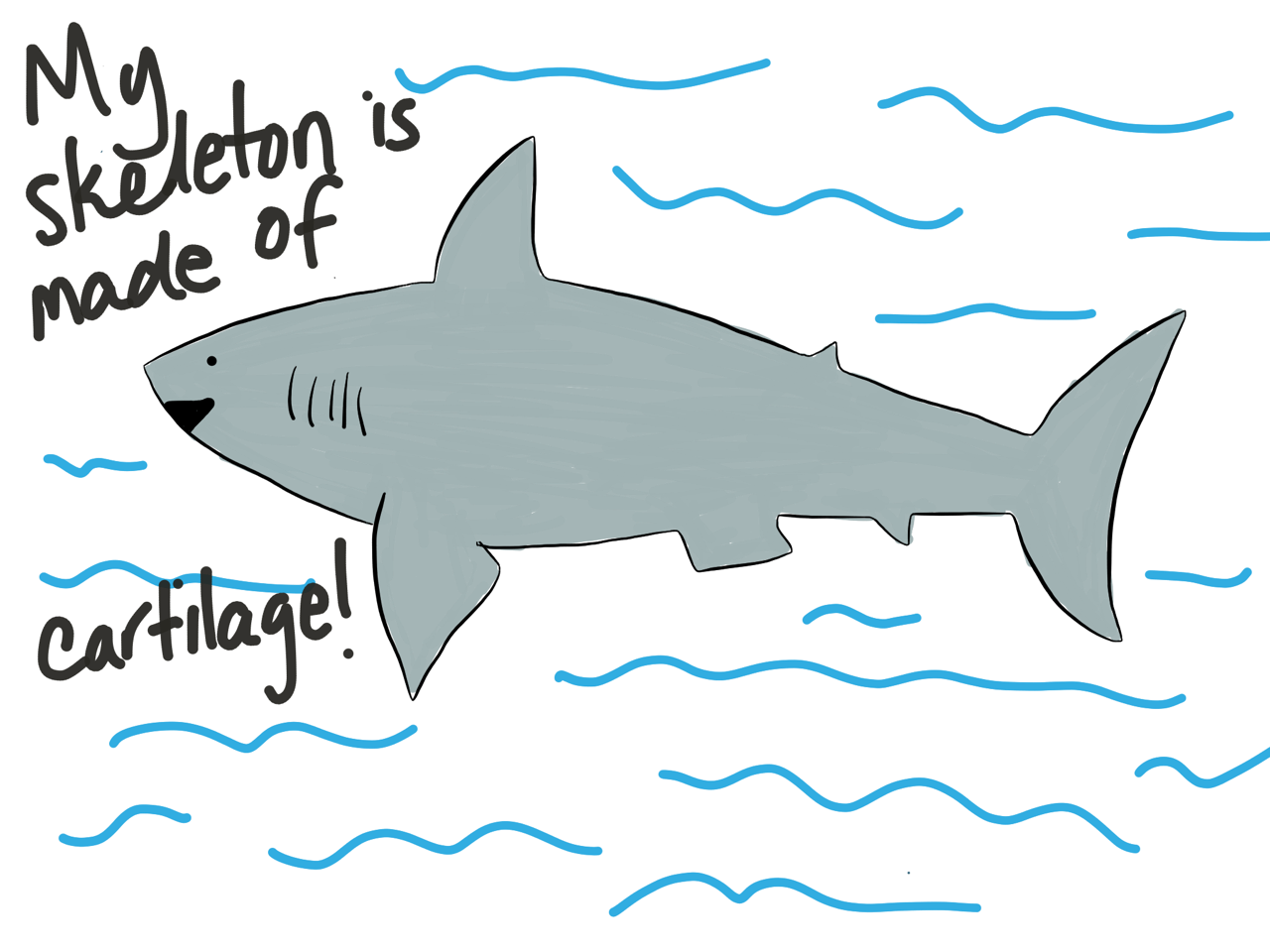
Today’s word is Cartilage: a firm, but flexible connective tissue that is white or yellowish in color. You humans have cartilage in your joints and on your nose and ears! Sharks and rays have skeletons that are made of cartilage! They are vertebrates just like animals with bony skeletons!
FUN WITH NUDIBRANCHS!
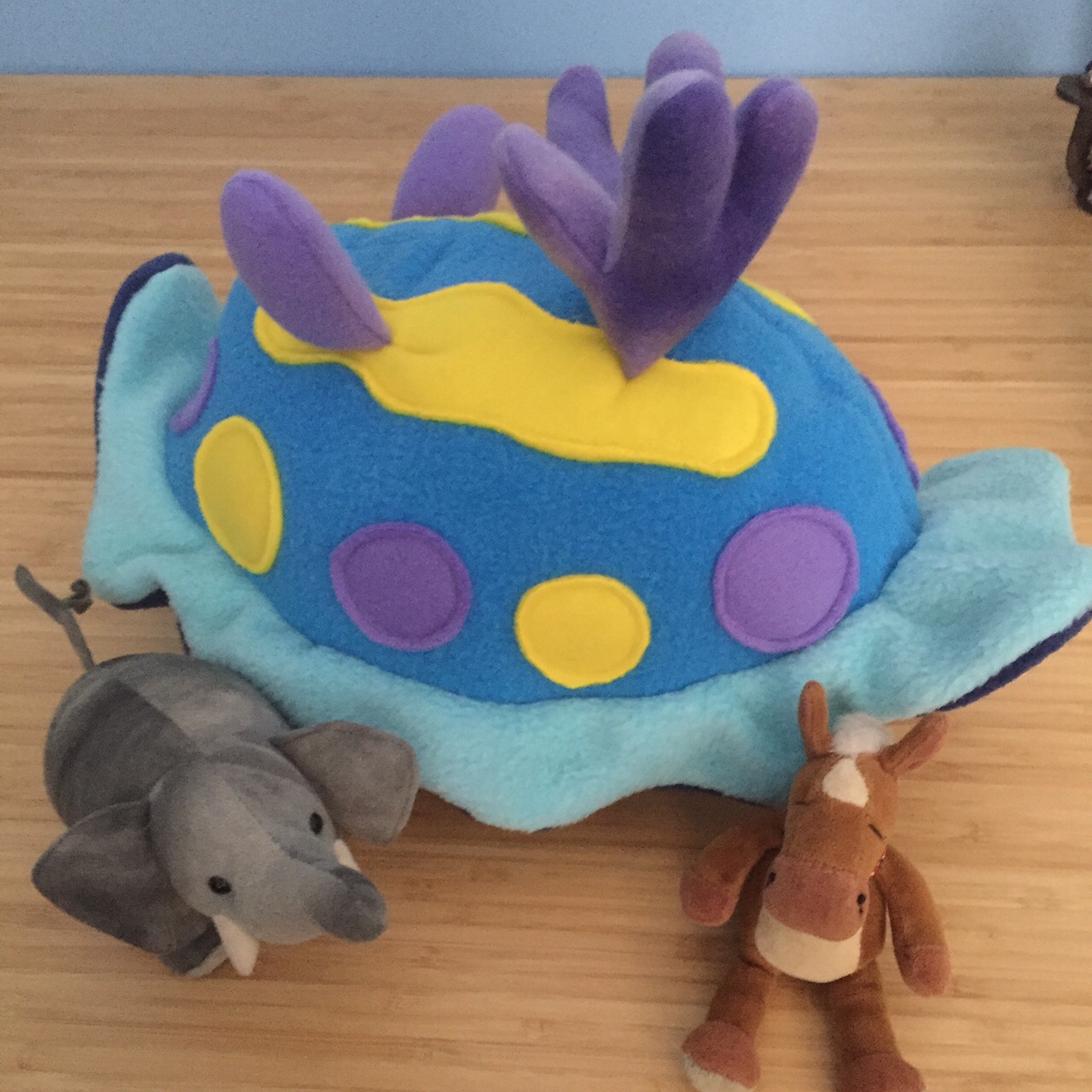
We’ve been playing around with videos at HQs! We made a Nudibranch cheer video! Shout out the letters and you’ll meet our new nudibranch pal at the end!
We also drew a nudibranch coloring sheet for you to enjoy today too!! Want to learn more about Nudibranchs? Check out our post from last year!

THAT’S REMORA!
Since we’ve been talking about symbiosis and mutualism this week we’d thought we’d introduce you to a great pair of animals! The shark and the remora!
 Remora Fun Facts:

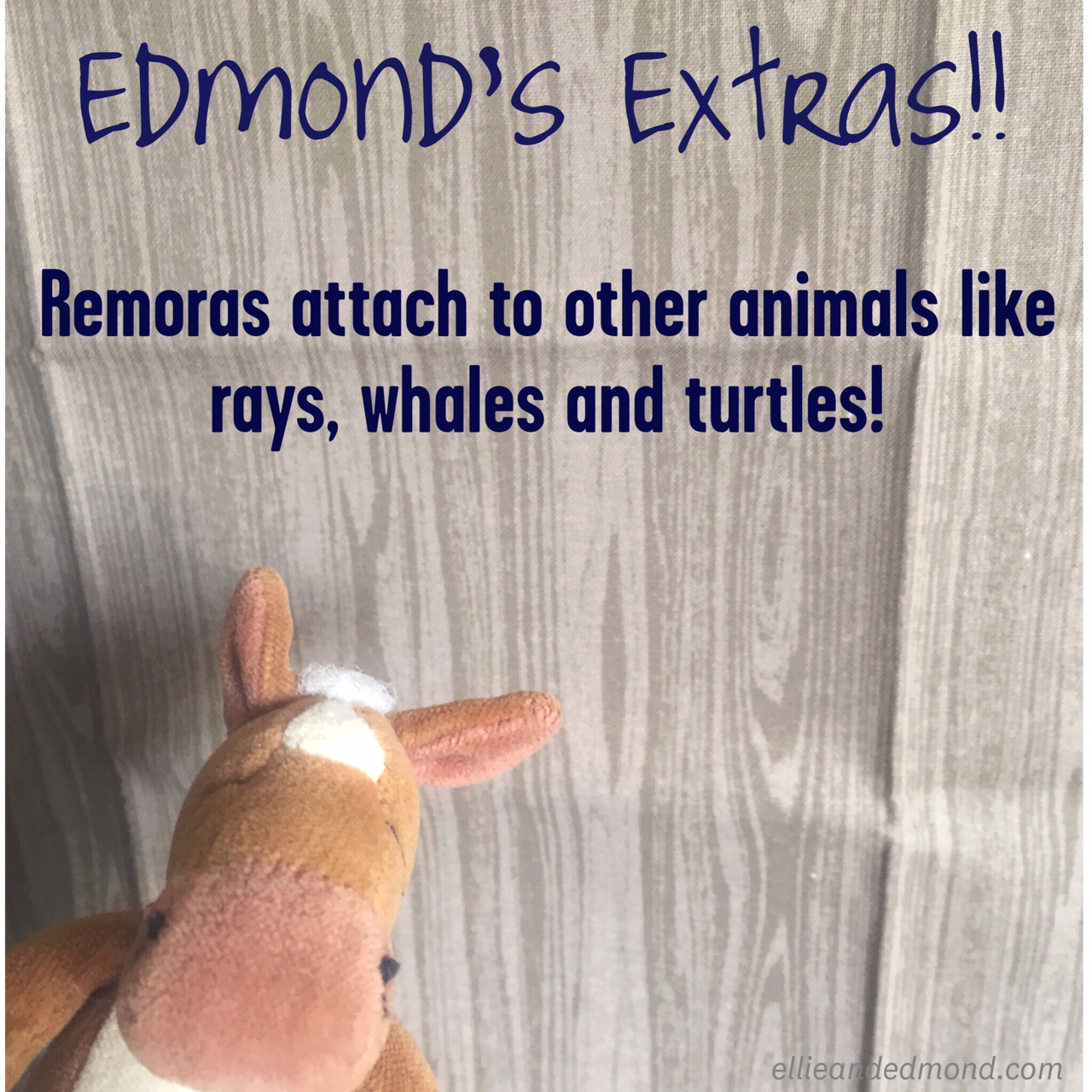
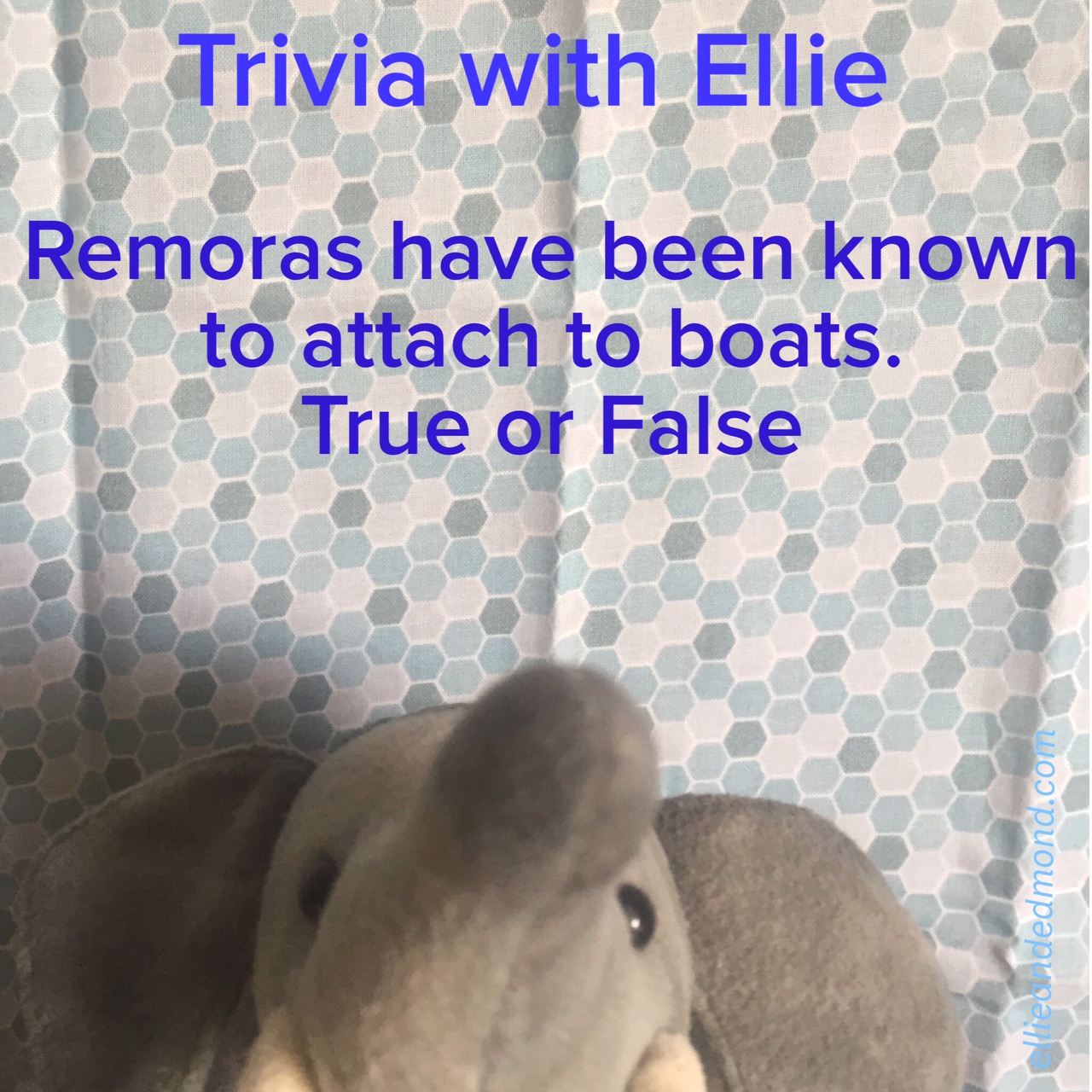
Answer: True!
WE SPY!!

We Spy with our four little eyes this animal with stinging cells, that may share it’s space with colorful fish!
Can you guess who it is?

SCIENCE WORD OF THE WEEK!

Welcome everyone! I’m very excited for today’s lesson! It’s a great word, so let’s get right to it!
Today’s word is: Symbiosis (simbēˈōsəs) an interaction between two living organisms. There are different kinds of symbiosis; today we will talk about mutualism. Mutualism is when two living organisms interact with each other that benefit each other.
Here are two examples:
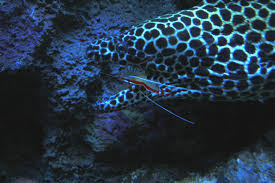
Cleaner shrimp and eel or fish- the shrimp eat parasites off the eels mouth. The eel gets rid of pesky parasites and the shrimp get a meal!
Clownfish and anemones- clownfish spend their time in a host anemone. The stinging cells of the anemone help protect the clownfish from predators, while the anemone eats bits of food that the clownfish drops.
Nature is full of symbiotic relationships- including mutual ones! Can you think of any other mutualistic ones?


 The Adventures of Ellie and Edmond