Posts Tagged With: oceans

SHARK WEEK GREATEST HITS DAY #2

 SHARK WEEK GREATEST HITS DAY #2

We’re off in the E & E sub to meet a small and spotty shark! Are you ready to meet this cartilaginous fish? We have room for everyone! Let’s do this!

MEET THE LEOPARD SHARK!
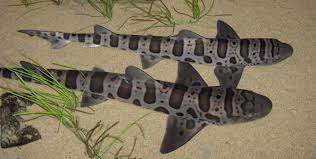
   Range/Habitat: Eastern North Pacific/ oceans-near estuaries

   Diet: Carnivore: invertebrates, crabs

   Length/Weight: up to 7 ft/ up to 71 lb

   Conservation Status: common


Fun Facts:

  • Leopard Sharks have spots on their backs and sides.
  • They have long slender bodies and a large dorsal fin.
  • Leopard sharks are harmless to humans.
  • Leopard sharks have short round snouts.
  • They have strong jaws full of flat teeth for crushing prey.

Leopard Sharks certainly earned their name from another famous predator! It sure seems that spots and stripes help you camouflage in with your habitat! What kind of coloration would you want to help you camouflage in with your habitat?


Categories: adventure, Animals, Children, conservation, education, Environment, nature, science, sharks, wildlife | Tags: , , , , , , , , , , | Leave a comment

SHARK WEEK- GREATEST HITS!!!

SHARK WEEK GREATEST HITS!!!

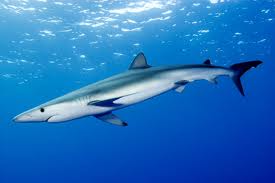
We’re celebrating Shark Week by sharing some of our greatest adventures meeting sharks! First up the Blue Shark!!

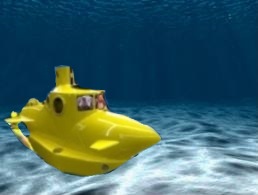
It’s time to pull on your wetsuit and put on your goggles and head into the ocean to meet today’s animal! Today’s fish has a skeleton made of cartilage and a mouth full of teeth! Maybe we’ll skip the wetsuits and watch these fish from our submarine :)!

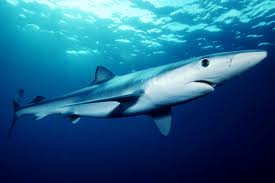
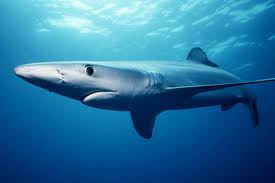
MEET THE BLUE SHARK!

   Range/Habitat: tropical-temperate waters/worldwide

   Diet: Carnivore: squid, fish

   Length: up to 12 ft

   Conservation Status: Near threatened


Fun Facts:

  • Blue sharks are called the “wolves of the sea”.
  • Blue sharks are a beautiful cobalt blue color.
  • They have long pectoral fins.
  • Blue sharks are very fast swimmers and feeders.
  • They have sharp triangular teeth.
  • They migrate seasonally from cooler to warmer waters.
  • Blue sharks have large litters of live pups, up to 100.

Blue sharks are known to be aggressive towards people, so they are best left alone. We think they are such beautiful and graceful predators. Like other sharks, blue sharks are threatened. We need to make sure that our oceans have these apex predators swimming around for a long time!

blue shark    blue shark2

Categories: adventure, Animals, Children, conservation, education, Environment, nature, science, sharks, wildlife | Tags: , , , , , , , , , , , | Leave a comment

WATERY WEDNESDAY # 78

WATERY WEDNESDAY # 78

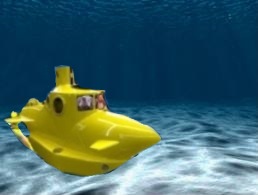
 We’re back to our regular programming today with an adventure in the big blue ocean! We’re going to search for a beautiful member of the ray family! All aboard the E & E sub and let’s goooooo!

e e deep sea

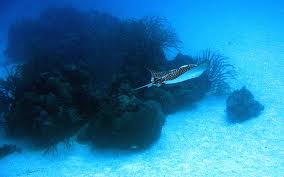
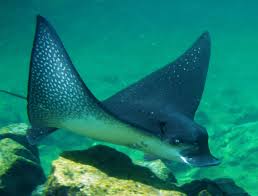
MEET THE EAGLE RAY!

eagle ray   Range/Habitat: East Atlantic-Mediterranean oceans

   Diet: Carnivore: fish, crustaceans

   Length/Weight:  8 ¼ ft+/ 44-66 lbs

   Conservation Status: common


Fun Facts:

  •          Eagle rays have spots.
  •          Their patterns and colors vary.
  •          Eagle rays have seven rows of flat teeth for crushing prey.
  •          Eagle rays have a stinger on their tail.
  •          They can leap out of the water.

Wow! Eagle rays sure are gorgeous fish! We love these special cartilaginous creatures! Do you love rays?
eagle ray2    eagle ray3

Categories: adventure, Animals, Children, conservation, education, Environment, nature, science, wildlife | Tags: , , , , , , , , , , , | 4 Comments

WATERY WEDNESDAY # 77

WATERY WEDNESDAY # 77

 It’s time to grab your snorkel gear and meet today’s fish! Keep your eyes peeled in the cracks and crevices because that’s where these animals like to hide!

e & e snorkeling

MEET THE ZEBRA MORAY!

zebra moray   Range/Habitat: Pacific-Indian Ocean/ reefs

   Diet: Carnivore: fish, crustaceans

   Length/Weight:  up to 35”/ 22 lb

   Conservation Status: common


Fun Facts:

  •          Zebra Morays are fish.
  •          They have long muscular bodies with no pectoral or pelvic fins.
  •          Zebra morays usually hide in rocks or coral.
  •          Zebra morays are very territorial and can be aggressive.
  •          They have toxins in their skin to protect them from predators.

Zebra morays are really cool fish! Most people think they are eels, but they aren’t! We like their patterns too!

zebra moray2   zebra moray3


Categories: adventure, Animals, Children, conservation, education, Environment, fish, nature, science, wildlife | Tags: , , , , , , , , , , | Leave a comment

WATERY WEDNESDAY # 76

WATERY WEDNESDAY # 76

 It’s time to take plunge in the wondrous ocean of our earth to meet today’s little fish who lives in a dangerous habitat! We’re taking the E & E sub out to avoid stinging tentacles!  

e e deep sea

MEET THE MAN OF WAR FISH!

man o war fish   Range/Habitat: Tropical Oceans Worldwide

   Diet: Carnivore: small fish

   Length: up to 10”

   Conservation Status: common


Fun Facts:

  •          Man of War Fish live in the tentacles of the Portuguese Man-of-war jelly!
  •          They avoid the tentacles by agile swimming.
  •          Man of War Fish are not immune to the stings of the jelly.
  •          They have deeply forked tail fins.

Wow! We knew about clownfish living with anemones, but a fish who lives among the tentacles of a giant jelly fish! The ocean is full of crazy animals!

man o war fish2

Categories: adventure, Animals, Children, conservation, education, Environment, fish, nature, science, wildlife | Tags: , , , , , , , , , , | Leave a comment

WATERY WEDNESDAY # 75

WATERY WEDNESDAY # 75

 All aboard the E & E submarine! We’re going to the deep depths of the ocean to find one of the most elusive fish in the ocean. Even though they are large they are hard to spot!

e e deep sea

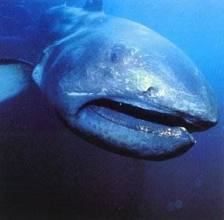
MEET THE MEGAMOUTH SHARK!

megamouth shark2   Range/Habitat: Atlantic/Pacific/Indian Oceans (limited spots)

   Diet: Carnivore: krill and plankton

   Length/Weight: up to 18 ft/ up to 1,740 lbs

   Conservation Status: unknown


Fun Facts:

  •          Megamouth sharks were discovered in 1976.
  •          Humans have only seen about 13 individuals.
  •          They are filter feeders and eat very small animals.
  •          Megamouth sharks have small dorsal fins.
  •          Megamouth sharks surface at night to eat.
  •          They have a luminescent stripe around their mouth to attract prey.  

Megamouth sharks are amazing! Can you imagine that we’ve only known about them in the last 30 years? The oceans are full of so many animals that we haven’t even discovered! It’s crazy! We need to explore more!

megamouth shark  megamouth shark3


Categories: adventure, Animals, Children, conservation, education, Environment, fish, nature, science, sharks, wildlife | Tags: , , , , , , , , , , | Leave a comment

SHARK APPRECIATION DAY!

SHARK APPRECIATION DAY!

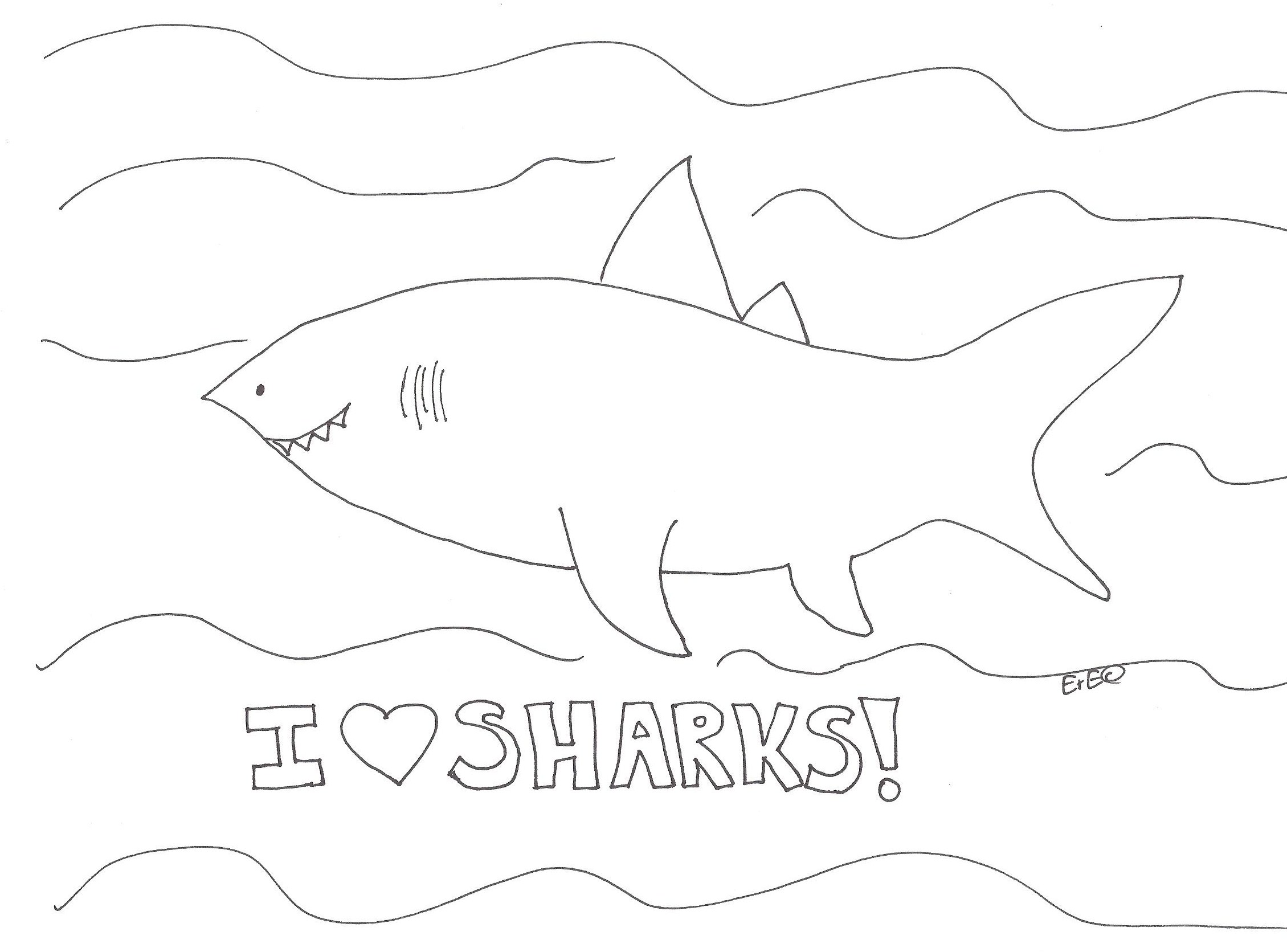
We’re celebrating some of the most fearsome predators of the sea- SHARKS! These fish have a bad reputation but without them, our oceans would be out of whack! Sharks play a vital role in the oceans’ ecosystems. They come in big and small sizes and some even eat plankton! So let’s learn some shark fun facts, enjoy some shark pictures and get out those crayons to color Ellie’s shark coloring sheet!

???????????????????????????????

  • A shark’s skeleton is made of cartilage.
  • There are around 350 species of sharks.
  • Blue sharks can reach speeds of up to 43 mph.

shark1  shark2


  • The dwarf shark is smallest species of shark. It is about 4 inches long.
  • The largest fish in the ocean is the Whale shark. They can get up to 30 feet long.
  • Whale sharks are filter feeders, they eat krill.


shark3   shark4


  • The Megamouth Shark was only discovered in 1976.
  • Sharks swallow their food whole or tear it off in chunks.
  • Sharks can smell one drop of blood in a million drops of water.

shark5  shark6


  • Sharks have been around for about 65 million years.
  • Pigs kill more people each year than sharks!

These amazing creatures are under threat as we deplete their numbers. Remember even animals that seem scary need our respect and protection. The oceans would fall apart without sharks! Check out Once World One Ocean see how you can help!

Image

Categories: adventure, Animals, Children, conservation, education, Environment, fish, nature, science, sharks, wildlife | Tags: , , , , , , , , , , , | 2 Comments

HABITAT WEEK- CRAFT!

HABITAT WEEK- CRAFT!

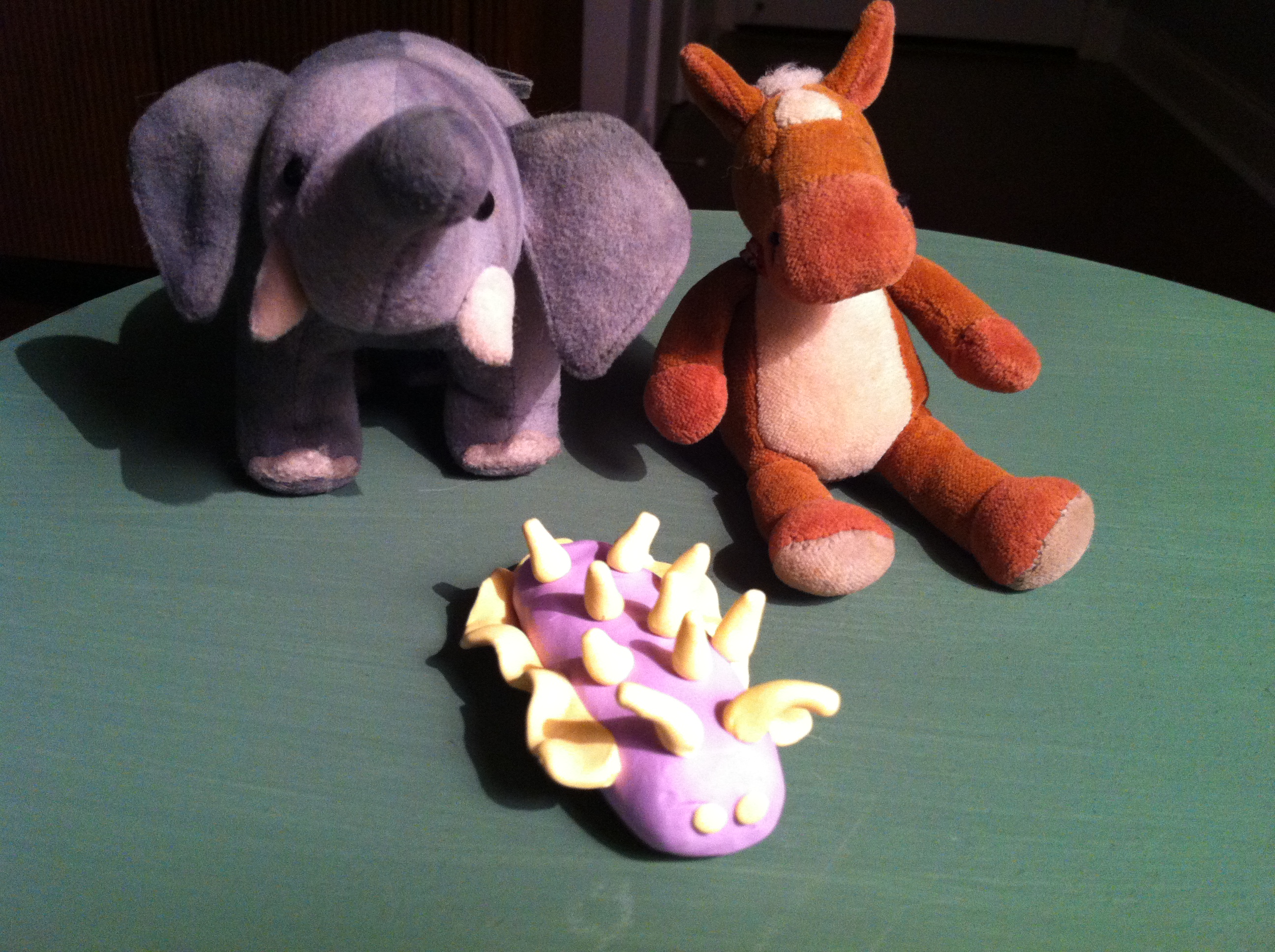
We’ve had so much fun celebrating some of the world’s amazing habitats! We first thought we might make a habitat for this month’s craft, but then we decided to go smaller and make a clay nudibranch! A what- you ask? A nudibranch or sea slug is one of our favorite animals in the coral reef. Are you ready to make one? Here’s what these crazy, colorful creatures look like!

nudibranch   nudibranch2

nudibranch3

Materials:

  •        Clay in any color you like (Air dry or oven bake will work)

e e nudibranch

Instructions:

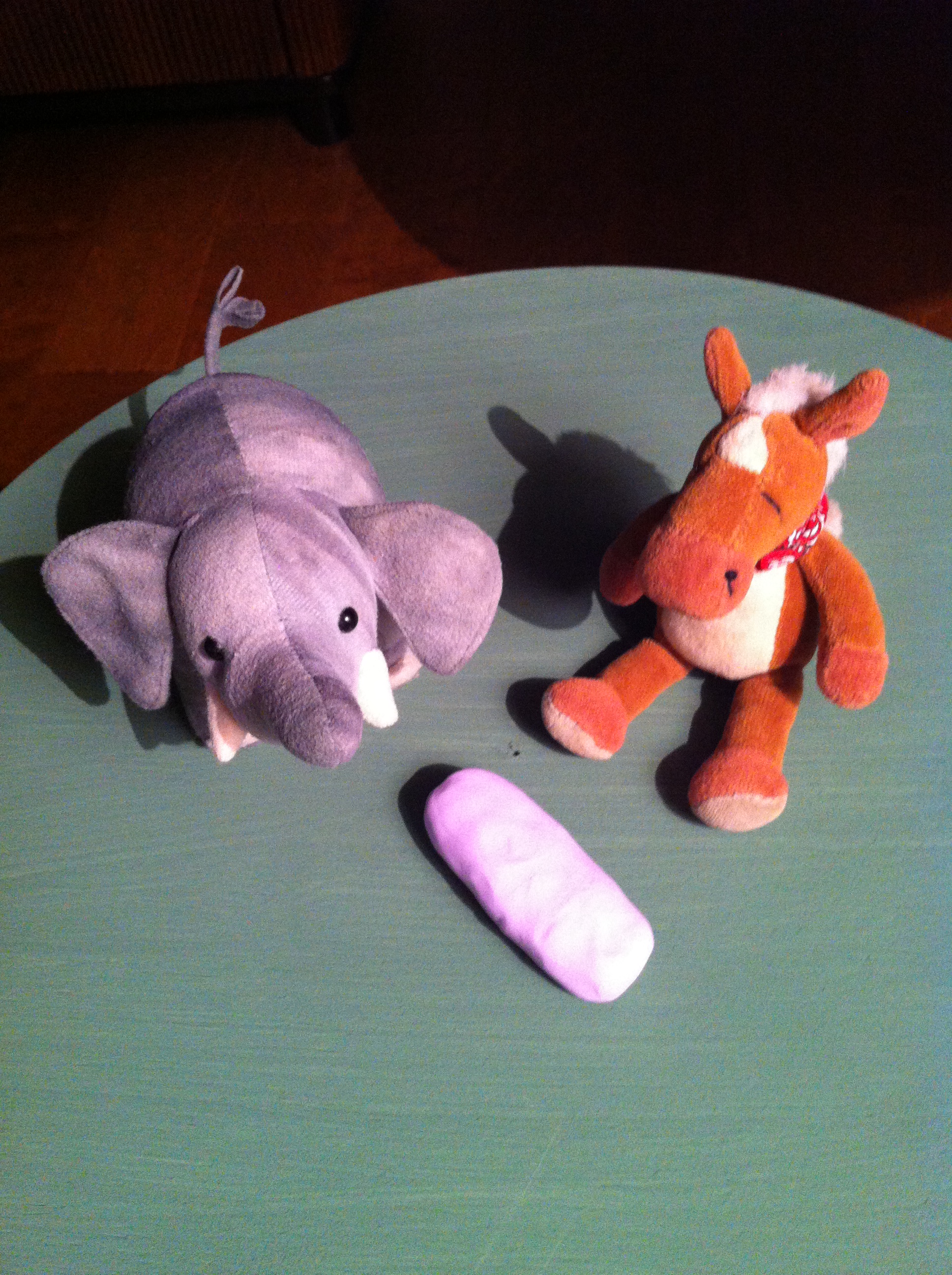
  •         Take one color and make a large tube.

e e nudibranch2

  •         Next, take your second color and make small cones (as many as you like)

e e nudibranch3

  •         Then take a piece of the second color and roll a long tube and press it flat.
  •         Roll two small balls for the eyes.

e e nudibranch4

  •         If you using clay that has to be dried in the oven- bake according to package directions. Then enjoy your new pal!
Categories: adventure, Animals, Children, conservation, crafts, education, Environment, habitats, nature, oceans, science, wildlife | Tags: , , , , , , , , , , | Leave a comment

HABITAT WEEK- DAY #4

HABITAT WEEK DAY #4

It’s Day 4 of our Habitat Week and we’re grabbing our snorkel gear and going for a dip to find the most diverse habitat in the ocean. We’re going to visit a coral reef. Grab your wetsuit and let’s head out to check out this amazing habitat!

e & e snorkeling

Coral Reef Fun Facts:

  •         Coral reefs are made up of colonies of tiny animals called coral.
  •         Corals are soft bodied polyps that are related to jellies. They have a limestone skeleton.
  •         There are two kinds of coral- soft and hard.
  •         There are three kinds of coral reefs- atolls, barrier reefs and fringing reefs.
  •         The largest coral reefs are in the Indo-Pacific oceans.
  •         Coral reefs are located in tropical waters. The coral need water that is above 64 degrees.
  •         Corals also need light to survive. They share their skeletons with algae called zooxanthellea.
  •         Coral reefs contain one third of the world’s fish species.
  •        Reefs are like rainforest, because of their diversity.


Animals of the Coral Reef:

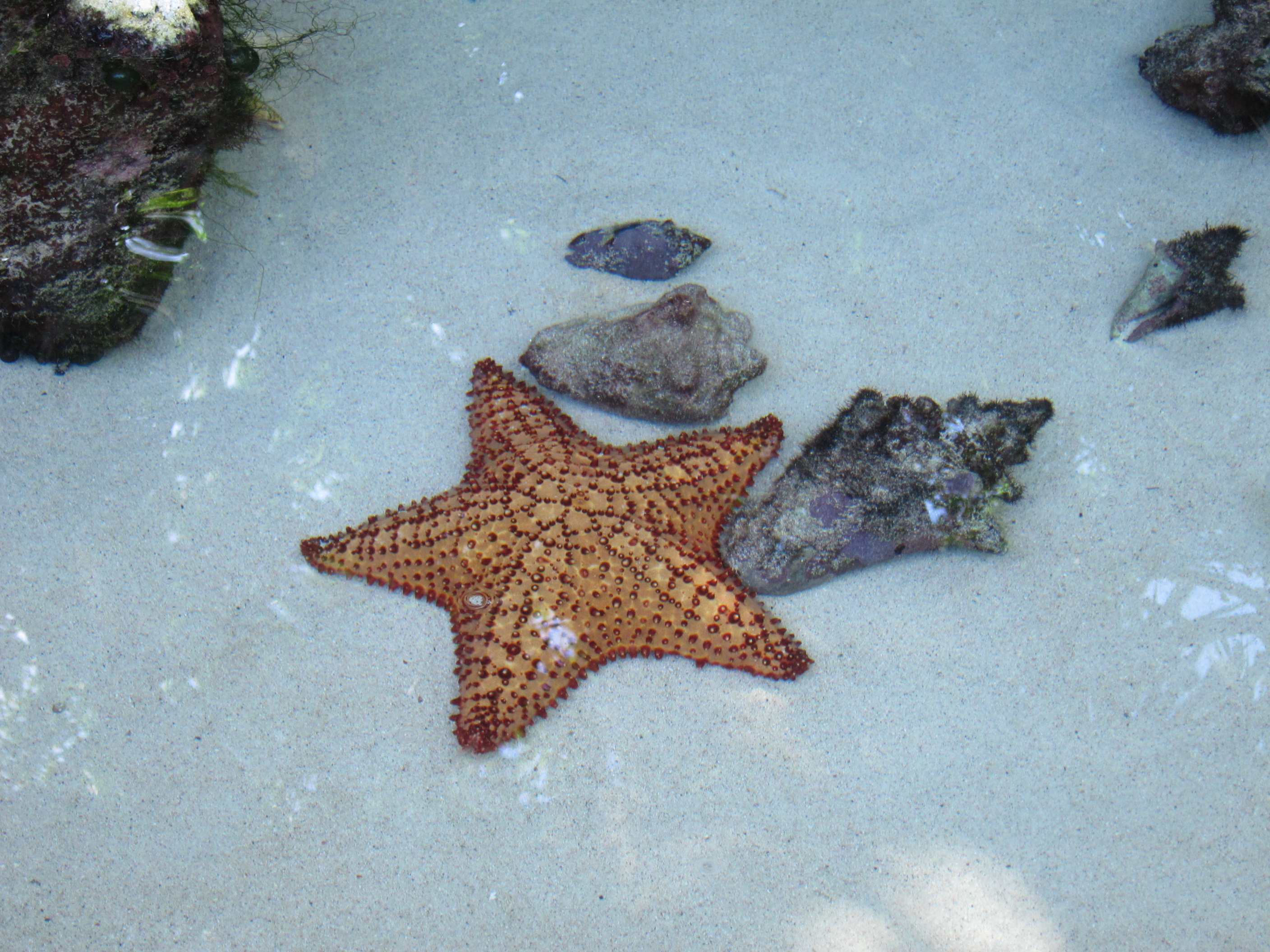
  •         Sea Stars
  •         Sea Turtles
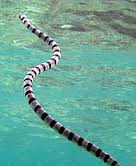
  •         Sea Snakes
  •         Sponges
  •         Anemones
  •         Yellow Tangs
  •         Sea Horses
  •         Stingrays
  •         Coral
  •         Parrot Fish
  •         Clownfish

coral   clownfish

sea horse

yellow tang   anemone

parrot fish

sea snake   sea turtle

seastars

We could spend hours and hours swimming in the reef. There is so much to see! The fish alone are often too many to count. Coral reefs are full of symbiotic relationships (where two organisms depend on each other).  These relationships help the animals survive in these beautiful and amazing habitats. 


Categories: adventure, Animals, Children, conservation, education, Environment, nature, oceans, science, wildlife | Tags: , , , , , , , , , | Leave a comment

WORLD OCEANS DAY!

WORLD OCEANS DAY!!

???????????????????????????????

We’re celebrating the oceans on this special day! Did you know that around 75% of the world’s surface is covered by oceans and yet we’ve explored so very little of it. Every year scientists are discovering new species. The oceans are full of fascinating, creepy and down right mind blowing creatures. There are mammals, reptiles, fish, crustaceans, invertebrates and things we don’t know even how to classify!

There are all kinds of habitats in the oceans! Coral reefs are like rainforests and the vast open ocean is like a desert. There are also icy habitats and deep dark habitats with no light! These wonderful habitats need to be protected and we can all do our part! We’re going to share some photos and some great ways that we can all keep trash out of the ocean!

120   080

???????????????????????????????

  • Recycling aluminum take 5% of the energy used to make things with new aluminum.
  • It takes up to 1,000 years for a plastic bag to break down.
  • Sea turtles mistake trash for food.

041  073

091

  • If everyone would recycle 1/10th of the newspaper bought, it would save 25 million trees.
  • Five recycled plastic bottles can make enough fiberfill to stuff a ski jacket.
  • There are 46,000 pieces of plastic per square mile of ocean.
  • Approximately 380 billion plastic bags are used in the U.S. alone each year!

081

So what can we do to help our ocean friends?

  • Recycle everything you can, especially those plastics. Plastics labeled 1-6 can be recycled.
  • Give unwanted clothes, books and other things to charity.
  • Make sure you pick up your trash when at the beach.
  • Say no thank you to plastic bags and bring your own reusable ones!
e e usable bag

We packed our bag!

For more information on how you can protect our precious oceans check out the Ocean Conservancy’s website.

Categories: adventure, Animals, Children, conservation, education, Environment, nature, oceans, science, wildlife | Tags: , , , , , , , , , , | 2 Comments

Blog at WordPress.com.