Posts Tagged With: science

FEATHERY FRIDAY # 58

FEATHERY FRIDAY #58

Birds come in so many colors! We are always amazed by these bright beauties! This Feathery Friday takes us to the rainforests of Indonesia to meet a bright red bird! Keep your eyes peeled!
e & e rainforest

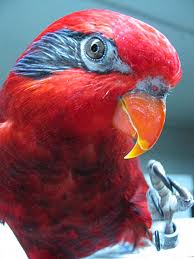
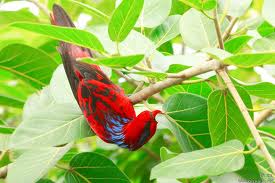
MEET THE BLUE-STREAKED LORY!

bluestreakedlory   Range/Habitat: Indonesia/ rainforests

   Diet: Herbivore: pollen, nectar

   Length/Weight: 12”/ 6oz

   Conservation Status: near threatened


Fun Facts:

  • Blue-streaked Lories are members of the lorikeet family.
  • They have a violet-blue streak on their neck and back.
  • They are very vocal and social.
  • Blue-streaked lories have a brush-like tipped tongue to help them gather nectar.
  • They can live up to 28+ years.

We could just watch these little birds all day. They are so funny and outgoing! We wish we could be a bright color like them too!
bluestreakedlory2  bluestreakedlory3

Categories: adventure, Animals, birds, Children, conservation, education, Environment, nature, rainforests, science, wildlife | Tags: , , , , , , , , , | Leave a comment

SUPER SURPRISE THURSDAY # 58

SUPER SURPRISE THURSDAY #58

It’s that time of the week to guess the animal!
bluejay1

  • They are known to mimic the calls of certain hawks.
  • These feathery friends live in suburbs and forests.
  • They are very social birds.

WHO AM I?


Categories: Animals, Children, conservation, education, Environment, nature, science, wildlife | Tags: , , , , , , , , | 4 Comments

WATERY WEDNESDAY # 58

WATERY WENESDAY # 58

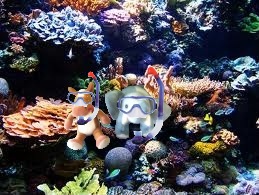
We’re going snorkeling to find a different kind of ocean dweller today. It’s not a fish, it’s not a mammal and it’s not coral! So are you ready to meet this mysterious animal? Let’s do this!

e & e snorkeling

MEET THE VIOLET SEA SNAIL!

violet sea snail   Range/Habitat: Atlantic-Pacific-Indian Oceans/ tropical-subtropical

waters

   Diet: Carnivore: floating cnidarians

   Length: 3 ¼”

   Conservation Status: common


Fun Facts:

  • Violet Sea Snails live on the oceans’ surface.
  • They are blind.
  • Violet sea snails have bright purple shells.
  • Their shells are very thin.
  • Violet sea snails make a “raft” of bubbles and mucus to stay afloat at the surface.
  • They snail is dark violet or black in color.


We haven’t met a snail so far in our adventures. Who knew they were so brightly colored and amazing? What other crazy creatures have we missed in our oceans?

violet sea snail2

Categories: adventure, Animals, Children, conservation, education, Environment, nature, oceans, science, wildlife | Tags: , , , , , , , , | 4 Comments

AMPHIBIAN TUESDAY

AMPHIBIAN TUESDAY #57

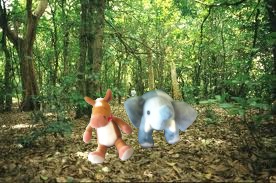
We’re switching things up a bit! We don’t have a day devoted to our amphibian friends, so we’ll be turning Reptilian Tuesday into Amphibian Tuesday every once in a while. Today’s adventure takes us to California to find one tiny and cute amphibian! So let’s put on our hiking boots and watch our step!

e e woods (2)

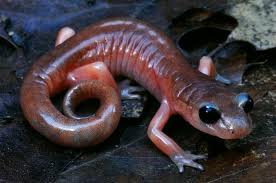
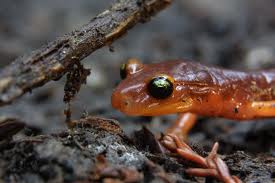
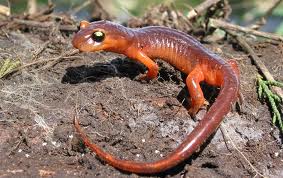
MEET THE ENSANTINA SALAMANDER!

ensantina salamander   Range/Habitat: Western U.S-Canada/ forests

   Diet: Carnivore: worms, ants, insects

   Length: 2 ¼-3 ¼”

   Conservation Status: common


Fun Facts:

  • Ensantina salamanders live under leaves and logs on the forest floor.
  • They have long legs.
  • Ensantina salamanders’ colors vary by their habitat.
  • They are nocturnal.
  • Ensantina salamanders lift their tails when threatened and emit a foul secretion.
  • Ensantina salamanders lay their eggs under leaves. Baby salamanders are born directly from the eggs.

Salamanders are so stinking cute! They live in all kinds of habitats! We especially think it’s cool that these little guys have a stinking defense mechanism!

ensantina salamander2ensantina salamander3

Categories: adventure, amphibians, Animals, Children, conservation, education, Environment, nature, science, wildlife | Tags: , , , , , , , , , | 4 Comments

MAMMAL MONDAY # 58

MAMMAL MONDAY #58

It’s that amazing day of the week when we go on an adventure to meet a mammal! We’re packing our bags and heading the Amazonian rainforest to find a small monkey who lives high in trees! Grab your binoculars and let’s head out!

e & e rainforest2

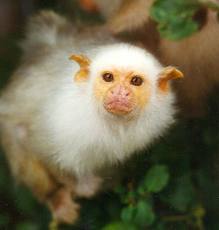
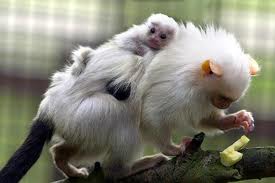
MEET THE SILVERY MARMOSET!

silvery marmoset   Range/Habitat: South America/rainforest

   Diet: Omnivore: fruits, eggs, sap

   Length/Weight: 8-9”/12-13 oz

   Conservation Status: common


Fun Facts:

  • Silvery Marmosets have pale silvery fur.
  • They have black tails.
  • They are arboreal (spend their lives in the trees).
  • Silvery marmosets have pink faces and ears.
  • They live in small family troops.
  • Every member of the silvery marmoset family takes care of the offspring.

These tiny little monkeys are gorgeous with their silvery coats of fur. We just can’t get enough of them!


silvery marmoset2  silvery marmoset3


Categories: adventure, Animals, Children, conservation, education, Environment, mammals, nature, rainforests, science, wildlife | Tags: , , , , , , , , , | 1 Comment

HAPPY AUSTRALIA DAY!!

HAPPY AUSTRALIA DAY!!!

We’re celebrating that awesome island nation that is full of amazing animals with some fun pictures!

Australia is home to deadly snakes, wild reptiles, adorable mammals and it has the largest number of marsupials on the planet! It is also home to the Great Barrier Reef, one of the most diverse ecosystems in the ocean! Wow! Australia is definitely one wild place! 

Enjoy!

Australian Crocodile

Australian Crocodile

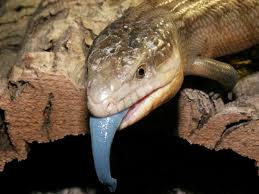
Blue Tongue Skink

Blue Tongue Skink


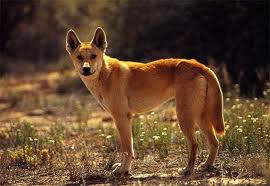
Dingo

Dingo

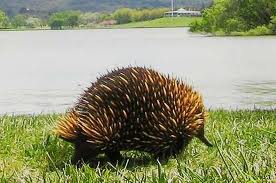
Echinda

Echinda


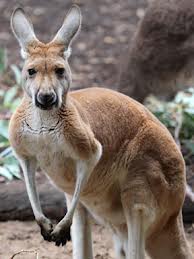
Kangaroo

Kangaroo


Koala!

Koala!


Numbat

Numbat

Platypus

Platypus

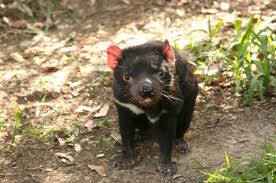
Tasmanian Devil

Tasmanian Devil


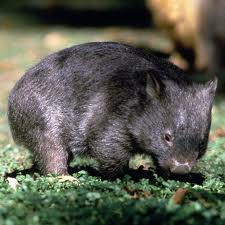
Wombat

Wombat


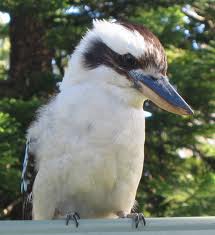
Kookaburro

Kookaburra


Great Barrier Reef

Great Barrier Reef


Great Barrier Reef

Great Barrier Reef


Categories: adventure, Animals, Australia, Children, conservation, education, Environment, marsupial, oceans, science, wildlife | Tags: , , , , , , , , , , | 2 Comments

FEATHERY FRIDAY #57

FEATHERY FRIDAY #57

It’s Feathery Friday and we’re going to meet a little bird who calls the wetlands of Europe home. So let’s grab our binoculars and wellies and head off for some bird watching fun!

e & e wetlands

MEET THE SPOTTED CRAKE!

spotted crake   Range/Habitat: Europe-Asia-Africa/wetlands, marshes

   Diet: Omnivore: algae, insects, aquatic animals

   Length/Weight: 9-9 ½”/ 2-5 oz

   Conservation Status: common


Fun Facts:

  • Spotted Crakes are small secretive bird.
  • Their feathers camouflage with the reeds and plants of the wetlands.
  • Spotted Crakes bob their heads while they walk.
  • Spotted crakes are crepuscular (active at dawn and dusk).
  • They are not very vocal.
  • Spotted crakes use their bills to find food in the mud.

Spotted Crakes are cute little birds. They fit in perfectly in their habitat. If you were a bird what habitat would you decide to live in?

spotted crake2spotted crake3

Categories: adventure, Animals, birds, Children, conservation, education, Environment, nature, science, wetlands, wildlife | Tags: , , , , , , , , , | 3 Comments

SUPER SURPRISE THURSDAY #57

SUPER SURPRISE THURSDAY # 57

We’re back to our regular new and improved Super Surprise Thursday!

We’ll give you a cropped picture and a few hints and you tell us what animal it is!

clownfish

  • My habitat is the coral reef.
  • I live among the tentacles of an anemone.
  • There was a famous movie starring one of my cousins.

WHAT AM I?

Categories: adventure, Animals, Children, conservation, education, Environment, nature, wildlife | Tags: , , , , , , , , | 6 Comments

WATERY WEDNESDAY # 57

WATERY WEDNESDAY # 57

We’re going scuba diving this Watery Wednesday to meet a master of camouflage! We better keep our eyes peeled and look amongst the corals to see if we can find…

e & e snorkeling

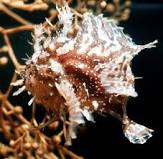
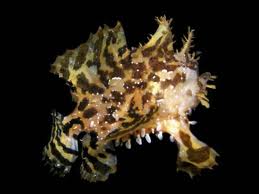
MEET THE SARGASSUM FISH!

sargassum fish   Range/Habitat: Tropical-sub-tropical oceans/ worldwide

   Diet: Carnivore: fish

   Length/Weight: up to 7 ½”/ up to 14 oz

   Conservation Status: common


Fun Facts:

  • Sargassum fish are members of the frog fish family.
  • Sargassum fish have variable patterns and colors to match their surroundings.
  • They are covered in spiny like protrusions.
  • Sargassum fish use their dorsal fin spine to lure prey.
  • They are ambush predators.
  • Sargassum fish have leg-like pectoral fins.


These crazy looking fish are so awesome! We think they look a bit like aliens! What do you think? What color would fit in with your habitat?

sargassum fish2  sargassum fish3

Categories: adventure, Animals, Children, conservation, education, Environment, fish, nature, oceans, science, wildlife | Tags: , , , , , , , , , , | Leave a comment

REPTILIAN TUESDAY # 57

REPTILIAN TUESDAY #57

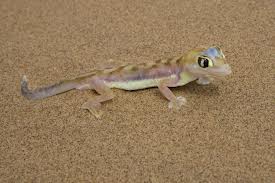
We’re back to our regular schedule after celebrating black and white birds and small fluffy tailed rodents! We’re off to the deserts of South Africa today to meet one cute reptile! Grab your sunscreen and khakis and let’s head out on today’s adventure!

e e desert

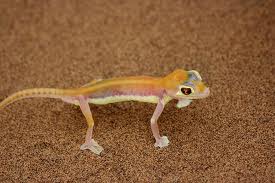
MEET THE WEB FOOTED GECKO!

web footed gecko   Range/Habitat: Western Southern Africa/ desert

   Diet: Carnivore: insects

   Length: 4 ¾-5 ½”

   Conservation Status: common


Fun Facts:

  • Web Footed Geckos are pink with dark markings.
  • They have webbed feet that helps them run across the sand.
  • Web Footed Geckos have large eyes.
  • They dig long tunnels in the sand for shelter.
  • They drink water that condenses on their skin overnight.
  • Web footed geckos have wide range of vocalizations.

We really think these awesome little reptiles are cute! They have some amazing adaptations for living in a harsh desert environment.

web footed gecko2  web footed gecko3

Categories: adventure, africa, Animals, Children, conservation, education, Environment, lizards, nature, reptiles, science, wildlife | Tags: , , , , , , , , , , | 2 Comments

Blog at WordPress.com.