Posts Tagged With: science

ENDANGERED SPECIES DAY!

ENDANGERED SPECIES DAY!

 Today is a day to celebrate the Endangered Species Act here in America! It was enacted in 1973 and was set up to protect animal and plant species! There are also two international organizations that work to protect animals, CITES and IUCN.

We’re celebrating Endangered Species Day, by picking a few organizations that are working to save endangered animals!


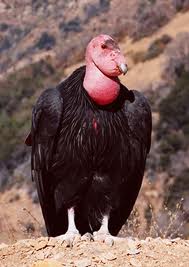
First up: The San Diego Global Wildlife Conservancy. They work in the wild and with the San Diego Zoo and Safari Park to actively protect wildlife. They’ve even reintroduced more than 30 species back into the wild! Our pal on twitter @ZooKeeperRick shared this video with us all about their efforts! They’ve had success with iguanas, pandas and California condors!



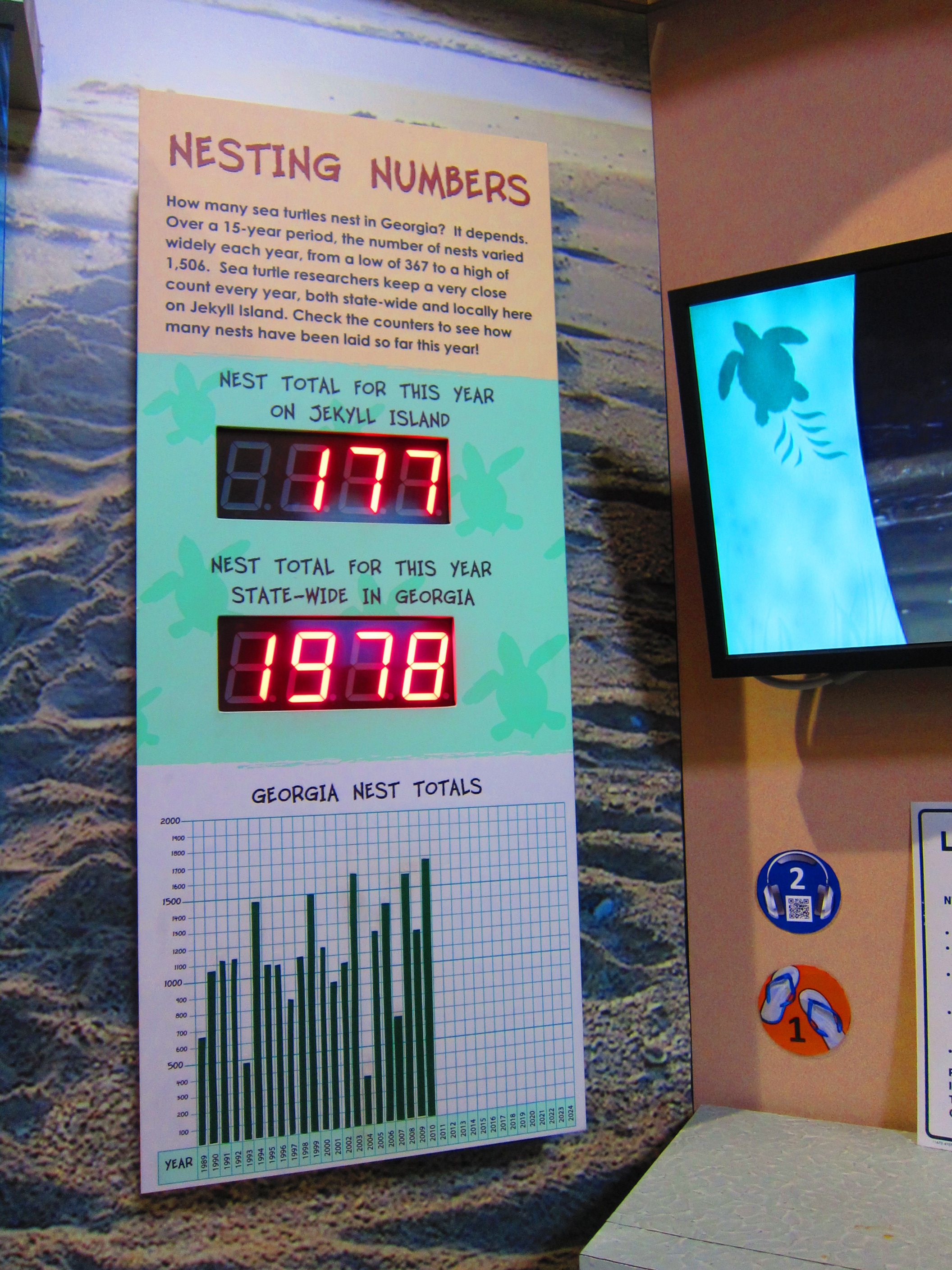
Next up: Is the Georgia Sea Turtle Center. The staff and volunteers at the center work hard to rehabilitate and reintroduce all species of sea turtles! They have a hospital and education center. They also keep track of all the sea turtle nests each season on the Georgia coast! Check out our post on when we visited!


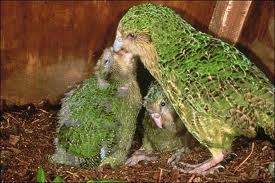
Last up: The Kakapo Parrot! These critically endangered parrots are the largest of all parrots! They are also flightless, which is one reason they have declined in the wild. These amazing birds live in New Zealand, where rescue organizations are working very hard to save them! Check out the Kakapo Recovery website!

 

The National Wildlife Federation has a great page with more success stories!


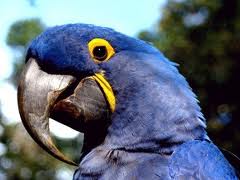
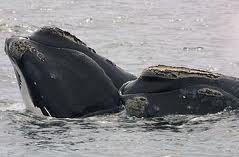
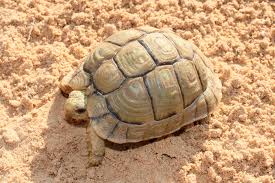
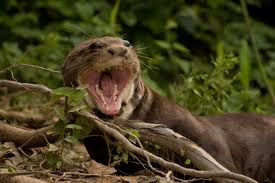
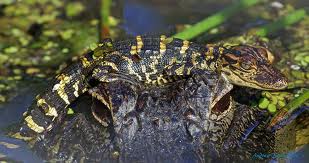
We all can work to help endangered species all around the world, even with small steps! A huge problem is habitat loss for many animals. One way to combat this is by recycling glass, paper, plastic & aluminum. You can find a local recycling center near you- here! You can also help endangered animals by educating yourself and joining organizations like the National Wildlife Federation, World Wildlife Fund or the Nature Conservancy.  You can also pay a visit to your local zoo, aquarium or nature center; often they are helping support animals in the wild and in their facilities with research and education! And one last thing you can do is to share your love of animals and wild places with others! Often your passion will spark that in other people! We’re going to leave you today with some adorable photos of some endangered species and hopefully they will inspire you to act!



Categories: Animals, apes, birds, Children, education, Environment, lizards, mammals, nature, oceans, orangutans, reptiles, science, wildlife | Tags: , , , , , , , , , , | 4 Comments

SUPER SURPRISE THURSDAY # 34

SUPER SURPRISE THURSDAY# 34

We’re going down to the banks of the Amazon River today to meet a very special mammal on this Super Surprise Thursday! Grab your bug spray, sunglasses and cameras and let’s set out to find and meet these giant animals! (*A reader asked for more pictures- so starting today we will be posting more pics with the posts! Enjoy!)

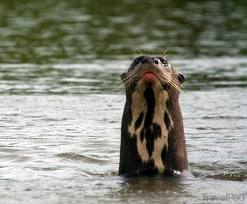
MEET THE GIANT RIVER OTTER!

   Range/Habitat: South America/ rivers, wetlands

   Diet: Carnivores: fish, crabs

   Length/Weight:  3 ¼-6 ft/49- 71 lb

   Conservation Status: Endangered


Fun Facts:

  • Giant River otters are the largest of all freshwater otters.
  • They have webbed feet and flat wide tails to help them swim.
  • Giant river otters can close their ears and nostrils underwater.
  • Their large whiskers help them find prey in murky waters.
  • Giant river otters eat 6-9 lbs of food a day.
  • They live in small family groups that consist of 2 parents and their offspring.
  • They are very social and vocal. They use all kinds of chirps!
  • Giant river otters are diurnal (active during the day).
  • They live in dens on the banks of rivers.

Giant river otters are just the cutest! They each have a unique pattern on their throats that makes them easy to identify. Who wants to stay in the Amazon with us and study these amazing animals!


Categories: Animals, Children, education, Environment, mammals, nature, rivers, science, wildlife | Tags: , , , , , , , , | 1 Comment

WATERY WEDNESDAY # 34

WATERY WEDNESDAY# 34

Who’s ready to take a dive in our submarine? We’re taking it down to the sandy bottoms of the Mediterranean and North Atlantic oceans to see a secretive and nocturnal animal! Thank goodness our sub has lights!

MEET THE CONGER EEL!

   Range/Habitat: North Atlantic-Mediterranean/ rocky-sandy bottoms

   Diet: Carnivore: crustaceans, fish, cephalopods

   Length/Weight: up to 8 ½ ft/ up to 145 lbs

   Conservation Status: Common


Fun Facts:

  • Conger eels are dark grey with long finless bodies.
  • Conger eels do not have scales.
  • They are nocturnal (active at night).
  • They often hide in crevices and caves during the day.
  • Conger eels are ambush predators.

Wow! We hope you were watching because the conger eel is fast! We wouldn’t want to be a fish swimming by these eels cave when they get hungry! Chomp!


Categories: Animals, Children, education, Environment, fish, nature, oceans, science, wildlife | Tags: , , , , , , , , | 5 Comments

REPTILIAN TUESDAY # 34

REPTILIAN TUESDAY # 34

It’s the day of the week to meet a reptile friend! We’re off to the Mediterranean today to find a little lizard who loves to crawl up walls! Get your flash lights out because these lizards like to hunt bugs in the dark! Let’s go!!!

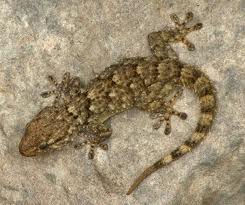
MEET THE MOORISH GECKO!

   Range/Habitat: North Africa-Mediterranean/ scrub, dry stone

   Diet: Insectivore: moths, insects

   Length: 4-6 ½”

   Conservation Status: common


Fun Facts:

  • Moorish Geckos are also known as crocodile geckos.
  • They have flat heads and bodies.
  • They love to climb vertical surfaces, such as walls of homes or stone walls.
  • Moorish geckos have adhesive toe pads to help them climb.
  • They are nocturnal (active at night).
  • Moorish geckos are known to bask in the sun, especially in the winter.
  • Female Moorish geckos are known to lay eggs in a communal nest with other geckos.


These little geckos sure are cute! It would be fun to share your house with them, especially because they are great at eating pests! Yes, Mr. Moorish Gecko come in and have a meal J!


Categories: Animals, backyard, Children, education, Environment, gardens, lizards, reptiles, science, wildlife | Tags: , , , , , , , , | 2 Comments

MAMMAL MONDAY # 34

MAMMAL MONDAY # 34

We’re back to regular schedule today! We hope you enjoyed Moms week! We’re off to the savannas of Africa today to meet a sturdy little mammal! These social mammals are full of personality and spunk! Grab your safari outfit and your sunscreen and let’s head out!

MEET THE BANDED MONGOOSE!

   Range/Habitat: Central-South Africa/ grasslands

   Diet: Carnivore: beetles, eggs, termites

   Length/Weight: 12-18”/ 3 ¼-5 ½ lb

   Conservation Status: common


Fun Facts:


  • Banded Mongooses have coarse fur with tan bands down their back.
  • They live in social groups of 15-20 individuals.
  • They live in dens or abandoned termite mounds. They change dens every few days.
  • Banded mongooses forage for food in groups at dawn and dusk.
  • Clans of banded mongooses are territorial.
  • They are known to live among troops of baboons, foraging together.
  • Banded mongooses have also been seen cleaning bugs off warthogs!

Wow! Banded mongooses are really neat little animals! They are very social and smart!  There’s a really cool banded mongoose research project too! Check out their website!


Categories: africa, Animals, Children, education, Environment, mammals, nature, science, wildlife | Tags: , , , , , , , , | 2 Comments

HAPPY MOTHER’S DAY!!

HAPPY MOTHER’S DAY!

We wish all the moms of all shapes, sizes and species a very Happy Mother’s Day!

Categories: Animals, Children, Environment, mammals, moms, mother's day, nature, wildlife | Tags: , , , , , , | 1 Comment

MOMS FEATHERY FRIDAY

MOMS FEATHERY FRIDAY

We’re off to the country of India to meet our last amazing animal mom! It is Feathery Friday, so that means this mom is a bird! These unusual and beautiful birds work hard with their males to make sure chicks are safe and sound. We’re going into the rainforest, so grab your bug repellant and let’s meet this mom!

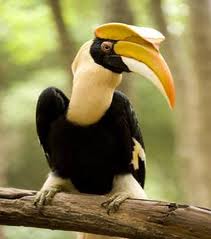
MEET THE GREAT INDIAN HORNBILL!

   Range/Habitat: Southeast Asia/ rainforest

   Diet: Omnivore: figs, reptiles, frogs

   Length/Weight: up to 5 ft/ up to 6 ½ lbs

   Conservation Status: Lower risk


Fun Facts:

  • Great Indian Hornbills live in the canopy of the rainforest.
  • They are large birds with magnificent bills and casks on top of the bills.
  • Great Indian Hornbills build nests in the hollow of a tree.
  • They seal off the opening of the nest with mud, except for a small hole.
  • Great Indian Hornbill males feed the female through the small hole.
  • She stays in the enclosed nest until the chick hatches, for about 3 months.
  • Once the chick hatches, mom breaks out and then reseals the opening for another month, feeding the chick through a small hole.


We met some amazing moms this week and now we have a bird that seals itself into a tree to incubate its egg! That is crazy! Thank goodness there is a male around to feed her nibbles while she hangs out! Way to go Great Indian Hornbills!

We hope you enjoyed our moms week and that you are able to give your mom a big hug for all that she does for you!

Categories: Animals, birds, Children, education, Environment, moms, nature, rainforests, science, wildlife | Tags: , , , , , , , , , | 2 Comments

MOMS SUPER SURPRISE THURSDAY

MOMS SUPER SURPRISE  THURSDAY

We’re going to Southeast Asia today to meet a primate mother who spends years teaching their young! Get your climbing gear on, because these moms spend most of their lives in the canopy of rainforests.  Be on the lookout for their orange-red hair!

MEET THE ORANGUTAN!

   Range/Habitat: Southeast Asia- Borneo/Sumatra/ rainforest

   Diet: Fruigivore: fruit

   Length/Weight:  3 ½-4 ½ ft/ 80-175 lbs

   Conservation Status: Endangered

Fun Facts:

  • Orangutans are members of the great ape family.
  • They are highly intelligent and mostly solitary.
  • Orangutans are arboreal (spend most of their lives in trees).
  • Mother orangutans give birth in the trees.
  • The babies hang on to their mom’s bellies when they are first born.
  • Orangutan babies stay with their moms for about 8 years.
  • Orangutan moms must teach their young how to find fruit, build nests and how to survive a life in the trees.
  • Young orangutans must learn a mental map of the forest. They have to know where the fruit is and when it is ripe!
  • Even after orangutans leave their moms; it is not uncommon for them to meet up in the rainforest to secure a meal.

Orangutans are very patient mothers. They have much to teach their babies.  We bet you thought it was just human children that take a long time to learn! Orangutans must to attend school and learn, their school is just in the rainforest! These special apes are critically endangered and there are some amazing groups working to save them and their habitat! Check out Save the Orangutan!

Categories: Animals, Children, education, Environment, mammals, moms, nature, science, wildlife | Tags: , , , , , , , , | 2 Comments

MOMS WATERY WEDNESDAY

MOMS WATERY WEDNESDAY

We’re diving down to the depths of the ocean to meet today’s fabulous mom! The ocean is full of moms large and small, some that give live birth and some that lay eggs and go about their way! This cephalopod lays her eggs and then protects them until they hatch! But it’s not that simple, so let’s grab our diving gear and meet these special animals!

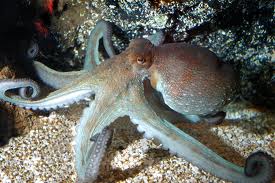
MEET THE COMMON OCTOPUS!

   Range/Habitat: Mediterranean- North Atlantic/ rocky bottoms

   Diet: Carnivore: crabs, crustaceans, mollusks

   Length: Head 9” arms up 3 ft

   Conservation Status: Common


Fun Facts:

  • Common octopi are cephalopods.
  • They have no skeleton and four pairs of arms.
  • Common octopi are considered very intelligent.
  • Common octopus moms lay up to 50,000 eggs in a dark cave.
  • They stay with the eggs while they develop, generally around 2-6 months.
  • Common octopus moms take care of the eggs, by cleaning, holding and blowing oxygen over them.
  • They will not hunt or eat while they are taking care of the eggs.
  • Common octopus moms pass away soon after the babies hatch.

Wow, octopus moms give their life to make sure that their babies hatch safely! That is one amazing mom! We thought octopi before and now we love them even more!!


Categories: Animals, Children, education, Environment, moms, oceans, octopus, science, wildlife | Tags: , , , , , , , , , | 3 Comments

MOMS REPTILIAN TUESDAY

MOMS REPTILIAN TUESDAY

Reptiles often aren’t known for their motherly care. Most reptile babies are on their own from the minute the egg is hatched or the day they are born. One famous exception is the members of the crocodile and alligator family! We’re heading to South Georgia (our home state) to meet one responsible reptile mom! These large and in charge reptiles mean business! Are you ready to meet them?

MEET THE AMERICAN ALLIGATOR!

   Range/Habitat: Southwestern United States/ wetlands, swamps,

rivers,lakes, ponds

    Diet: Carnivore: fish, deer, mammals

    Length/Weight: 9 ½-16 ft/ 200-500 lbs

    Conservation Status: common


Fun Facts:

  • Alligators are large, territorial and fierce reptiles.
  • They have been on the planet for millions of years.
  • Male alligators bellow or roar to attract females.
  • Female alligators lay 25- 60 eggs in a nest build of mud and vegetation.
  • They guard the nest from predators, such as raccoons.
  • When the baby alligators hatch they are all female or male.  The temperature of the nest determines the sex of the babies.
  • Once they begin to hatch, the mother helps dig open the nest.
  • She protects them from predators by carrying them around on her head or in her mouth.
  • Baby alligators stay with their moms for around 3 years.

Wow, you don’t want to mess with a momma alligator, especially with all those teeth! They work very hard protecting their young from a whole host of predators! Way to go alligator moms!

Categories: Animals, Children, education, Environment, moms, nature, reptiles, science, wildlife | Tags: , , , , , , , | 2 Comments

Blog at WordPress.com.