Posts Tagged With: science

National Bird Day!

National Bird Day!

e e birds

Professor Baxter is super excited to talk about birds today! He’s going to give you some bird basics, some fun facts and share a great coloring sheet with you!

IMG_6285

Now that you know some of the bird basics; here are some more fun bird facts!

bird6

  • There are 9865 species of birds in the world! Wow! There sure are a bunch of us!
  • There are around 30 families that these 9865 species are divided in to.
  • The first bird live during the Jurassic period, 150 million years ago.
  • It is widely believed that birds are related to a group of dinosaurs known as theropods.
  • Feathers are made of keratin, the same protein that makes up human hair and nails.
bird

  • That same protein makes up our bill or beak! We birds have no teeth!
  • Not all of us can fly, including my penguin and ostrich friends!
  • Bird lungs take up about 1/5 of their body! We must use air efficiently in order to fly!
  • Most bird knees are hidden under our feathers. You see our ankles!
  • Birds live on every continent in the world! There is no escaping us!

bird5bird3


Well I sure have enjoyed sharing some fun stuff about myself and the other birds in the world! Tomorrow we’ll be taking about bird feet! Some feet are made for swimming, some are made for perching and some (like mine) are made for dancing!

Enjoy this coloring sheet of me!

Image

Categories: adventure, Animals, birds, Children, conservation, education, Environment, nature, science, wildlife | Tags: , , , , , , , , , , | 2 Comments

SCIENCE WORD OF THE WEEK!

SCIENCE WORD OF THE WEEK!

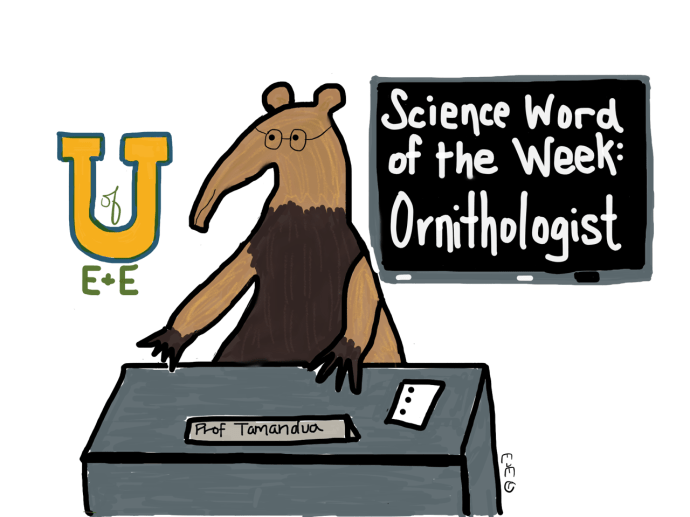
swow ornithologists

Hello everyone! Welcome back to class after the holiday break! I hope you have on your learning caps and are ready for a great week!

Today’s word is Ornithologists: ornithologists are scientists who study birds. 

Tomorrow is World Bird Day! Ellie and Edmond and Professor Baxter will share all kinds of fun stuff about birds! They will be introducing you to a few species during the week too! So let’s all learn to be ornithologists this week!

Categories: adventure, Animals, birds, Children, conservation, education, Environment, nature, science, wildlife | Tags: , , , , , , , , , | 1 Comment

KNOW YOUR REINDEER!

KNOW YOUR REINDEER!

reindeer4

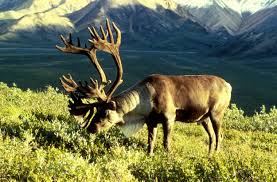
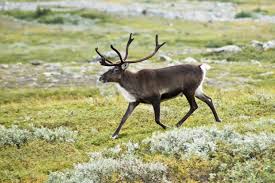
This reindeer is Bob! All reindeer have antlers, but males drop theirs in the winter. So Bob will drop these and regrow them in the spring. His antlers are covered in a soft material called velvet.


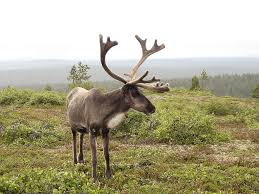
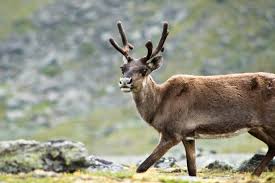
Reindeer have many different color variations. The ones that live closer to the arctic have white or light colored fur.

This is Sissy! Sissy and her reindeer friends have many different color variations. The ones that live closer to the arctic have white or light colored fur.


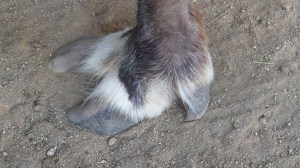
Reindeer feet have four toes; two in the front and two in the back. Their feet expand in the winter and act like a snowshoe. They shrink back to normal size in the summer.

Reindeer feet have four toes; two in the front and two in the back. Their feet expand in the winter and act like a snowshoe. They shrink back to normal size in the summer.


This is Steve! Reindeer are also known as caribou. They

This is Steve! Steve is also known as caribou. He has a nose that is specialized to warm air before it enters his lungs!


This is Rhonda!

This is Rhonda! Reindeer like Rhonda love reindeer moss! She is the only mammal in the world that can see ultraviolet light!

Some reindeer travel up to 3,000 miles a year during their annual migration. We love reindeer! They are sure are popular at this time of year! It must be because of those special species that fly!

Categories: adventure, Animals, Children, conservation, education, Environment, mammals, nature, science, Uncategorized, wildlife | Tags: , , , , , , , , , | Leave a comment

FAT AND TOOTHY!

FAT AND TOOTHY!

We’ve heard of the legend of a little man with elves that live in the north pole that gives presents out once a year! That sure sounds cool, but it is not as great as the animal that we are going to meet today! This arctic dweller is rotund and has tusks similar to Ellie’s! Let’s meet this marine mammal!

MEET THE WALRUS!


Fun Facts:

  • Walrus live in the Arctic on the icy shoreline of the ocean. There are Atlantic and Pacific Walruses.
  • They can get up to 12ft long and weigh up to 2 and 1/4 tons.
  • They are carnivores; they eat shrimp, crustaceans and fish.
  • Walrus eat prey off the bottom of the oceans and use suction to eat.
  • They can stay underwater for up to 25 minutes and can dive down to 330ft deep.
  • They are highly social and often are seen in large groups, called herds.
  • Male walruses are twice the size of females.
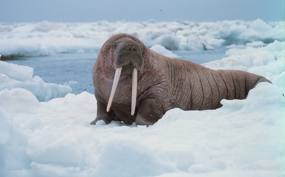
  • They have rough wrinkly skin and very whiskery faces.

IMG_5931

  • Walruses have tusks of ivory. They can grow up to 3 ft 3” long.
  • Walrus babies can weigh up to 174lbs when born.
  • Like seals, they lack external ears.

Walruses sure are huge and cute! How can you not like their whiskery faces? These blubbery mammals are loud, social and full of personality! They are one of our favorites!

walrus

walrus2

Categories: adventure, Animals, Children, conservation, education, Environment, mammals, nature, science, wildlife | Tags: , , , , , , , , , | Leave a comment

WHOOOOOO IS HANGING IN THE SNOW?

WHOOOOO IS HANGING IN THE SNOW?

e e arctic

We headed out to South Canada to find this owl! We sat around at dusk with our binoculars, a thermos full of hot tea and our cameras! We were lucky this trip and spotted the Snowy owl!

owl

      Their range/habitat: Arctic Circle/ tundra-open land

      Their length/weight: 22- 28”/ 2 ¼-5 ½ lbs  Conservation Status: Common

      Their diet: Carnivore: lemmings, rabbits, waterfowl

owl3

  • Snowy owls are covered in long white feathers. The feathers cover every part of them including their feet and beak.
  • They are most active at dusk and dawn, but are diurnal (active during the day) during the summer when there is little darkness.
  • Females are larger than males and have molted or spotted brown colors on their feathers. This helps them blend in with the ground.
  • Snowy owls nest on the ground.
  • They have excellent hearing and eyesight.
  • Snowy owls mate for life and both the male and female take care of the chicks.
  • Snowy owls are ambush predators!

 owl2

These gorgeous owls are so amazing! They are built for the cold!

Categories: adventure, Animals, birds, Children, conservation, education, Environment, nature, science, wildlife | Tags: , , , , , , , , , | Leave a comment

PARROTS OF THE SEA!

PARROT OF THE SEA

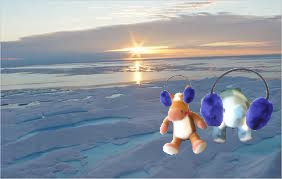
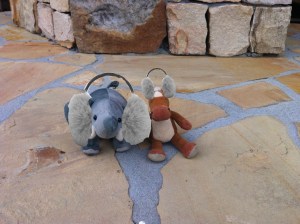
This week we are meeting some cold weather loving animal friends! We’re off today to meet one adorable bird who lives up in the cold near the arctic circle.

e e ear muffs

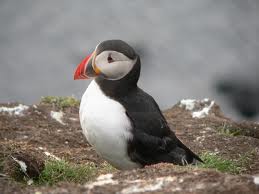
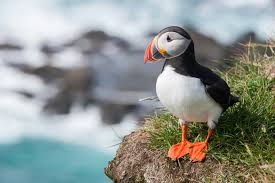
MEET THE ATLANTIC PUFFIN!

Range/Habitat: North Atlantic and Arctic Oceans from Northern Europe-Iceleand-Newfoundland / ocean and rocky coasts

Diet:  Carnivore: fish, mollusks, crustaceans

Length/Weight: 11-12”/ 1 lb

Conservation Status: Vulnerable


Fun Facts:

  • The Atlantic Puffin is a highly social bird that lives in large colonies on rocky coasts and islands.
  • They have bright orange beaks that are brighter during mating season. They also have bright orange feet. They’ve been called the “sea parrot” because of their bright coloration.
  • Male and female Atlantic Puffins incubate eggs.
  • Atlantic Puffins spend their winters out in the open ocean.
  • They are excellent swimmers and divers. They can dive up to 200 ft deep
  • Atlantic Puffins can fly unlike penguins.

IMG_5870

  • They can catch several fish at one time.
  • Atlantic Puffins are the Provincial (official) bird of Newfoundland, Canada.
  • Although they look like those flightless birds the penguin, puffins are not related to them.

puffin2puffin


Atlantic Puffins sure are snappy looking birds with their bright orange beaks and feet! And they can fly and swim! We wish we could fly and swim!

Categories: adventure, Animals, birds, Children, conservation, education, Environment, nature, science, wildlife | Tags: , , , , , , , , | Leave a comment

INSECT MANIA- PART 2!

INSECT MANIA- PART 2!

IMG_2092So what makes an insect an insect? Here are some basics:

  • Adult insects have 6 legs and 3 body parts.
  • Insects are invertebrates.
  • Most insects have a pair of antenna (mine are quiet nifty)!
  • Most insects have wings- including me!

  • Spiders are not insects, they belong to the arthropod order!

 

Who is ready for insect mania part 2? Let’s get this party started!

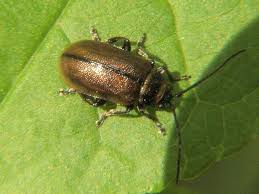
There are more beetles on the planet than any other animal. The account for 1 in 4 animals on earth!

There are more beetles on the planet than any other animal. The account for 1 in 4 animals on earth!


The oldest known insect fossil dates back 400 million years.

The oldest known insect fossil dates back 400 million years.


Bees can fly up to 60 miles per day gathering pollen.

Bees can fly up to 60 miles per day gathering pollen.


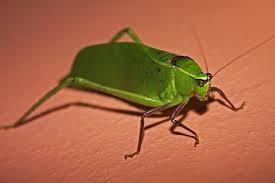
Katydids have ears in their front legs!

Katydids have ears in their front legs!


Insect blood is yellow!

Insect blood is yellow!


Rhinoceros beetles can lift an object up to 850 times its own weight.

Rhinoceros beetles can lift an object up to 850 times its own weight.


Wowzers! Insects are so varied and amazing! You could spent a lifetime studying these amazing creatures!

Categories: adventure, Animals, Children, conservation, education, Environment, insects, nature, science, wildlife | Tags: , , , , , , , , | 1 Comment

INSECT MANIA!

INSECT MANIA!!

E & E butterfly

We’re celebrating just a few of the amazing insects in the world today! Considering that their are over 900,000 species of insects, the species we picked are just the teeny weeny tip of the iceberg! Come learn some fun facts you can share at parties and with friends! We’ll have more tomorrow!

Preying Mantis are the only insects who can turn their head 360 degrees.

Preying Mantis are the only insects who can turn their head 360 degrees.


Ladybugs can eat up to 5,000 aphids in its lifetime.

Ladybugs can eat up to 5,000 aphids in its lifetime.


Dragonflies can fly up to 50 mph.

Dragonflies can fly up to 50 mph.

Only male crickets can chirp.

Only male crickets can chirp.


Butterflies have taste receptors in their feet.

Butterflies have taste receptors in their feet.


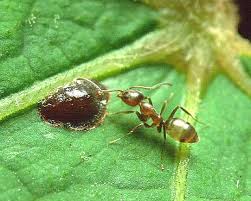
Ants do not sleep!

Ants do not sleep!


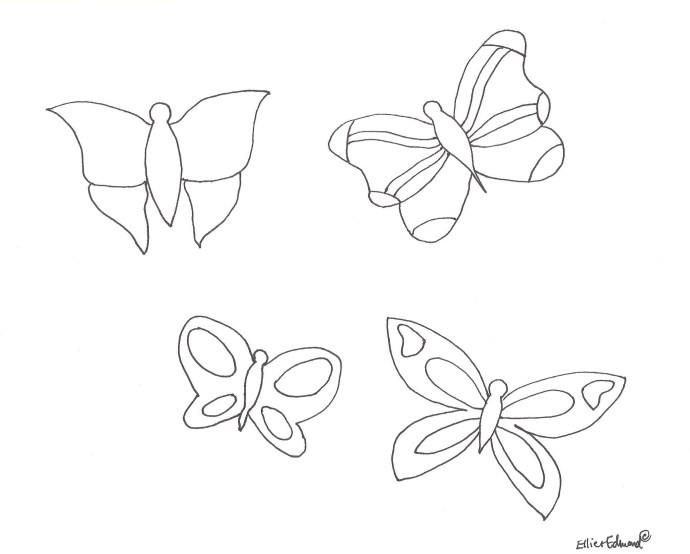
Here’s a butterfly coloring sheet to keep up the insect fun! Do you have a favorite insect?

Image

Categories: adventure, Animals, Children, conservation, education, Environment, insects, nature, science, wildlife | Tags: , , , , , , , | Leave a comment

WE SPY!

WE SPY!!

FullSizeRender

We Spy with our four little eyes a very tiny little beetle who is known for their spots! We have quiet a few of these in our Headquarters at the University that are hibernating for the winter! Can you guess what we spy!

we spy

Categories: adventure, Animals, Children, conservation, education, Environment, nature, science, wildlife | Tags: , , , , , , , , | Leave a comment

SCIENCE WORD OF THE WEEK!

SCIENCE WORD OF THE WEEK!

swow entomologist

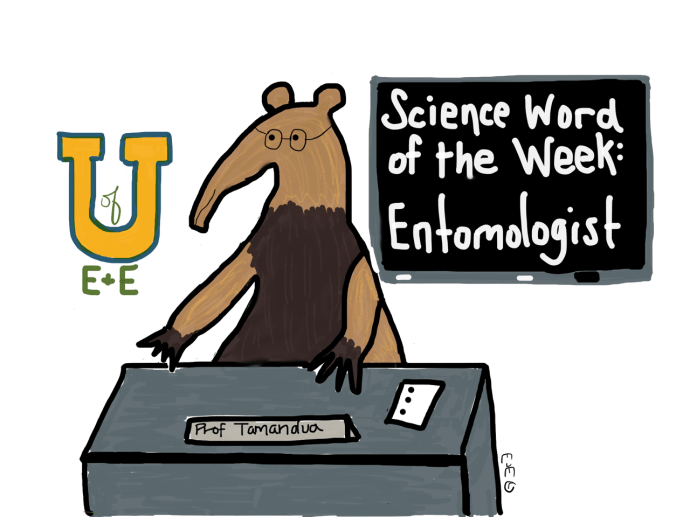
Welcome back to class this week! I have such a great word for you this week! We’re going to learn about another group of scientists in a specific field! This week Ellie and Edmond will be meeting some of the animals that these scientists study!

This week’s word is Entomologist: is a scientist who studies insects. With over a million species of insects that account for about 2/3 of the species of animals on the planet- entomologists have endless animals to study! If you were an entomologist what insects would you study? The famous E.O. Wilson studies ants!

Categories: adventure, Animals, Children, conservation, education, Environment, nature, science, vocabulary, wildlife | Tags: , , , , , , , , , | Leave a comment

Blog at WordPress.com.