Posts Tagged With: science

SCIENCE WORD OF THE WEEK!

SCIENCE WORD OF THE WEEK!

Sketches - 25(4)

Welcome everyone! I’m very excited for today’s lesson! It’s a great word, so let’s get right to it!

Today’s word is: Symbiosis (simbēˈōsəs)  an interaction between two living organisms. There are different kinds of symbiosis; today we will talk about mutualism. Mutualism is when two living organisms interact with each other that benefit each other.

Here are two examples:

Cleaner shrimp and eel or fish- the shrimp eat parasites off the eels mouth. The eel gets rid of pesky parasites and the shrimp get a meal!
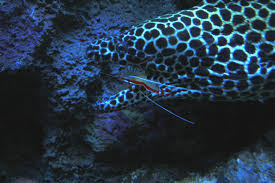
cleaner shrimp

Clownfish and anemones- clownfish spend their time in a host anemone. The stinging cells of the anemone help protect the clownfish from predators, while the anemone eats bits of food that the clownfish drops.

Nature is full of symbiotic relationships- including mutual ones! Can you think of any other mutualistic ones?
Categories: adventure, Animals, Children, conservation, education, Environment, nature, science, vocabulary, wildlife | Tags: , , , , , , , , , | 1 Comment

CEPHALOPOD LOVE!

CEPHALOPOD LOVE!!

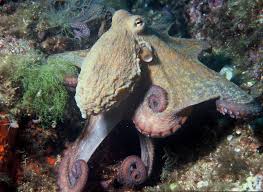
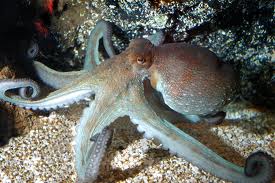
octopus

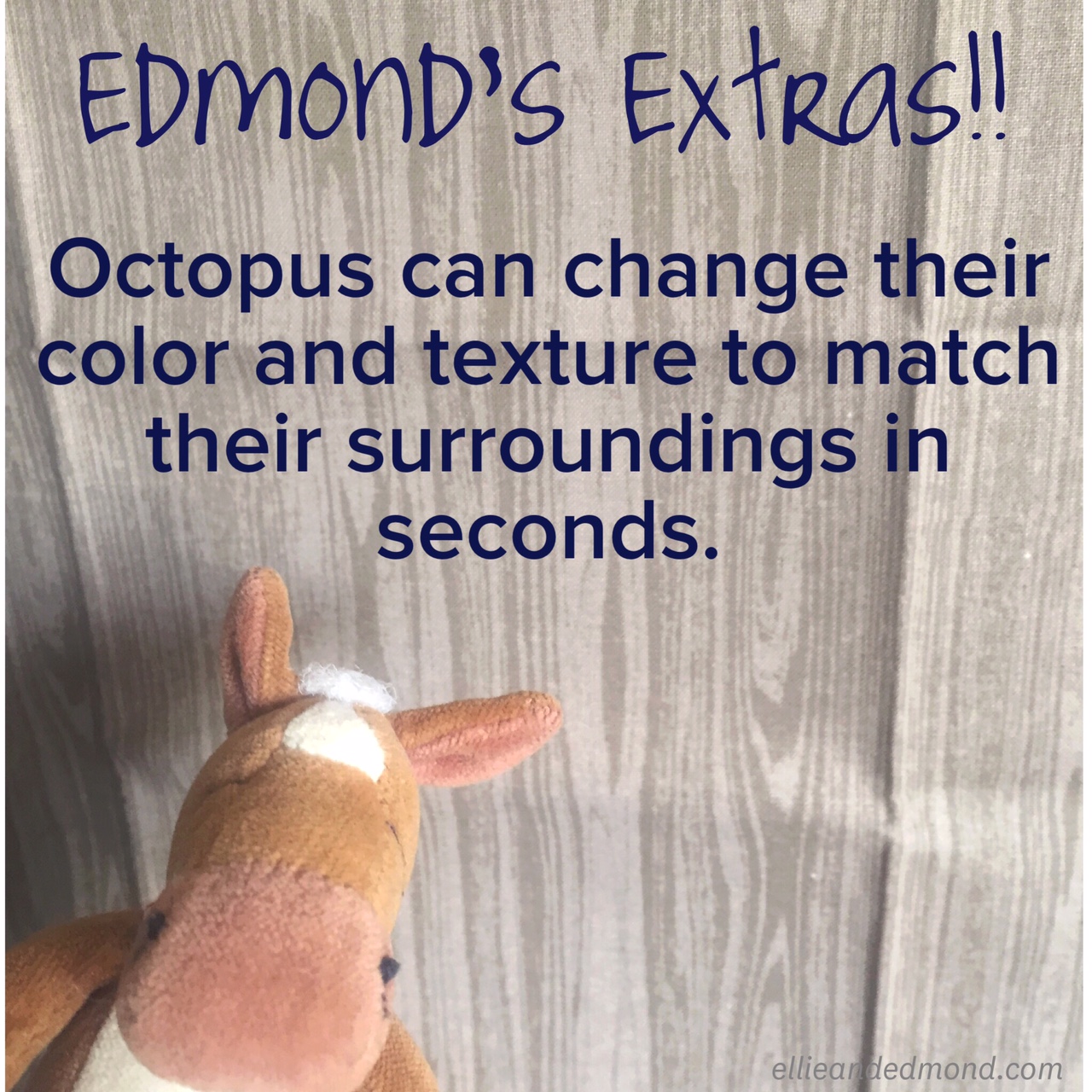
If you’re on social media, you may have noticed the celebration called cephalopod week! We wanted to join in and share the common octopus with you!


   Range/Habitat: Mediterranean- North Atlantic/ rocky bottoms

   Diet: Carnivore: crabs, crustaceans, mollusks

   Length: Head 9” arms up 3 ft

   Conservation Status: Common


Fun Facts:

  • Common octopi are cephalopods.
  • They have no skeleton and four pairs of arms.
  • Common octopi are considered very intelligent.   IMG_2689
  • Common octopus moms lay up to 50,000 eggs in a dark cave.
  • They stay with the eggs while they develop, generally around 2-6 months.
  • Common octopus moms take care of the eggs, by cleaning, holding and blowing oxygen over them.
  • They will not hunt or eat while they are taking care of the eggs.
  • Common octopus moms pass away soon after the babies hatch.
  • Octopus will release ink when threatened.
  • They collect shells of crustaceans and other objects to build a fortress or garden.


octopus2


We just love octopus! They are so intelligent and amazing creatures! There is so much more to learn about them! We’ll revisit them again soon!


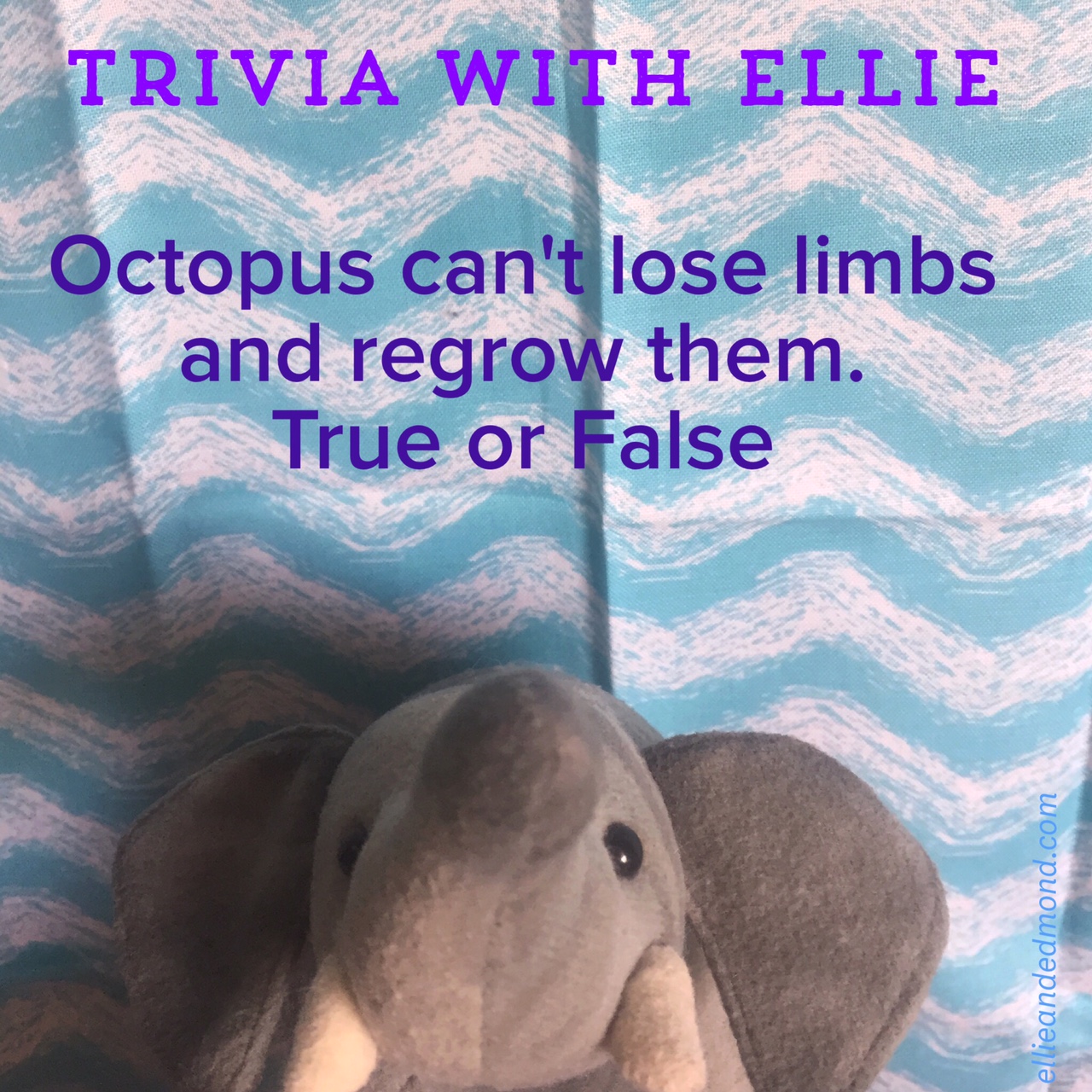
IMG_2690


Answer: False- octopus can lose a limb and regrow it!

Categories: adventure, Animals, Children, conservation, education, Environment, nature, oceans, science, wildlife | Tags: , , , , , , , , , | 1 Comment

CORAL!!

CORAL!!

Sketches - 112

Professor Tamandua gave you a simple explanation of coral polyp the other day! Today we’re going to talk more about coral and how they build the reefs that are so amazing!

Coral Fun Facts:

  • Coral are colonies of animals. They are built by tiny little animals called coral polyps!

IMG_8695   IMG_8694


  • Each animal is attached to the next by a hard  exoskeleton.
  • The large coral colonies are fixed to one spot. The individual animals can pull their tentacles into their exoskeleton for protection.
  • They have tentacles with stinging cells that help them catch their prey!
  • Coral are related to jellies and anemones.
  • Coral share their homes with zooxanthella  (zō′ə-zăn-thĕl′ə), a type of algae. The zooxanthella and coral polyp help each other survive.
  • The coral provide a home for the zooxanthella and the zooxanthella provide oxygen and nutrients for the coral.
  • The zooxanthella also give the corals their colors!
  • Because the zooxanthella need sun to make energy (photosynthesis), coral reefs are located in shallow waters.
  • As coral grow, they help build shelter for many kinds of animals in the reef. Those calcium carbonate bodies build the reef.
  • Some fish, like parrotfish eat coral. The fish’s poop then becomes sand. Much of the sand in the Caribbean is parrotfish poop!
  • You can often see new growth on a coral by seeing the white tips!

IMG_8696

Corals are essential for the health of coral reefs. Coral reefs are found mostly in tropical waters around the planet. These delicate ecosystems are important for many animals in the ocean. They are often called the rainforests of the ocean and are the one of the most biodiverse biomes on our planet! Let’s here it for coral!

Categories: adventure, Animals, Children, conservation, education, Environment, nature, oceans, science, wildlife | Tags: , , , , , , , , , | 3 Comments

WE SPY!

WE SPY!

FullSizeRender

We Spy with our four little eyes this animal of the reef! Can you guess who we spotted?

we spy

Categories: adventure, Animals, Children, conservation, education, Environment, nature, science, wildlife | Tags: , , , , , , , , , | 1 Comment

SCIENCE WORD OF THE WEEK!!

SCIENCE WORD OF THE WEEK!

Sketches - 25(3)

Welcome to class on this fine summer Monday! Who’s ready to learn? I know I am!

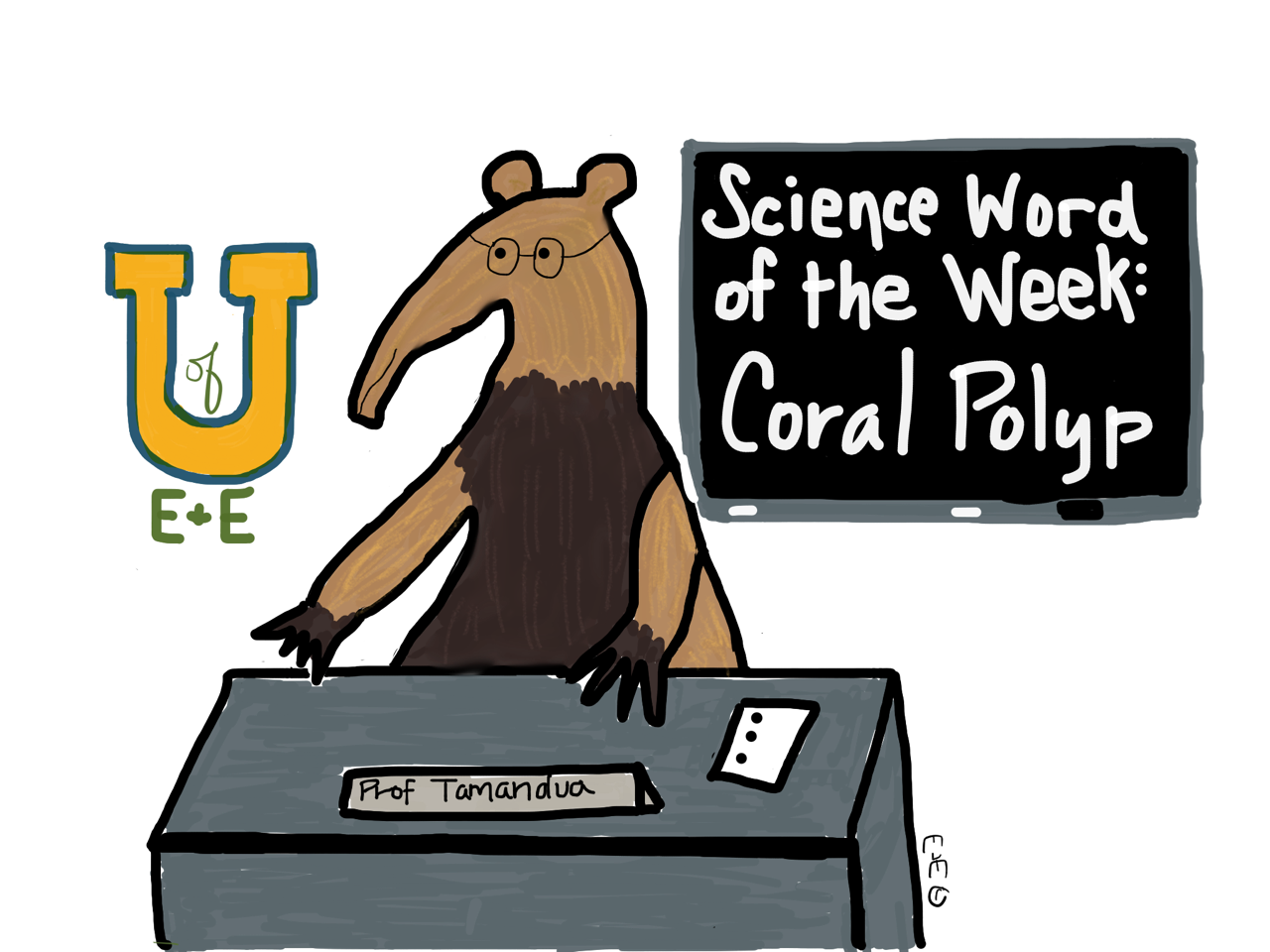
Today’s word is Coral Polyp: coral polyps are soft bodies organisms that live in colonies. Coral polyps are related to jellies and anemones. They have a hard outer skeleton that is made of limestone. Each polyp is attached to the next one by the limestone exoskeleton. Colonies of coral polyps form structures that form the coral reef that is inhabited by many different kinds of animals.

Sketches - 112coral

Categories: adventure, Animals, Children, conservation, education, Environment, nature, science, wildlife | Tags: , , , , , , , , , , | 1 Comment

WORLD GIRAFFE DAY!!

WORLD GIRAFFE DAY!!

 giraffe2

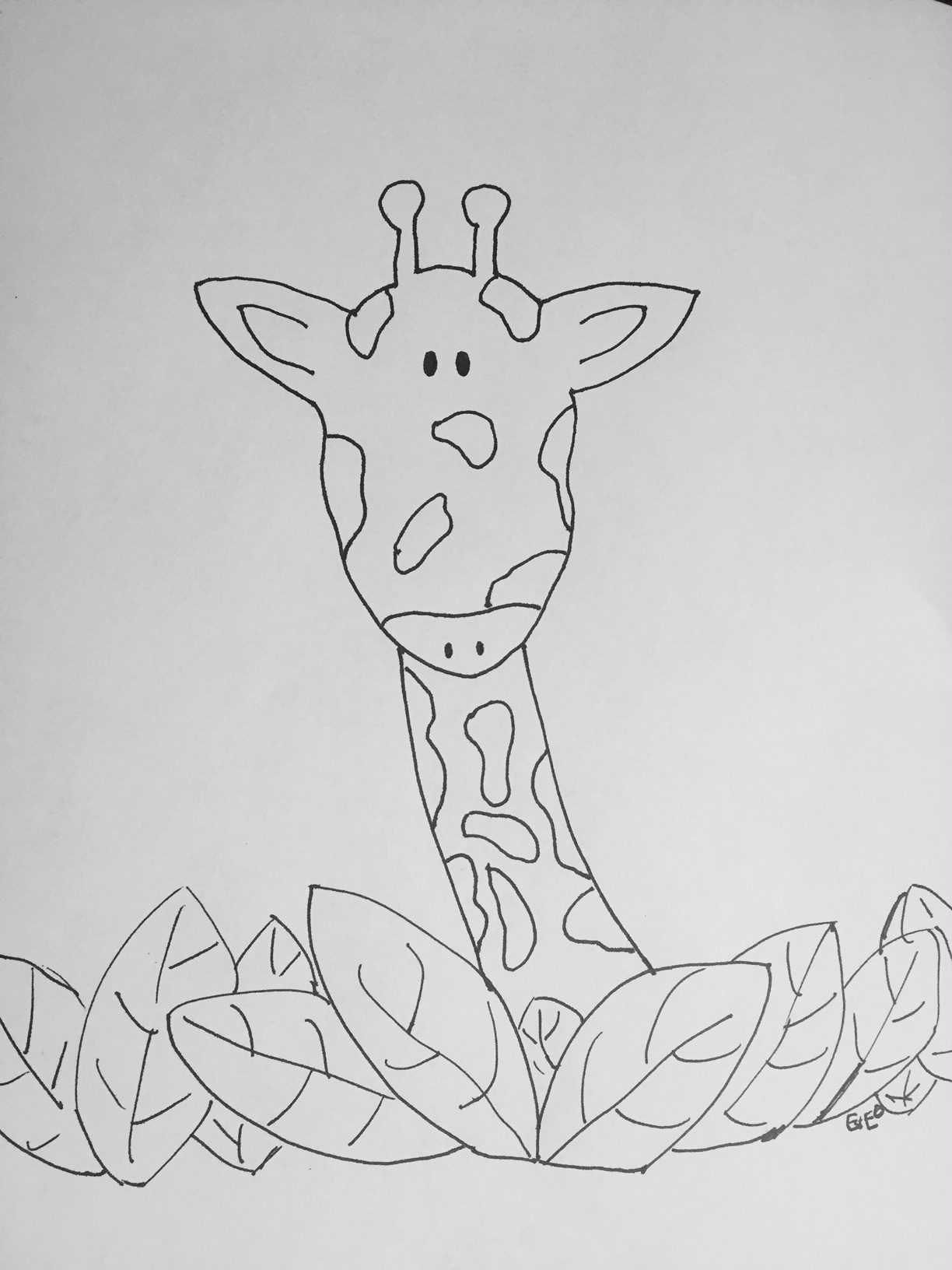
What has four knobby knees, a super long neck and two ossicones on top of their head?  A GIRAFFE!! Today is World Giraffe Day and we’re celebrating the tallest animal on the planet! These spotty funny looking animals are one of favorites! We’re going to share some fun facts and a great coloring sheet for you!

Any guess on why June 21st is World Giraffe Day? It’s because it’s the longest day of the year and they have the longest necks!!

giraffe

  • All giraffes live in Africa, in desert or savannas.
  • Giraffes can grow up to 19ft tall.
  • Their tongues are 21″ long.

IMG_2615

  • Giraffes are herbivores and eat all throughout the day.
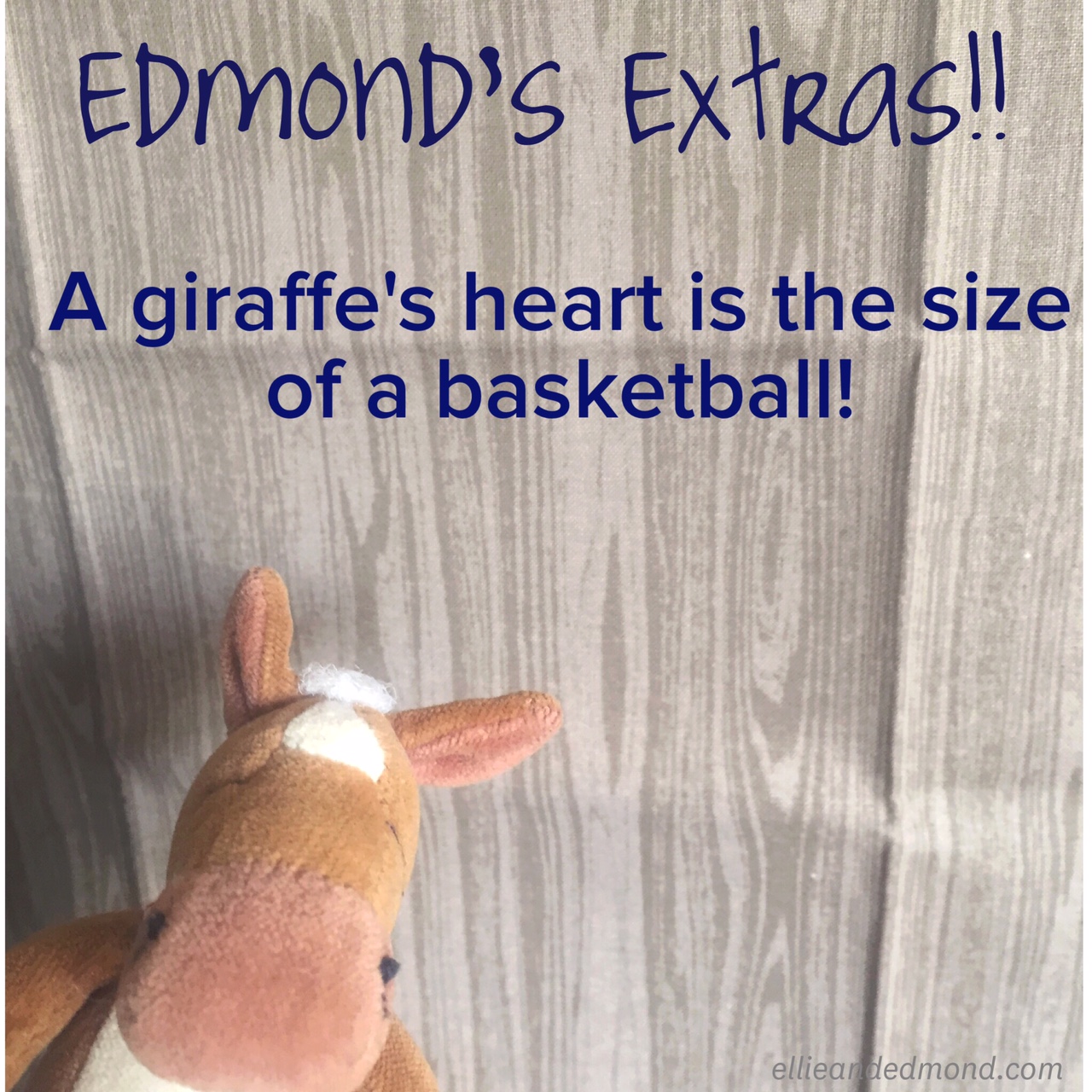
  • A giraffe’s heart is the size of a basketball.
  • Giraffes can run up to 35 miles per hour.
  •  A giraffe’s foot is the size of a dinner plate.

IMG_2616

FullSizeRender(7)

Answer:  7

Categories: adventure, Animals, Children, conservation, education, Environment, mammals, nature, science, wildlife | Tags: , , , , , , , , , | 1 Comment

SEA TURTLES RULE!

SEA TURTLES RULE!!

sea turtle2

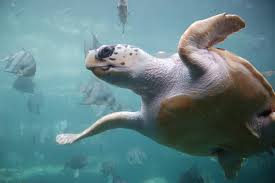
We’re a few days late on our World Sea Turtle post, but that doesn’t mean we don’t love them less! These marine reptiles have been around 110 million years! Most of these rocking reptiles are endangered, so let’s work to protect them! We’ll share some cool facts and then some ways you can help!

sea turtle4

  • Sea turtles spend most of the lives at sea. Females come ashore to lay their eggs.
  • Sea turtles can not pull their limbs into their shells.
  • They do breathe air.
  • Leatherback sea turtles do not have hard shells.
  • Females lay 50-350 eggs in a nest they lay on the beach.
  • All eggs hatch at the same time. The hatchlings must dig out of the sand and head for the beach.
  • Most hatchlings hatch at night!
  • Sea turtles eat a variety of food, including sea grasses and jellies.
  • Sea turtles have a gland by their eye that excretes excess salt.

sea turtle3

How Can You Protect Sea Turtles:

  • Turn off lights at night on beaches where turtles nest.
  • Remove all trash from the beach- it can hinder hatchlings on their way to the sea.
  • Use reusable bags, plastic bags can look like jellies to sea turtles.
  • Get involved in a beach clean up.
  • Do not release helium balloons- they fall back to earth and are often ingested by turtles and other marine life.
  • Check out groups like the Sea Turtle Conservancy!


Categories: adventure, Animals, Children, conservation, education, Environment, nature, oceans, science, Uncategorized, wildlife | Tags: , , , , , , , , , | 1 Comment

WE SPY!

WE SPY!

Today’s we spy is a special one! Can you guess this animal? It’s his birthday! Scroll down to get the answer and a coloring sheet!

beach3

edmond coloring sheet

Categories: adventure, Animals, Children, conservation, education, Environment, mammals, nature, science, wildlife | Tags: , , , , , , , , , | 4 Comments

WE SEA A TURTLE!!

WE SEA A TURTLE!

We’re having some internet issues- so we missed World Sea Turtle Day yesterday! We’ll have more on them on Friday- but today you get a coloring sheet :)!

sea turtle coloring page

Categories: adventure, Animals, Children, conservation, education, Environment, nature, science, wildlife | Tags: , , , , , , , , , | Leave a comment

SCIENCE WORD OF THE WEEK!

SCIENCE WORD OF THE WEEK!

Sketches - 25(2)

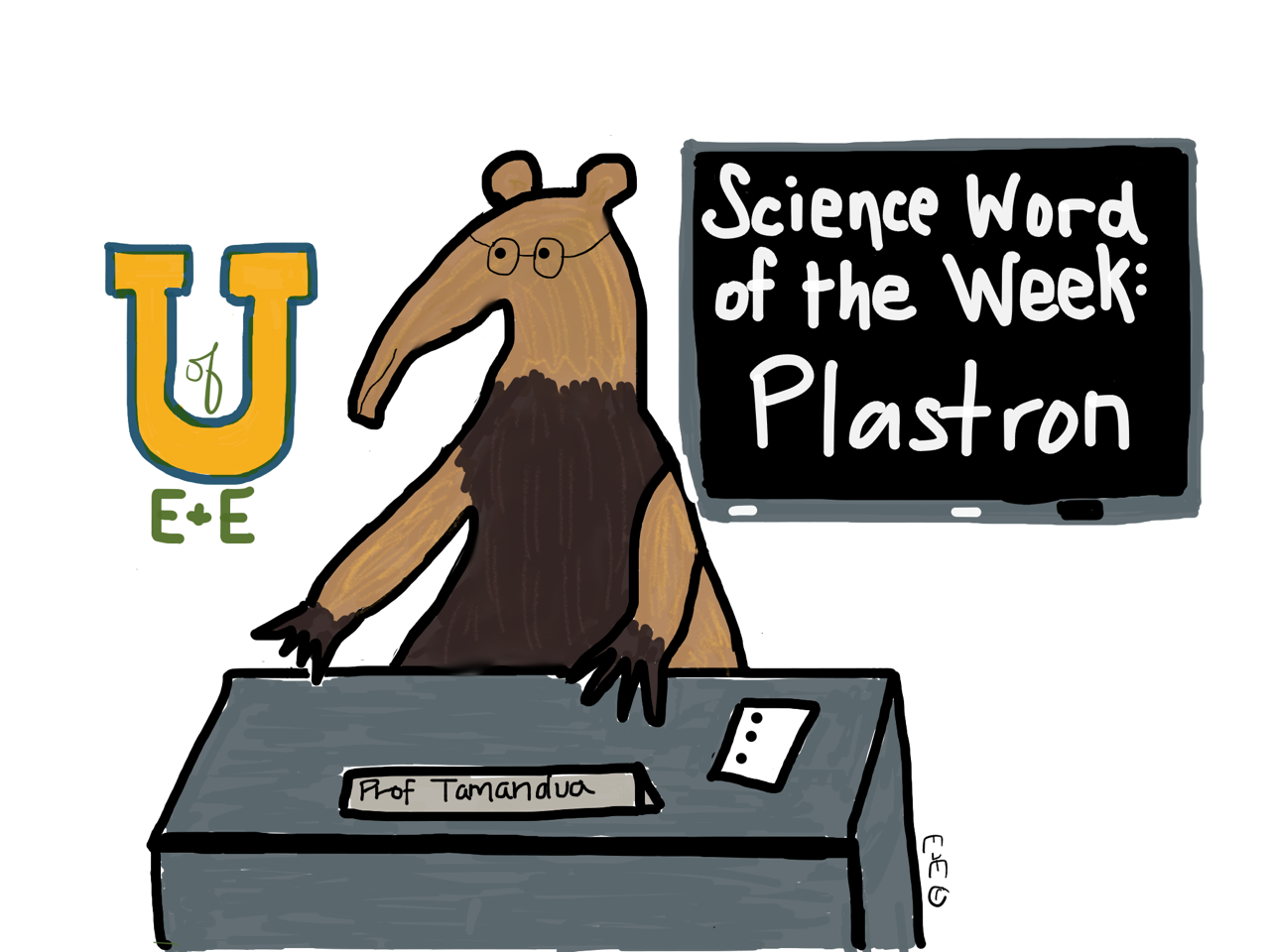
Welcome everyone! Who’s ready to learn a cool new word? This word will help us get ready for World Sea Turtle Day which is tomorrow!

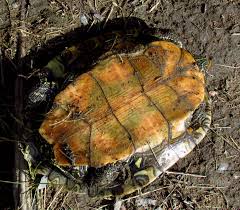
Today’s word is Plastron: the plastron is the bottom shell of a turtle. The plastron attaches to the top shell or carapace as it is called usually on the turtles sides. Some turtles like the box turtle have a hinge on their plastron that they can use to close completely.

plastron

Categories: adventure, Animals, Children, conservation, education, Environment, nature, science, wildlife | Tags: , , , , , , , , , | Leave a comment

Blog at WordPress.com.