
WE SPY!!

We spy with our own little eyes an animal in Southeast Asia. This animal has a prehensile tail and smells like popcorn! Do you know who we spotted?

WE SPY!!
We spy with our own little eyes an animal in Southeast Asia. This animal has a prehensile tail and smells like popcorn! Do you know who we spotted?
SCIENCE WORD OF THE WEEK!

Hello and welcome back to class! We have a great word today that even applies to me! Is everyone ready to learn?
Today’s word is Prehensile: a body part of an animal that has the ability to grasp something by wrapping around it. Often we think of prehensile tails with monkeys, but very few monkeys have that adaptation. Only monkeys that live in South and Central America have prehensile tails.
The tips of Ellie’s trunk are prehensile! She can use them to grasp even one blade of grass. Other animals that have prehensile tails include; spider monkeys, howler monkeys, opossums, binturongs and me!


WE SPY!!
It’s time for We Spy this week! We spotted this animal in the alps of Europe! This wild member of the goat family has some mad climbing skills! The males are known for their large horns! Can you guess who we spy?
SCIENCE WORD OF THE WEEK!

Hello and welcome to class! I hope you enjoyed learning about hippos yesterday! Today we are talking about animals with funny stomachs! Let’s get right to it!
Today’s Science Word is Ruminant: an animal that has more than one stomach or a chambered stomach. Ruminants swallow their food and then regurgitate it and chew it again. Ruminants include cows and sheep!
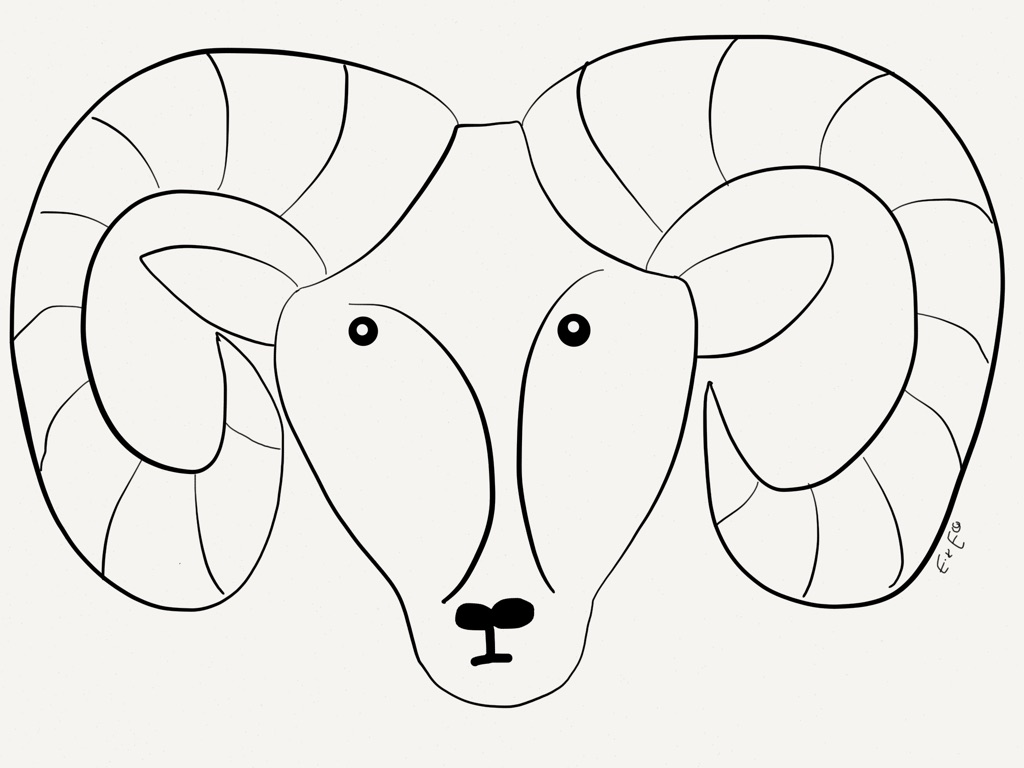
I picked this word because we are quickly approaching the Lunar New Year and it’s the year of the sheep or ram! Ellie and Edmond wanted to celebrate by meeting some wild members of the sheep family- tomorrow they head to Rocky Mountains to meet some Bighorn Sheep- who are ruminants! Until then, enjoy a Bighorn sheep coloring sheet!
Can you spot us on the map? We’re heading to the Rocky Mountains tomorrow!

Happy Happy Hippos!

Yesterday was International Hippo Day! We may be celebrating a day late but they are one of our favorites, so bring on the fun hippo happenings!

Fun Hippo Facts:
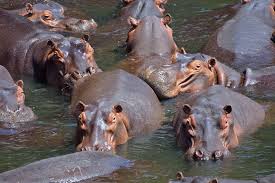

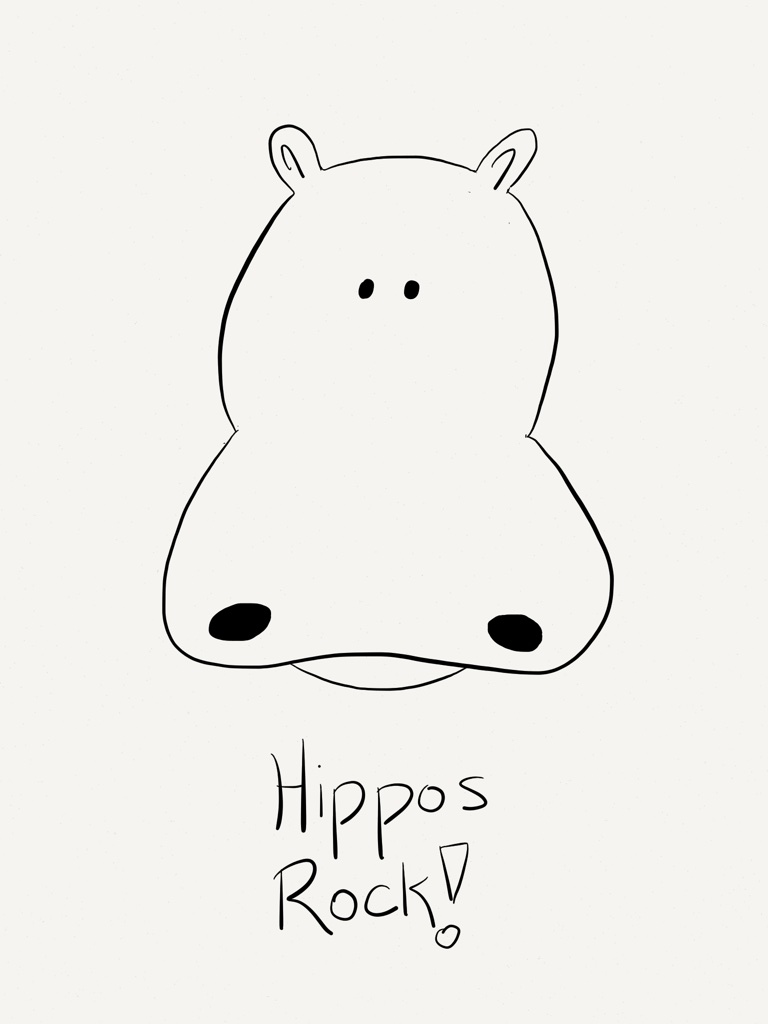
We just love these hippos! They have a reputation for being grumpy Guses, but they are just territorial! We especially love the pygmy hippo- small, round and plump! Enjoy a hippo coloring sheet and tell us why you love hippos!
VALENTINES!
We have our annual color your own Valentines for you and two bonus- print Ellie and Edmond Valentines!
Print, color and share! Happy Valentines from E & E!!


BUILD A NEST AND THEY WILL COME!
Valentine’s Day is fast approaching and we wanted to talk birds! We met some birds who do some fancy building when they are looking for a mate! First up- the Bowerbird!
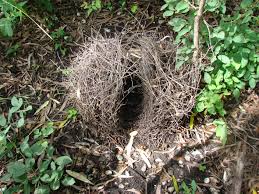

Meet the Hammerkop
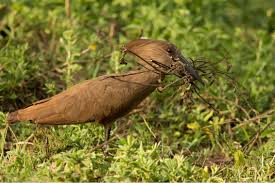
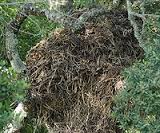
These two species of birds are quiet amazing! That is loads of work to attract a mate and have chicks! We are tired just thinking about all that nest building! Anyone out there planning on building a nest for their Valentine this year?
WE SPY!!
We were so excited when Professor Tamandua picked fossil for the Science Word! Today’s animal that we spy is often called a living fossil. There are fossils of this reptile that are 37 million years old. Can you guess the animal that we spot?

WHO IS IT?
SCIENCE WORD OF THE WEEK!
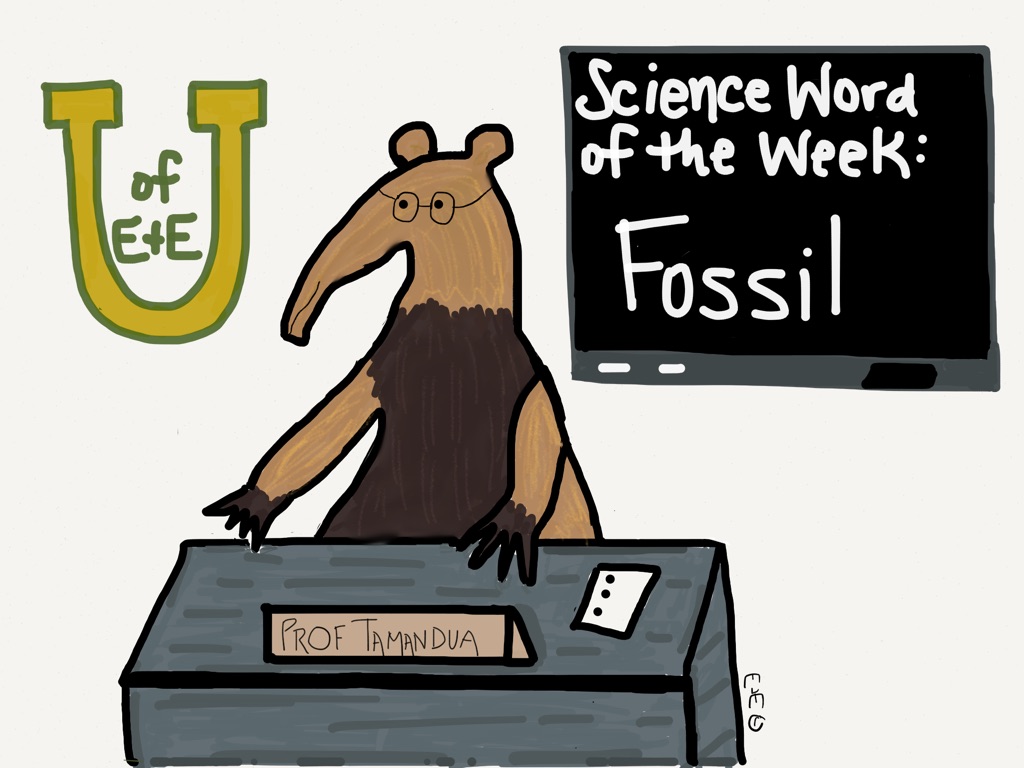
Welcome back to class everyone! We’re talking about old things today! Are you ready to talk about fossils?
Today’s Science Word of the Week is Fossil: a fossil is a preserved animal or plant. A fossil must be 10,000 years old. There are two kinds of fossils- body and trace. A body fossil is the actual remains (ex. bones and eggs). A trace fossil is the remains of activity, like a footprint or imprint.
Fossils give scientist great information on ancient animals, plants and habitats! Scientists who study fossils are called paleontologists.


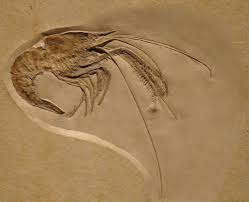
One of our favorite fossils is Sue the T Rex at the Chicago Field Museum! She is the most complete T Rex ever found!
WE SPY!!
After all the fun talking about groundhogs and hedgehogs, we decided to go exploring the woodland habitat where groundhogs live. We spied an animal is very destructive to the local habitat and it’s not humans! Can you guess who we spied?


 The Adventures of Ellie and Edmond