Posts Tagged With: science

AARDVARK APPRECIATION WEEK!

AARDVARK APPRECIATION WEEK!

We saw a post from the Cincinnati Zoo that it’s Aardvark Appreciation Week! Well who knew? So we decided to spotlight these fantastic creatures!
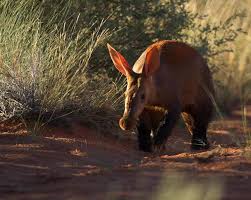
aardvark1

We just love these crazy looking creatures with their big ears and their pig like noses! So what do we know about them? Let’s find out!

  • Aardvarks live in Africa.
  • Their name means earth pig!
  • Aardvarks are nocturnal.
  • Aardvarks live in underground burrows.
  • Their favorite food is termites.
  • Another name for an aardvark is the antbear.
  • An aardvark’s tongue can reach up to 12 inches long.
  • They can close their nostrils when extracting termites.
  • Aardvarks can weigh as much as 180 lbs.
  • An aardvark’s closet living relative is the elephant shrew, along with hyraxes, tenrecs and elephants! M

Wow! We had no idea that the aardvark is a distance relative of Ellie’s! Cool!

aardvark2

So do you love aardvarks as much as we do! It’s those ears!

aarvark

Categories: adventure, Animals, Children, conservation, education, Environment, mammals, nature, science, wildlife | Tags: , , , , , , , , , | 13 Comments

GUESS THE ANIMAL!!

Day #24 (3/5/14) – Guess the Animalaardvark

We have a very special post tomorrow and today is your preview! If you guess the animal today, then you will know who we are featuring tomorrow! Are you ready?


  •          These animals live in Africa.
  •          Their name means earth pig.
  •          Their tongue can be up to 12 inches long.

Who is it?

Ellie and Edmond

Categories: adventure, Animals, Children, conservation, education, Environment, nature, science, wildlife | Tags: , , , , , , , , , | 2 Comments

INTERNATIONAL WILDLIFE DAY!

INTERNATIONAL WILDLIFE DAY!

Yesterday marked the first annual Wildlife Day! Organizations all over the world celebrated triumphs of conservation and offered many ways to protect and appreciate wildlife!

tiger

The World Wildlife Fund posted a great article on how their work is helping tigers and rhinos in Nepal!

Of course we love wildlife, it is our mission to help protect our animal friends and the home we all share!

We want to know what do you love about wildlife and how are you helping to protect it?

This post is all about you! We want to hear your ideas, favorite stories and photos!

WHAT DO YOU LOVE ABOUT WILDLIFE??

e e logo

Categories: adventure, Animals, Children, conservation, education, Environment, nature, science, wildlife | Tags: , , , , , , , | Leave a comment

SCIENCE WORD OF THE WEEK!

SCIENCE OF THE WORD OF THE WEEK!

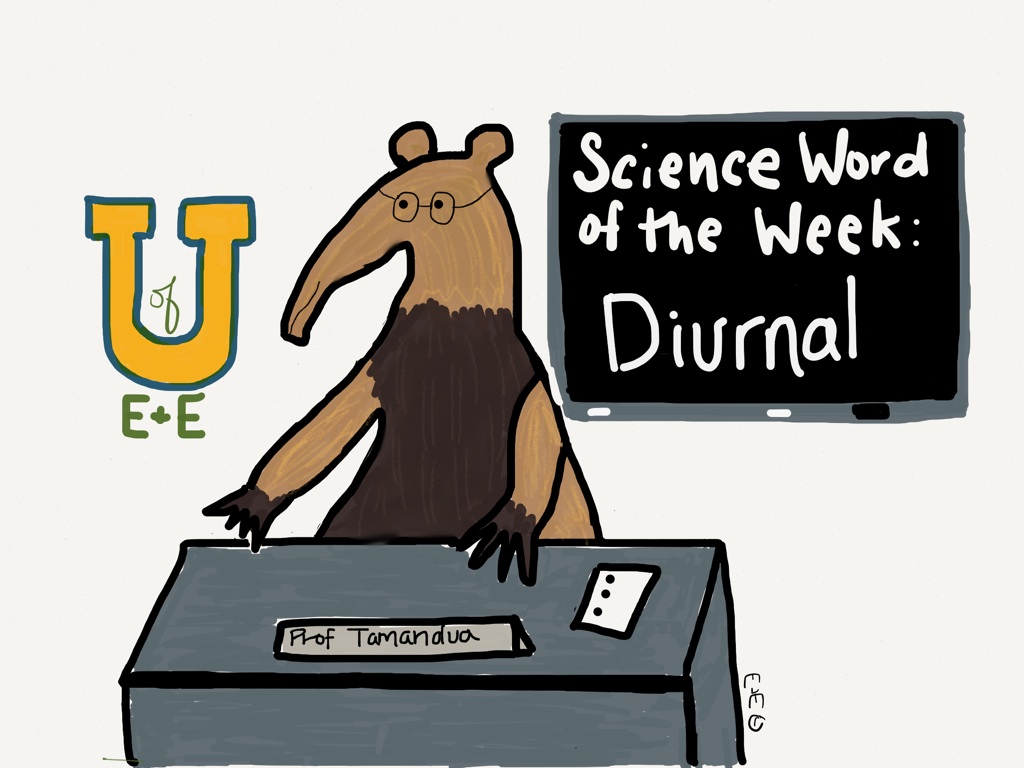
science word week diurnal

Welcome to this week’s lesson class! Last week we learned about nocturnal animals and this week we learn the word for being active during daylight hours!

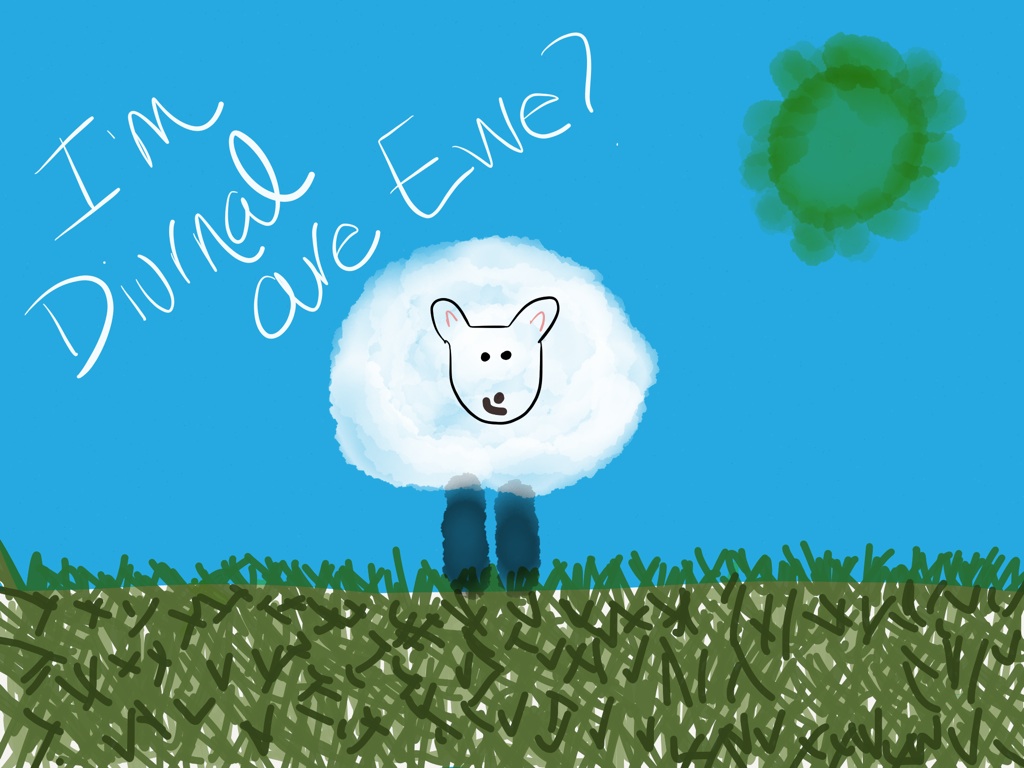
Diurnal: being active during the day. Many animals are active during the day, including many reptiles who bask in the sun for warmth and energy! Some mammals are active during the day to avoid predators that are active at night.


diurnal cartoon

Categories: adventure, Animals, Children, conservation, education, Environment, nature, science, wildlife | Tags: , , , , , , , , | 1 Comment

Happy International Polar Bear Day!!

Happy International Polar Bear Day!

e e polar bear

We are celebrating the beloved polar bear today! These amazing marine mammals are one of our very favorites! Come learn some fun facts about polar bears and how you can help protect their arctic home!

polar bear

  • Polar Bears are excellent swimmers, they have been found miles off shore.
  • They have a thick layer of fur, including on the bottoms of their paws.
  • Polar bears are carnivores.
  • Polar bears have translucent fur.
  • Polar bears have black skin that helps them soaks up the warmth of the sun.
  • Polar bear mothers build a den to have their cubs.
  • Polar bear cubs stay with their mothers for up to two years.
  • Polar bears have no natural predators.
  • Scientist think polar bears evolved from brown bears.
  • Polar bears are the largest land predator on earth.
  • Adult male polar bears can weigh up to 1,200 pounds.
  • Polar bears are protected in Norway, Canada, Russia, Denmark and the U.S.

polar bear2

One great way we can all help out polar bears is to use less energy! There are easy ways to do that in your own home such as; when you leave a room turn off the lights, unplug appliances like toaster ovens and coffee machines when not in use and turn off your computer and/or unplug your laptop when not in use!

You can also learn other ways to help polar bears by checking out Polar Bears International!

polar bear lights

Categories: adventure, Animals, Children, conservation, education, Environment, mammals, nature, science, wildlife | Tags: , , , , , , , , , , | 1 Comment

Guess the Animal!!

Day #23 (2/26/14) – Guess the Animal

As we were looking for the Snowy owl yesterday we spotted this animal! Check out the picture, read the clues and tell us who you think it is!

arctic fox


  •         I am a carnivore!
  •         My white coat turns brown/gray in the summer.
  •         I am a member of the canine family!

Who is it?

Ellie and Edmond

Categories: adventure, Animals, Children, conservation, education, Environment, nature, science, wildlife | Tags: , , , , , , , , , | Leave a comment

Day 22- Snowy Owl

Day #22 (2/25/2014) Snowy Owl

      We headed out to South Canada today to find an owl! These birds have been seen in parts of the U.S. this winter, so we wanted to see one in the wild. We packed all our cold weather gear! We sat around at dusk with our binoculars, a thermos full of hot tea and our cameras! We were lucky this trip and spotted the Snowy owl!

e e orange scarves

      Their range/habitat: Arctic Circle/ tundra-open land

      Their length/weight: 22- 28”/ 2 ¼-5 ½ lbs  Conservation Status: Common

      Their diet: Carnivore: lemmings, rabbits, waterfowl

snowy owl

  • Snowy owls are covered in long white feathers. The feathers cover every part of them including their feet and beak.
  • They are most active at dusk and dawn, but are diurnal (active during the day) during the summer when there is little darkness.
  • Females are larger than males and have molted or spotted brown colors on their feathers. This helps them blend in with the ground.
  • Snowy owls nest on the ground.
  • They have excellent hearing and eyesight.
  • Snowy owls mate for life and both the male and female take care of the chicks.
  • Snowy owls are ambush predators!

 snowy owl2

snowy owl3

These gorgeous owls are so amazing! They are built for the cold! This elephant and horse are not though. Thank goodness we have this lovely warm cabin to stay in for the week! We’ll be here for several days because International Polar Bear day is coming!

-Ellie and Edmond

Categories: adventure, Animals, birds, Children, conservation, education, Environment, nature, science, wildlife | Tags: , , , , , , , , , | 2 Comments

Science Word of the Week

Science Word of the Week!

Welcome students! We’ll be holding class on Mondays from now on! Can you think of a better way to start your week? I know I can’t! Let’s get on with this week’s word!

nocturnal swow

Nocturnal: being active at night. Animals that are nocturnal are primarily active during the evening and night and sleep during the day. Animals have many reasons to be nocturnal; it helps protect them from predators, their prey may be nocturnal too and it helps them avoid the heat of the day.

nocturnal cartoon

Categories: adventure, Animals, Children, conservation, education, Environment, nature, science, vocabulary, wildlife | Tags: , , , , , , , , , | 4 Comments

GUESS THE ANIMAL!!

Day #20 (2/19/14) – Guess the Animal

We boarded a plane to Australia and since our plane was late, we’re doing guess the animal today! This was one of the first animals we saw as we headed to our stop for the night! Check out the picture and read the clues. (We are looking for a specific species.)

red kangaroo


  •          They are the largest members of their species.
  •          They cannot walk.
  •          They are marsupials!

Who is it?

Ellie and Edmond

Categories: adventure, Animals, Children, conservation, education, Environment, mammals, nature, science, wildlife | Tags: , , , , , , , , , | Leave a comment

Visiting the Whales!

VISITING THE WHALES OF THE DEEP AT FERNBANK MUSEUM OF NATURAL HISTORY!

We visited one of our most favorite places in Atlanta- Fernbank Museum of Natural History to check out the new exhibit Whales- Giants of the Deep! We’re giving you the top 10 reasons to go see this amazing exhibit!!

whales11   whales1

1. You can learn about the whale family! That is one big reunion!

whales13

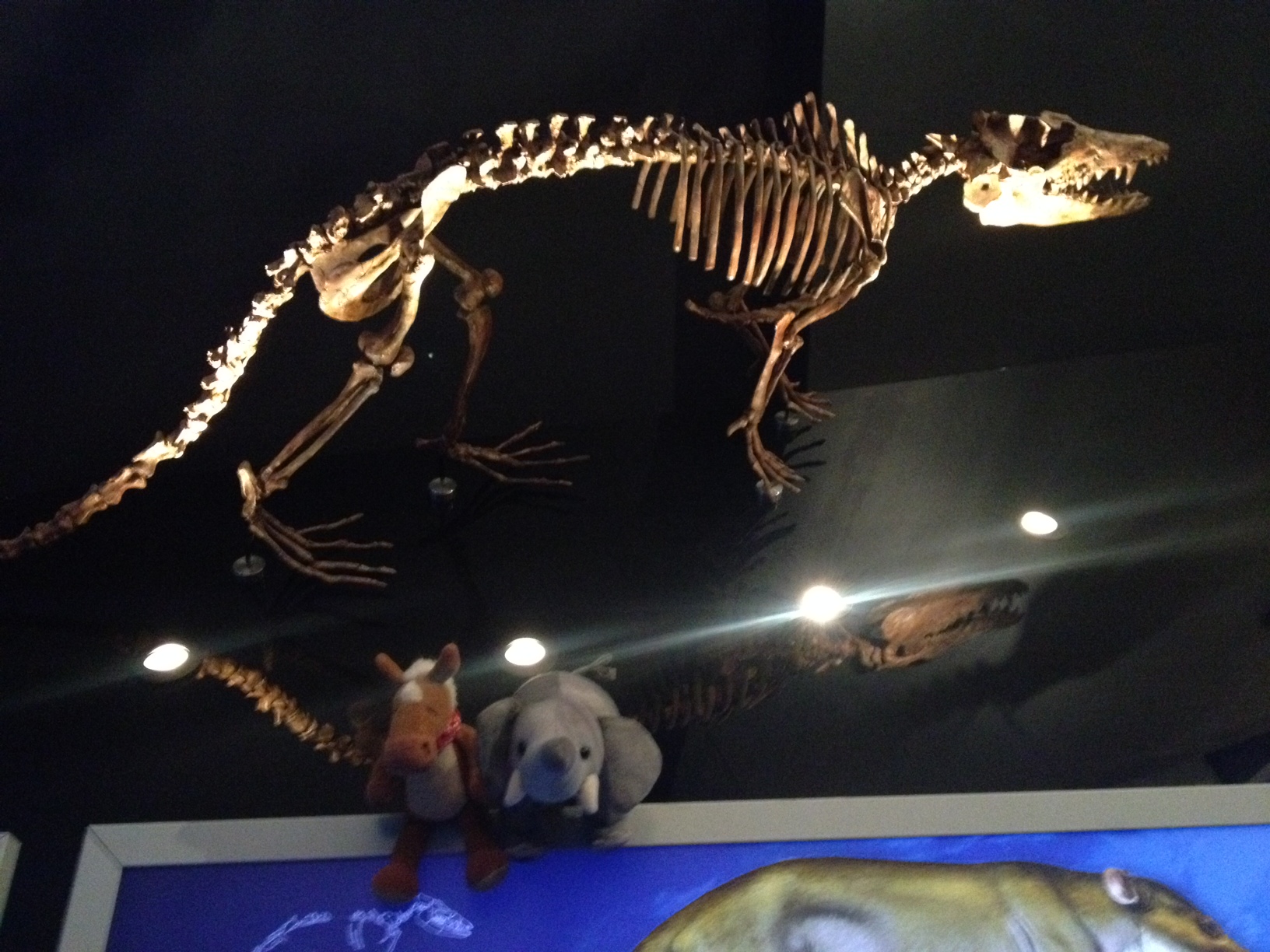
2. You can see one of the first ancestors of whales! They walked on land by the way!

whales4

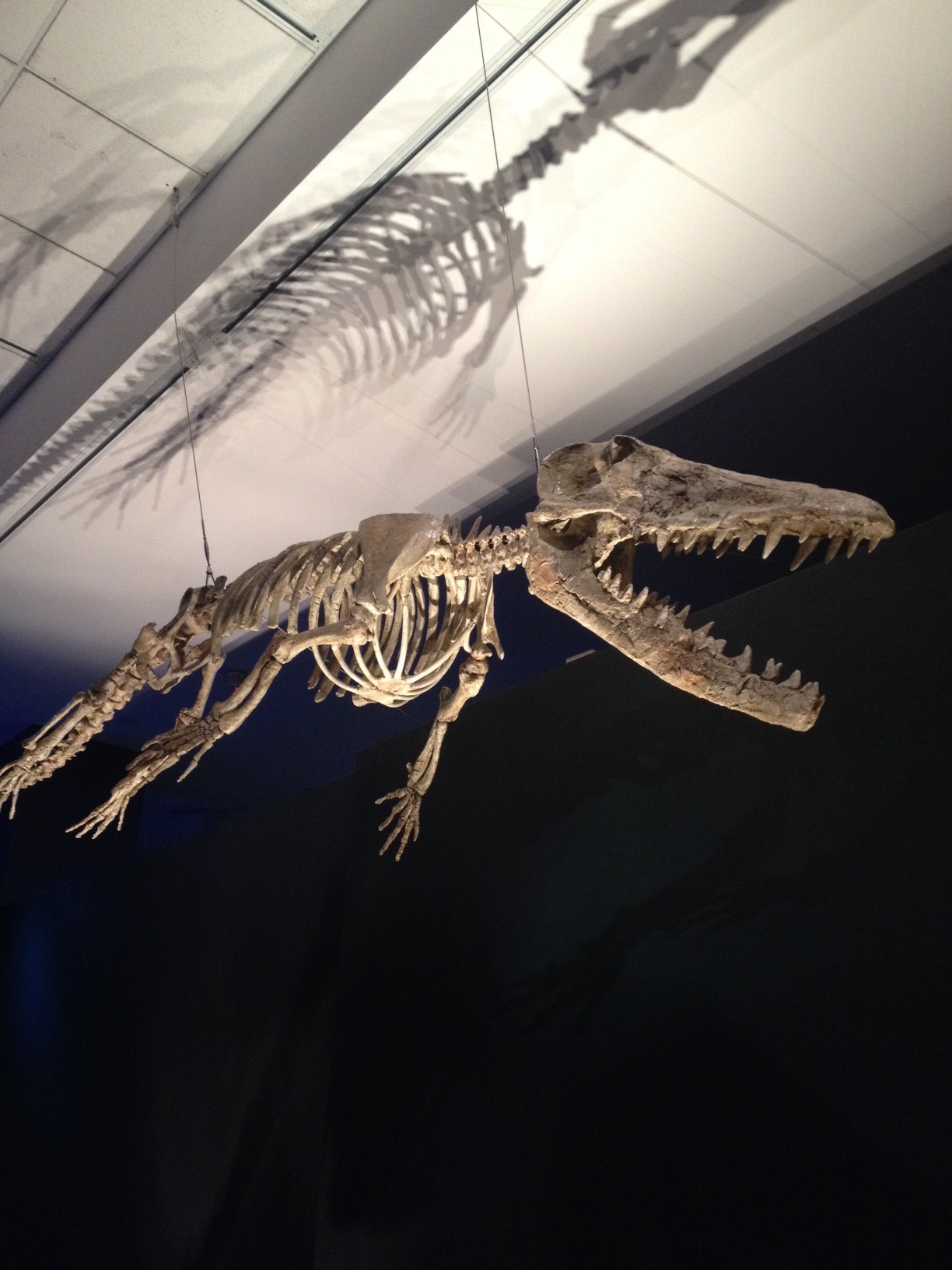
3.There are whales floating from the ceiling (another whale ancestor).

whales5

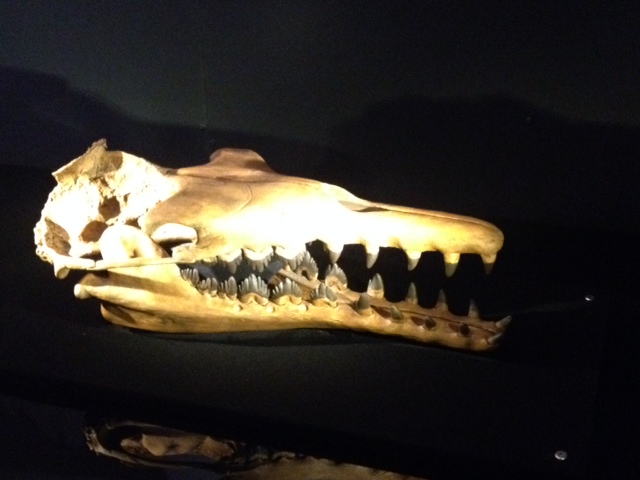
4. There are sharp teeth- really, really sharp!

whales6

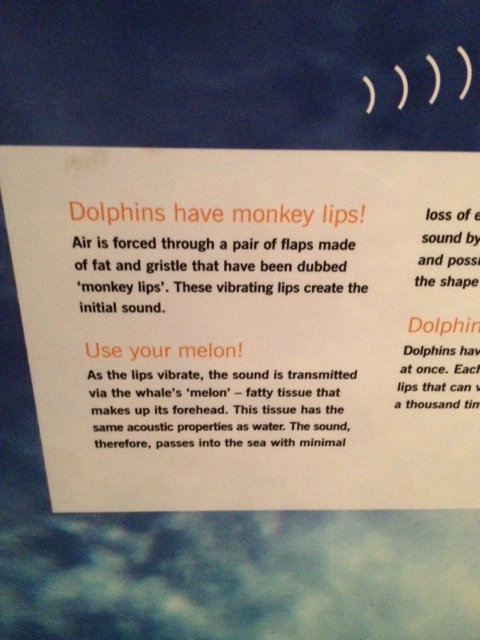
5. Dolphins have monkey lips! Whaaaaaaa???

whale16

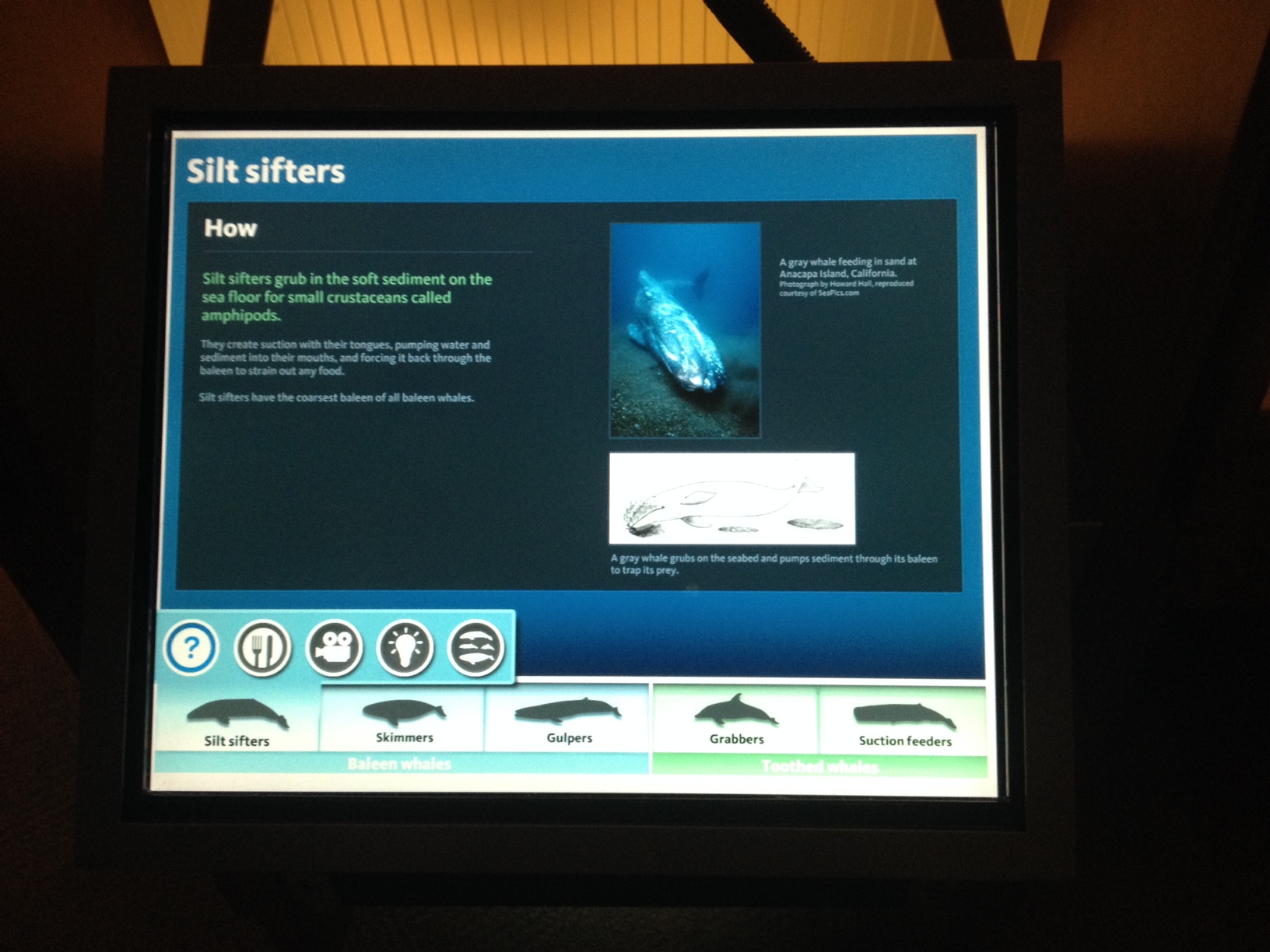
6. You can learn how whales eat! Who knew they scooped food off the bottom of the ocean!

whales15

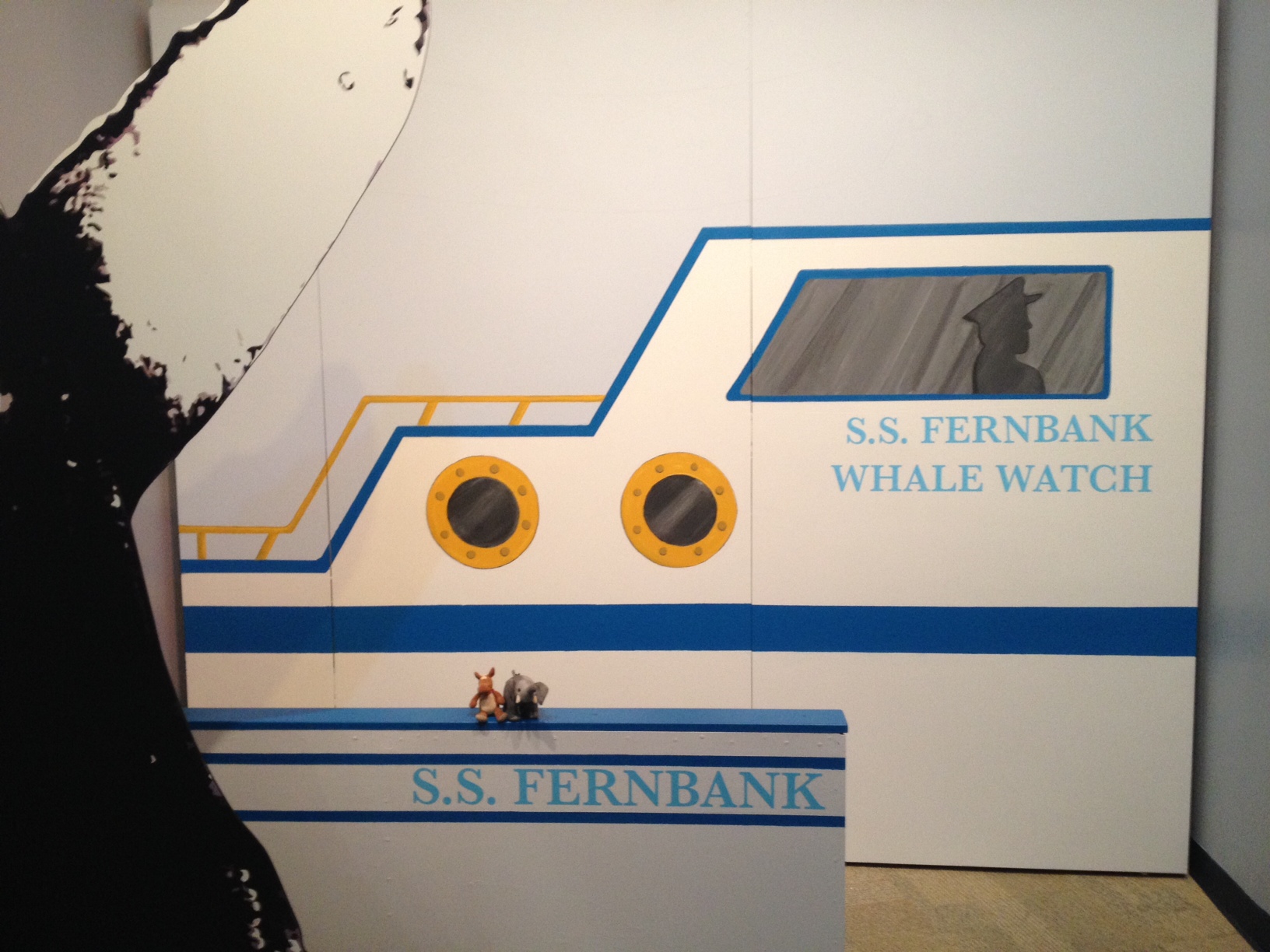
7. You can ride the SS Fernbank!

whales10

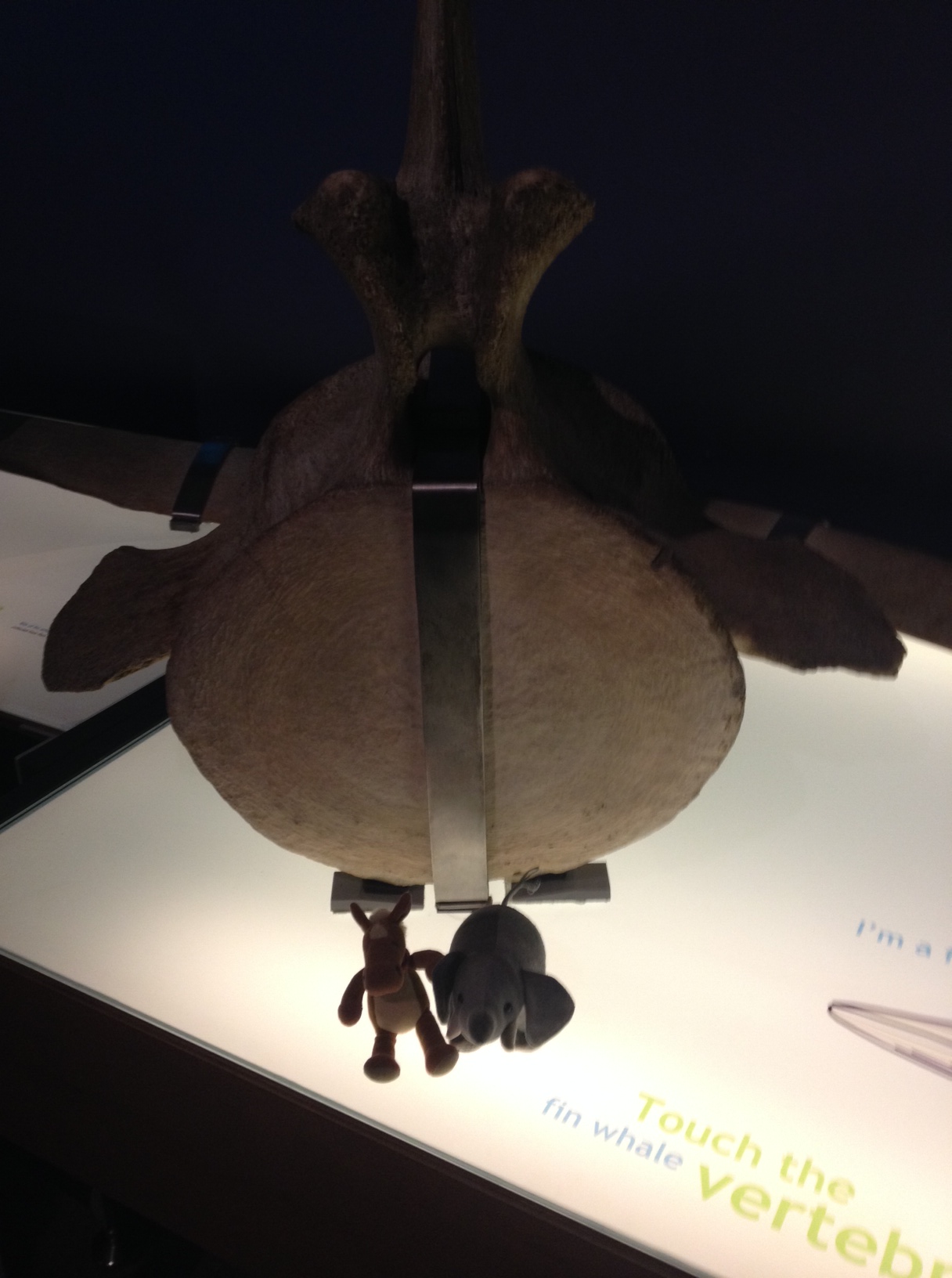
8. You can touch a whale’s vertebrae!

whales12

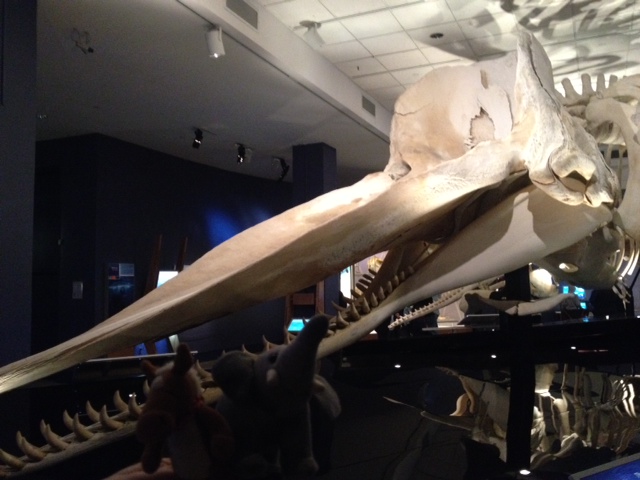
9. You can see a REAL Sperm Whale Skeleton and it is HUGE!!!

whales8

10. YOU CAN SEE A REAL SPERM WHALE SKELETON! IT IS AMAZING!!!!!!!

whales7

If you are in the Atlanta area make sure to put Fernbank’s new exhibit on your to do list! We only showed you a few of the many amazing things to discover in the super outstanding exhibit! There may even be a whale heart to climb…

Categories: adventure, Animals, Atlanta, Children, conservation, education, Environment, mammals, nature, science, whales, wildlife | Tags: , , , , , , , , , , , | 3 Comments

Blog at WordPress.com.