Posts Tagged With: science

AMAZING ANIMAL FACTS- BIRDS!

AMAZING ANIMAL FACTS- BIRDS!

We’re sharing some amazing bird facts today! Get ready to learn and share these facts with your friends!

e & e eco explorers

1. AN ARCTIC TERN’S MIGRATION IS UP TO 44,000 MILES PER YEAR!

Those birds must be tired!

arctic tern

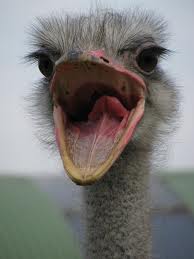
2. MALE OSTRICHES ROAR LIKE LIONS!

We wonder if they do any other impressions!

ostrich

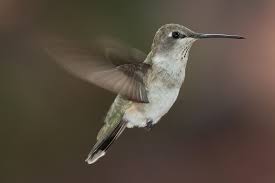
3. A HUMMINGBIRD WEIGHS LESS THAN A PENNY.

That is one teeny bird.

hummingbird

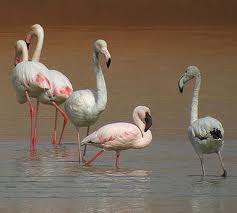
4. FLAMINGOS CAN ONLY EAT WITH THEIR HEADS UPSIDE DOWN.

Hhmmmmm… this one makes us dizzy.

lesser flamingos

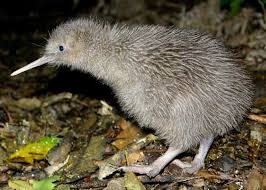
5. KIWIS HUNT BY SMELL.

It’s because they have really bad eyesight. Maybe kiwis can get glasses.

kiwi

Categories: adventure, Animals, birds, Children, conservation, education, Environment, nature, science, wildlife | Tags: , , , , , , , , , | Leave a comment

AMAZING ANIMALS WEEK- GUESS THE ANIMAL

AMAZING ANIMALS WEEK- GUESS THE ANIMAL!!

It’s time to guess the animal! Look at the picture, read the clues and tell us who the animal is!

blue whale

  • My heart is the size of a small car.
  • I am a mammal.
  • Seeing me would never give you the blues.

WHO AM I?

Categories: adventure, Animals, Children, conservation, education, Environment, nature, science, wildlife | Tags: , , , , , , , , , | Leave a comment

AMAZING ANIMAL FACTS- WATERY FRIENDS!

AMAZING ANIMAL FACTS- WATERY FRIENDS!

We have some amazing facts about our ocean dwelling animal friends today! Come learn cool stuff!

e & e eco explorers

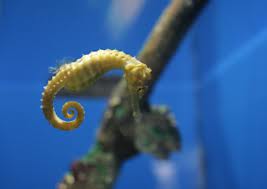
1. SEAHORSES SWIM AT .01 MPH!

Don’t enter these guys in a race.

seahorse

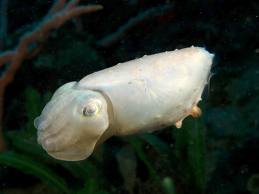
2. A CUTTLEFISH HAS 3 HEARTS.

Does that make Valentine’s complicated for them?

cuttlefish

3. A SAILFISH CAN SWIM UP TO 68 MPH!

Enter this guy in a race!

sailfin

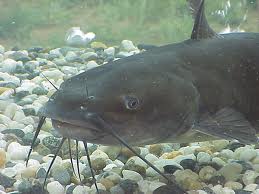
4. CATFISH HAVE OVER 27,000 TASTE BUDS.

These guys would make great food critics.

catfish

5. MUCH OF THE SAND IN PARTS OF THE CARIBBEAN IS ACTUALLY PARROT FISH POOP!

Eeeeeeeeeeeewwwwww!

parrot fish

Categories: adventure, Animals, Children, conservation, education, Environment, fish, nature, science, wildlife | Tags: , , , , , , , , , , | Leave a comment

AMAZING ANIMAL FACTS- REPTILES AND AMPHIBIANS!

AMAZING ANIMAL FACTS- REPTILES & AMPHIBIANS!

We’ve found some great reptile facts today! What’s your favorite reptile fact?

e & e eco explorers

1. A MUDPUPPY HAS 30 TIMES MORE DNA, IN EACH CELL, THAN A HUMAN DOES.

That is just cool!

mudpuppy2

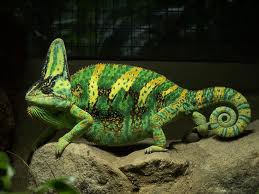
2. CHAMELEONS CHANGE THEIR COLOR DUE TO THEIR EMOTIONAL STATE NOT TO CAMOUFLAGE IN WITH THEIR HABITAT!

Feeling blue today?

chameleon

3. CROCODILES AND ALLIGATORS CAN NOT STICK THEIR TONGUES OUT!

Aw man! Now how do I tell Bob off?

alligator

4. SOUTHERN CRICKET FROGS CAN JUMP TO A HEIGHT OF 60 TIMES ITS BODY!

Whaaaaaa? Take that frog to a jumping contest!

southern criket frog

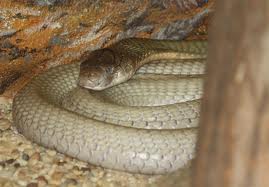
5. ONE BITE FROM A KING COBRA (around 7 milliliters) CAN KILL 20 HUMANS.

Best to leave this guy alone!

king cobra

Categories: adventure, Animals, Children, conservation, education, Environment, nature, reptiles, science, wildlife | Tags: , , , , , , , , , | Leave a comment

AMAZING ANIMAL FACTS!!

AMAZING ANIMAL FACTS!!

This month’s theme week is all about amazing animal facts! We’ve picked five great facts about mammals today! After you have hopefully learned something- share your favorite animal fact with us!

e & e eco explorers

1. HUMPBACK WHALES CREATE THE LOUDEST SOUND OF ANY LIVING CREATURE ON EARTH!

We’re going to need earplugs!

humpback whales

2. ELEPHANTS CAN SMELL WATER 3 MILES AWAY!

Sometimes we like just to smell the flowers!

IMG_4548

3. THERE ARE SPECIES OF MOTHS THAT LIVE ONLY IN SLOTH’S FUR!

We hope they pick the best sloth in the neighborhood!

sloth

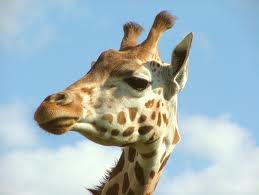
4. GIRAFFES CAN GO LONGER WITHOUT WATER THAN CAMELS.

Camels thought they were special with their fat humps!

giraffe

5. RATS ARE TICKLISH!

Tickle Fight!!!

rats

Categories: adventure, Animals, Children, conservation, education, Environment, mammals, nature, science, wildlife | Tags: , , , , , , , , , | Leave a comment

FEATHERY FRIDAY # 82

FEATHERY FRIDAY #82

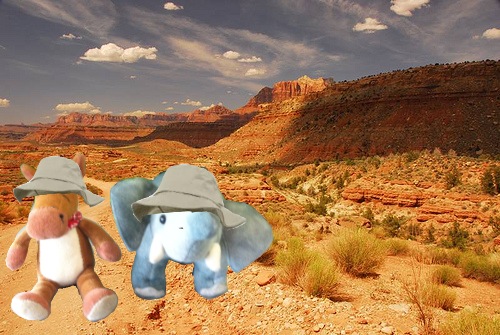
We’re heading to the wild west of the United States today! Grab your cowboy hats and boots and let’s off on an adventure to find a little bird with amazing camouflage! Have you been working on your observation skills partners?

e e desert

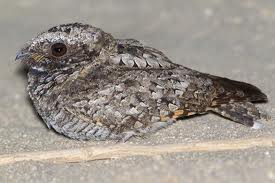
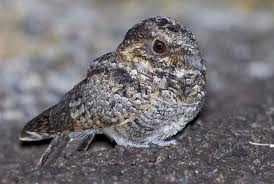
MEET THE COMMON POORWILL!

common poorwill   Range/Habitat: South Canada-Central United States/ scrub-desert

   Diet: carnivore: insects

   Length/Weight: 7-8”/ 1- 2 1/8 oz

   Conservation Status: common


Fun Facts:

  •          Common Poorwills are the smallest member of the nightjar family in North America.
  •          They get their name from the male’s call.
  •          Common Poorwills are nocturnal.
  •          Common poorwills have excellent camouflage.
  •          They go into torpor (a similar state to hibernation) in winter.

These little birds are gorgeous and hard to spot! Those feathers look just like the rock and scrub habitat they live in!

common poorwill2   common poorwill3

Categories: adventure, Animals, birds, Children, conservation, education, Environment, nature, science, wildlife | Tags: , , , , , , , , , | Leave a comment

SUPER SURPRISE THURSDAY #82

SUPER SURPRISE THURSDAY #82

Are you ready to guess the animal? Take a look at the picture, read the clues and tell us who the animal is!

orca

  • I am the largest member of the dolphin family.
  • I have a couple of different names.
  • I am highly social and intelligent.

WHO AM I?

Categories: adventure, Animals, Children, conservation, education, Environment, mammals, nature, science, wildlife | Tags: , , , , , , , , , | Leave a comment

WATERY WEDNESDAY # 82

WATERY WEDNESDAY # 82

 It’s time to get aboard the E & E submarine! We’re going to the Mediterranean Sea to meet a fish who lives on the bottom of the ocean. We better look closely because they can hide in the sand!

e e deep sea

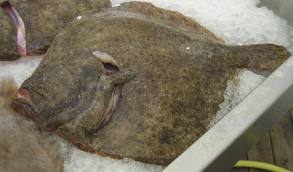
MEET THE TURBOT!

turbot   Range/Habitat: Eastern Northern Atlantic, Mediterranean, Black Sea/ ocean

   Diet: Carnivore: fish, crustaceans

   Length/Weight:  up to 3 ¼ ft/ up to 55 ft

  Conservation Status: common


Fun Facts:

  •          Turbots are flat fish.
  •          They have a round shape.
  •          Turbots have eyes on the left side of their mouths.
  •          Turbots have bony tubercles instead of scales.
  •          Female turbots can produce 10-15 millions eggs.

Turbots are super cool! We love the flat fish of the ocean! They can hide and never be seen until they’re hungry! Hahahaaha!

turbot2    turbot3

Categories: adventure, Animals, Children, conservation, education, Environment, fish, nature, science, wildlife | Tags: , , , , , , , , , | Leave a comment

REPTILIAN TUESDAY # 82

REPTILIAN TUESDAY # 82

We’re back to our regular schedule and we’re heading to Africa today to meet a tiger! Ok, it’s not a real tiger, because we all know that tigers live in Asia! But we are meeting a snake that looks like tiger! So let’s back up our backpacks and our pith helmets and head to the African Savanna!

e  e africa night

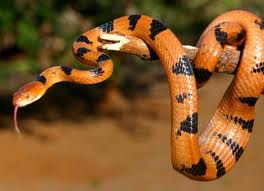
MEET THE AFRICAN TIGER SNAKE!

   Range/Habitat: Southern Africa/ grasslands

   Diet: Carnivore: lizards, rodents

   Length: 3 ¼-4 ft

   Conservation Status: Common


Fun Facts:

  • African Tiger Snakes are nocturnal (active at night).
  • They are slow moving.
  • They have large eyes to help them see at night.
  • African tiger snakes have vertical iris.
  • African tiger snakes are yellowish-brown and orange with black blotches.
  • They are venomous but their venom is not dangerous to humans.

Aren’t these snakes spectacular? They have such wonderful coloration that looks just like a tiger! If you could make a snake look like another animal what pattern would you do? Ellie would like to see a giraffe snake and Edmond wants to see a zebra snake!

african tiger snake2   african tiger snake

Categories: adventure, Animals, Children, conservation, education, Environment, nature, reptiles, science, wildlife | Tags: , , , , , , , , , | 2 Comments

TEDDY BEAR DAY!

TEDDY BEAR DAY!!!

Today is Teddy Bear Day! We’re celebrating these magical stuffed pals and their wild inspirations! Everyone hug their bear at home and send a hug to all those wild amazing bears out there!

Our pal Bertie Bear!

Our pal Bertie Bear!

Do you know where teddy bears came from? They were named after the American president Theodore Roosevelt (he also started the National Park System in the United States!) We found this great history of the teddy bear here!

So why do we love bears? We found this great answer on the New Hampshire Fish and Game website :

“What good are bears?
Throughout history, humans have always been interested in black bears. They occupy many places in our culture — from Native American ceremonies to Teddy bears. Bears have a very positive impact on our environment. Because bears need a variety of habitats to thrive, managing habitat for bears benefits many other species. As a result, bears are a good indicator species of healthy wildlife habitat. If a habitat supports bears, it will support many other creatures.

The bears themselves affect the ecosystem in a multitude of ways. As predators, they help control deer and moose populations; as scavengers they help clean up carcasses; in their search for insects, they act as nutrient recyclers; and by eating a variety of fruits, they help distribute and sow fruiting trees and shrubs which are used by other animals.

Bears also hold some secrets that are worthy of study — such as the ability of denning pregnant female bears to shut down their digestive and excretory systems and still deliver and nurse as many as 5 cubs. Bears also have significant economic value in many parts of the country; hunters, photographers and wildlife enthusiasts all spend significant sums of money in order to hunt or view bears. Hunters utilize harvested bears as a highly prized source of food. Bears enrich our lives in many ways and provide many useful functions. Perhaps the most important function is the knowledge that if you live in an area that can support a healthy bear population, that area is also healthy enough to support you.”

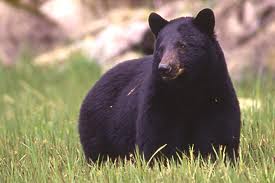
Black bear
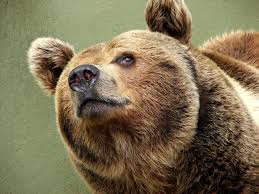
Black bear


Brown bear

Brown bear


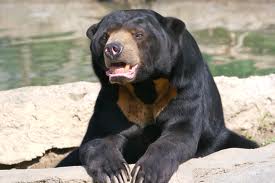
Sun bear

Sun bear

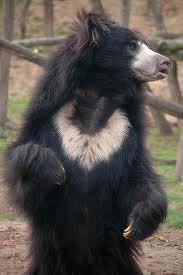
Sloth bear

Sloth bear

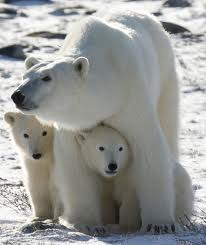
Polar bear

Polar bear


Asiatic Black Bear

Asiatic Black Bear

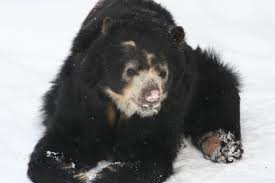
Spectacled bear

Spectacled bear


Panda bear

Panda bear


There are 8 species of bears in the world! They include Sun bears, Black bears, Brown bears, Polar bears, Asiatic Black bear, Sloth bear, Spectacled bear, Giant Panda bear. Six of the species are listed as threatened to endangered. There are many groups working to protect all of these bears, including the World Wildlife Fund!

Every time you hug your favorite Teddy friend think of great ways you can help their wild cousins! Happy Teddy Bear Day!


Categories: adventure, Animals, bears, Children, conservation, education, Environment, mammals, nature, science, wildlife | Tags: , , , , , , , , , , | Leave a comment

Blog at WordPress.com.