
SHARK WEEK- GUESS THE SHARK!
Check out the picture, read the clues and tell us what shark you think it is!

- I am the largest fish in the ocean.
- I eat plankton and krill.
- I am spotty!
WHO AM I?
SHARK WEEK- GUESS THE SHARK!
Check out the picture, read the clues and tell us what shark you think it is!
WHO AM I?
SHARK WEEK GREATEST HITS DAY #3
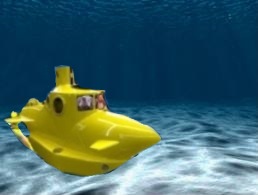
All aboard the E & E submarine! We’re going to the deep depths of the ocean to find one of the most elusive fish in the ocean. Even though they are large they are hard to spot!
MEET THE MEGAMOUTH SHARK!
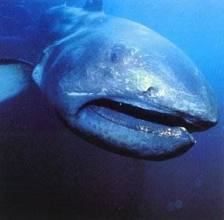 Range/Habitat: Atlantic/Pacific/Indian Oceans (limited spots)
Diet: Carnivore: krill and plankton
Length/Weight: up to 18 ft/ up to 1,740 lbs
Conservation Status: unknown
Fun Facts:
Megamouth sharks are amazing! Can you imagine that we’ve only known about them in the last 30 years? The oceans are full of so many animals that we haven’t even discovered! It’s crazy! We need to explore more!


SHARK WEEK GREATEST HITS DAY #2
We’re off in the E & E sub to meet a small and spotty shark! Are you ready to meet this cartilaginous fish? We have room for everyone! Let’s do this!

MEET THE LEOPARD SHARK!
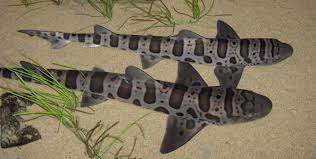 Range/Habitat: Eastern North Pacific/ oceans-near estuaries
Diet: Carnivore: invertebrates, crabs
Length/Weight: up to 7 ft/ up to 71 lb
Conservation Status: common
Fun Facts:
Leopard Sharks certainly earned their name from another famous predator! It sure seems that spots and stripes help you camouflage in with your habitat! What kind of coloration would you want to help you camouflage in with your habitat?


SHARK WEEK GREATEST HITS!!!
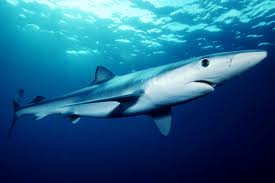
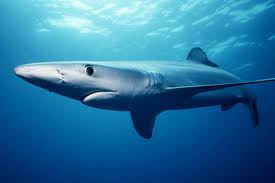
We’re celebrating Shark Week by sharing some of our greatest adventures meeting sharks! First up the Blue Shark!!
It’s time to pull on your wetsuit and put on your goggles and head into the ocean to meet today’s animal! Today’s fish has a skeleton made of cartilage and a mouth full of teeth! Maybe we’ll skip the wetsuits and watch these fish from our submarine :)!
MEET THE BLUE SHARK!
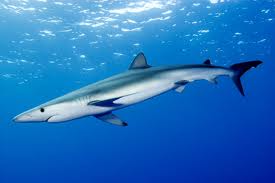 Range/Habitat: tropical-temperate waters/worldwide
Diet: Carnivore: squid, fish
Length: up to 12 ft
Conservation Status: Near threatened
Fun Facts:
Blue sharks are known to be aggressive towards people, so they are best left alone. We think they are such beautiful and graceful predators. Like other sharks, blue sharks are threatened. We need to make sure that our oceans have these apex predators swimming around for a long time!
WATERY WEDNESDAY # 78
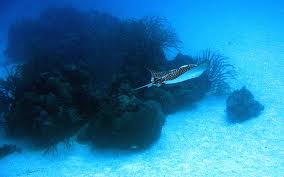
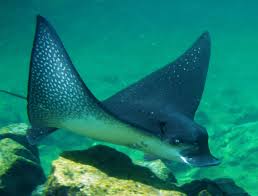
We’re back to our regular programming today with an adventure in the big blue ocean! We’re going to search for a beautiful member of the ray family! All aboard the E & E sub and let’s goooooo!
MEET THE EAGLE RAY!
 Range/Habitat: East Atlantic-Mediterranean oceans
Diet: Carnivore: fish, crustaceans
Length/Weight: 8 ¼ ft+/ 44-66 lbs
Conservation Status: common
Fun Facts:
Wow! Eagle rays sure are gorgeous fish! We love these special cartilaginous creatures! Do you love rays?
REPTILE DAY!
Instead of our regular Reptilian Tuesday, we’re taking you on an adventure to our local natural history museum, Fernbank in Atlanta, GA. A few weekends ago, we went to their annual reptile day and had a blast! Come check out this amazing day!

Here we are looking on the great hall of Fernbank!
Fernbank had groups from the Georgia Herpetology Society, Atlanta Botanical Gardens, Zoo Atlanta and others at the museum. There were reptiles, amphibians and dinos of all kinds! We started this party off right, by meeting our pal, Giggy Dinosaur, the museum’s mascot!
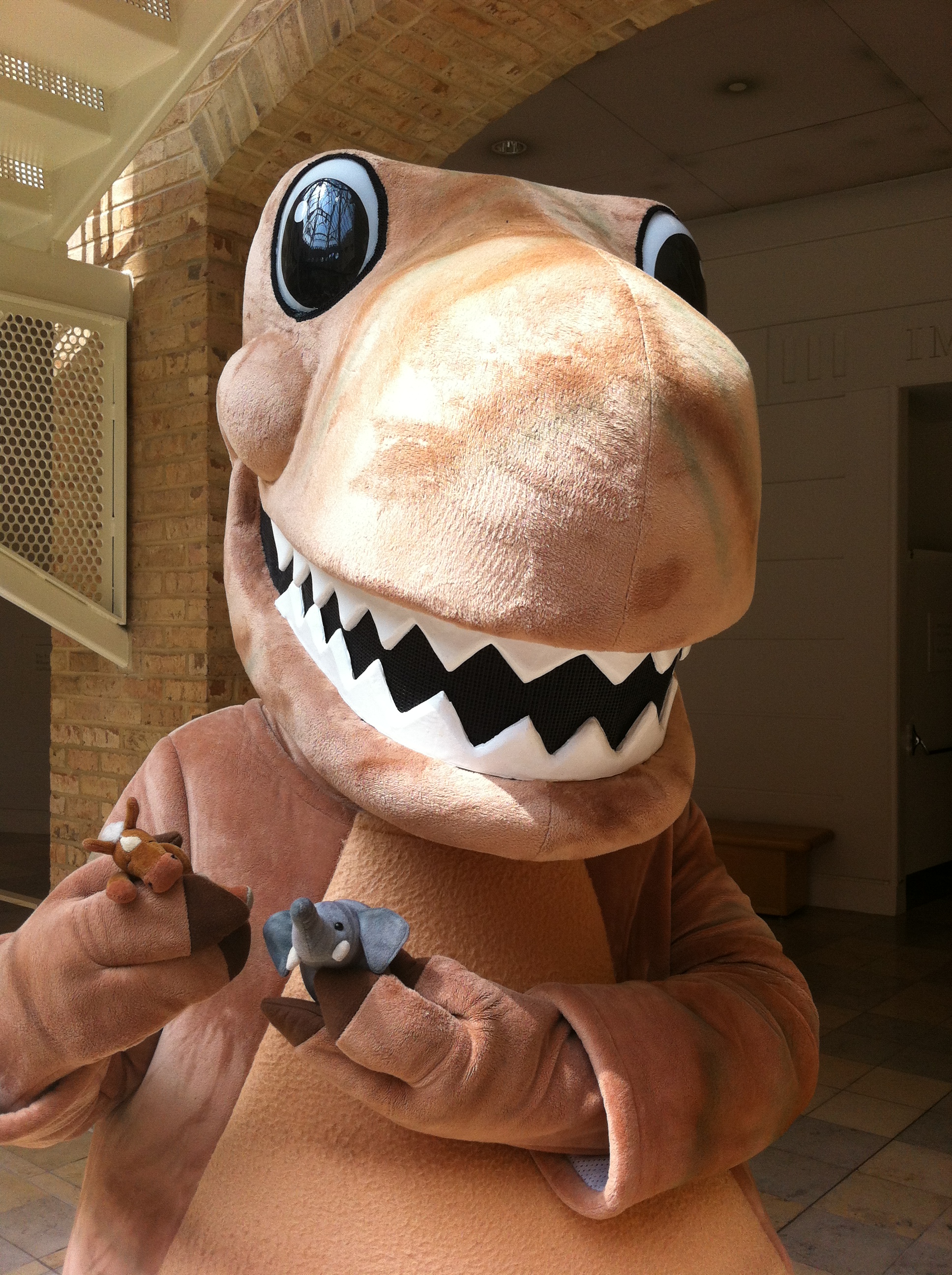
Our pal Giggy Dinosaur! He is one cool dude!

Red Tail Rat Snake!
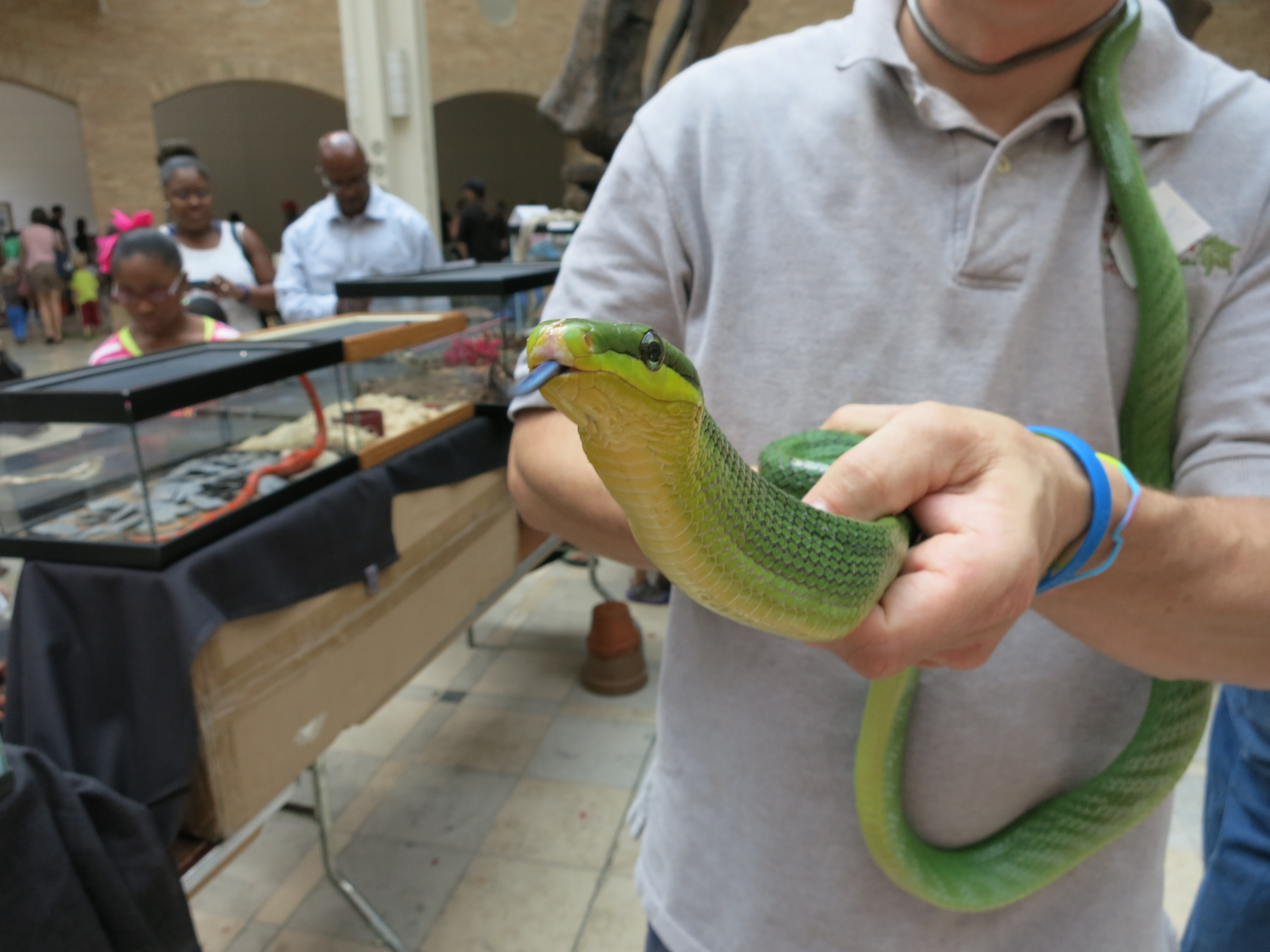
Red Tail Rat Snake! Check out that forked tongue!
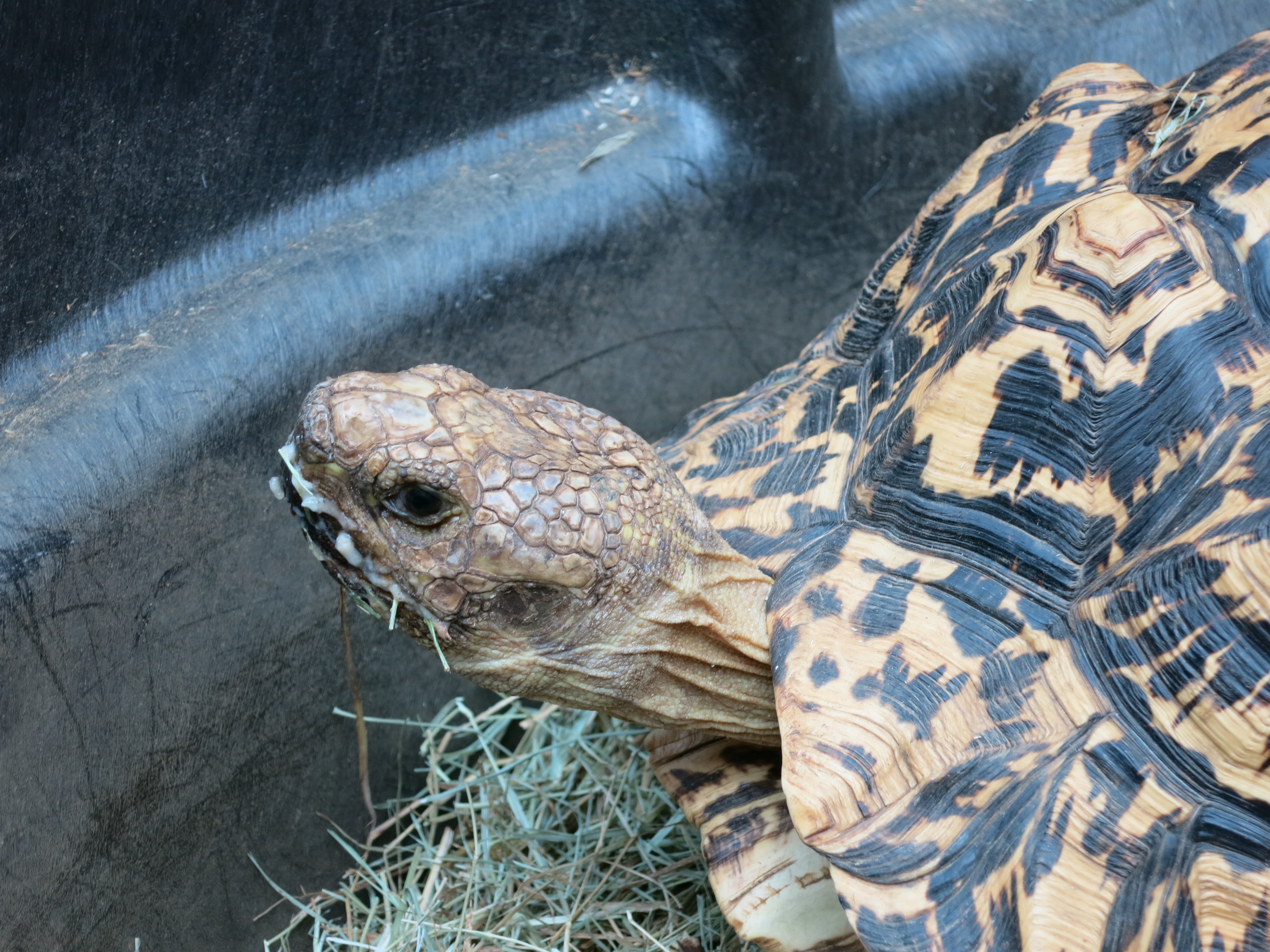
Tortoise with banana on his face! Get him a napkin :)!

Boa on his handler! Check out those eyes!

Corn snake! Corn snakes don’t eat corn, they eat the rodents that live in corn fields though!

Wow! This guy is moving!
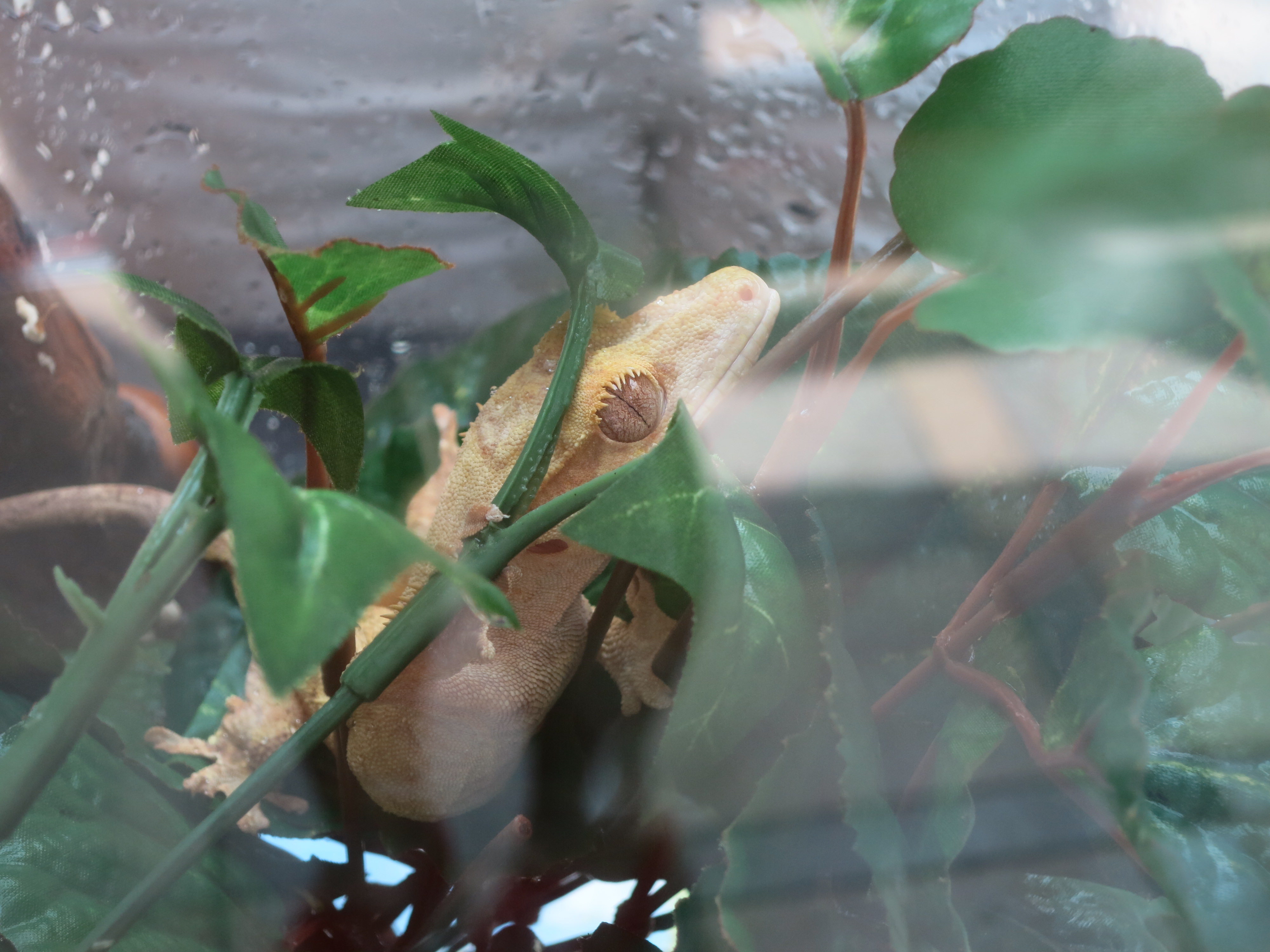
Gecko! He sure has some lovely “eyelashes”!
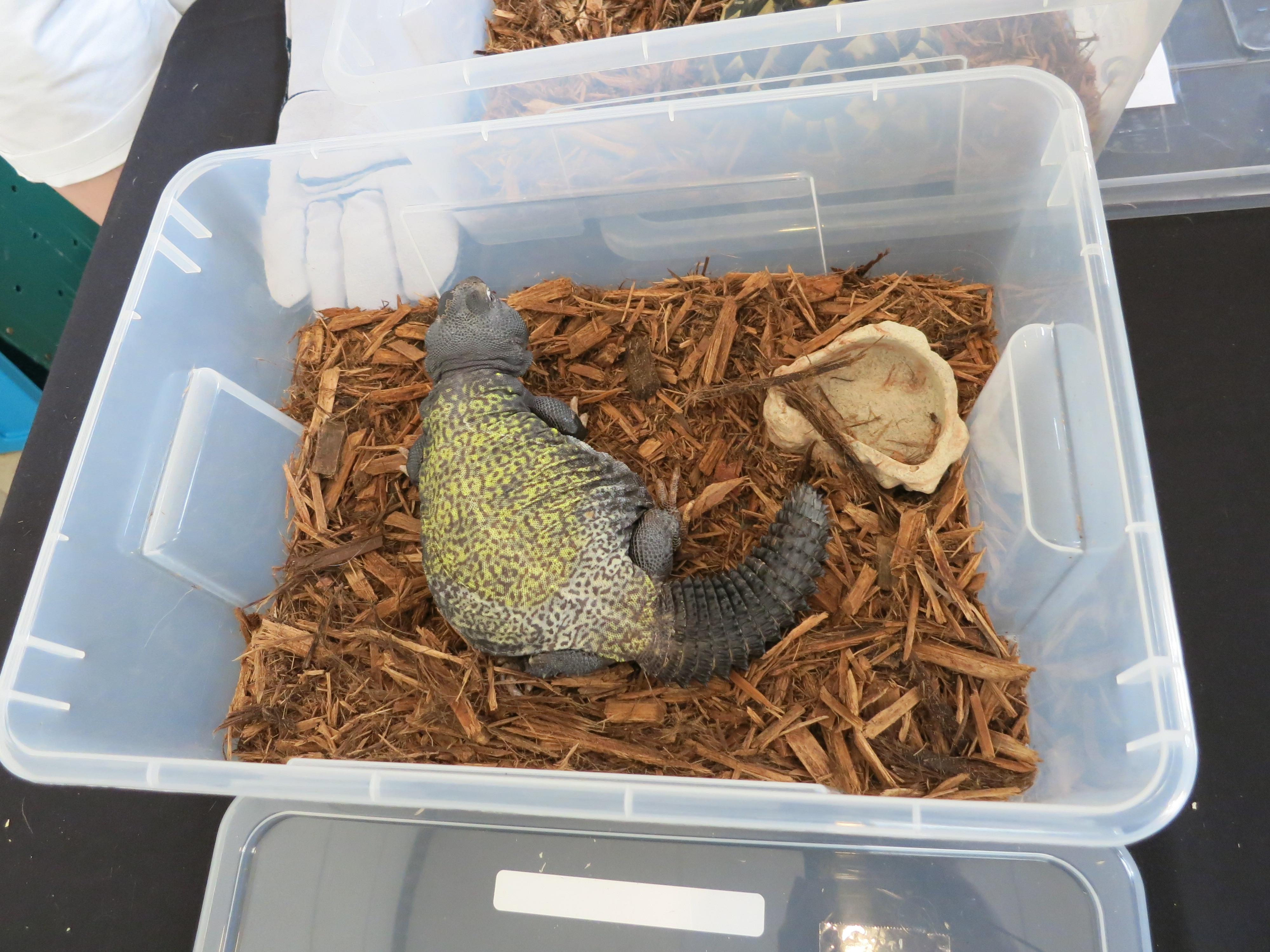
Egyptian Uromastyx! What a cool lizard!

Wow! We sure are glad this is just a skull of a black caiman!
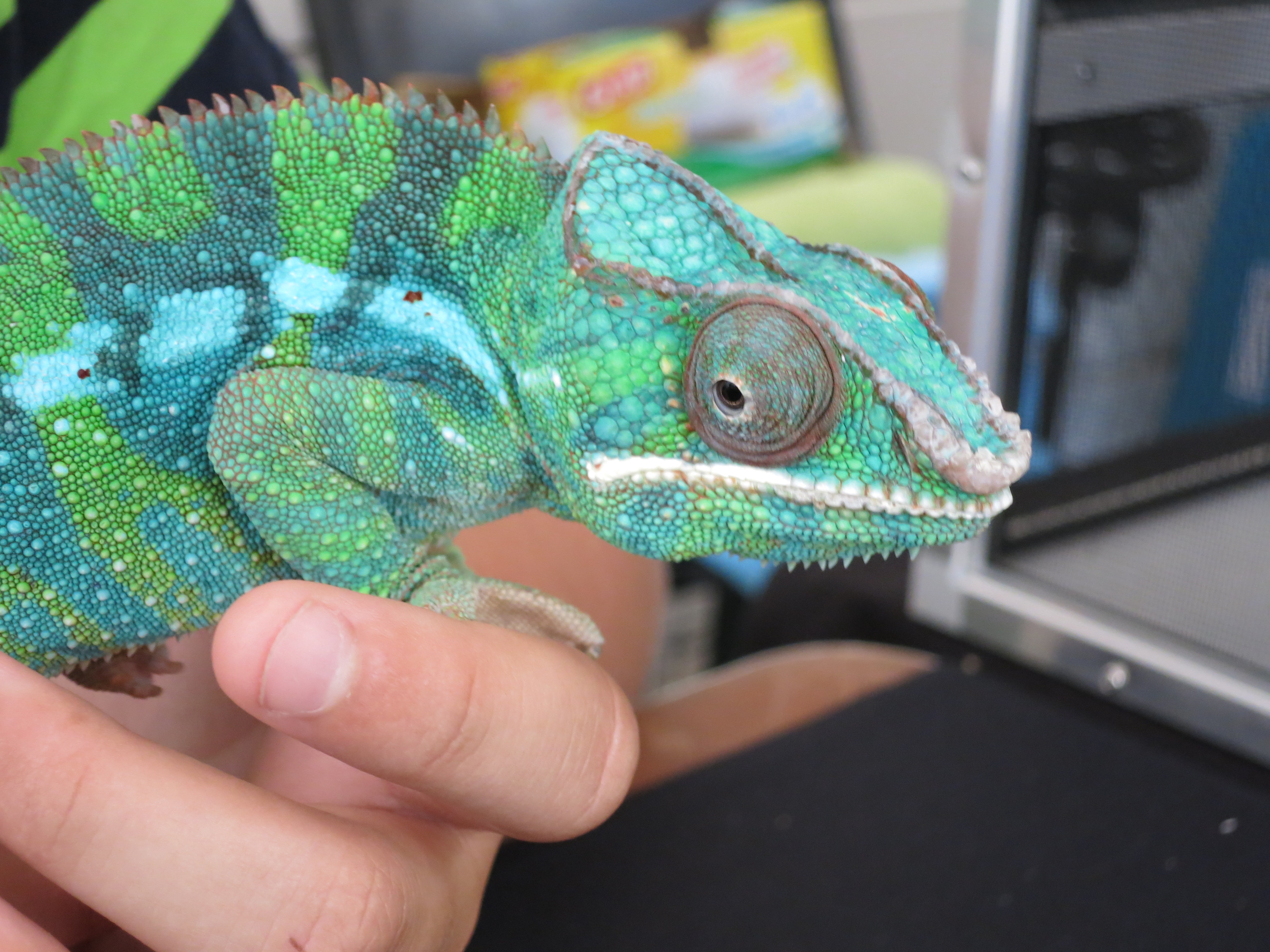
Chameleon!

Who wouldn’t want to hold hands with a chameleon?
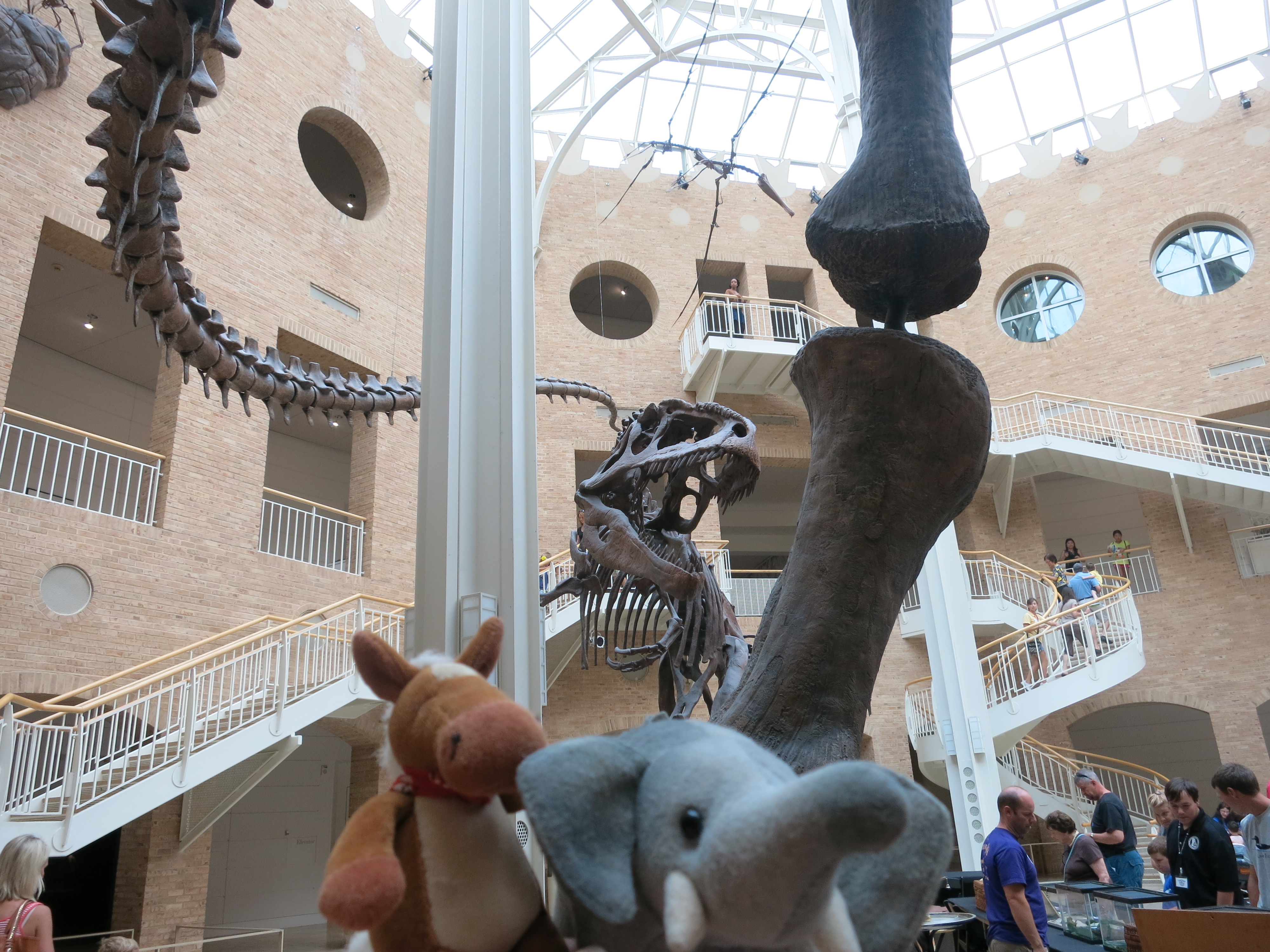
Dinos!!!

Mata Mata!

Sleeeeepy iguana!

African bullfrog! He’s bigger than us!

Snake in the sand!
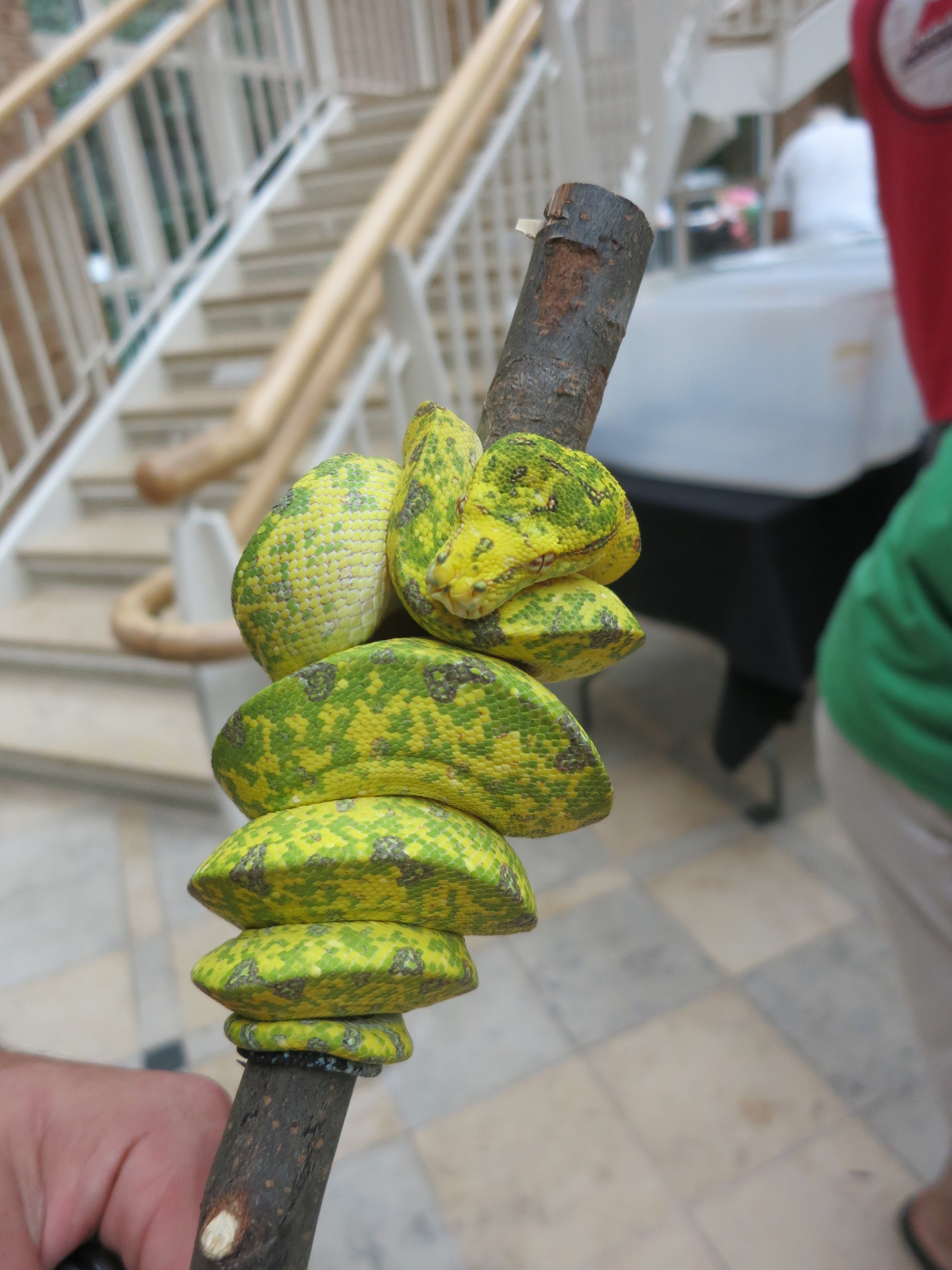
Snake on a stick!
African bullfrog! He’s bigger than us!
We had the most fun meeting all the reptiles and amphibians! Everyone there was eager to answer questions and talk about the animals they had brought with them. You were even able to touch most of the animals! A snake feels like a basketball if you want to know! Reptiles often get a bad rep, but without them our ecosystems would be out of whack! These wondrous creatures are vital to the health of our planet and we applaud Fernbank Natural History Museum for celebrating them! If you’re in Atlanta, put Fernbank on your To Do List! You can learn more about this amazing place on their website!
INTERNATIONAL TIGER DAY!
Today we are celebrating those amazing striped members of the feline family, the tiger! We’re going to learn some fun facts, share some great photos and give you a place where you can help protect these majestic creatures! Bring on the stripes!

TIGER FUN FACTS!!


These beautiful cats do need our help! The World Wildlife Fund and Panthera works tirelessly to help protect the few remaining tigers in the wild. You can help too, by checking out their websites! You can even adopt a tiger from World Wildlife Fund- a stuffed one that is :)!
WE ARE FANIMALY!
It’s time to learn more about the animal family tree! These relatives make surprise you!
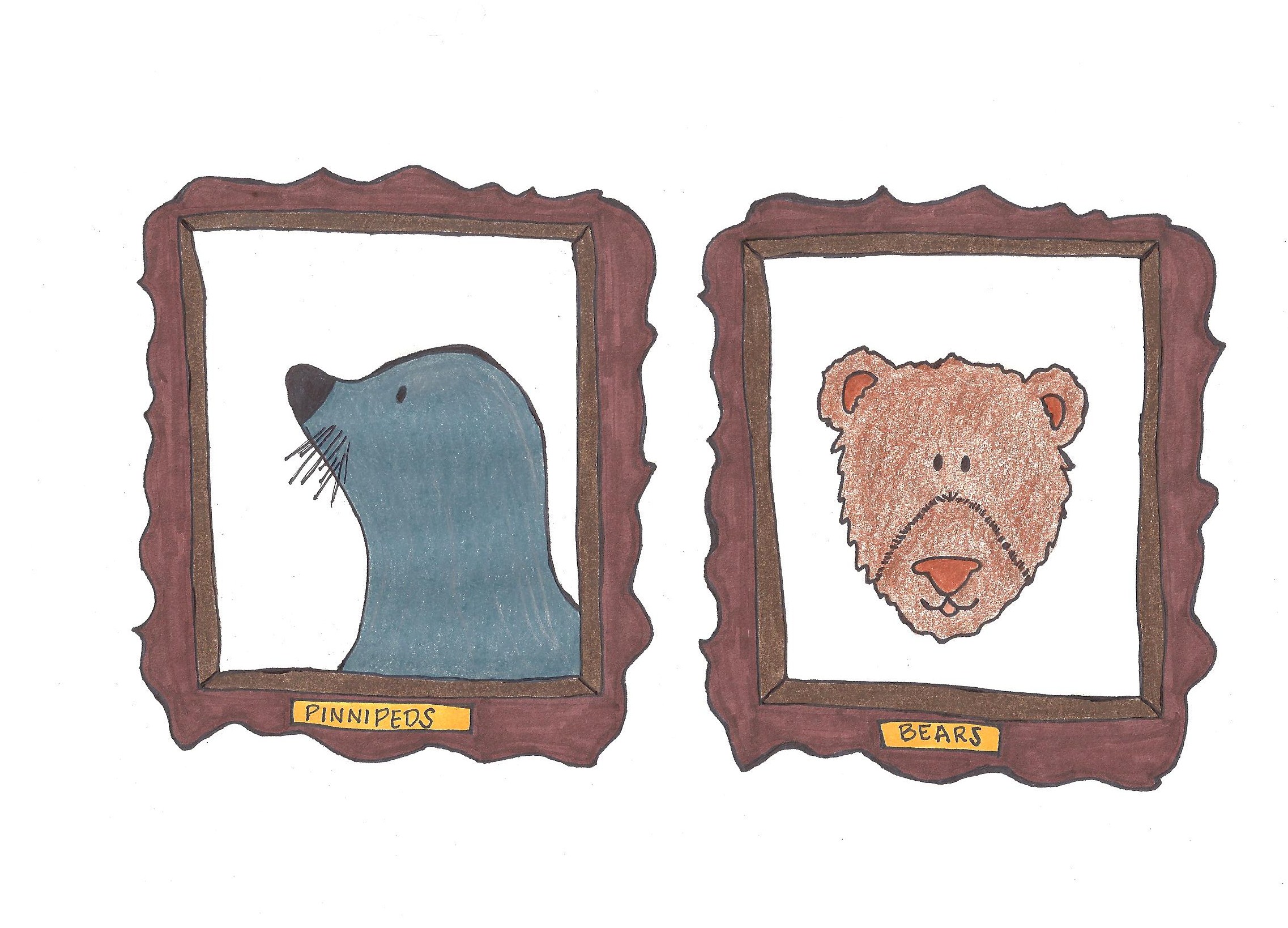 FUN BEAR FACTS:
FUN PINNIPED FACTS:
FEATHERY FRIDAY #77
We’re heading to Southeast Asia to find today’s feathery friend. These little birds are often found in parks and near homes, so let’s have an evening picnic and meet today’s bird!
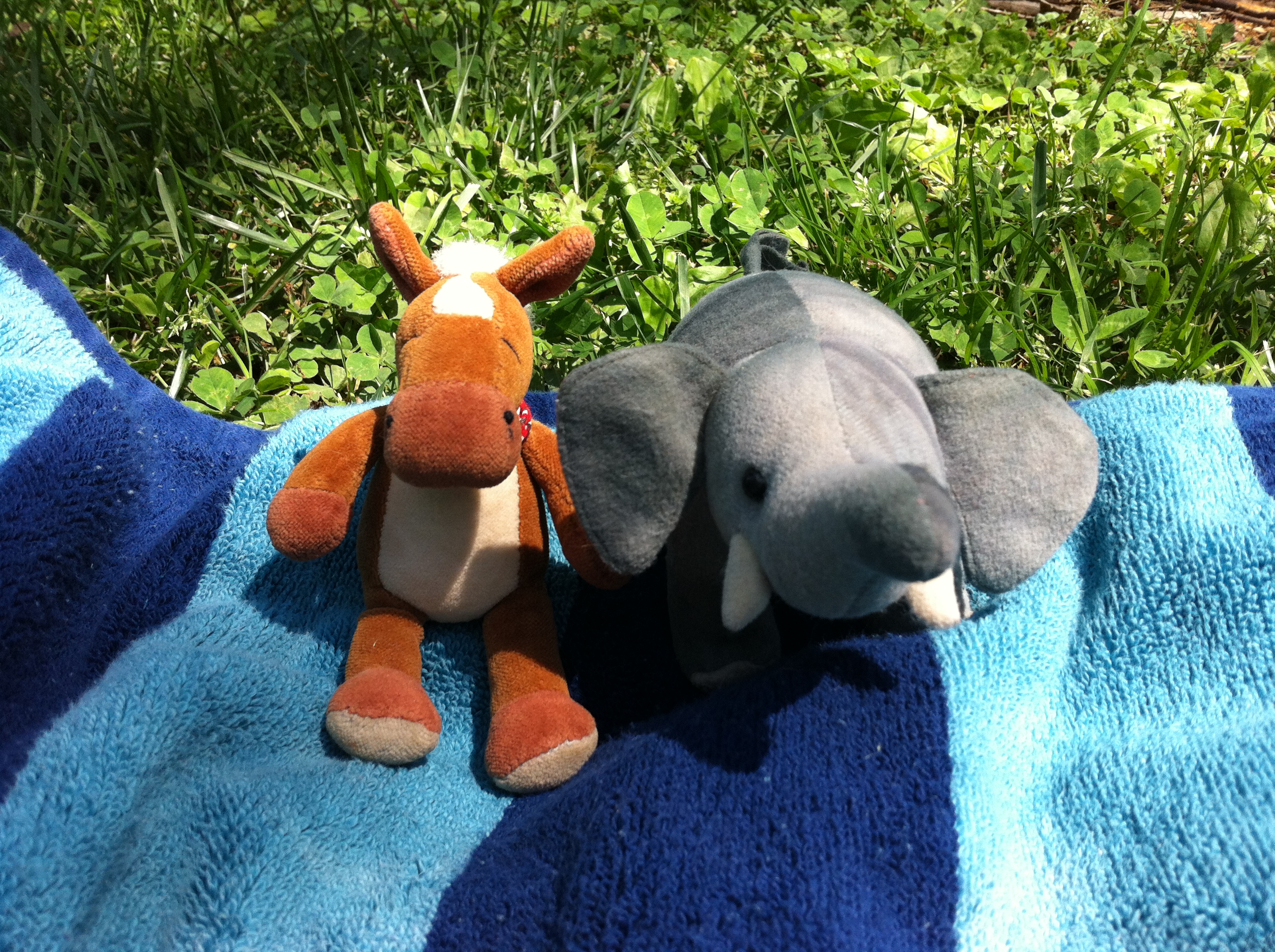
MEET THE SUNDA SCOPS OWL!
 Range/Habitat: Southeast Asia/ forests, suburbs
Diet: carnivore: insects, rodents
Length/Weight: 8”/3 ½-4 oz
Conservation Status: common
Fun Facts:
Sunda Scops owls are so cute. We wish we had them near us! It’s great that they love to eat bugs too!

SUPER SURPRISE THURSDAY #77
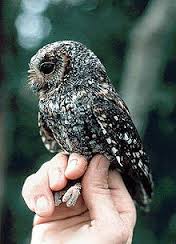
Check out the picture, read the clues and tell us who the animal is!

WHO AM I?


 The Adventures of Ellie and Edmond