
PENGUINS APPRECIATION DAY!!!
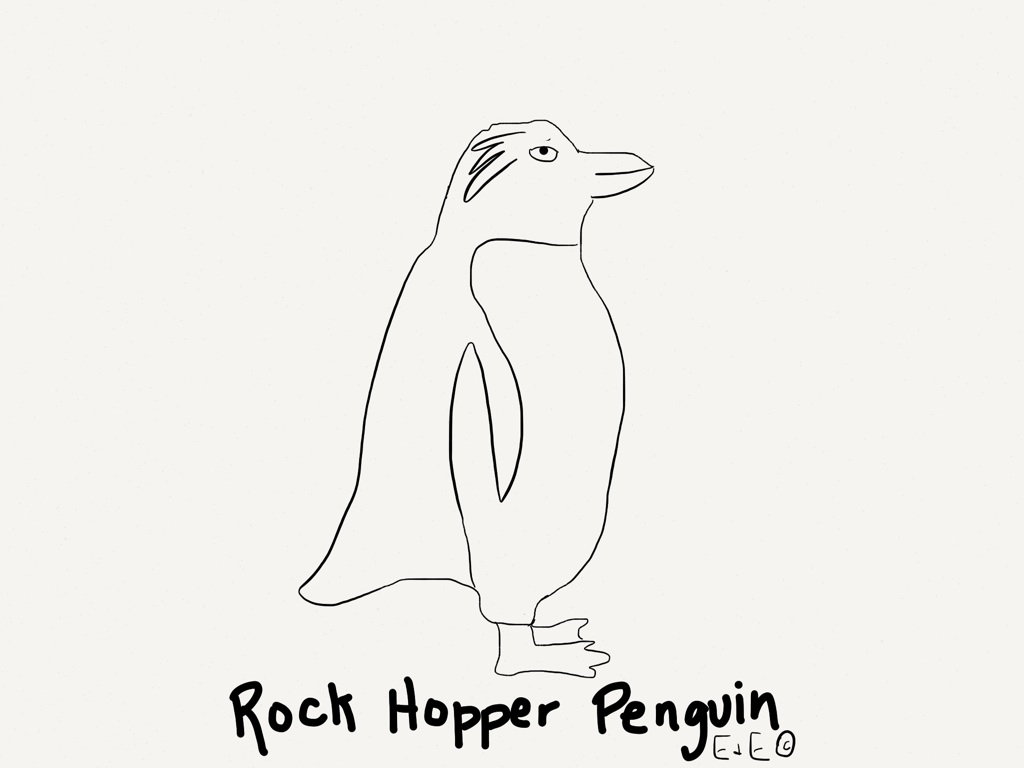
We’re celebrating everyone’s favorite flightless bird with two coloring sheets!

PENGUINS APPRECIATION DAY!!!
We’re celebrating everyone’s favorite flightless bird with two coloring sheets!
University of E&E

Welcome new students to the University of E&E (where animals teach about animals)
We here at the University of Ellie and Edmond strive to teach as many as we can about animals. We want to instill a fascination, appreciation and respect for the animals that we all share this planet earth with. We want to introduce you to one of our most esteemed professors- Professor T. Tamandua! Professor Tamandua will be sharing the Science Word of the Week with you, along with 2 o’clock trivia that we post on Twitter, Facebook and Instagram during the week! (A tamandua is a lesser anteater. They live in South America and have a very strong odor to protect themselves.) Have a seat, sit back and let’s learn!

Hello students! I am so glad you could join me here at the University! Today’s word is Ectothermic!
Ectothermic (ek-tuh-thurm) An animal that regulates its body temperature by using the outside environment. Fish, reptiles and amphibians are ectothermic. Invertebrates are also ectothermic. Another word for Ectothermic is Cold-Blooded.
Can you name some ectothermic animals?

TRIVIA!!
Here are the trivia questions for the week! Can you answer them all? (scroll down if you get stuck)
Squirrels cannot vomit. True of False
All species of armadillos can roll into balls when threatened. True or False
Naked mole rats are neither moles nor rats. True or False
A _________ has the longest hair of any mammal. A) musk ox B) polar bear C) arctic fox
Stingrays are related to ________. A) dolphins B) sharks C) tuna
False! Squirrels can vomit! Flying squirrels, rabbits, rats and horses are among the animals that cannot vomit though!
False! Only the 3 banded armadillos can roll into balls to protect themselves.
True. Naked mole rats are rodents, but not moles or rats. Time for a name change for the only mammal that lives in a colony with a queen!
A-Musk Ox have the longest hair of any mammal on earth! That keeps them warm in those cold arctic temps!
B- Sharks. Both rays and sharks are cartilaginous (their skeletons are made of cartilage) fish!
Thanks for stopping by for this week’s lesson! See you next Sunday!
Professor Tamandua.
Day #10 (1/17/2014) Greater Rhea
We headed to the grasslands of Brazil to meet a relative of the ostrich. We were very excited, but we are getting tired and are ready to head back to HQs. Edmond’s oat and hay stew is yummy, but not after 3 nights. Hahaha! We found one last guide to take us out to meet a large flightless bird! We also saw a giant anteater out on the grasslands! We love anteaters and the Common Rhea!


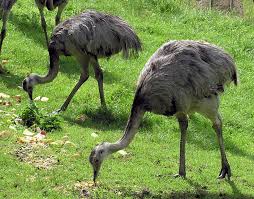
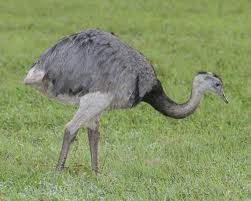
What a wonderful afternoon! We watched a flock eat and rest and peck around! We even saw a male flapping his wings at some ladies. Breeding season must be coming soon! Too bad we will miss it. We’re packing up camp and have to run to catch the E&E plane back to HQs! Look for our new feature- University of E&E and Science Word of the Week on Sunday!
-Ellie and Edmond
Day #9 (1/14/14) – Guess the Animal
We stayed in Brazil today. We wanted to find a small, adorable little primate! We were so excited to find a family of them bounding through the trees! Can you guess who it is?

Who is it?
–Ellie and Edmond
Day #8 (1/15/2014) Arapaima
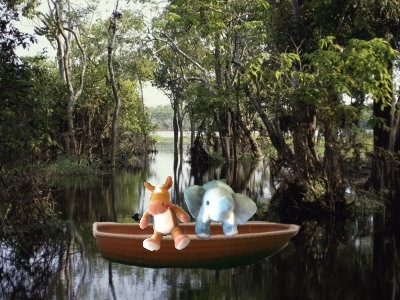
We packed up camp and headed to Brazil to find a large fish! After a plane ride, we dropped off our stuff and headed straight over to the Amazon River. It didn’t take us long to find the giant we were looking for; they stay near the surface! You see the Arapaima breathes air!
Their range and habitat: South America/ Amazon River
Their length/weight: 6-8 ft/200-400lbs Their status: unconfirmed
They are carnivores (fish, crustaceans)
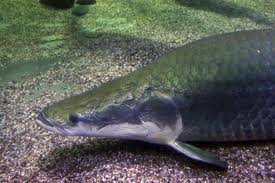

Watching the arapaimas all day wore us out! We had such fun on the boat. There are so many things to see in the Amazon River. We could spend weeks here! Thank goodness we packed our MUD bug repellant! The insects down here are nuts! Edmond spent his evening scratching his bum on a tree!
-Ellie and Edmond
Day #7 (1/14/2014) Common Boa
We spent our day in the rainforest again. This time we had our guide help us find a reptile. Many of us have seen this snake in zoos and nature centers, but we really want to see one in the wild. It took us quite a while to locate this snake because their camouflage is amazing! We finally spotted one late in the afternoon!
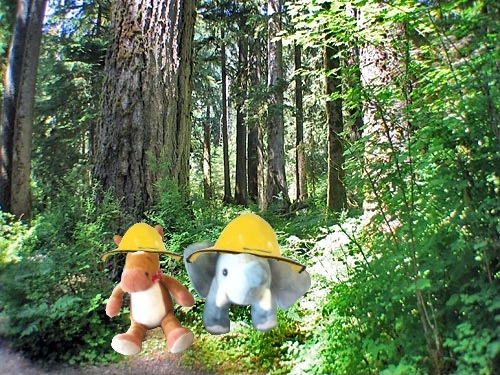
Their range and habitat: Central-South America/forest, desert, grasslands
Their length: 3 ¼-13 ft Their status: common
They are carnivores (small mammals, birds)

Common Boas vary in color depending on their habitat.
They are up to 10 subspecies.
Common boas are excellent climbers.
They are constrictors.
Common boas are nocturnal.

It was such a fun adventure to look for the common boa today! Trying to spot an animal who has amazing camouflage made for such a great day. You must be on the lookout at all times! We’re glad we spotted one in a tree and not up close. We’re going to end the day with some apple cider and smores at camp!
-Ellie and Edmond
Day #6 (1/13/14) Off to South America
We had a lovely weekend back at HQs. We decided to spend the second week of our trip in South America. We packed our trunk full of supplies and headed to the rainforest for the day. After we set up camp, we met up with a guide who walked us through the rainforest. We saw so many animals, but we were on the lookout for just one! After much searching we saw the little primates we were looking for! We sat very still and watched the agile Bolivian Squirrel Monkey for hours!
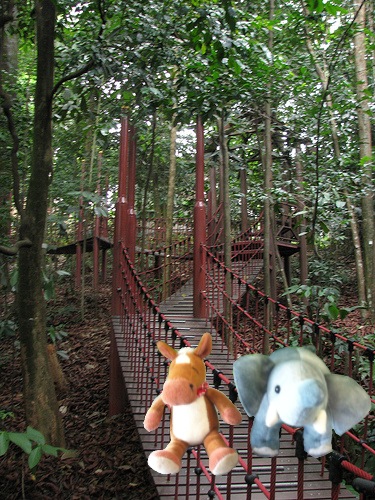


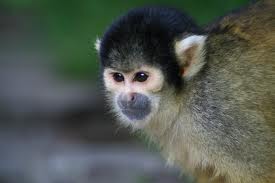
We had such a blast watching these special monkeys! They are so fast! We could watch the troop for days. Primates are so amazing. They’re social, intelligent and in the case of the Bolivian Squirrel Monkey- amazing and agile climbers! Our first day here in the rainforest has been great. We’re going to wrap up the night at base camp with a game of cards and some oat cookies! See ya tomorrow!
-Ellie and Edmond
SCIENCE WORD OF THE WEEK!
We’re starting our new feature this week! We’ll be featuring a science word of the week with a cartoon!
This week’s word: Endothermic
Endothermic or Warm Blooded refers to animal whose body maintains its own body temperature (usually above the temperature of its surroundings). Endothermic animals must intake calories everyday to help them maintain this body temperature. All mammals and birds are endothermic.

Day #5 (1/10/14) – Meeting the Egyptian Goose
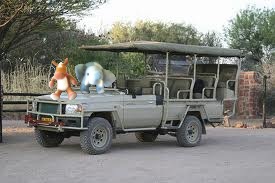
We had a great time watching surfing hippos! We headed back to camp to find a local bird. We decided to stay in our safari vehicle to watch these birds as they are known to be aggressive. Do you have goose where you live? We have the Canadian variety and they can get very cheeky! We were so glad we packed our binoculars and snacks. An afternoon of bird watching can make an elephant and horse very tired.
Their range and habitat: lakes, rivers and ponds in Africa-South of the Sahara
Their length/weight: 25-29”/ 5 ½ lb Their status: Common
They are omnivores (they eat seeds, plants, grasses, bugs).

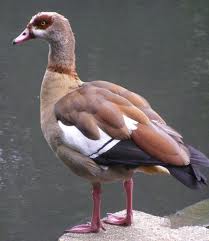

We had such fun watching the Egyptian geese play around, eat and make a raucous. Geese are funny birds. We’re packing our bags after this trip and heading back to HQs for the weekend! Check out the blog on Sunday- as our new feature- Science Word of the Week starts!
-Ellie and Edmond
Day #4 (1/9/14) – Guess the Animal
We decided to head over to the coast of Gabon during the evening after dinner to find this famous animal. They are known to surf in the ocean here! We were in luck!! We’ll give you three clues as to who we saw and you tell us who it is!

Who is it?
–Ellie and Edmond (check out our Facebook page later for a fun video of this animal surfing)


 The Adventures of Ellie and Edmond