adventure

YEAR OF THE SNAKE!

YEAR OF THE SNAKE

We are celebrating the Chinese New Year this week and it’s the Year of the Snake! We know that these infamous reptiles get a bad rap, but we respect and admire these amazing animals. We’ll be meeting a few different species, you’ll get to guess the species and we’re making a sock snake! So let’s get this party started with a trip to Southeast Asia to meet one royal snake!

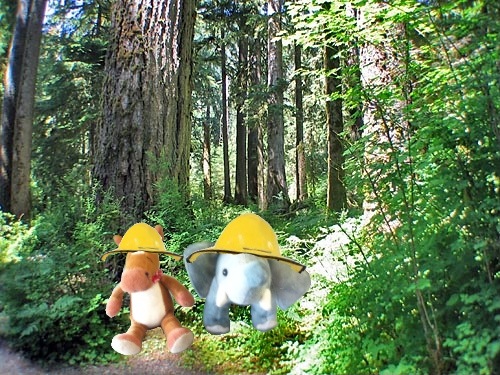
e & e rainforest

MEET THE KING COBRA!

king cobra   Range/Habitat: Southeast Asia/rainforest-grasslands

   Diet: Carnivore: snakes

   Length: 9 ¾-16 ft

   Conservation Status: common


Fun Facts:

  • King Cobras are the longest venomous snake on earth.
  • They have smooth brown scales.
  • King cobras raise the front of their body up when threatened and spread out a hood to look bigger.
  • King cobras are excellent swimmers.
  • They usually live deep in the forest.
  • Both male and female king cobras guard the eggs.

King cobras are quite fierce looking when they stand up in the pose that they are famous for. Luckily they normally do not have much contact with humans, since they like the deep parts of the forests! We respect these predators and we’ll do it from a good distance.

king cobra3

Categories: adventure, Animals, Children, conservation, education, Environment, nature, science, snakes, wildlife | Tags: , , , , , , , , , | 5 Comments

SUPER HORSE TO THE WILDLIFE RESCUE- NOAH’S ARK!!

SUPER HORSE TO THE WILDLIFE RESCUE!

super horse to rescue

Noah’s Ark Animal Sanctuary!

We went to a very special animal sanctuary for the first Super Horse to the Wildlife Rescue spotlight! We took a short road trip just south of Atlanta, Georgia to find a 250 acre heaven for wildlife that has not always had it easy!
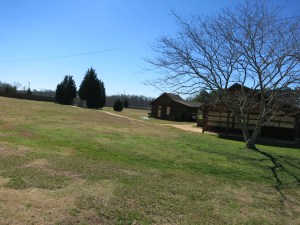
IMG_0074   IMG_0075


We met Allison, the Animal Husbandry Manager, who was so very kind to take us around the property! Allison works tirelessly seven days a week at Noah’s Ark to make sure that the animals have great habitats, proper diets and a comfortable life. Whew, that is a lot of work! Luckily Allison has co-workers to help. There are five people who also work in the husbandry department and seven people who work in the office. The sanctuary has around 250 volunteers who help too! It takes loads of dedicate people to make sure these animals are happy!

When we first arrived at Noah’s Ark we saw a woman drop off a rooster who had been injured. We were so happy to see this nice lady help him and bring him to a place that can help!

We met some of the residents of Noah’s Ark on our tour with Allison! First up were the emus!

IMG_0064


There are over 80 of them! Apparently during the 90s people kept emus for eggs and oil and when they decided the birds weren’t so profitable, they released them into the neighborhoods around Atlanta. Noah’s Ark now houses these big flightless birds!


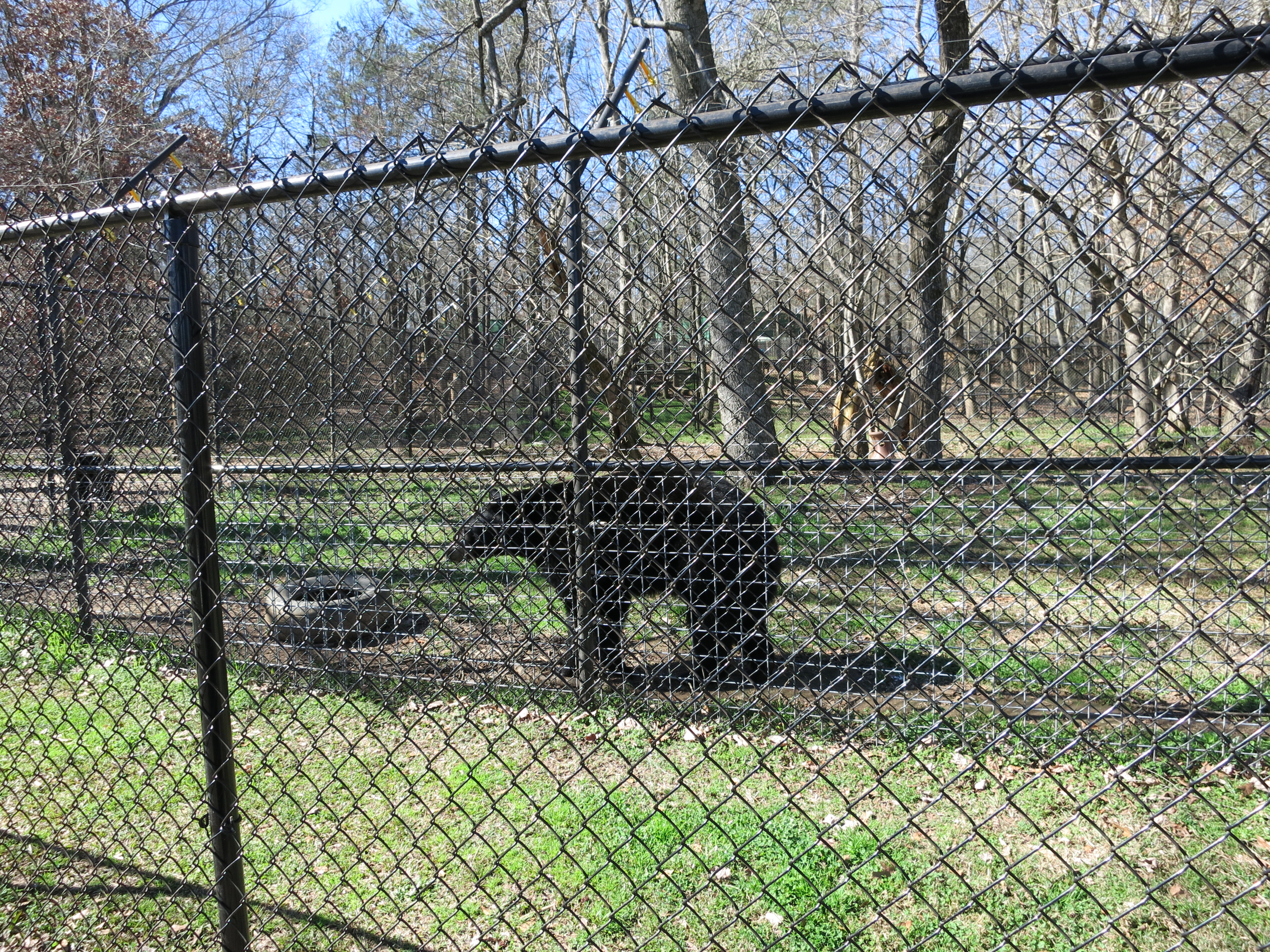
As we rode on we came upon big cats and bears! Each animal has its own story of abuse and neglect. Noah’s Ark gets the animals from sieges and rescues from the Department of Natural Resources, The US Department of Agriculture, US Department of Interior and the US Fish and Wildlife. Some of these animals have been kept as pets, some were kept in circuses and some are rescues from the wild.

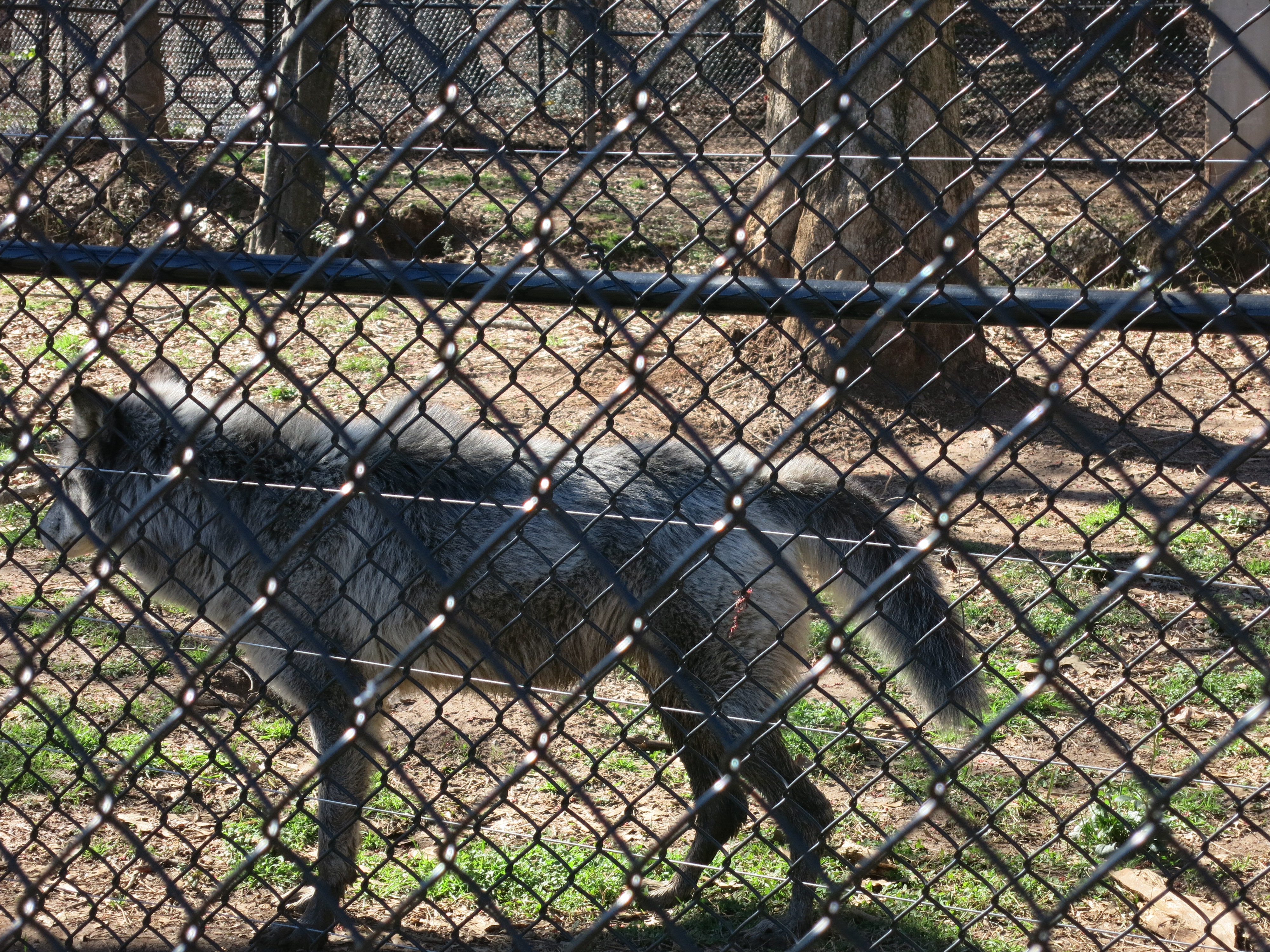
We met all kinds of tigers and bears and wolves.

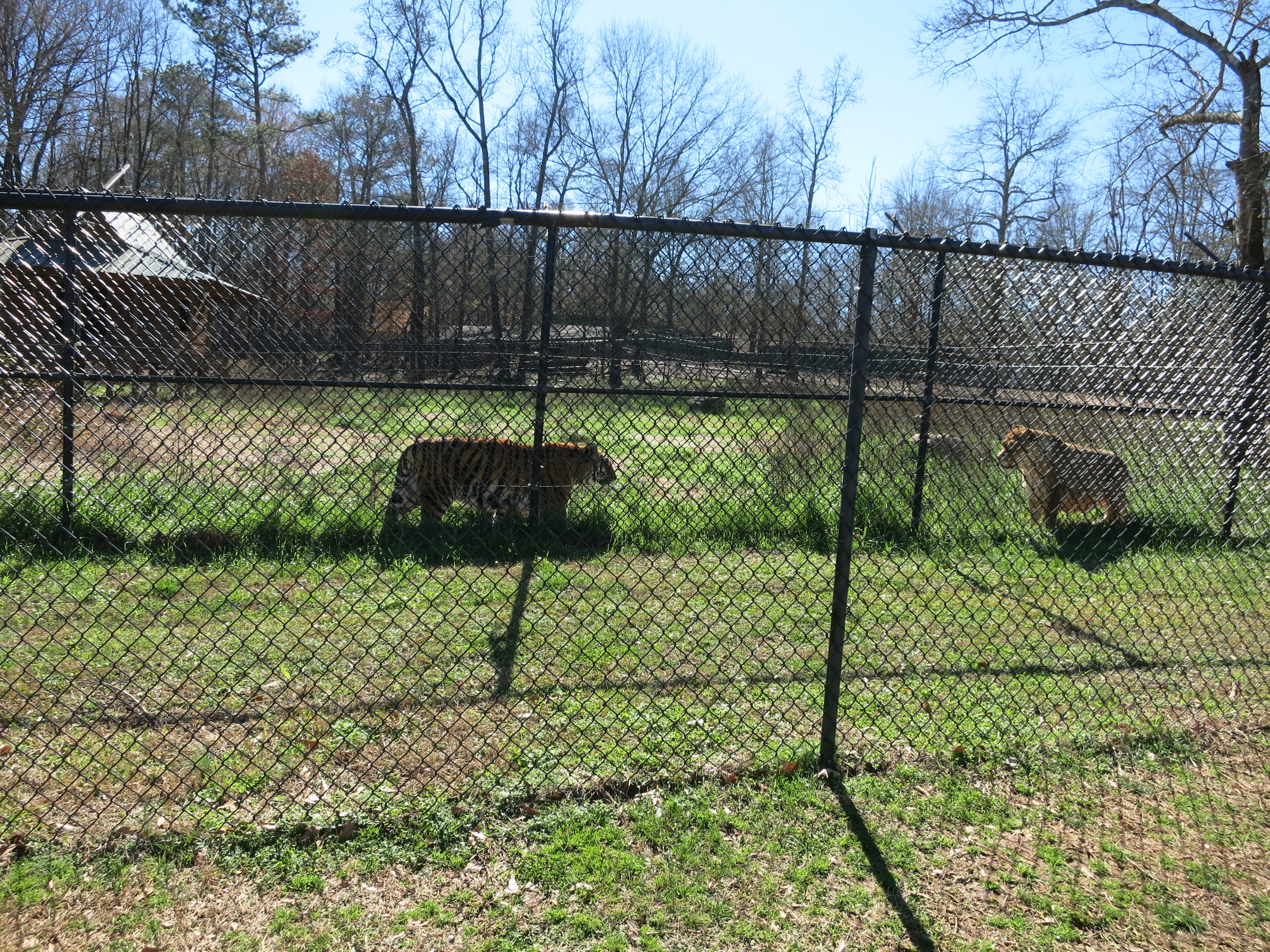
These ladies came from a circus, where they lived in a tiny enclosure! They have a HUGE enclosure now!

These ladies came from a circus, where they lived in a tiny enclosure! They have a HUGE enclosure now!


Bear!

Bear


Meet Doc!

Meet Doc!

Doc the tiger came to Noah's Ark as a cub at the same time Ann the bear did. They were raised together for company and now are best friends!

Doc the tiger came to Noah’s Ark as a cub at the same time Ann the bear did. They were raised together for company and now are best friends!

Doc and Ann having fun!
Doc and Ann having fun!


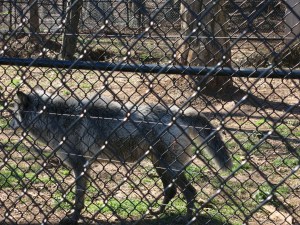
Thunder- one of a pair of wolves confiscated at the airport.

Thunder- one of a pair of wolves confiscated at the airport.

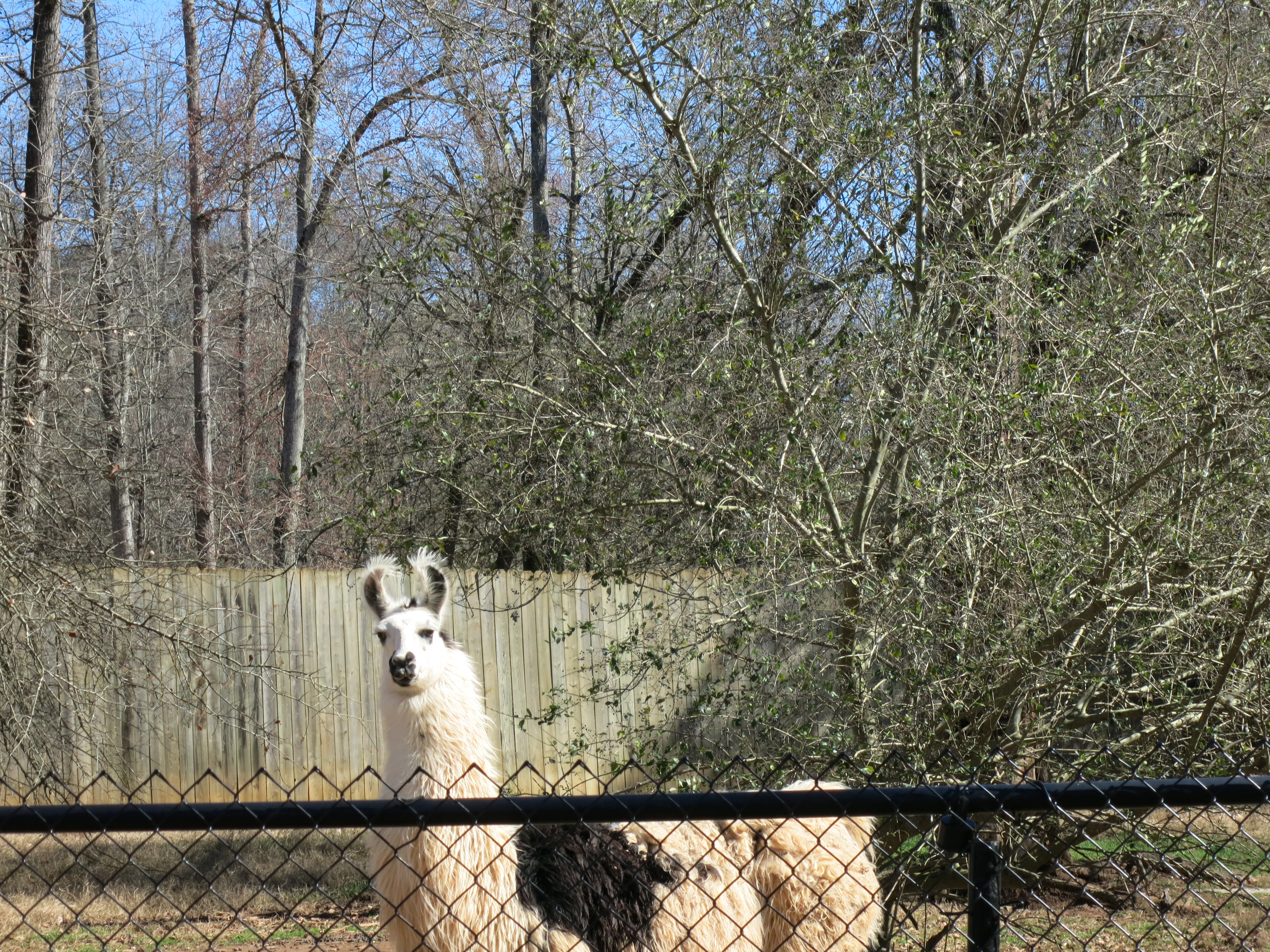
We then met a herd of Llamas! Llamas are funny with their big ears!

Llamas!

Llamas!


Matriarch of the Llama heard. They get to free range around the property too.

Matriarch of the Llama heard. They get to free range around the property too.


We love Llamas!

We love Llamas!

Noah’s Ark also has monkeys, 20 of them, of several different species. Often monkeys are kept as pets and then people realize that is a bad idea. Monkeys definitely belong in the wild and do not make good pets. They are messy, aggressive and destructive.

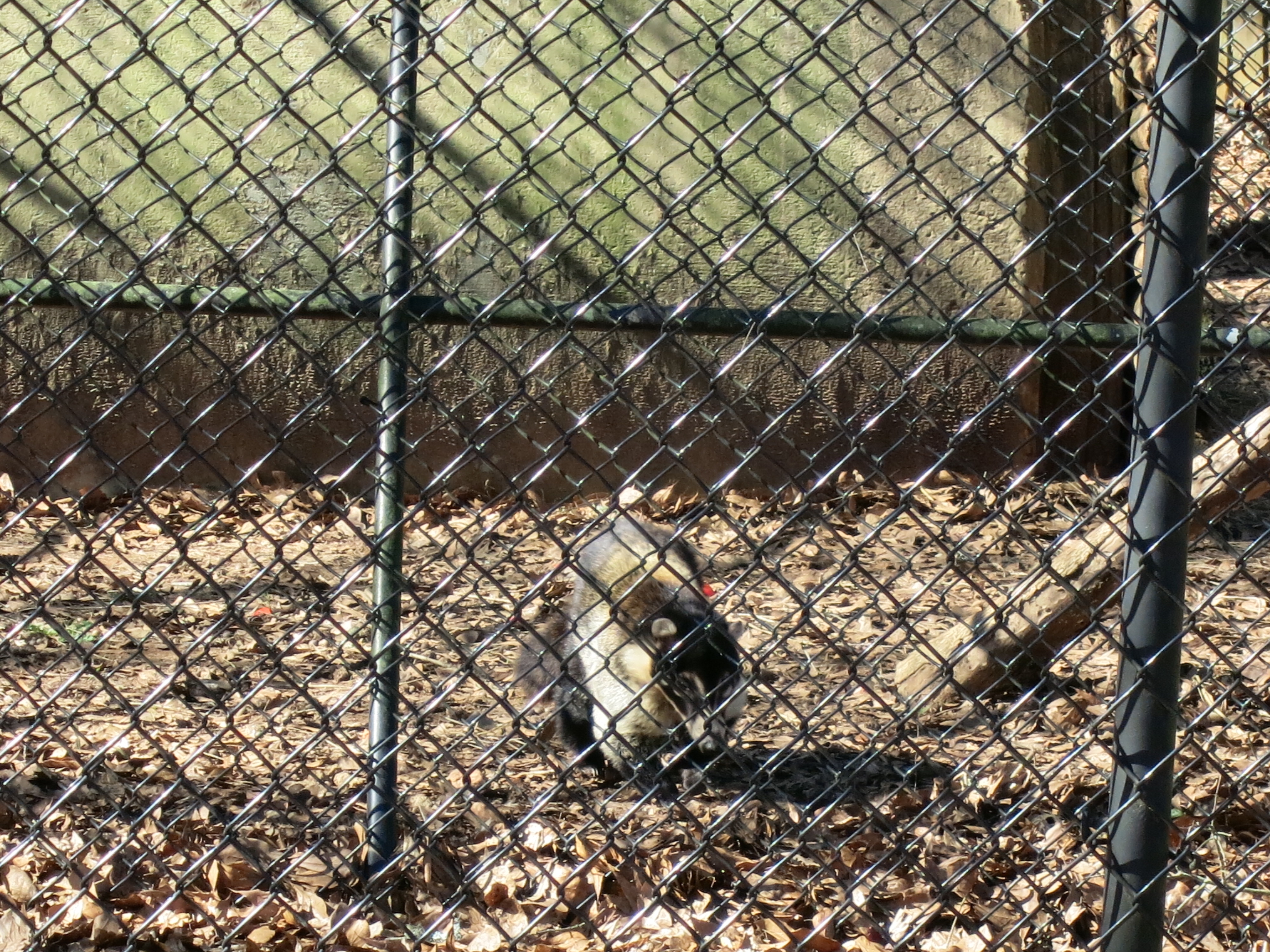
We met a coati! These South American relative of the raccoon are also kept as pets and man are they cute, but they do not belong at your house. If you think your cat is bad to your couch imagine  what a wild animal can do! No thank you!

Coati!

Coati!

Noah’s Ark’s most famous residents are a trio of friends! It’s Leo the Lion, Shere Khan the Tiger and Baloo the Bear.
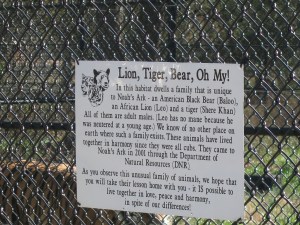
The trio's story!

The trio’s story!

These three were found in a basement together and our now inseparable.  They are quiet the trio.
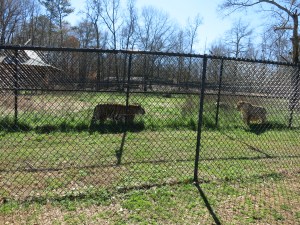
Shere Khan and Leo!

Shere Khan and Leo!

Unfortunately when we were there we only met Leo and Shere Khan because Baloo was napping in their house.

Noah’s Ark also houses 350 parrots! That’s right folks, 350! Parrots and birds are a popular pet, but often people do not do their homework when getting a bird. These feathery friends are very high maintenance and require special food, housing and tons of attention. It is so important that people read, learn and educate themselves before getting a bird. The parrots at Noah’s Ark are super lucky birds because they have great aviaries to live in and many friends. It is not easy integrating a new bird in with the flock. Caregivers at the sanctuary work hard to get a new bird introduced.
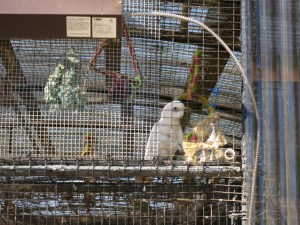
What a cutie!
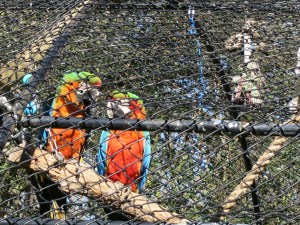
What a cutie!


What a pair!

What a pair!


Noah’s Ark does not just take care of exotic animals, they are home to 100 peacocks , 100 sheep and goats and 100 horses . They also do rehabilitation and release of local wildlife like birds and deer. Wow, these guys must be busy, busy!

We found one of the peacocks!
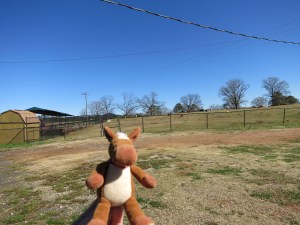
We found one of the peacocks!

Edmond said this is one great places for horses!

Edmond said this is one great places for horses!


Check out some of the horses & ponies!

Check out some of the horses & ponies!

After our tour with Allison, we sat down with her to ask her a few more questions.

Us: How many animals do you have and how many different species?

Allison: We have over 1,000 animals and 100-150 different species.

Us: Who requires the most care?

Allison: The parrots and the monkeys.

Us: What animal has been here the longest?

Allison: Suzie Q the Himalayan Black Bear has been here since 1989.

Us: Can people sponsor an animal?

Allison: We have a sponsor program starting.

Us: Which animal has been your toughest case?

Allison: We have a blue and gold macaw that was afraid of everything. It took us a year to get him acclimated.

Us: What message would you like to send about wild animals?

Allison: Keep the wild in your heart and not in your home! Wild animals are never good pets.

Us: What can we do to protect and prevent the exotic animal trade?

Allison: You can educate yourself and others about these animals. Learn about them and their plights in the wild and share your passion and knowledge!

Us: Tell us about a typical day here. What is your favorite thing about working here?

Allison: I arrive at 8am and check on the animals, prep the food, feed the animals and then clean. After all that we work on enrichment for the animals. Being with the animals is my favorite part of the job. I really enjoy being with them and giving them the best life they can have.

Us: Excellent! Thank you so much for taking time to show us this special place! And Thank You for working so hard to take care of these special animals! You and the staff are doing amazing work here!


To learn more about Noah’s Ark Animal Sanctuary check out their website! They are also on Facebook! Noah’s Ark doesn’t charge any admission, but they do take donations! Take a road trip to visit this special place just outside of Atlanta!


Categories: adventure, animal rescue, Animals, Children, conservation, education, Environment, nature, science, wildlife | Tags: , , , , , , , , , | 2 Comments

HAPPY GROUNDHOG DAY!!

HAPPY GROUNDHOG DAY!!

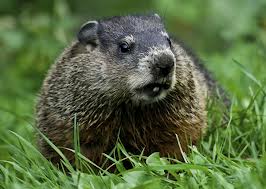
HAPPY GROUNDHOG DAY! Every year on February 2nd legend has it that if a groundhog comes out of his burrow and sees his shadow then there will be six more weeks of winter. If he doesn’t see his shadow then spring will come early! Neat! We’re celebrating these weather predicting rodents with fun facts, photos and an original coloring sheet drawn by Ellie herself!


Fun Facts:

  • Groundhogs are also known as the Woodchuck.
  • Groundhogs live in North America in woodland and grassland habitats.
  • They are herbivore and eat seeds, fruits, grasses and the occasional insect.
  • Groundhogs are rodents and are the largest member of the ground squirrel or marmot family.
  • They are excellent at climbing and swimming.
  • Groundhogs burrow in the ground.
  • They gorge all summer on food to fatten up!
  • Groundhogs hibernate in the winter.
  • They are known to whistle when threatened.

We love groundhogs and not just for their ability to predict the weather! These cool rodents get to hibernate all winter! Who wouldn’t love a long winter’s nap? Groundhogs are also pretty cute if you ask us!

groundhog   groundhog2

Click here for more history on Groundhog Day.

Image

Categories: adventure, american, Animals, Children, conservation, education, Environment, groundhog day, mammals, nature, science, wildlife | Tags: , , , , , , , , , , | 2 Comments

FEATHERY FRIDAY # 58

FEATHERY FRIDAY #58

Birds come in so many colors! We are always amazed by these bright beauties! This Feathery Friday takes us to the rainforests of Indonesia to meet a bright red bird! Keep your eyes peeled!

e & e rainforest

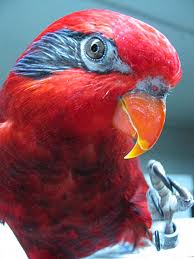
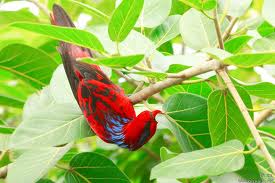
MEET THE BLUE-STREAKED LORY!

bluestreakedlory   Range/Habitat: Indonesia/ rainforests

   Diet: Herbivore: pollen, nectar

   Length/Weight: 12”/ 6oz

   Conservation Status: near threatened


Fun Facts:

  • Blue-streaked Lories are members of the lorikeet family.
  • They have a violet-blue streak on their neck and back.
  • They are very vocal and social.
  • Blue-streaked lories have a brush-like tipped tongue to help them gather nectar.
  • They can live up to 28+ years.

We could just watch these little birds all day. They are so funny and outgoing! We wish we could be a bright color like them too!

bluestreakedlory2  bluestreakedlory3

Categories: adventure, Animals, birds, Children, conservation, education, Environment, nature, rainforests, science, wildlife | Tags: , , , , , , , , , | Leave a comment

WATERY WEDNESDAY # 58

WATERY WENESDAY # 58

We’re going snorkeling to find a different kind of ocean dweller today. It’s not a fish, it’s not a mammal and it’s not coral! So are you ready to meet this mysterious animal? Let’s do this!

e & e snorkeling

MEET THE VIOLET SEA SNAIL!

violet sea snail   Range/Habitat: Atlantic-Pacific-Indian Oceans/ tropical-subtropical

waters

   Diet: Carnivore: floating cnidarians

   Length: 3 ¼”

   Conservation Status: common


Fun Facts:

  • Violet Sea Snails live on the oceans’ surface.
  • They are blind.
  • Violet sea snails have bright purple shells.
  • Their shells are very thin.
  • Violet sea snails make a “raft” of bubbles and mucus to stay afloat at the surface.
  • They snail is dark violet or black in color.


We haven’t met a snail so far in our adventures. Who knew they were so brightly colored and amazing? What other crazy creatures have we missed in our oceans?

violet sea snail2

Categories: adventure, Animals, Children, conservation, education, Environment, nature, oceans, science, wildlife | Tags: , , , , , , , , | 4 Comments

AMPHIBIAN TUESDAY

AMPHIBIAN TUESDAY #57

We’re switching things up a bit! We don’t have a day devoted to our amphibian friends, so we’ll be turning Reptilian Tuesday into Amphibian Tuesday every once in a while. Today’s adventure takes us to California to find one tiny and cute amphibian! So let’s put on our hiking boots and watch our step!

e e woods (2)

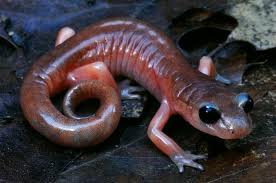
MEET THE ENSANTINA SALAMANDER!

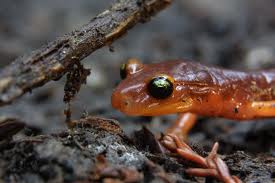
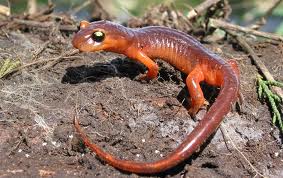
ensantina salamander   Range/Habitat: Western U.S-Canada/ forests

   Diet: Carnivore: worms, ants, insects

   Length: 2 ¼-3 ¼”

   Conservation Status: common


Fun Facts:

  • Ensantina salamanders live under leaves and logs on the forest floor.
  • They have long legs.
  • Ensantina salamanders’ colors vary by their habitat.
  • They are nocturnal.
  • Ensantina salamanders lift their tails when threatened and emit a foul secretion.
  • Ensantina salamanders lay their eggs under leaves. Baby salamanders are born directly from the eggs.

Salamanders are so stinking cute! They live in all kinds of habitats! We especially think it’s cool that these little guys have a stinking defense mechanism!

ensantina salamander2ensantina salamander3

Categories: adventure, amphibians, Animals, Children, conservation, education, Environment, nature, science, wildlife | Tags: , , , , , , , , , | 4 Comments

MAMMAL MONDAY # 58

MAMMAL MONDAY #58

It’s that amazing day of the week when we go on an adventure to meet a mammal! We’re packing our bags and heading the Amazonian rainforest to find a small monkey who lives high in trees! Grab your binoculars and let’s head out!

e & e rainforest2

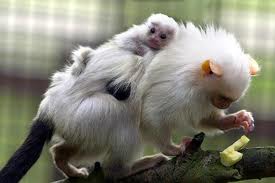
MEET THE SILVERY MARMOSET!

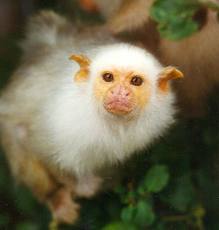
silvery marmoset   Range/Habitat: South America/rainforest

   Diet: Omnivore: fruits, eggs, sap

   Length/Weight: 8-9”/12-13 oz

   Conservation Status: common


Fun Facts:

  • Silvery Marmosets have pale silvery fur.
  • They have black tails.
  • They are arboreal (spend their lives in the trees).
  • Silvery marmosets have pink faces and ears.
  • They live in small family troops.
  • Every member of the silvery marmoset family takes care of the offspring.

These tiny little monkeys are gorgeous with their silvery coats of fur. We just can’t get enough of them!


silvery marmoset2  silvery marmoset3


Categories: adventure, Animals, Children, conservation, education, Environment, mammals, nature, rainforests, science, wildlife | Tags: , , , , , , , , , | 1 Comment

HAPPY AUSTRALIA DAY!!

HAPPY AUSTRALIA DAY!!!

We’re celebrating that awesome island nation that is full of amazing animals with some fun pictures!

Australia is home to deadly snakes, wild reptiles, adorable mammals and it has the largest number of marsupials on the planet! It is also home to the Great Barrier Reef, one of the most diverse ecosystems in the ocean! Wow! Australia is definitely one wild place! 

Enjoy!

Australian Crocodile

Australian Crocodile

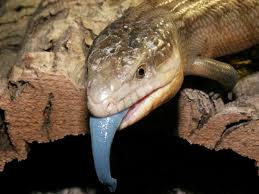
Blue Tongue Skink

Blue Tongue Skink


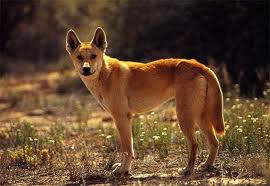
Dingo

Dingo

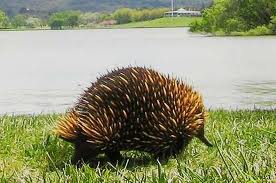
Echinda

Echinda


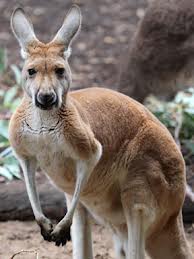
Kangaroo

Kangaroo


Koala!

Koala!


Numbat

Numbat

Platypus

Platypus

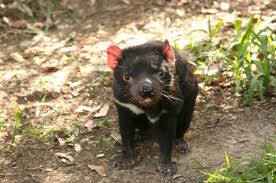
Tasmanian Devil

Tasmanian Devil


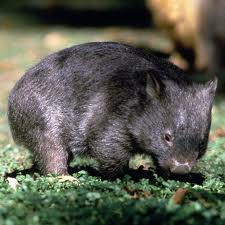
Wombat

Wombat


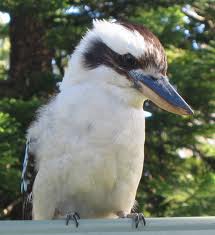
Kookaburro

Kookaburra


Great Barrier Reef

Great Barrier Reef


Great Barrier Reef

Great Barrier Reef


Categories: adventure, Animals, Australia, Children, conservation, education, Environment, marsupial, oceans, science, wildlife | Tags: , , , , , , , , , , | 2 Comments

FEATHERY FRIDAY #57

FEATHERY FRIDAY #57

It’s Feathery Friday and we’re going to meet a little bird who calls the wetlands of Europe home. So let’s grab our binoculars and wellies and head off for some bird watching fun!
e & e wetlands
MEET THE SPOTTED CRAKE!

spotted crake   Range/Habitat: Europe-Asia-Africa/wetlands, marshes

   Diet: Omnivore: algae, insects, aquatic animals

   Length/Weight: 9-9 ½”/ 2-5 oz

   Conservation Status: common


Fun Facts:

  • Spotted Crakes are small secretive bird.
  • Their feathers camouflage with the reeds and plants of the wetlands.
  • Spotted Crakes bob their heads while they walk.
  • Spotted crakes are crepuscular (active at dawn and dusk).
  • They are not very vocal.
  • Spotted crakes use their bills to find food in the mud.

Spotted Crakes are cute little birds. They fit in perfectly in their habitat. If you were a bird what habitat would you decide to live in?

spotted crake2spotted crake3

Categories: adventure, Animals, birds, Children, conservation, education, Environment, nature, science, wetlands, wildlife | Tags: , , , , , , , , , | 3 Comments

SUPER SURPRISE THURSDAY #57

SUPER SURPRISE THURSDAY # 57

We’re back to our regular new and improved Super Surprise Thursday!

We’ll give you a cropped picture and a few hints and you tell us what animal it is!

clownfish

  • My habitat is the coral reef.
  • I live among the tentacles of an anemone.
  • There was a famous movie starring one of my cousins.

WHAT AM I?

Categories: adventure, Animals, Children, conservation, education, Environment, nature, wildlife | Tags: , , , , , , , , | 6 Comments

Blog at WordPress.com.