adventure

SCIENCE WORD OF THE WEEK!

SCIENCE WORD OF THE WEEK!

swow burrow

Hello class! Who’s ready for today’s lesson? I picked a word to go with Groundhog Day tomorrow!

So let’s get to it! Today’s word: Burrow- a hole or tunnel dug by an animal. A burrow serves as a shelter for either the animal who dug it or for an animal that may share that burrow with other animals.

Animals who live in burrows include rabbits, meerkats, gopher tortoises, prairie dogs, wombats and groundhogs!

Categories: adventure, Animals, Children, conservation, education, Environment, nature, science, vocabulary, wildlife | Tags: , , , , , , , , , , | 3 Comments

FASTEST RAPTOR IN THE WEST!

FASTEST RAPTOR IN THE WEST!

We’re off to meet the fastest raptor in the west- actually in all of the world! This falcon can reach unimaginable speeds! So let’s meet them before they fly off!

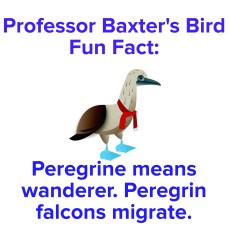
peregrin falcon3

Peregrine Falcon Fun Facts:

  • Peregrine falcons are found on every continent except Antarctica.  They can be found in varying habitats including coasts, deserts and urban areas.
  • They can grow up to 19 inches long with a 3 1/2 foot wingspan. They can up to 3 1/2 lbs.
  • Peregrine falcons are carnivores. They eat other birds like pigeons and shorebirds.
  • Peregrine falcons are known for their agile acrobatic flying skills. They can go in to steep dives called stoops to catch their prey.
  • They can reach speeds of up to 200 mph. Their average speed is 23-34 mph.

IMG_6601

  • Some peregrine falcons migrate from the Arctic tundra all the way to South America, up to 15,500 miles in a year.
  • Peregrine falcons nest up high on cliffs, towers and skyscrapers.
  • You can even watch a peregrine falcons in their nest during season at The Peregrine Fund.

peregrin falcon2peregrin falcon


Peregrine falcons were severely threatened in the U.S. many years ago do to the DDT use and habitat loss. Like our friend the bald eagle, they are now listed as least concern after making a big come back!

Categories: adventure, Animals, birds, Children, conservation, education, Environment, nature, science, wildlife | Tags: , , , , , , , , , | 2 Comments

BALD EAGLE APPRECIATION DAY!

BALD EAGLE APPRECIATION DAY!

IMG_4395

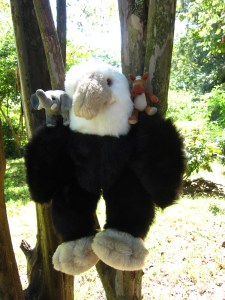
We’re so excited to celebrate the amazing symbol of the United States. These amazing raptors are one of our favorite birds! Come learn more about the Bald Eagle!

bald eagle2

Fun Facts:

  • Bald eagles habitat range is North America in woodlands, marshes and bodies of water.
  • Bald eagles are carnivores. They eat fish, small birds and carrion.
  • They can grow up to 38″ and weigh up to 14lbs.
  • They are listed as least concern.
  • They have a wingspan of up to 8 ¼ feet.
  • Bald Eagles mate for life. They reinforce their pair bonds with spectacular flights that they do together.
  • Bonded pairs build their large nests. Both female and male eagles rear the chicks.

IMG_6600(1)

  • Bald Eagles have excellent eyesight.
  • They can live for up to 28 years!
  • Bald eagles don’t develop their white head feathers until around the age of 5!
  • Bald Eagles have been the National Bird of the U.S.  since 1782.

bald eagle3bald eagle


We just love Bald Eagles and think they make a fine national bird! They are so regal. Unfortunately we almost lost these birds to pollution and habitat loss and they were near extinction in the mid 1900s. After much human effort to save them they are now living in almost every state! YAY!!!

Categories: adventure, Animals, birds, Children, conservation, education, Environment, nature, science, wildlife | Tags: , , , , , , , , , | 1 Comment

Raptor Down Under

Raptor Down Under

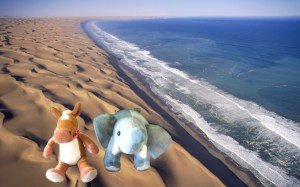
e e coast

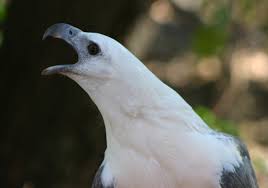
As you learned yesterday we are talking about raptors this week! Today is also Australia Day, so we decided to combine our celebrations and meet a gorgeous bird of prey from Australia!

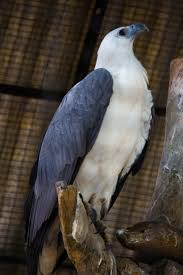
white bellied sea hawk

  • White-bellied sea eagle can be 35 inches long, weight 10 lbs with a wingspan of over 7 ft.
  • They are carnivores. They eat sea snakes, fish and turtles and carrion. They are known to steal prey from other birds.
  • White-bellied sea eagles live in coastal areas.
  • They mate for life.
  • Before mating, a pair does amazing acrobatic displays while flying together.
  • They can be territorial.
  • White-bellied sea eagles holds it wings in a v shape when flying.

IMG_6597

  • They are known for their loud honking call that sounds like a goose.
  • White-bellied sea eagles can live for up to 30 years.


white bellied sea hawk2white bellied sea hawk3

These gorgeous eagles are so fun to watch fly and catch fish! We have a special little Australia Day Bonus for you too- a koala coloring sheet!

koala coloring sheet

Categories: adventure, Animals, birds, Children, conservation, education, Environment, nature, science, wildlife | Tags: , , , , , , , , , | 1 Comment

SCIENCE WORD OF THE WEEK!

SCIENCE WORD OF THE WEEK!

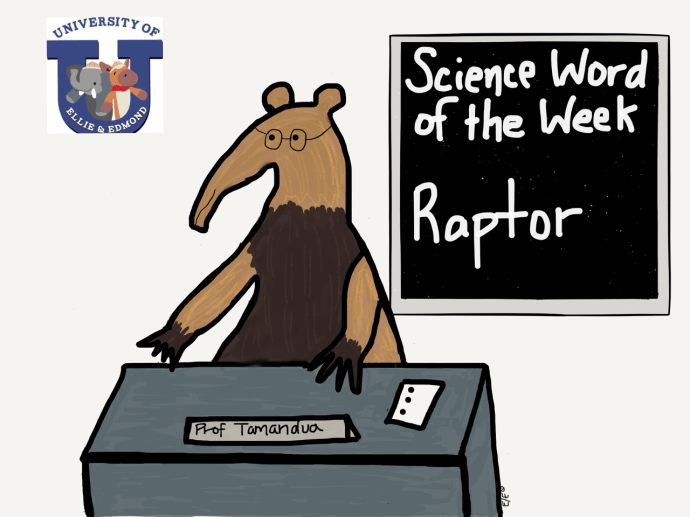
swow raptor

We’re back to Science Word class after skipping last week to celebrates some animal holidays! I’m excited for today’s lesson, so let’s get started.

Today’s word is Raptor: a raptor is a bird of prey that is a carnivore. The word raptor comes from a Latin word that means to capture or seize.

Raptors include hawks, owls, falcons, osprey, eagles, vultures and secretary birds. There are 446 species of raptors in the world.  Raptors have sharp claws or talons, curved sharp beaks and keen eyesight to help them catch their prey.

So as you may have guessed, Ellie and Edmond will be meeting some raptors this week!

Categories: adventure, Animals, Children, conservation, education, Environment, nature, science, vocabulary, wildlife | Tags: , , , , , , , , | 2 Comments

GET SQUIRRELY!

GET SQUIRRELY!

Happy Squirrel Appreciation Day! Let’s celebrate the gregarious and precocious little critters today!

squirrel5

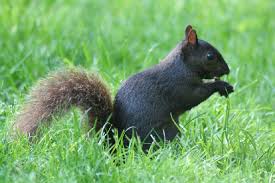
  • There are more than 200 species of squirrel in the world.
  • Squirrels live on every continent except Australia and Antarctica. Wow Australia has all those crazy animals and no squirrels!
  • Squirrels are rodents.

squirrel

  • The African Pygmy Squirrel is the smallest species of squirrel. They are 5 inches long.
  • The Indian Ground Squirrel is the largest at 3 feet long!

squirrel8

  • There are tree squirrels, ground squirrels and flying squirrels.
  • Flying squirrels do not actually fly, but glide using a flap of skin on each side.

squirrel9

  • Some squirrels can run as fast as 20 mph.
  • A squirrel’s teeth grow throughout their lifetime.
  • Squirrels are omnivores. They eat bugs, eggs, nuts, seeds and fruit.

squirrel7

  • Squirrels that bury their food for winter, find it by rubbing their scent on it first. They use their keen noses to find it later.
  • When a squirrel forgets part of the winter cache, those seeds can turn into trees. Squirrels are responsible for the growth of many trees!
  • The average squirrel eats about a pound of food a week!

squirrel3squirrel2


Come make a great squirrel to top your pencils or pens!

Categories: adventure, Animals, Children, conservation, education, Environment, mammals, nature, science, wildlife | Tags: , , , , , , , , , | 4 Comments

Penguin Appreciation Day!


PENGUIN APPRECIATION DAY!


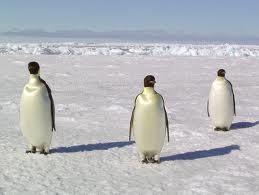
  • There are 18 species of penguins in the world.
  • All penguins live in the Southern Hemisphere.
  • Only 8 species of penguins actually live in cold climates.

penguin1

    • Fossilized penguins have been found that are 58 million years old.
    • Penguins do not have teeth. They have barbs on their tongue and throat.
    • Penguin wings are called flippers.

penguin5

    • The Emperor Penguin is the largest species.
    • The Fairy Penguin is the smallest species.
    • Penguins live in colonies.
    • Penguins are marine birds. They spend 75% of their life at sea.
    • Penguins have up to 70 feathers per square inch.
    • Penguins have excellent hearing.
    • Emperor Penguins can stay under water for up to 15 minutes.

penguin8   penguin7

penguin2

penguin4


Categories: adventure, Animals, birds, Children, conservation, education, Environment, nature, science, wildlife | Tags: , , , , , , , , , | 3 Comments

AMAZING FEET!

AMAZING FEET!

We looked all over the animal world and found some other amazing mammal feet! These feet have some great adaptations! Let’s learn more about feet!
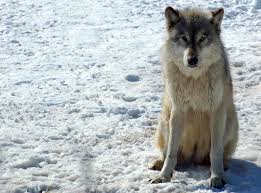
Gray wolves have blood vessels in their paws that act as heating pads keeping their feet warm in cold weather.

Gray wolves have blood vessels in their paws that act as heating pads keeping their feet warm in cold weather. Guess grandma grey wolf doesn’t knit mittens! Haha- no thumbs anyway!
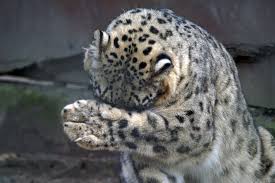
Snow leopard feet are wide and act like snow shoes in their snowy habitat.

Snow leopard feet are wide and act like snow shoes in their snowy habitat. No need to shop at REI for these guys.
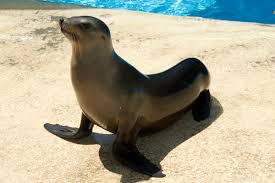


Sea lion "feet" are called flippers. These flippers have 5 digits and are made to swim! Good thing for these marine mammals.
Sea lion “feet” are called flippers. These flippers have 5 digits and are made to swim! Good thing for these marine mammals.


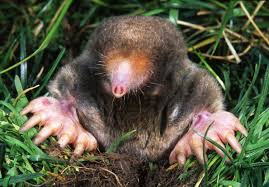
Moles have sideways feet! Their feet are built for digging. A great adaptation for an animal that lives underground.

Moles have sideways feet! Their feet are built for digging. A great adaptation for an animal that lives underground. We wonder if we could hire them out?

Polar bear paws are covered in fur, even on the bottom. This helps these large carnivores keep a good grip on the ice and keep those toes warm!

Polar bear paws are covered in fur, even on the bottom. This helps these large carnivores keep a good grip on the ice and keep those toes warm!


Bear paws are large and have claws that extend two inches from the paw. Bears walk from heal to toe, just like humans!
Bear paws are large and have claws that extend two inches from the paw. Bears walk from heal to toe, just like humans!


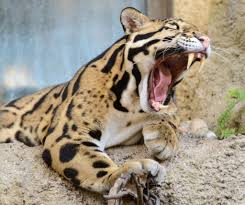
Speaking of hanging upside down, clouded leopards use their incredible feet not just to climb, but those back paws and claws are strong enough to grip a branch while the cat hangs upside down.

Speaking of hanging upside down, clouded leopards use their incredible feet not just to climb, but those back paws and claws are strong enough to grip a branch while the cat hangs upside down. Um, not sure you want to see that in the jungle!
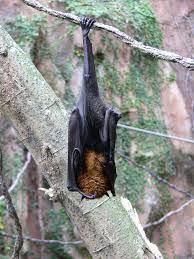
A bat's back feet are super grippers! These feet can hold a bat upside down while they sleep! They have a special tendon that does not require any energy to keep this grip! Bat feet might just be the coolest!

A bat’s back feet are super grippers! These feet can hold a bat upside down while they sleep! They have a special tendon that does not require any energy to keep this grip! Bat feet might just be the coolest!


Wowzers! These are some amazing feet! We love all the incredible foot adaptations! We wonder what the world of reptile and amphibian feet will bring us tomorrow!

Categories: adventure, Animals, Children, conservation, education, Environment, nature, science, wildlife | Tags: , , , , , , , , , | 2 Comments

Ellie and Edmond Feet!

Ellie and Edmond Feet!

IMG_6362

We thought it would be fun to talk about our feet first on this fine feet week! We think our feet are pretty cool and we hope you’ll learn something about them too!

Ellie’s Feet:

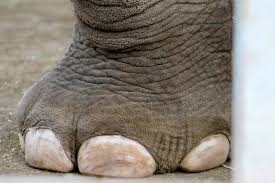
  • We elephants essentially walk on our tip toes! This helps us walk quietly! We’d be good ninjas! Hahahahaha!
  • We have toenails. They are not attached to any specific digit. These are worn down when we walk. In zoos, elephants get regular pedicures to keep those toenails healthy! Spa day anyone?
  • Yes! We elephants have 5 digits in our feet! They are hidden in the skin and fatty tissue that makes up our feet.

elephant feet

  • Generally the circumference of our feet is 4 1/2 feet. Our footprint can be round to oval shaped.
  • You can tell the age and height of an elephant by their footprint!
  • Animals can be classified by the shape of their feet. We elephants are considered near-ungulates because we have toenails.  Our closing living relative- the rock hyrax has a very similar kind of foot. It is much smaller though!

hyrax feet

  • The bottom of our feet is full of grooves and ridges that help us stay stable and walk in all kinds of habitats. The bottom is also covered in tough fatty tissue that acts as a shock absorber and helps us sneak up on hyenas! (Ok, we don’t actually do that!)
  • We elephants use low frequency rumbles that travel through the ground to “hear” with our feet! We can feel those vibrations as far as 20 miles away! This is how we know where all the good watering hole dance parties are- just kidding!


Edmond’s feet:

  • Horse feet grow until we around 6 years old!
  • My hooves are made to absorb shock and weight (which increases when I’m galloping).
  • Hooves are flexible and expand when I run or stand.
  • The exterior of the my hooves is covered in keratin! The same thing that makes up a rhino’s horn!

horse hoof

  • The size of a horse’s foot is relative to the size of the horse! Clydesdale have bigger feet than me for sure!
  • The bottom part of my foot is called the frog! I know- it is a silly name!

  • My hooves need to be trimmed to stay healthy. Wild horses do this naturally when running!
Categories: adventure, Animals, Children, conservation, education, elephants, Environment, horses, nature, science, wildlife | Tags: , , , , , , , , | 4 Comments

SCIENCE WORD OF THE WEEK!

SCIENCE WORD OF THE WEEK!

swow quad

Hello class! We have a great word for you today! Ellie and Edmond will be talking more about feet this week as it is feet week! Woohoo! I have a long claws on my front feet that help me climb and dig for ants and termites!

Today’s word is quadruped: when an animal uses four feet for locomotion (moving). Many animals walk on four feet. Just because an animal walks on all fours, doesn’t mean they do it the same. I actually walk on the side of my front feet due to those long claws. Ellie and Edmond will be sharing more fun feet facts as the week goes on!

Categories: adventure, Animals, Children, conservation, education, Environment, nature, science, vocabulary, wildlife | Tags: , , , , , , , , , | 2 Comments

Blog at WordPress.com.