adventure

REPTILIAN TUESDAY # 85

REPTILIAN TUESDAY # 85

Happy Reptilian Tuesday! We’ve backed our bags and heading back to the U.S. to a desert habitat. Grab your sunscreen and your sunglasses and hats and let’s go find today’s reptile friend!

e e desert

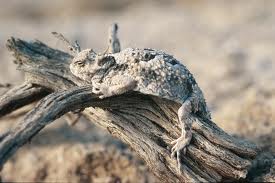
MEET THE DESERT HORNED LIZARD!

desert horned lizard   Range/Habitat: Southwestern U.S.A.

   Diet: Carnivore: ants, insects

   Length: 3-5 ¼”

   Conservation Status: common


Fun Facts:

  •          Desert Horned lizards have excellent camouflage.
  •          They have “horns” or pointy scales on their head and neck.
  •          Desert horned lizards have round shaped bodies and are nicknamed Horned Toads.
  •          They can remain motionless for long periods in order to protect themselves.
  •          They can also inflate themselves with air if attacked by a predator.
  •          Desert horned lizards hibernate in the winter.

Desert horned lizards have some great defense mechanisms. They look like mini dinosaurs if you ask us! If they only had some feathers too!

desert horned lizard2  desert horned lizard3

Categories: adventure, Animals, Children, conservation, education, Environment, nature, reptiles, science, wildlife | Tags: , , , , , , , , , | Leave a comment

MAMMAL MONDAY #85

MAMMAL MONDAY #85

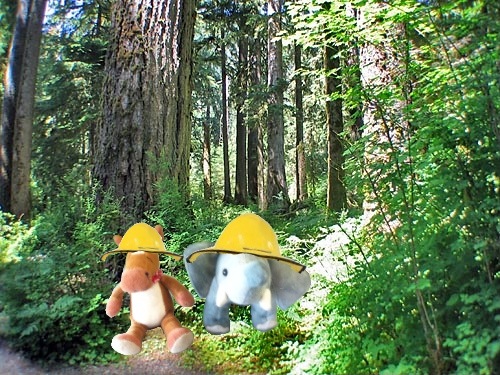
We’ve packed our bags for today’s adventure to Northern Australian to meet a really cool little mammal. Has everyone practicing saying mate? Pack your hiking boots and walking stick and let’s head out into the forests of the land down under!

e & e rainforest

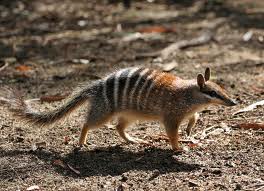
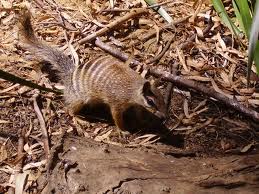
MEET THE NUMBAT!

numbat   Range/Habitat: Northwest Australia/ forests

   Diet: Insectivore: termites

   Length/Weight: 8-11”/ 11-26 oz

   Conservation Status: endangered


Fun Facts:

  •          Numbats have long bushy tails.
  •          Numbats are also known as the banded anteater.
  •          They have 4” long sticky tongues.
  •          Numbats have large claws on forefeet to help them dig in termite mounds.
  •          They are marsupials.
  •          Numbats have 53 teeth, the most of any mammal on earth.

Numbats are amazing little creatures. Their numbers dropped dramatically, but thanks to some great conservation programs their numbers are climbing back up! We love to hear how people are helping animals!

numbat2    numbat3

Categories: adventure, Animals, Children, conservation, education, Environment, mammals, nature, science, wildlife | Tags: , , , , , , , , , | 4 Comments

CREEPY ANIMALS WEEK- DAY #5

CREEPY ANIMALS WEEK- DAY #5

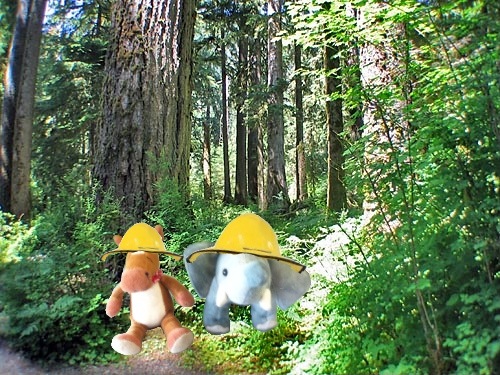
It’s the last day of our Creepy Animals Week and we hope you had a great time meeting these animals! Today we are meeting a local animal. We’ll need our night vision goggles and hiking boots to go on this adventure through the woods at night! No need to be afraid, these birds are big but not scary! Whooooo do you think it will be?

e & e night rainforest

MEET THE GREAT HORNED OWL!!

  great horned owl  Range/Habitat: North America-South America/wood, fields, suburbs,

   swamps

   Diet: Carnivore: small mammals, birds

   Length/Weight: 18-20″/ 2- 5 1/2 lbs

   Conservation Status: Common


Fun Facts:

  • Great horned owls have feathery tufts on their heads.
  • They are the most abundant owl in the Americas.
  • Great horned owls have no sense of smell. They are one of the only predators of skunks!
  • Great horned owls are nocturnal.
  • Male great horned owls are smaller than the females.
  • Great horned owls form monogamous pairs.
  • Great horned owls have amazing calls!

Great horned owls are one of most favorite owls! They have the best call ever! Every time we hear it, it gives us the chills and makes us want to tell spooky stories around a campfire! Who’s bringing the marshmallows?

Categories: adventure, Animals, birds, Children, conservation, education, Environment, nature, science, wildlife | Tags: , , , , , , , , , | Leave a comment

CREEPY ANIMALS WEEK- CRAFT!

CREEPY ANIMALS WEEK- CRAFT!

We have an excellent connect the dots coloring sheet for you! We have 3 animals who are often talked of during Halloween! As always we love to see your creations! Share them with us on Facebook or Twitter!

e e pumpkin

Have a safe and Happy Halloween!

Image

Categories: adventure, Animals, Children, conservation, crafts, education, Environment, Halloween, nature, science, wildlife | Tags: , , , , , , , , , | Leave a comment

CREEPY ANIMALS WEEK DAY #3

CREEPY ANIMALS WEEK-DAY #3


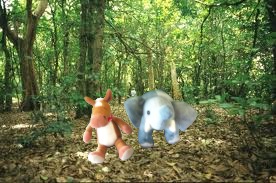
In keeping with our scary and creepy theme this week, we’re spotlighting an amphibian! This little animal is often referred to in stories about witches, or at least their eyes are! Ever heard of the eye of newt? Well this one doesn’t have scary eyes, but they have scary skin! Come meet them.

e e woods (2)

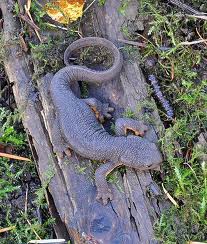
MEET THE ROUGH SKINNED NEWT!

rough skinned newt  Range/Habitat: Western United States-Canada/ woodlands and ponds

  Diet: Carnivore: aquatic invertebrates, tiny fish

  Length: 3 ½”- 7 ½”

  Conservation Status: Common


Fun Facts:

  • The Rough Skinned Newt is an amphibian. Other amphibians also include frogs, toads and salamanders.
  • Rough skinned newts have rough, bumpy skin as implied by their name.
  • They are extremely toxic. They produce a strong toxin that can cause death if eaten. It can also be absorbed through the skin if you have an open cut or wound.
  • They are brownish-black in color with yellow to orange bellies.
  • Rough skinned newts feed at night.
  • They can live as long as 12 years!
  • The common garter snake is the rough skinned newt’s only predator. The snakes have developed immunity to their toxin.

Wow! Who knew a cute little newt could be so poisonous? Well we think they are pretty awesome! We think this animal is best seen and not eaten :)!

rough skinned newt3    rough skinned newt2

Categories: adventure, amphibians, Animals, Children, conservation, education, Environment, Halloween, nature, science, wildlife | Tags: , , , , , , , , | Leave a comment

CREEPY CRAWLY WEEK DAY #2

CREEPY CRAWLY WEEK DAY #2

We’re going to the coast of Mexico to find today’s creepy crawly creature! This one in particular is creepy to Ellie! She may end up staying in the truck! Gather your courage and head out on this adventure! Are you ready to meet this creepy crawly creature?

e & e rainforest

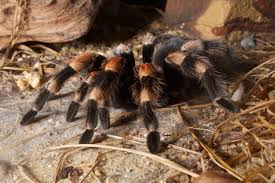
MEET THE RED KNEED TARANTULA!

   Range/Habitat: West coast of Mexico/tropical forests

   Diet: Carnivore: insects, frogs, mice

   Length/Weight: 4 ½”/15 grams

   Conservation Status: Near threatened


Fun Facts:

  • Red Kneed Tarantulas are nocturnal (active at night).
  • Like other spiders they have 8 legs and an exoskeleton.
  • Red kneed tarantulas have hair all over their bodies. They rub their back legs together if threaten. The hairs can cause a rash or even blindness if release in the eyes.
  • Red kneed tarantulas are venomous. They bite their prey with fangs and then inject the venom.
  • They burrow in the ground.
  • They don’t have a backbone like you instead they have a hard exoskeleton on the outside of their bodies. Because they have an exoskeleton they must molt 2-3 times a year as they grow.
  • Red kneed tarantulas can live up 20-30 years old.

Ellie is afraid of spiders, but learning about them helps her not to be afraid! Red kneed tarantulas are not harmful to humans or elephants ! We definitely think they’re kind of pretty with their bright colors!

red kneed tarantula   red kneed tarantula2

Categories: adventure, Animals, Children, conservation, education, Environment, Halloween, insects, nature, science, wildlife | Tags: , , , , , , , , , | 2 Comments

CREEPY ANIMALS WEEK!

CREEPY ANIMALS WEEK!!

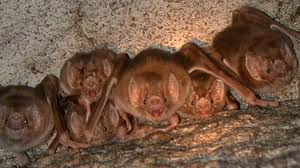
We’re featuring animals this week that are considered creepy or scary in honor of Halloween. People often get so scared of our animal friends and they get a bad reputation.  Sometimes they may even be a little scary, but we love all animals! Sometimes we just love them from a distance! Today’s animal is a bat with sharp pointy teeth and a really bad reputation! Let’s meet them! And by the way they’re not monsters!

MEET THE COMMON VAMPIRE BAT!

   Range/Habitat: Mexico-South America/roost in caves, mines, trees

   Diet: Hematophagy: blood of mammals such as cattle, pigs and tapirs

   Length/Weight: 2 ¾”-3 ¾”/ around 1 oz

   Conservation Status: common


Fun Facts:

  • Common Vampire Bats are one of three bats that’s only source of food is the blood of other animals.
  • They have sharp thin-pointed teeth they use to bite animals.
  • Their teeth are so sharp that often the animals do not feel the bite.
  • Common vampire bats are strong fliers.
  • They have strong forelimbs and legs that help them get around on the ground. In fact they are very agile and speedy.
  • Common vampire bats have heat seeking receptors in their nose to help them locate veins closest to the skin.
  • Common vampire bats are nocturnal (active at night).
  • Common vampire bats live in large groups of usually several hundred individuals. They are known to have strong family bonds. There is even evidence of females adopting young bats that are orphaned.

We’ll admit these bats are a little creepy. But all animals have a place in this world. So we respect them all, again from a distance!

vampire bat   vampire bat2

Categories: adventure, Animals, Children, conservation, education, Environment, mammals, nature, science, wildlife | Tags: , , , , , , , , , , | Leave a comment

FEATHERY FRIDAY #84

FEATHERY FRIDAY #84

We are super excited for today’s Feathery Friday! We’re heading to the land down under to meet today’s bird! So grab some snacks, binoculars and your passport and let’s head out on today’s birding adventure!

e & e wetlands

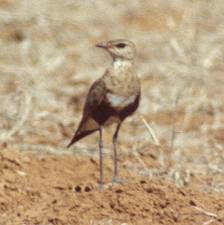
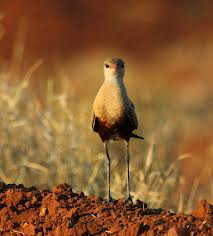
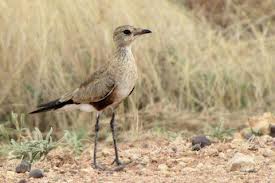
MEET THE AUSTRALIAN PRATINCOLE!

australina pratincole   Range/Habitat: Australia-Southeast Asia/ grasslands, ponds

   Diet: Carnivore: insects

   Length/Weight: 8 ½-9 ½”/ 2 1/8-2 ½ oz

   Conservation Status: common


Fun Facts:

  •          Australian pratincoles have long legs and wings.
  •          They are a cinnamon color.
  •          Australian practincoles have a red and black bill.  
  •          Australian practincoles are very fast runners.
  •          They spend most of their time on the ground, but form flying flocks also to feed.

Australian practincole are really cute little birds! They are just another great bird that calls Australia home!

australina pratincole2   australina pratincole3

Categories: adventure, Animals, birds, Children, conservation, education, Environment, nature, science, wildlife | Tags: , , , , , , , , , | Leave a comment

SUPER SURPRISE THURSDAY #84

SUPER SURPRISE THURSDAY #84

It’s time to guess the animal! You guys know how this works! You ready, set, go!!!

mountain gorilla

  • I live in the mountains of East Africa.
  • I am a large ape.
  • I am endangered.

WHO AM I?

Categories: adventure, Animals, Children, conservation, education, Environment, mammals, nature, science, wildlife | Tags: , , , , , , , , , | 1 Comment

WATERY WEDNESDAY # 84

WATERY WEDNESDAY # 84

 It’s time to get aboard the E & E submarine and go looking for little sharks! These little sharks might be aglow with bioluminescence so keep an eye out! It’s time for another fun adventure!  

e e deep sea

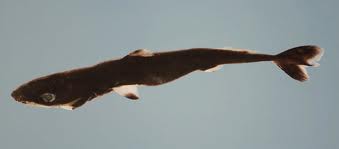
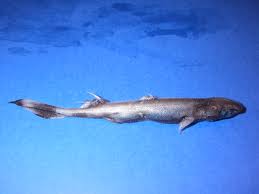
MEET THE PYGMY SHARK!

pygmy sharks   Range/Habitat: North Atlantic, W. Indian Ocean, West Pacific

   Diet: Carnivore: fish

   Length/Weight:  up to 10”

   Conservation Status: common


Fun Facts:

  •          Pygmy sharks are one of the smallest species of sharks.
  •          They have a single dorsal spine.
  •          A pygmy shark’s mouth is on the underside.
  •          Pygmy sharks have light producing organs on their undersides. These are thought to protect them from predators.
  •          Female pygmy sharks have about 8 pups a year.

Pygmy sharks are amazing little creatures. They look so alien and strange with their glowing cells. The ocean always amazes us!

pygmy sharks3

Categories: adventure, Animals, Children, conservation, education, Environment, fish, nature, science, wildlife | Tags: , , , , , , , , , , | Leave a comment

Blog at WordPress.com.