Animals

ONE BIG FISH!

ONE BIG FISH!

img_2134 arapiama3


ellie_edmund_professors-seahorse(1)


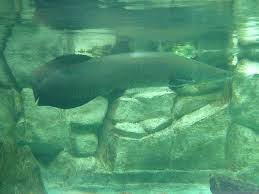
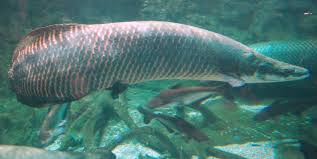
We had to head back to the University for a few days last week to honor one of our dear students who we lost. We’re back in the Amazon Rainforest today to meet a large fresh water fish- the arapaima.
arapiama

Date: 9/19

Location: Amazon Rainforest

Arapaima Facts:

  • Arapaima have long torpedo shaped bodies.
  • Arapaima scales are hard, heavy and are covered in minerals. These help protect them.
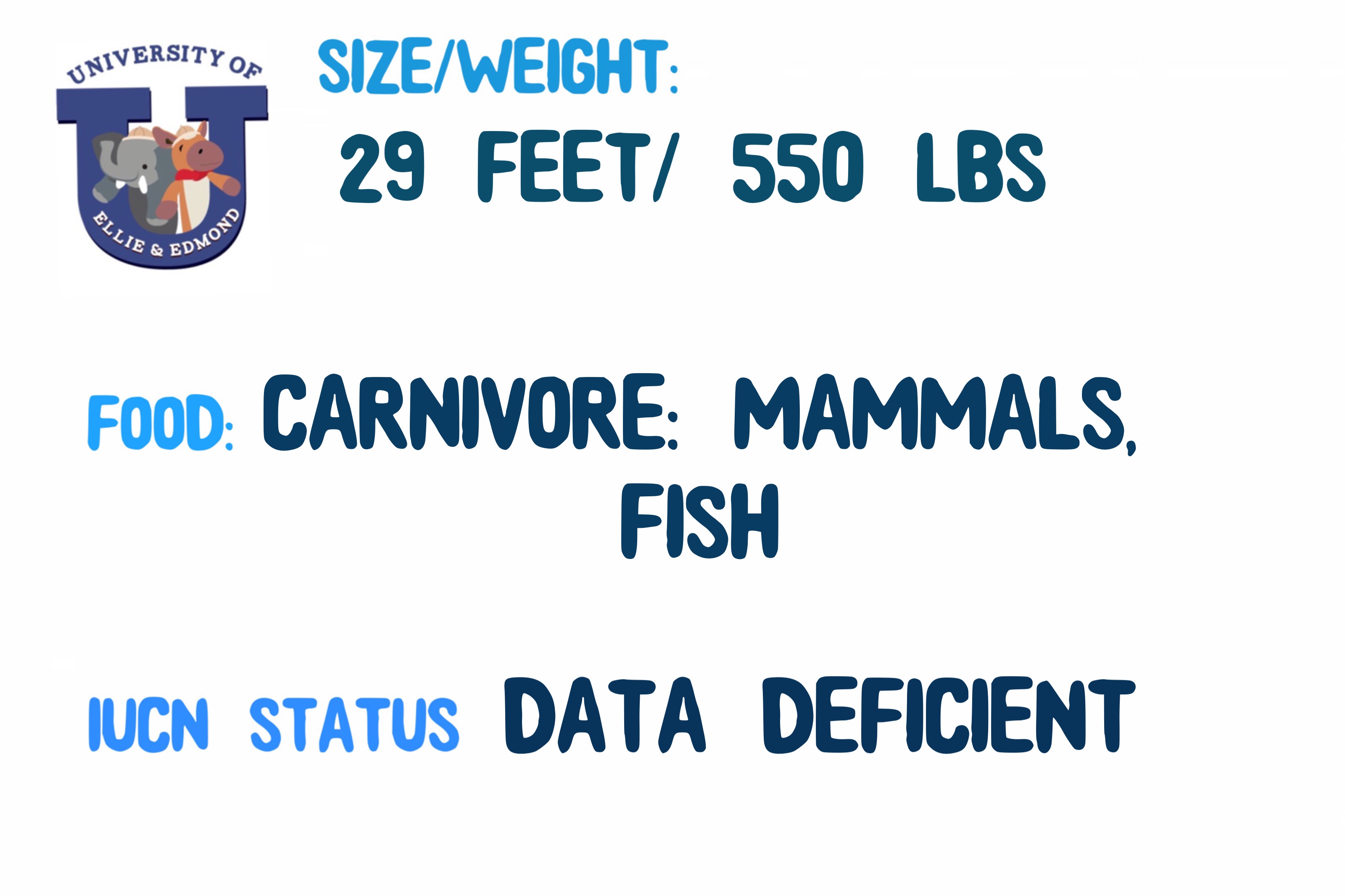
  • They are the largest fresh water fish on earth.

img_2136

  • They do have gills, but use a specialized organ to breathe air from the surface too.
  • They come to the surface every 5 to 15 minutes to breathe.
  • Male arapaima protect the babies in their mouths until they are big enough to protect themselves.
  • Arapaima have bony tongues.
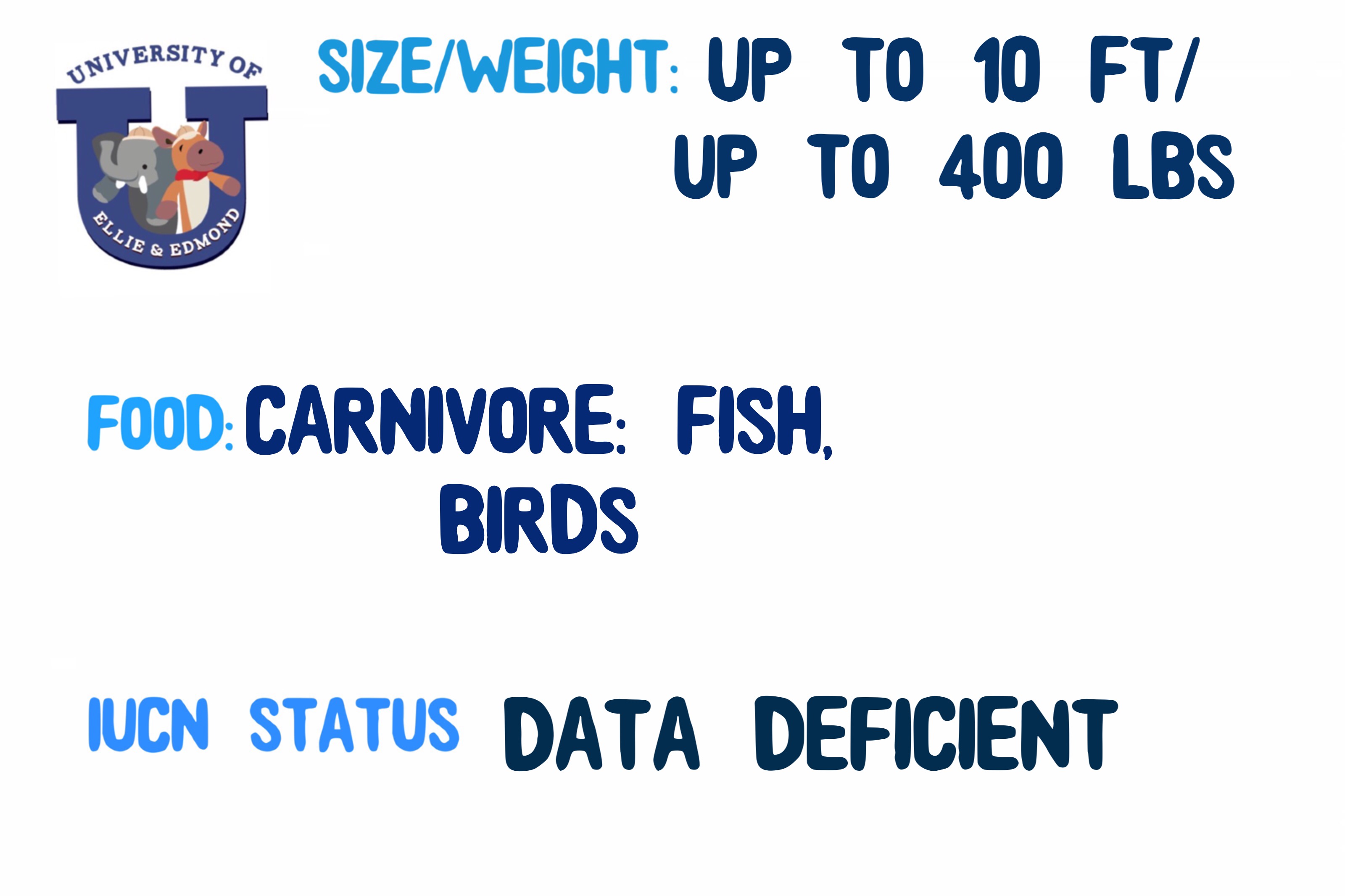
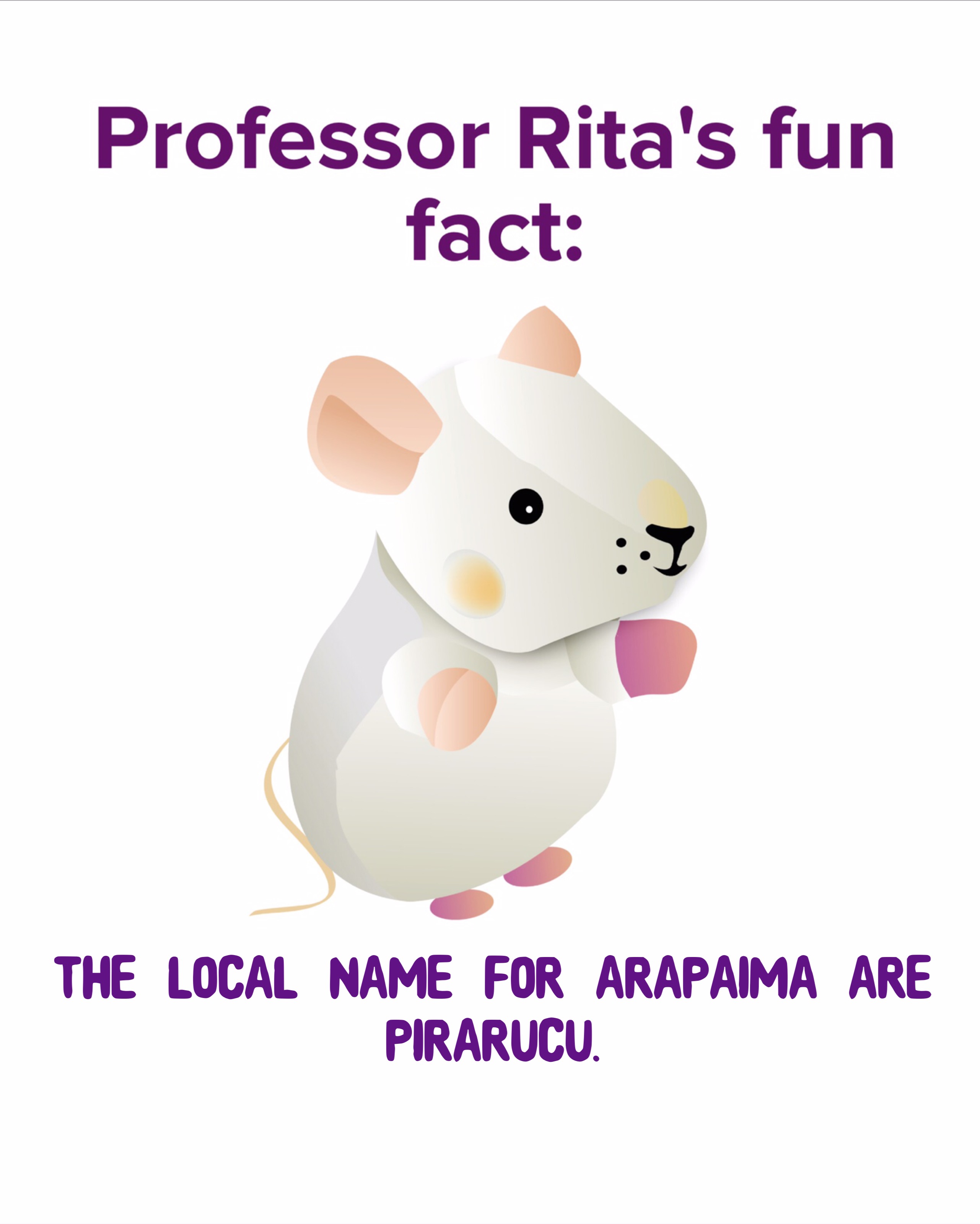
  • While they are listed as data deficient by the IUCN, they are listed as endangered by CITES and are protected from over fishing.
img_2135arapiama2


Arapaima are amazingly cool fish! Did you know there were fish that breathed air too? Isn’t that neat? It’s a great adaptation to have when you live in water that may not be very oxygen rich. We’re off to meet some new friends tomorrow!

Categories: adventure, Animals, Children, conservation, education, Environment, fish, nature, science, Today's Post, wildlife | Tags: , , , , , , , , , | Leave a comment

River Wolf!

River Wolf!

giant-otter3img_1875


ellie_edmund_professors-bear


Date: 9/14

Location: Amazon River

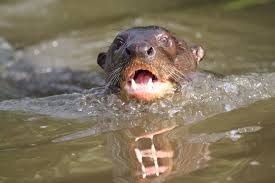
  • Giant river otters are highly social- live in family groups of one monogamous pair & offspring.
  • They are very vocal and make many different sounds including, clicks & whistle.
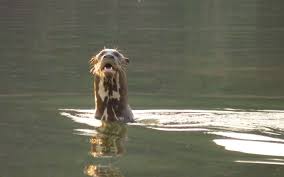
  • Giant river otters recognize each other by white marks on their chests. They pop up out of the water to look for food and other otters. It’s called periscoping!

giant-otter2

img_1876

  • Largest member of the otter family.
  • Giant river otters have webbed feet and a flat wing like tail for swimming.
  • They have dense fur to keep water from getting to it’s skin. That fur is velvet soft.
  • Giant river otters are considered to be apex predators in their habitats.
  • They eat 6-9 lbs of food a day!
  • The can detect changes in water currents & pressure with their whiskers.
  • Baby otters do not know how to swim when they are born. They are taught by their parents.


giant-otter


  img_1847


The Tupi people of Brazil call it the ariranha- meaning water jaguar and n Spanish the name means river wolf.


Wow! What a day we had on the river! In the past three days we spotted pacu, anaconda and today giant river otters! They were an extra special treat, as they are highly endangered and very rare to spot! Conservationists are working hard to protect this special species! We could sit on the boat all day and listen to them chirp and talk to each other!


Categories: adventure, Animals, Children, conservation, education, Environment, mammals, nature, science, Today's Post, wildlife | Tags: , , , , , , , , | Leave a comment

Don’t Let Them Get the Squeeze on You!

Don’t Let Them Get the Squeeze on You!

green-anaconda2img_1860


ellie_edmund_professors-chameleon(1)


Date: 9/13

Location: Amazon River

  • Green anacondas are members of the boa constrictor family.
  • They love swamps and marshes and spend most of their time in the water. They are very slow on land due to heavy bodies.

img_1880

  • They can swallow their prey whole, due to flexible ligaments in their jaws.
  • They can go weeks without eating.
  • Females incubate eggs inside and then give birth to live young.
  • Babies are almost 2 feet long when born and can take care of themselves.
  • Females can be 5x as big as the males.
  • They are nocturnal.
  • Their scientific name means “good swimmer” in Greek.

green-anaconda

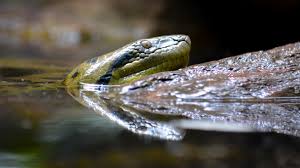
We barely spotted this anaconda- hehehe- we rhymed! They are nocturnal and we were out during the day on our boat trip! We just caught a glimpse of its nostrils! These giants are amazing creatures, but we’ll stay away if they ask for a hug!

Categories: adventure, Animals, Children, conservation, education, Environment, nature, reptiles, science, Today's Post, wildlife | Tags: , , , , , , , , , | Leave a comment

That’s No Piranha!

That’s No Piranha!

pacuimg_1859


ellie_edmund_professors-seahorse(1)


Date:9/12

Location: Amazon river


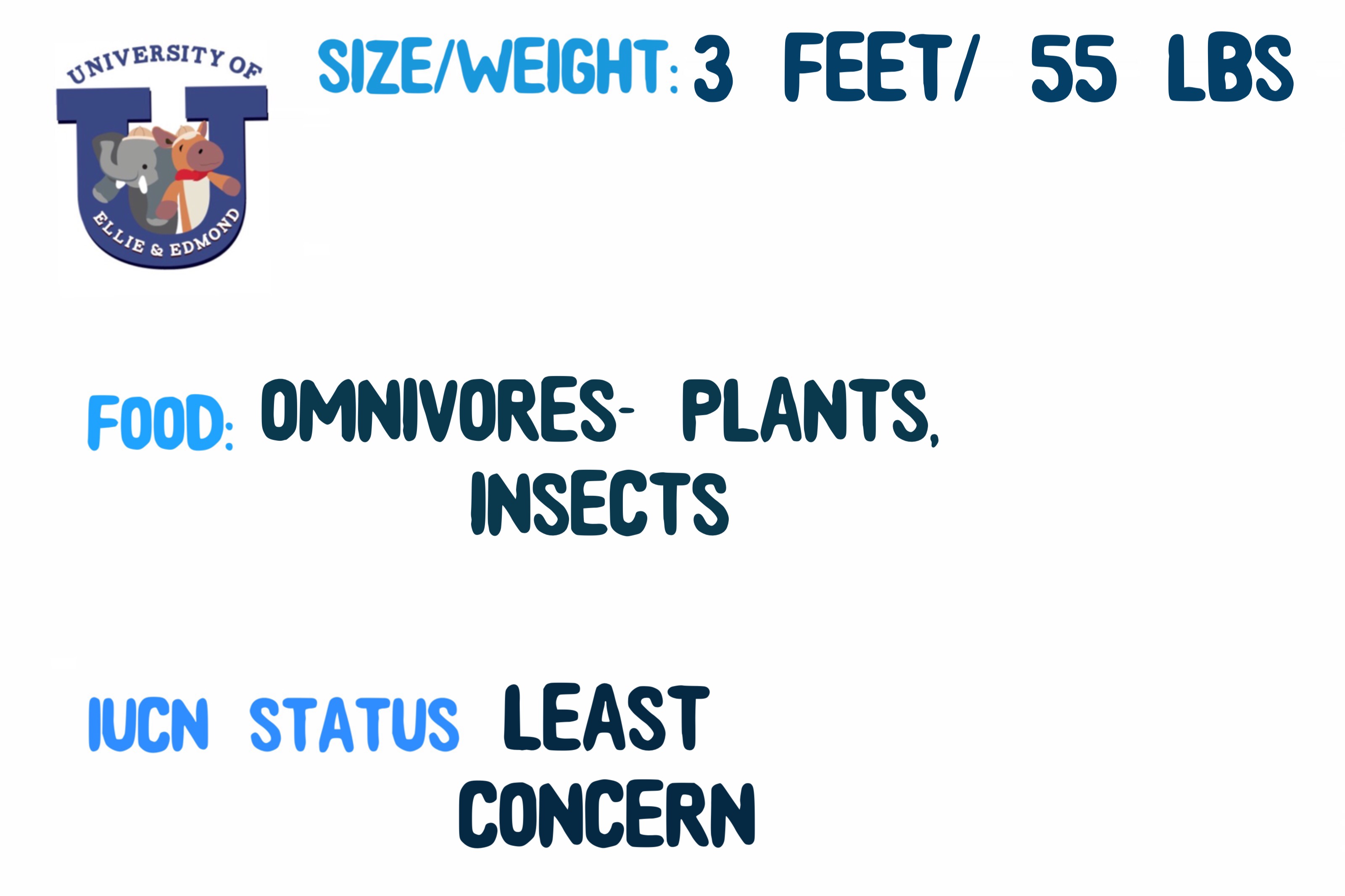
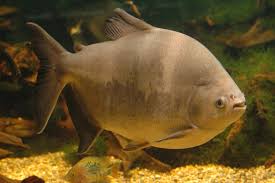
  • Pacu are fresh water fish.
  • They are related to piranha, but they are not carnivores like piranha.
  • They grow much larger than piranha.
  • Young pacu look very similar to piranha and will hide in schools of piranha for protection. Once they are bigger they will go off on their own.
  • They have flat molar like teeth. Pacu use those teeth to crush nuts.

pacu2

  • These teeth are famous for their human like appearance, which can be startling. 
  • Pacu are popular fish in the pet trade.
  • They are sold as small fish, but grow larger than expected and are then released into wild habitats where they don’t belong. They have been found in Southeast Asia, parts of North America and even in the UK.
  • It is illegal to dump non-native wildlife in most of those places and the Pacu can out compete local fish and wildlife.

pacu3

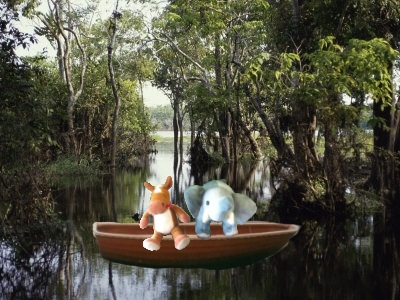
We enjoyed taking a boat down the Amazon river to see some of the amazing animals that call it home! We spotted several pacu and some other creatures who’ll meet later this week! This place is awesome!

e-e-river-boat

Categories: adventure, Animals, Children, conservation, education, Environment, fish, nature, science, Today's Post, wildlife | Tags: , , , , , , , , | Leave a comment

The King of Vultures!

The King of Vultures!

king-vultureimg_18522


ellie_edmund_professors-bfbooby


Date:9/7

Location: Amazon Rainforest

Observations:

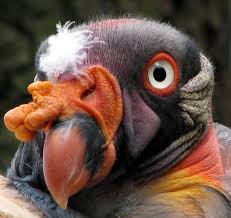
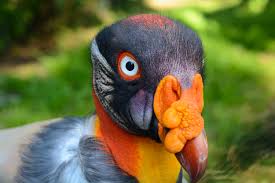
  • They are one of the most brightly colored vultures  on earth.
  • They have mostly white feathers with bright red bald heads. The bald head protects them from getting bacteria in their feathers.
  • King vultures fly high above the trees using the wind currents to glide, rarely flapping their wings.
  • They have keen eyesight and a great sense of smell. They use these to find food or spot other vultures at a carcass.
  • King vultures are the largest new world vulture.

king-vulture2

  • They let other vultures tear open carcasses first and then take over.
  • Females and males look identical.
  • Both parents incubate the egg and help raise the chick.
  • A king vulture doesn’t get it’s full plumage until it is 5 years old.

king-vulture3

img_1847

Name from old Mayan legend that the king vulture was a carrier of message between humans & the Gods

We went to same spot on the edge of the forest to see if we could spot any vultures. We saw a carcass of a large animal across the open grass field the day before and were hoping the vultures would come today. It didn’t take long before the turkey vultures showed up! And then finally a king vulture swooped in and everyone else moved out its way. They definitely are kings of the carcass! Hahahaha!

 
Categories: adventure, Animals, birds, Children, conservation, education, Environment, nature, science, Today's Post, wildlife | Tags: , , , , , , , , , | Leave a comment

Giant in the Rainforest!

Giant in the Rainforest!

img_18512giant-anteater2


ellie_edmund_professors-bear


Date: 9/6

Location: Amazon rainforest

Observations:

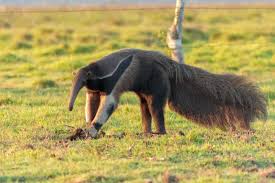
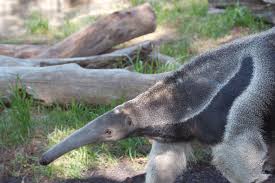
  • The giant anteater has no teeth. They have 2 foot long tongues that extract termites and ants.
  • One giant anteater can eat up to 35,000 insects a day.
  • They can flick their tongue up to 160 times per minute. Giant anteaters must be fast to avoid ant bites.
  • Giant anteaters have a keen sense of smell. They use it to find the ant mounds.

giant-anteater

  • Giant anteaters walk on their wrists. They have long sharp claws (about 4 inches) that they can not walk on.
  • Those claws are used for ripping into ant and termite mounds.
  • Giant anteaters are excellent swimmer. Their long snouts make great snorkels!
  • They can use their long sturdy tails to help them stand on two legs. They do this to look for predators or to fight off a predator!

img_1836anteater2


We had a wonderful time waiting on the edge of the forest to see a giant anteater wander up. They look so clumsy when they move, but we think they are awesome! Those claws not only help them break-in to breakfast, but they are critical in helping them protect themselves. Mother anteaters carry babies on their backs, so they use those small claws for holding on! These may be our favorite animal, but we have a whole month here in the rainforest. Time to head back to camp and figure out who we can find tomorrow!

Categories: adventure, Animals, Children, conservation, education, Environment, mammals, nature, science, Today's Post, wildlife | Tags: , , , , , , , , , | Leave a comment

Welcome Back!

Welcome Back!

FullSizeRender(81)

Hello everyone! Welcome back to another great year at the University of Ellie and Edmond! We are so excited to have all our old students return and we are super excited to meet some new ones! You may notice some changes in our site! Each professor has their own page, where you can learn some basics about mammals, reptiles and amphibians, insects, birds and fish! The post of the day, will be found under Today’s Post now too.

This year, we are going on field expeditions every month. Each month we’ll be visiting a different area. We met with Rita the Rat, our professor of geography and culture and picked our route and our stops!


IMG_1767IMG_1768FullSizeRender(80)


We picked different habitats, from deserts to rainforests to coral reefs. We’ll be starting in the Amazon rainforest then heading to the Galapagos islands in October! We hope you like our new journal type entries too. You’ll spot the professor that is works with that type of animal at the top, plus our vital information and then what we learned about our new friend! It’s all very exciting! We’re packing our bags and we’ll be in the rainforest tomorrow! Let’s get ready to do some field work and make new animal friends!

Categories: adventure, Animals, Children, conservation, education, Environment, nature, science, Today's Post, wildlife | Tags: , , , , , , , , | Leave a comment

News and Happenings!

News and Happenings!

e e map

Hello everyone! We’re here to give you an update on all things Ellie and Edmond! We’re taking a two week break from regular posts as we prepare some more content and get ready to head back to the University of E & E after Labor Day. You’ll see some new things on the site when we return and we’ll be changing the look of the daily posts! Each month the staff at the University will join us as we visit a habitat somewhere in the world! For that entire month- we’ll meet the animals of that area and learn all about them! We are so excited for the new school year and we hope you are too!

We do ask that our readers make sure they are following us on Instagram, Facebook and Twitter!

And we please ask that you share our site with friends! We’ll even send you cards to give out or buttons & stickers if you like! Just let us know!

Categories: adventure, Animals, Children, conservation, education, Environment, nature, science, wildlife | Tags: , , , , , , , , | Leave a comment

An Alligator of a Different Name

An Alligator of a Different Name

e & e river boat

We’re meeting our last Brazilian animal today! This reptile has some nice chompers and can get to be one big dude! Are you ready to meet this caiman?

caiman2

Black Caiman Fun Facts:

  • Black caiman are found in the Amazon Basin and other part of South America in rivers, lakes and marshes.
  • They can grow up to 16 feet long and weigh up to 600 lbs. They are the largest member of the alligator family in South America.
  • Black caiman are carnivores. They eat fish, mammals and other large prey.
  • Black caiman are listed as least concern by the IUCN.
  • Caiman are a subfamily of the alligator family. Black caiman are bigger than their cousins the American Alligator.
  • The black caiman is the largest predator in its habitat.

caiman

  • They are also ambush predators.
  • They have dark, almost black scales.
  • Black caiman are nocturnal.
  • Caiman have a bony ridge down their eyes to their snout.
  • Like other members of the alligator and caiman family, females protect their nests and their hatchlings.

caiman3 These relatives of the American alligator definitely look like their cousins. As apex predators we definitely will just visit from a distance!

Categories: adventure, Animals, Children, conservation, education, Environment, nature, reptiles, science, wildlife | Tags: , , , , , , , , , | Leave a comment

Who’s That Bird?

Who’s That Bird?

We have a fabulous Brazilian bird for you today! If you remember from the other day- Brazil is one of the richest bird habitats in the world. Nearly 2,000 species call Brazil home! Wow! Who knew? It’s a bird’s paradise! Today we’re meeting just one of those spectacular birds! Let’s get to it!
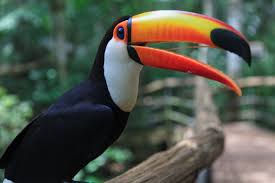
  

Toco Tucan Fun Facts:

  • Toco toucans live in Central and South America in woodlands, forests and groves.
  • They are omnivores. They eat insects, fruits and frogs.
  • Toco toucans can grow up to 23 inches and weigh up to 1 1/4 lbs.
  • They are listed as Least Concern by the IUCN.
  • Toco toucans are the largest of all toucan species.

toco3

  • They have large orange bills with a black spot. The bills can get up to 7 ½” long (about the length of a pencil).
  • Toco Toucan bills are serrated (like a knife) and this helps them grasp and tear fruit.
  • Their large bills also enable the toucan to get fruit from out of reach branches.
  • Toco toucans nest in trees.
  • You can see Toco toucans in small flocks of up to 6 birds.
  • Both female and male toucans incubate the eggs.

toco

Toco Toucans are really pretty birds with their shiny black feathers and large orange beaks! And man does that beak come in handy when you’re trying to get the fruit on the end of the branch! They also have a really cool call. Take a listen here!


Categories: adventure, Animals, birds, Children, conservation, education, Environment, nature, science, wildlife | Tags: , , , , , , , , | Leave a comment

Blog at WordPress.com.