birds

GUESS THE ANIMAL WEEK!

GUESS THE ANIMAL WEEK!!!

We thought we’d devote a whole week to testing your animal guessing skills! So get ready to look at the picture closely, read the clues carefully and tell us who you think the animal is in the comments below!

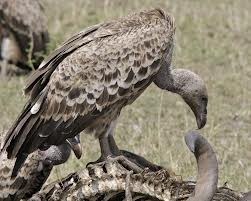
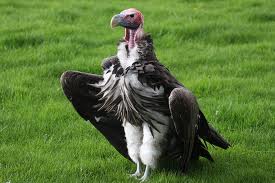
  • vulture I have a bald head.
  • I am a bird.
  • I am thought of as the garbage man of the animal world.

WHO AM I?


Categories: adventure, Animals, birds, Children, conservation, education, Environment, nature, science, wildlife | Tags: , , , , , , , , , | 5 Comments

FEATHERY FRIDAY #83

FEATHERY FRIDAY #83

It’s Feathery Friday yet again and we have wild and crazy bird for you today! Ok, they may not be very crazy but they are wild and wonderful! Who is this loony bird? Come find out!

E & E lake

MEET THE COMMON LOON!

   Range/Habitat: North America-Greenland-Western Europe/sea coasts and

large lakes

   Diet: Carnivore: fish

   Length/Weight: 28-35”/6 ½-10lbs”

   Conservation Status: Common


Fun Facts:

  • Common loons are also known as the Great Northern Loon.
  • Common Loons are made for life in the water. They have webbed feet and water proof feathers.
  • They are excellent swimmers and divers. They can dive to great depths.
  • They take extra care to keep their dense feathers clean, this is called preening. They have to do this because the feathers keep them warm in the cold waters where they live.
  • Common loons are often found in pairs.
  • They are very clumsy on land.
  • Common loons use their bills to spear fish.
  • Both the female and male take care of the chicks. Chicks can swim at a very young age. Sometimes you’ll even see the chicks riding on the back of the mothers back.
  • Common loons are very vocal birds and make several different types of calls.
  • Common loons are the provincial bird of Ontario, Canada and are the state bird of Maine.

These noisy birds are very pretty with their black heads and spots.  We love the special adaptations they have for living in cold waters. People, elephants and horses don’t do well in cold water! What do you do stay warm when it gets cold? We like to put on scarves!

Watch this video of two loons calling to each other!

common loon   common loon2


Categories: adventure, Animals, birds, Children, conservation, education, Environment, nature, science, wildlife | Tags: , , , , , , , , , | 2 Comments

SUPER SURPRISE THURSDAY # 83

SUPER SURPRISE THURSDAY #83

It’s that day of the week where you look at the picture, read the clues and tell us who the surprise animal is!

puffin

  • I am a bird.
  • I live in the North Atlantic.
  • I look like a penguin, but I am not.

WHO AM I?

Categories: adventure, Animals, birds, Children, conservation, education, Environment, nature, science, wildlife | Tags: , , , , , , , , , | 2 Comments

GREATEST HITS- FEATHERY FRIDAY!!

GREATEST HITS- FEATHERY FRIDAY

It’s that special day of the week dedicated to our feathery friends! So are you ready to head to Central America to meet a duck who doesn’t quack? Let’s head out on today’s adventure!

e & e wetlands

MEET THE MUSCOVY DUCK!

muscovy duck   Range/Habitat: Central-South America/ wetlands, lakes, rivers

   Diet: Omnivore: roots, leaves, fish, insects

   Length/Weight: 26-33”/ 7-15 lbs

   Conservation Status: common


Fun Facts:

  • Muscovy Ducks have wild and domesticated populations.
  • They are not very vocal and only make a few noises, including hisses!
  • Muscovy ducks have black and white feathers.
  • They have wide flat tails.
  • Muscovy ducks perch in trees.
  • Muscovy ducks have claws on their feet.

Muscovy ducks are super cute! Who knew there were ducks out there that didn’t quack! Neat! Hiss! Hiss!

muscovy duck2   muscovy duck3

Categories: adventure, Animals, birds, Children, conservation, education, Environment, nature, science, wildlife | Tags: , , , , , , , , , | Leave a comment

GREATEST HITS- SUPER SURPRISE THURSDAY!!

GREATEST HITS- SUPER SURPRISE THURSDAY

We’re going to the rainforests of South America today to meet one gorgeous and colorful bird! We’ll have to climb to the top to find them! Are you ready?

e & e rainforest2

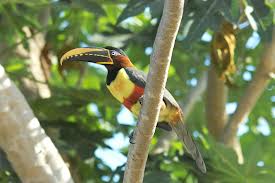
MEET THE CHESTNUT-EARED ARACARI!

chestnut eared aracari   Range/Habitat: Central- Northern South America/ rainforests

   Diet: Frugivore: fruit, insects

   Length/Weight: 13-16”/ 11 oz

   Conservation Status: common


Fun Facts:

  • Chestnut-eared aracari have black feathers with yellow bellies.
  • They live in the canopies of the rainforest.
  • Chestnut-eared aracari have large bills with yellow teeth like looking markings.
  • They are members of the toucan family.
  • Chestnut-eared aracari live in small groups.

We just love these gorgeous birds! Those beaks are just perfect for picking fruit from the trees! What do you think?

chestnut eared aracari3


Categories: adventure, Animals, birds, Children, conservation, education, Environment, nature, science, wildlife | Tags: , , , , , , , , , | 1 Comment

GREATEST HITS- FEATHERY FRIDAY!!

GREATEST HITS- FEATHERY FRIDAY!!

We’re off to Africa today to find a colorful and most famous bird! We all know these pinkies! Have you guessed it by now? That’s right; it’s time to meet a flamingo! Grab your wellies again, we’re going wading!

e e grasslands

MEET THE LESSER FLAMINGO!

   Range/Habitat: West-Central-Southern Africa/ wetlands, lakes

   Diet: Herbivore: blue-green algae

   Length/Weight: up to 3 ¼ ft/ up to 4 ½ lbs

   Conservation Status: Near threatened


Fun Facts:

  • Lesser flamingos are the smallest of all flamingos.
  • They are light to dark pink in coloration.
  • Lesser flamingos have long dark beaks.
  • They feed at dusk and dark.
  • Lesser flamingos live in large colonies. There have been flocks of up to 1 million birds.
  • You can see hundreds are of flamingos move together in elaborate courtship rituals.
  • Lesser flamingos build mud mounds to lay their one egg on.
  • They can live up to 50 years.

We just love flamingos! They’re long legs and bright pink feathers make them one of the most iconic birds on the planet! And yes they do sleep on one leg; it helps them conserve body heat! Hhhmm… we might practice being flamingos, but that is hard with four legs!


Categories: adventure, Animals, birds, Children, conservation, education, Environment, nature, science, wildlife | Tags: , , , , , , , , , | Leave a comment

AMAZING ANIMAL FACTS- BIRDS!

AMAZING ANIMAL FACTS- BIRDS!

We’re sharing some amazing bird facts today! Get ready to learn and share these facts with your friends!

e & e eco explorers

1. AN ARCTIC TERN’S MIGRATION IS UP TO 44,000 MILES PER YEAR!

Those birds must be tired!

arctic tern

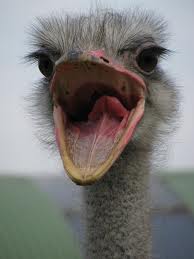
2. MALE OSTRICHES ROAR LIKE LIONS!

We wonder if they do any other impressions!

ostrich

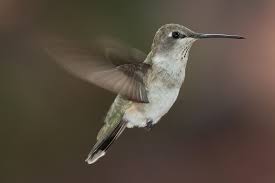
3. A HUMMINGBIRD WEIGHS LESS THAN A PENNY.

That is one teeny bird.

hummingbird

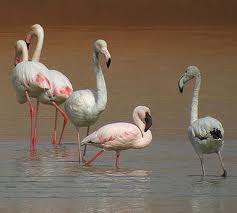
4. FLAMINGOS CAN ONLY EAT WITH THEIR HEADS UPSIDE DOWN.

Hhmmmmm… this one makes us dizzy.

lesser flamingos

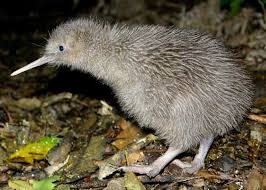
5. KIWIS HUNT BY SMELL.

It’s because they have really bad eyesight. Maybe kiwis can get glasses.

kiwi

Categories: adventure, Animals, birds, Children, conservation, education, Environment, nature, science, wildlife | Tags: , , , , , , , , , | Leave a comment

FEATHERY FRIDAY # 82

FEATHERY FRIDAY #82

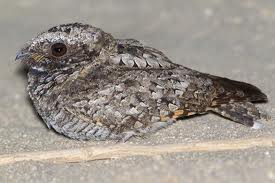
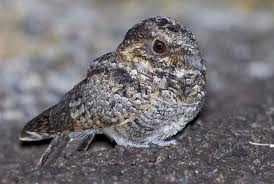
We’re heading to the wild west of the United States today! Grab your cowboy hats and boots and let’s off on an adventure to find a little bird with amazing camouflage! Have you been working on your observation skills partners?

e e desert

MEET THE COMMON POORWILL!

common poorwill   Range/Habitat: South Canada-Central United States/ scrub-desert

   Diet: carnivore: insects

   Length/Weight: 7-8”/ 1- 2 1/8 oz

   Conservation Status: common


Fun Facts:

  •          Common Poorwills are the smallest member of the nightjar family in North America.
  •          They get their name from the male’s call.
  •          Common Poorwills are nocturnal.
  •          Common poorwills have excellent camouflage.
  •          They go into torpor (a similar state to hibernation) in winter.

These little birds are gorgeous and hard to spot! Those feathers look just like the rock and scrub habitat they live in!

common poorwill2   common poorwill3

Categories: adventure, Animals, birds, Children, conservation, education, Environment, nature, science, wildlife | Tags: , , , , , , , , , | Leave a comment

INTERNATIONAL VULTURE DAY!!

HAPPY INTERNATIONAL VULTURE DAY!!

We’re celebrating vultures today! We bet you aren’t ready for your International Vulture Day party are you? Well, we have you covered! We’ve got pictures, fun facts and even some recipes for vulture snacks! Let’s get this party started!

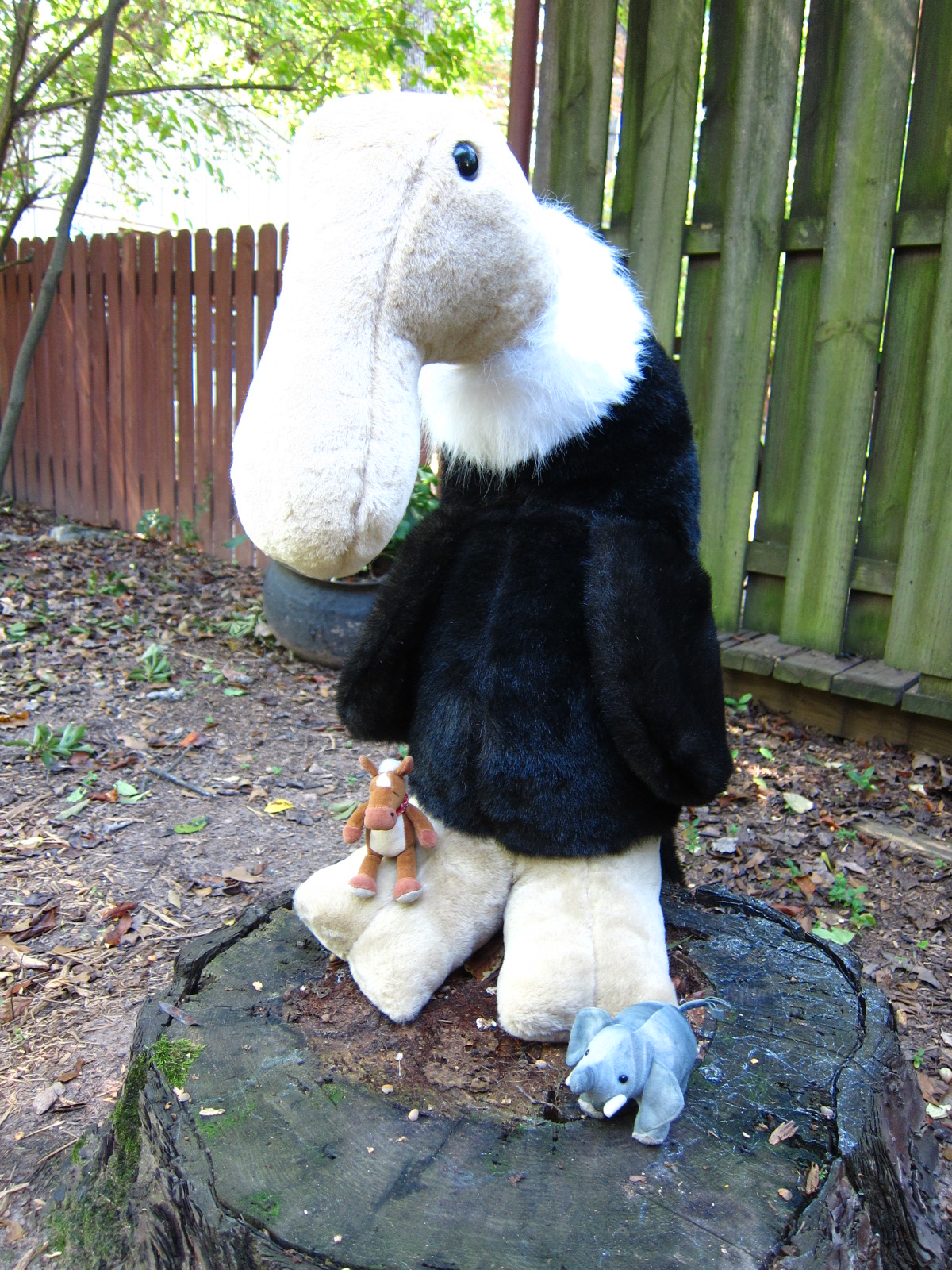
Our pal Vinny!

Our pal Vinny!


FUN FACTS:

  • There are 23 species of vultures in the world. Fourteen of them are listed as endangered.
  • Vultures are classified as Old world (Europe, Asia, Africa) and New world (Americas).
  • Recent DNA shows that Old world and New world vultures are not related and probably have different ancestors.
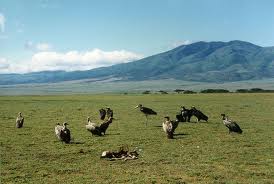
  • Vultures eat carrion (dead animals). We like to call them the garbage birds of the world as they can eat things no other animal can.
  • Vultures are social animals.
  • A flock of vultures is called a kettle. We wonder if they drink a lot of tea?
  • Vultures have an excellent sense of smell and sight!
  • Vultures have featherless heads. This keeps them free of bacteria and parasites!
  • Vultures also urinate on their legs to keep them cool and free of bacteria. Eeeeewwww!
  • The Andean Condor is the largest species of vulture. They have a 9-10 foot wingspan!
  • The Hooded condor is the smallest species of vulture. They are about the size of a crow.
  • When threatened vultures throw up! Double eeeeeeeewww!!!

vulture  vulture2


vulture3

vulture4   vulture5


vulture6

So are you ready to serve up some vulture vomit? The keepers at Cheyenne Mountain Zoo have come up with some great recipes to serve all your pals! Check out their blog and get ready to party!


Categories: adventure, Animals, birds, Children, conservation, education, Environment, nature, science, wildlife | Tags: , , , , , , , , , | Leave a comment

Beach Time!!

BEACH TIME!!

beach

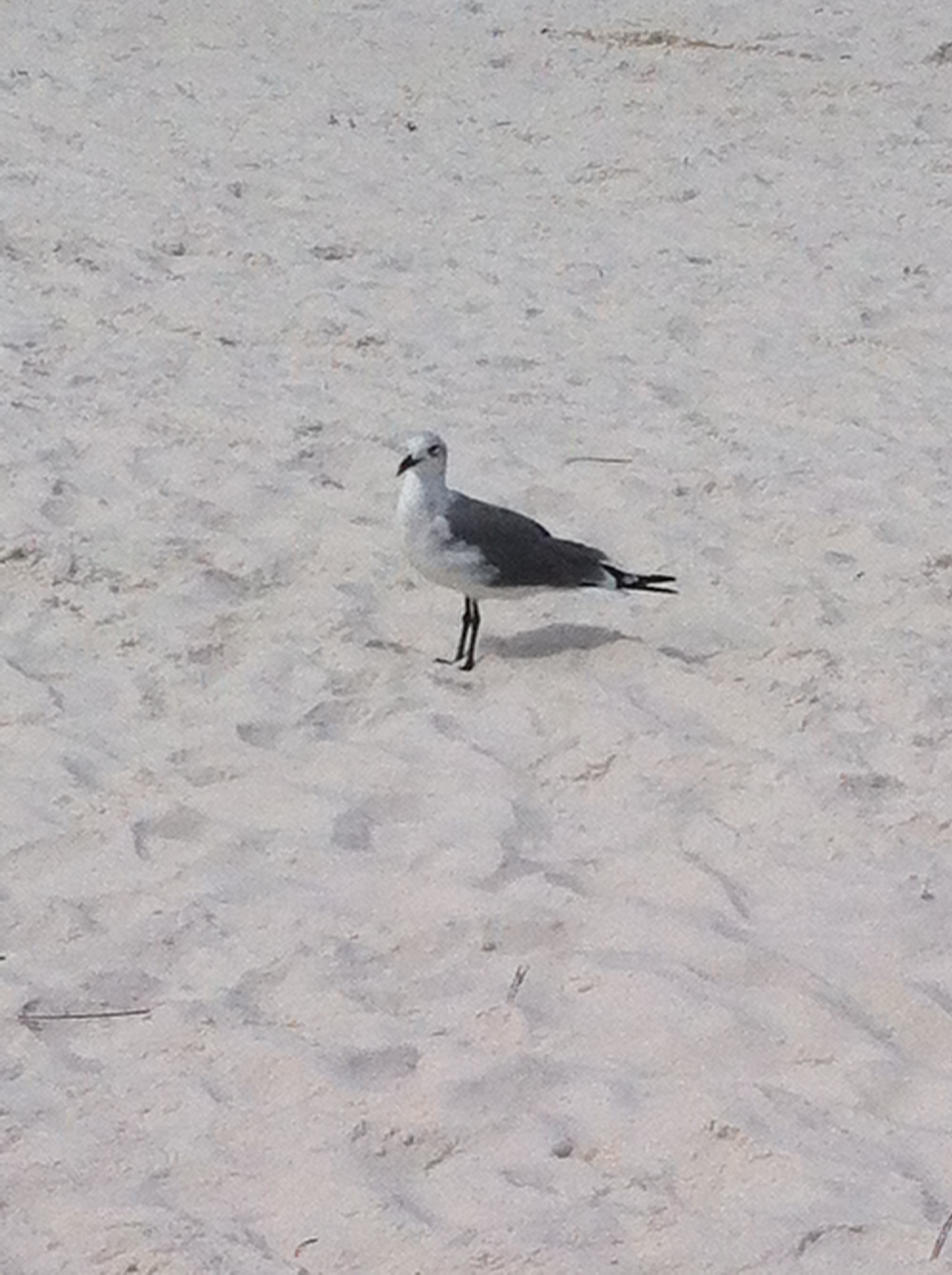
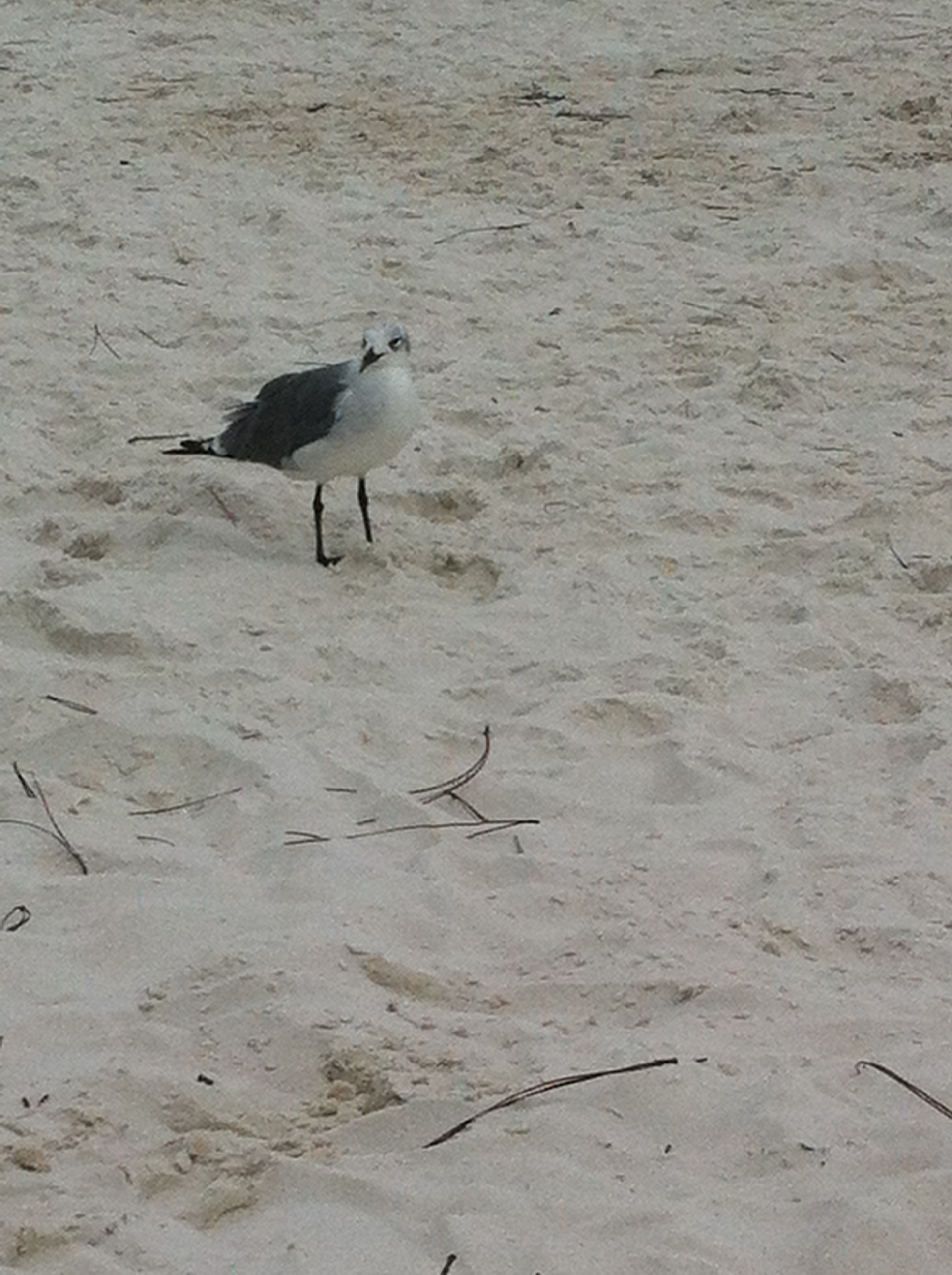
We are back! We spent our holiday on the Gulf coast of Florida to relax on the beach! We found some shells, watched the waves and met some seagulls! Meeting those funny little birds got us to thinking! We don’t know much about seagulls, except for their bad reputation! So we did some research and we’re sharing some fun seagull facts with you!

Hello birdie!

Hello birdie!

FUN FACTS:

  • Seagulls should be called gulls, as some live inland and most rarely venture out to sea.
  • They mate for life and both parents look after the chicks.
  • Gulls can drink salt water. They express the salt through their nostrils!
  • Gulls can move their eyes in the their sockets. This ability gives them excellent vision!
  • Gulls are highly intelligent and have many creative ways of hunting and extracting prey.
  • Adult gulls teach their chicks their own unique ways of hunting.
  • They are highly vocal and have many different calls.
  • The smallest species of gull is the Little gull.
  • The largest species is the Great Black beaked gull.
  • Young gulls live in nursery setting. They are watched after by several male adults.

beach4beach5


We bet you didn’t know that gulls were so cool! They get a bad rap as being annoying and pushy! This reputation is not only undeserved, but is brought on when people feed them. Remember, never feed wildlife, they have everything they need right there and it is not your sandwich! Make sure when you take a trip to the coast, take everything you brought with you. Sea birds can get in big trouble when you leave trash! A clean beach is a happy beach!

Edmond photo bombing a gull!

Edmond photo bombing a gull!


Categories: adventure, Animals, birds, Children, conservation, education, Environment, nature, science, Uncategorized, wildlife | Tags: , , , , , , , , , , | 4 Comments

Blog at WordPress.com.