conservation

WE MEET SOME EXTREME MAMMALS!!

We Meet Some Extreme Mammals!

IMG_0105

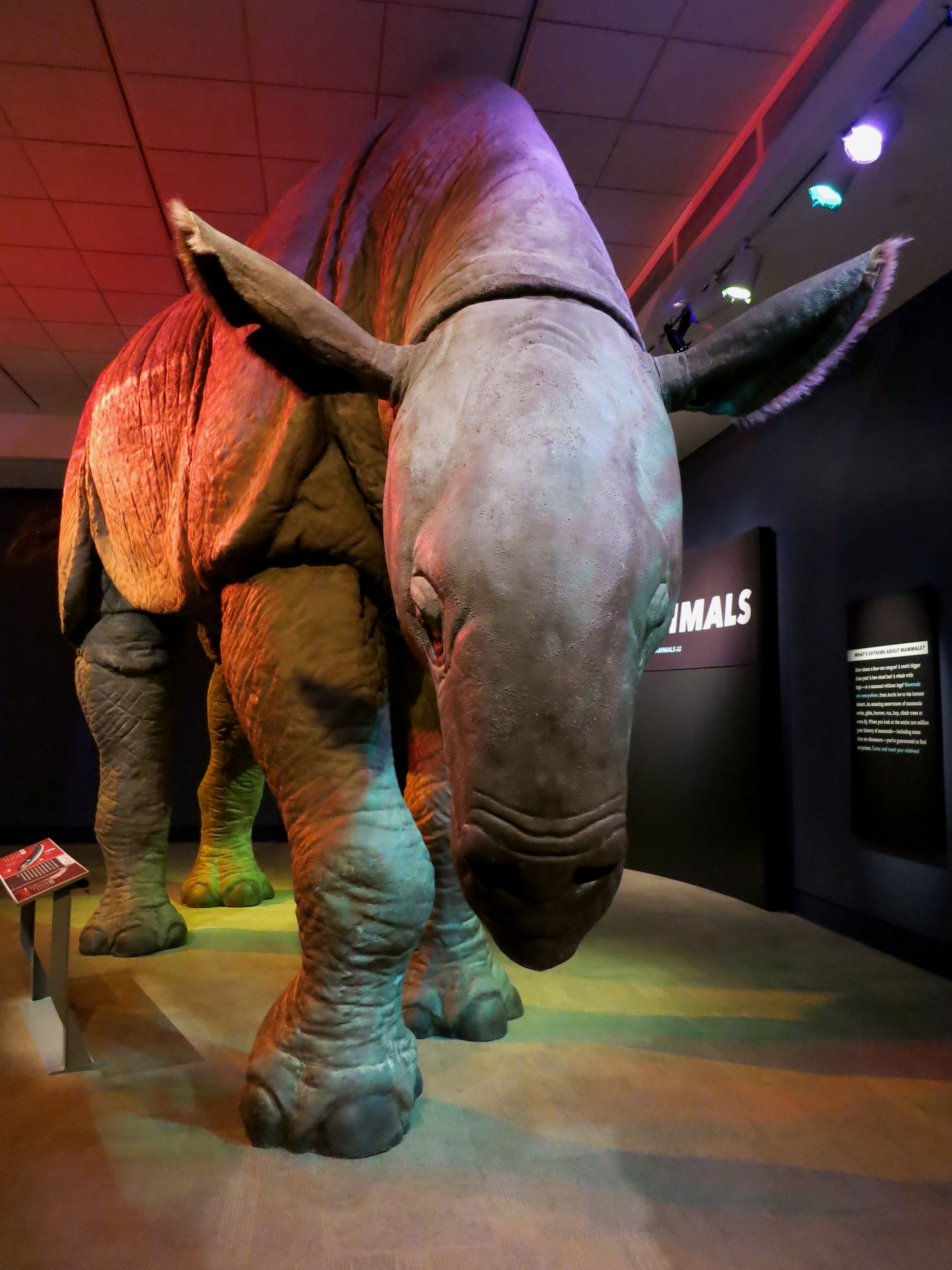
We caught a preview of the new exhibit at Fernbank Museum of Natural History – EXTREME MAMMALS! This awesome exhibit goes through the evolution of how mammals came to be! We are one diverse group, we come in all sizes, shapes, coverings and live in all kinds of habitats! We make up one special class, so we’re giving out class superlatives to take you through this amazing exhibit!

Let’s Meet the Ellie and Edmond Extreme Mammal Class Superlatives!
"The

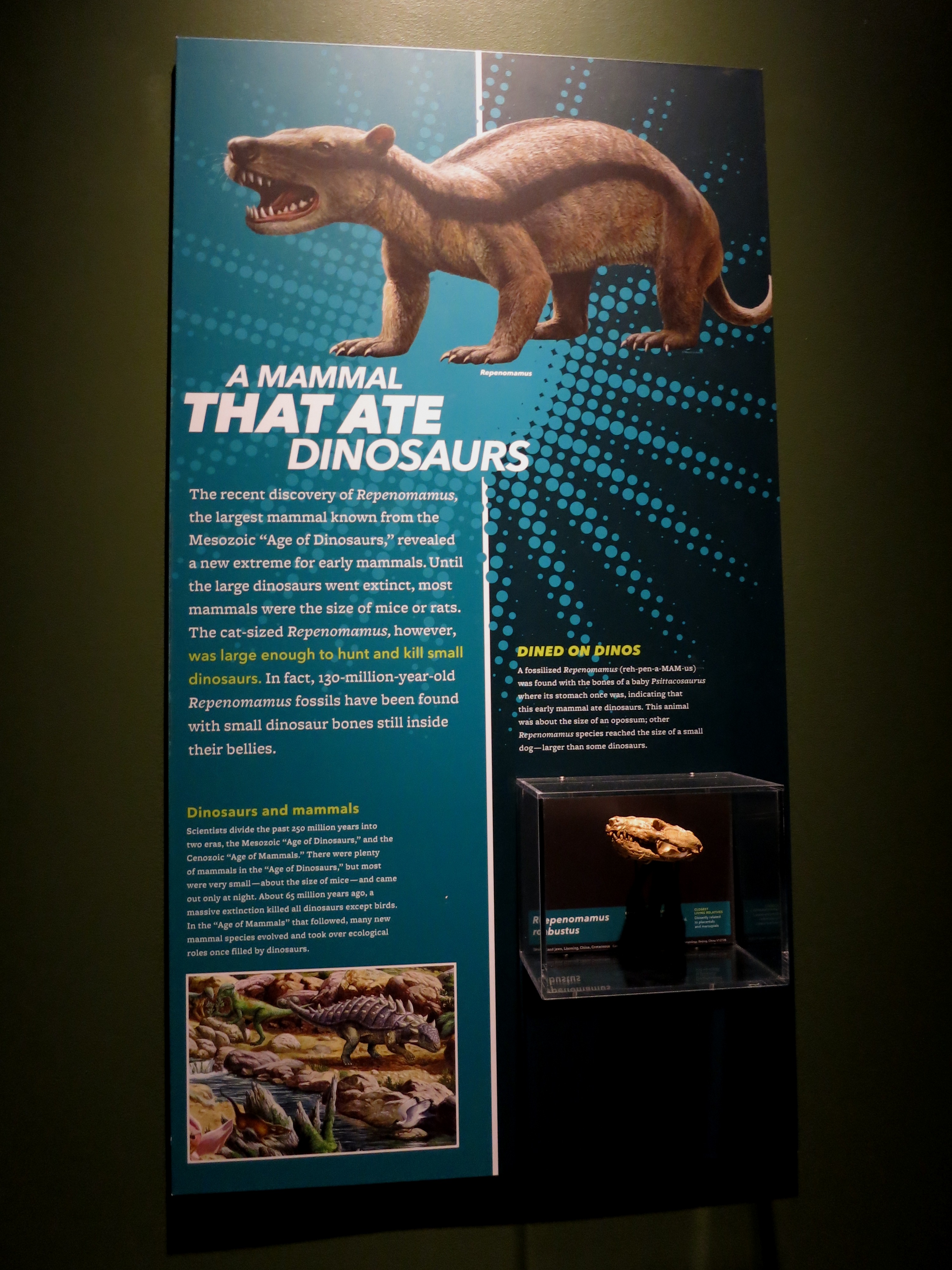
Most Likely to a Dinosaur!!

The Repenomamus!
Most Likely to eat a Dinosaur!!
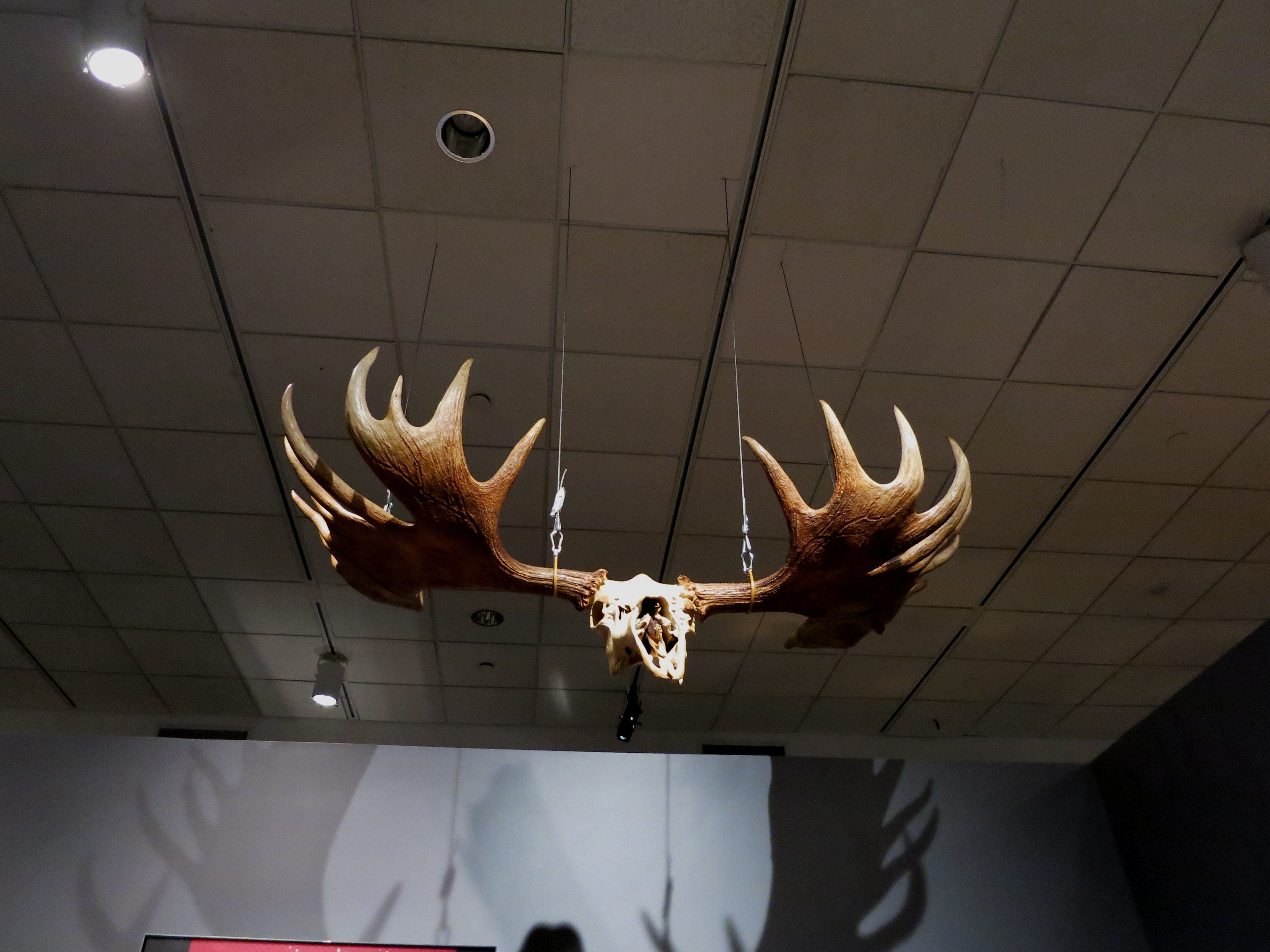
Best Antlers Goes to our pals the modern day moose!
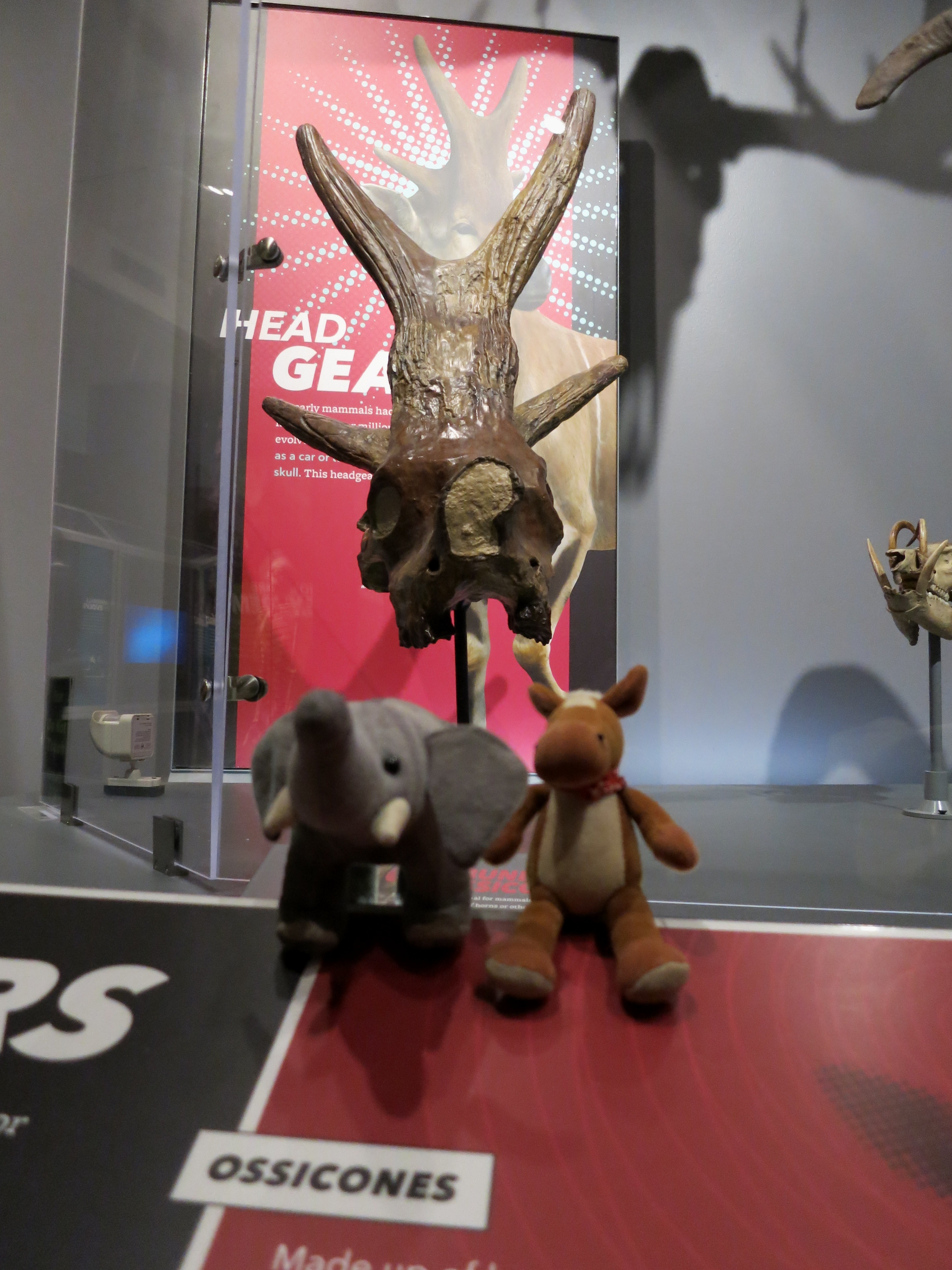
Best Antlers Goes to our pals the modern day moose!

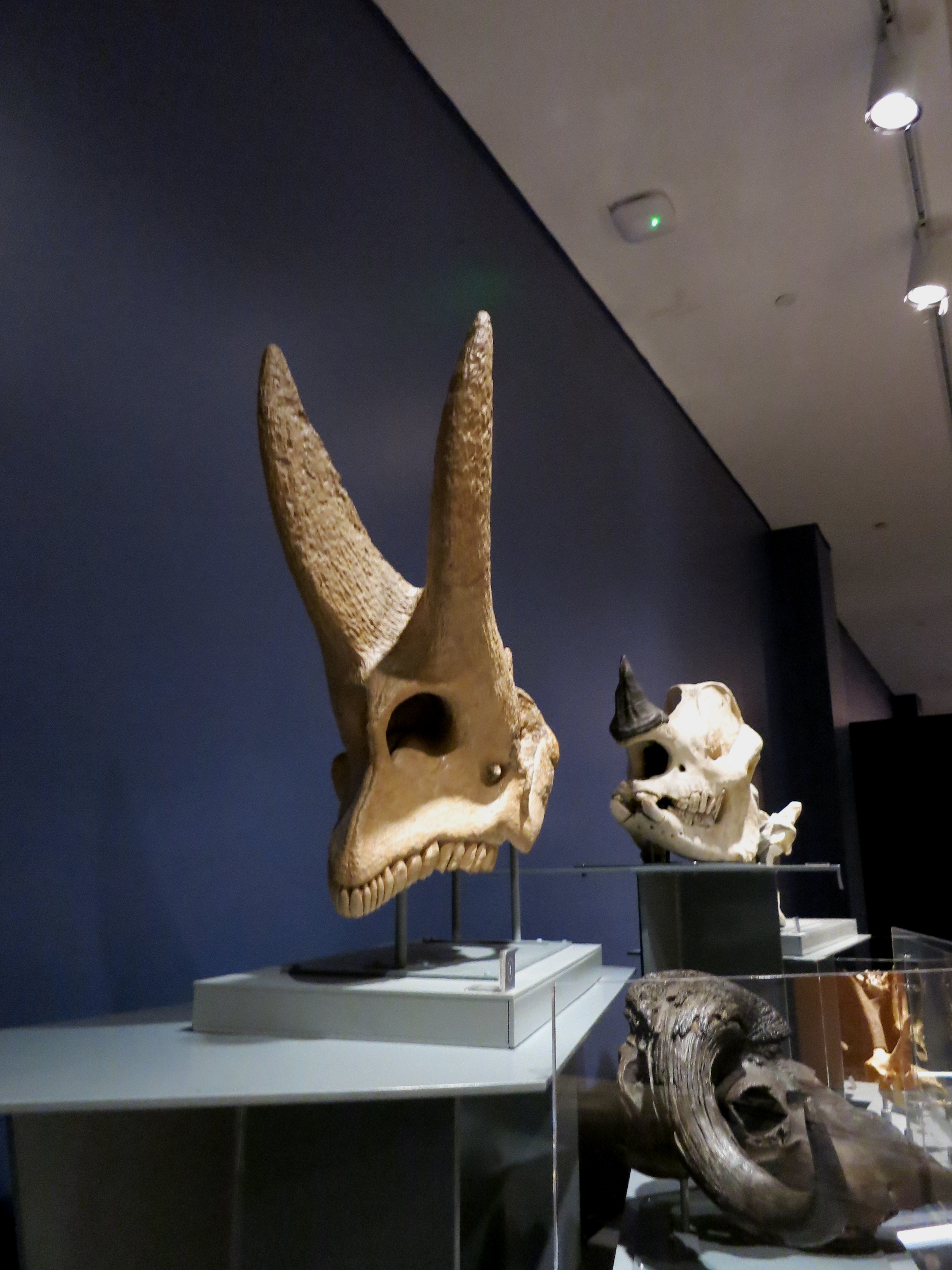
Best Ossicones goes to this guy- he had 5!
Best Ossicones goes to this guy- he had 5!

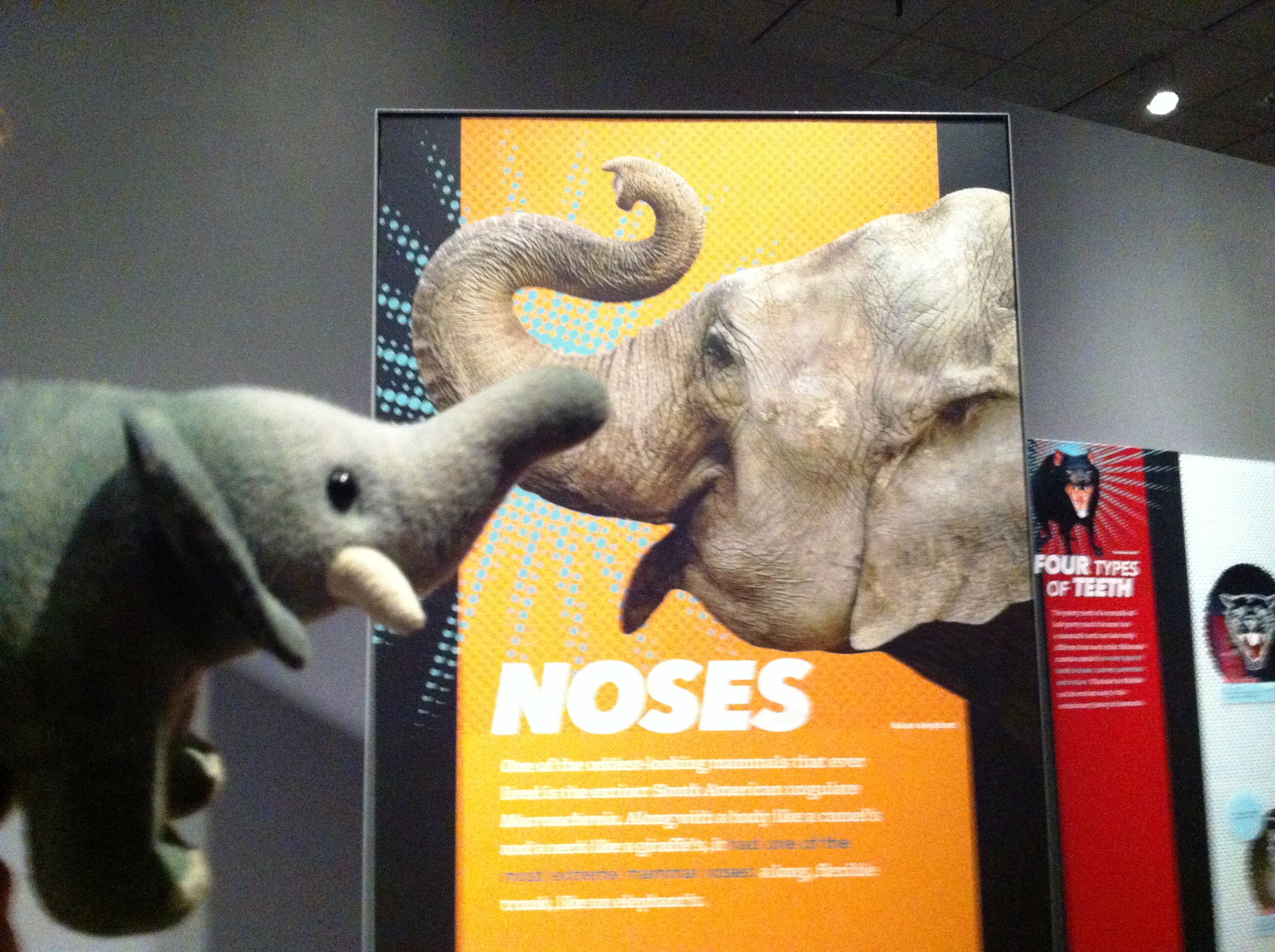
Best Nose goes to Elephants!
Best Nose goes to Elephants!

Sharpest!
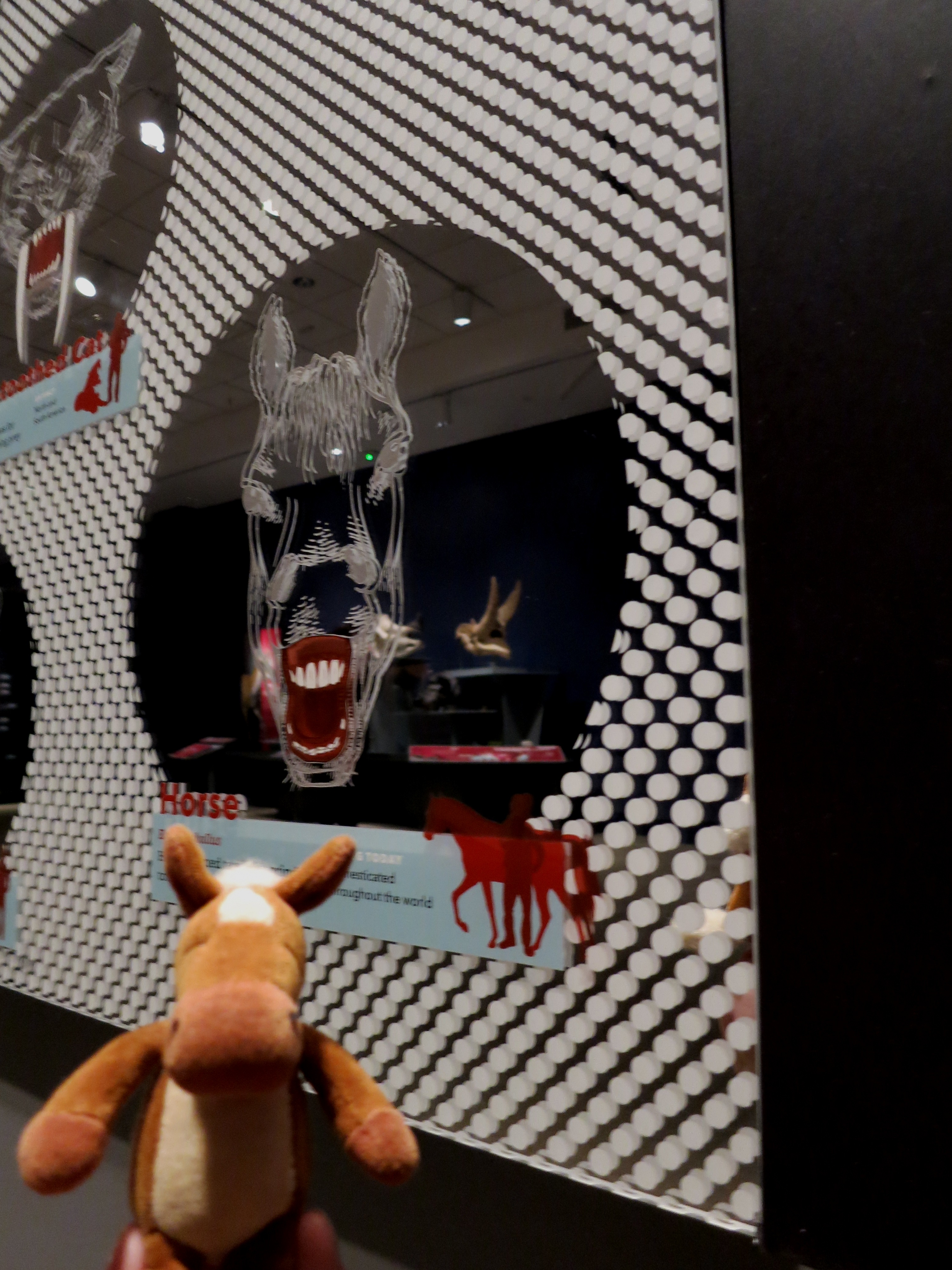
Sharpest!

Best smile!

Best smile!

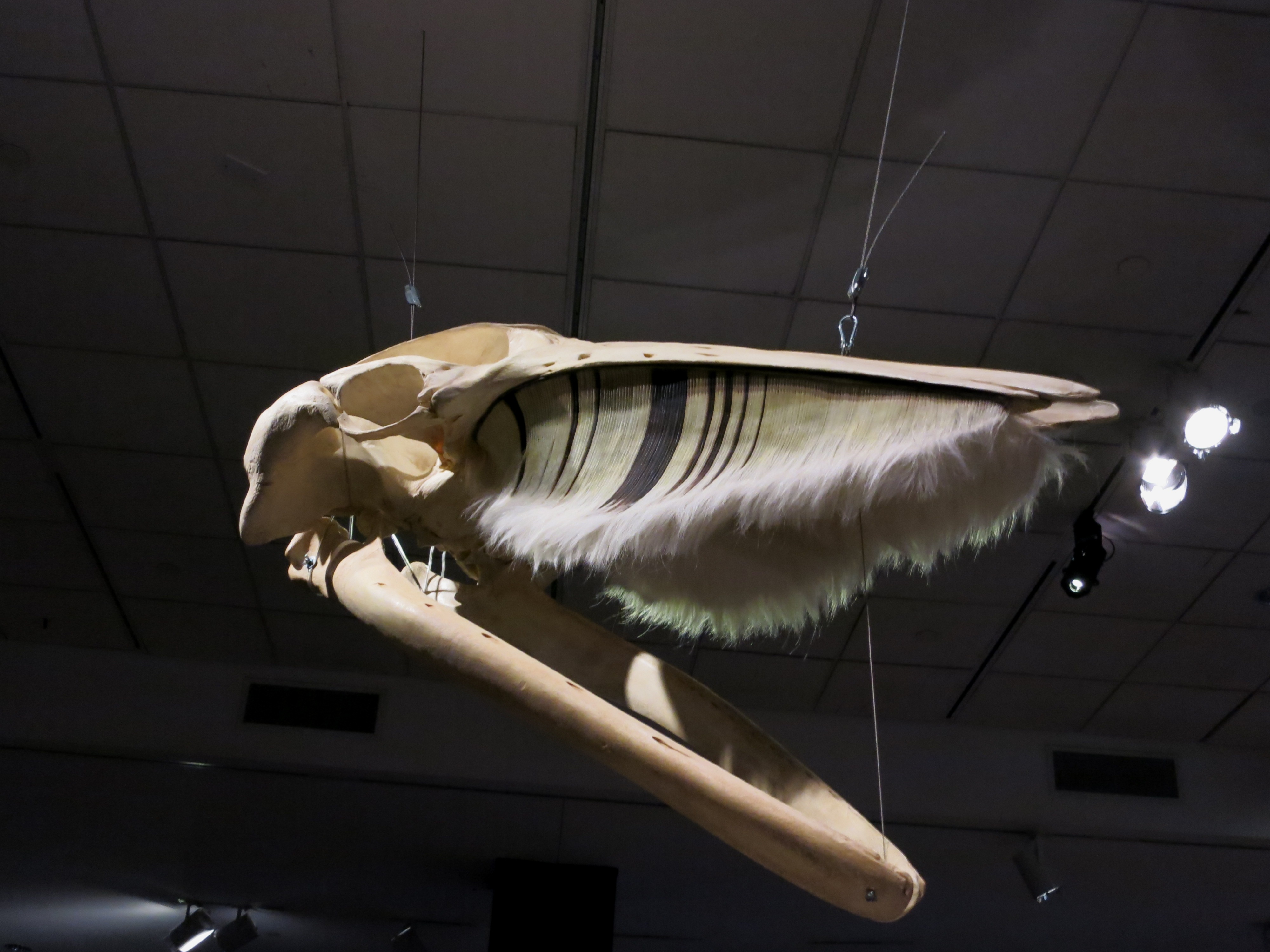
Most Broom Like Teeth goes to our Baleen Whale Friends!
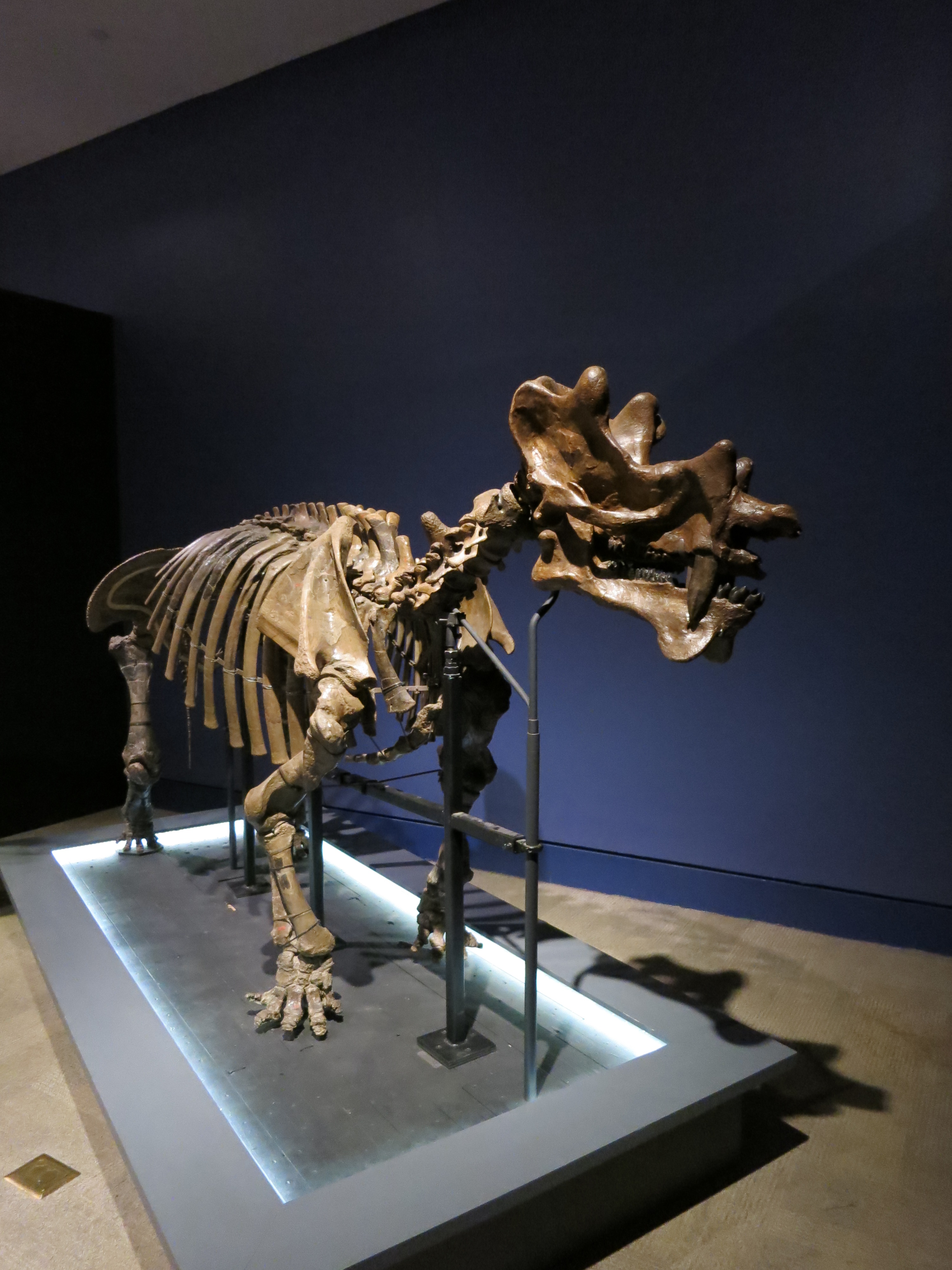
Most Broom Like Teeth goes to our Baleen Whale Friends!

Least likely to find a hat that fits!
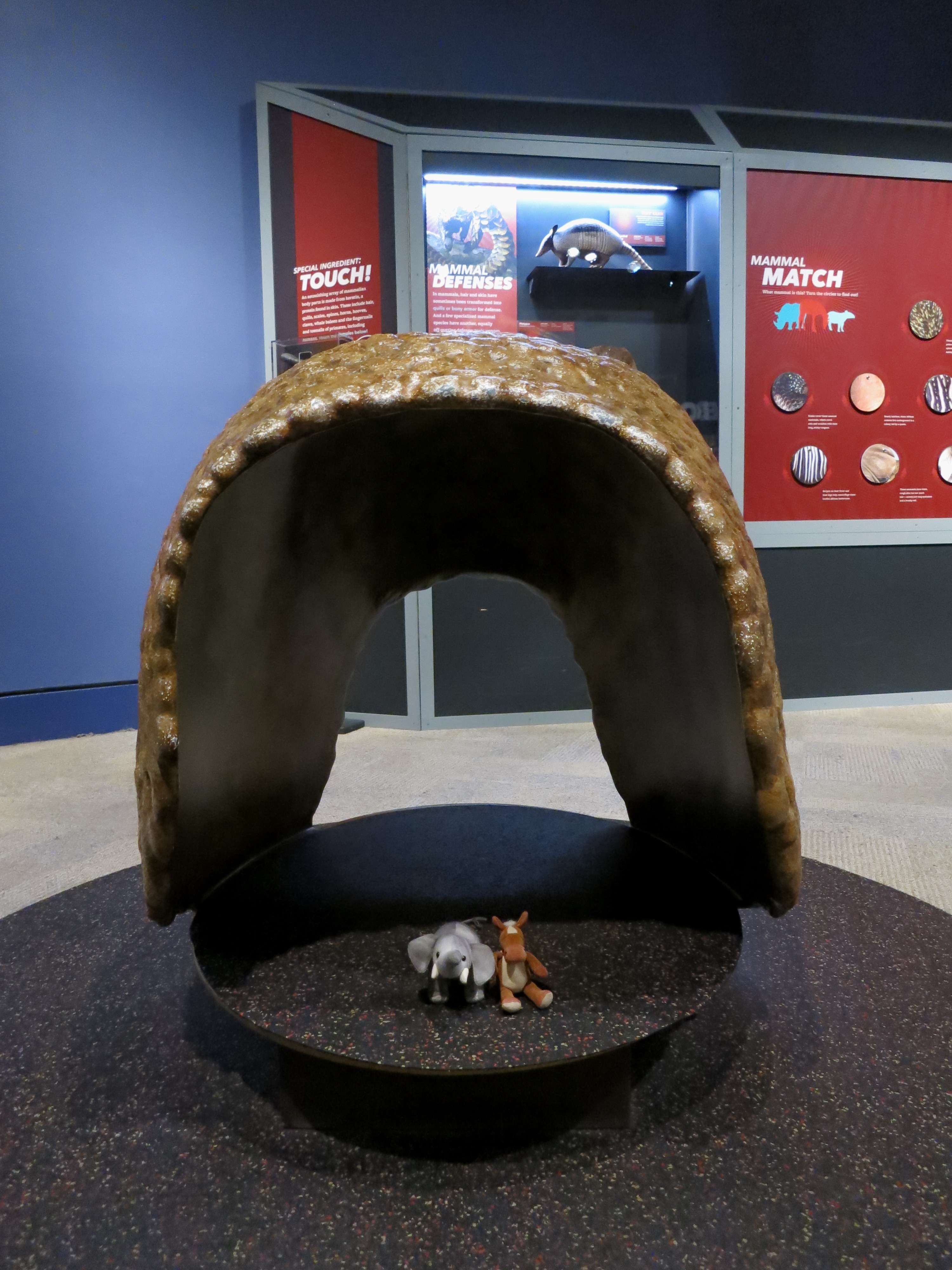
Least likely to find a hat that fits!

Best Armor goes to the mammal who wore this- the Glyptodont!
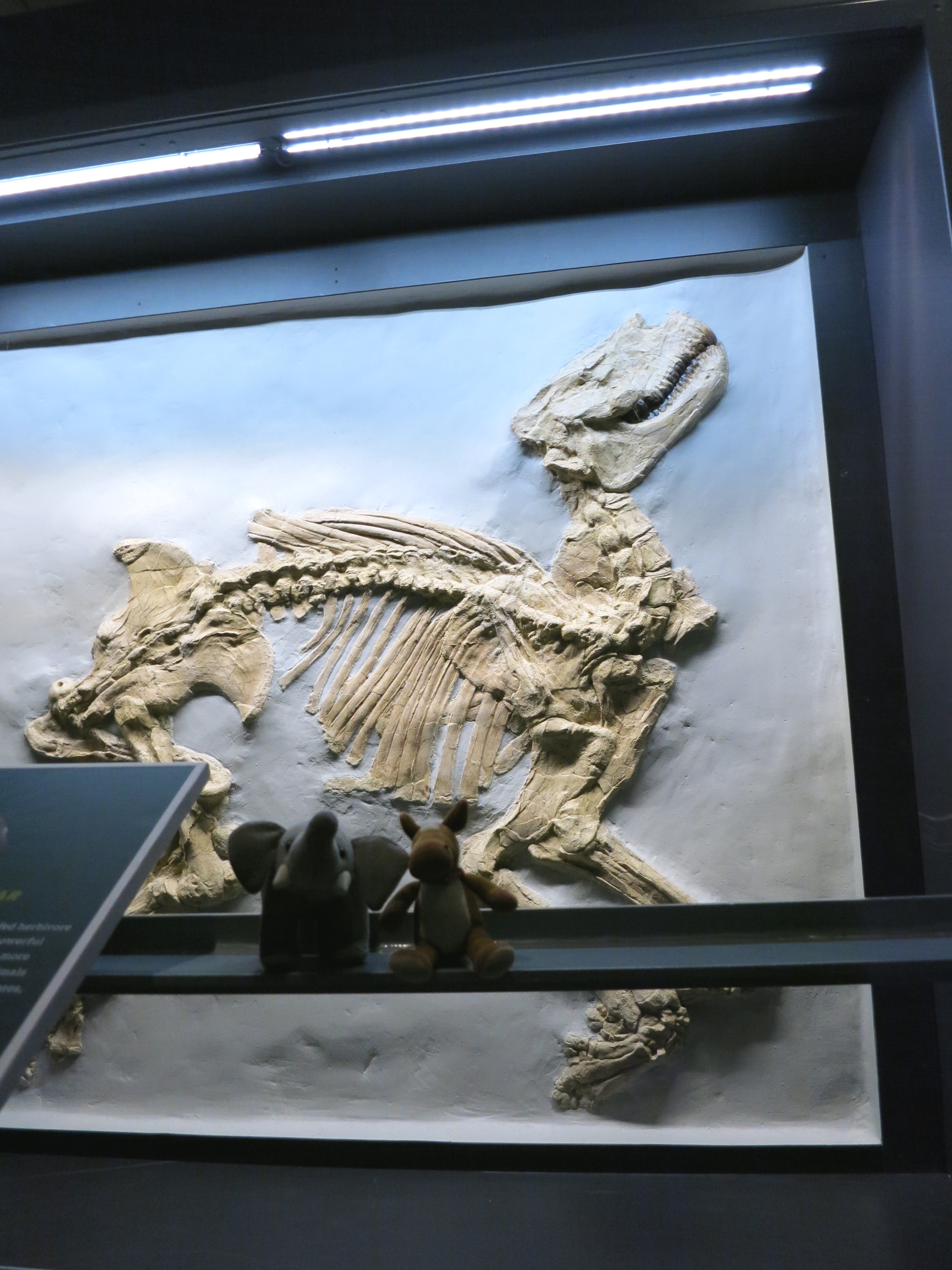
Best Armor goes to the mammal who wore this- the Glyptodont!

Most Likely to Make a Paleontologist's Day!

Most Likely to Make a Paleontologist’s Day!
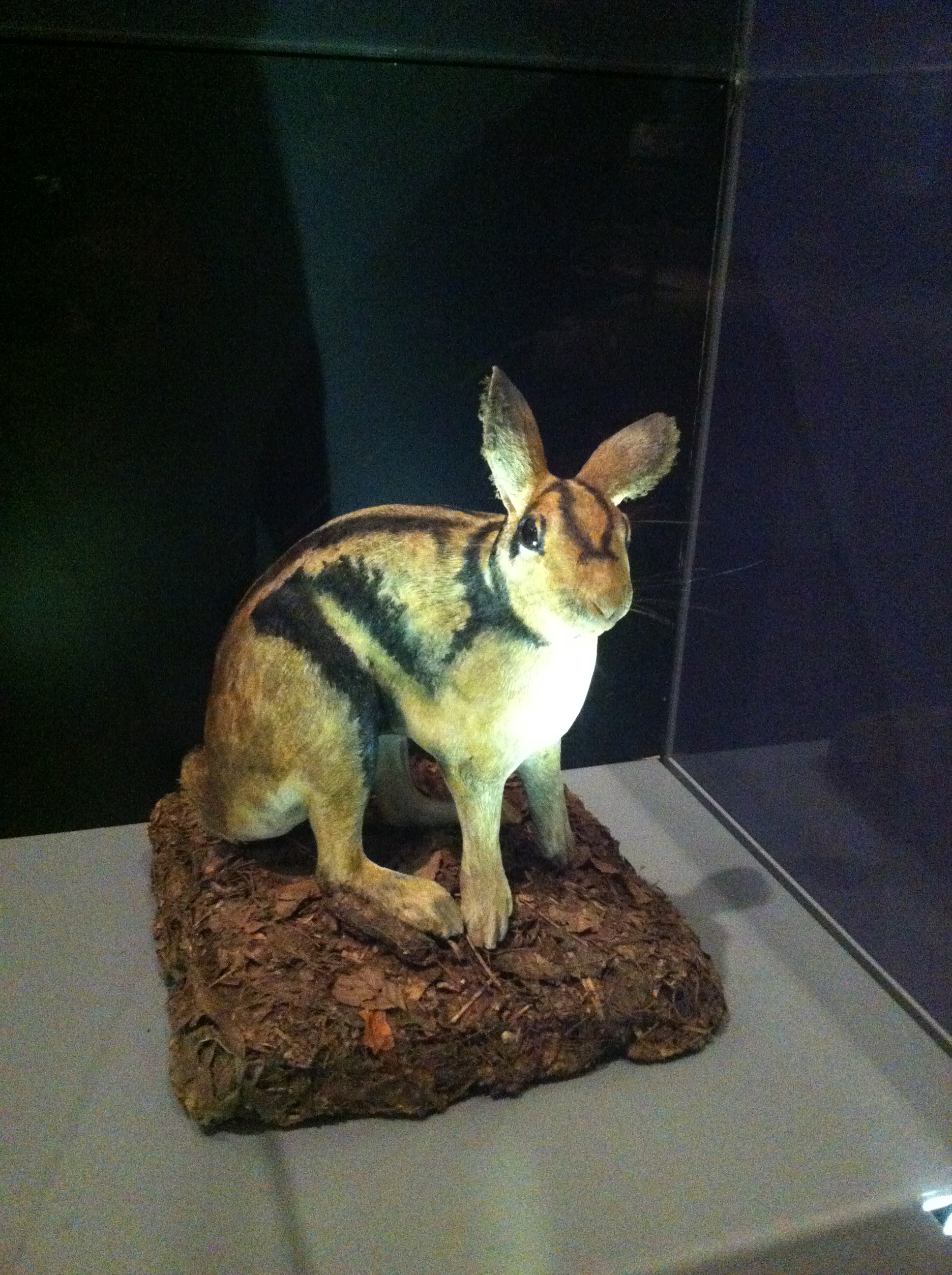
Best Newcomer- The Striped Rabbit who was discovered in 1999!
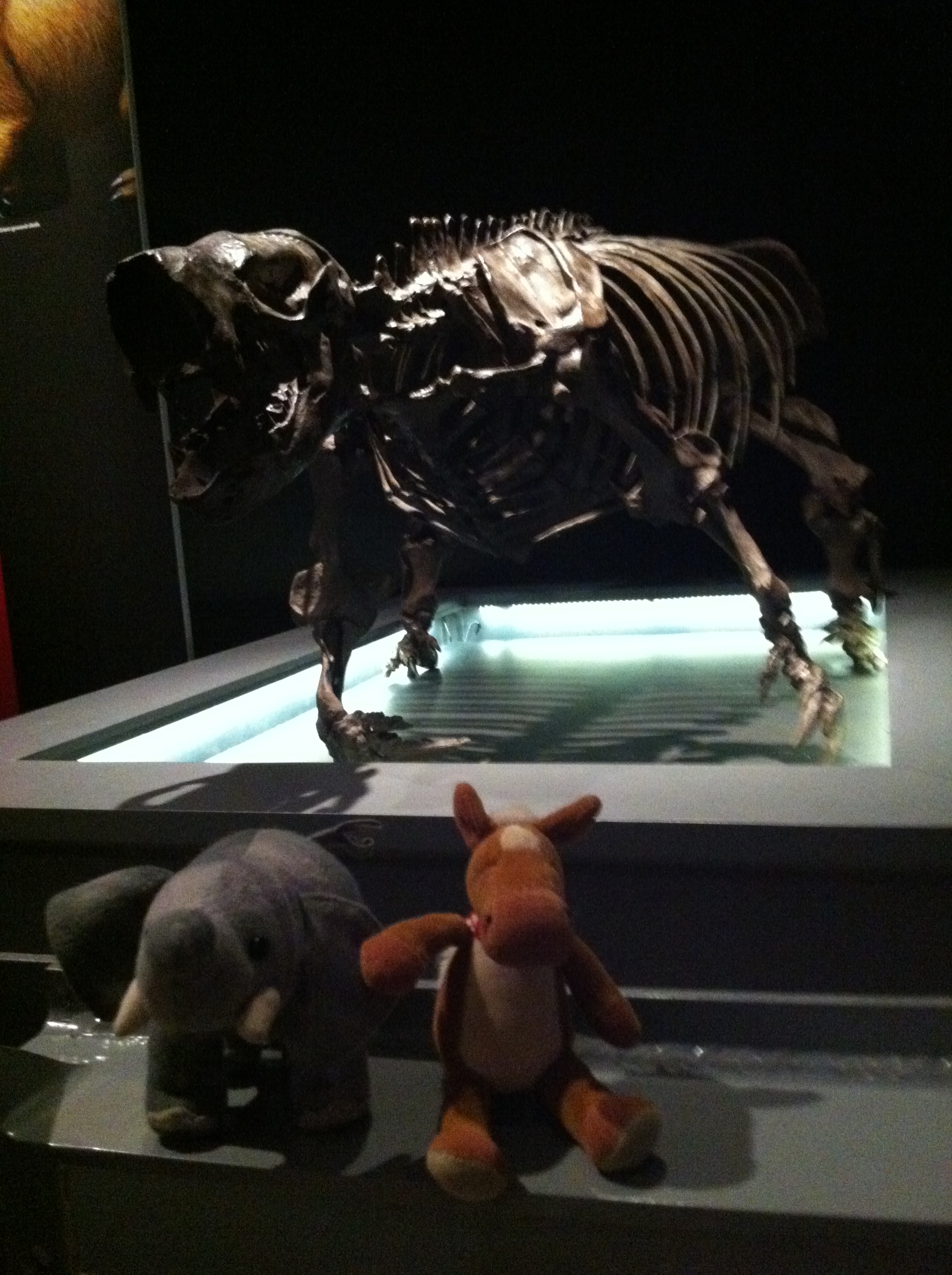
Best Newcomer- The Striped Rabbit who was discovered in 1999!

Most Likely to Move Like Molasses- The Giant Ground Sloth!
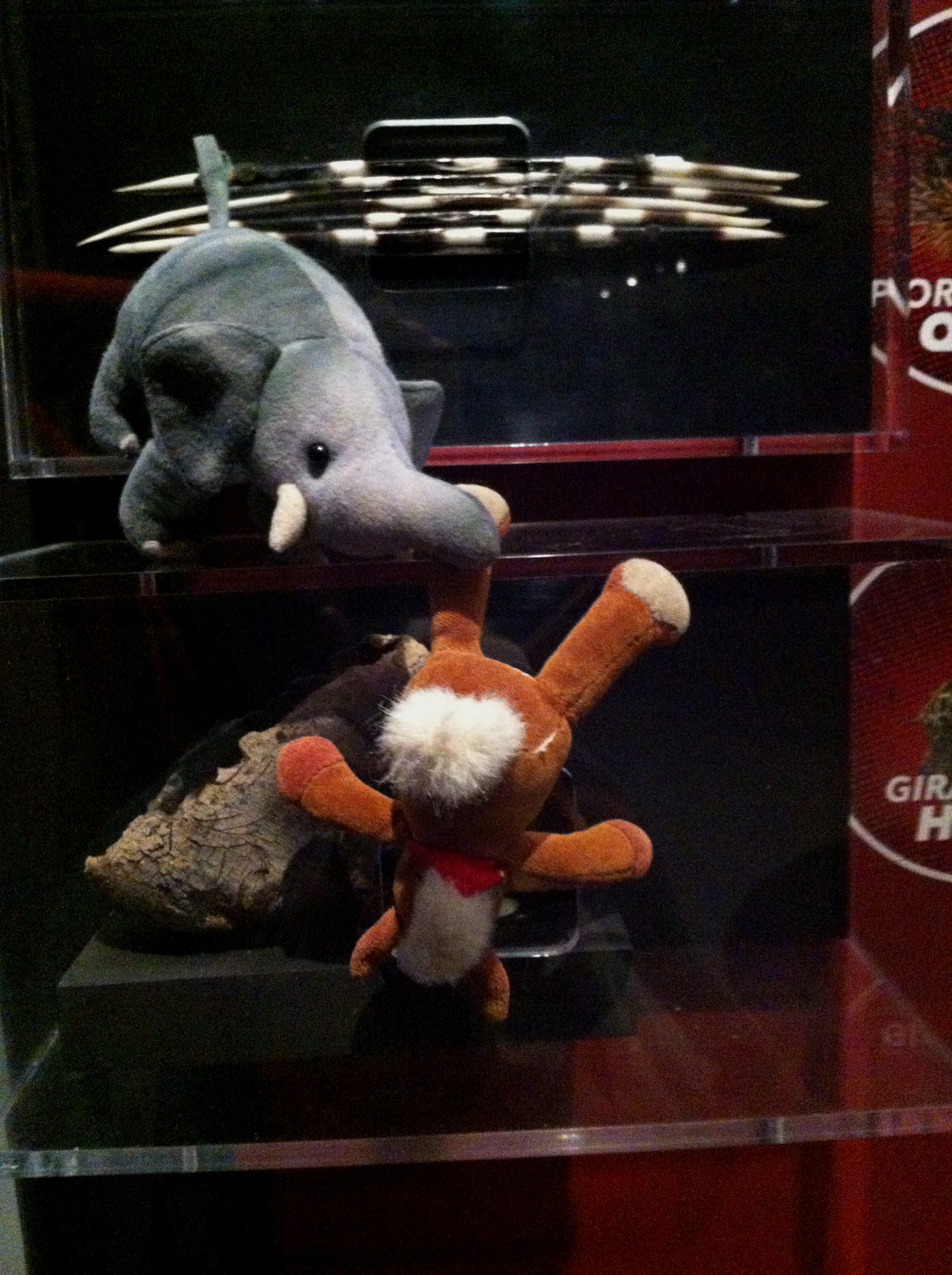
Most Likely to Move Like Molasses- The Giant Ground Sloth!

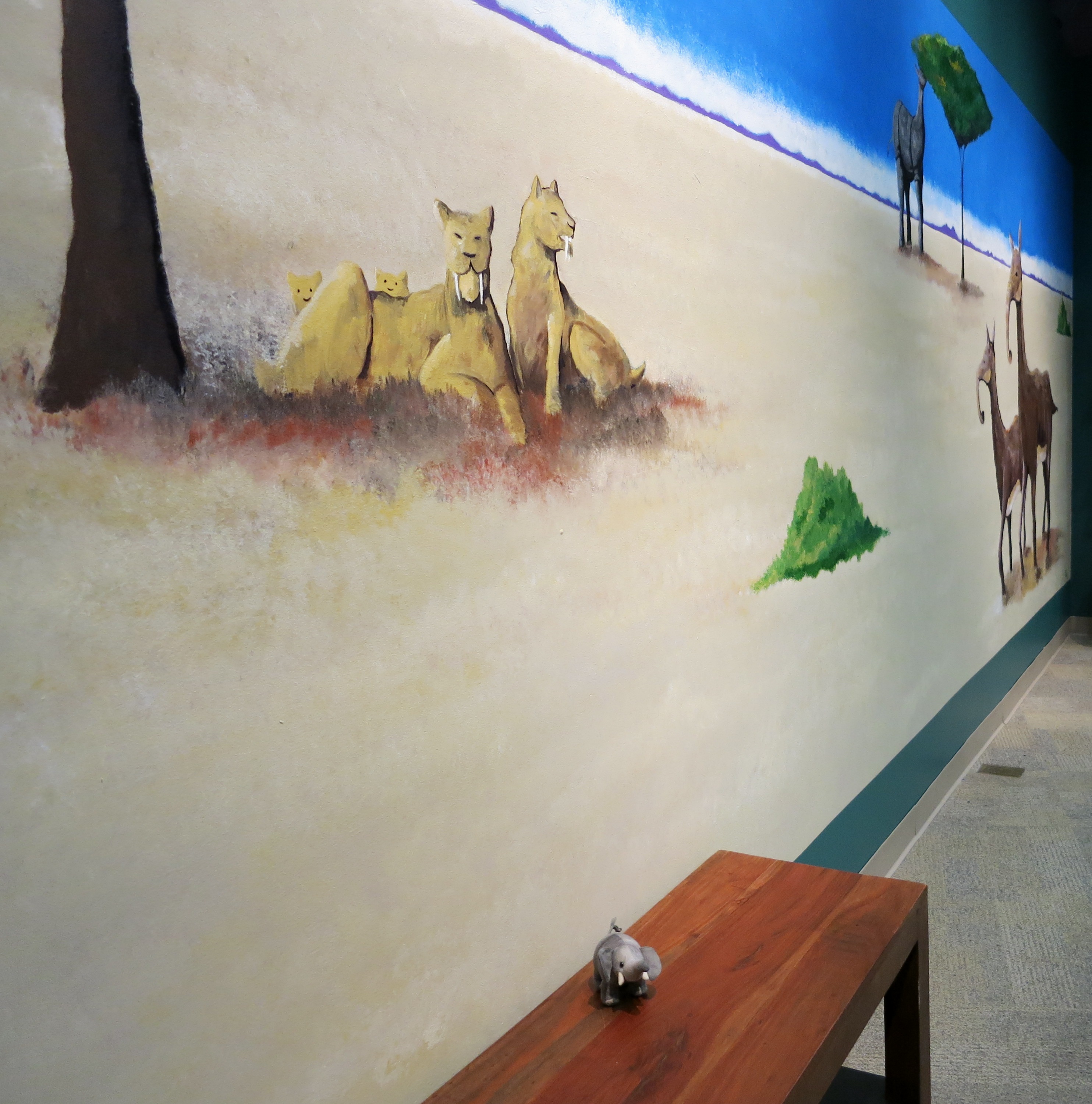
Class Clown- Edmond for his acrobatics try to touch a giraffe hoof!

Class Clown- Edmond for his acrobatics trying to touch a giraffe hoof!

We had such a blast exploring and learning about mammals through time! These stand out stars are just the tip of the iceberg (we didn’t want to give away the whole exhibit)!

Make sure you take your bipedal mammal self over to catch EXTREME MAMMALS at Fernbank and learn all about mammals of the past and present! And  who knows you might decide if you humans are  extreme mammals too :)!
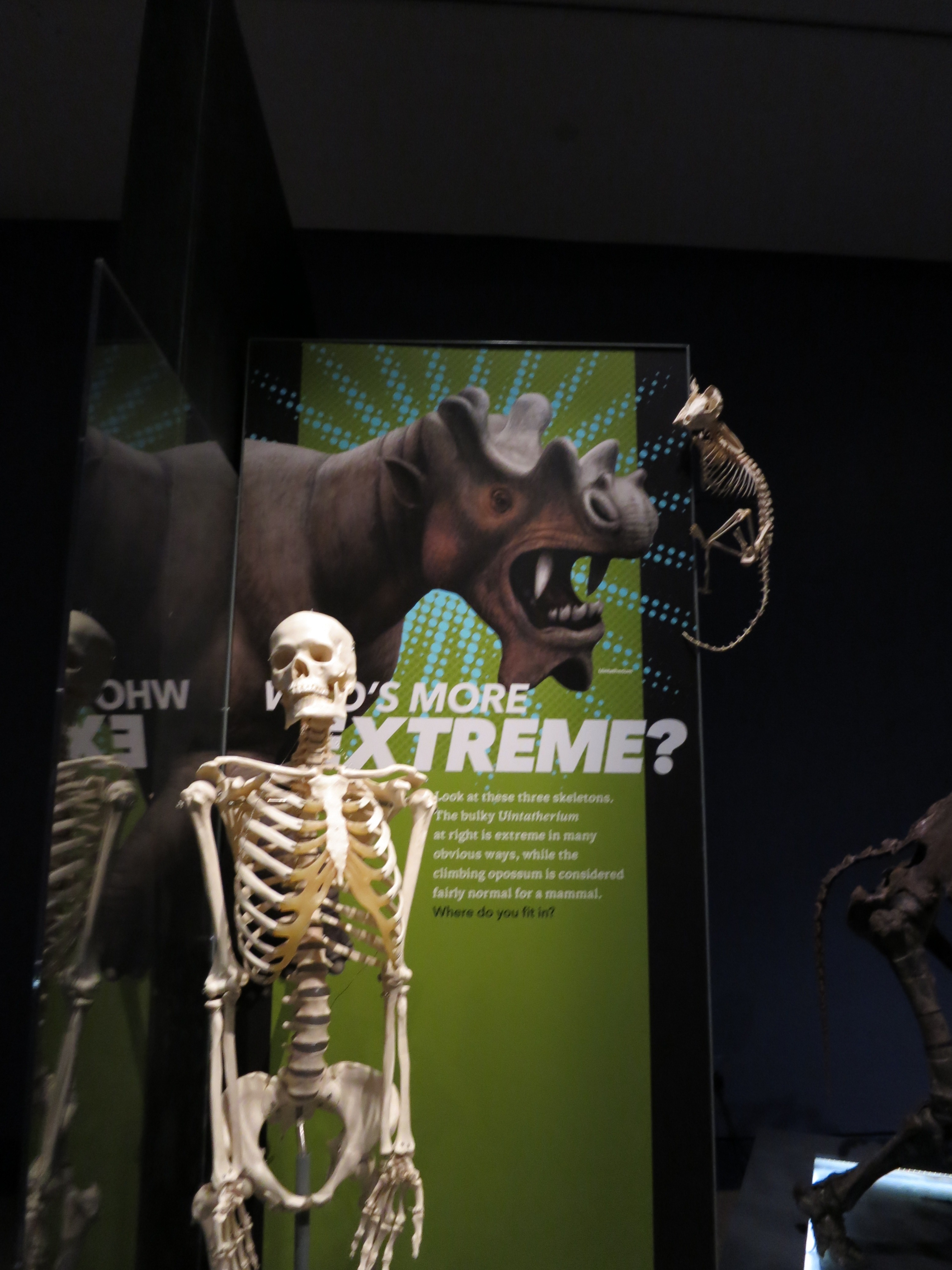
Are you an extreme mammal?

Are you an extreme mammal?

For more information on times and tickets check out Fernbank’s website!

We’re going to leave you with a few more fun photos!
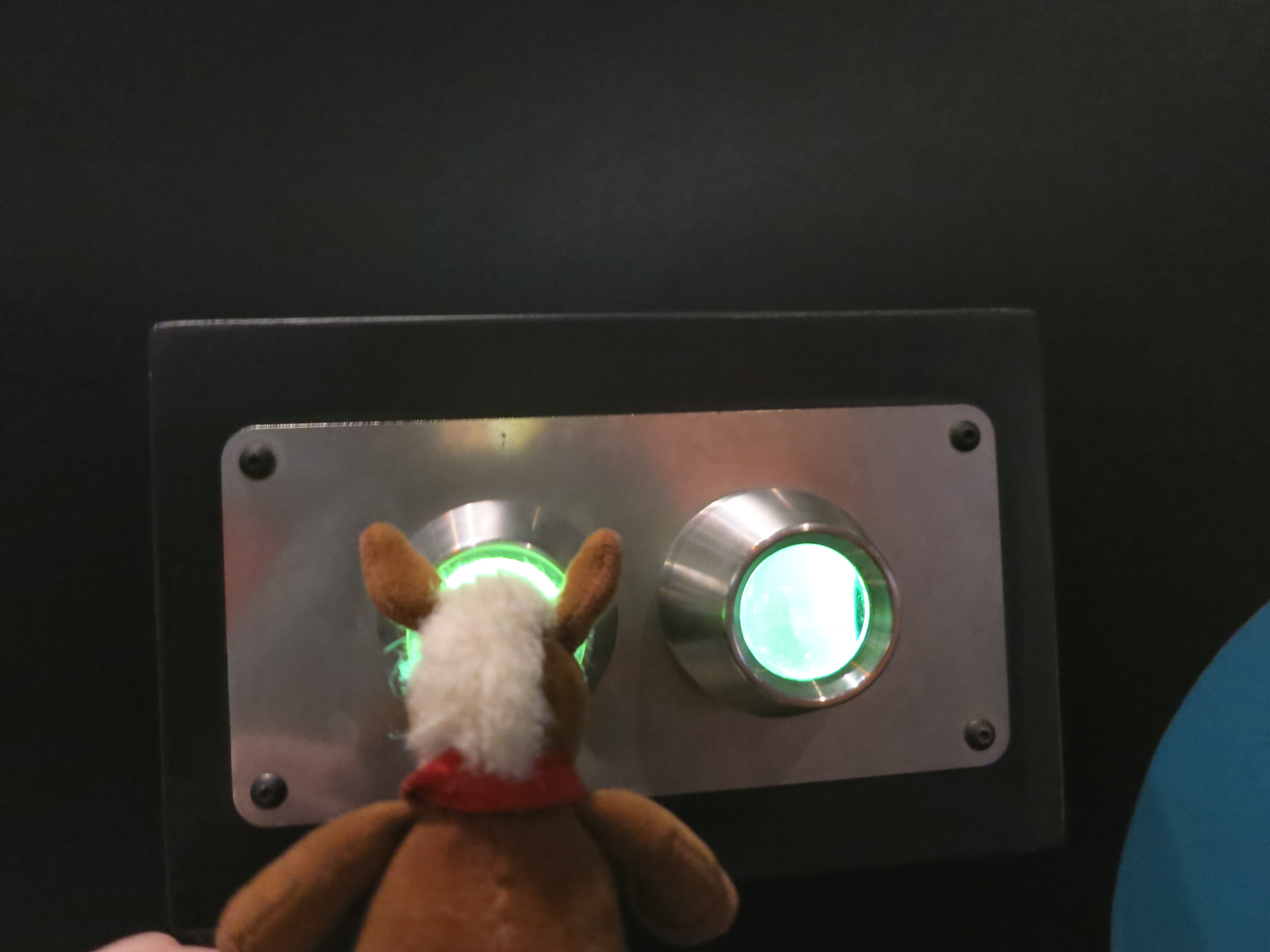
Edmond checking out what's behind the glasses!

Edmond checking out what’s behind the glasses!
E

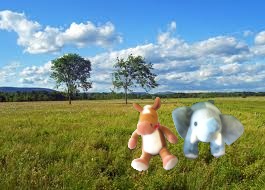
Ellie in an ancient Savannah!

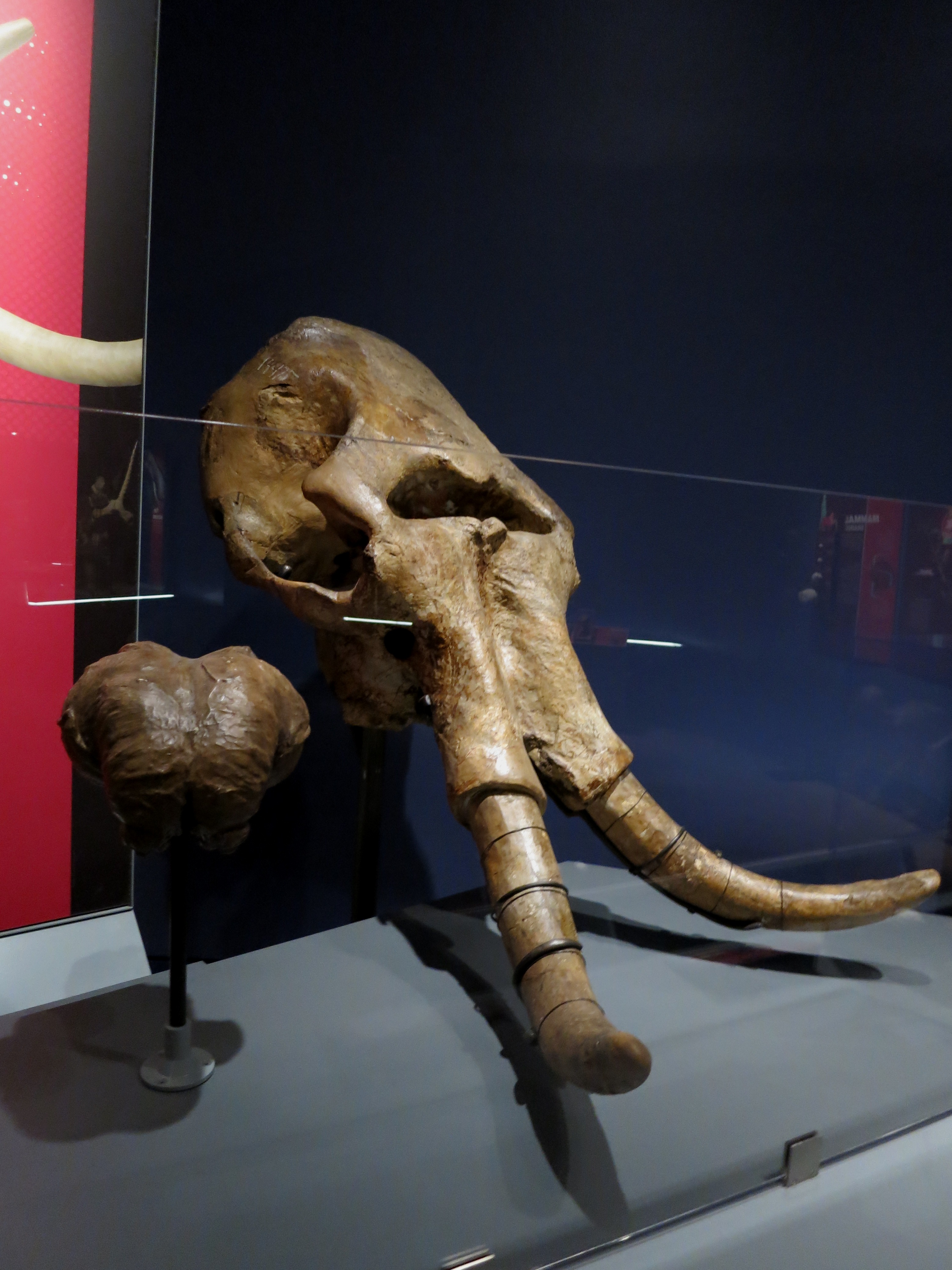
Mammoths had big heads and big brains!
Mammoths had big heads and big brains!

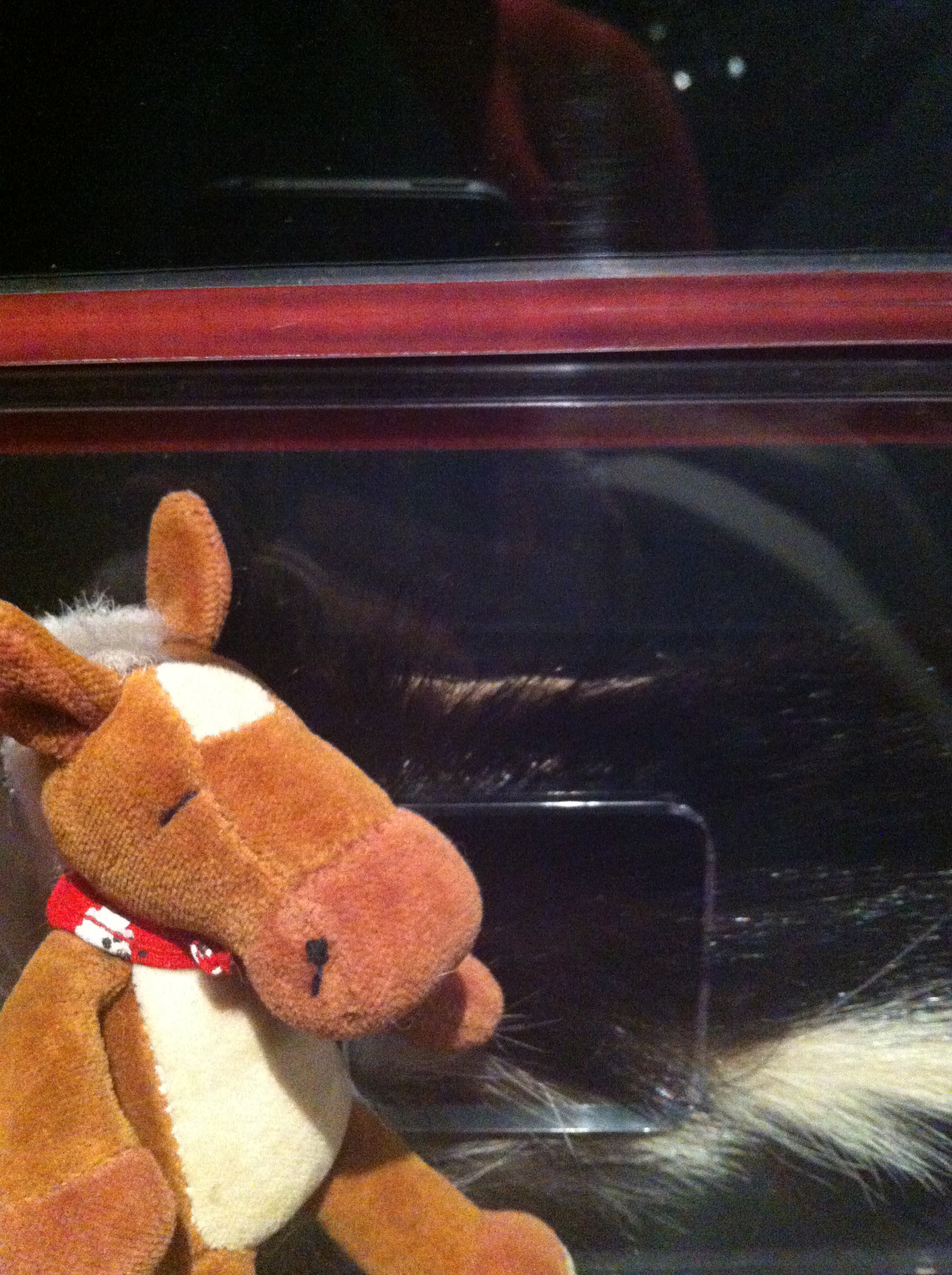
Edmond touching skunk fur!
Edmond touching skunk fur!

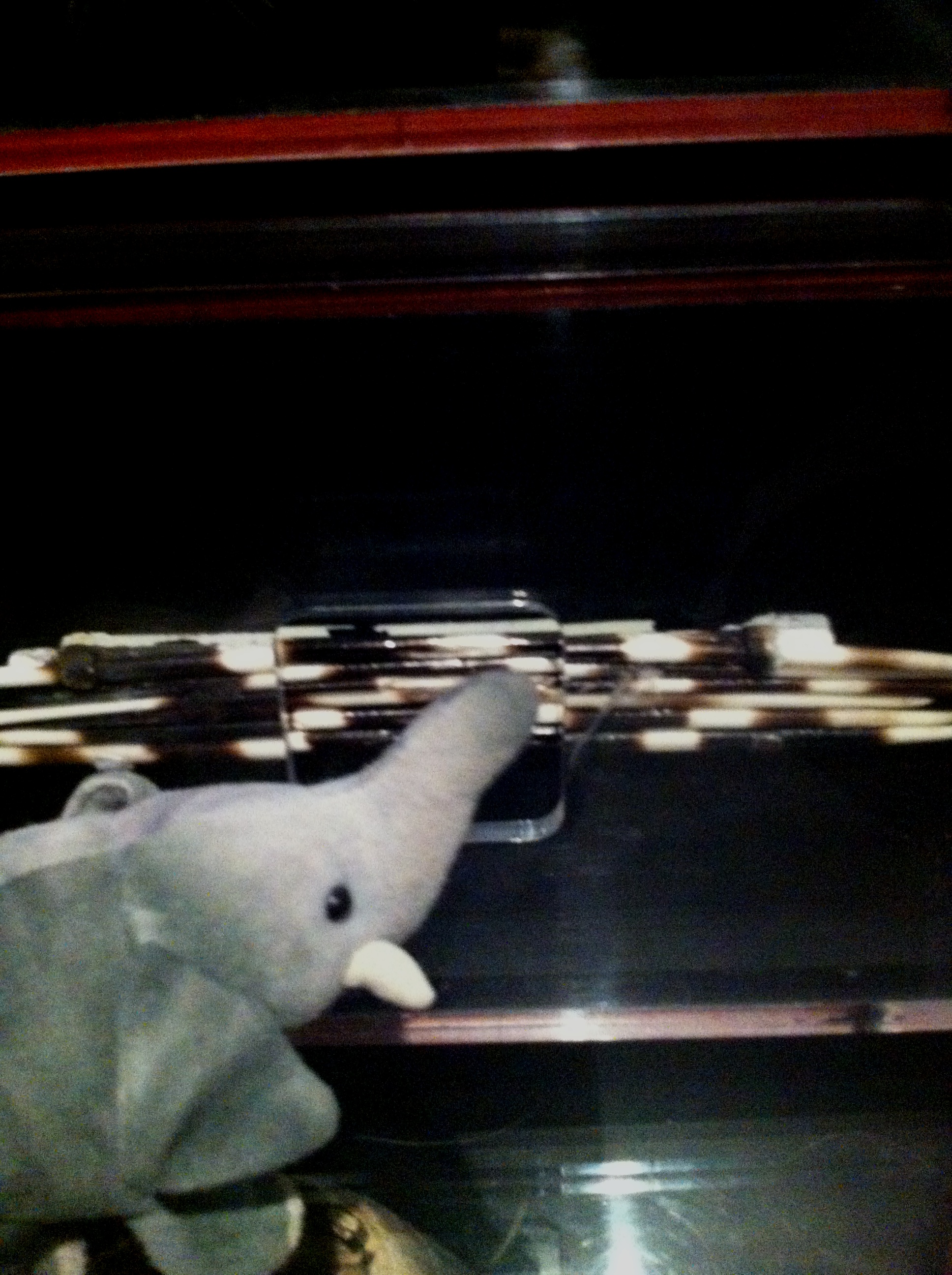
Ellie touching porcupine quills! Watch our for the ends!
Ellie touching porcupine quills! Watch our for the ends!
Categories: adventure, Animals, Children, conservation, education, Environment, mammals, nature, science, wildlife | Tags: , , , , , , , , , | 2 Comments

FEATHERY FRIDAY # 61

FEATHERY FRIDAY #61

Friday is here and that means we are going to meet a feathery friend today! Let’s head out in the grasslands of East Africa and see if we can find a very cute little bird! Grab your binoculars and let’s go!

e e grasslands

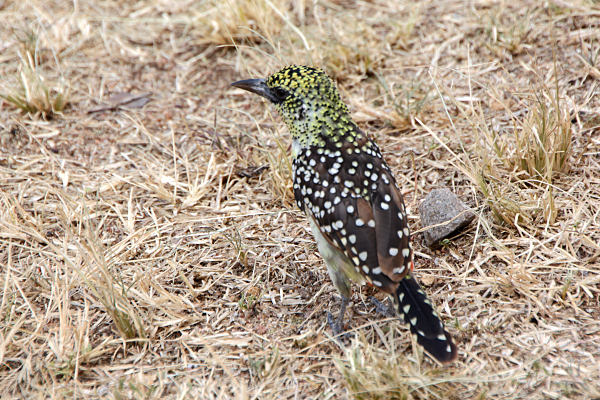
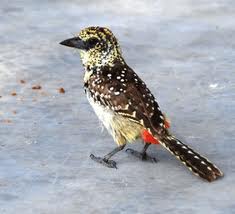
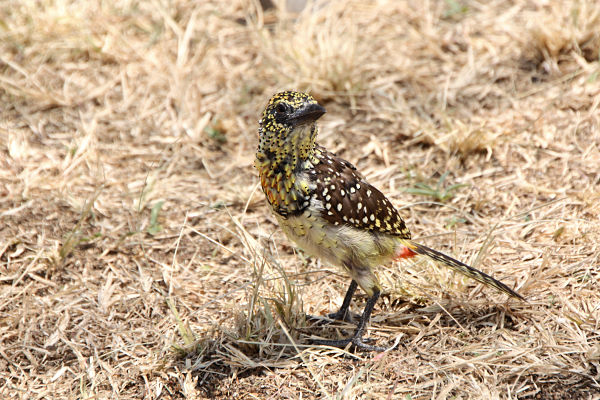
MEET THE D’ARNAUD’S BARBET!

d arnaud's barbet   Range/Habitat: East Africa/ grasslands

   Diet: Omnivore: insects, fruits, seeds

   Length/Weight: 8”/ 1 oz

   Conservation Status: common


Fun Facts:

  • D’Arnuad’s Barbets spend most of their time on the ground.
  • They have yellow-orange-black speckled feathers.
  • D’Arnaud’s barbets are highly social.
  • D’Arnaud’s barbets live in pairs or small family groups.
  • Breeding pairs sing duets and defend their territories with those songs.
  • They nest on the ground.

We just love these adorable little birds with the funny name. We wish we could discover a bird and name them after us! What would name a bird if you discovered it?

d arnaud's barbet2   d arnaud's barbet3


Categories: adventure, Animals, birds, Children, conservation, education, Environment, nature, science, wildlife | Tags: , , , , , , , , , | 2 Comments

SUPER SURPRISE THURSDAY # 61

SUPER SURPRISE THURSDAY # 61

Read the clues, Guess the Animal and Share your Answer!

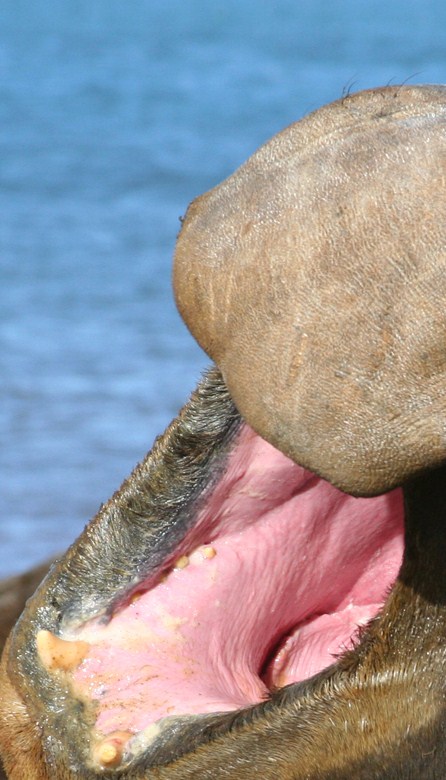
Drohender Seeelefant - 
A lurking elephant seal

  • I live near Antartica.
  • I live in a colony.
  • I have a large nose and it gives me my name!

Who Am I?

Categories: adventure, Animals, Children, conservation, education, Environment, mammals, nature, oceans, wildlife | Tags: , , , , , , , , , | 4 Comments

INTERNATIONAL POLAR BEAR DAY!

INTERNATIONAL POLAR BEAR DAY!

e e arctic

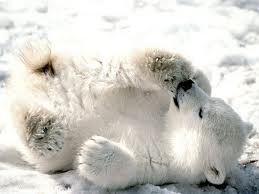
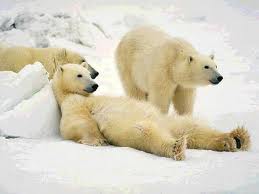
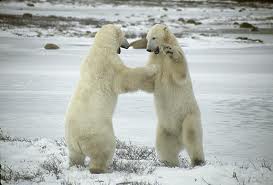
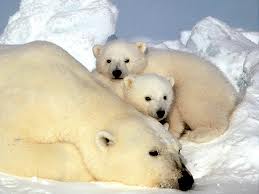
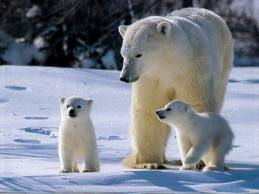
We’re celebrating one of favorite marine mammals on this very special day! These majestic bears call the icy arctic their home. We’re going to share some photos and fun facts about polar bears, as well as some great resources to help these bears as their snowy home disappears. 

polar bearpolar bear2

  • Polar Bears are excellent swimmers, they have been miles off shore.
  • They have a thick layer of fur, including on the bottoms of their paws.
  • Polar bears are carnivores.
  • Polar bears have black skin that helps them soaks up the warmth of the sun.
  • Polar bear mothers build a den to have their cubs.
  • Polar bear cubs stay with their mothers for up to two years.
  • Polar bears have no natural predators.
  • Polar bears are the largest land predator on earth.
  • Adult male polar bears can weigh up to 1,200 pounds.
  • Polar bears are protected in Norway, Canada, Russia, Denmark and the U.S.

polar bear3  polar bear4


Polar bears are endangered, mainly from habitat loss, as the arctic ice is melting. We can help these fabulous bears! You can adopt a bear (they won’t live at your house), you can donate to organizations that work with polar bears or you can learn what you can do at home to help. Check out Polar Bears International and One World One Ocean.

We love polar bears and we’ll definitely be working to make sure they are around for long time to come!

HAPPY INTERNATIONAL POLAR BEAR DAY!

polar bear8


Categories: adventure, Animals, Children, conservation, education, Environment, mammals, nature, oceans, science, wildlife | Tags: , , , , , , , , , , | 2 Comments

AMPHIBIAN TUESDAY # 61

AMPHIBIAN TUESDAY # 61

Road Trip! It’s that special Tuesday when meet an amphibian instead of a reptile! So we’re off to the Northeastern United States today to meet this super cool animal! Are you ready?

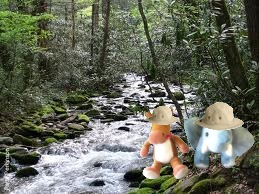
e e stream

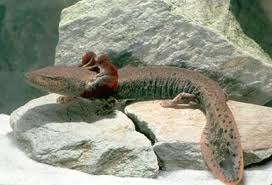
MEET THE MUDPUPPY!

mudpuppy   Range/Habitat: South Canada-Eastern USA/ wetlands, rivers

   Diet: Carnivore: aquatic animals

   Length: 11 ½-19 ½”

   Conservation Status: common


Fun Facts:

  • Mudpuppies have small front legs.
  • They spend most of their lives in water.
  • Mudpuppies have red external gills.
  • They are mostly nocturnal.
  • Mudpuppies burrow under rocks and logs.
  • Female mudpuppies guard their eggs till they hatch.

Mudpuppies are such crazy looking animals with their funny looking gills. Amphibians are so amazing and they come in all sizes and shapes!

mudpuppy2    mudpuppy3

Categories: adventure, amphibians, Animals, Children, conservation, education, Environment, nature, wildlife | Tags: , , , , , , , , , | 1 Comment

MAMMAL MONDAY # 61

MAMMAL MONDAY #61

Are you ready for a new adventure today? We’re going to Africa today to meet a small, cute but stinky little mammal! Grab your safari gear and let’s head out!

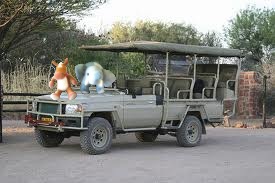
e & e safari van

MEET THE AFRICAN STRIPED WEASEL!

african striped weasel   Range/Habitat: Central-South Africa/grasslands

   Diet: Carnivore: mice, rodents

   Length/Weight: 10-14”/8-13 oz

   Conservation Status: common


Fun Facts:

  • African Striped Weasels have long slim bodies.
  • They have long claws for digging.
  • African striped weasels have long white striped down their back and tails.
  • African striped weasels live in burrows.
  • They spray a stinky liquid from glands located on their behinds to defend themselves.


These weasels look like the African version of the skunk! We’ll admire them from a distance in order to not catch a whiff of their defensive spray!

african striped weasel2

Categories: adventure, Animals, Children, conservation, education, Environment, mammals, nature, science, wildlife | Tags: , , , , , , , , , | 1 Comment

FEATHERY FRIDAY # 60

FEATHERY FRIDAY #60

It’s Feathery Friday and we’re heading to Utah to meet bird who is a real hoot! Haha! You won’t need your night goggles to meet this owl because they come out during the day!

e e grasslands

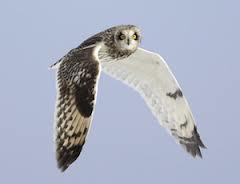
MEET THE SHORT EARED OWL!

short eared owl   Range/Habitat: North America-South America-Europe-Asia-Africa/

wetlands, grasslands

   Diet: Carnivore: mice, voles

   Length/Weight: 14 ½”/ 7-18 oz

  Conservation Status: common


Fun Facts:

  • Short eared owls have long wings.
  • They often fly close to the ground.
  • Short eared owls are diurnal (active during the day).
  • They usually roost on the ground.
  • Short eared owls have large round faces.

It is so awesome to see an owl out during the day! Often we only hear owls at night and we don’t see them, so it’s a real treat to see one! Whoooo doesn’t love owls day or night?

short eared owl3   Short-eared Owl2


Categories: adventure, Animals, birds, Children, conservation, education, Environment, nature, owls, wildlife | Tags: , , , , , , , , , , | 1 Comment

SUPER SURPRISE THURSDAY # 60

SUPER SURPRISE THURSDAY # 60

Are you ready to guess the animal?

brown pelican2

  • I have a pouch for a bill.
  • I live in the Western Hemisphere from Canada to South America.
  • I catch fish by diving in the water.

WHO AM I?

Categories: adventure, Animals, birds, Children, conservation, nature, oceans, wildlife | Tags: , , , , , , , , , , | 3 Comments

WATERY WEDNESDAY # 60

WATERY WEDNESDAY # 60

Let’s hop in the E & E sub and head off to find a fish who is bright red! These funny fish have funny looking faces too! Are you ready for today’s adventure?

e e deep sea

MEET THE RED MULLET!

redmullet   Range/Habitat: Atlantic Ocean, Mediterranean & Black Sea/ ocean

   Diet: Carnivore: mollusks, fish, worms

   Length/Weight: up to 16”/up to 2 ¼ lb

   Conservation Status: common


Fun Facts:

  • Red mullet have forked tails.
  • They have two barbels on their chin.
  • They can move the two barbells independently of each other. They use to them to find prey.
  • Red mullets are also called goatfish.
  • They have a downward pointing mouth.


Red mullet are funny looking fish with their barbels. We love that some fish come with their own built in fish poles!


Categories: adventure, Animals, Children, conservation, education, Environment, fish, nature, oceans, science, wildlife | Tags: , , , , , , , , | 2 Comments

REPTILIAN TUESDAY # 60

REPTILIAN TUESDAY # 60

It’s that most wonder day where we meet a reptile and we’re going to Southeast Asia to meet a small and cute lizard! Who’s ready to meet….?

e e grass yard

MEET THE GARDEN LIZARD!

garden lizard   Range/Habitat: Western-Eastern South Asia/ farmland, urban

   Diet: Omnivore: insects, small animals

   Length: 12-14”

   Conservation Status: common


Fun Facts:

  • Garden lizards have long tails.
  • Garden lizards’ color varies.
  • The males have red throats and mouths during breeding season.
  • Garden lizards are excellent climbers.
  • Garden lizards are ambush predators.

We sure wouldn’t mind having these little Garden lizards in our garden! They really can help keep the insect population in check and that can be good for your plants!


Categories: adventure, Animals, Children, conservation, education, Environment, gardens, nature, reptiles, wildlife | Tags: , , , , , , , , , | 2 Comments

Blog at WordPress.com.