conservation

WORLD OCEANS DAY 2015!!

WORLD OCEANS DAY 2015!

e & e snorkeling

We loooooove the ocean! That’s a good thing too since it cover’s 70% of our planet! There are so many amazing creatures and habitats in the oceans, many of which have yet to be discovered! The oceans are home to largest animal ever on earth- the blue whale! The oceans (or the phytoplankton that lives in the ocean) provide our planet with 50-85% of the oxygen we breathe. The oceans provide us with food, recreation and wonder! For all the reasons and many more- we must all learn to keep these oceans clean! Print out this great coloring sheet we have for you and tell us why you love the ocean!

FullSizeRender(6)

This year we are challenging our readers to ditch any products with microbeads in them. These tiny beads are getting into our oceans and causing havoc on the natural habitat! We’re also challenging you to keep plastic out of our oceans! Each year, large whales to small birds fall prey to trash! We can make a difference; share this information with a friend, encourage your office to start recycling or attend a beach clean-up! Together we can help our oceans and their amazing inhabitants! To learn more check out the official World Ocean Day Website!

ocean-conservency-trash-10-things-you-can-do-2013jpg-8f1e388c2729481a

Categories: adventure, Animals, Children, conservation, education, Environment, nature, science, Uncategorized, wildlife | Tags: , , , , , , , , , | 2 Comments

SEA HORSE COLORS!

SEA HORSE COLORS!

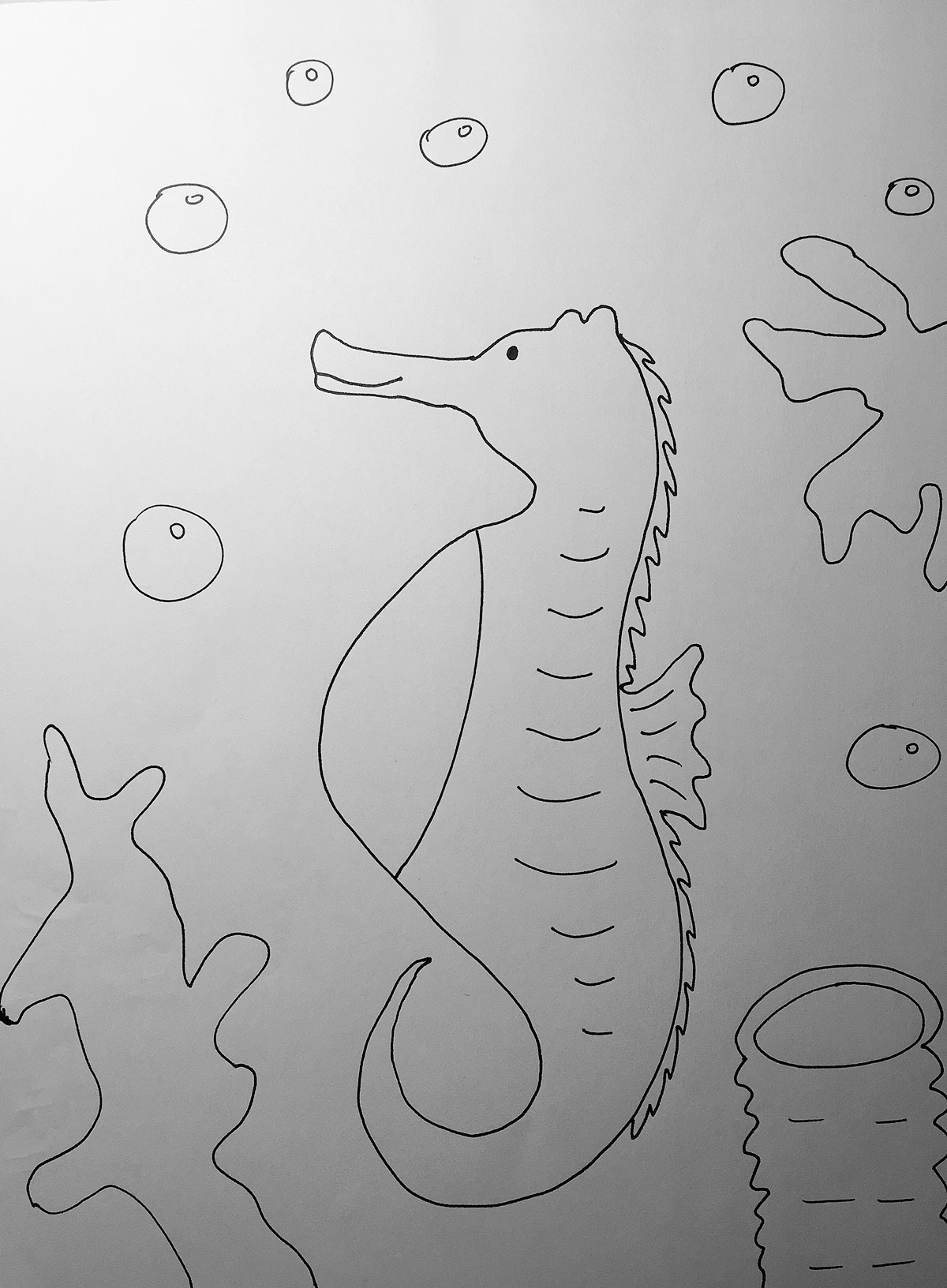
Since we’ve been talking about biomes and habitats, we’d thought it would be fun to share a coloring sheet of a sea horse in its habitat- the coral reef.

We would love to see your art work when you print it out and color it! As always- you can find us on Facebook and Twitter or Instagram!

FullSizeRender(5)

Categories: adventure, Animals, Children, conservation, education, Environment, nature, science, wildlife | Tags: , , , , , , , , , , | 1 Comment

CAT HABITATS

CAT HABITATS!

As we said before we have a little game today! We’re going to put up some pictures of wild cats and you have guess the habitat they live in! Are you ready? (answers are waaaaay below)

cheetah

Where does the cheetah live?

Where does the cougar live?

Where does the cougar live?

Where does the jaguar live?

Where does the jaguar live?

Where does the lynx live?

Where does the Canadian lynx live?

Where does the ocelot live?

Where does the ocelot live?

Where does the sand cat live?

Where does the sand cat live?


Where does the Amur tiger live?

Where does the Amur tiger live?


Amur Tiger: tundra/forest

Canadian Lynx: tundra/forest

Cheetah: savannah

Sand Cat: desert

Ocelot: rainforest/mangroves

Jaguar: rainforest/swamps/grasslands

Cougar: canyons/mountains/ brush areas

Categories: adventure, Animals, Children, conservation, education, Environment, mammals, nature, science, wildlife | Tags: , , , , , , , , , | 1 Comment

WE SPY!!

WE SPY!!

FullSizeRender

Professor Tamandua talked about biomes yesterday, so that inspired us to go to the beautiful rainforest of South America.

We Spied this bird there! Can you guess who it is?

we spy

Categories: adventure, Animals, Children, conservation, education, Environment, mammals, nature, science, wildlife | Tags: , , , , , , , , , , | 3 Comments

SCIENCE WORD OF THE WEEK!

SCIENCE WORD OF THE WEEK!

Sketches - 25

Welcome to class! It’s time for summer school here at the University! I hear a rumor from Ellie and Edmond themselves that there will be some big changes coming to the website just in time for fall classes! Today we’re going to learn a great new word though!

Today’s word is Biome: is a major ecological type or region. There are aquatic and terrestrial biomes. Examples of  terrestrial biomes are tropical rainforests, grasslands or tundras. Examples of aquatic biomes are coral reefs, estuaries and freshwater.

Tomorrow Ellie and Edmond will have a fun game of which animal goes in what biome! I so look forward to playing and hope you do too!

Categories: adventure, Animals, Children, conservation, education, Environment, mammals, nature, science, vocabulary, wildlife | Tags: , , , , , , , , , | 1 Comment

Marsupials in Our Backyard!

Marsupials in Our Backyard!

Do you ever just go out in your own backyard or to a local park and notice that there is actually quite a bit of wildlife? Professor Tamanadua’s science word of the week was marsupial and the only marsupial in North America lives right in our backyard! Are you ready to meet them?

MEET THE VIRGINIA OPOSSUM!

   Range/Habitat: North America-Central America/ woodlands, urban,

grasslands

   Diet: Omnivore: grub, eggs, fruit, carrion

   Length/Weight: 13-20”/ 4 ½-12 lbs

   Conservation Status: common

Fun Facts:

  • Virginia Opossums are the only marsupial in North America. (Marsupials are mammals that give birth to very small young. The young then develop and grow in their mother’s pouch.)
  • They are nocturnal (active at night).
  • Virginia Opossums have hairless, prehensile tails. They can hang from their tails, but for only short periods of time.
  • Virginia Opossums have opposable thumbs on their back paws.
  • They have 50 teeth, the most of any North American mammal!
  • Virginia Opossums can carry up to 13 babies in their pouches. They young leave the pouch after 70 days.
  • Their most famous trait is their ability to “play dead” when they are threatened. They lay in a coma like state and can stay that way for up to 6 hours.

opposum2   opposum


Opossums get a bad rap and we admit they aren’t the cutest thing in our back yards, but they are an essential part of the urban ecosystem! Plus, they are our only marsupial and we think that’s pretty cool!

Categories: adventure, Animals, Children, conservation, education, Environment, mammals, nature, science, wildlife | Tags: , , , , , , , , , | 1 Comment

The Devil from Down Under

The Devil from Down Under

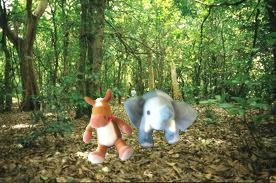
e e woods (2)

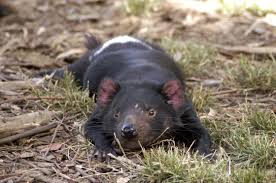
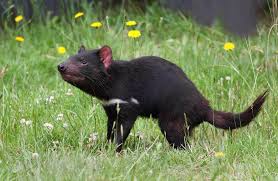
If you guessed Tasmanian Devil yesterday- you were right! We love these tenacious little marsupials and we hope you will too after learning more about them!

td3    Range/Habitat: Island of Tasmanian of coast of Australia/forest, scrub

    Diet: Carnivore: carrion

    Length/Weight: 23-26 inches/ 11-30 lbs

    Conservation Status: endangered


Fun Facts:

  • Tasmanian devils are the largest carnivorous marsupial on earth!
  • They are known for the their creepy loud screams they make when threatened. Check out a video!
  • Tasmanian devils can travel many miles to find food during the night.
  • Tasmanian devils mothers give off a foul odor when threatened!

IMG_2220

  • Tasmanian devil moms have rear facing pouches.
  • They give birth to up to 50 imps, but only 4 will survive.
  • Tasmanian devils have a life span of 5-8 years.
  • They are endangered, but places like the San Diego Zoo are helping protect them.

td2  td


We think these little marsupials with the bad reputation. They are amazing creatures. Do you love them as much as we do?

IMG_2221


Answer: False

Categories: adventure, Animals, Children, conservation, education, Environment, mammals, nature, science, Uncategorized, wildlife | Tags: , , , , , , , , , , | 1 Comment

WE SPY!!

WE SPY!!

FullSizeRender

Today we spy with our four little eyes a marsupial who lives in Australia. Known for their feisty dispositions these carnivores are the opposite of an angel! Guess who we spy!

tasmaninan devil

Categories: adventure, Animals, Children, conservation, education, Environment, mammals, nature, science, wildlife | Tags: , , , , , , , , , | 1 Comment

SCIENCE WORD OF THE WEEK!

SCIENCE WORD OF THE WEEK!

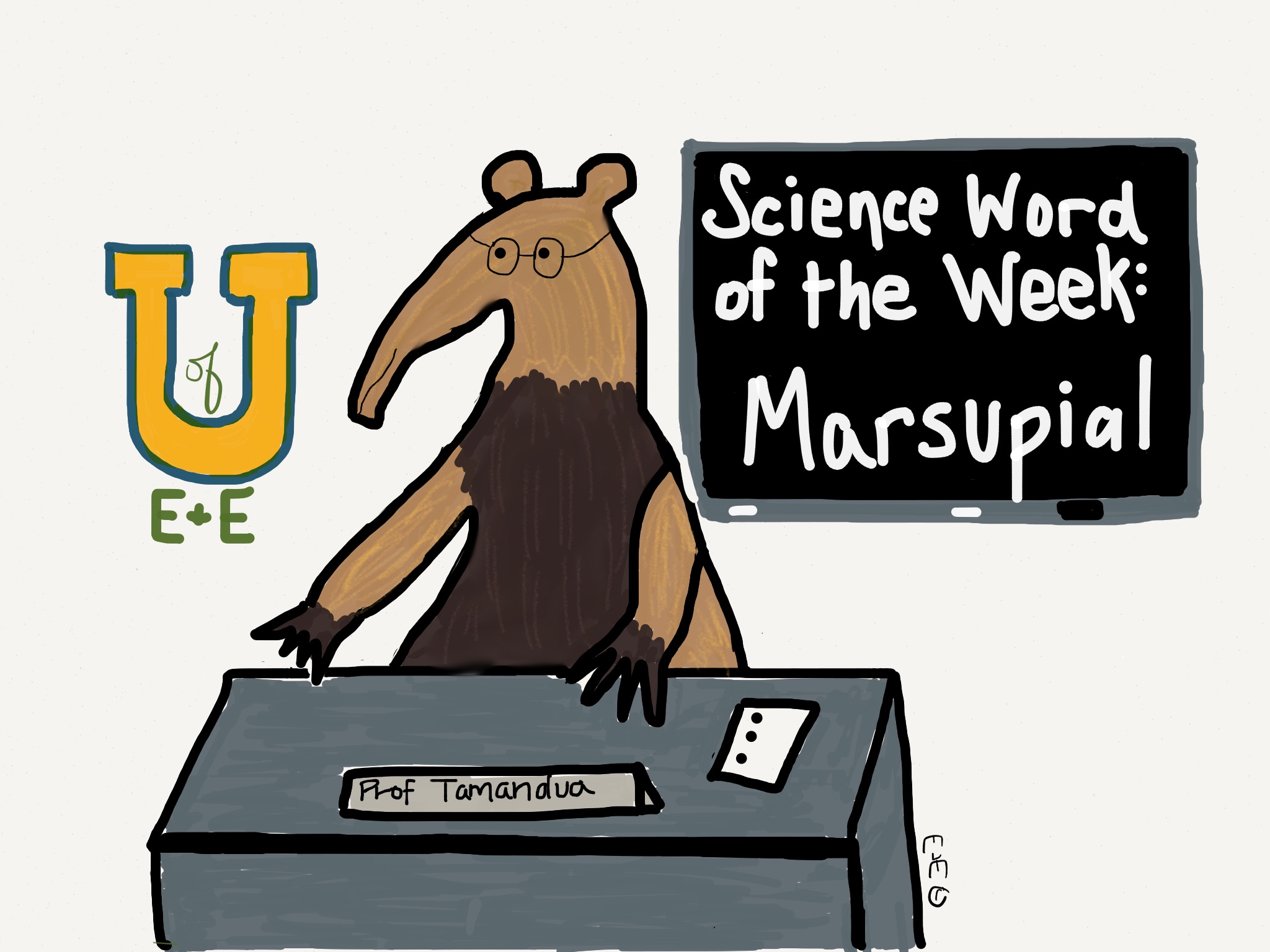
swow marsupial

Welcome back to our summer session! I’m so glad to see everyone here in class! I had a lovely break and Ellie and Edmond had a nice weekend exploring the outdoors. I’m excited for this week’s word! Are you ready to learn today?

This week’s word is Marsupial: a marsupial is a mammal that gives live birth to very small young that climb into the mother’s pouch or marsupium to grow up in. The pouches are mostly on the outside of the mother’s pouch. Most marsupials live in Australia, except for several species of opossums- who live in North, Central and South America.

opossum

The Virginia Opossum lives in North America.

Categories: adventure, Animals, Children, conservation, education, Environment, mammals, nature, science, vocabulary, wildlife | Tags: , , , , , , , , , , | Leave a comment

INTERNATIONAL BIODIVERSITY DAY!!

INTERNATIONAL BIODIVERSITY DAY!

Today we celebrate Biodiversity on our planet! E-E earth

We’re super excited to celebrate International Biodiversity Day! Not sure what biodiversity is? Check out Professor Tamandua’s explanation here!

Each habitat on earth is made up of many different living organisms and all of those organisms (plants, animals and fungus) rely on each other. If we loose the biodiversity in many habitats, then we could lose most of the species there.

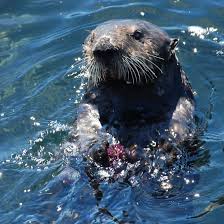
Here’s a great example: Southern Sea Otters live off the coast of California. They live near kelp forests. When sea otter numbers dropped, the purple sea urchin (an otter’s favorite food) population grew. Purple sea urchins then began to eat the kelp and it began to disappear. Many other fish, crustaceans and other animals are dependent on that kelp for shelter and food.  So see, without the otters the habitat is out of balance. As otter populations have come back so have the health of the kelp forest.

otter

To learn more about what you can do to celebrate this important day- Check out the Convention of Biological Diversity Website.   When we think of our earth’s habitats as whole living organisms we can not just protect one species, but many!

Categories: adventure, Animals, Children, conservation, education, Environment, nature, science, Uncategorized, wildlife | Tags: , , , , , , , , | 1 Comment

Blog at WordPress.com.