conservation

SCIENCE WORD OF THE WEEK!

SCIENCE WORD OF THE WEEK!!
swow biodiversity

Welcome back to class everyone! We had a great fall break here at the University! I’m excited to get to this week’s word though!

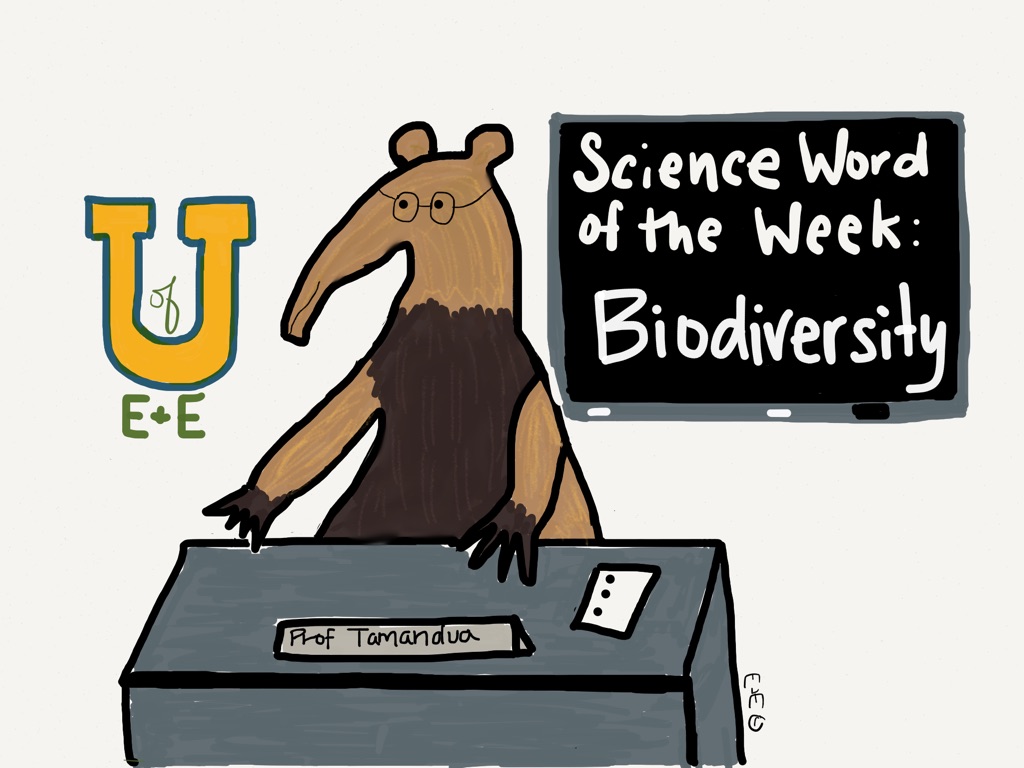
This week’s word is Biodiversity! Biodiversity is the variety of life on earth. Biodiversity exists on many different levels and in many different habitats. Biodiversity can include giraffes, elephants and all the gazelles on the savannas in Africa. Biodiversity can also include the small animals in a tide pool. We could go on on about biodiversity. When scientists study habitats they often look at the biodiversity of that habitat. If a habitat has many kinds of animals and plants, it can mean that habitat is healthy. Ellie and Edmond have made you a biodiversity coloring sheet!

Image

Categories: adventure, Animals, Children, conservation, education, Environment, nature, science, vocabulary, wildlife | Tags: , , , , , , , , , | Leave a comment

GUESS THE ANIMAL!!

GUESS THE ANIMAL!!

Who’s ready for a Friday Guess the Animal?

Your clues: largest bird of its species and I live in Europe!

WHO IS IT?

Categories: adventure, Animals, Children, conservation, education, Environment, nature, science, wildlife | Tags: , , , , , , , , | 2 Comments

GUESS THE ANIMAL!!

GUESS THE ANIMAL!!

Hi everyone! We apologize for the lack of posts this week- we had some issues at HQs, but we’re all straighten out and ready to do a few Guess the Animal posts this week! We’ll be back to full posts next Monday! Woot! Woot!

Here’s the picture- and your clue: I’m super fast!

WHO IS IT?

Categories: adventure, Animals, Children, conservation, education, Environment, nature, science, wildlife | Tags: , , , , , , , , | 4 Comments

CREEPY ANIMALS WEEK- DAY 4!!

CREEPY ANIMALS WEEK- DAY 4!

e & e wetlands

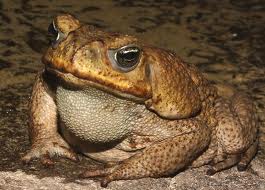
Who’s excited to meet another creepy animal? We think this amphibian is kind of cute with their warty skin! But watch out, these toads are quiet toxic just like their rough skinned newt friends!

THE MARINE TOAD!


Range/Habitat: Central-South America/ wetlands, rivers, lakes

Diet: Carnivore: ants, beetles, invertebrates

Length: 4-6”

Conservation Status: common

Fun Facts:

  • Marine toads are also known as cane toads.
  • Marine toads are world’s largest toads.
  • They have a tough warty skin.
  • Marine toads are nocturnal (active at night).
  • They are very hardy and can survive in many different habitats.
  • Marine toads have large glands that secret a very toxic poison.

Marine toads are big bad dudes! They will eat almost anything too! We do think it’s best if we just let them hang out by themselves, you know with their toxic skin and all!


Categories: adventure, amphibians, Animals, Children, conservation, education, Environment, nature, science, wildlife | Tags: , , , , , , , , , | Leave a comment

CREEPY ANIMAL WEEK-DAY 3

CREEPY ANIMAL WEEK- DAY 3

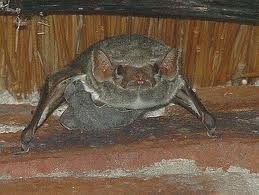
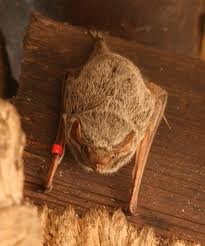
We’ve exploring in the dark to find today’s creepy flying mammal! That’s right we’re off to find a bat! Can you guess which one?

e & e night rainforest

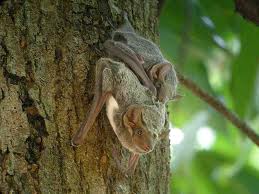
MEET THE MAURITIAN TOMB BAT!

   Range/Habitat: Central- South Africa/ scrub-savannas

   Diet: Insectivore: insects

   Length/Weight: 2 ¾-3 ½”/ 1 1/16 oz

  Conservation Status: common


Fun Facts:

  • Mauritian Tomb Bats make a variety of vocalizations (not all audible are to humans).
  • They use echolocation to find prey.
  • Mauritian Tomb Bats roosts in trees and buildings.
  • They roost in small groups instead of large colonies.
  • Mauritian Tomb Bats have good eyesight.
  • They are nocturnal (active at night).

Mauritian Tomb Bats are really cool. Well, all bats are really cool if you ask us. Most bats eat insects, some eat fruit and yes there are a few who drink blood! Wow! What’s your favorite thing about bats?

Categories: adventure, Animals, bats, Children, conservation, education, Environment, nature, science, wildlife | Tags: , , , , , , , , | 1 Comment

CREEPY ANIMALS -DAY 2!

CREEPY ANIMALS WEEK- DAY 2!

We’re excited for everyone to meet this creature of the night! When you’re all alone in the woods at the night, this bird’s haunting calls can seed a shiver up your spine! Whoooooo doe you think it is?

e & e night rainforest

MEET THE GREAT HORNED OWL!!

  great horned owl  Range/Habitat: North America-South America/wood, fields, suburbs,

   swamps

   Diet: Carnivore: small mammals, birds

   Length/Weight: 18-20″/ 2- 5 1/2 lbs

   Conservation Status: Common


Fun Facts:

  • Great horned owls have feathery tufts on their heads.
  • They are the most abundant owl in the Americas.
  • Great horned owls have no sense of smell. They are one of the only predators of skunks!
  • Great horned owls are nocturnal.
  • Male great horned owls are smaller than the females.
  • Great horned owls form monogamous pairs.
  • Great horned owls have amazing calls!

Great horned owls are one of most favorite owls! They have the best call ever! Every time we hear it, it gives us the chills and makes us want to tell spooky stories around a campfire! Who’s bringing the marshmallows?

Categories: adventure, Animals, birds, Children, conservation, education, Environment, nature, science, wildlife | Tags: , , , , , , , , , | 1 Comment

CREEPY ANIMALS WEEK!

CREEPY ANIMALS WEEK!

Professor Tamandua and the rest of the University Staff are on a fall break, so we’re taking this opportunity to spotlight some creepy animals this week in honor of Halloween! First up, a newt…

This little animal is often referred to in stories about witches, or at least their eyes are! Ever heard of the eye of newt? Well this one doesn’t have scary eyes, but they have scary skin! Come meet them…

e & e wetlands

MEET THE ROUGH SKINNED NEWT!

rough skinned newt

Range/Habitat: Western United States-Canada/ woodlands and ponds

Diet: Carnivore: aquatic invertebrates, tiny fish

Length: 3 ½”- 7 ½”

Conservation Status: Common


rough skinned newt3

Fun Facts:

  • The Rough Skinned Newt is an amphibian. Other amphibians also include frogs, toads and salamanders.
  • Rough skinned newts have rough, bumpy skin as implied by their name.
  • They are extremely toxic. They produce a strong toxin that can cause death if eaten. It can also be absorbed through the skin if you have an open cut or wound.
  • They are brownish-black in color with yellow to orange bellies.
  • Rough skinned newts feed at night.
  • They can live as long as 12 years!
  • The common garter snake is the rough skinned newt’s only predator. The snakes have developed immunity to their toxin.

rough skinned newt2

Wow! Who knew a cute little newt could be so poisonous? Well we think they are pretty awesome! We think this animal is best seen and not eaten!

Categories: adventure, amphibians, Animals, Children, conservation, education, Environment, nature, science, wildlife | Tags: , , , , , , , , , | Leave a comment

FEATURED ANIMAL OF THE WEEK!

FEATURED ANIMAL OF THE WEEK!

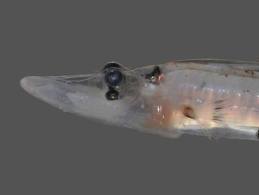
We’ve got a deep sea spooktacular fish for the featured animal this week! There are so many alien and creepy looking creatures in the dark depths of our oceans- many of which haven’t even been discovered! Come meet this one…

THE SPOOKFISH!


Range/Habitat: tropical- sub-tropical ocean waters/deep oceans

Diet: Carnivore: crustaceans, copepods, and anything they can get

Length: 3 ¼”

Conservation Status: unknown

Fun Facts:

  • Spookfish have a very odd shape.
  • They have transparent white bodies and long thin transparent pectoral (side) that are half the length of their bodies.
  • The Spookfish most spectacular adaptation is their eyes. They are tubular and point upwards.
  • Spookfish have a second eye on the side of their eye. It looks like a black spot.
  • The second eye is actually part of the primary eye and points downward. It acts as a mirror and is thought to help the spookfish find animal are bioluminescent. (They have chemicals in their body that give of light.)

It’s only been in the last few years that scientist figured out how the Spookfish’s eye works. They aren’t seen very often because they live so deep in the ocean! Wow!

Categories: adventure, Animals, Children, conservation, education, Environment, nature, oceans, science, Uncategorized, wildlife | Tags: , , , , , , , , | Leave a comment

GUESS THE ANIMAL!!

GUESS THE ANIMAL!!

Who’s ready to guess another spooky creature! We’re only give you one clue!

vampire bat

Flying mammal named after a creature of the night!

WHO IS IT?

Categories: adventure, Animals, Children, conservation, education, Environment, nature, science, wildlife | Tags: , , , , , , , , | 3 Comments

SCIENCE WORD OF THE WEEK!

SCIENCE WORD OF THE WEEK!

swow compounds eye

Welcome back to class everyone! We have a great word for this week- are you ready?

This week’s word is Compound Eye: a compound eye is made of up of many light sensitive units that form the retina of the animal. Insects and crustaceans are the creatures we see the most with compound eyes.

compound eye pic Aren’t compound eyes cool?

swow compound eye

Categories: adventure, Animals, Children, conservation, education, Environment, nature, science, vocabulary, wildlife | Tags: , , , , , , , , , | 1 Comment

Blog at WordPress.com.