mammals

A Weather Predicting Woodchuck!

Meet a Weather Predicting Woodchuck…

Otherwise known as:

groundhog day UEE

It’s the day where groundhogs all around the United States predict the weather! This tradition goes back many years, so today I’m going to share some fun facts about these rodents!

groundhog

  • Groundhogs are also known as the Woodchuck.
  • Groundhogs live in North America in woodland and grassland habitats.
  • They are herbivore and eat seeds, fruits, grasses and the occasional insect.
  • Groundhogs are rodents and are the largest member of the ground squirrel or marmot family.
  • They are excellent at climbing and swimming.
  • Groundhogs burrow in the ground.
  • They gorge all fall to fatten up for their hibernation.
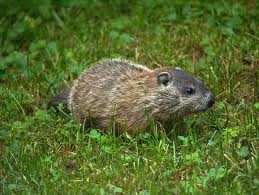
woodchuck2

  • Groundhogs hibernate in the winter.
  • They are known to whistle when threatened.

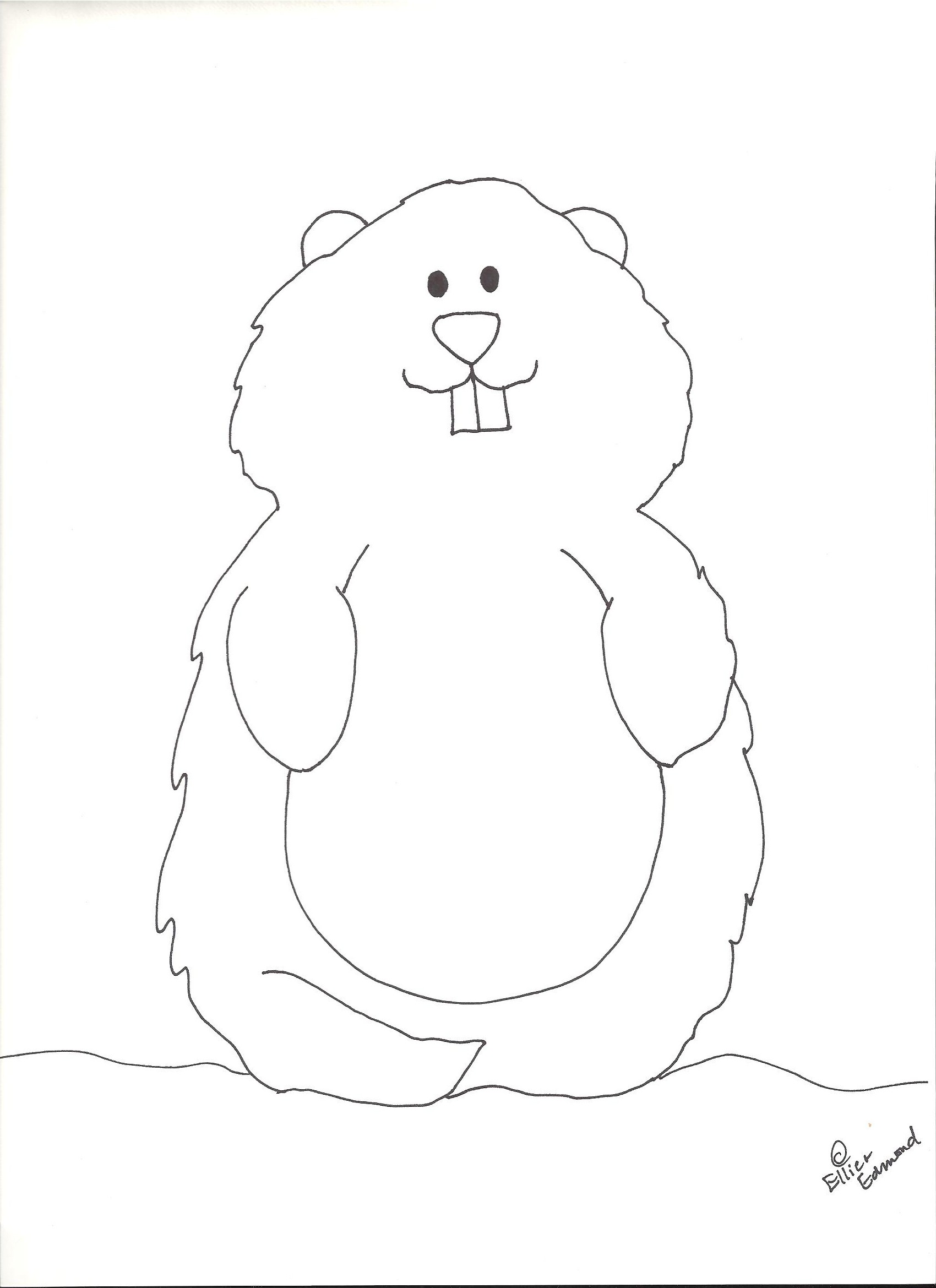
Groundhogs are great little creatures! Who knew they were related to squirrels? Do you have a famous groundhog where you live?  Get out your crayons and pencils class and enjoy this groundhog coloring sheet! -Professor Tamandua!
Image


Categories: adventure, Animals, Children, conservation, education, Environment, mammals, nature, science, Uncategorized, wildlife | Tags: , , , , , , , | 1 Comment

SEA OTTERS!

SEA OTTERS!!

e & e otter

 We know we are aware of how stinking cute otters are! These comical creatures have faced being endangered over the years, but with the help of conservationists their numbers are increasing. Come learn some fun facts about these ottertastic mammals!

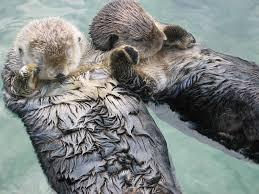
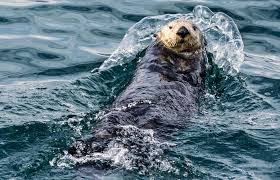
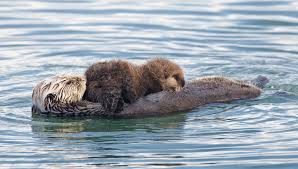
sea otter5sea otter4

Sea Otter Fun Facts:

  • Sea Otters are members of the weasel family!
  • Sea Otters live in the Pacific ocean along the North American shore and the Northern Asian shore.
  • Sea Otters spend most of their time in water. They will occasionally come ashore to rest.
  • Sea Otters’ fur is water repellant and very thick. They can have up to 1 million furs per square inch.
  • Sea Otters role in order to trap air bubbles in their fur. The air bubbles help keep them warm.
  • Sea Otters are often found floating on the surface of kelp forests. They will even wrap the kelp around themselves to keep anchored while sleeping
  • Sea Otters groom themselves constantly. This helps keep their fur clean and waterproof. 
  • Sea Otters use rocks to break some of their prey, including crabs and sea urchins.
  • Sea Otters help keep the balance in a kelp forest. One of their favorite prey, sea urchins eat kelp; and without the otters to keep the urchin population in check, the kelp would be gone!

sea otter3sea otter


sea otter2

There are so many reasons to love sea otters and to protect them! There are many organizations that are working hard to make sure otters have a future in our oceans! Monterey Bay Aquarium has a great sea otter program.

What do you love about otters?

Categories: adventure, Animals, Children, conservation, education, Environment, mammals, nature, science, wildlife | Tags: , , , , , , , , , , | Leave a comment

WE ARE FANIMALY!

WE ARE FANIMALY!!

We have a new We Are Fanimaly for you today! Who’s ready to learn who is related to who?

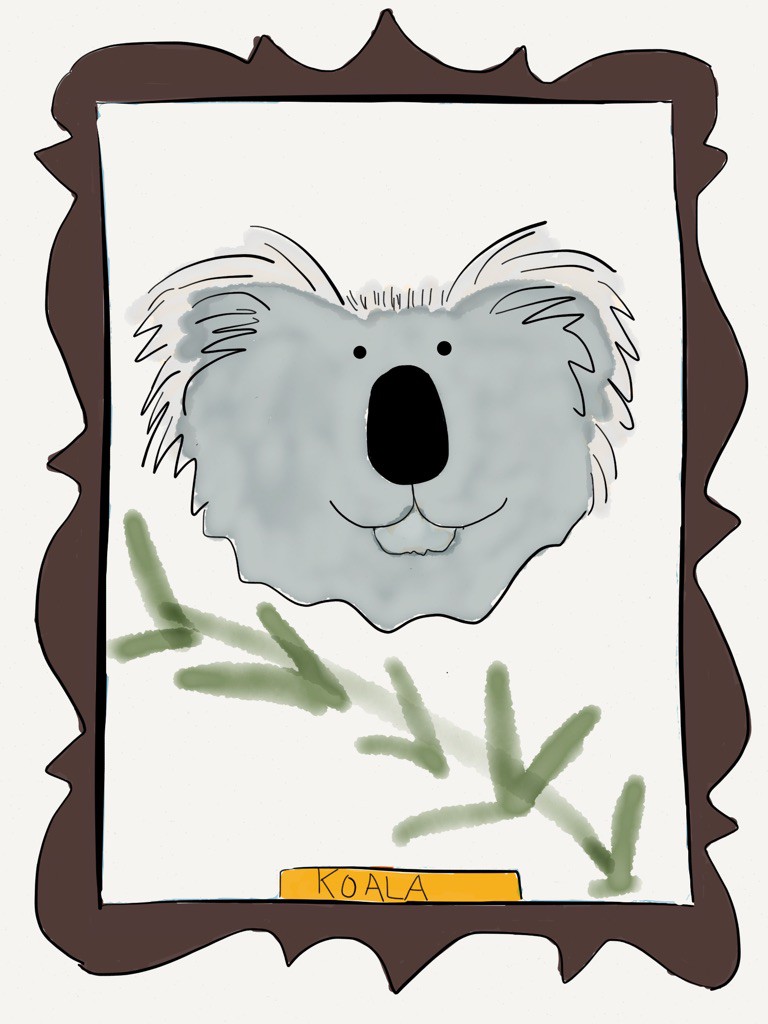
wombat wearefanimalykoala wearefanimaly

  • Koalas and Wombats are both marsupials.
  • Koalas and Wombats are found in Australia.
  • Koalas and Wombats are nocturnal.
  • Koalas are arboreal (they live in trees).
  • Wombats burrow underground.
  • Wombats are herbivores; they eat bark, grass, roots and shrubs.
  • Koalas are folivores; they eat eucalyptus leaves.
  • Koalas and Wombats get most of their water from the leaves they eat.
  • Koalas and Wombats are both solitary.
  • Koalas sleep up to 20 hours a day.
  • Wombats can run up to 25 mph.


We love koalas and wombats! These funny marsupials have such unique characteristics. The females’ pouches alone are super cool!


Categories: adventure, Animals, Children, conservation, education, Environment, mammals, marsupial, nature, science, wildlife | Tags: , , , , , , , , , | Leave a comment

LAND DOWN UNDER….

LAND DOWN UNDER…

e e savanna

As you should know from the map that Professor Tamandua gave you, we’re in Australia! Yesterday we spotted a common wombat and we had some correct guesses! High hooves all around! Today we went to find an iconic animal of Australia! This furry creature is one adorable animal and we were lucky enough to meet a few of them, hanging out in some eucalyptus trees! Do you know who it is?

Come meet the Koala!!

koala

Habitat/Range: Eucalyptus forests, Eastern Australia

 australia map

Weight/Length: 20 lbs/ 23-33″

Diet: Folivore: eucalyptus leaves

Conservation Status: threatened

koala2Fun Koala Facts:

  • Koalas need their sleep! They snooze up to 18-20 hours a day!
  • They are arboreal! They have sharp claws that help them climb and those trees are a great place to eat and keep safe!
  • Man can koalas eat! Koalas need to eat a bunch of eucalyptus to get water and nutrition and that means they munch up to 2 1/2 pounds a day!
  • Those eucalyptus leaves are toxic, but koalas have a special bacteria to break down those toxins.
  • Koalas are marsupials- not bears! They give birth to teeny joeys that then grow in mom’s pouch!
  • These solitary species need their space! Koalas need around 100 trees per animal to be comfy and cozy!
  • Koalas are nocturnal! They spend most of their evening chewing on eucalyptus leaves!
  • Male koalas have a scent gland on their chest that they rub on trees to mark their territory!
  • All of those eucalyptus leaves give koalas a menthol cough drop smell! Ha!

koala3Koalas are amazing and odd creatures! They look like cuddly bears, but they do have claws and can be a bit territorial! Australians are working to ensure they have enough habitat to live! We couldn’t imagine a planet without these cuties!

Categories: adventure, Animals, Children, conservation, education, Environment, mammals, nature, science, Uncategorized, wildlife | Tags: , , , , , , , , , | Leave a comment

WE LOVE REINDEER!!!

WE LOVE REINDEER!!

Our first adventure takes us to the chilly North pole to meet a VERY Famous animal, who knows the big guy driving the slay! Grab your coats and let’s go meet some reindeer!

e e arctic

MEET THE REINDEER!

reindeer   Range/Habitat: North America-Europe-Asia/Tundra-forest

   Diet:  Herbivore: grasses, moss, lichen

   Length/Weight: 4- 7 ¼ ft/ 260-660 lb

   Conservation Status: common


Fun Facts:

  • Reindeer are also called caribou.
  • They vary in color and size depending on where they live. Reindeer that live closest to the arctic are white in color.
  • Both female and male reindeer have antlers. Males lose their antlers in the winter.
  • Reindeer antlers are covered in a layer of fur called velvet.
  • Their noses are specialized to warm cold air before it enters their lungs.
  • Reindeer have a four chambered stomach!
  • One of their favorite foods is called reindeer moss.
  • Reindeer are the only mammal that can see ultraviolet light!
  • Some reindeer populations migrate. They can migrate up to 3,000 miles in one year! Whew, they must be tired!

Besides being really neat, reindeer are famous for pulling Santa’s sleigh! We were hoping to meet a real reindeer this year, but we weren’t able to. We are making some antlers out of pipe cleaners though! What’s your favorite thing about reindeer?

reindeer   reindeer2


Categories: adventure, Animals, Children, conservation, education, Environment, mammals, nature, science, wildlife | Tags: , , , , , , , , , | Leave a comment

GOING BATTY!

GOING BATTY!

e & e bat

We’re going batty today! We thought it would be fun to talk bats- what makes a bat a bat? Do you have any guesses?

Let’s find out!

  • Bats are the only true flying mammal on earth!
  • There are over 1,000 different species on earth.
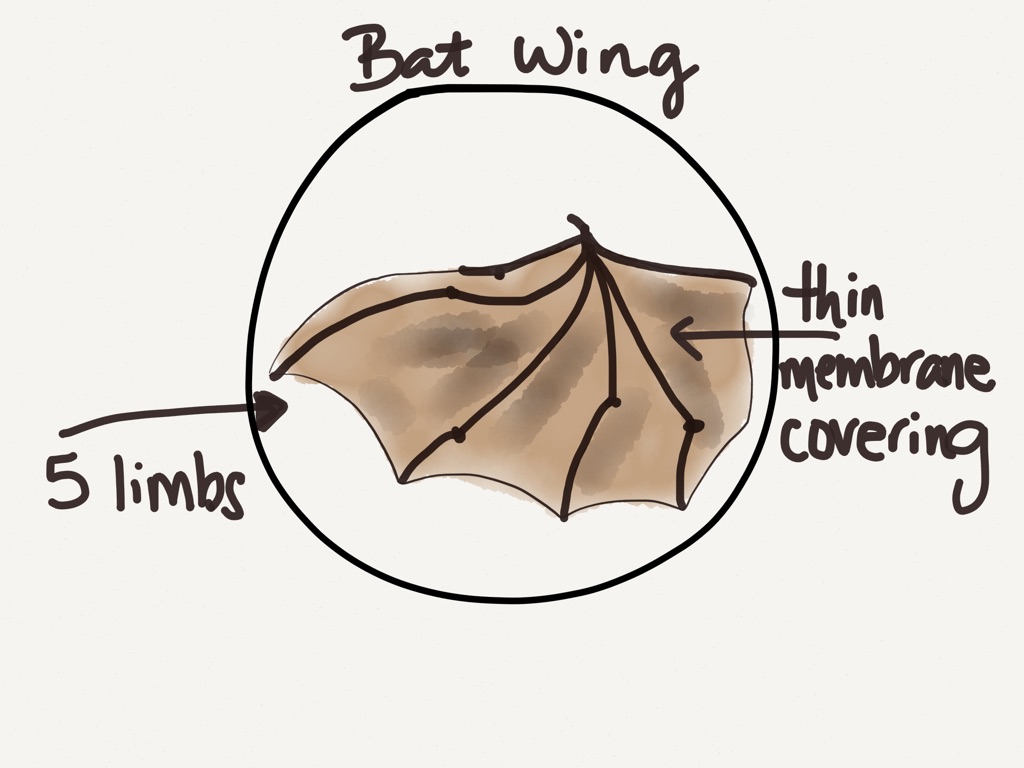
  • Bats have specialized wings that help them fly- bat wings have five appendages- including a thumb on top to help them climbs.
  • Bat wings are covered in a thin membrane called the patagium.

  • Scientists believe that bats evolved around 100 million years ago.
  • Bats are nocturnal.
  • There are around 1,000 different species of bats.
  • Some bats eat insects, some eat fruit and a few species- drink blood.
  • Fruit bats are also called flying foxes. They are important as they disperse seeds in their tropical habitats.
  • Bats use echolocation to detect prey, especially flying insects.
  • Most bats are very social and live in large groups.
  • Bat do sleep upside down!
  • Bats come in small and large sizes.

We sure do love bats! Now you know a few things that make a bat a bat! They are often feared, but without them we would be in big trouble! We need bats to disperse seeds and to help keep insect populations in check- one brown bat can eat 1,200 mosquitoes an hour! Keep up the good work our flying mammal friends! What do you love about bats?


Categories: adventure, Animals, Children, conservation, education, Environment, mammals, nature, science, wildlife | Tags: , , , , , , , , , | 2 Comments

GUESS THE ANIMAL!!

GUESS THE ANIMAL!

It’s time to Guess the Animal this Week! We’ll be featuring animals who are considered creepy and crawly or who have creepy names or adaptations for the whole month of October! Do you think you know who today’s animal is? We’ll only give one clue!

ghost crab

  • I live on the beach and a named for my pale appearance!

WHO AM I?

Categories: adventure, Animals, Children, conservation, education, Environment, mammals, nature, science, wildlife | Tags: , , , , , , , , | 4 Comments

INTERNATIONAL RHINO DAY!!

INTERNATIONAL RHINO DAY!!!

e e savanna

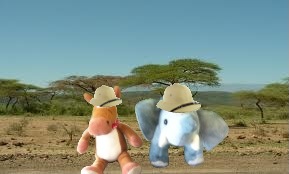
Happy International Rhino Day (it’s actually tomorrow- but that is World Red Panda Day too- so we will have a post for that too)! We’re celebrating Edmond’s distant relatives the rhino today! These stout creatures are in danger and desperately need our help! So make sure you check out how you can help!

rhino

rhino5

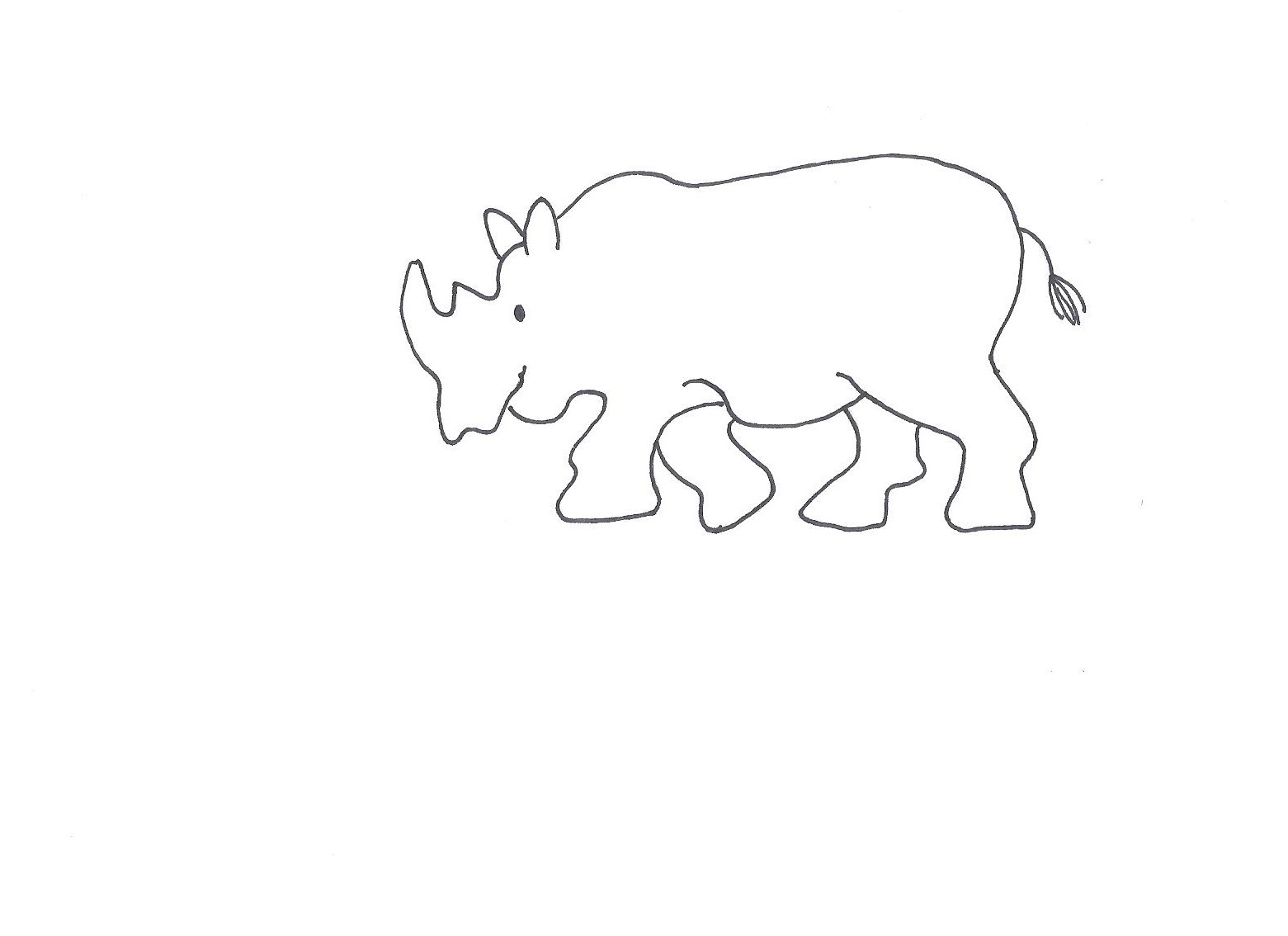
We’re going to give you some fun rhino facts, a coloring sheet and some great resources to help our friends!

rhino3

RHINO FUN FACTS:

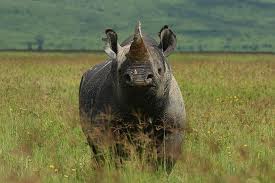
  • There are 5 species of rhinos, the Black Rhino, the White Rhino (the African species), the Northern India Rhino, the Sumatran Rhino and the Javan Rhino (the Asian species).
  • Rhinoceros is Greek for nose and horn!
  • All rhinos have poor eyesight.
  • White rhinos have a large broad mouth for grazing grass.
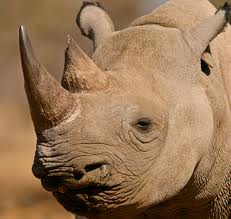
  • Black rhinos have a narrow prehensile lip to help them grasp leaves.
  • Rhino horns are made of keratin, the same protein that makes up your hair and fingernails.
  • Rhinos’ ears can move and rotate independently of each other. This adaptation helps the rhino hear.
  • Rhinos are herbivores.
  • Rhinos are related to horses, tapirs and zebras! Woohoo!
  • The Sumatran Rhino is the smallest rhino weighing around 1,700 lbs and the White rhino is the largest weighing around 5,000 lbs.
  • A group of rhinos is called a crash!
  • All rhinos are endangered. Many organizations, like World Wildlife Fund and Saving Rhinos are working very hard to save and protect these amazing animals. Check them out and see how you can help!


Image

Categories: adventure, Animals, Children, conservation, education, Environment, mammals, nature, science, wildlife | Tags: , , , , , , , , , | Leave a comment

WORLD LION DAY!!

WORLD LION DAY!!

Happy World Lion Day! We love these big cats and we’re not lion :)! Hahaha!

lion

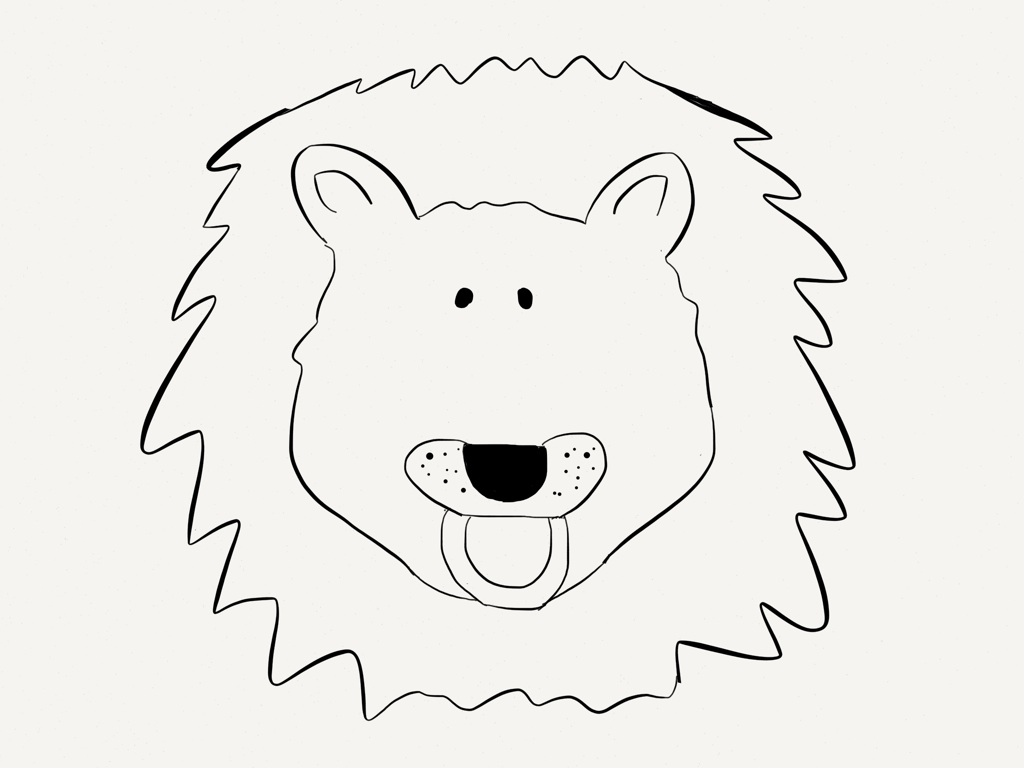
We’re celebrating these gorgeous social cats with a coloring sheet!

lion coloring sheet

Categories: adventure, Animals, Children, conservation, education, Environment, mammals, nature, science, wildlife | Tags: , , , , , , , , , | Leave a comment

Bears and Seals!

Bears and Seals!

Yesterday’s Guess the Animal was the Black Bear. One of the clues was that this animal is related to seals. We had lots of people guess otter, because of this clue! That was a great guess, but otters are related to weasels and wolverines.

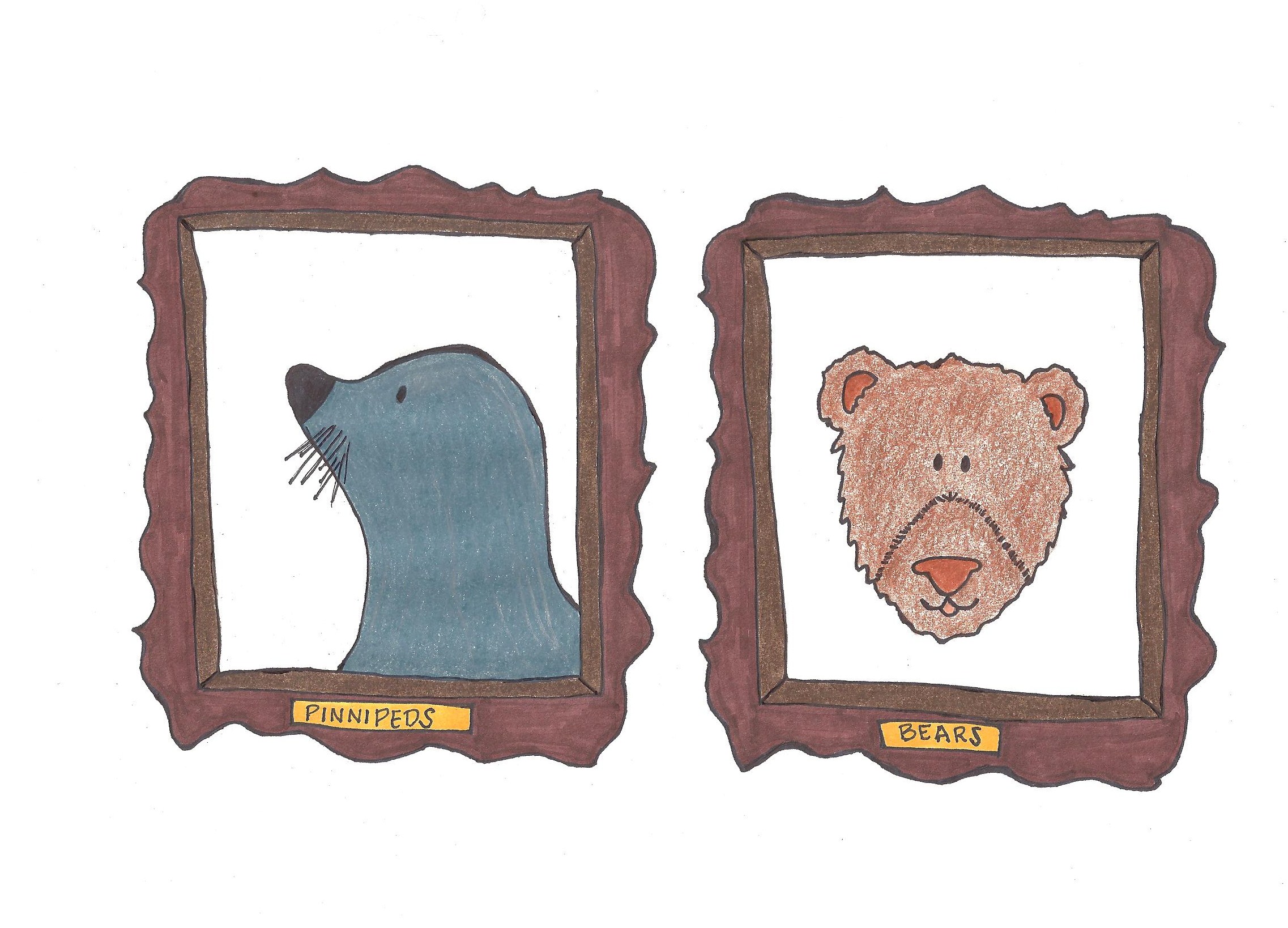
Bears on the other hand are related to seals and sea lions, otherwise known as pinnipeds. Last year we had a series of cartoons call We Are Fanimaly, where we talked about animal relatives. We’re going to show you the Bears and Pinnipeds cartoon again! We’d like to start the We Are Fanimaly posts again very soon!

Image

FUN BEAR FACTS: 

  • Bears have shaggy coats and short tails.
  • Bears are mammals.
  • There are 8 species of bears.
  • Many species hibernate during the winter.
  • All bears are omnivores.
  • Bears can live up to 30 years.
  • Bears can run up to 40 mph.
  • Polar bears are marine mammals.
  • The most common bear is the brown bear.

FUN PINNIPED FACTS:

  • The pinniped family includes seals and sea lions.
  • Pinnipeds are mammals.
  • There are 32 species of seals.
  • Seals and sea lions have fur and a layer of blubber.
  • Seals and sea lions are carnivores.
  • Pinnipeds use their whiskers to find prey.
  • Seals and seal lions are marine mammals.
Categories: adventure, Animals, Children, conservation, education, Environment, mammals, nature, science, wildlife | Tags: , , , , , , , , | 4 Comments

Blog at WordPress.com.