mammals

SAVE THE RHINO DAY!

SAVE THE RHINO DAY!!

We came to Africa for a few days and one of those reasons was to find rhinos. These amazing animals are such fun to watch as they eat in the savanna. Sadly they are being poached at alarming. We must help protect our hooved cousins. Learn some fun facts about rhinos and how you can help! Also- enjoy a great coloring sheet!

e e savanna


RHINO FUN FACTS:

  • There are 5 species of rhinos, the Black Rhino, the White Rhino (the African species), the Northern India Rhino, the Sumatran Rhino and the Javan Rhino (the Asian species).
  • Rhinoceros is Greek for nose and horn!
  • All rhinos have poor eyesight.
  • White rhinos have a large broad mouth for grazing grass.
  • Black rhinos have a narrow prehensile lip to help them grasp leaves.
  • Rhino horns are made of keratin, the same protein that makes up your hair and fingernails.
  • Rhinos’ ears can move and rotate independently of each other. This adaptation helps the rhino hear.
  • Rhinos are herbivores.
  • Rhinos are related to horses, tapirs and zebras! Woohoo!
  • The Sumatran Rhino is the smallest rhino weighing around 1,700 lbs and the White rhino is the largest weighing around 5,000 lbs.
  • A group of rhinos is called a crash!
  • All rhinos are endangered. Many organizations, like World Wildlife Fund and Saving Rhinos are working very hard to save and protect these amazing animals. Check them out and see how you can help!

Image

Categories: adventure, Animals, Children, conservation, education, Environment, mammals, nature, science, wildlife | Tags: , , , , , , , , | 3 Comments

SCIENCE WORD OF THE WEEK!

SCIENCE WORD OF THE WEEK!

swow herbivore

It’s time for class again! We learned what carnivore is last week and today we’re talking Herbivores!

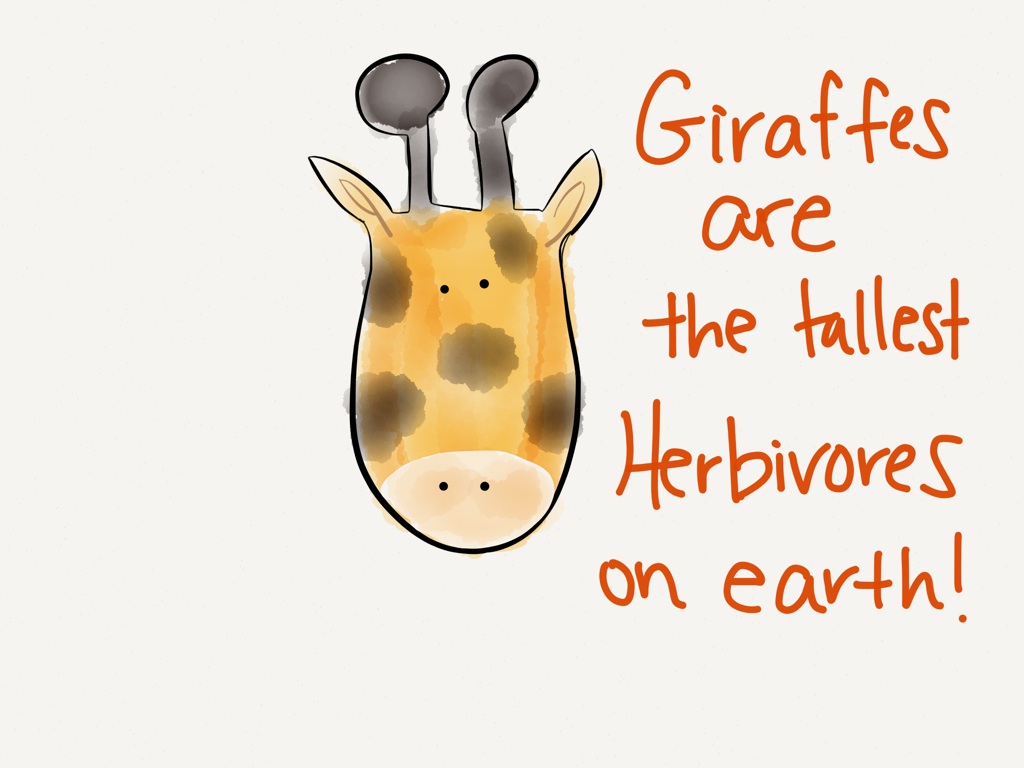
An Herbivore is an animal that only eats vegetation and or plant material. Ellie and Edmond are both herbivores! Herbivores come in all shapes and sizes! They can eat everything from grass, roots, bark, seeds, flowers and fruits.   Which herbivore is your favorite? I like giraffes! They have long tongues and necks that help them reach the leaves that no other animal can eat! Neat!

giraffe herbivore

Categories: adventure, Animals, Children, conservation, education, Environment, mammals, nature, science, vocabulary, wildlife | Tags: , , , , , , , , , , | 5 Comments

Guess the Animal!!

Day #32 (4/9/14) – Guess the Animal
We’ve headed out to the Pacific Northwest Region of North America for a few days to explore the coastline. We spotted so many amazing animals! Let’s see if you can guess who we spotted today! We are looking for a specific species name :)!

sea lion

• They have external ears.
• They are marine mammals.
• They have a state in their name.

Who is it?

-Ellie and Edmond

Categories: adventure, Animals, Children, conservation, education, Environment, mammals, nature, science, wildlife | Tags: , , , , , , , , , | 2 Comments

MANATEE APPRECIATION DAY!

MANATEE APPRECIATION DAY!!

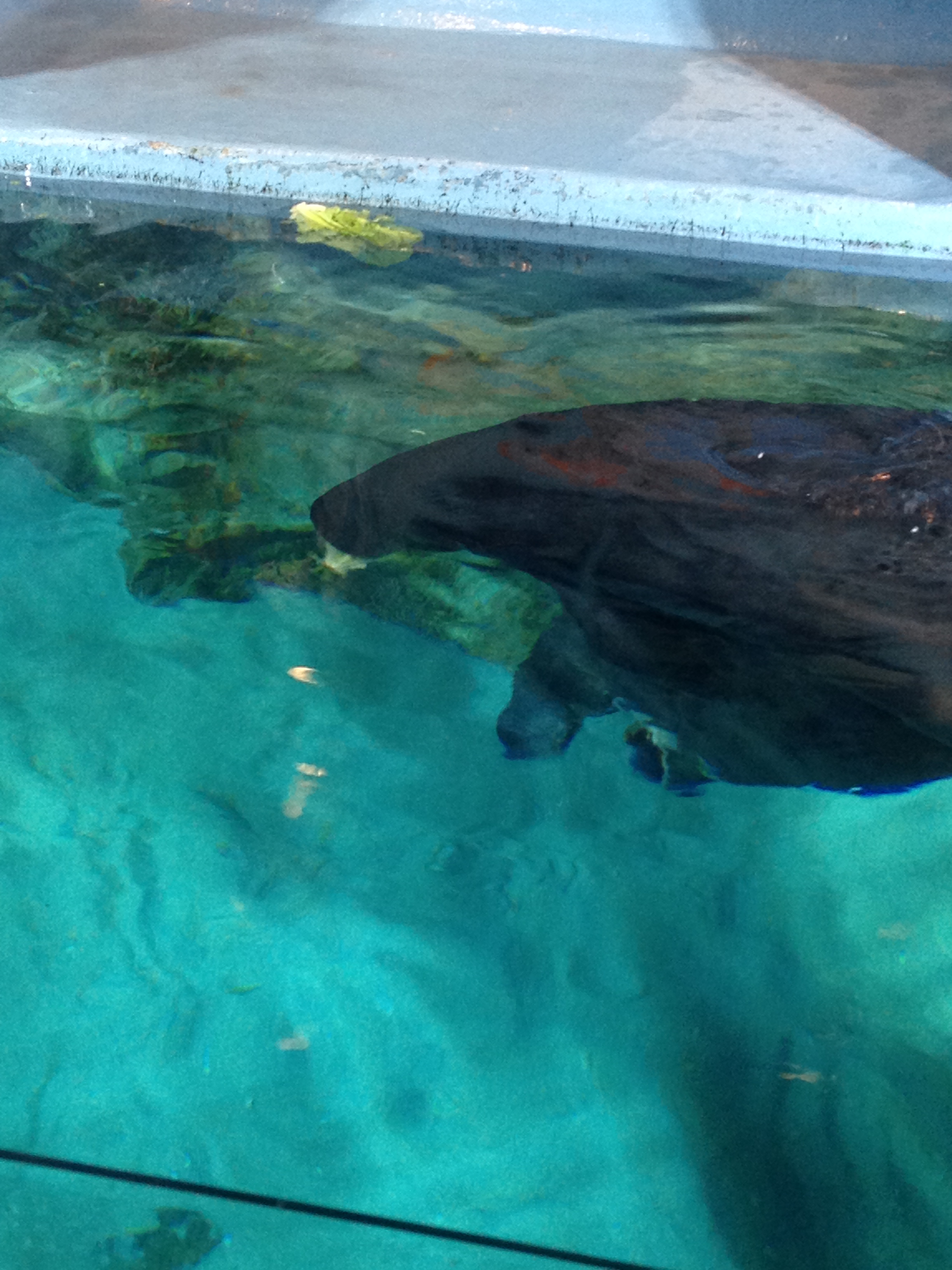
It’s Manatee Appreciation Day! We love these gentle marine mammals! We have visited them in places in Florida before. We’re going to share some fun facts about the fabulous animals and a great craft you can make too!

IMG_6623

  • Manatees are also called sea cows.
  • They live in coastal waters and rivers.
  • They have strong flat tails.
  • Their nostrils sit on top to help them breathe air.
  • Manatees are herbivores. They eat algae and grasses.
  • They can eat 1/10th of their weight in a day.
  • Manatees are slow moving.
  • They can weigh up to 1,300 lbs.
  • Manatees are endangered.

manatees    manatee2


Manatees are endangered due to things like boat strikes and pollution (they get caught in fishing nets). Many people are working to protect these beautiful gentle giants. A great way to help them- Never put trash in the ocean or rivers! Human’s pollution is devastating on our wild animal friends. Also check out Save the Manatee Club– they work very hard to protect manatees!

You can also make our great manatee bookmark and share your love of these animals with your friends! The more we understand and love a species the more we will work to save them!


Categories: adventure, Animals, Children, conservation, education, Environment, mammals, nature, science, wildlife | Tags: , , , , , , , , , , | 5 Comments

Day 25- Back to Australia

Day #25 (3/11/2014) Back to Australia

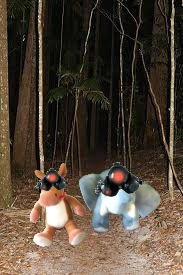
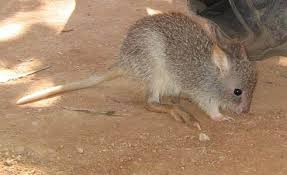
      We had such a lovely week at HQs last week celebrating aardvarks and announcing our spring photo contest, but we were ready to hit the road. We packed up and headed out for a short stay in the land down under! We set today to find one of the many marsupials that live on this island country. Marsupials are so cool with their pouches! We were so excited when we did spot the animal we were looking for… the Rufous Bettong!

e & e night rainforest

       Their range/habitat: Eastern Australia/forest-rainforest

      Their length/weight: 14 ½-20 ½”/5 ½-7 ¾ lbs  Conservation Status: Common

      Their diet: Omnivore: seeds, fungi, flowers and invertebrates

rufus bettong

  • Rufous bettongs are also called the Rufous rat kangaroo.
  • They have reddish brown fur.
  • Rufous bettongs are nocturnal.
  • Rufous bettongs build cone shaped nests. One animal can have up to 5 of these nests.
  • They can grasp things with their tails.
  • Rufous bettongs babies leave their mom’s pouch at 16 weeks.

rufus bettong2 

These amazing little marsupials are so cute! They can hope like a kangaroo but look like a rodent! We just loved watching them hop around the forest looking for fungi to eat! Time for bed for us! Tomorrow brings a new adventure- we’ll be looking for a flightless bird in New Zealand!

-Ellie and Edmond

Categories: adventure, Animals, Children, conservation, education, Environment, mammals, nature, science, wildlife | Tags: , , , , , , , , , | 2 Comments

AARDVARK APPRECIATION WEEK!

AARDVARK APPRECIATION WEEK!

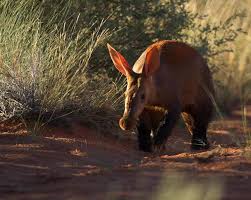
We saw a post from the Cincinnati Zoo that it’s Aardvark Appreciation Week! Well who knew? So we decided to spotlight these fantastic creatures!

aardvark1

We just love these crazy looking creatures with their big ears and their pig like noses! So what do we know about them? Let’s find out!

  • Aardvarks live in Africa.
  • Their name means earth pig!
  • Aardvarks are nocturnal.
  • Aardvarks live in underground burrows.
  • Their favorite food is termites.
  • Another name for an aardvark is the antbear.
  • An aardvark’s tongue can reach up to 12 inches long.
  • They can close their nostrils when extracting termites.
  • Aardvarks can weigh as much as 180 lbs.
  • An aardvark’s closet living relative is the elephant shrew, along with hyraxes, tenrecs and elephants! M

Wow! We had no idea that the aardvark is a distance relative of Ellie’s! Cool!

aardvark2

So do you love aardvarks as much as we do! It’s those ears!

aarvark

Categories: adventure, Animals, Children, conservation, education, Environment, mammals, nature, science, wildlife | Tags: , , , , , , , , , | 13 Comments

Happy International Polar Bear Day!!

Happy International Polar Bear Day!

e e polar bear

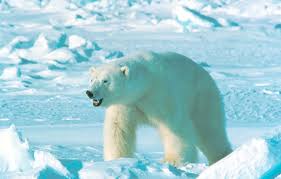
We are celebrating the beloved polar bear today! These amazing marine mammals are one of our very favorites! Come learn some fun facts about polar bears and how you can help protect their arctic home!

polar bear

  • Polar Bears are excellent swimmers, they have been found miles off shore.
  • They have a thick layer of fur, including on the bottoms of their paws.
  • Polar bears are carnivores.
  • Polar bears have translucent fur.
  • Polar bears have black skin that helps them soaks up the warmth of the sun.
  • Polar bear mothers build a den to have their cubs.
  • Polar bear cubs stay with their mothers for up to two years.
  • Polar bears have no natural predators.
  • Scientist think polar bears evolved from brown bears.
  • Polar bears are the largest land predator on earth.
  • Adult male polar bears can weigh up to 1,200 pounds.
  • Polar bears are protected in Norway, Canada, Russia, Denmark and the U.S.

polar bear2

One great way we can all help out polar bears is to use less energy! There are easy ways to do that in your own home such as; when you leave a room turn off the lights, unplug appliances like toaster ovens and coffee machines when not in use and turn off your computer and/or unplug your laptop when not in use!

You can also learn other ways to help polar bears by checking out Polar Bears International!

polar bear lights

Categories: adventure, Animals, Children, conservation, education, Environment, mammals, nature, science, wildlife | Tags: , , , , , , , , , , | 1 Comment

GUESS THE ANIMAL!!

Day #20 (2/19/14) – Guess the Animal

We boarded a plane to Australia and since our plane was late, we’re doing guess the animal today! This was one of the first animals we saw as we headed to our stop for the night! Check out the picture and read the clues. (We are looking for a specific species.)

red kangaroo


  •          They are the largest members of their species.
  •          They cannot walk.
  •          They are marsupials!

Who is it?

Ellie and Edmond

Categories: adventure, Animals, Children, conservation, education, Environment, mammals, nature, science, wildlife | Tags: , , , , , , , , , | Leave a comment

Visiting the Whales!

VISITING THE WHALES OF THE DEEP AT FERNBANK MUSEUM OF NATURAL HISTORY!

We visited one of our most favorite places in Atlanta- Fernbank Museum of Natural History to check out the new exhibit Whales- Giants of the Deep! We’re giving you the top 10 reasons to go see this amazing exhibit!!

whales11   whales1

1. You can learn about the whale family! That is one big reunion!

whales13

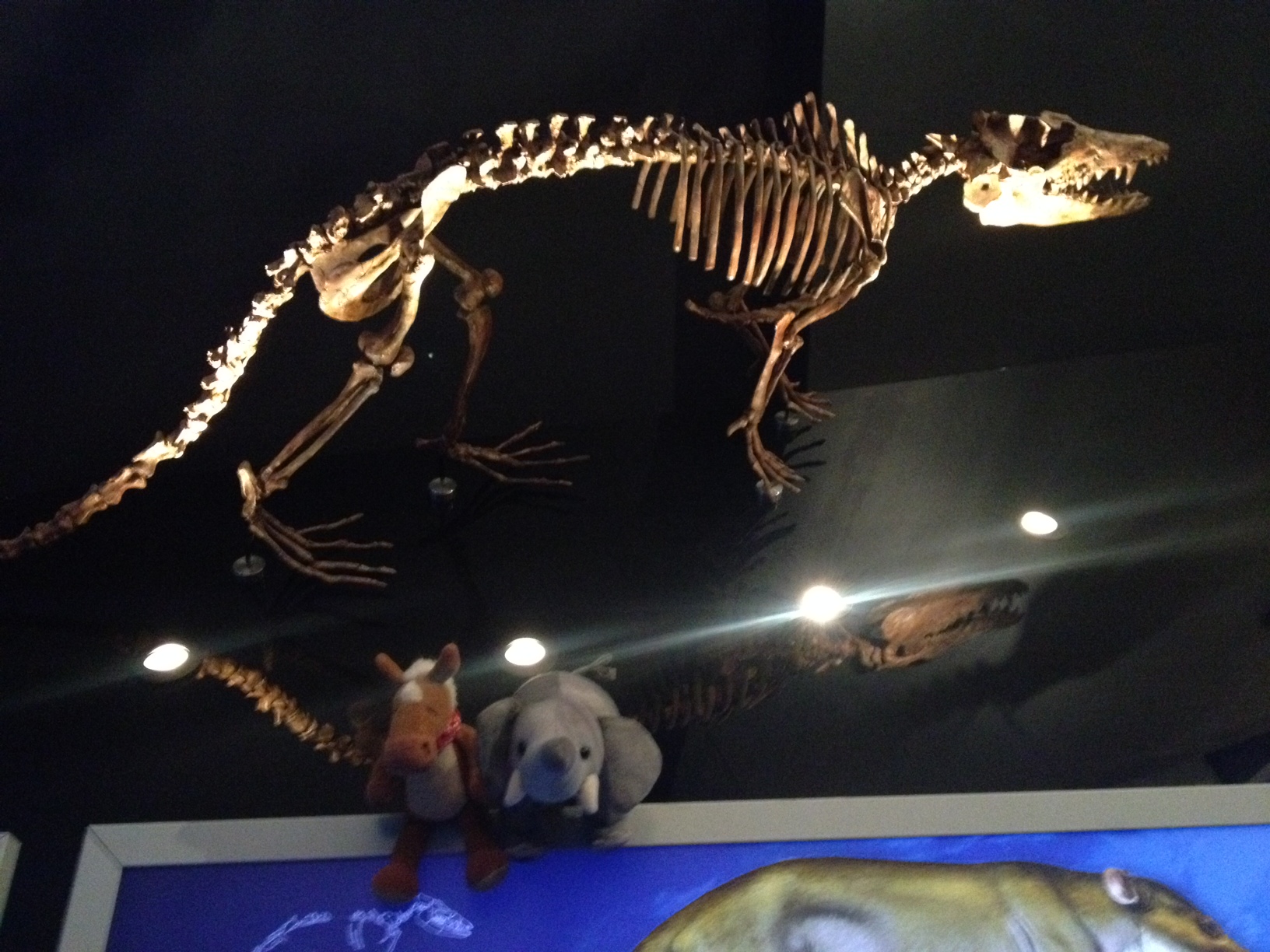
2. You can see one of the first ancestors of whales! They walked on land by the way!

whales4

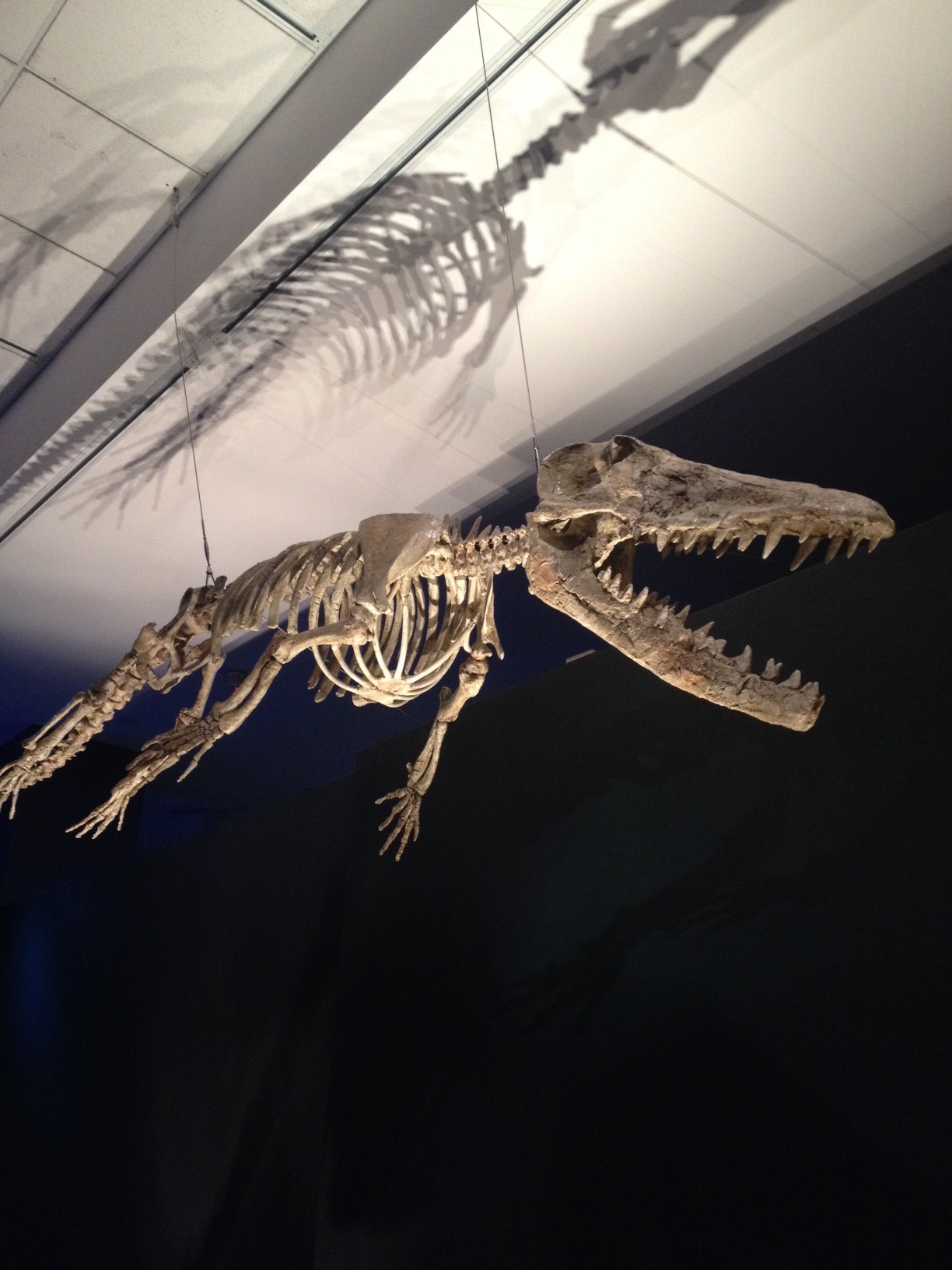
3.There are whales floating from the ceiling (another whale ancestor).

whales5

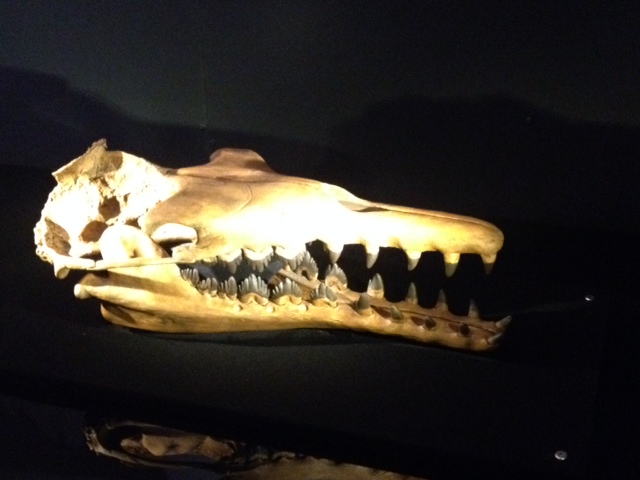
4. There are sharp teeth- really, really sharp!

whales6

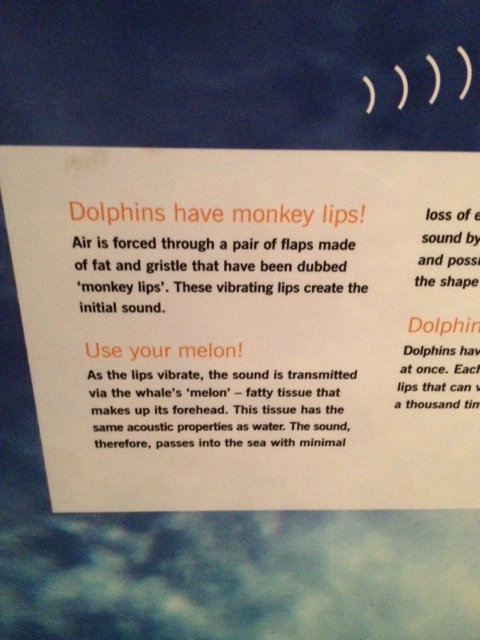
5. Dolphins have monkey lips! Whaaaaaaa???

whale16

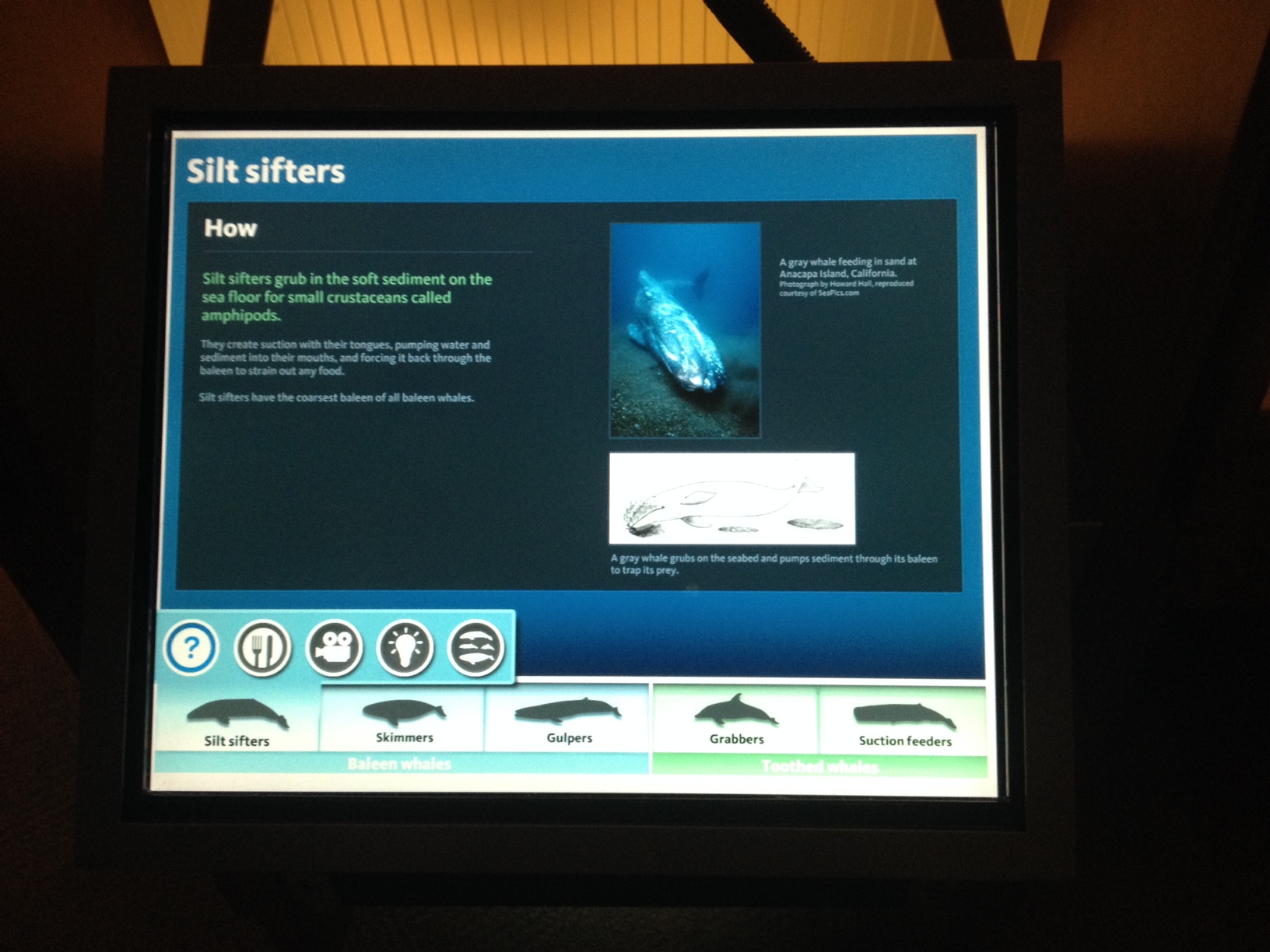
6. You can learn how whales eat! Who knew they scooped food off the bottom of the ocean!

whales15

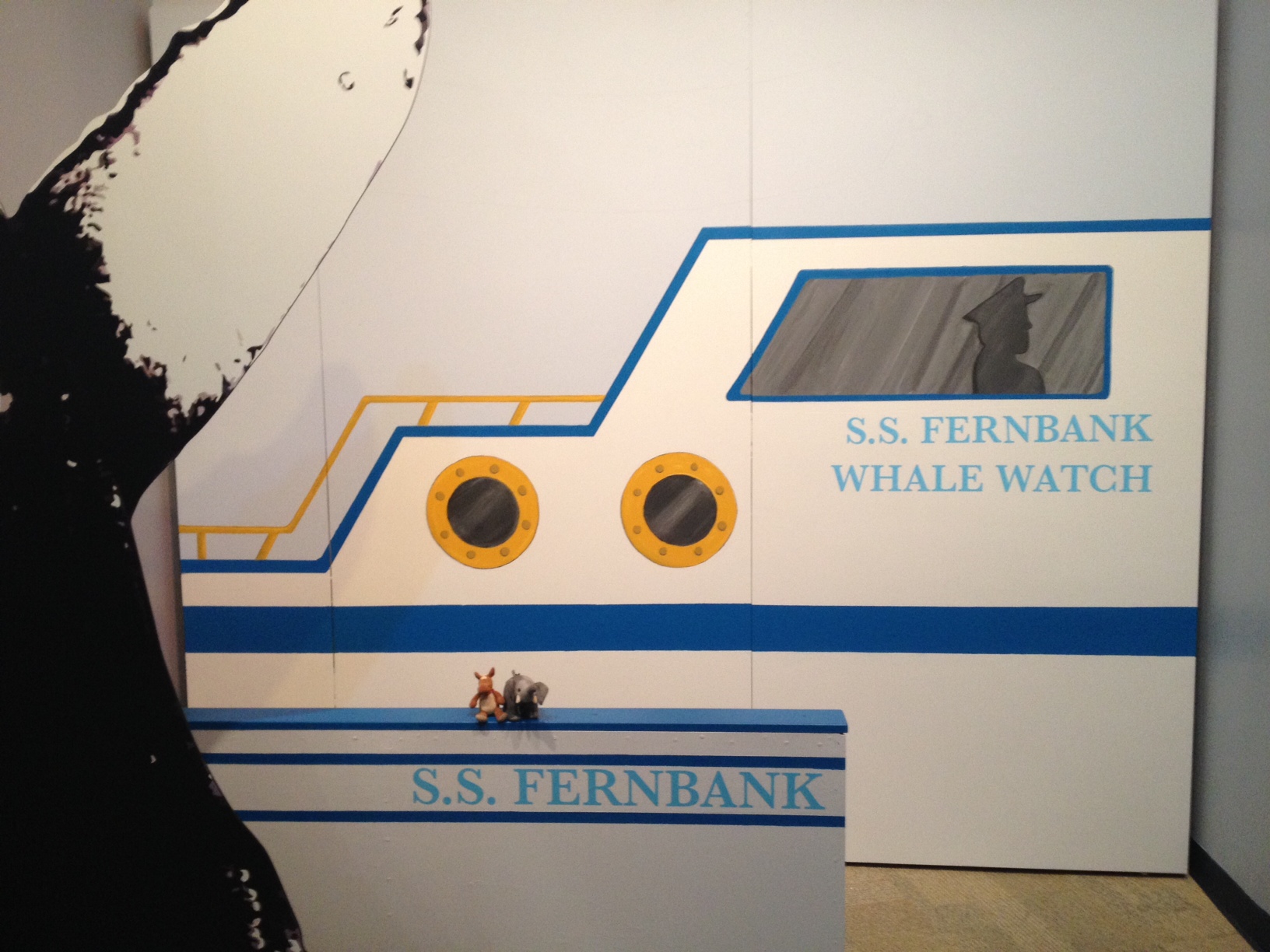
7. You can ride the SS Fernbank!

whales10

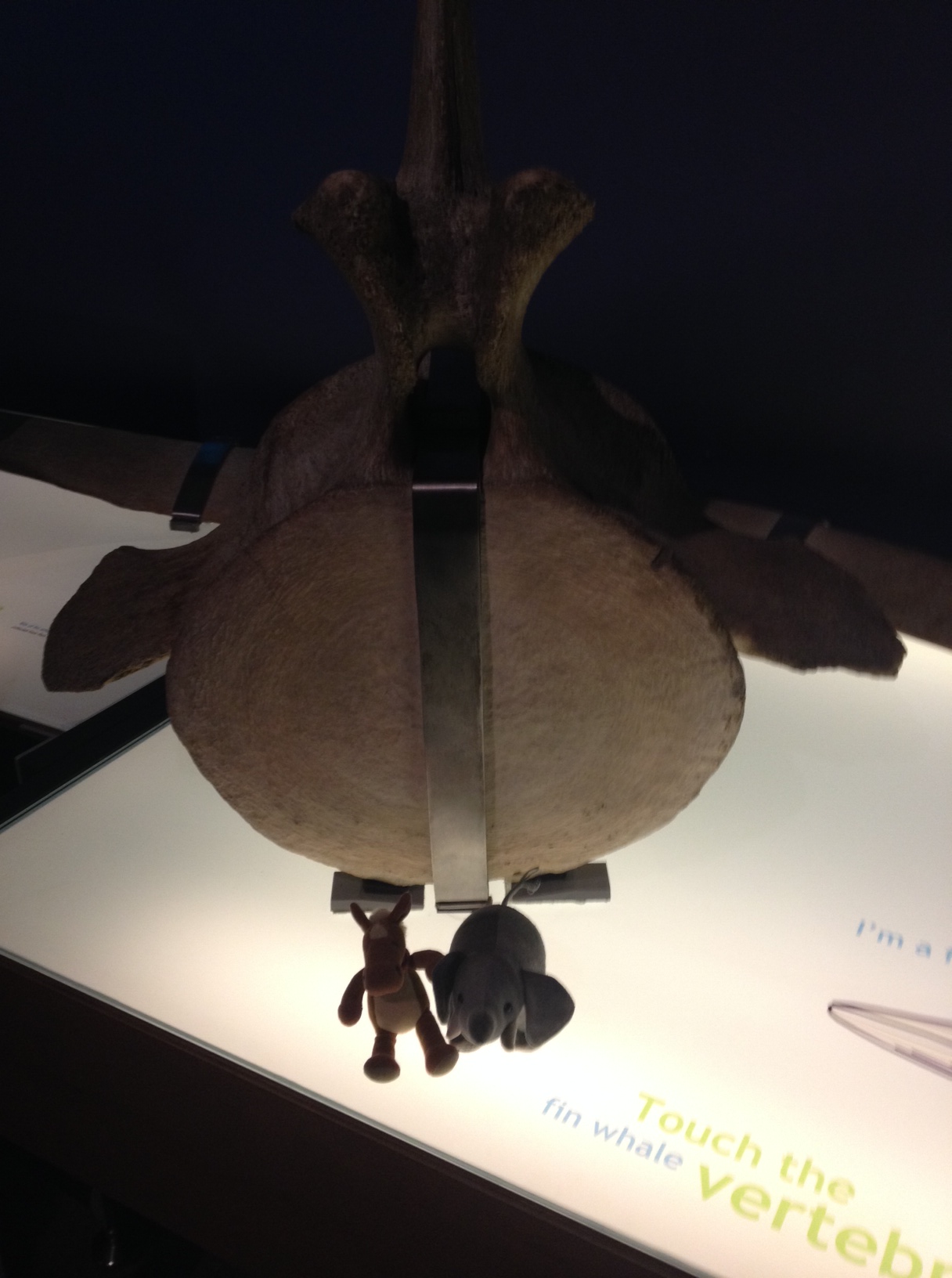
8. You can touch a whale’s vertebrae!

whales12

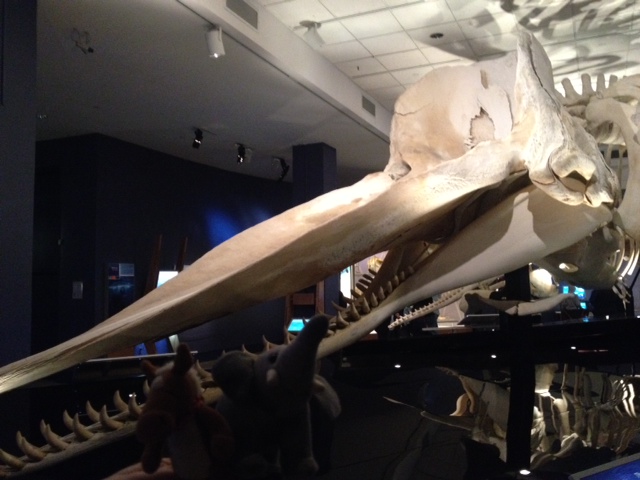
9. You can see a REAL Sperm Whale Skeleton and it is HUGE!!!

whales8

10. YOU CAN SEE A REAL SPERM WHALE SKELETON! IT IS AMAZING!!!!!!!

whales7

If you are in the Atlanta area make sure to put Fernbank’s new exhibit on your to do list! We only showed you a few of the many amazing things to discover in the super outstanding exhibit! There may even be a whale heart to climb…

Categories: adventure, Animals, Atlanta, Children, conservation, education, Environment, mammals, nature, science, whales, wildlife | Tags: , , , , , , , , , , , | 3 Comments

SCIENCE WORD OF THE WEEK!

SCIENCE WORD OF THE WEEK

tamandua adaptations

Welcome Students to this week’s lesson and the Science Word of the Week!

Today’s word is Adaptation \ˌa-ˌdap-ˈtā-shən, -dəp-\

Adaptation is when an animal or plant has a characteristic that helps them survive in their environment better. Adaptations include things such as camouflage, behavioral traits and the structure of an animal or plant!

Adaptations can be learned or inherited.

 Let’s check out some tiger  adaptations!

tiger adaptations

Categories: adventure, Animals, Children, education, Environment, mammals, nature, science, wildlife | Tags: , , , , , , , , | 4 Comments

Blog at WordPress.com.