oceans

FUN WITH NUDIBRANCHS!

FUN WITH NUDIBRANCHS!

IMG_2466

We’ve been playing around with videos at HQs! We made a Nudibranch cheer video! Shout out the letters and you’ll meet our new nudibranch pal at the end!

We also drew a nudibranch coloring sheet for you to enjoy today too!! Want to learn more about Nudibranchs? Check out our post from last year!

IMG_0151

Categories: adventure, Animals, Children, conservation, education, Environment, nature, oceans, science, wildlife | Tags: , , , , , , , , , | 1 Comment

THAT’S REMORA!

THAT’S REMORA!

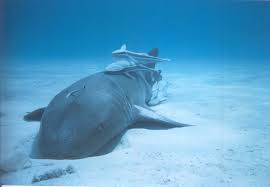
Since we’ve been talking about symbiosis and mutualism this week we’d thought we’d introduce you to a great pair of animals! The shark and the remora!

IMG_8816Remora Fun Facts:

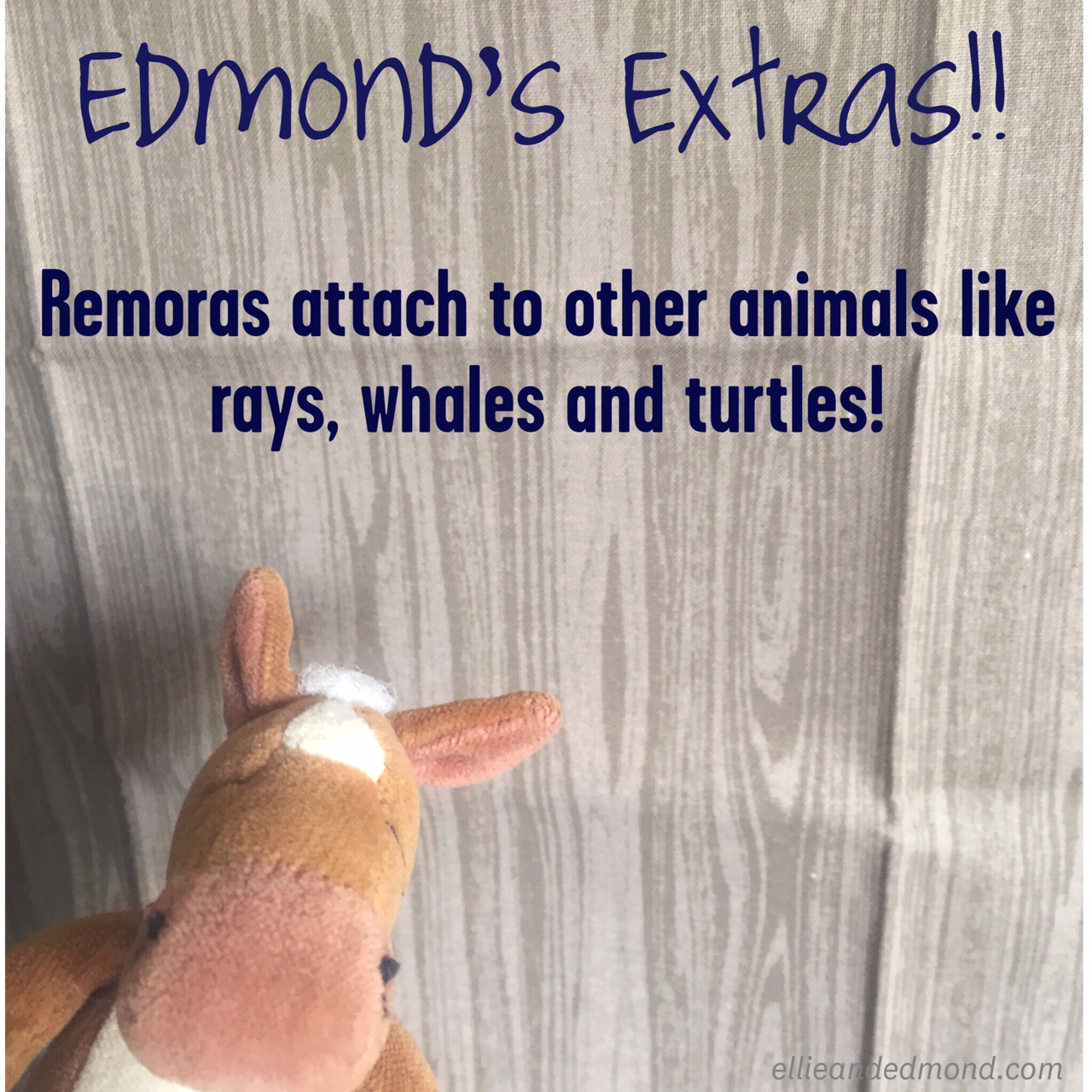
  • Remora’s dorsal fin that sucks on to the shark they are following.
  • They live in tropical ocean waters.
  • There are 8 species of remoras.
  • Some remoras like to attach to specific species.

remora    IMG_2778


  • They must attach to their host to get enough oxygen to pass over their gills.
  • The remoras eat parasites and dead skin off their host and pick up any scraps the host may leave behind.
  • The shark is cleaned of parasites.
  • Some remoras live in the gills of fish.

sharkremoraIMG_2779

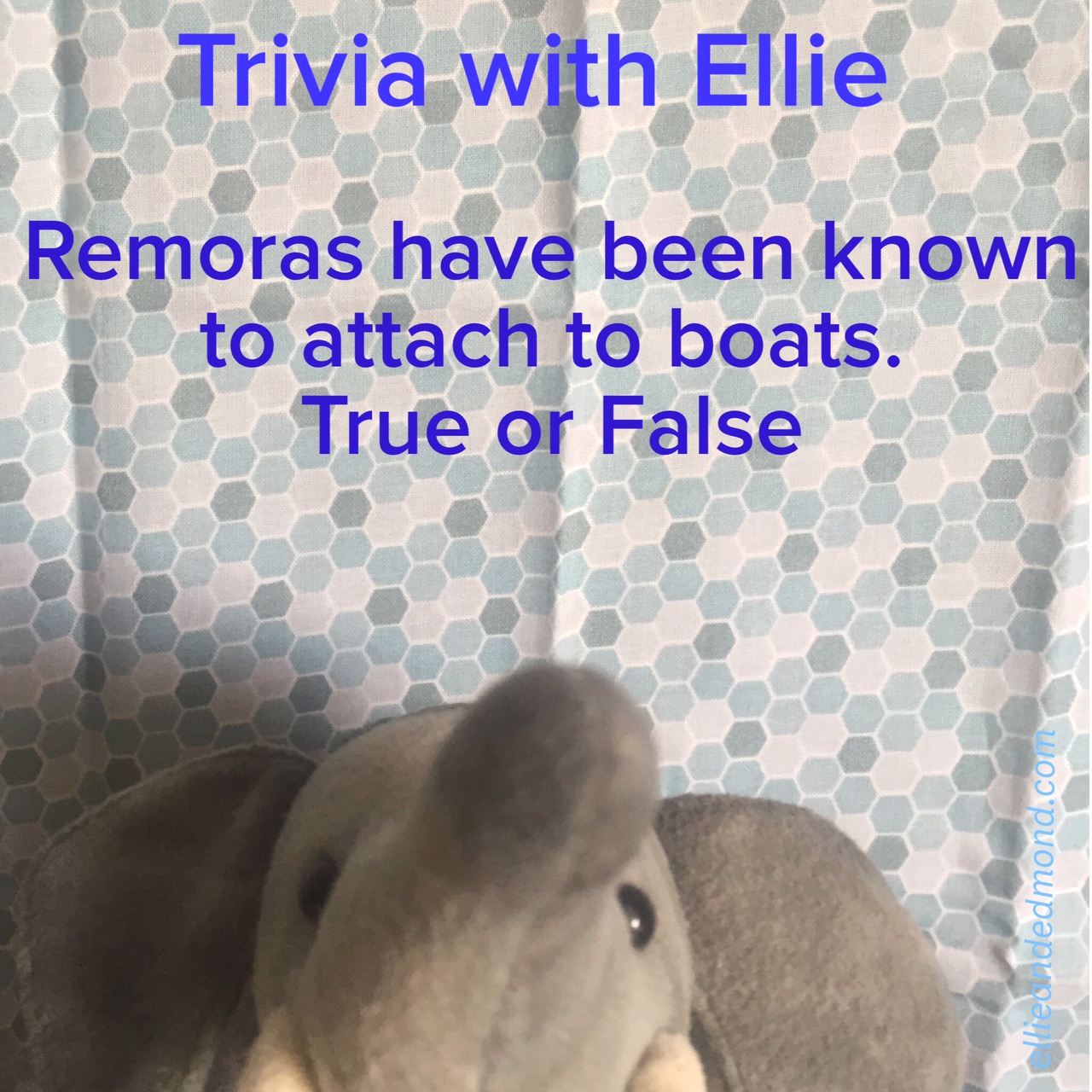
Answer: True!

Categories: adventure, Animals, Children, conservation, education, Environment, nature, oceans, science, wildlife | Tags: , , , , , , , , , | 1 Comment

CEPHALOPOD LOVE!

CEPHALOPOD LOVE!!

octopus

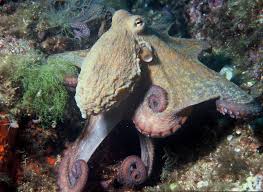
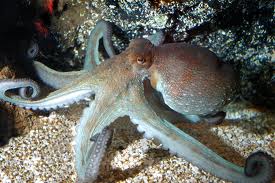
If you’re on social media, you may have noticed the celebration called cephalopod week! We wanted to join in and share the common octopus with you!


   Range/Habitat: Mediterranean- North Atlantic/ rocky bottoms

   Diet: Carnivore: crabs, crustaceans, mollusks

   Length: Head 9” arms up 3 ft

   Conservation Status: Common


Fun Facts:

  • Common octopi are cephalopods.
  • They have no skeleton and four pairs of arms.
  • Common octopi are considered very intelligent.   IMG_2689
  • Common octopus moms lay up to 50,000 eggs in a dark cave.
  • They stay with the eggs while they develop, generally around 2-6 months.
  • Common octopus moms take care of the eggs, by cleaning, holding and blowing oxygen over them.
  • They will not hunt or eat while they are taking care of the eggs.
  • Common octopus moms pass away soon after the babies hatch.
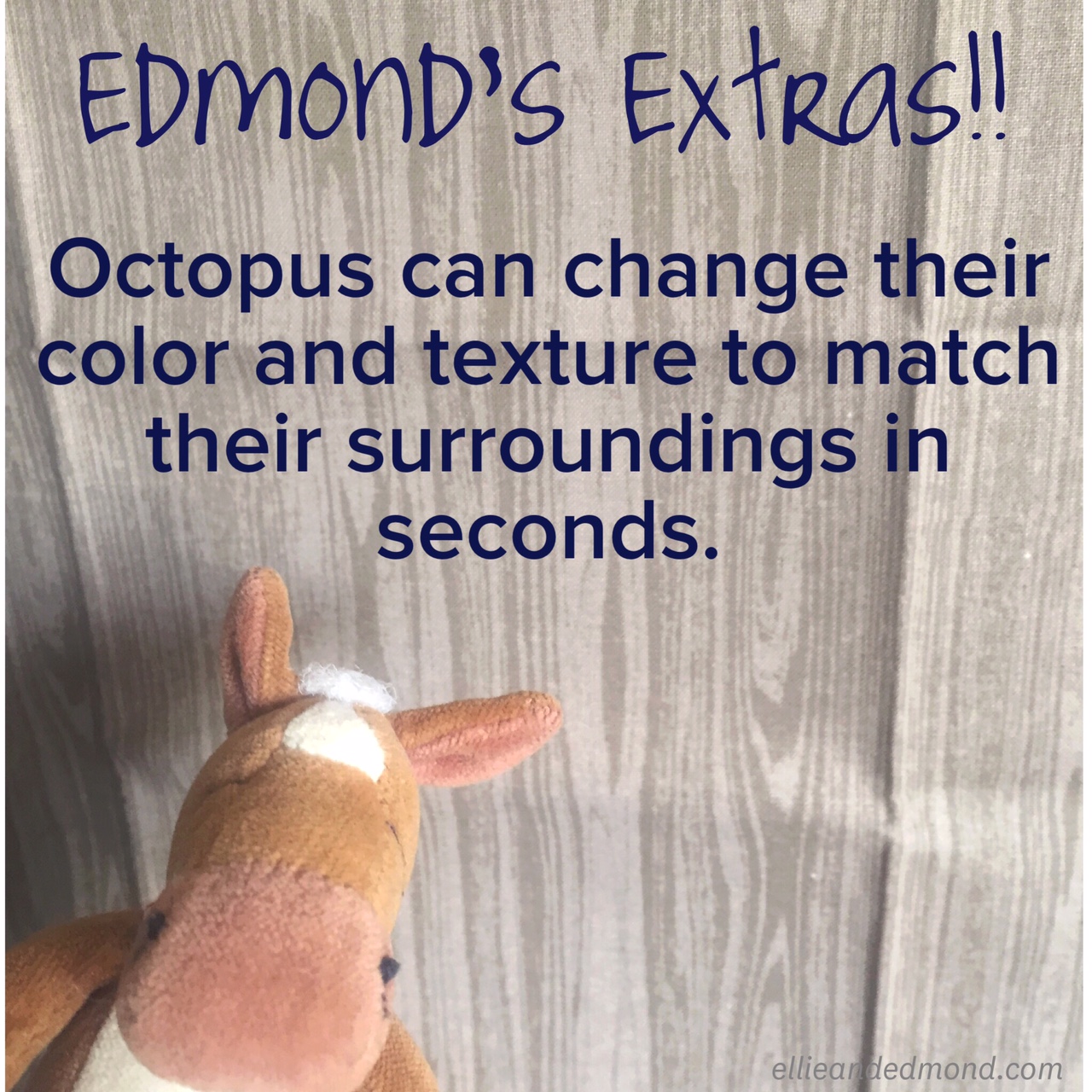
  • Octopus will release ink when threatened.
  • They collect shells of crustaceans and other objects to build a fortress or garden.


octopus2


We just love octopus! They are so intelligent and amazing creatures! There is so much more to learn about them! We’ll revisit them again soon!


IMG_2690


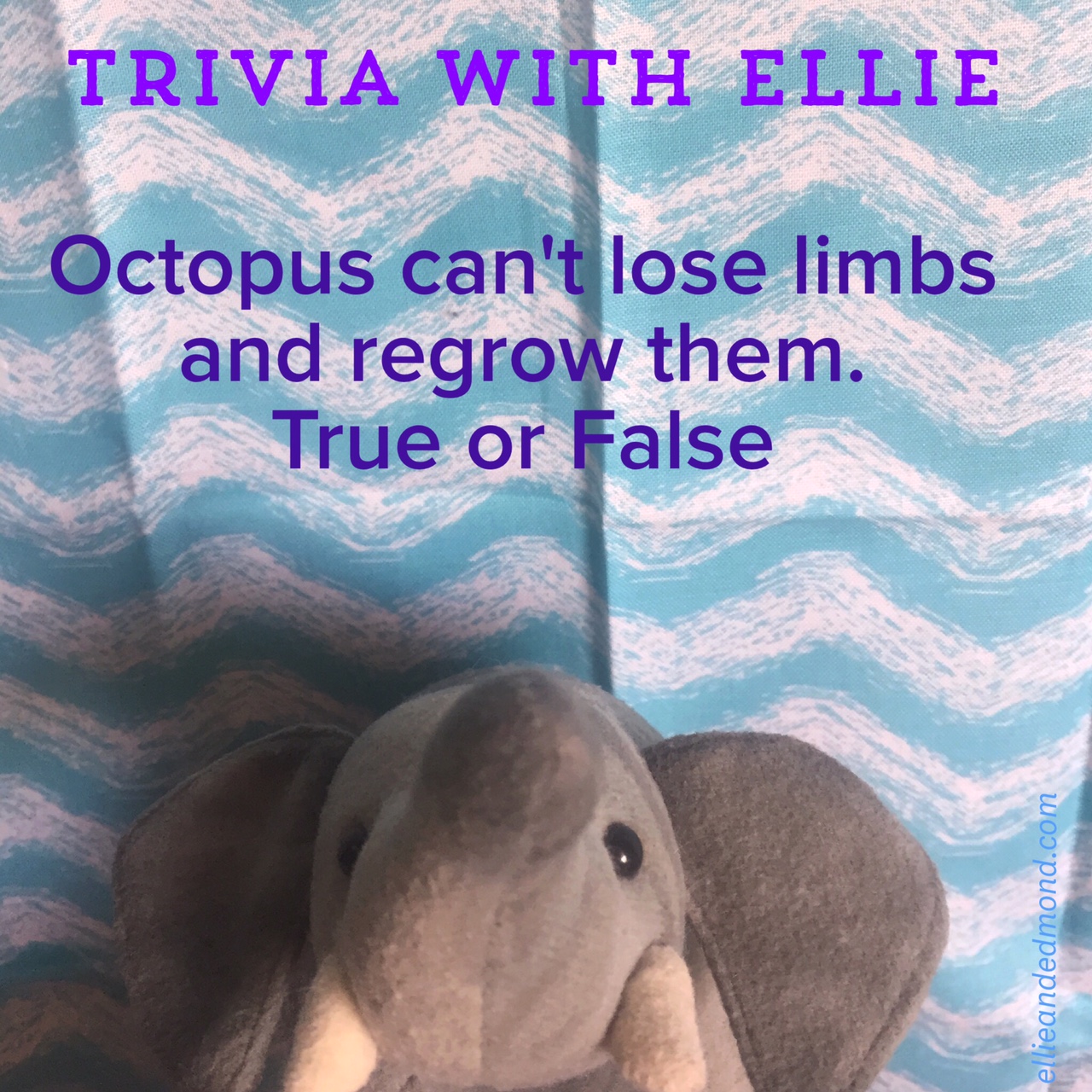
Answer: False- octopus can lose a limb and regrow it!

Categories: adventure, Animals, Children, conservation, education, Environment, nature, oceans, science, wildlife | Tags: , , , , , , , , , | 1 Comment

CORAL!!

CORAL!!

Sketches - 112

Professor Tamandua gave you a simple explanation of coral polyp the other day! Today we’re going to talk more about coral and how they build the reefs that are so amazing!

Coral Fun Facts:

  • Coral are colonies of animals. They are built by tiny little animals called coral polyps!

IMG_8695   IMG_8694


  • Each animal is attached to the next by a hard  exoskeleton.
  • The large coral colonies are fixed to one spot. The individual animals can pull their tentacles into their exoskeleton for protection.
  • They have tentacles with stinging cells that help them catch their prey!
  • Coral are related to jellies and anemones.
  • Coral share their homes with zooxanthella  (zō′ə-zăn-thĕl′ə), a type of algae. The zooxanthella and coral polyp help each other survive.
  • The coral provide a home for the zooxanthella and the zooxanthella provide oxygen and nutrients for the coral.
  • The zooxanthella also give the corals their colors!
  • Because the zooxanthella need sun to make energy (photosynthesis), coral reefs are located in shallow waters.
  • As coral grow, they help build shelter for many kinds of animals in the reef. Those calcium carbonate bodies build the reef.
  • Some fish, like parrotfish eat coral. The fish’s poop then becomes sand. Much of the sand in the Caribbean is parrotfish poop!
  • You can often see new growth on a coral by seeing the white tips!

IMG_8696

Corals are essential for the health of coral reefs. Coral reefs are found mostly in tropical waters around the planet. These delicate ecosystems are important for many animals in the ocean. They are often called the rainforests of the ocean and are the one of the most biodiverse biomes on our planet! Let’s here it for coral!

Categories: adventure, Animals, Children, conservation, education, Environment, nature, oceans, science, wildlife | Tags: , , , , , , , , , | 3 Comments

SEA TURTLES RULE!

SEA TURTLES RULE!!

sea turtle2

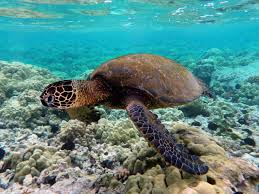
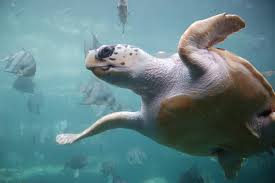
We’re a few days late on our World Sea Turtle post, but that doesn’t mean we don’t love them less! These marine reptiles have been around 110 million years! Most of these rocking reptiles are endangered, so let’s work to protect them! We’ll share some cool facts and then some ways you can help!

sea turtle4

  • Sea turtles spend most of the lives at sea. Females come ashore to lay their eggs.
  • Sea turtles can not pull their limbs into their shells.
  • They do breathe air.
  • Leatherback sea turtles do not have hard shells.
  • Females lay 50-350 eggs in a nest they lay on the beach.
  • All eggs hatch at the same time. The hatchlings must dig out of the sand and head for the beach.
  • Most hatchlings hatch at night!
  • Sea turtles eat a variety of food, including sea grasses and jellies.
  • Sea turtles have a gland by their eye that excretes excess salt.

sea turtle3

How Can You Protect Sea Turtles:

  • Turn off lights at night on beaches where turtles nest.
  • Remove all trash from the beach- it can hinder hatchlings on their way to the sea.
  • Use reusable bags, plastic bags can look like jellies to sea turtles.
  • Get involved in a beach clean up.
  • Do not release helium balloons- they fall back to earth and are often ingested by turtles and other marine life.
  • Check out groups like the Sea Turtle Conservancy!


Categories: adventure, Animals, Children, conservation, education, Environment, nature, oceans, science, Uncategorized, wildlife | Tags: , , , , , , , , , | 1 Comment

NATIONAL DOLPHIN DAY!

NATIONAL DOLPHIN DAY!

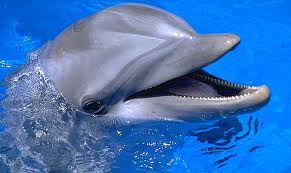
Ok, we’re a day late celebrating these amazing aquatic mammals, but better late than never! Dolphins are members of the toothed whale family and their largest member is the Orca- we bet you didn’t know that! We’re celebrating dolphins by featuring one of the better known dolphins- the Bottlenose Dolphin! Come learn about these amazing and intelligent creatures!

beach

Have you ever spotted dolphins at the beach?

MEET THE BOTTLENOSE DOLPHIN!

   Range/Habitat: Oceans worldwide, except for the polar regions

   Diet: Carnivore: fish, mollusks, crustaceans

   Length/Weight: 6 ¼- 13 ft/ up to 1,110 lbs

   Conservation Status: common


Fun Facts:

  • Bottlenose dolphins are very social and live in complex groups.
  • Bottlenose dolphins use echolocation to catch prey- similar to our bat friends!
  • They make many different whistles and clicks to communicate with each other. These vocalizations are still be studied and understood by scientists.
  • Each dolphin has a signature or individual whistle that identifies them, like we have names.
  • They use tools. One group of dolphins has been seen using sponges to protect their noses from stingrays and stonefish as they look for prey.
  • Bottlenose dolphins are able to recognize themselves in a mirror.
  • They learn behaviors from their mothers and other dolphins.
  • Bottlenose dolphins have been taught to understand sign language.
  • They also use many different cooperative hunting techniques.

Researchers are really just beginning to understand the depths of their intelligence, both in institutions and in the wild. We sure wish we knew how to speak dolphin! Squeak, click, whistle!


Categories: adventure, Animals, Children, conservation, education, Environment, mammals, nature, oceans, science, wildlife | Tags: , , , , , , , , , , | 1 Comment

IT’S A MORAY…

 IT’S A MORAY!

e & e snorkeling

Hehehehe! Who doesn’t love a good pun? Edmond loves them! When we were out looking for brain corals we spotted this special animal! They love to hide in the cracks and crevices of the coral reef and are considered very shy! So we were super excited to spot or maybe stripe is a better word, this creature!

zebra moray

Range/Habitat: Pacific-Indian Ocean/ reefs

 Diet: Carnivore: fish, crustaceans

 Length/Weight:  up to 35”/ 22 lb

 Conservation Status: common

 zebra moray2

Fun Facts:

  •          They have long muscular bodies with no pectoral or pelvic fins. They do have one long dorsal fin.
  •          Zebra morays usually hide in rocks or corals.
  •      They are almost blind and hunt by smell.
  •      They have flat teeth for crushing shells.
  •       Zebra morays breathe by passing water through their mouths over their gills.
  •          They have toxins in their skin to protect them from predators.

We love these beautiful eels. They look menacing, but are considered to be a social species of eel. The reef is one of our most favorite places to visit!


Categories: adventure, Animals, Children, conservation, education, Environment, nature, oceans, science, wildlife | Tags: , , , , , , , , , | Leave a comment

BRAINS!!!!

BRAINS!!

We have been thinking of all the wonderful animals that live in the ocean after last week’s We Are Fanimaly and Professor Tamandua’s post on mermaid’s purses. We decided to find out what makes a brain coral a brain coral! Who’s ready to find out with us?

e & e snorkeling

  • There are more than one species of brain coral.
  • They are found in coral reefs and help build those habitats.
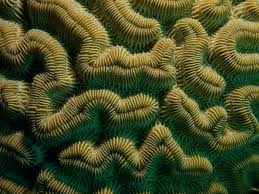
  • Brain corals get their name from their resemblance to the brain with it’s groves and ridges.
  • Brain corals are made up of thousands of little polyps that form a calcium carbonate skeleton.

brain coral

  • They are stony or hard corals.
  • Brain coral can grow up to 6ft and can live for up to 900 years.
  • Brain coral feed at night on plankton. They extend their tentacles and sting their prey.
  • Brain coral are very slow growing.

brain coral2brain coral3Brain corals are amazing colony animals! We are always fascinated with these tiny animals that build a beautiful habitat that supports hundreds of other animals in the world’s coral reefs! What do you love about coral?


Categories: adventure, Animals, Children, conservation, education, Environment, nature, oceans, science, wildlife | Tags: , , , , , , , , , | 2 Comments

WE ARE FANIMALY!

WE ARE FANIMALY!!!

We have a whole new We Are Fanimaly for you today! It’s been a while since we did one and we’re super excited to talk about these animal relatives! Come meet these ocean dwelling relatives!

  • Coral and Jellies (often called jellyfish) are members of the cnidarian (the c is silent) family.
  • Corals are invertebrates (they lack a backbone).
  • Corals are mostly found in warm tropical ocean waters.
  • Corals live in a colony that is made of calcium carbonate. Each coral has it’s own skeleton that helps make one large coral.
  • The coral animal itself has a soft body that protects itself with that hard outer skeleton.
  • Coral come in all shapes, sizes and colors.
  • Corals build large reefs that then become a habitat for many other ocean animals, including fish, octopuses and sea turtles.
  • Corals have tiny stingy cells called nematocytes.
  • Jellies are also invertebrates.
  • Jellies are found in oceans around the earth.
  • Jellies are carnivores.
  • Jellies have thousands of stinging cells (also called nematocytes) along their tentacles.
  • A jellie’s tentacles can be very short or very long.
  • Jellies have no left or right side, only a top (called the bell) and a bottom.
  • Jellies have no brain or blood.


Wow! Who knew that corals and jellies were related? We sure will be wary around both creatures and those stinging cells! Jellies are one of the leatherback sea turtles favorite food! And without corals and their reefs, many ocean creatures would not have a habitat to live in! These two creatures are just another reason we should help protect our oceans!

Categories: adventure, Animals, Children, conservation, education, Environment, nature, oceans, science, wildlife | Tags: , , , , , , , , , | 2 Comments

FEATURED ANIMAL OF THE WEEK!

FEATURED ANIMAL OF THE WEEK!

We’ve got a deep sea spooktacular fish for the featured animal this week! There are so many alien and creepy looking creatures in the dark depths of our oceans- many of which haven’t even been discovered! Come meet this one…

THE SPOOKFISH!


Range/Habitat: tropical- sub-tropical ocean waters/deep oceans

Diet: Carnivore: crustaceans, copepods, and anything they can get

Length: 3 ¼”

Conservation Status: unknown

Fun Facts:

  • Spookfish have a very odd shape.
  • They have transparent white bodies and long thin transparent pectoral (side) that are half the length of their bodies.
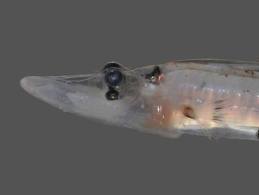
  • The Spookfish most spectacular adaptation is their eyes. They are tubular and point upwards.
  • Spookfish have a second eye on the side of their eye. It looks like a black spot.
  • The second eye is actually part of the primary eye and points downward. It acts as a mirror and is thought to help the spookfish find animal are bioluminescent. (They have chemicals in their body that give of light.)

It’s only been in the last few years that scientist figured out how the Spookfish’s eye works. They aren’t seen very often because they live so deep in the ocean! Wow!

Categories: adventure, Animals, Children, conservation, education, Environment, nature, oceans, science, Uncategorized, wildlife | Tags: , , , , , , , , | Leave a comment

Blog at WordPress.com.