oceans

FEATURE ANIMAL!

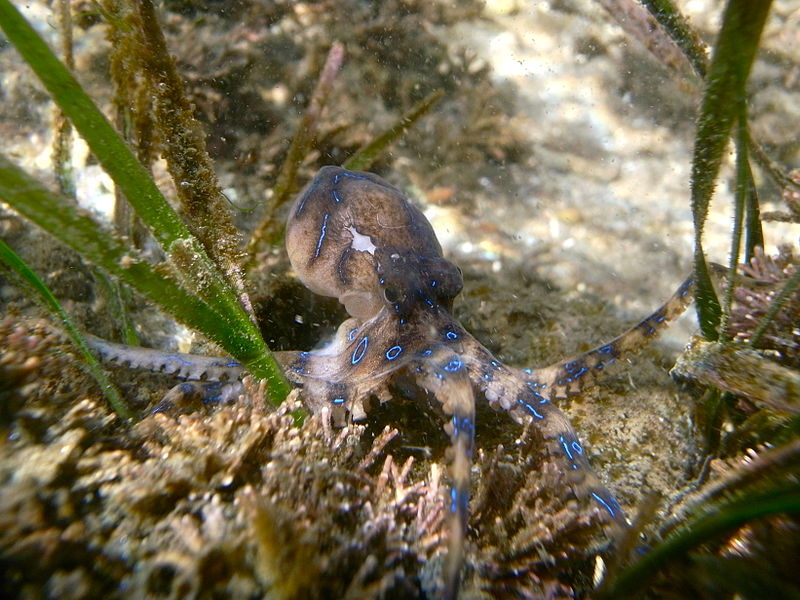
FEATURE ANIMAL: BLUE RINGED OCTOPUS!

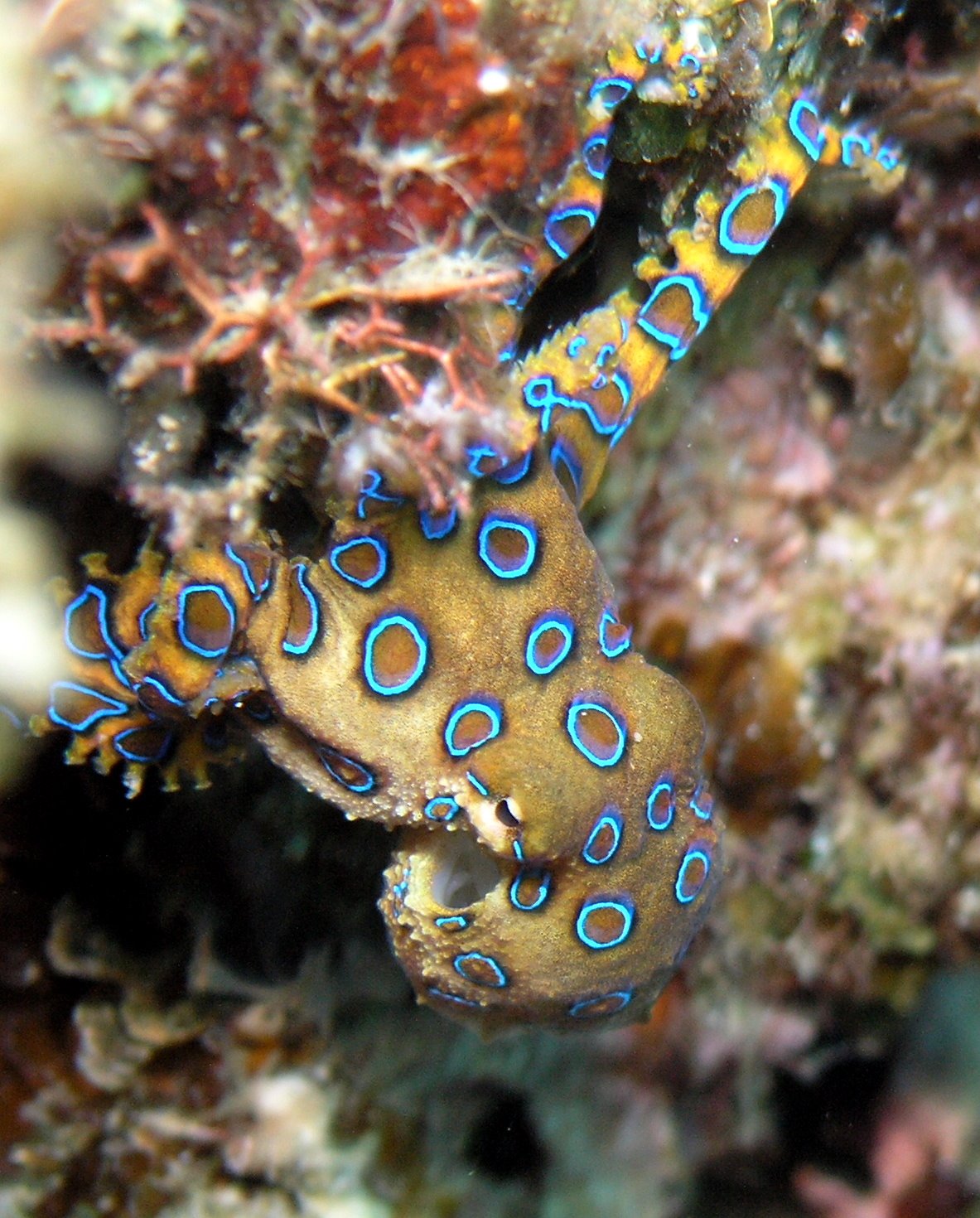
We’ve traveled to the Western Pacific Ocean, near Australia today to meet our creepy crawly Feature Animal. Yesterday was also World Octopus Day- so we knew we had to track down this elusive creature. It wasn’t easy to spot this cephalopod, but we did!

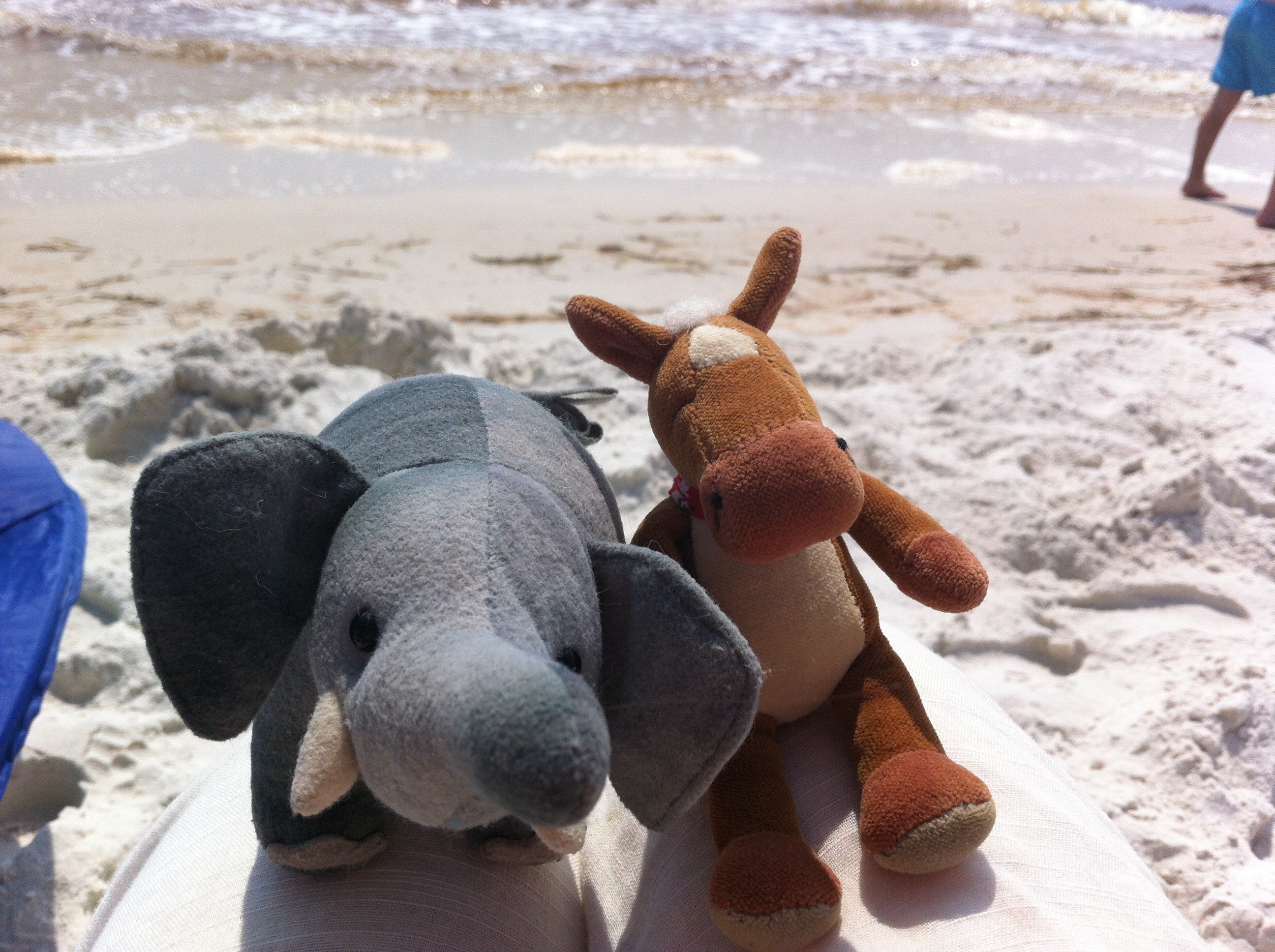
e & e snorkeling

BLUE RINGED OCTOPUS!

blue ringed octopus

Range/Habitat: Marine shallows, coral reefs/Western Pacific Ocean
Diet: Carnivore: crabs, fish, mollusks
Length/Weight: 5-7 1/2″/26 g
Conservation Status: common
OLYMPUS DIGITAL CAMERA

Fun Facts:
• Blue ringed octopuses are known to hide in caves, crevices and trash, such as bottles and cans.
• They are diurnal (hunt during the day).
•Blue ringed octopuses are shy!
• Blue ringed octopuses are extremely toxic. Their venom is more toxic than any land animal.
• They are not normally aggressive towards humans.
• They have rough wrinkly skin.
• Blue ringed octopuses display their famous blue spots when they feel threatened. This is called warning coloration.
• They are invertebrates.
• Blue ringed octopuses are considered intelligent.
blue ringed octopus3We love octopuses! They are such amazing creatures and so smart! Have you ever seen one solve a puzzle in an aquarium? Here’s a video of one opening a jar to get dinner! You humans are no match for our big brains- said all octopus :)!
 

Categories: adventure, Animals, Children, conservation, education, Environment, nature, oceans, octopus, science, wildlife | Tags: , , , , , , , , , | 1 Comment

SHARK LOVE!!

SHARK LOVE!!!

e e sharks

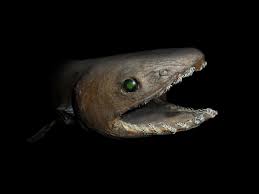
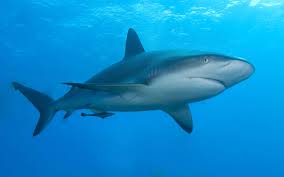
We know shark week is super popular on TV and we wanted to share some fun facts about sharks to celebrate these amazing creatures! We’re going to give you some great organizations that are working to protect sharks too!

shark

  • Shark skeletons are made of cartilage, the same tissue that makes up human noses and ears.
  • Sharks can range in size of a few feet to up to 25 ft (whale shark).
  • Some sharks can go through 30,000 teeth in a lifetime.
  • Sharks have been in the oceans for 400 million years.
  • The largest shark in the ocean is the whale shark, these spotty large fish are filter feeders!
  • Falling coconuts cause more deaths than sharks due.
  • Bull sharks can live in fresh water and salt water.
  • Great white sharks are warm blooded.
  • Most sharks must swim contentiously to pump water over their gills. Some sharks like the wobbegong and nurse shark can rest on the ocean floor and pump water over their gills.
  • Some sharks lay eggs, while others give birth to live young.
  • Sharks are covered in dermal denticles, triangle shaped scales that give them protection and flexibility.

shark2 shark5

shark4

We think sharks are amazing creatures! They come in so many shapes and sizes! As the top predator in our world’s oceans they play a very important roll in keeping our oceans healthy! There is no need to fear these beautiful animals! Unfortunately sharks are facing an uncertain future! Check out these two great organizations and see how they are helping our shark friends!

The Pew Trust and the Ocean Conservancy!

For some laughs check out the web comic Shaaark cartoons!

Categories: adventure, Animals, Children, conservation, education, Environment, nature, oceans, science, sharks, wildlife | Tags: , , , , , , , , , , | 2 Comments

WORLD SEA TURTLE DAY!

WORLD SEA TURTLE DAY!

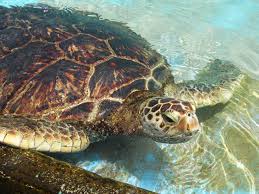
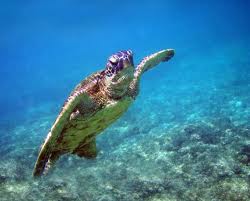
While the computer was down at HQs we missed World Sea Turtle Day! We so love these amazing reptiles that we could pass up a time to celebrate them and teach you some fun facts! We have seen 2 species in the wild- green sea turtles in the Caribbean and a Leatherback female laying her eggs on an island near Indonesia.

066

  • There are seven species of sea turtles: loggerhead, green, leatherback, flatback, Kemp’s ridley, Olive’s ridley, hawksbill.
  • Six out of the seven of these are threatened or endangered.
  • Sea turtles can not pull their head or limbs into their shells.
  • Sea turtles spend their whole lives in the ocean, except when the female comes ashore to lay her eggs.
  • Sea turtles are found in oceans all around the world.
  • Sea turtles eat everything from algae and grass to jellyfish and shellfish.
  • Sea turtles do not have teeth.
  • Their sizes range from 600 lbs to 1,300 lbs.
  • sea turtle


sea turtle4sea turtle5


Sea turtles are being affected by humans. Their often mistake trash for food. The babies get distracted by lights on the beach as they head towards the ocean. And turtles are often hit by boats. We can help our sea turtle friends by making sure our trash never enters the ocean or is left on the beaches. If you live where there may be nests, turn your lights off at night. For other tips on how you can help sea turtles- check out the Sea Turtle Conservancy!     Enjoy this sea turtle coloring sheet too!

sea turtle coloring page


Categories: adventure, Animals, Children, conservation, education, Environment, nature, oceans, science, turtles, Uncategorized, wildlife | Tags: , , , , , , , , , , | 3 Comments

WORLD OCEANS DAY- TRASH!!!!

WORLD’S OCEANS DAY- TRASH!!

Today we’re talking trash! That’s right- we’re talking about the trash that you humans throw into our oceans! It’s World’s Oceans Day today! We want to celebrate the giant wonderful habitat that covers 70% of our precious planet! The great vast oceans are home to many beautiful, amazing, wild and alien creatures; many of whom have yet to be discovered. Our oceans produce most of the oxygen that we all breath- animals and humans alike!

beach

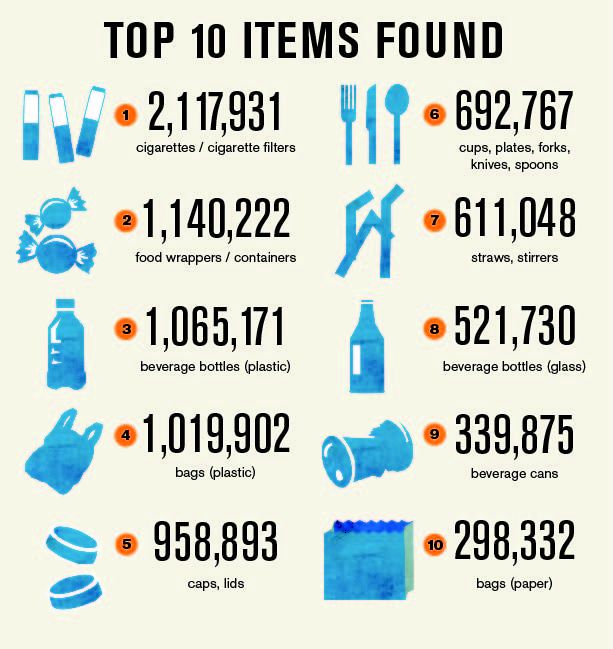
It’s time we all learn to appreciate and love the oceans and the creatures that live there! Unfortunately, our oceans have become a place to leave trash :(. This trash affects not just the animals, but humans too. So this World’s Oceans Day we’re sharing some trash facts from the Ocean Conservancy and ways you can help! Plus we have a great coloring sheet for you! Remember, we all share this great planet and it’s our responsibility to keep it clean!

top102013

Did you hear the story about the 19 year old who has figured out how to get rid of our oceans’ trash? Read it here!

ocean-conservency-trash-10-things-you-can-do-2013jpg-8f1e388c2729481a

Finally- print and color and share this message with everyone you know!

We all have to work together to Keep Our Oceans Clean!!!

keep oceans clean coloring

Categories: adventure, Animals, Children, conservation, education, Environment, nature, oceans, science, wildlife | Tags: , , , , , , , , | 1 Comment

NUDIBRANCHS WE LOVE YOU!!

NUDIBRANCHS WE LOVE YOU!

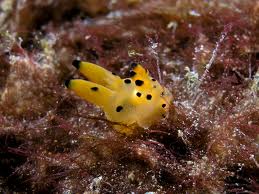
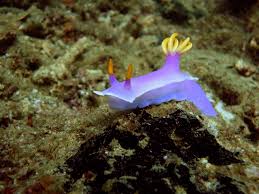
nudibranch

Today we are celebrating the most amazing of creatures- Nudibranchs (NEW-dih-bronk) ! These colorful and crazy sea slugs are some of the coral reefs neatest inhabitants! Come learn some fun facts about nudibranchs and make one of your own!

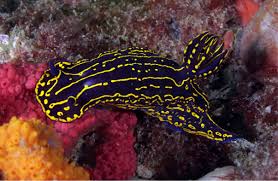
nudibranch2

FUN FACTS:

  • Nudibranchs are mollusks.
  • There are more than 3,000 species of nudibranchs.
  • Their scientific name means naked gills. It refers to the gills and horns they have.
  • Nudibranchs can be anywhere from .25″ to 12″ long.
  • Nudibranchs are carnivores.
  • Some nudibranchs are poisonous and their bright colors warn predators.
  • The tentacles on their heads are sensitive to taste, touch and smell.

nudibranch3nudibranch4

We could look at nudibranchs all day! Who knew such alien looking creatures existed? We made one out of clay! Come learn how you can make your very own nudibranch too!

Categories: adventure, Animals, Children, conservation, education, Environment, nature, oceans, science, wildlife | Tags: , , , , , , , , , | 2 Comments

Day 34- Sand dollars

Day #34- Sand dollars

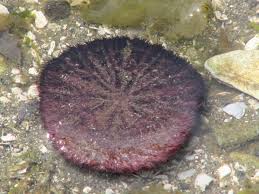
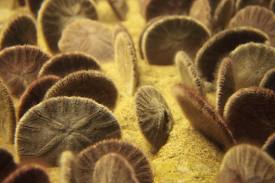
We decided go snorkeling after spending the day at the sea shore. We wanted to see if we could find sand dollars in the ocean and not just their exoskeletons on the beach! And goodness, we were so excited to see real live sand dollars! We bet most people don’t know that they’re animals even! We learned so much about these invertebrates!

e & e snorkeling

Their range and habitat: sandy floors, oceans in the Northern Hemisphere
Their length: up to 3″  Their status: Common
They are omnivores- crustaceans, copepods, algae


sand dollar2

  • Sand dollars are echinoderms- they are related to sea stars and sea cucumbers.
  • Sand dollars are covered in tiny purple spines.
  • Some of the sand dollar’s spines also act as gills.
  • They have a mouth with teeth like structures that grind up food. They can chew their food for up to 15 minutes.
  • Sand dollars can live up 10 years.
  • They are also called sea cookies and snapper biscuits in other parts of the world.

sand dollar3


We found this great video (it’s not in English) of a sand dollar eating copepods! You can see the little feet push food towards it mouth! Did you know that a sand dollar’s bum in on the top? How cool is that? Remember when you visit the beach that it’s better to leave the live sand dollars there. If you find a white exoskeleton, then consider yourself lucky! sand dollar5

Categories: adventure, Animals, Children, conservation, education, Environment, nature, oceans, science, wildlife | Tags: , , , , , , , , , | Leave a comment

Down by the seashore

Down by the Seashore

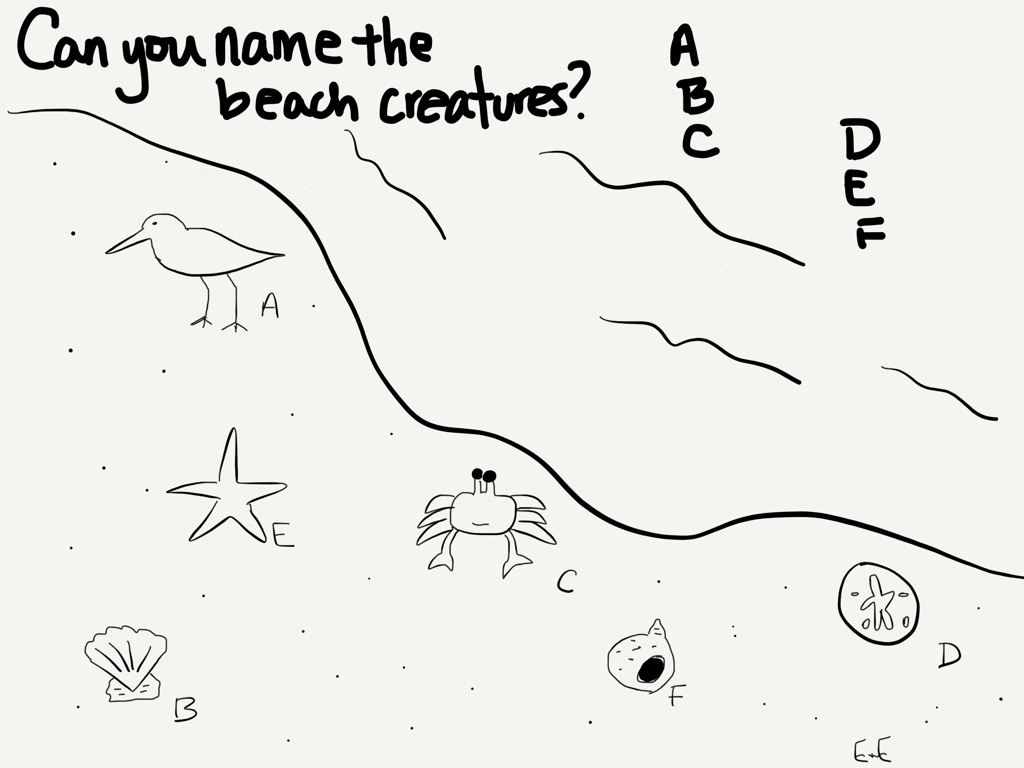
We were so excited to spend a few days down by sea shore! We saw so many wonderful creatures on the beach and swimming in the water! We drew this coloring sheet for you! Can you tell us who the creatures are? (answers below)

seashore coloring sheet

(a. sandpiper, b.scallop shell, c. ghost crab, d. sand dollar, e. chestnut turban)

We’ll be spotlighting some of these creatures in the next few days! Do you like to look for animals on the beach? What’s your favorite seashore animal?

Categories: adventure, Animals, Children, conservation, education, Environment, nature, oceans, science, wildlife | Tags: , , , , , , , , , | 4 Comments

Who’s the star? Sea stars are!

WHO’S THE STAR? SEA STARS ARE!

sea star

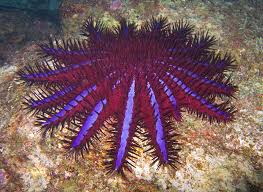
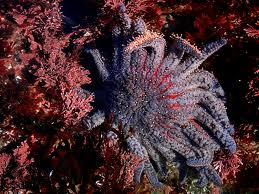
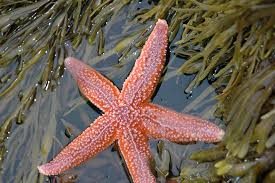
Over our spring break we were checking out some great facts about one of our favorite animals the Sea Star! The crazy looking echinoderms come in all shapes, sizes and colors! We thought you might like to learn more about these stars of the sea too! Make sure you scroll down to the bottom- because you can make your very own sea star!

sea star2

SEA STAR FUN FACTS:

  • Sea stars are not fish, they are related to sea urchins and sand dollars! (Yes sand dollars are animals!)
  • Some sea stars can live up to 35 years.
  • Sea stars are invertebrates.
  • They are carnivores.
  • Sea stars have no brain and no blood.
  • They have simple eyes on the end of each of their arms.
  • There are around 2,000 species of sea stars.
  • Some sea stars have up to 40 arms.
  • Sea stars can regenerate limbs and some can regenerate their entire body.
  • Sea stars push their stomachs outside their body to digest their food.
  • They have tube feet on the bottom of their bodies they use to move and to pry open clams and oysters.

sea star7      sea star6


sea star4

Want you very own sea star? Make our sea star bean bag!

Categories: adventure, Animals, Children, conservation, education, Environment, nature, oceans, science, wildlife | Tags: , , , , , , , , , , | 2 Comments

WATERY WEDNESDAY # 73

WATERY WEDNESDAY # 73

 It’s time to hop aboard the E & E sub today and meet a fish with big teeth! There’s always room for everyone has we head out to the Pacific Ocean to meet…

e e deep sea

MEET THE WOLF HERRING!

wolf herring   Range/Habitat: Indo-Pacific Ocean/ ocean

   Diet: Carnivore: fish

   Length/Weight:  3 ¼ ft/ 14 oz

Conservation Status: common


Fun Facts:

  •          Wolf Herrings are the largest member of the herring family.
  •          They are bright blue in coloration.
  •          Wolf herrings are active hunters.
  •          Wolf herrings have two fang-like teeth that protrude out of their mouth.
  •          They are known to hunt in small groups.

Wolf herrings are truly predators with those large teeth. We sure wouldn’t want to meet with that end of these fish!

Categories: adventure, Animals, Children, conservation, education, Environment, fish, nature, oceans, science, wildlife | Tags: , , , , , , , , , | Leave a comment

HABITAT WEEK- CRAFT!

HABITAT WEEK- CRAFT!

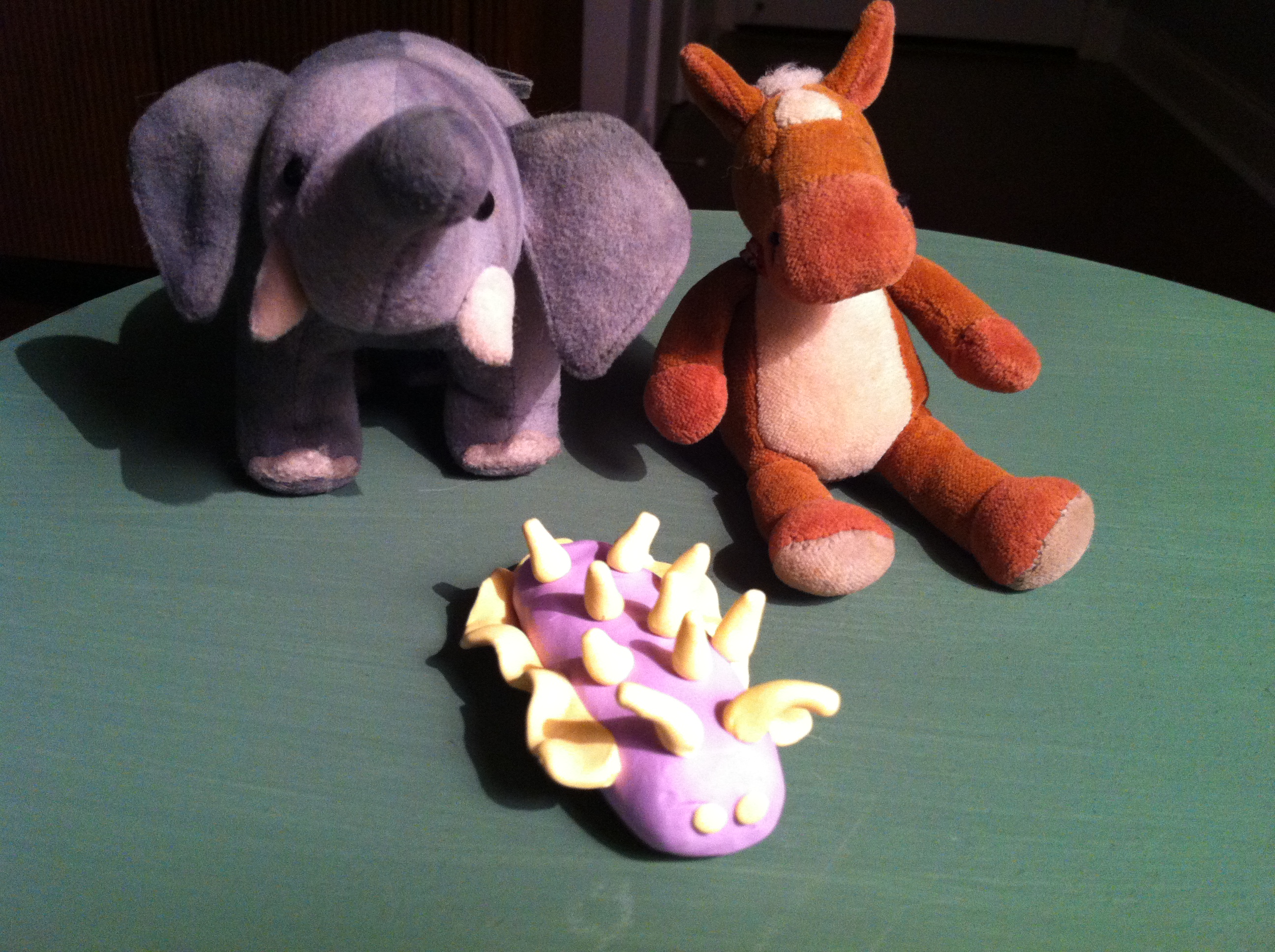
We’ve had so much fun celebrating some of the world’s amazing habitats! We first thought we might make a habitat for this month’s craft, but then we decided to go smaller and make a clay nudibranch! A what- you ask? A nudibranch or sea slug is one of our favorite animals in the coral reef. Are you ready to make one? Here’s what these crazy, colorful creatures look like!

nudibranch   nudibranch2

nudibranch3

Materials:

  •        Clay in any color you like (Air dry or oven bake will work)

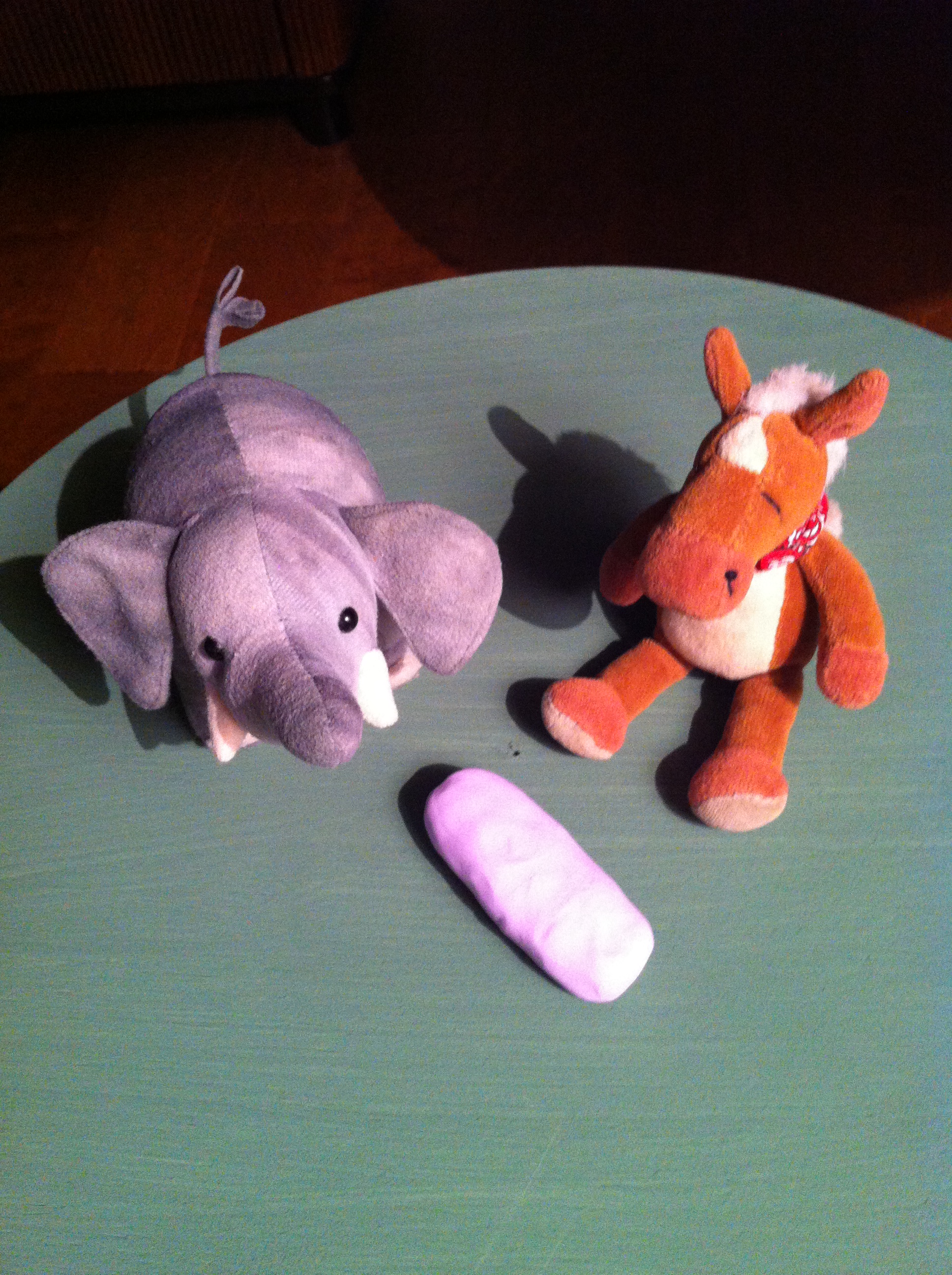
e e nudibranch

Instructions:

  •         Take one color and make a large tube.

e e nudibranch2

  •         Next, take your second color and make small cones (as many as you like)

e e nudibranch3

  •         Then take a piece of the second color and roll a long tube and press it flat.
  •         Roll two small balls for the eyes.

e e nudibranch4

  •         If you using clay that has to be dried in the oven- bake according to package directions. Then enjoy your new pal!
Categories: adventure, Animals, Children, conservation, crafts, education, Environment, habitats, nature, oceans, science, wildlife | Tags: , , , , , , , , , , | Leave a comment

Blog at WordPress.com.