reptiles

REPTILIAN TUESDAY # 80

REPTILIAN TUESDAY # 80

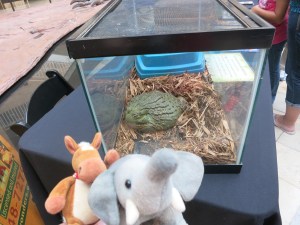
It’s Reptilian Tuesday and we’re going to Southern Africa to meet one cool tortoise! Let’s put on our best safari gear and head out on today’s adventure!

e & e safari van

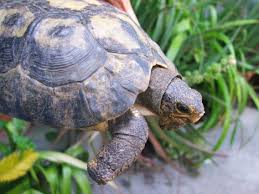
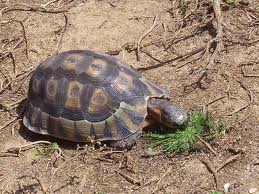
MEET THE ANGULATE TORTOISE!

angulate tortoise   Range/Habitat: Southern Africa/ grasslands

   Diet: Herbivore: succulents, grasses

   Length: 6-8”

   Conservation Status: common


Fun Facts:

  •          Angulate Tortoises are also known as the Bowsprit Tortoise.
  •          Male angulate tortoises are larger than females.
  •          Angulate tortoises have high domed carapaces.  
  •          They hibernate during the winter.
  •          Angulate tortoises have black triangle patterns on their shells.

These tortoises are so beautiful with their patterned shells. We love all of our tortoise and turtle pals! They are shelltastic!

 angulate tortoie2  angulate tortoie3

Categories: adventure, Animals, Children, conservation, education, Environment, nature, reptiles, science, wildlife | Tags: , , , , , , , , , | Leave a comment

REPTILIAN TUESDAY #78

REPTILIAN TUESDAY # 79

It’s Reptilian Tuesday and we’re off to South Africa to meet one cool lizard! Grab your backpack and safari gear and let’s load up on the Ellie and Edmond safari vehicle!

e e grasslands2

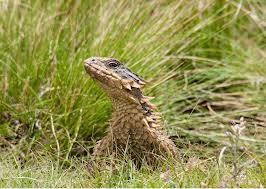
MEET THE SUNGAZER!

sungazer   Range/Habitat: South Africa/grasslands

   Diet: Carnivore: insects, small vertebrates

   Length:  11-15 ½”

   Conservation Status: vulnerable


Fun Facts:

  •          Sungazers are also called the Giant Girdled Lizard.
  •          They bask at the entrance of their burrows.
  •          Sungazers live in burrows. Those burrows usually face north or northwest.
  •          Sungazers have armored tails with pointed scales.
  •          They hibernate in the winter!

These Sungazer lizards are so amazing with their armored tails. When they feel threatened they go in their burrow and leave that pointy tail blocking the entrance to their home! Neat!

sungazer2   sungazer3

Categories: adventure, Animals, Children, conservation, education, Environment, nature, reptiles, science, wildlife | Tags: , , , , , , , , , | 3 Comments

REPTILE DAY!!!

REPTILE DAY!

Instead of our regular Reptilian Tuesday, we’re taking you on an adventure to our local natural history museum, Fernbank in Atlanta, GA. A few weekends ago, we went to their annual reptile day and had a blast! Come check out this amazing day!
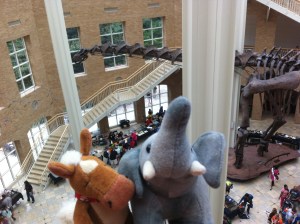
IMG_5151

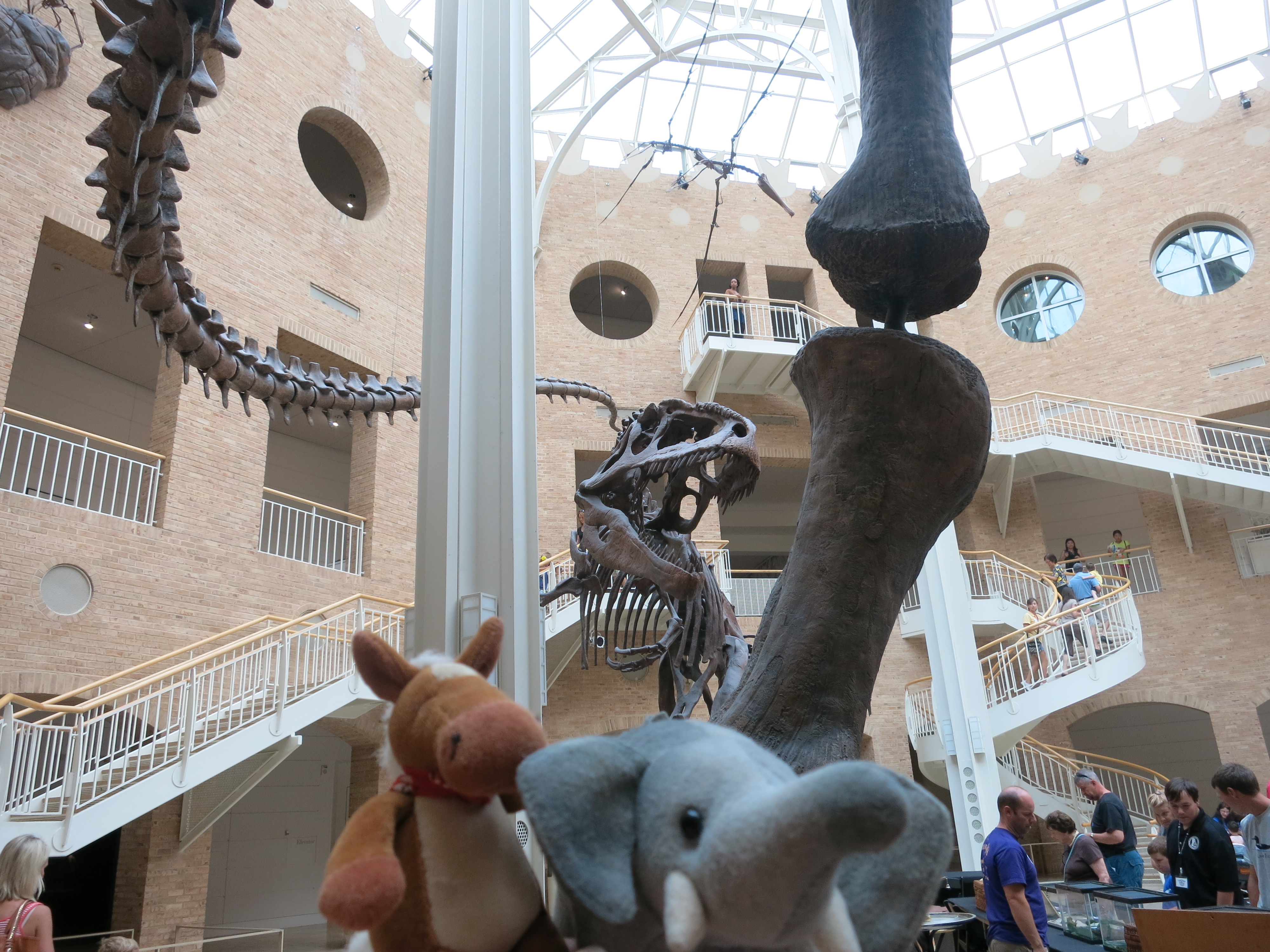
Here we are looking on the great hall of Fernbank!

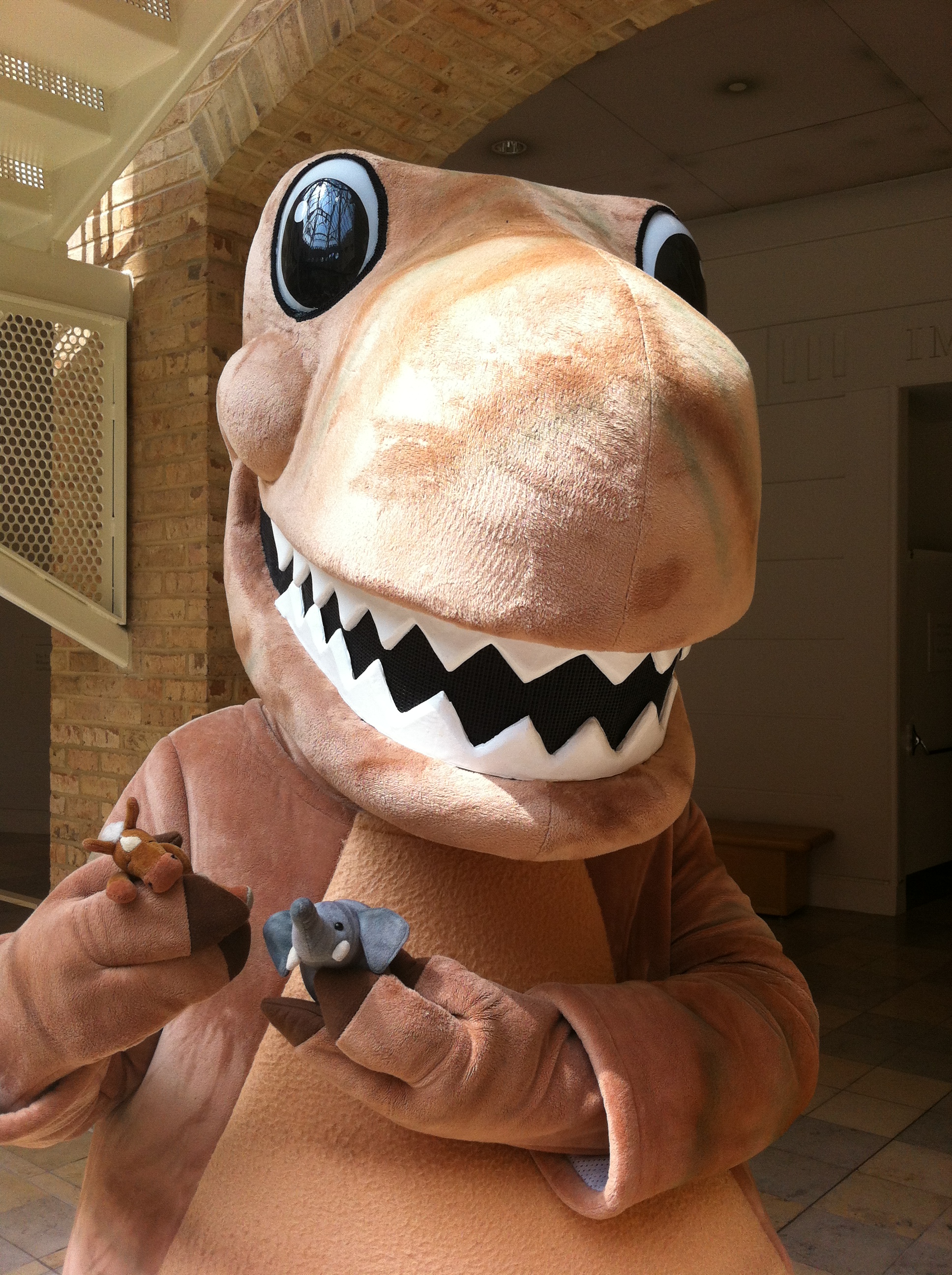
Fernbank had groups from the Georgia Herpetology Society, Atlanta Botanical Gardens, Zoo Atlanta and others at the museum. There were reptiles, amphibians and dinos of all kinds! We started this party off right, by meeting our pal, Giggy Dinosaur, the museum’s mascot!

IMG_5135

Our pal Giggy Dinosaur! He is one cool dude!

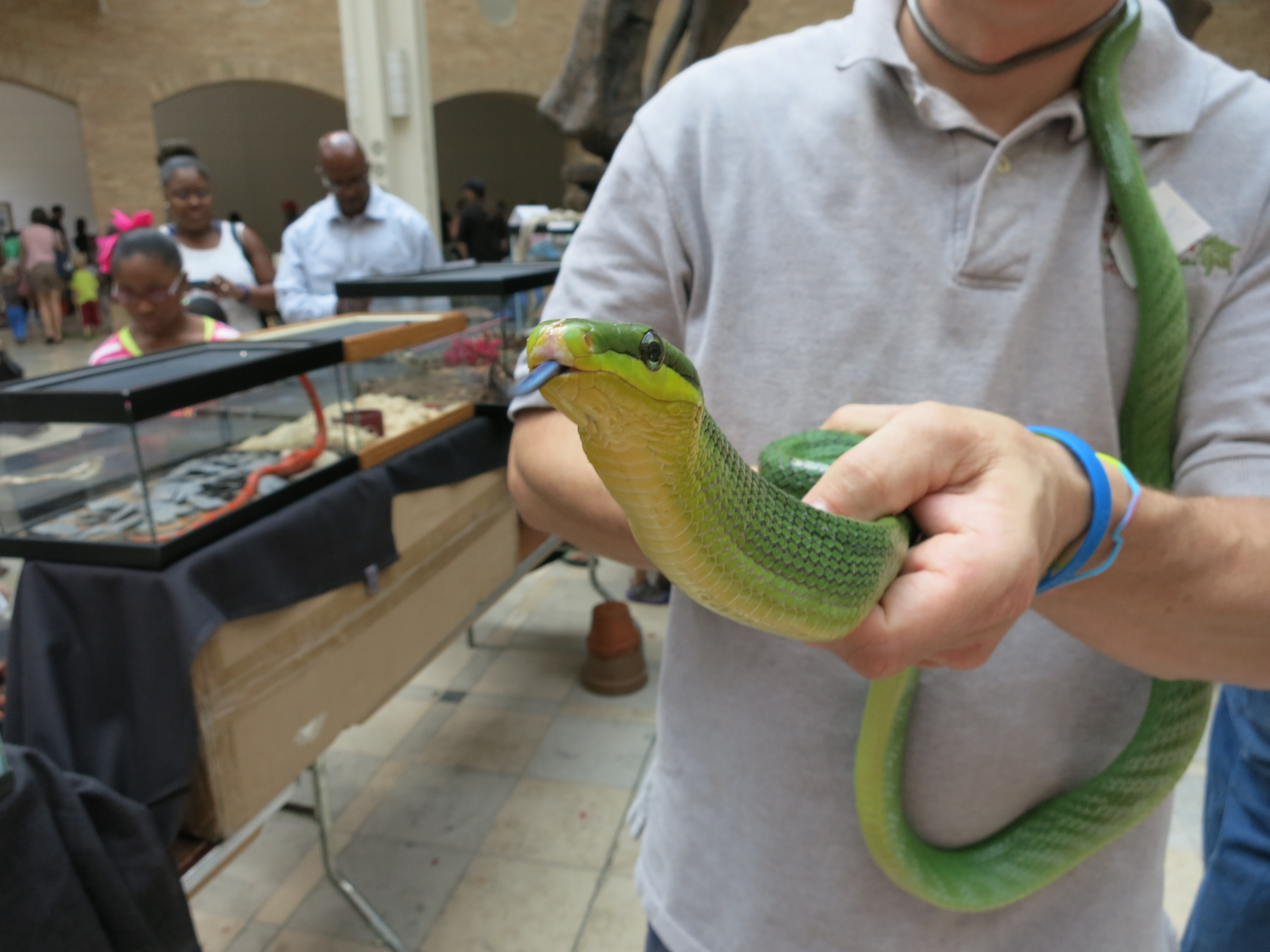
Red Tail Rat Snake!
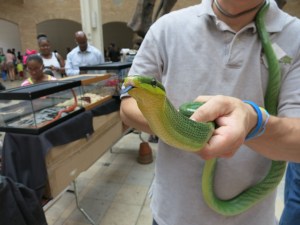
Red Tail Rat Snake!

Red Tail Rat Snake! Check out that forked tongue!

Red Tail Rat Snake! Check out that forked tongue!


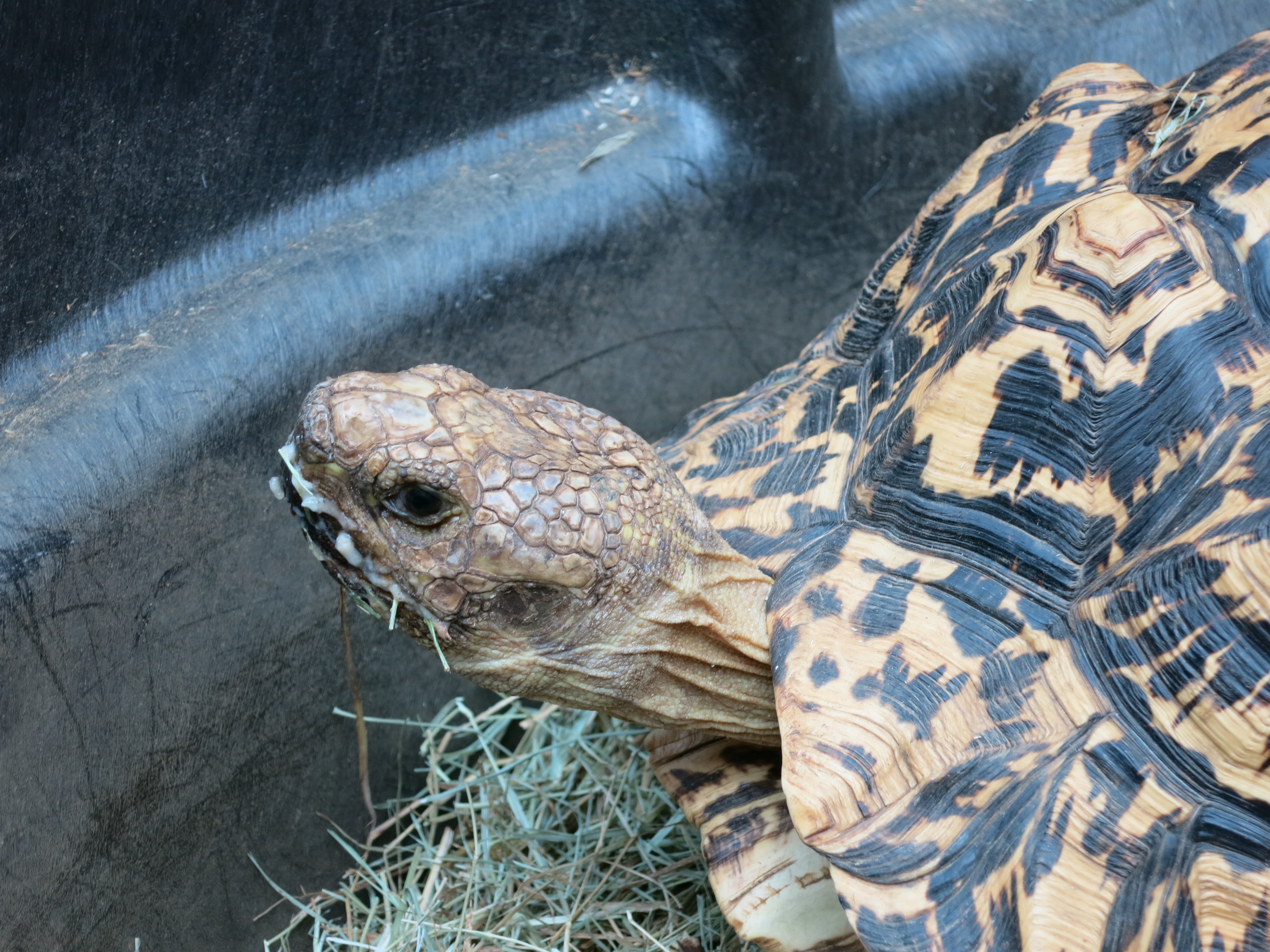
Tortoise with banana on his face! Get him a napkin :)!

Tortoise with banana on his face! Get him a napkin :)!

Boa on his handler! Check out those eyes!

Boa on his handler! Check out those eyes!


Corn snake! Corn snakes don't eat corn, they eat the rodents that live in corn fields though!

Corn snake! Corn snakes don’t eat corn, they eat the rodents that live in corn fields though!


IMG_0449

Wow! This guy is moving!

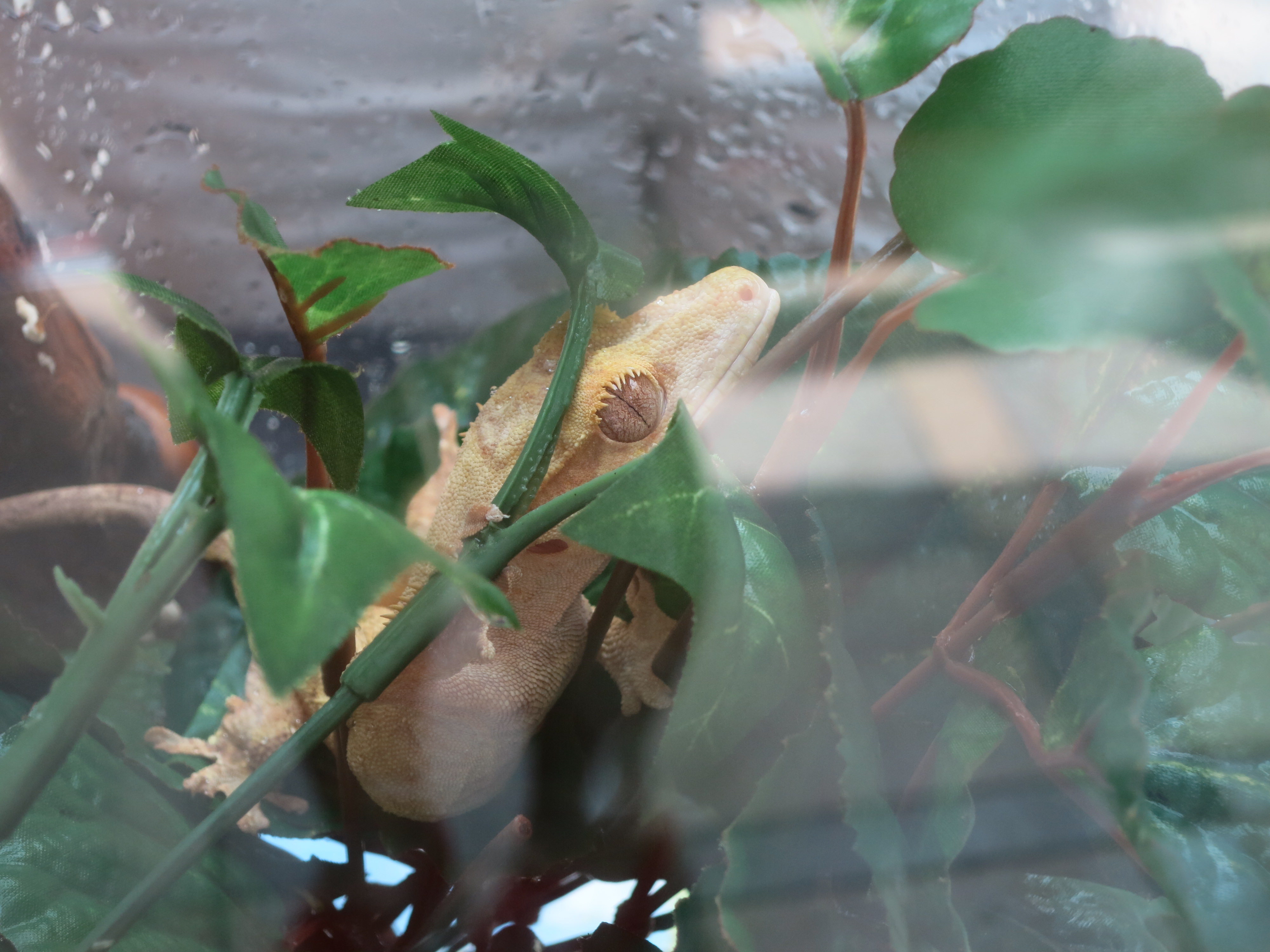
Gecko! He sure has some lovely "eyelashes"!

Gecko! He sure has some lovely “eyelashes”!
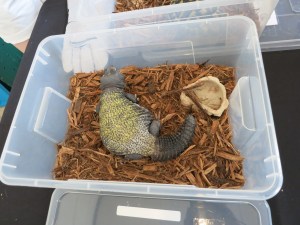
 

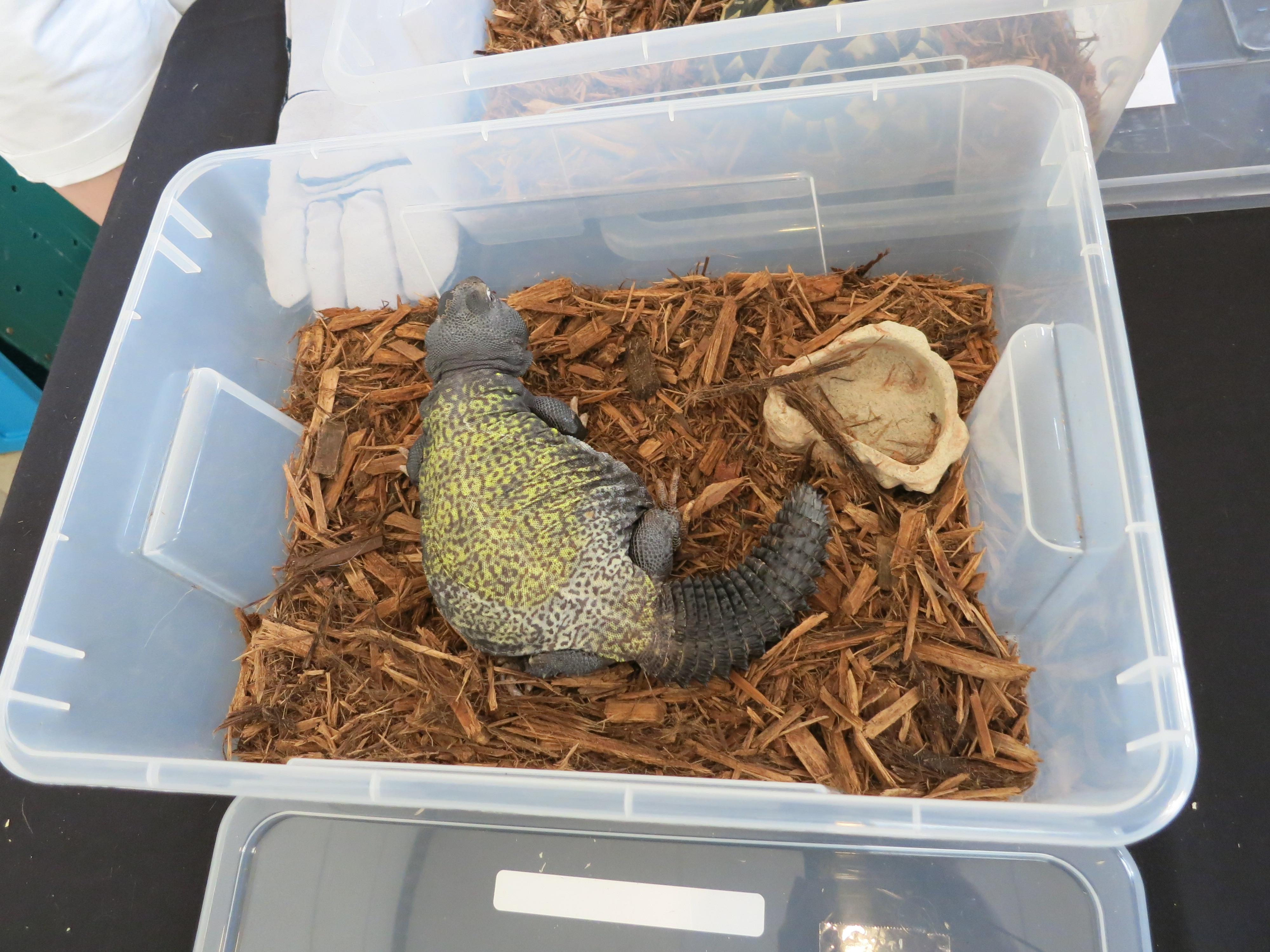
Egyptian Uromastyx! What a cool lizard!

Egyptian Uromastyx! What a cool lizard!


Wow! We sure are glad this is just a skull of a black caiman!

Wow! We sure are glad this is just a skull of a black caiman!

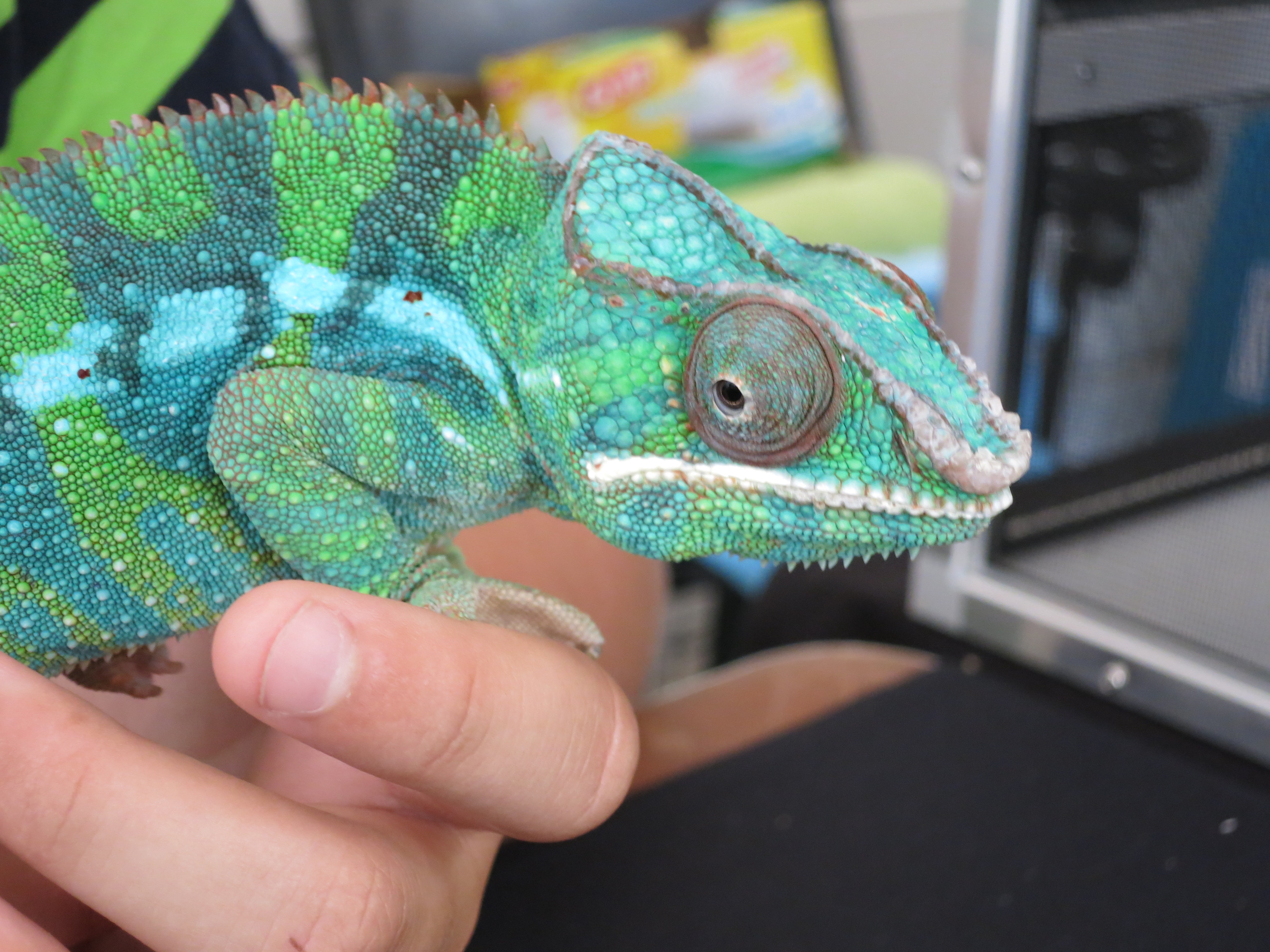
Chameleon!
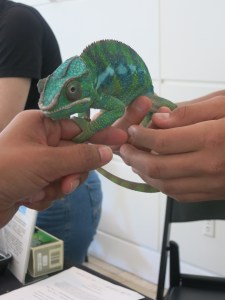
Chameleon!

IMG_0500

Who wouldn’t want to hold hands with a chameleon?


Dinos!!!

Dinos!!!

Mata Mata!

Mata Mata!

Sleeeeepy iguana!

Sleeeeepy iguana!


African bullfrog! He's bigger than us!

African bullfrog! He’s bigger than us!
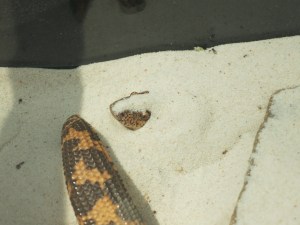
Snake in the sand!

Snake in the sand!


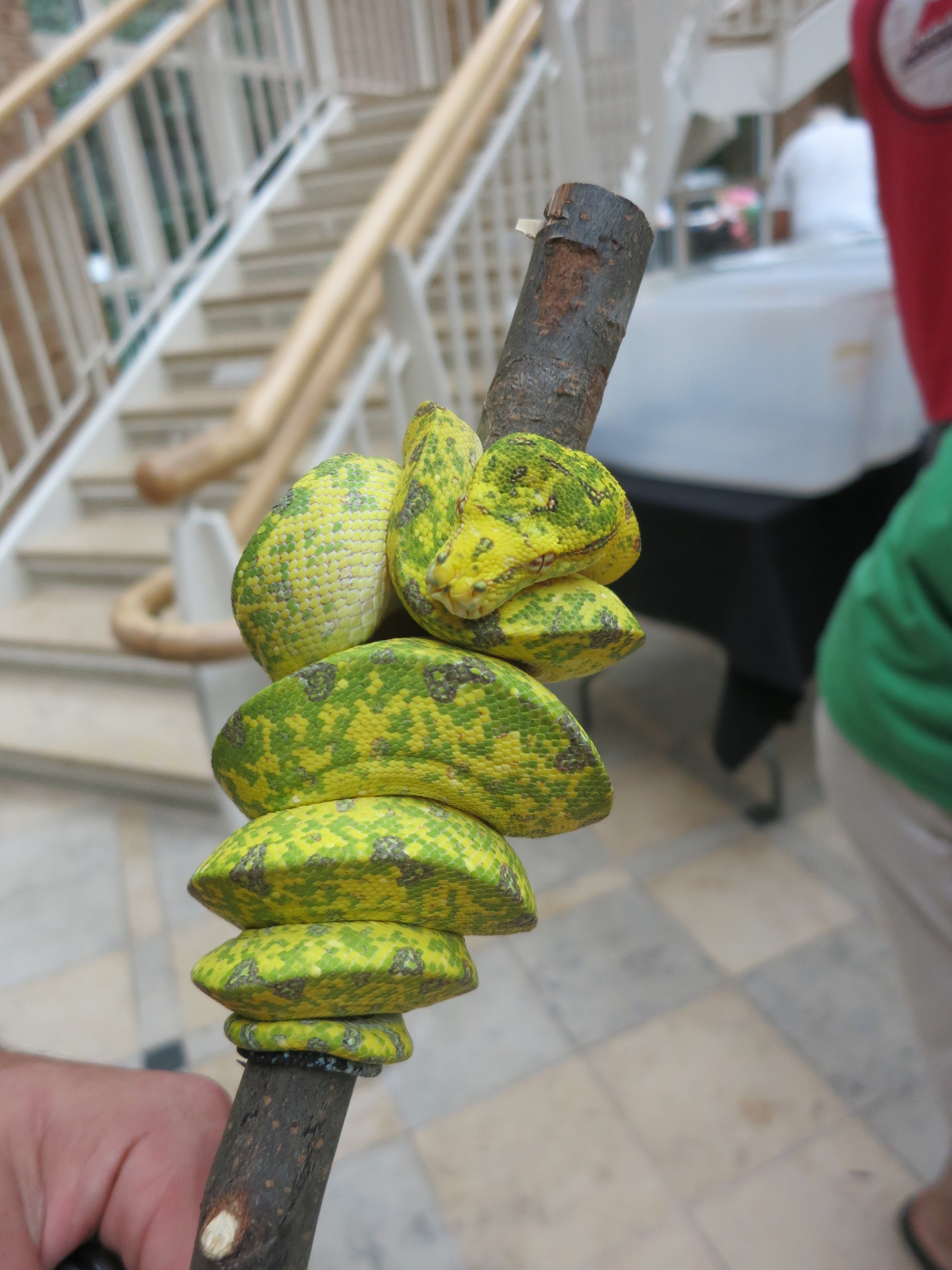
Snake on a stick!

Snake on a stick!


African bullfrog! He's bigger than us!

African bullfrog! He’s bigger than us!

We had the most fun meeting all the reptiles and amphibians! Everyone there was eager to answer questions and talk about the animals they had brought with them. You were even able to touch most of the animals! A snake feels like a basketball if you want to know! Reptiles often get a bad rep, but without them our ecosystems would be out of whack! These wondrous creatures are vital to the health of our planet and we applaud Fernbank Natural History Museum for celebrating them! If you’re in Atlanta, put Fernbank on your To Do List! You can learn more about this amazing place on their website!

Categories: adventure, Animals, Children, conservation, education, Environment, nature, reptiles, science, wildlife | Tags: , , , , , , , , , | 3 Comments

REPTILIAN TUESDAY # 77

REPTILIAN TUESDAY # 77

Woohoo, we’re excited that it’s Reptilian Tuesday! We’re going to southern Africa to meet an adorable little tortoise! Grab your sunscreen and gear and let’s go on an adventure!

e & e safari van

MEET THE SPECKLED PADLOPER TORTOISE!

speckled padloper   Range/Habitat: West Southern Africa/ desert-scrub

   Diet: Herbivore: succulent plants

   Length:  2 ¼- 3 ¼”

   Conservation Status: near threatened


Fun Facts:

  •          Speckled Padloper tortoises are the smallest tortoise in the world.
  •          They are also known as the Speckled Cape Tortoise.
  •          The males are smaller than the females.
  •          Speckled padloper tortoises hide under rocks for protection.
  •          Their shells are covered in tiny black spots.

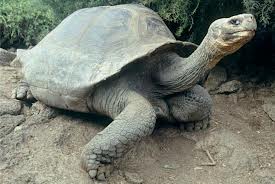
These little tortoises are so cute! Tortoises come in such different sizes; from these tiny ones to the giant Galapagos tortoise! Which one is your favorite?

speckled padloper2   speckled padloper3

Categories: adventure, Animals, Children, conservation, education, Environment, nature, reptiles, science, wildlife | Tags: , , , , , , , , , | Leave a comment

REPTILIAN TUESDAY # 75

REPTILIAN TUESDAY # 75

We’re going to Asia to meet today’s reptile! We’ll be going in the woods, so step carefully because these guys know how to camouflage in with the leaves!

e & e wetlands

MEET THE ASIAN LEAF TURTLE!

asian leaf turtle   Range/Habitat: Southeast Asia/ wetlands

   Diet: Omnivore: invertebrates, tadpoles, plants

   Length:  6-9 1/2”

   Conservation Status: common


Fun Facts:

  •          Asian leaf turtles have an oval shape carapace (top shell).
  •          Their plastron (bottom shell) is hinged.
  •          Asian leaf turtles hide in the mud in creeks and rivers when threatened.
  •          Male Asian leaf turtles are smaller than the females.
  •          Asian leaf turtles have serrated shells that help them blend in.

Asian leaf turtles are cute! There are so many kinds of turtles out there! We love each and every one of them!


asian leaf turtle2

Categories: adventure, Animals, Children, conservation, education, Environment, nature, reptiles, science, wildlife | Tags: , , , , , , , , , | Leave a comment

REPTILIAN TUESDAY # 74

REPTILIAN TUESDAY # 74

So we’re taking a boat from Madagascar to the continent of Africa to meet a very menacing snake. Get your safari gear on and your binoculars because we’ll be looking for this reptile from the safety of the E & E safari vehicle.

e & e safari van

MEET THE PUFF ADDER!

puff adder   Range/Habitat: Africa (south of the Sahara)/ grasslands

   Diet: Carnivore: small mammals, birds

   Length:  3 ¼ ft

   Conservation Status: common


Fun Facts:

  •          Puff Adders are thick bodied and wide snakes.
  •          They are yellow-brown in color with white chevrons.
  •          Puff Adders are highly venomous.
  •          Male puff adders are smaller than the females.
  •          Puff Adders are ambush predators.

Puff adders are very scary looking snakes. None the less they deserve our respect! All snakes are essential parts of their ecosystems whether they are cute or not.

puff adder2   puff adder3

Categories: adventure, Animals, Children, conservation, education, Environment, nature, reptiles, science, wildlife | Tags: , , , , , , , , , | Leave a comment

REPTILIAN TUESDAY # 73

REPTILIAN TUESDAY # 73

We’re hoping a plane to Australia on this Reptilian Tuesday. We’re going to meet a lizard today. Do you think they say good day mate?

e e woods

MEET THE MAJOR SKINK!

major skink   Range/Habitat: South New Guinea- Northeast Australia/forest

   Diet: Carnivore: insects, small invertebrates

   Length: 23 ½-28”

   Conservation Status: common


Fun Facts:

  •          Major skinks have a squarish shaped body.
  •          They have muscular legs.
  •          Major skinks are dark brown with a yellow underside.
  •          Major skinks are often seen basking in the sun.
  •          Female major skinks can have up to 6 babies per litter.

Major skinks are funny looking with their little short legs and blunt noses. We love all skinks and these guys are no exception.

major skink2


Categories: adventure, Animals, Children, conservation, education, Environment, nature, reptiles, wildlife | Tags: , , , , , , , , , | 2 Comments

REPTILIAN TUESDAY # 71

REPTILIAN TUESDAY # 71

We’re going to sure the pond in our neighborhood for today’s adventure. Let’s grab some snacks for a picnic and head out to meet today’s reptile friend!  

e e stream

MEET THE RED EARED SLIDER!

red eared slider   Range/Habitat: Southern United States-Mexico/wetlands, ponds,

   rivers

   Diet: Omnivore: fish, tadpoles, plants

   Length: 8-13”

   Conservation Status: common


Fun Facts:

  •          Red eared sliders have red dashes around their ears.
  •          They bask in the sun during the day.
  •          Red eared sliders don’t have saliva and must eat their food under water.
  •          Red eared sliders have claws on their front feet.
  •          They brumate (become less active and hang out on the bottom of rivers/ponds during the fall and winter).
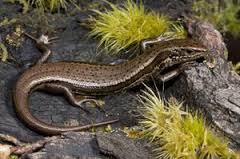
Red eared sliders are so cute. They are very popular pet to have too. Remember, if you do decide a pet turtle is for you; get them from a breeder and not from the wild. And as always do your homework, because all pets have specialized needs.

 red eared slider2  red eared slider3

Categories: adventure, Animals, Children, conservation, education, Environment, nature, reptiles, science, turtles, wildlife | Tags: , , , , , , , , , , | Leave a comment

WORLD TURTLE DAY!

WORLD TURTLE DAY!

002

It’s World Turtle Day and we’re celebrating our shelled reptile friends with fun facts and photos! Tell us what you love about turtles and tortoises!
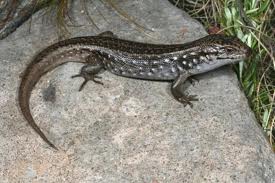
  • Turtles have been on the earth for about 200 million years.
  • Box turtles can live to be over a 100 years old.
  • Turtles live on every continent except Antarctica.

turtle

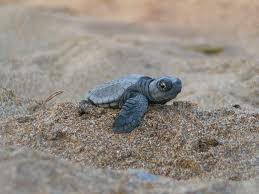
  • There are seven species of sea turtles. The Leatherback is the largest.
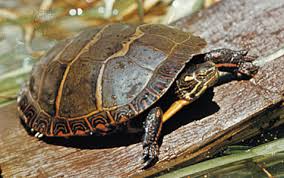
  • The top shell is called the carapace and the bottom shell is the called the plastron.

turtle2

  • Turtles and tortoises are attached to their shells.
  • The shells are part of their skeleton.
  • turtle3The coverings on the top shell are called scutes.
  • Scutes are made up of keratin, the same protein that makes up human hair and nails.
  • turtle4Turtles don’t have ears.
  • There are about 250 species of turtles.
  • turtle8Some sea turtles can dive as deep as 3,000 feet.
  • Turtles are reptiles.
  • turtle7Turtles lay eggs.
  • Hatchlings have a special tooth that they use to crack open their eggs.

turtle6    turtle5

Categories: adventure, Animals, Children, conservation, education, Environment, nature, reptiles, science, turtles, wildlife | Tags: , , , , , , , , , | 1 Comment

ENDANGERED SPECIES WEEK DAY #2

ENDANGERED SPECIES WEEK

DAY #2

Day two of Endangered Species Week takes us to the Caribbean to meet a large swimming reptile. We’ve met these turtles before, but are happy to go and find them again! Let’s hop aboard the E & E boat and grab our snorkeling gear to meet today’s endangered species.

e e boat

MEET THE GREEN SEA TURTLE!

???????????????????????????????   Range/Habitat: tropical-subtropical-temperate oceans worldwide

   Diet: Herbivore: sea grass, roots, jellies

   Length/Weight: 3 ¼-4 ft/145-600 lbs

   Conservation Status: endangered


Fun Facts:

  •          Green Sea Turtles have a smooth carapace.
  •          The carapace (top shell) is a brown-olive color.
  •          Green sea turtles have small heads.
  •          Green sea turtles have strong flippers.
  •          They are the only sea turtle that can be seen occasionally sunbathing on the beach.
  •          Green sea turtles lay eggs on the beach.

Green sea turtles are beautiful reptiles. They have been on the planet for about 65 million years and we sure hope they stick around. One great way to help sea turtles is pick up your trash! Turtles often mistake trash for food. If we make sure our oceans our clean, then the turtles only have their food to eat!  

IMG_4816   IMG_4820

Categories: adventure, Animals, Children, conservation, education, endangered species, Environment, nature, reptiles, science, turtles, wildlife | Tags: , , , , , , , , , | 1 Comment

Blog at WordPress.com.