reptiles

REPTILIAN TUESDAY # 59

REPTILIAN TUESDAY # 59

We’re going exploring in the US today for an aquatic reptile with a bite! Let’s grab our wellies and your night vision goggles and let’s go exploring near a pond and see if we can find today’s animal!

EE NIGHT MARSH

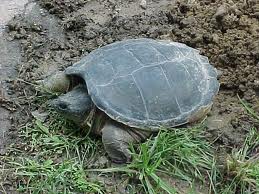
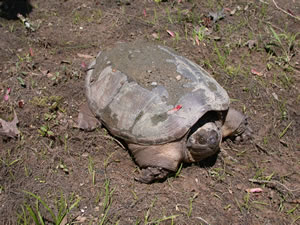
MEET THE COMMON SNAPPING TURTLE!

common snapping turtle   Range/Habitat: South Canada-USA-Mexico/ ponds, lakes & streams

   Diet: Omnivore: fish, frogs, aquatic plants

   Length/Weight: 10-20”/9.5-35 lbs

   Conservation Status: common


Fun Facts:

  • Common Snapping Turtles carapaces (top shell) vary in color, from brown to green.
  • They have long tails.
  • Common snapping turtles are nocturnal.
  • Common snapping turtles spend most of their lives in water.
  • They have webbed feet.
  • Common snapping turtles hibernate in cold weather.
  • Female common snapping turtles lay a clutch of eggs and the sex of the babies is determined by the temperature of the nest.

Common snapping turtles are such amazing creatures. Those snapping beaks are definitely built for eating! We’ll stay away those!

common snapping turtle2  common snapping turtle3

Categories: adventure, Animals, Children, conservation, education, Environment, nature, reptiles, science, turtles, wildlife | Tags: , , , , , , , , , , | 10 Comments

REPTILIAN TUESDAY # 57

REPTILIAN TUESDAY #57

We’re back to our regular schedule after celebrating black and white birds and small fluffy tailed rodents! We’re off to the deserts of South Africa today to meet one cute reptile! Grab your sunscreen and khakis and let’s head out on today’s adventure!

e e desert

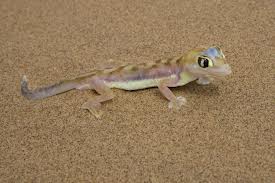
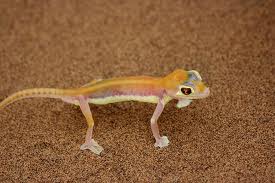
MEET THE WEB FOOTED GECKO!

web footed gecko   Range/Habitat: Western Southern Africa/ desert

   Diet: Carnivore: insects

   Length: 4 ¾-5 ½”

   Conservation Status: common


Fun Facts:

  • Web Footed Geckos are pink with dark markings.
  • They have webbed feet that helps them run across the sand.
  • Web Footed Geckos have large eyes.
  • They dig long tunnels in the sand for shelter.
  • They drink water that condenses on their skin overnight.
  • Web footed geckos have wide range of vocalizations.

We really think these awesome little reptiles are cute! They have some amazing adaptations for living in a harsh desert environment.

web footed gecko2  web footed gecko3

Categories: adventure, africa, Animals, Children, conservation, education, Environment, lizards, nature, reptiles, science, wildlife | Tags: , , , , , , , , , , | 2 Comments

REPTILIAN TUESDAY #56

REPTILIAN TUESDAY #56

We’re off to the rainforests of East Africa on this first Reptilian Tuesday of 2013.  We’ll be heading towards the canopy of the rainforest! Keep your eyes peeled, because we’ll need to observe today’s reptile from a distance!

e & e rainforest2

MEET THE EAST AFRICAN GREEN MAMBA!

east african green mamba   Range/Habitat: Eastern-Southeastern Africa/ forests-rainforests

   Diet: Carnivore: rodents, birds

   Length: 5-8 ½ ft

   Conservation Status: common


Fun Facts:

  • East African Green Mambas are bright green.
  • They have long bodies and tails.
  • East African green mambas are arboreal (spend most of their time in trees).
  • They are fast moving and agile among the branches.
  • East African green mambas are highly venomous.
  • They have smooth scales.

East African green mambas are gorgeous snakes. They are best when watched from a distance though. Best to leave venomous snakes alone in their habitats!

east african green mamba2


Categories: adventure, Animals, Children, conservation, education, Environment, nature, reptiles, science, wildlife | Tags: , , , , , , , , , | Leave a comment

Year in Review!

2012 YEAR IN REVIEW!

Wow! We have one exciting year here at Ellie and Edmond headquarters! We’ve been to every continent on the planet in search of amazing animals and wow did we find some! We’ve met reptiles, mammals, fish and birds in almost every kind of habitat on earth! We sat down and looked over all our stats to see our most viewed post of the year and we’re re-posting it for you today! So let’s take one more adventure in 2012 and head out to meet one nifty reptile again!

AMERICAN ANIMALS WEEK DAY #2

It’s day two of American Animals week and we drove the RV down to the Southwestern United States to find a really cool reptile! Grab your sunscreen or mud and your sunglasses, because it’s going to be a hot one!

MEET THE GILA MONSTER!

   gila monsterRange/Habitat: Southwestern US-desert, scrub, rocky outcrops

   Diet: Carnivore: eggs and small animals

   Length: 14-20 “

   Conservation Status: threatened


Fun Facts:

  • Gila Monsters are one of two venomous lizards in the whole world (the other is the Guatemalan Beaded Lizard.)
  • They brightly colored to ward of predators.
  • Gila Monsters have a forked tongue like a snake and it helps them “smell” for prey.
  • They inject venom into their prey when they bite. They have special glands in their lower jaw that stores the venom.
  • Gila monsters’ tails store fat so they can survive when food is scarce or when they hibernate in the winter.
  • Gila monsters have bumpy heads. Those bumps are part of their skull.
  • They are not harmful to humans, despite their bad reputation! So Gila Monsters aren’t so monstrous after all!

We think Gila monsters are super cool! These amazing reptiles are protected here! That is good news, because it sure would be a shame if we didn’t have this neat lizard to see!


Categories: adventure, american, Animals, Children, conservation, education, Environment, lizards, nature, reptiles, wildlife | Tags: , , , , , , , , , , | Leave a comment

REPTILIAN TUESDAY # 55

REPTILIAN TUESDAY #55

Are you ready to meet a cute little reptile today? We’re staying on the continent of Africa but heading to the deserts of Northern Africa. So grab your sunglasses and sunscreen and let’s head out on an adventure!

e e desert

MEET THE ELEGANT SAND GECKO!

elegant sand gecko   Range/Habitat: Northern-Eastern Africa/ desert

   Diet: Insectivore: ants, beetles, moths

   Length: 3 ½-4 ¼”

  Conservation Status: common


Fun Facts:

  • Elegant sand geckos have long limbs and long tails.
  • They are sand colored to help them camouflage in with the desert.
  • Elegant sand geckos live in holes in the sand.
  • They are excellent diggers.
  • Elegant sand geckos have large eyes.
  • They are most active at dusk

Elegant sand geckos are so cute with their big eyes. They are all the better to spot bugs with my dear! Hahahaha!

elegant sand gecko2


Categories: adventure, africa, Animals, Children, conservation, education, Environment, nature, reptiles, science, wildlife | Tags: , , , , , , , , , | 2 Comments

REPTILIAN TUESDAY # 54

REPTILIAN TUESDAY #54

It’s that wondrous day of the week, where we go on an adventure to meet a reptile and today we are off to the marshes of North America to find one colorful turtle! Apparently they like painting! Hahahaha!

e & e wetlands

MEET THE PAINTED TURTLE!

painted turtle   Range/Habitat: North America/lakes, rivers, ponds

   Diet: Omnivores: bugs, plants

   Length: 6-10”

   Conservation Status: common


Fun Facts:

  • Painted turtles are freshwater turtles.
  • They have a flat, smooth carapace (top shell).
  • Painted turtles have yellow stripes on their necks and orange coloration on their bottom shells.
  • Painted turtles bask in the sun in groups.
  • They sleep on the bottom of the river at night.
  • In colder climates Painted turtles hibernate during the winter.

Painted turtles are so gorgeous. They are great additions to any watery habitat! We love to count turtles piled on logs and rocks in the summertime! How about you?

painted turtle2     painted turtle3


Categories: adventure, american, Animals, Children, conservation, education, Environment, nature, reptiles, rivers, science, turtles, wildlife | Tags: , , , , , , , , , , | Leave a comment

GREATEST HITS REPTILIAN TUESDAY!

REPTILIAN TUESDAY GREATEST HITS!

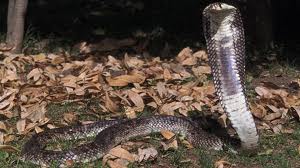
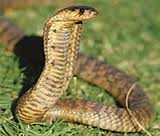
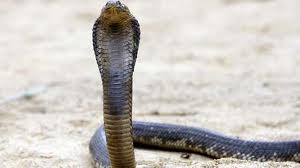
We’re going to Egypt today to revisit a reptile with a bad reputation on this day of greatest hits! Grab your gear and let’s head off to North Africa, but remember to keep your distance from this snake!

MEET THE EGYPTIAN COBRA!

   Range/Habitat: Northwest Africa and East Africa/ desert and

grasslands

   Diet:  Carnivore: small mammals, snakes, birds and eggs

   Length: 3 ½-8ft

   Conservation Status: Common

Fun Facts:

  • Egyptian Cobras are highly venomous snakes.
  • They are nocturnal (active at night).
  • They are known to be aggressive and are quick to defend themselves.
  • Egyptian Cobras will “stand up” and spread open their hoods to make themselves look bigger.
  • Egyptian cobras are highly territorial and will often fight each other for territory.
  • Their venom is fatal to humans if not treated.

Egyptian cobras are quite intimating but are awesome! Remember that every animal has a place on this earth and even the ones that seem scary belong in their habitat! Just think, if we didn’t have snakes, we’d have tons and tons of rats and mice! They’re all part of the food web!

Recently an Egyptian Cobra made the news when she escaped from enclosure at the Bronx Zoo. Luckily she was found curled up in a corner of the reptile house!

Categories: adventure, Animals, Children, conservation, education, Environment, reptiles, science, wildlife | Tags: , , , , , , , , , | Leave a comment

REPTILIAN TUESDAY # 53

REPTILIAN TUESDAY #53

Today’s reptile can be found in Eastern Australia, so let’s head to the land down under! Grab your hiking boots and walking stick and let’s head out to meet…

MEET THE LACE MONITOR!

   Range/Habitat: Australia/ forests

   Diet: Carnivore: birds, eggs, reptiles

   Length: 5-6 ft

   Conservation Status: common


Fun Facts:

  • Lace monitors are gray-bluish with yellow spots.
  • They have long claws for climbing.
  • Lace monitors have long necks.
  • Lace monitors are solitary.
  • They are Australia’s second largest lizard.
  • Female lace monitors lay their eggs in a termite mound.

Lace monitors are super cool lizards. We were wondering if they would make tree climbing buddies. What do you think?


Categories: adventure, Animals, Children, conservation, education, Environment, lizards, nature, reptiles, science, wildlife | Tags: , , , , , , , , , , | 6 Comments

REPTILIAN TUESDAY # 52

REPTILIAN TUESDAY #52

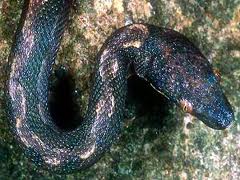
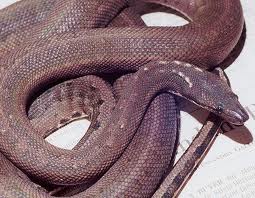
We’re going to a tiny island off the east coast of Africa to meet today’s reptile. These rare reptiles are gorgeous. Let’s go on a hike to meet…

MEET THE ROUND ISLAND BOA!

   Range/Habitat: Round Island

   Diet: Carnivore: lizards

   Length: 3- 5 ft

   Conservation Status: endangered

Fun Facts:

  • Round Island Boas are one of the world’s rarest snakes.
  • They have keeled shaped scales.
  • Round Island boas have long slender bodies and narrow heads.
  • Female Round Island boas lay eggs.
  • Young Round Island boas are bright orange when they are born.

Round Island Boas are so cool. Luckily, these endangered snakes have people working to help increase their numbers. We sure hope they are successful!


Categories: adventure, Animals, Children, conservation, education, Environment, nature, reptiles, science, wildlife | Tags: , , , , , , , | Leave a comment

REPTILIAN TUESDAY # 51

REPTILIAN TUESDAY #51

Who’s ready to go to the Mediterranean with us today to meet a handsome and sturdy reptile? We knew you guys would be up for another fantastic adventure, so let’s do this!

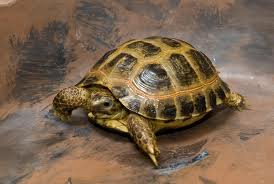
MEET THE HERMANN’S TORTOISE!

   Range/Habitat: Southeast Europe-Mediterranean Islands/ grasslands

   Diet: Omnivore: flowers, fruit, leaves, slugs

   Length: 6-8”

   Conservation Status: near threatened


Fun Facts:

  • Hermann’s Tortoise coloration varies by the area that they live in.
  • They have a domed carapace (top shell).
  • Hermann’s tortoises hide in dense vegetation.
  • The male Hermann’s tortoises are smaller than the females.
  • Hermann’s tortoises hibernate in colder areas of their range.

Hermann’s tortoises are so cute! We are such huge tortoise and turtle fans! They come with their own built in shell! What’s your favorite thing about them?

Categories: adventure, Animals, conservation, education, Environment, nature, reptiles, science, turtles, wildlife | Tags: , , , , , , , , , | 2 Comments

Blog at WordPress.com.