
SUPER SURPRISE THURSDAY #58
It’s that time of the week to guess the animal!
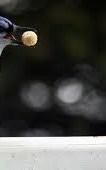
- They are known to mimic the calls of certain hawks.
- These feathery friends live in suburbs and forests.
- They are very social birds.
WHO AM I?
SUPER SURPRISE THURSDAY #58
It’s that time of the week to guess the animal!
WHO AM I?
WATERY WENESDAY # 58
We’re going snorkeling to find a different kind of ocean dweller today. It’s not a fish, it’s not a mammal and it’s not coral! So are you ready to meet this mysterious animal? Let’s do this!
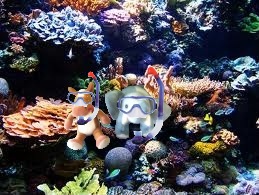
MEET THE VIOLET SEA SNAIL!
 Range/Habitat: Atlantic-Pacific-Indian Oceans/ tropical-subtropical
waters
Diet: Carnivore: floating cnidarians
Length: 3 ¼”
Conservation Status: common
Fun Facts:
We haven’t met a snail so far in our adventures. Who knew they were so brightly colored and amazing? What other crazy creatures have we missed in our oceans?

AMPHIBIAN TUESDAY #57
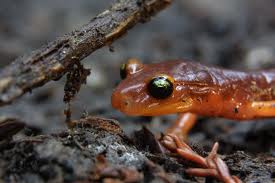
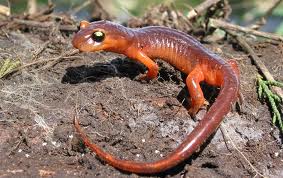
We’re switching things up a bit! We don’t have a day devoted to our amphibian friends, so we’ll be turning Reptilian Tuesday into Amphibian Tuesday every once in a while. Today’s adventure takes us to California to find one tiny and cute amphibian! So let’s put on our hiking boots and watch our step!
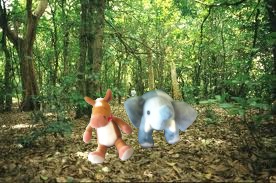
MEET THE ENSANTINA SALAMANDER!
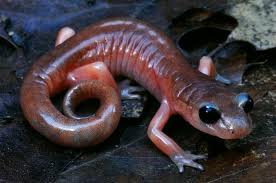 Range/Habitat: Western U.S-Canada/ forests
Diet: Carnivore: worms, ants, insects
Length: 2 ¼-3 ¼”
Conservation Status: common
Fun Facts:
Salamanders are so stinking cute! They live in all kinds of habitats! We especially think it’s cool that these little guys have a stinking defense mechanism!
MAMMAL MONDAY #58
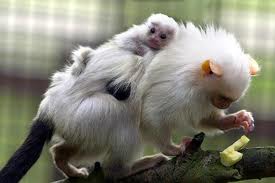
It’s that amazing day of the week when we go on an adventure to meet a mammal! We’re packing our bags and heading the Amazonian rainforest to find a small monkey who lives high in trees! Grab your binoculars and let’s head out!

MEET THE SILVERY MARMOSET!
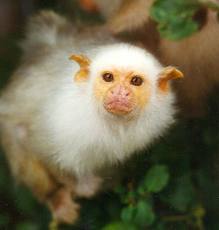 Range/Habitat: South America/rainforest
Diet: Omnivore: fruits, eggs, sap
Length/Weight: 8-9”/12-13 oz
Conservation Status: common
Fun Facts:
These tiny little monkeys are gorgeous with their silvery coats of fur. We just can’t get enough of them!

HAPPY AUSTRALIA DAY!!!
We’re celebrating that awesome island nation that is full of amazing animals with some fun pictures!
Australia is home to deadly snakes, wild reptiles, adorable mammals and it has the largest number of marsupials on the planet! It is also home to the Great Barrier Reef, one of the most diverse ecosystems in the ocean! Wow! Australia is definitely one wild place!
Enjoy!

Australian Crocodile
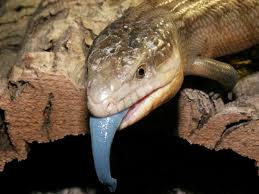
Blue Tongue Skink
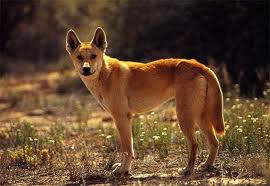
Dingo
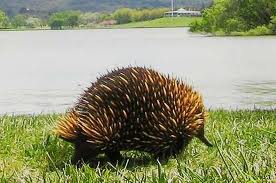
Echinda
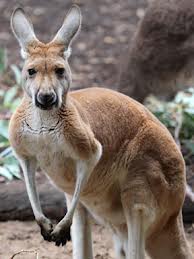
Kangaroo

Koala!

Numbat

Platypus
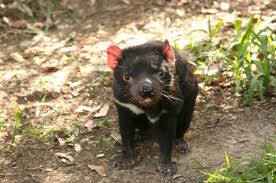
Tasmanian Devil
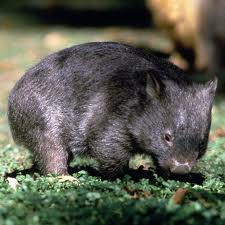
Wombat
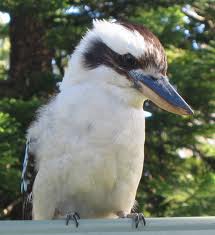
Kookaburra

Great Barrier Reef

Great Barrier Reef
FEATHERY FRIDAY #57
It’s Feathery Friday and we’re going to meet a little bird who calls the wetlands of Europe home. So let’s grab our binoculars and wellies and head off for some bird watching fun!
MEET THE SPOTTED CRAKE!
 Range/Habitat: Europe-Asia-Africa/wetlands, marshes
Diet: Omnivore: algae, insects, aquatic animals
Length/Weight: 9-9 ½”/ 2-5 oz
Conservation Status: common
Fun Facts:
Spotted Crakes are cute little birds. They fit in perfectly in their habitat. If you were a bird what habitat would you decide to live in?


WATERY WEDNESDAY # 57
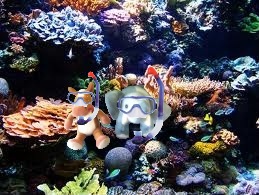
We’re going scuba diving this Watery Wednesday to meet a master of camouflage! We better keep our eyes peeled and look amongst the corals to see if we can find…
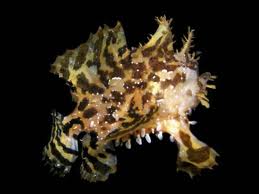
MEET THE SARGASSUM FISH!
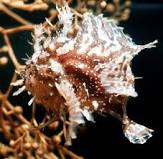 Range/Habitat: Tropical-sub-tropical oceans/ worldwide
Diet: Carnivore: fish
Length/Weight: up to 7 ½”/ up to 14 oz
Conservation Status: common
Fun Facts:
These crazy looking fish are so awesome! We think they look a bit like aliens! What do you think? What color would fit in with your habitat?

REPTILIAN TUESDAY #57
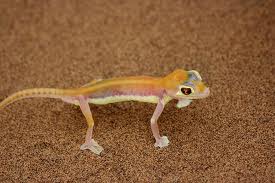
We’re back to our regular schedule after celebrating black and white birds and small fluffy tailed rodents! We’re off to the deserts of South Africa today to meet one cute reptile! Grab your sunscreen and khakis and let’s head out on today’s adventure!

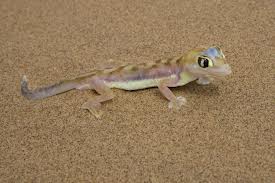
MEET THE WEB FOOTED GECKO!
 Range/Habitat: Western Southern Africa/ desert
Diet: Carnivore: insects
Length: 4 ¾-5 ½”
Conservation Status: common
Fun Facts:
We really think these awesome little reptiles are cute! They have some amazing adaptations for living in a harsh desert environment.
PENGUIN WEEK DAY #5
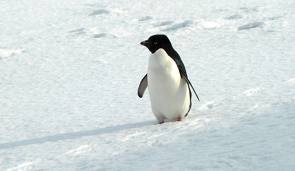
It’s the last day of Penguin Week and we sure have had a blast meeting some of these flightless feathery friends and hope you’ve had fun too. Our last day of adventure takes us back to Antarctica to meet yet another cute penguin species!

MEET THE ADELIE PENGUIN!
 Range/Habitat: Circumpolar Antarctica/ coasts-ice
Diet: Carnivore: krill, small fishes
Length/Weight: 18-24”/ 8 ¾-12 lb
Conservation Status: common
Fun Facts:
Adelie penguins are so proper looking with their white bellies and sharp looking blue-black feathers. All they need now is a bowtie!


PENGUIN WEEK DAY #3
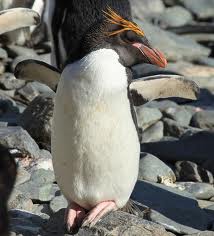
We’re off to South Georgia Island to meet a crested penguin who spends most of their life in the ocean, but form gigantic colonies during breading season! So let’s grab our coats and head down towards the south pole!
MEET THE MACARONI PENGUIN!
 Range/Habitat: South Chile, South Atlantic/ rocky islands-oceans
Diet: Carnivore: krill
Length/Weight: 28”/ 7 ¾-14 lb
Conservation Status: vulnerable
Fun Facts:
We just love these little penguins with their fun name and their yellow crest of feathers on their head! We must see what we would look like with a fun crest on our heads!




 The Adventures of Ellie and Edmond