
We wanted to give you a little update on our lack of posts. We here at E&E HQs are dealing with an ill family member. We are taking a sebatical until at least mid-September. Thank you all for your support!
Love,
Ellie & Edmond
Photographer & IT Guy
We wanted to give you a little update on our lack of posts. We here at E&E HQs are dealing with an ill family member. We are taking a sebatical until at least mid-September. Thank you all for your support!
Love,
Ellie & Edmond
Photographer & IT Guy
We are so excited to meet today’s animal. They are large and in charge and have a pair of horns you don’t want to come close too!

Cape Bufffalo Fun Facts:
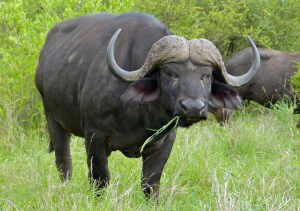
We wouldn’t say the Cape buffalo is the cutest animal on the block. You definitely do not want to get too close. A charging buffalo is not a cute buffalo.

Well, we hope everyone enjoyed our back to basics month here at the University. We are packing up our trunks, the box not Ellie’s nose – hehehe – and we are getting ready to head around the world to learn more animals and nature.
We did this last year and it was a blast. We are changing up a few things this year. This year, we want you to guess where we are going on the first day of the month! If you are the first to guess it correctly on here on our social media accounts, will receive a special Ellie and Edmond gift!
We are going to learn, not just about the animals- but about the area too. So do you have your backpacks and travel gear ready? We’ll see you Monday for a new adventure!
We’re talking about adaptations today! All animals have adaptations to survive in their environment.
Adaptations are mutations or genetic changes that help the organism survive.
Adaptations can be physical, like a giraffe’s neck has grown longer to reach the leaves no other animal can.

Adaptations can be behavioral. Simang’s mate for life and each pair have their own song they sing to find their mate while they are foraging for food in the trees.

Exaptations are adaptations that developed for one reason and then was used for another. It is believed that dinosaurs developed feathers to keep themselves warm. Those feathers were later used to help their ancestors fly.

Vestigial adaptations are adaptations that are still remain but are useless. Whales still have leg bones on their skeleton. Those won’t help now :)!

Coadaptation is when species adapt together. Certain plants have adapted to appeal to hummingbirds. Those hummingbirds have adapted long beaks to reach that pollen. These adaptations help both organisms, the hummingbird gets food and it helps pollinate those plants!
Adaptations can be simple or crazy! All of our adaptations make us great! What is your favorite animal adaptation?
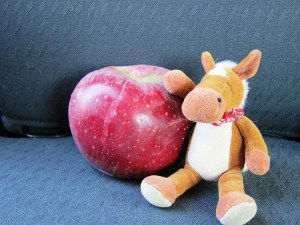
It’s Back to Basics and we’re talking about eats today! Every animal must have food to survive. But each of us needs to eat something a little different. Edmond must eat apples- hehehe! We’re going to go over the terminology for what each animal eats from meat eaters to leaf eaters!
Carnivore: a carnivore is an animal that eats meat. There are many different animals that eat meat as the primary source of their diet. There are even plants that are carnivores.
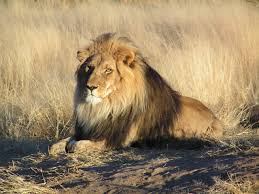
Lions are true carnivores! They can eat up to 80 lbs in one sitting!
Herbivore: an animal that only eats vegetation and or plant material. Ellie and Edmond are both herbivores! Herbivores come in all shapes and sizes! They can eat everything from grass, roots, bark, seeds, flowers and fruits.

Elephants are herbivores!
Omnivore: an animal that eats both plants and animals. Omnivores are a very diverse group of animals that include; raccoons, crows, pigs, some monkeys and some species of fish!
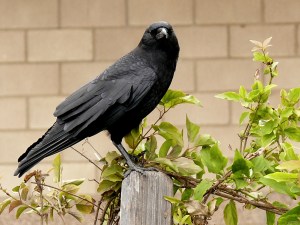
A crow is an omnivore.
Insectivore: a mammal or plant that primarily eats insects.
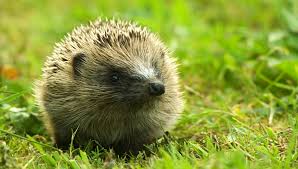
Hedgehogs love their bugs!
Frugivores: animals who eat mostly fruit as their main diet.

Orangutans are frugivores! They spend most of the day in the trees looking for fruit!
Folivore: an herbivore that specializes in eating leaves. Some examples of folivores include hoatzin, pandas, koalas, giraffes, sloths, caterpillars and iguanas.
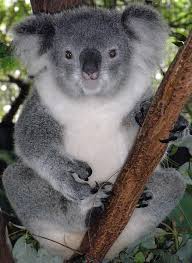
Koalas only eat eucalyptus leaves!
Nectarivore: an animal whose diet primarily consists of nectar. Nectarivores include mammals like bats, insects like butterflies and birds like hummingbirds

Hummingbirds eat nectar! It sure is sweet!
Each animal is fits in its own niche in its habitat! If they all ate the same thing the resources would be scarce! Often we think of the food chain, but it really is a web. All the animals are connected in a web. It is complicated web of animals that eat other animals and animals that eat plants and nectar. Tomorrow we’ll talk a little more about this!
We slept all day after looking for frogs the night before! Our next adventure was at night too. We went looking for a shy and elusive primate that doesn’t look like a primate at all!

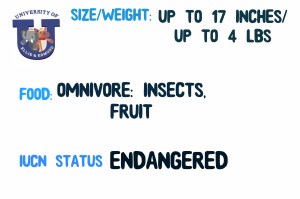
Date: 3/14
Location: Madagascar
Aye-Aye Fun Facts:

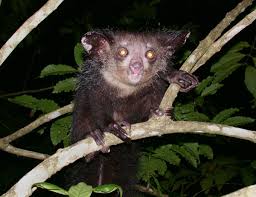
These wild and weird animals are alien looking! When scientists first discovered them they thought they were rodents! Nope- they are primates- related to apes, monkeys and lemurs. Who knew? The world’s rainforests are full such amazing creatures!
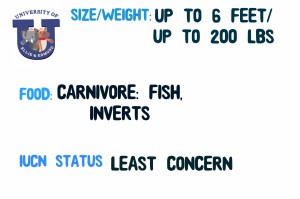
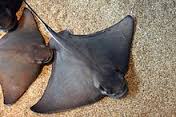
We wrapped up our last day on the west coast diving and we found this amazing ray. Rays are such graceful and neat fish and we were super excited to meet the bat ray!
Date: 1/26
Location: Kelp forest
Bat Ray Fun Facts:

Wow! We so enjoyed watching the rays swim so gracefully in the waters just off the coast! We couldn’t have picked a better last day! We did miss many animals though; that just means we’ll have to come back! For now, we’ll head back to our HQs at the University and get our things back for the Serengeti! That’s right, we’re going to Africa and back to Ellie’s home! We are so excited!!!
One Big Rodent!
We’ve met the jaguar yesterday and today we’re off to find another animal that calls Brazil home! These super cuties are often called rodents of unusual size! Hahaha! Let’s meet the capybara!
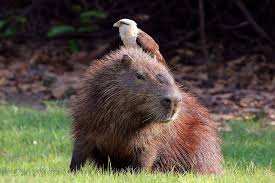
Fun Facts:


These furry little rodent pigs are so fun to watch! Who doesn’t love them? We know we do!!
TIME TO CATCH FLIES!
We’re meeting another resident of Lake Salamander today! We’ll need to get binoculars though, they live way high up in the trees! Helloooooo, Great Crested Flycatcher!
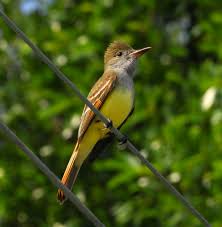


These little birds are so fun to watch- if you can spot them! We need a tree house at camp so we can get up higher to watch birds!

 The Adventures of Ellie and Edmond