Posts Tagged With: animals

MAMMAL MONDAY # 61

MAMMAL MONDAY #61

Are you ready for a new adventure today? We’re going to Africa today to meet a small, cute but stinky little mammal! Grab your safari gear and let’s head out!
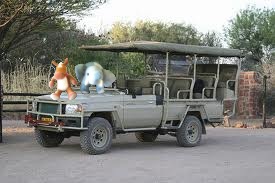
e & e safari van

MEET THE AFRICAN STRIPED WEASEL!

african striped weasel   Range/Habitat: Central-South Africa/grasslands

   Diet: Carnivore: mice, rodents

   Length/Weight: 10-14”/8-13 oz

   Conservation Status: common


Fun Facts:

  • African Striped Weasels have long slim bodies.
  • They have long claws for digging.
  • African striped weasels have long white striped down their back and tails.
  • African striped weasels live in burrows.
  • They spray a stinky liquid from glands located on their behinds to defend themselves.


These weasels look like the African version of the skunk! We’ll admire them from a distance in order to not catch a whiff of their defensive spray!

african striped weasel2

Categories: adventure, Animals, Children, conservation, education, Environment, mammals, nature, science, wildlife | Tags: , , , , , , , , , | 1 Comment

FEATHERY FRIDAY # 60

FEATHERY FRIDAY #60

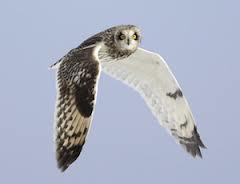
It’s Feathery Friday and we’re heading to Utah to meet bird who is a real hoot! Haha! You won’t need your night goggles to meet this owl because they come out during the day!

e e grasslands

MEET THE SHORT EARED OWL!

short eared owl   Range/Habitat: North America-South America-Europe-Asia-Africa/

wetlands, grasslands

   Diet: Carnivore: mice, voles

   Length/Weight: 14 ½”/ 7-18 oz

  Conservation Status: common


Fun Facts:

  • Short eared owls have long wings.
  • They often fly close to the ground.
  • Short eared owls are diurnal (active during the day).
  • They usually roost on the ground.
  • Short eared owls have large round faces.

It is so awesome to see an owl out during the day! Often we only hear owls at night and we don’t see them, so it’s a real treat to see one! Whoooo doesn’t love owls day or night?

short eared owl3   Short-eared Owl2


Categories: adventure, Animals, birds, Children, conservation, education, Environment, nature, owls, wildlife | Tags: , , , , , , , , , , | 1 Comment

SUPER SURPRISE THURSDAY # 60

SUPER SURPRISE THURSDAY # 60

Are you ready to guess the animal?

brown pelican2

  • I have a pouch for a bill.
  • I live in the Western Hemisphere from Canada to South America.
  • I catch fish by diving in the water.

WHO AM I?

Categories: adventure, Animals, birds, Children, conservation, nature, oceans, wildlife | Tags: , , , , , , , , , , | 3 Comments

WATERY WEDNESDAY # 60

WATERY WEDNESDAY # 60

Let’s hop in the E & E sub and head off to find a fish who is bright red! These funny fish have funny looking faces too! Are you ready for today’s adventure?

e e deep sea

MEET THE RED MULLET!

redmullet   Range/Habitat: Atlantic Ocean, Mediterranean & Black Sea/ ocean

   Diet: Carnivore: mollusks, fish, worms

   Length/Weight: up to 16”/up to 2 ¼ lb

   Conservation Status: common


Fun Facts:

  • Red mullet have forked tails.
  • They have two barbels on their chin.
  • They can move the two barbells independently of each other. They use to them to find prey.
  • Red mullets are also called goatfish.
  • They have a downward pointing mouth.


Red mullet are funny looking fish with their barbels. We love that some fish come with their own built in fish poles!


Categories: adventure, Animals, Children, conservation, education, Environment, fish, nature, oceans, science, wildlife | Tags: , , , , , , , , | 2 Comments

REPTILIAN TUESDAY # 60

REPTILIAN TUESDAY # 60

It’s that most wonder day where we meet a reptile and we’re going to Southeast Asia to meet a small and cute lizard! Who’s ready to meet….?

e e grass yard

MEET THE GARDEN LIZARD!

garden lizard   Range/Habitat: Western-Eastern South Asia/ farmland, urban

   Diet: Omnivore: insects, small animals

   Length: 12-14”

   Conservation Status: common


Fun Facts:

  • Garden lizards have long tails.
  • Garden lizards’ color varies.
  • The males have red throats and mouths during breeding season.
  • Garden lizards are excellent climbers.
  • Garden lizards are ambush predators.

We sure wouldn’t mind having these little Garden lizards in our garden! They really can help keep the insect population in check and that can be good for your plants!


Categories: adventure, Animals, Children, conservation, education, Environment, gardens, nature, reptiles, wildlife | Tags: , , , , , , , , , | 2 Comments

MAMMAL MONDAY # 60

MAMMAL MONDAY #60

We are off to meet a mammal who lives in a watery habitat in South America! So hop aboard our boat as we float down a river to find one cool mammal!

e & e river boat

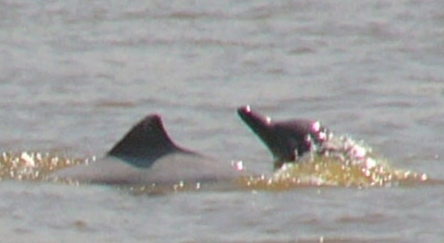
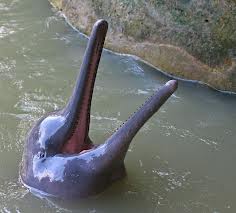
MEET THE GREY RIVER DOLPHIN!

grey river dolphin   Range/Habitat: Central America-Northern South America/rivers,

estuaries, coasts

   Diet: Carnivore: fish, squid

   Length/Weight: 4 ½-6 ½ ft/ 77-88 lb

   Conservation Status: data deficient


Fun Facts:

  • Grey River Dolphins live in freshwater habitats and estuaries.
  • They have long prominent beaks.
  • Grey river dolphins are very acrobatic.
  • They are small and stocky.
  • They have large dorsal fins.
  • Grey river dolphins are solitary or live in pairs.

Grey river dolphins are amazing animals! Did you know that there were dolphins that live in rivers? We had no idea! We continue to be surprised by all the different animals on our planet!

grey river dolphin2   grey river dolphin3


Categories: adventure, Animals, Children, conservation, education, Environment, mammals, nature, rainforests, rivers, science, wildlife | Tags: , , , , , , , , , | 2 Comments

FEATHERY FRIDAY # 59

FEATHERY FRIDAY #59

We’re jumping on a plane and heading to New Zealand to meet a one of kind bird on this fine Feathery Friday! Are you ready for an adventure down under?

e e stream

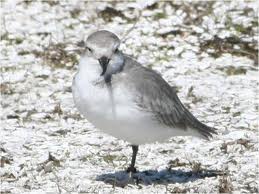
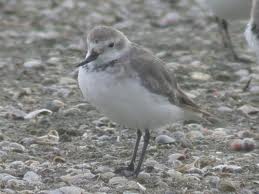
MEET THE WRYBILL!

wrybill   Range/Habitat: New Zealand/rivers-estuaries

   Diet: Carnivore: insects, insect larva

   Length/Weight: 7.9-8.3”/ 1.5-2.5 oz

   Conservation Status: vulnerable


Fun Facts:

  • Wrybills have grey and white feathers.
  • They have long black bills.
  • Wrybills are curved to the right and sideways. They are the only birds in the world with this type of beak.
  • They perform aerial ballets during mating and migration.
  • Wrybills are a wading bird.

These funny little birds are so neat! You must get up close to see their unusual sideway bent beaks! We sure do love meeting such amazing birds!

wrybill2   wrybill3

Categories: adventure, Animals, birds, Children, conservation, education, Environment, nature, rivers, science, wildlife | Tags: , , , , , , , , , | 2 Comments

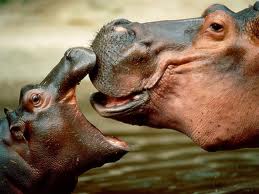
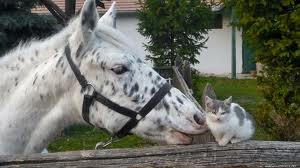
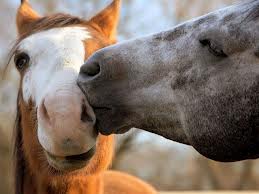
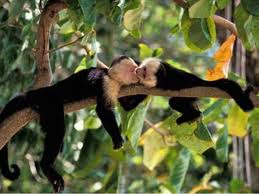
VALENTINES FOR THE ANIMALS!!

HAPPY VALENTINE’S DAY EVERYONE!

Today we are sharing some love- the love of animals with you! Have a great day!

E E Valentine

giraffevalbirdval

hippoval

horsecatvalhorseval

pandaval

penguinsval

monkeyval

seahorsesval

tamanduaval  tortoiseval

Categories: adventure, Animals, Children, conservation, education, Environment, nature, science, Valentines, wildlife | Tags: , , , , , , , , , | 4 Comments

WATERY WEDNESDAY # 59

WATERY WEDNESDAY # 59

We’re getting our snorkeling gear out and heading the coral reefs of the Pacific Ocean today! We’re off to find a fish who lives with another animal who stings! Are you ready? Let’s do this!

e & e snorkeling

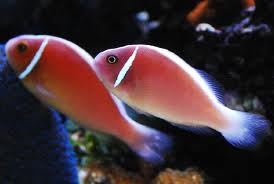
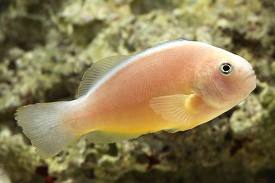
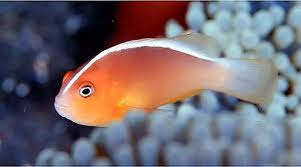
MEET THE PINK SKUNK CLOWNFISH!

pink skunk clownfish   Range/Habitat: Pacific Ocean/ coral reefs

   Diet: Omnivore: plankton, algae

   Length: 4”

  Conservation Status: common


Fun Facts:

  • Pink Skunk Clownfish are also known as the pink skunk anemonefish.
  • They have a symbiotic relationship with anemone and live among their tentacles.
  • Pink skunk clownfish have a long white stripe down their backs.
  • Pink skunk clownfish have a mucus coating that protects them to the toxins of the anemone.
  • They lay their eggs near their anemone hosts.


We bet you didn’t know there other species of clownfish out there! They aren’t all just orange and white! Animals that have mutual symbiotic relationships are so neat! Can you think of any other kinds of symbiotic relationships in the animal world?

pink skunk clownfish2   pink skunk clownfish3


Categories: adventure, Animals, Children, conservation, education, Environment, fish, nature, oceans, science, wildlife | Tags: , , , , , , , , , , | Leave a comment

REPTILIAN TUESDAY # 59

REPTILIAN TUESDAY # 59

We’re going exploring in the US today for an aquatic reptile with a bite! Let’s grab our wellies and your night vision goggles and let’s go exploring near a pond and see if we can find today’s animal!

EE NIGHT MARSH

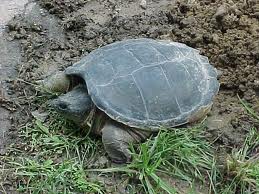
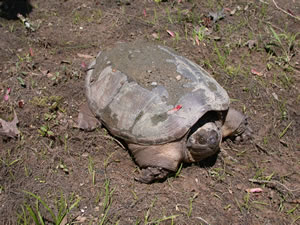
MEET THE COMMON SNAPPING TURTLE!

common snapping turtle   Range/Habitat: South Canada-USA-Mexico/ ponds, lakes & streams

   Diet: Omnivore: fish, frogs, aquatic plants

   Length/Weight: 10-20”/9.5-35 lbs

   Conservation Status: common


Fun Facts:

  • Common Snapping Turtles carapaces (top shell) vary in color, from brown to green.
  • They have long tails.
  • Common snapping turtles are nocturnal.
  • Common snapping turtles spend most of their lives in water.
  • They have webbed feet.
  • Common snapping turtles hibernate in cold weather.
  • Female common snapping turtles lay a clutch of eggs and the sex of the babies is determined by the temperature of the nest.

Common snapping turtles are such amazing creatures. Those snapping beaks are definitely built for eating! We’ll stay away those!

common snapping turtle2  common snapping turtle3

Categories: adventure, Animals, Children, conservation, education, Environment, nature, reptiles, science, turtles, wildlife | Tags: , , , , , , , , , , | 10 Comments

Blog at WordPress.com.