
GUESS THE ANIMAL!!
Who’s ready to guess the animal today? We’ve got an animal that lives in our neck of the woods! Be sure to tell us who you think it is!

- They are omnivores.
- They live all over North America.
- They are related to seals.
WHO IS IT?
GUESS THE ANIMAL!!
Who’s ready to guess the animal today? We’ve got an animal that lives in our neck of the woods! Be sure to tell us who you think it is!
WHO IS IT?
SCIENCE WORD OF THE WEEK!
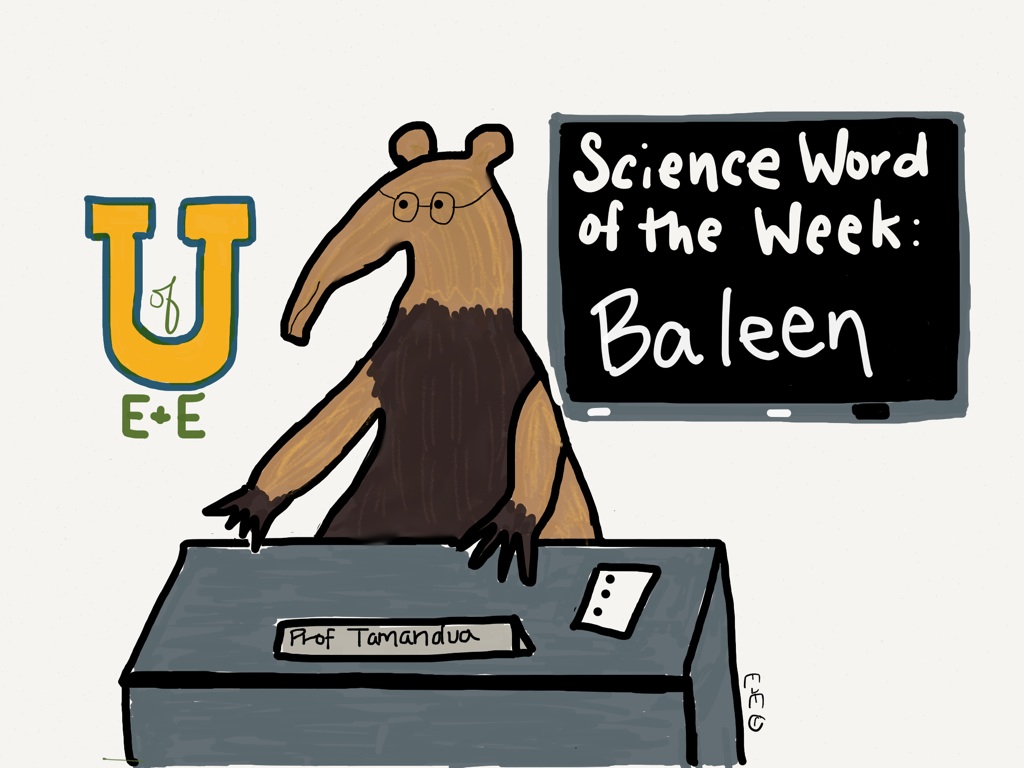
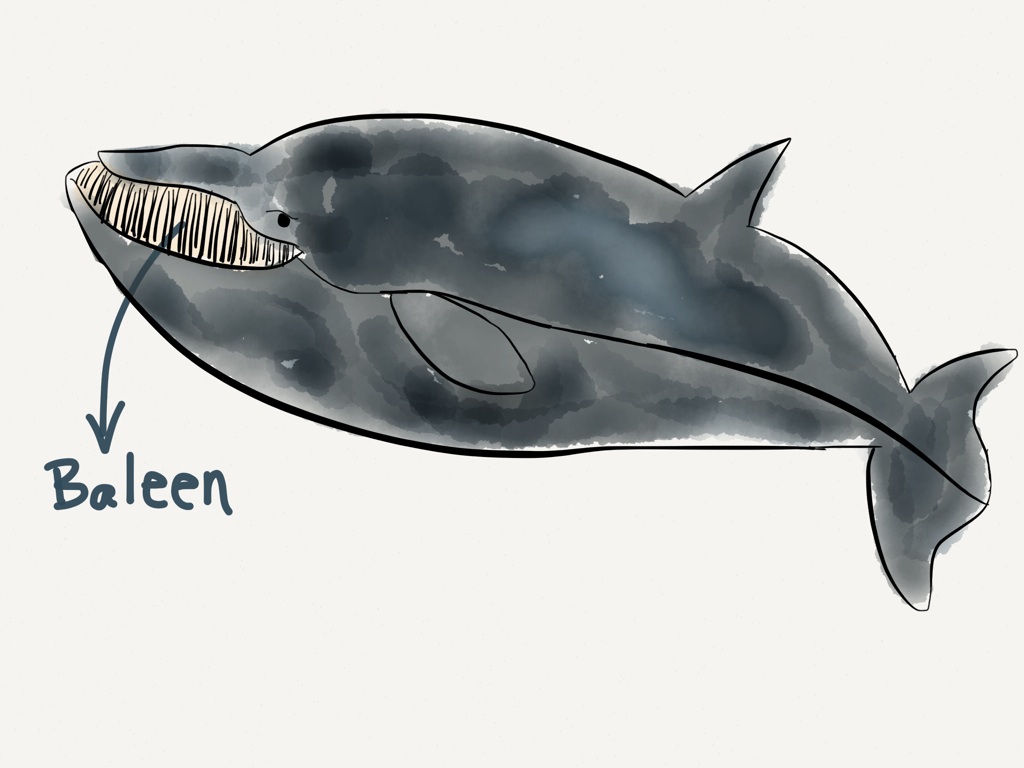
Welcome back to class! Who is excited about the big art contest Ellie and Edmond are having? I am really looking forward to seeing all the great entries! This week our word is all about whales! We’re talking about baleen!
Baleen: a fibrous structure made of keratin* that grows in the upper and lower jaw of baleen whales. Baleen allows these whales to filter water out and keep their prey in. Baleen whales eat tiny animals like krill and plankton. Baleen whales include the Blue Whale, the Gray Whale, the Southern Right Whale and the Humpback Whale.
ART HAS GONE TO THE ELEPHANT & HORSES!

We’re having an art contest and we want you to enter! We’ve wanted to make and Ellie and Edmond calendar for the last couple of years, but have never actually done it. This is where we want you! We’re looking for your Ellie and Edmond art to make into a calendar for 2015! Here are the rules:
We’ll have a limited numbers of calenders to purchase in the late fall. All proceeds from the calendar sales will go to the David Sheldrick Wildlife Trust, an organization that helps raise orphans elephants in Africa! So get those creative juices flowing and pull out those paint brushes! It’s time to create some great art and help orphan elephants too!
GUESS THE ANIMAL!
We’re still here in the rainforest! We spotted a small but brightly colored animal in the trees today! We were super lucky to catch a glimpse too! We made sure to keep our distance though! Read the clues, check out the picture and tell us who we found!

WHO IS IT?
WORLD TIGER DAY!
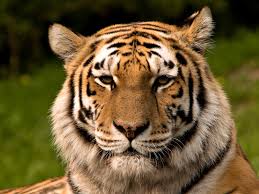
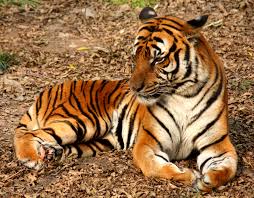
Happy World Tiger Day! We’re ready to celebrate these gorgeous striped cats! There are so many things to love about tigers, so we’ll just name a few! These majestic big cats are endangered though. We’ll tell you about a few places where you can help!


We just love tigers! There numbers are dropping drastically in the wild! There are only a few thousand left! It’s important on this World Tiger Day that we learn how we can help conserve tigers! You can “adopt” a tiger from World Wildlife Fund or Defenders of Wildlife. Another great organization that rescues tigers who are kept as pets or used in circuses is Big Cat Rescue in Florida! Check them out and see all the work they do help!
SCIENCE WORD OF THE WEEK!

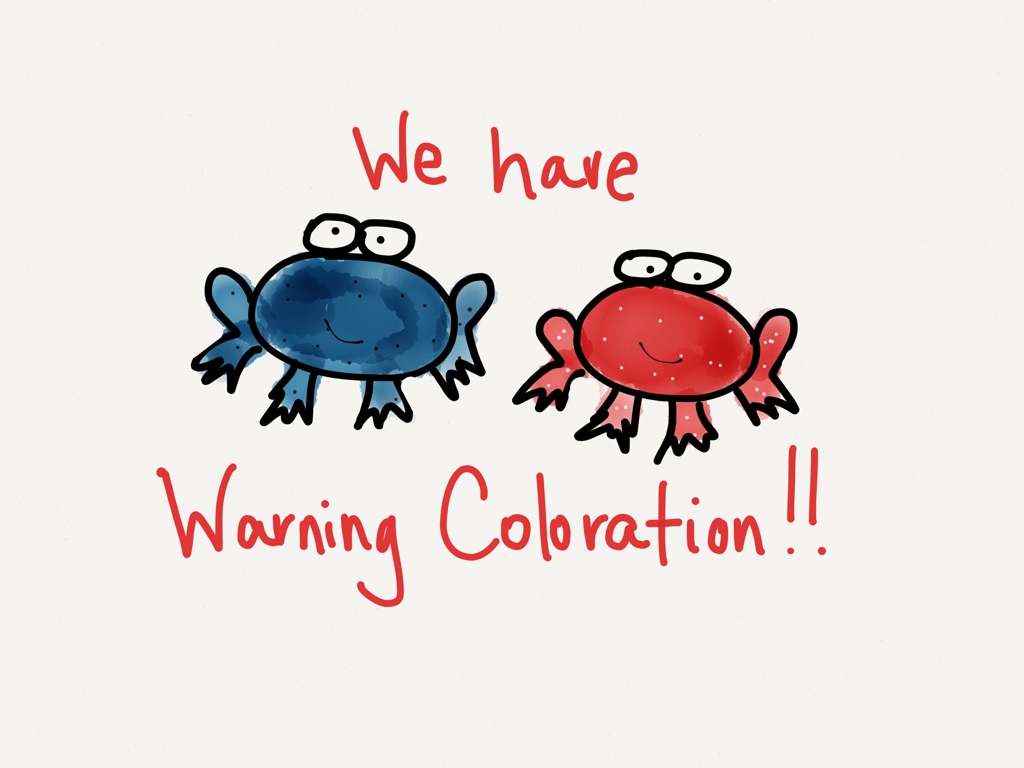
Welcome to class everyone! Ellie and Edmond are still in South America exploring the rainforest! I was so excited to see they saw a tamandua out in the wild! This week’s word is all about adaptations! It’s how some animals warn predators that they are toxic or poisonous! I warn predators with my strong odor!
Warning Coloration: When an animal is brightly colored to warn predators that they may be toxic or poisonous. Animals such as poison dart frogs have warning coloration! Monarch butterflies also have warning coloration! This is a great defense mechanism! If you had warning coloration- what would it be?
Day 43… Golden Lion Tamarin
We had a great day at watching tamanduas. We took a day to travel over to Brazil to meet another amazing animal that calls the rainforest home! We donned our rain gear and headed in to the forest. These small and agile tree dwelling monkeys aren’t easy to spot, so we had to be patient. We sat for several hours. We could hardly contain our excitement when we spotted a family of the Golden Lion Tamarins we’d been looking for!

Range/Habitat: Eastern South America-Brazil/ rainforest
Diet: Omnivore: fruit, grubs, insects Length/Weight: 8-10”/ 14-29 oz
Conservation Status: critically endangered

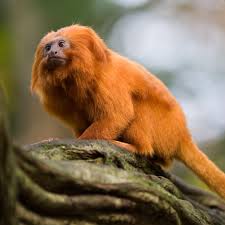

These tamarins are critically endangered, but zoos across the country are working very hard to save them. Read about the program here. We were so lucky to see these amazing monkeys in wild!
Day #42 (4/23/2014) Southern Tamandua
We were so excited to see one of Professor Tamanadua’s wild relatives while we are here in South America! Tamanduas are such great creatures, even if they are a bit stinky :)!
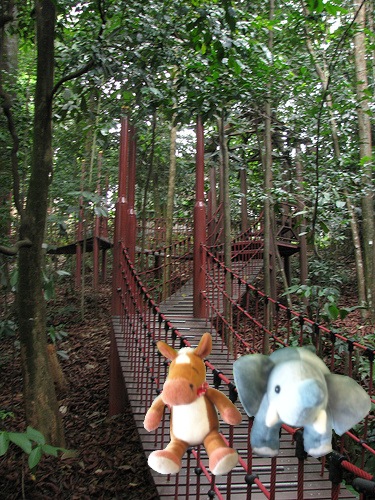
Their range/habitat: Central- South America/forest-scrub
Their length/weight: 2-8 ft/ 4 1/2- 7 lbs Conservation Status: common
Their diet: Insectivore: ants, termites
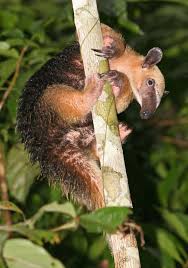
• Southern Tamanduas are also known as lesser anteaters.
• They are arboreal.
• Southren Tamanduas have a strong musty odor to help protect them predators.
• Southren tamanduas have no teeth. They use a long tongue to catch their insect prey!
• They are nocturnal.
• Southern tamanduas have long claws for climbing and digging for prey.
• They have a partially prehensile tail that helps them grip branches in trees and balance when they stand up on their hind legs.
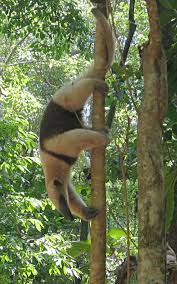
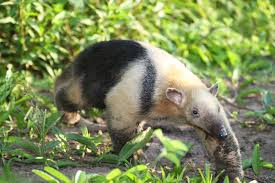
Tamanduas and anteaters are one of natures coolest animals. Those long claws, noses and tongues make them unusual and fascinating! One tamandua can eat up to 9,000 termites in one sitting! Nom! Nom! Nom!
-Ellie and Edmond
SCIENCE WORD OF THE WEEK!
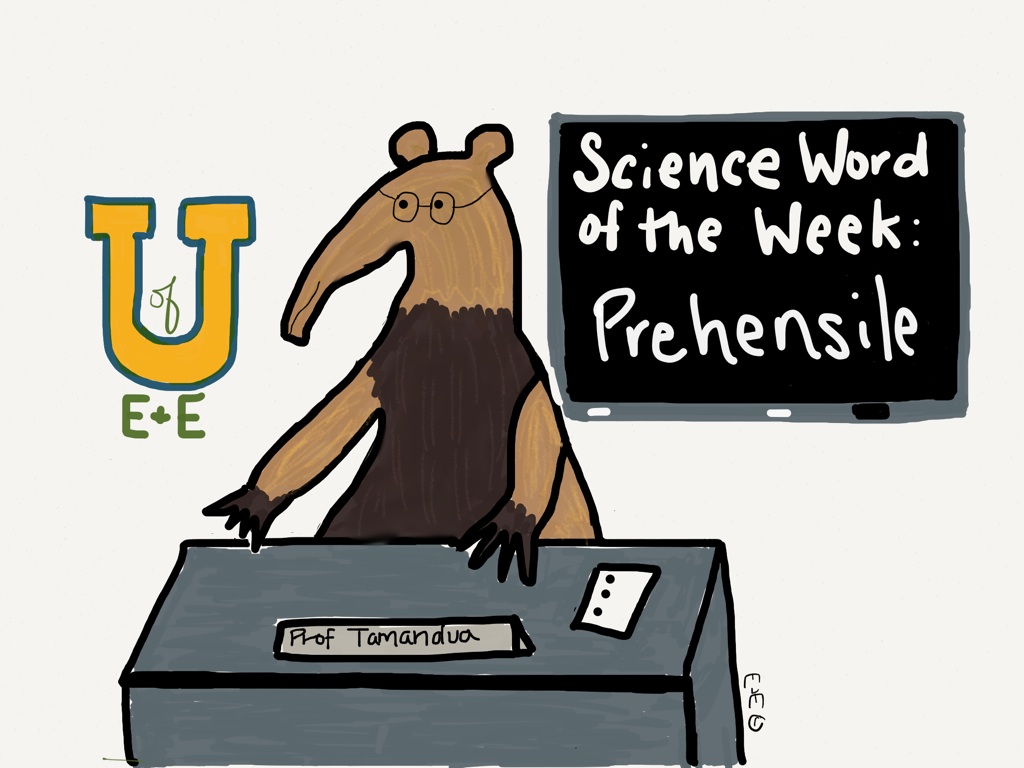
Hello students and welcome to class this fine Monday! I hope you have had a wonderful weekend! I hear that Ellie and Edmond are heading to South America this week! That should be so exciting! I bet they will see some animals with prehensile tails! Prehensile is our word of the week too!
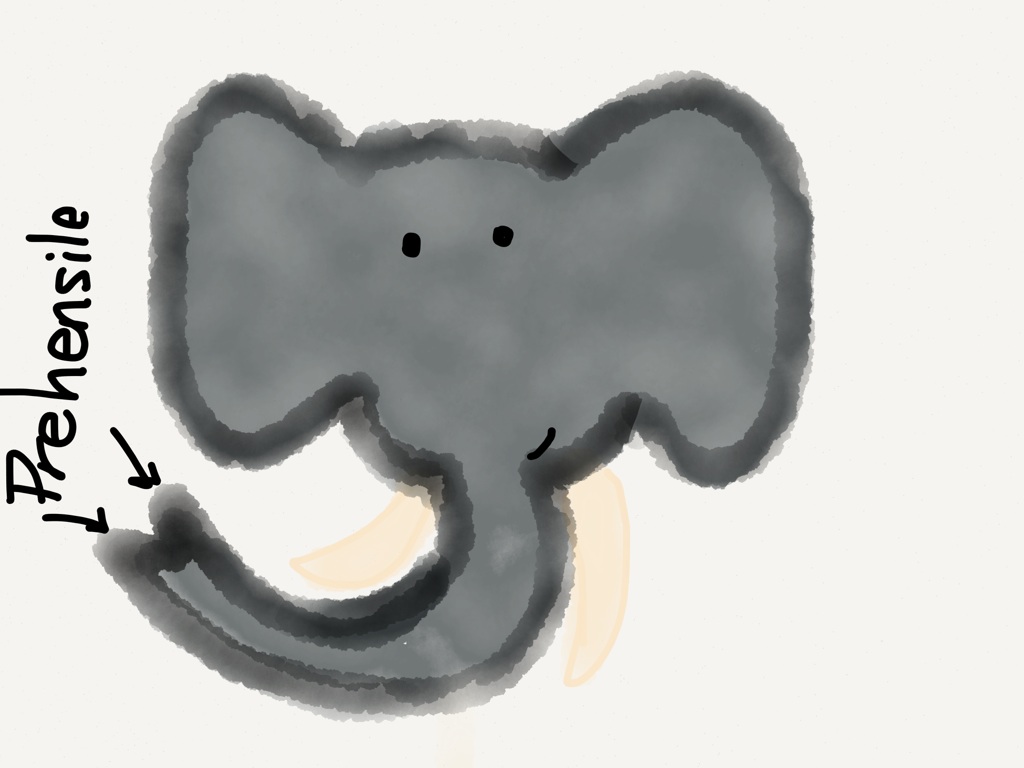
Prehensile (prē-ˈhen(t)-səl, –ˈhen-ˌsī(-ə)l): the ability to grab or hold something by wrapping around it.
Most of us think of tails when we think of prehensile limbs- such as monkeys (only monkeys that live in Central and South America have prehensile tails). Other appendages and body parts can be prehensile too- like a giraffe’s tongue or the lip of a black rhino. One of my favorite example of prehensile body part is Ellie’s trunk! The two proboscides (the lip like projections on an elephants trunk) are prehensile; they are capable of picking up a single blade of grass! Wow- who knew! Can you think of other animals who have prehensile body parts, like the panther chameleon below?

Day #41 (7/16/2014) Dogface Pufferfish…

We went snorkeling at the Great Barrier Reef yesterday and spotted so many kinds of animals, from fish to crustaceans to cephalapods. We saw a curious funny faced fish. We realized it was a pufferfish and not just any pufferfish- a dogface pufferfish!
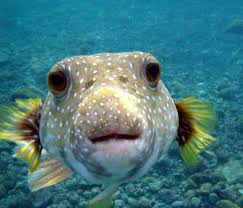
Their range/habitat: Indo-Pacific oceans/ coral reefs
Their length: 3-12″ Conservation Status: common
Their diet: Omivores– algae, seaweed, sponges
• Dogface pufferfish are also known as the blackspotted puffer.
• They have no pelvic fin.
• Dogface pufferfish are solitary and territorial.
• Dogface pufferfish to have toxins.
• They will puff up when threatened.
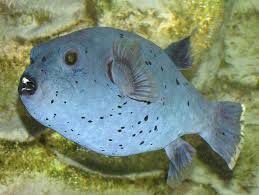
We were so excited to see this special fish with the dog like face! Puffer fish get a bad rap; who knew they could be so cute? We’re going to bed for the night, it is exhausting snorkeling all day! More adventures tomorrow!
-Ellie and Edmond


 The Adventures of Ellie and Edmond